4.8/5
Free AI SOP Maker
Make SOPs with AI. Record a process once and get ordered steps, screenshots, and a narrated video you can edit and publish.
Try for Free
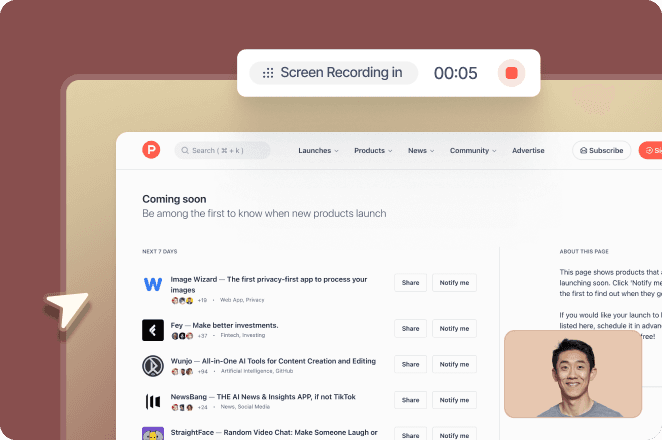
An AI SOP maker turns a recording of a process into a written standard operating procedure. Need the reverse, from a written SOP to a video? See how to turn an SOP into a training video. You perform the task once, the AI works out what the steps were, captures a screenshot for each, drafts the instruction text, and hands you a document to review. Trupeer's free AI SOP maker does this in about thirty seconds of processing.
AI splits the recording into discrete, ordered steps.
A screenshot is captured for every step, at the moment the action happened.
Instruction text is drafted from what the AI observed.
Filler words and dead air are stripped from the narration.
You get a written procedure and a narrated video from the same capture.
Free to start, no card required.
What Is an AI SOP Maker?
An AI SOP maker is a tool that writes the first draft of a procedure for you, from a recording of the work rather than from a blank page. The distinction from every other way of producing an SOP is where the content originates: a template gives you empty headings, a document editor gives you nothing at all, and an AI SOP maker gives you a draft derived from the process as it was actually performed.
That matters more than it sounds. Procedures written from memory are missing steps, and reliably the same kind of steps: the ones the author does automatically and no longer notices. A recording does notice them, because they happened on screen. So an AI-made draft tends to start more complete than a hand-written one, even though it needs review.
"AI SOP maker", "SOP maker" and "AI SOP generator" all describe the same category, and vendors use them interchangeably. If you want the definition on its own terms, the glossary entry on what an AI SOP generator is covers the concept, and the SOP generator is the tool page if generating from a recording is specifically what you are after.
How AI Creates an SOP
Four things happen between your recording and the document. Knowing which is which makes it obvious where to spend review time.
AI Identifies the Steps
The hardest part, and the one that most determines whether the output is usable. The AI reads the sequence of actions and decides where one step ends and the next begins. That is a judgement, not a transcription: three clicks inside the same dialogue are usually one step, while a single click that changes context is usually two. This is also where the AI drops the dead ends, the moments you clicked the wrong thing and backed out.
AI Captures the Screenshots
For each step, a frame is captured at the point the action happened, so the reader sees the screen in the state you saw it. This is the part that would take longest by hand: capture, crop, paste, repeat, for every step in the procedure.
AI Writes the Step Descriptions
Each step gets drafted instruction text based on the observed action. Expect this to be accurate about what happened and neutral about why. The AI can see that a field was filled in; it cannot see that the field must match the value on the purchase order.
AI Formats the Document
Steps are numbered, ordered, and laid out consistently, with your branding applied if you have set it up. Narration is cleaned of filler words and dead air, and zoom effects are added to the video version. The result is that two procedures made by two different people come out looking like one set.
One Recording, Two Outputs: Written SOP and Video
The same capture produces both a step-by-step written procedure and a narrated video. Not two projects, not a document with a clip pasted into it. One recording, two deliverables, generated together.
This solves a problem most teams have stopped noticing. The written SOP and the training video are normally made separately, by different people, at different times. Then the process changes, somebody updates the document, and the video quietly carries on teaching the old method to every new starter who watches it. When both come from one source, revising the recording revises both.
What the video side gives you:
Narration without the re-takes:
filler words and dead air are stripped out, so a first-take recording sounds deliberateZoom on the action:
effects applied automatically so the viewer is looking at the right part of the screenCaptions and other languages:
captions and the same procedure published across 65+ languages, rather than re-recorded per marketBranded formatting on both:
branded formatting applied from your brand kit, so logo, banner colour and fonts applied to the document and the video, so output looks like one company made it
Turning Existing Videos Into SOPs
You do not have to start with a fresh recording. If you already have a backlog of screen recordings sitting in a drive, upload them and generate a written procedure from each. Teams with twenty or thirty old Loom or Teams recordings usually get more value from working through that backlog than from recording anything new, because the processes are already captured. The reverse also works: an existing SOP recording becomes a training video without a separate editing project.
Getting It Out as a File
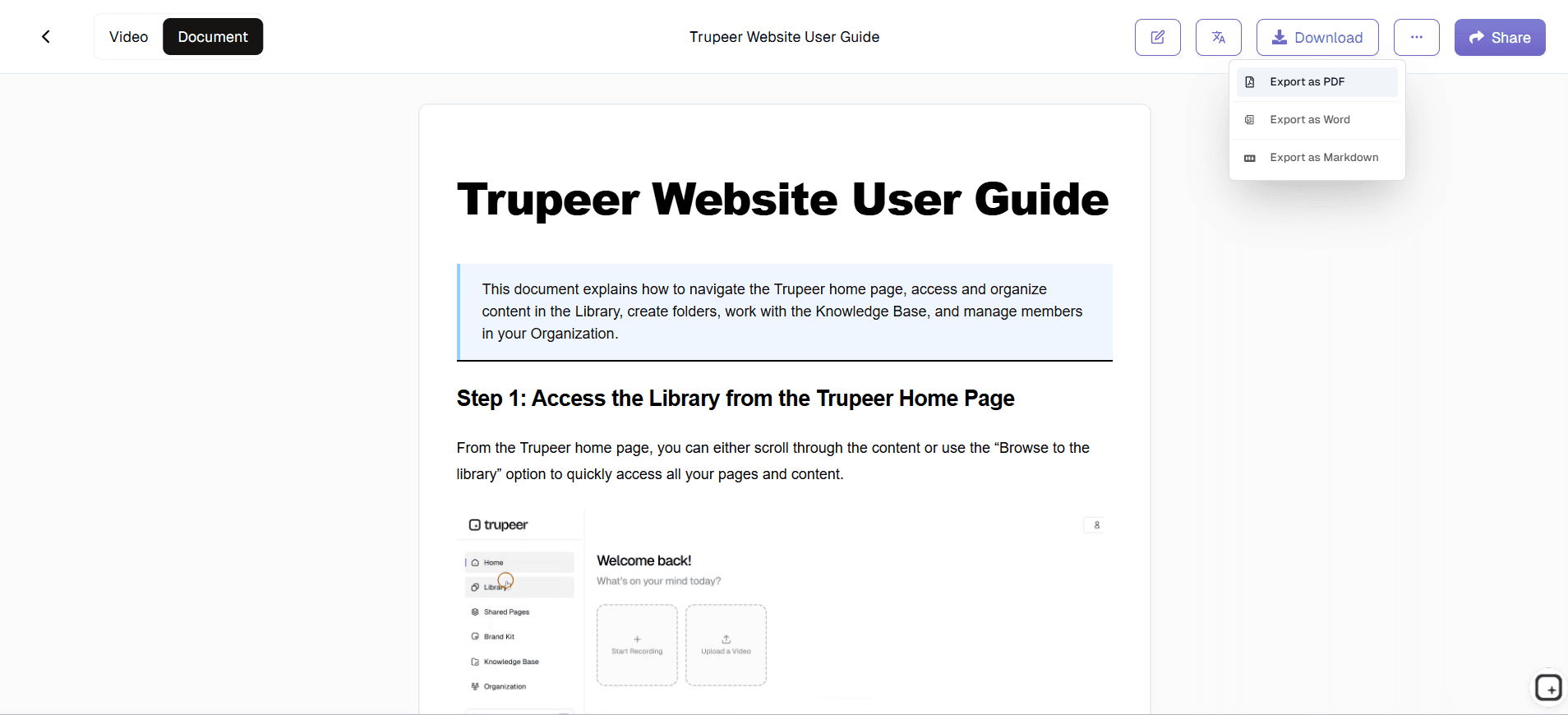
Download the finished procedure as a PDF or Word file from the Documentation tab when a quality system, an audit file, or a client expects a document. Otherwise share by link, embed it where your team works, or publish it to a searchable knowledge base.
Making an SOP With AI: Example Workflow
A realistic run-through, using a support team documenting how to process a refund.
Pick the moment, not a slot in the calendar:
the next refund request that comes in is the recording. Nobody has to schedule documentation workRecord the task at normal pace:
around four minutes for this one. Narrate if it helps, or stay silent and let the actions speakGenerate:
about thirty seconds. Out comes a draft with roughly a dozen steps, a screenshot each, and a narrated videoReview, which is the real work:
ten to fifteen minutes. Merge the two steps that were one action. Fix the step where the AI described the button rather than the decision. Add the refund threshold above which a supervisor has to approve, because that rule lives in a policy document, not on the screenBlur and brand:
blur the customer's details that appeared in the account panel, apply the brand kitPublish:
share by link or add it to the team's knowledge base
Total: 15 to 30 minutes for a procedure that would take well over an hour to write and screenshot by hand. The generation step is the fast part; the review step is where the quality comes from.
Editing an AI-Generated SOP
No AI-made draft should publish unreviewed, so editing is part of the workflow rather than a fallback. What you will usually change:
Step boundaries:
merge steps that are one action, split any that quietly contain three, and delete the false startsWording:
replace positional references like "click the third tab" with the name of the thing, so the procedure survives a redesignScreenshots:
crop to the region that matters, annotate the exact control, and blur anything sensitive that appearedThe missing context:
the why, the exceptions, the thresholds, and who to contact when the procedure runs out
If restructuring and formatting is the main thing you need, that is the job of the SOP builder, which covers sections, step structure, images, and branding in more depth.
Limitations of AI-Generated SOPs
Worth knowing before you rely on it, because these are the failure modes rather than teething problems.
AI cannot see anything off the screen:
approvals given verbally, judgement calls, rules that live in a policy, the reason a step exists. All of it has to be added by a personIt documents what you did, not what you should have done:
record a process performed badly and you get a well-formatted description of a bad process. Garbage in applies fully hereExceptions do not appear:
a recording captures one path through the work. The unusual cases, which are where most errors happen, have to be written inStep boundaries are a guess:
a good one, but you will still merge and split. Expect to touch a few steps in every procedureNon-screen work needs a different approach:
machine setup, warehouse handling, lab procedures. Video shot on a device plus written steps, not screen captureNobody has approved it:
a generated draft carries no sign-off. The process owner still has to say it is right
Treat AI output as a strong first draft. The value is not that the AI writes a publishable procedure; it is that producing and revising drafts becomes cheap enough that you end up with a library instead of the four documents somebody wrote once.
What Is Free, and Where the Free Plan Ends
People searching for an SOP maker free of charge are usually deciding whether a free tier is real or a trial in disguise, so it is worth being direct about the difference.
A free trial gives you full features for a fixed period and then stops. A free plan keeps working, with limits. Trupeer is the second kind: free to start with no card required, so you can record a real process, generate it, edit it, and publish it before deciding whether to pay. Limits typically sit around recording length, how many procedures you publish, and whether branding and team permissions are included, and the current ones are on the pricing page.
The practical advice: document one procedure your team actually asks about, end to end, on the free plan. That tells you more about whether the tool fits than any feature comparison, and it leaves you with something useful either way.
How Trupeer's AI SOP Maker Works
Step 1: Record or Upload
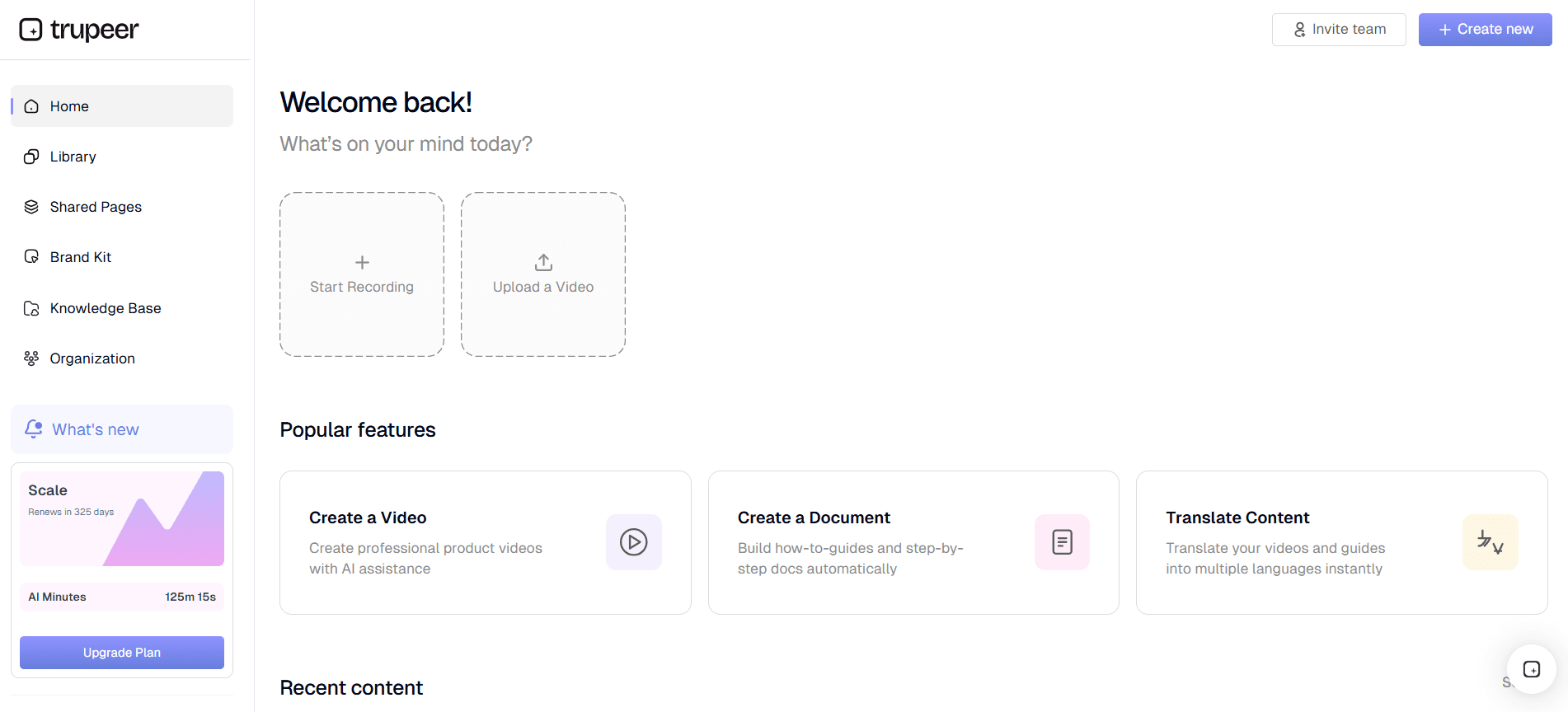
Start a screen recording in your browser, or upload a video you already have.
Step 2: Let the AI Make the SOP
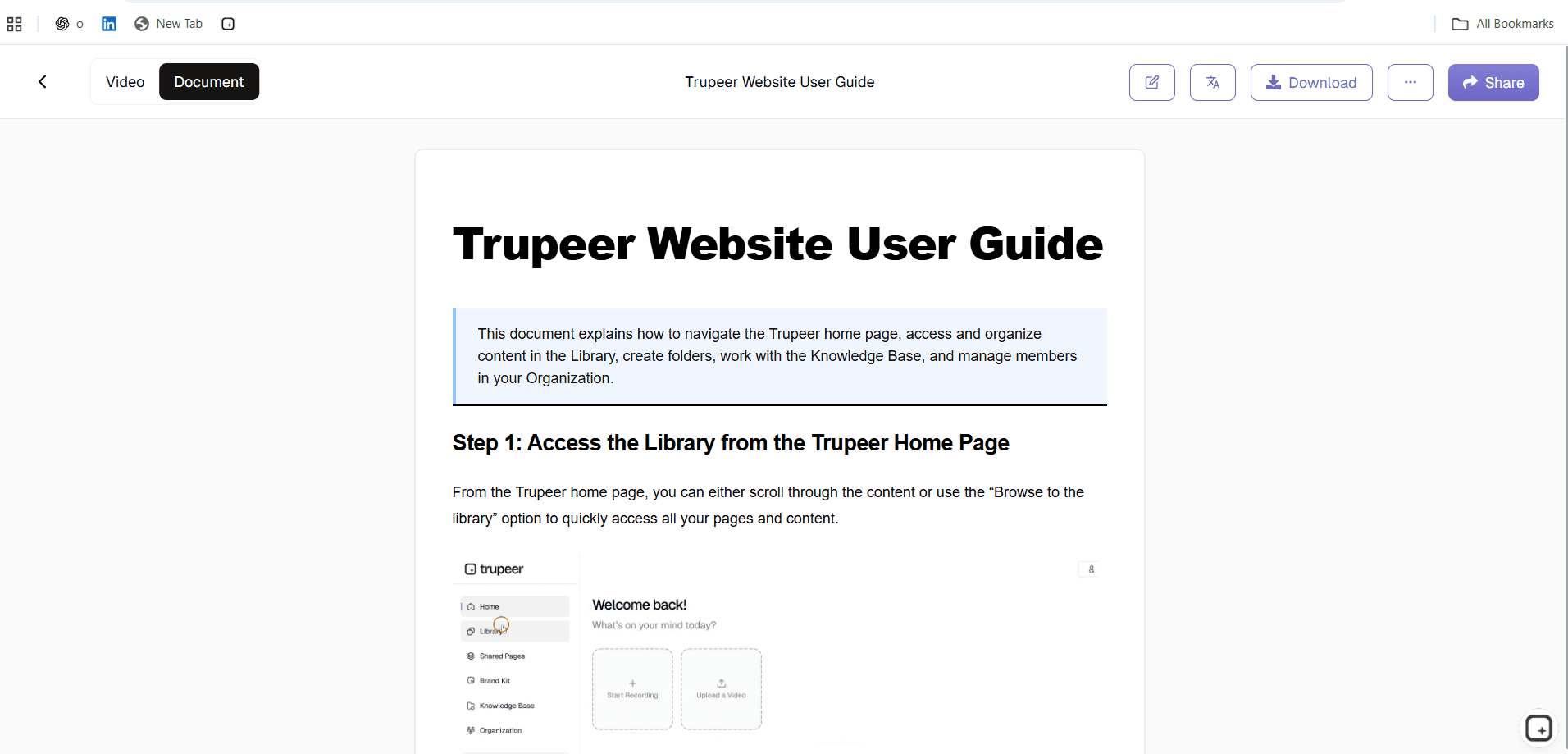
Choose whether you want a document, a video, or both, and generate. Around thirty seconds later you have ordered steps, a screenshot each, drafted instruction text, and a narrated video with the filler words removed.
Step 3: Review, Brand, and Share
Open the editor to fix step boundaries and wording, crop and annotate screenshots, and blur anything sensitive. Apply your brand kit, then publish or export as above.
If you want the wider picture of creating and managing procedures rather than just making them, that sits on SOP software.
Explore Related Tools
Why Teams Choose Trupeer's AI SOP Maker
A Draft, Not a Blank Page
AI splits the recording into ordered steps, captures a screenshot for each, and drafts the instruction text in about thirty seconds.
Written SOP and Video Together
One recording produces both a step-by-step document and a narrated video, so the two versions cannot drift apart.
Free to Start, Card Free
Document a real process end to end on the free plan before deciding whether the paid features are worth it.
How to Make an SOP With AI
Step 1
Record the task once, at normal pace
Step 2
AI drafts the steps, screenshots, and text
Step 3
Review, add what AI could not see, publish
Frequently Asked Questions
Is the AI SOP maker really free?
Yes, you can create SOPs for free. You record or upload a process, generate a formatted SOP, edit it, and share it without paying. Advanced options like brand kits, premium export, and longer recordings are on paid plans.
What is an AI SOP maker?
An AI SOP maker turns a recording of a process into a written standard operating procedure. You perform the task once; the AI works out what the steps were, captures a screenshot for each, drafts the instruction text, and gives you a document to review. The difference from a template or a blank document is where the content comes from: the process as performed, rather than what somebody remembers about it.
How does the AI generate an SOP?
Record your process on screen, and the AI transcribes it, writes numbered steps, and captures a screenshot at each step, then assembles a formatted, shareable SOP.
Can I get an SOP video as well as a written document?
Yes, both come from the same recording. Generate a step-by-step document, a narrated video, or both, with filler words and dead air removed and zoom applied to the action. That matters because a written SOP and a training video made separately drift apart: the process changes, someone updates the document, and the video keeps teaching the old method. You can also export the document as a PDF or Word file, or publish it to a knowledge base.
Can I edit an AI-generated SOP?
Yes, and you should. Merge steps that are really one action, split any that contain several, delete the false starts, and replace positional wording like "click the third tab" with the name of the thing so the procedure survives a redesign. You can also crop and annotate the screenshots and blur anything sensitive. If restructuring and formatting is the main job, the SOP builder goes into that in more depth.
More Tools