Trupeer Blog
Synthétiser
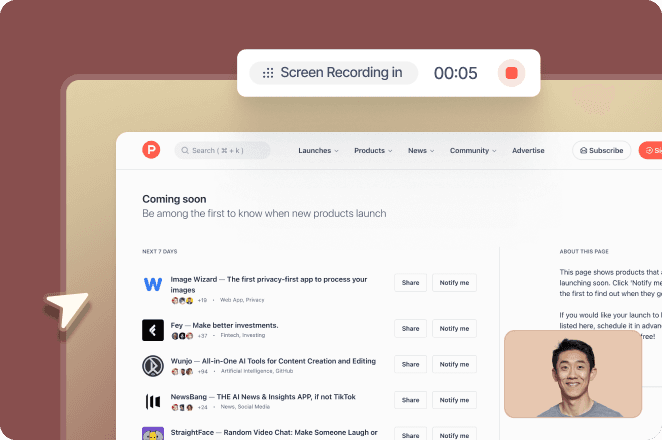
Good documentation answers questions, but only if people read it. Many users skim a help article, miss the step that matters, and open a support ticket anyway. Turning documentation into video gives them a second way in: the same approved content, shown and explained step by step, next to the written version they can still search and copy from.
What Is a Documentation Video?
A documentation video is a short video that teaches the same thing as a piece of written documentation, like a help center article, user guide, onboarding doc, feature guide or internal process doc. It shows the steps on screen and explains them out loud, usually in a few minutes.
Common types of documentation videos include:
How-to walkthroughs: step-by-step videos for tasks like "How to set up SSO" or "How to export a report".
Feature explainers: what a feature does and when to use it.
Onboarding videos: getting-started guides for new users or new employees.
Troubleshooting videos: how to fix a common error or problem.
Release videos: what changed in a new version, and what users need to do.
A documentation video doesn't replace the written doc. People still need text they can search, skim and copy from. The video is a faster way to understand it.
Which Documentation Should You Turn Into Video?
Not every doc needs a video. Start where video pays off most:
High-traffic help articles. Your most-viewed articles reach the most people, so a video there has the biggest impact.
Multi-step procedures in the product. Setup, configuration and integration guides are much easier to follow when people can see each screen.
Articles that still generate tickets. If users read the doc and contact support anyway, the doc isn't landing. A video often fixes that.
Onboarding and getting-started docs. New users are the least likely to read long text and the most likely to churn if they get stuck.
Release notes for big changes. A short video shows what moved and why, faster than a changelog.
Some documentation is usually better left as text: API references, code samples, legal and security policies, and reference tables people search rather than read.
How to Turn Documentation Into Video With AI
This is the fastest way to turn existing written docs into video, because the AI writes the script, which is usually the slowest part. Here's how it works in Trupeer.
Step 1: Check the doc's structure
The AI builds the video from your doc's structure, so a few minutes of cleanup pays off:
Clear headings. Each heading becomes a scene.
Numbered steps for procedures, in the order users follow them.
Exact UI labels. Button, menu and field names should match the product today.
Current screenshots. Outdated images lead to outdated videos.
One topic per doc. If an article covers setup and troubleshooting, consider two videos.
Step 2: Upload the doc to Trupeer
Open Trupeer's Document to Video tool and upload the doc as a PDF, Word or text file. For a help center article, save or export it as a PDF or Word file first. It all runs online, so there's nothing to install.
Step 3: Choose the kind of video
Pick the style that matches the doc:
Product walkthrough for how-to and setup guides.
Explainer for feature overviews and concepts. For more on this, see Document to Explainer Video.
Quick summary for release notes and long guides.
Training for internal process docs. For more on this, see Document to Training Video.
The style shapes how Trupeer's AI scripting writes the narration.
Step 4: Review the video against the source
Trupeer turns the doc into a script split into scenes, with narration and on-screen text. Before publishing, have the doc owner check it against the written version (see "Who Should Review Documentation Videos?" below). Edit any line, and the voiceover and captions update automatically.
Step 5: Add a voice, brand and publish
Choose an AI voice, add an AI presenter if you want one, and apply your brand kit so every documentation video looks consistent. Then export an MP4, share a link, or embed the video in your help center.
How to Create Documentation and Video at the Same Time
If your documentation describes a product workflow, there's an even better approach: record the workflow once, and get both the video and the written doc from the same recording.
Record the workflow with Trupeer's screen recorder, talking through each step as you do it.
Trupeer turns the recording into a polished video, and can replace your voice with an AI voiceover so pauses and retakes disappear.
Trupeer generates the written doc from the same recording, with each step, a screenshot and a written instruction, ready to edit and export.
Because the video and the doc come from one recording, they match from day one, and the screenshots are always of the current product. This is how Trupeer's AI documentation works, and it's often the fastest way to build a help center from scratch. Learn more about how video to documentation AI works, or try the step-by-step guide generator.
Which route should you pick?
You already have good written docs: upload them with Document to Video.
You're documenting a product workflow from scratch, or your docs are outdated: record the workflow and generate both.
Why Technical Documentation Needs Extra Care
Technical docs carry details where "close enough" isn't good enough. When turning them into video:
Keep exact UI labels. If the button says "Save changes", the narration shouldn't say "click Save".
Name the version. If steps differ by plan, version or platform, say which one the video covers.
Show code, don't narrate it. Commands, API parameters and code snippets belong on screen, and in the written doc so users can copy them. Narration should explain what they do.
Don't paraphrase settings or limits. Values like timeouts, rate limits and permission names should match the doc word for word.
Link back to the doc for full reference details the video doesn't cover.
Worked example: a 1,200-word "How to set up SSO" article has an overview, prerequisites, eight configuration steps split across two screens, a troubleshooting section and a table of supported identity providers. As a video, it becomes:
What SSO does and who needs to set it up
Prerequisites: admin access and your identity provider details
Steps 1–4: configuring the identity provider
Steps 5–8: completing setup in the product
Testing the connection
The two most common errors, and how to fix them
The supported-providers table stays in the written article, and the video links to it.
How the writing changes:
Doc text: "Navigate to Settings > Security > Single Sign-On and select Configure. Enter the Entity ID and ACS URL provided by your IdP."
Narration: "Open Settings, then Security, and choose Single Sign-On. Click Configure. You'll need two values from your identity provider here: the Entity ID and the ACS URL. Copy them exactly, because a single extra character will stop sign-in from working."
The narration keeps every exact label, but adds the reason and the common mistake.
Who Should Review Documentation Videos?
The person who made the video isn't always the right person to check it. Split the review:
The doc owner or technical writer checks that the video matches the written doc: the same steps, the same order and the same terms.
A subject-matter expert, such as a product manager or engineer, checks technical accuracy, including versions, limits and edge cases.
Support or customer success checks that it answers the question users actually ask. They see the tickets.
For most docs, the first two reviews are enough. For high-traffic or high-risk topics, like security, billing or data, include all three.
How to Turn Notes Into a Video
Notes work too, as long as they have some structure. Meeting notes, lesson notes and rough internal docs can all become a short video:
Tidy the notes into headings and bullet points. Each heading becomes a scene.
Save them as a Word or text file, and upload them to Trupeer's Document to Video tool.
Choose a quick summary or explainer style, review the script and export.
If your notes are already written as a script, the script to video maker is the faster route.
How to Publish Documentation Videos Alongside Written Docs
Documentation videos work best when they sit with the written doc, not in a separate video library nobody visits.
Embed the video at the top of the article, so people can choose to watch or read.
Keep the written steps below it, so users can search, skim and copy.
Add captions to every video. Many people watch help content with the sound off.
Put videos in your knowledge base or help center, grouped with the related articles.
Link to them from the product, such as the tooltip or empty state where users get stuck.
Share them in onboarding emails and support replies, instead of pasting long instructions.
How to Keep Documentation Videos in Sync With Your Docs
The biggest risk with documentation videos is drift: the product changes, the doc gets updated, and the video still shows the old screen.
The fix is to tie video updates to the review process you already have for docs:
When a doc is updated, flag its video too, for example with a "video" tag or checklist item in your doc workflow.
Edit the matching scenes instead of re-recording. Trupeer's AI-powered video editor regenerates the voiceover and captions, and everything else stays as it was.
Re-record the workflow only for UI changes that affect the screens shown.
Review changes in each release cycle, so product updates, docs and videos ship together.
For global users, create the video once and use video translation to add dubbed voiceover and subtitles in 120+ languages, then regenerate the translations when the source video changes.
How to Measure Whether Documentation Videos Work
Views alone don't tell you much. These signals show whether the video is helping:
Ticket deflection: fewer support tickets on the topic after the video was added.
Article-to-ticket rate: fewer people contacting support right after viewing the article.
Video completion: how much of the video people watch. A big drop at one scene usually means that step is unclear.
Onboarding speed: how quickly new users reach their first key action.
Search behavior: fewer repeat searches for the same topic.
If a video isn't moving these numbers, check whether it answers the question users ask, not just the one the doc was written for.
Common Mistakes When Turning Documentation Into Video
Converting every doc. Effort goes into videos nobody needs. Fix: start with high-traffic articles that still generate tickets.
Replacing the written doc. Users lose searchable, copyable steps. Fix: publish the video alongside the doc.
Paraphrasing UI labels. Users can't find the button the video mentions. Fix: use exact labels, word for word.
Narrating code. It's impossible to follow by ear. Fix: show code on screen and keep it in the written doc.
Skipping the technical review. Wrong steps spread quickly. Fix: have the doc owner and an expert check the script.
Letting videos drift. The video shows an old screen. Fix: tie video updates to your doc review and release process.
Hiding videos in a separate library. Nobody finds them. Fix: embed each video in the article it belongs to.
Frequently Asked Questions
What is a documentation video?
A documentation video is a short video that teaches the same thing as a written doc, like a help article, user guide or process doc. It shows the steps on screen and explains them out loud, and it's published alongside the written version.
How do I create a document video?
Upload the document to an AI tool like Trupeer, choose a video style, review the AI-written script, then add a voice and export. For product workflows, you can record the workflow once and get both the video and the written doc.
How can I turn my notes into a video?
Organize the notes into headings and bullet points, save them as a Word or text file, and upload them to Trupeer's Document to Video tool. Choose a quick summary or explainer style, review the script and export.
Can ChatGPT convert text to video?
ChatGPT can help you write a video script from your documentation. Video generation is handled by separate AI video models, which usually create footage from a prompt rather than reading your documentation. For docs, a tool that builds the video from the document itself is more accurate, because every step comes from your source.
How do I turn documentation into video online?
Use a browser-based tool like Trupeer. Upload the doc as a PDF, Word or text file, choose a style, review the script and export. There's nothing to install.
Is there a free document to video AI tool?
Yes. You can turn documentation into video with Trupeer for free, with no credit card required. Free plans have limits on things like video length and exports.
Can I convert a PDF to video?
Yes. For PDFs specifically, see our guide on how to turn a PDF into a video, or use Trupeer's PDF to Video tool.
How long should a documentation video be?
Long enough to cover one task or topic, and no longer. If a video runs long, the doc probably covers several tasks, so split it into a short series and embed each video in the article section it belongs to.
Key Takeaways
A documentation video teaches the same thing as a written doc, and is published alongside it, not instead of it.
Start with the right docs: high-traffic, multi-step articles that still generate tickets.
Two routes: upload existing docs to Trupeer's Document to Video, or record the product workflow once and get the video and the written doc together.
Technical docs need exact labels, clear versions, and code shown on screen rather than narrated.
Review against the source, with the doc owner and a subject-matter expert.
Tie video updates to your doc review process, and measure ticket deflection, not just views.
Conclusion
Your documentation already has the answers. Turning it into video helps more people find and follow them, without writing everything twice.
Start with one help article that keeps generating tickets. Upload it to Trupeer's Document to Video tool for free, or record the workflow once and let Trupeer's AI documentation create the video and the written guide together.