Trupeer Blog
Rise 360 Alternatives: eLearning Authoring Tools for Modern Teams
Rise 360 simplified eLearning authoring for a generation of instructional designers. Here are eight alternatives matched to specific jobs, with honest tradeoffs.
Why teams look beyond Rise 360
Articulate's Rise 360, along with the broader Articulate 360 suite, has been the go-to authoring tool for corporate Learning and Development (L&D) teams. It's favored for its user-friendly interface, ability to produce responsive content, and compatibility with most enterprise Learning Management Systems (LMS). However, as rapid content refresh becomes a necessity, many teams find themselves looking for alternatives. Rise 360, while capable, isn't the fastest when it comes to producing new content quickly enough for tight release cycles. Another concern is its handling of video content: Rise can host embedded videos but doesn't generate video content itself, a gap modern AI video tools are beginning to fill. Finally, the cost of Articulate 360's seat-based pricing model can become substantial as the team grows. Modern AI video tools and alternative authoring platforms have filled gaps Rise doesn't prioritize, offering faster production speeds and more cost-effective solutions.
Below are eight alternatives, organized by the job each fits best. For broader reference, see the documentation overview.
Feature comparison: Rise 360 alternatives
Tool | Best for | Authoring speed | Video generation | Starts at |
|---|---|---|---|---|
Trupeer | AI video + SOP | Fast | Yes (native AI) | $2,400/yr |
Rise 360 (Articulate) | Standard eLearning | Medium | Embed | $1,399/user/yr |
Elucidat | Collaborative authoring | Medium | Embed | Custom |
iSpring Suite | PowerPoint-based | Medium | Embed | $970/yr |
Adobe Captivate | Complex branching | Slow | Embed | $34/mo |
Lectora | Accessibility-focused | Medium | Embed | Custom |
EasyGenerator | Subject matter experts | Fast | Embed | $108/mo |
Gomo Learning | Mobile-first | Medium | Embed | Custom |
Tool breakdowns
1. Trupeer
Best for: Teams whose bottleneck is video production and SOPs, not course authoring.
Trupeer approaches eLearning from a content-generation perspective, making it ideal for teams that prioritize video and SOP creation over traditional course authoring. When you record a workflow or walkthrough, Trupeer quickly produces polished videos, SOPs, and comprehensive documentation. This tool shines in environments where procedural training is common, such as illustrating how to perform a task within a specific system. Trupeer can handle this type of content 5 to 10 times faster than traditional course authoring tools. For teams that focus on structured courses with assessments, pairing Trupeer with an LMS or a simpler course builder can offer a complete solution. Trupeer's pricing is based on a per-user model, making it scalable and cost-effective for growing teams.
Pros: Fastest video + SOP generation, covers procedural training best.
Cons: Not a full course authoring tool; no native quizzing or branching.
2. Rise 360 / Articulate 360
Best for: Traditional instructional designers building structured courses.
Rise 360 remains the default choice for many instructional designers due to its clean authoring experience and ability to produce responsive, SCORM-compliant output. Its mature platform is supported by a strong community that provides extensive resources and support. However, the seat-based pricing model can discourage growing teams, and its slower speed for ongoing content refreshes presents challenges in fast-paced environments where content must be updated regularly.
Pros: Mature, reliable, strong community.
Cons: Seat-based pricing, slow for ongoing refresh cycles.
3. Elucidat
Best for: Teams needing collaborative authoring at enterprise scale.
Elucidat is designed to meet the needs of enterprise teams that require solid collaboration and workflow management. It enables multiple authors to work together smoothly, offering enterprise governance features that help maintain consistency across large projects. While it's a powerful tool for collaboration, Elucidat may be more complex than necessary for teams focused on simple course creation, where its additional features might become cumbersome.
Pros: Strong collaboration, enterprise controls.
Cons: Heavier than Rise for simple courses.
4. iSpring Suite
Best for: Teams that want PowerPoint-based authoring.
iSpring Suite offers a unique approach by integrating eLearning authoring capabilities directly into PowerPoint. This makes it an excellent choice for teams familiar with PowerPoint who want to use their existing knowledge to create eLearning content. Its intuitive interface allows for a low learning curve, but the output remains tied to PowerPoint's conventions, which can limit flexibility in design and interactivity.
Pros: Low learning curve for PowerPoint users.
Cons: Output ties to PowerPoint conventions.
5. Adobe Captivate
Best for: Complex simulations and branching scenarios.
Adobe Captivate is known for its comprehensive capabilities in creating complex simulations and branching scenarios. Its flexibility makes it suitable for advanced eLearning projects that require detailed interactivity. However, this flexibility comes with a steep learning curve, and its complex user experience can be overwhelming for teams that need to produce straightforward courses quickly.
Pros: Deep capability, simulation strong.
Cons: Complex UX; overkill for simple courses.
6. Lectora
Best for: Accessibility-first authoring.
Lectora has long been recognized for its emphasis on accessibility, making it a preferred choice for industries with strict accessibility standards. It supports the creation of content that meets regulatory requirements, ensuring that learning materials are accessible to all users. Despite its strengths, Lectora's community is smaller than that of Articulate, which can limit the availability of peer support and shared resources.
Pros: Strong accessibility.
Cons: Smaller community than Articulate.
7. EasyGenerator
Best for: Subject matter experts authoring their own content.
EasyGenerator is tailored for subject matter experts (SMEs) who need to create content without relying on instructional designers. Its user-friendly interface allows SMEs to author content independently, facilitating decentralized content creation. While it's effective for enabling SMEs, EasyGenerator's feature set is narrower, which might not meet all the needs of more complex eLearning projects.
Pros: Fast for SMEs, collaborative.
Cons: Narrower feature set.
8. Gomo Learning
Best for: Mobile-first eLearning.
Gomo Learning is specifically designed for mobile and responsive eLearning, making it an excellent choice for organizations with a mobile workforce or distributed learners. Its mobile-first approach ensures that content is accessible on any device, enhancing the learning experience for users on the go. However, Gomo's smaller partner network can pose challenges for teams seeking extensive integration options or support.
Pros: Mobile strong.
Cons: Smaller partner network.
In-depth analysis: choosing based on your real bottleneck
If your bottleneck is course authoring time
When time is of the essence, choosing the right authoring tool can significantly impact your team's productivity. Rise 360, Elucidat, and iSpring all offer solutions that can simplify the course creation process, each catering to different needs. If your team is expected to produce between 20 and 40 courses per year, these tools provide the structure necessary to manage that workload efficiently. Rise 360 is known for its simplicity and ease of use, making it ideal for teams looking for a straightforward authoring solution. Elucidat, with its strong collaborative features, is perfect for larger teams that need to work together smoothly. iSpring's familiarity with PowerPoint users can also expedite the authoring process by using existing skills and tools.
If your bottleneck is video production
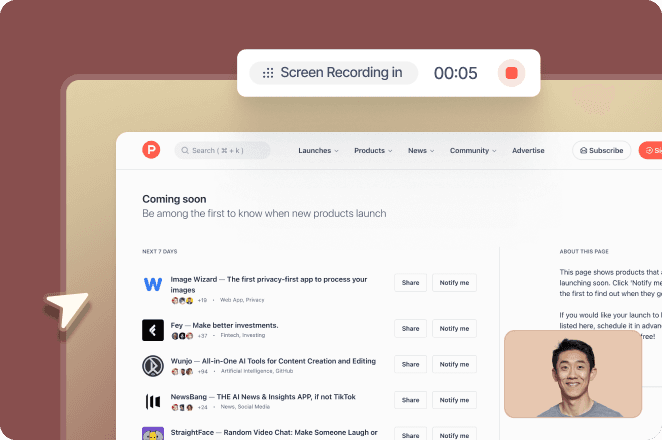
In scenarios where video content is critical, relying solely on a course authoring tool might not be the most efficient approach. Dedicated video tools, such as Trupeer, can produce high-quality procedural videos quickly, which is essential when video content needs to be integrated into eLearning modules. Trupeer can transform a simple screen recording into a polished video in a matter of minutes, saving hours that would otherwise be spent on video production within traditional authoring tools. This efficiency makes it an excellent choice for teams with heavy video needs, who often pair Trupeer with a lightweight course builder or forego a course builder entirely in favor of procedural content formats.
If your bottleneck is SME participation
Engaging subject matter experts in the content creation process can be challenging, especially when they're required to author content themselves. Tools like EasyGenerator and Trupeer are designed to simplify this process, allowing SMEs to contribute without needing extensive training in instructional design. EasyGenerator's intuitive interface enables SMEs to author content directly, reducing the bottleneck created by relying on instructional designers. Trupeer's recording capabilities also make it easier for SMEs to share their expertise through video, an approach that many find more accessible than traditional writing.
If your bottleneck is cost
Budget constraints often necessitate a reevaluation of existing tools. The cost of Articulate 360, at $1,399 per user per year, can accumulate quickly as your team grows. Teams that are conscious of their budget often explore alternatives like iSpring and Trupeer, which offer similar or superior outputs at a lower price point. By switching from Articulate to these more cost-effective solutions, organizations can maintain high-quality content production while reducing overall expenses, making them attractive options for budget-conscious teams.
Challenges when switching from Rise 360
Content migration. One of the most significant challenges when switching from Rise 360 is content migration. Rise content doesn't port cleanly into other platforms, so organizations should plan for the rebuilding of active courses. This can be time-consuming and may require additional resources to ensure that the new courses maintain the same quality and structure as the originals.
SCORM compatibility. Not all authoring tools offer the same level of SCORM compatibility, which can pose issues if your LMS relies on this standard. Before making a switch, it's crucial to verify that the new tool integrates smoothly with your existing LMS to avoid potential disruptions in content delivery and tracking.
Team retraining. Switching tools often necessitates retraining your team, which can temporarily slow down production. Authors familiar with Rise 360 may require time to adjust to new tools, so incorporating training sessions and providing resources can ease this transition and minimize downtime.
Brand template migration. Custom themes and brand templates developed in Rise 360 may need to be recreated in the new platform. This can be a meticulous process, requiring careful attention to detail to ensure consistency with your organization's branding guidelines.
Must-have authoring features
Responsive output for desktop and mobile. Modern learners access content on various devices, so ensuring your tools produce content that looks great on any screen size is essential.
SCORM / xAPI compliance for LMS integration. These standards enable tracking and reporting of learner interactions, making them crucial for any comprehensive eLearning strategy.
Video support native or via integration. With video becoming an increasingly popular learning medium, having solid video support is a must.
Quizzing and assessments. Effective eLearning incorporates assessments to gauge learner comprehension and retention, making this feature indispensable.
Accessibility features for compliance. Ensuring your content is accessible to all learners, including those with disabilities, is not just a legal requirement but also an ethical one.
Collaborative authoring for team workflows. The ability for multiple authors to work together efficiently can significantly enhance productivity and consistency across content.
Brand customization for consistent look. Customizable themes and branding options help maintain your organization's visual identity across all learning materials.
Analytics integration with LMS and xAPI tools. Data-driven insights into learner behavior and course effectiveness can inform future content development and instructional strategies.
Use cases and personas
Corporate L&D: Ming, Director of Learning, 11,000-employee pharma company
Ming leads a team responsible for developing compliance training and procedural knowledge within a large pharmaceutical firm. By integrating Trupeer into their existing Rise 360 framework, Ming's team doubled their content production velocity. This increase in efficiency allowed them to refresh training modules more frequently, ensuring content remained relevant and up-to-date. Additionally, by using Trupeer for procedural training, such as teaching staff how to navigate internal systems like SAP, the team reduced content development costs by 40%, freeing budget for other strategic initiatives.
Sales enablement: Rohan, Sales Enablement Director, 250-rep software company
Rohan oversees the training and development of a 250-person sales team at a mid-sized software company. Recognizing that lengthy eLearning courses were underutilized, Rohan transitioned from Rise 360 to Trupeer. By introducing short, engaging video-and-SOP modules, Rohan's team achieved a threefold increase in sales content engagement. This shift not only improved training effectiveness but also helped sales reps quickly access the information they needed to close deals, ultimately boosting sales performance.
Regulated industry: Olivia, Compliance Training Lead, 4,500-employee financial services firm
Olivia leads compliance training efforts in a financial services firm with stringent regulatory requirements. To maintain audit-compliance, she uses Rise 360 for structured compliance courses. However, recognizing the need for in-workflow reference materials, Olivia incorporated Trupeer for day-to-day procedural guidance. This hybrid approach ensured that while audit-compliant courses remained intact, employees could access quick, reliable reference materials to support their daily tasks. The combination of tools allowed Olivia's team to meet regulatory demands while enhancing overall training efficiency. See corporate learning software for broader LMS fit.
Best practices
Match the tool to your real bottleneck. Understanding the specific challenges your team faces is crucial when selecting an eLearning tool. Whether it's video production, course authoring speed, or SME participation, aligning the tool with your primary bottleneck will enhance productivity and content quality. For instance, if video production is a pain point, consider incorporating a tool like Trupeer that excels in creating video content quickly.
Pair structured authoring with fast video tools. Combining a structured authoring platform with a rapid video creation tool can offer the best of both worlds. This approach allows you to maintain the integrity of structured courses while also producing engaging video content efficiently. By using the strengths of multiple tools, you can create a comprehensive learning experience that meets diverse learner needs.
Let SMEs create content where possible. enabling subject matter experts to create content directly can alleviate bottlenecks and improve the relevance of learning materials. Tools like EasyGenerator and Trupeer facilitate this by providing intuitive interfaces that don't require extensive training in instructional design. By enabling SMEs to contribute their expertise, you can enrich your content library and accelerate the development process.
Audit content lifecycle to identify maintenance burden. Regularly reviewing your content lifecycle can help identify areas where maintenance efforts are disproportionately high. By understanding which courses require frequent updates, you can allocate resources more effectively and explore solutions, such as modular content design, to reduce the ongoing maintenance burden.
Check LMS compatibility before switching. Before transitioning to a new authoring tool, ensure it integrates smoothly with your existing LMS. Compatibility issues can disrupt content delivery and tracking, so it's essential to verify that the new tool supports the standards your LMS relies on, such as SCORM or xAPI.
Frequently asked questions
Is Rise 360 still the best authoring tool?
Rise 360 remains a strong choice for those focused on creating structured courses. Its mature platform and solid community make it a reliable option for many organizations. However, for teams that prioritize fast video and SOP creation, modern AI tools like Trupeer offer a more efficient solution. The decision ultimately depends on your specific needs and the type of content you produce most frequently.
What's cheaper than Articulate 360?
For teams looking to reduce costs without sacrificing quality, several alternatives to Articulate 360 offer comparable outputs at a lower price point. iSpring, Trupeer, and EasyGenerator are all more affordable options for creating eLearning content. Each tool has its strengths, so the best choice will depend on your specific use case and content creation needs.
Can I use two tools?
Yes, using multiple tools is a common strategy among organizations aiming to optimize their eLearning processes. By employing one tool for structured courses and another for rapid video and SOP creation, you can use the strengths of each to create a comprehensive and efficient learning ecosystem. This approach allows you to tailor your content development to meet diverse learner needs effectively.
Do I need SCORM?
If your LMS requires SCORM for tracking and reporting learner interactions, then ensuring SCORM compatibility is essential. While xAPI is a more modern standard with broader capabilities, its adoption varies across platforms. Consider your LMS requirements and the level of data integration you need when deciding on SCORM or xAPI compliance.
How do I handle accessibility?
Accessibility is a critical consideration in eLearning, and several tools support creating content that meets standards like WCAG. Rise 360, Lectora, and Articulate Storyline all offer features that support accessibility, but it's important to verify these capabilities against your specific requirements. Ensuring that your learning materials are accessible to all users not only meets legal obligations but also promotes an inclusive learning environment.
Final word
Rise 360 remains a dependable choice for structured eLearning, but the landscape of authoring tools is diverse, with alternatives offering advantages in areas like video generation, cost, and SME-friendly authoring. The best teams often combine tools, selecting each for its ability to address specific challenges, and connecting them through their LMS to create an efficient, integrated learning ecosystem.
Related Blogs