Trupeer Blog
Summarise
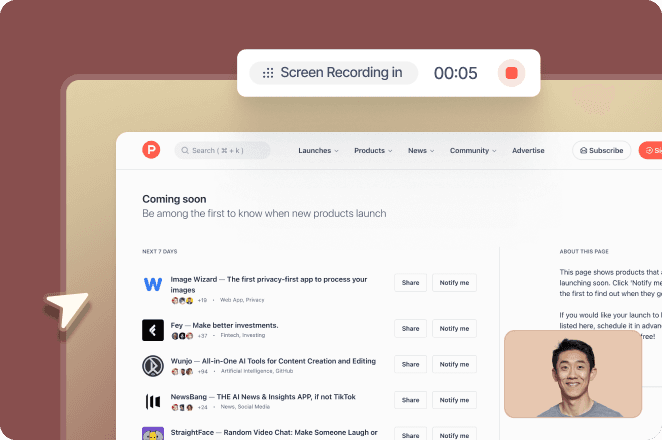
Imagine the scenario: Your team has just finished a month-long series of training webinars via Zoom, resulting in 50 recorded sessions. These recordings are a treasure trove of information, but they're useless unless transformed into structured Standard Operating Procedures (SOPs). Manually converting these recordings is daunting and time-consuming. Yet, the need to simplify these into actionable SOPs is immediate. Here's where Trupeer.ai can play a critical role. With its automated capabilities, you can transform your recordings overnight, clearing the documentation backlog without breaking a sweat. According to recent data,
companies that automate documentation processes see a 60% reduction in turnaround time.
This is crucial for teams needing to stay agile and responsive.
To take advantage of this opportunity, you'll need to prepare your recordings and use the right process mapping tools. This guide will walk you through the essential steps, ensuring that you wake up to a set of polished SOPs ready for immediate implementation.
Why does batch processing Zoom recordings into SOPs matter?
Batch processing Zoom recordings into SOPs is critical because it directly impacts efficiency and knowledge management within organizations. In many cases, recorded meetings and training sessions contain valuable insights that, if not documented properly, might get lost or overlooked. Transforming these insights into SOPs ensures that the knowledge is captured and can be easily accessed and used by relevant teams. For example, a customer support department can benefit from detailed SOPs derived from training sessions, leading to faster onboarding and improved service delivery. This is why it pairs well with the process control plan the training and the documentation come from the same source.
Also, having structured SOPs helps standardize processes across departments. Consistent process documentation reduces errors and miscommunications, leading to better operational performance. It also supports compliance and quality assurance, as SOPs provide a reliable reference to ensure that procedures are followed correctly. By using ai adoption use case scenarios, organizations can enhance their operational frameworks, ensuring that employees have access to the latest procedures without manually sifting through hours of recordings.
What are the benefits of batch processing Zoom recordings into SOPs?
Batch processing Zoom recordings into SOPs offers numerous advantages, making it an invaluable practice for organizations looking to optimize their knowledge management and operational efficiency.
Time Efficiency. Automating the conversion of recordings into SOPs saves countless hours of manual work, allowing team members to focus on core tasks.
Enhanced Accuracy. Automating SOP creation minimizes human error, ensuring that the procedures are documented consistently and accurately.
Improved Accessibility. By turning recordings into SOPs, information becomes easily searchable and retrievable, enhancing organizational knowledge sharing.
Consistency and Standardization. SOPs ensure that all team members follow the same procedures, leading to uniformity in task performance and reducing variability.
Rapid Onboarding. New hires can quickly get up to speed by accessing a comprehensive set of SOPs instead of relying solely on live training sessions.
Scalability. As your organization grows, having a scalable system for converting recordings into SOPs ensures that knowledge management keeps pace with expansion.
For a deeper look, our guide on best screen recording software covers the adjacent playbook.
Teams ship this workflow end-to-end using Trupeer's AI video platform, which turns raw recordings into polished output without an editor.
Which Trupeer features help you batch process Zoom recordings into SOPs?
Trupeer offers a suite of features specifically designed to facilitate the transformation of Zoom recordings into SOPs, ensuring that the process is efficient and effective.
Automatic SOP generation from any recording
Trupeer's AI documentation platform enables automatic SOP generation from any recorded session. This feature analyzes the content of your Zoom recordings, identifies key segments, and structures them into a coherent SOP format. You can export these SOPs in various formats, such as HTML, PDF, or SCORM, making them versatile for different organizational needs. This automation drastically reduces the time spent on documentation, allowing you to focus on refining and implementing the SOPs rather than creating them from scratch.
AI screen recording with auto-zoom and click detection
Trupeer's screen recording capability is a big shift for capturing detailed procedures. The AI-powered auto-zoom and click detection ensure that every critical action in your Zoom recordings is highlighted, making it easier to extract the necessary steps for your SOPs. This feature is particularly useful when the recordings include software demonstrations or step-by-step instructions that require precision and clarity. By using this tool, your resulting SOPs will be concise and actionable, eliminating the need for extensive editing.
AI voiceover in 65+ natural voices
Enhance your SOPs with Trupeer's AI voiceover feature. It supports over 50 natural-sounding voices, allowing you to add narration to your SOPs, which can be particularly beneficial for visual learners. The adjustable pace and tone enable you to tailor the audio according to your audience's preferences. This feature also supports AI-searchable knowledge base integration, ensuring that your SOPs are not only informative but also engaging.
Auto chapters and segment detection
Trupeer's auto chapters and segment detection further simplify the SOP creation process. This feature automatically breaks down your Zoom recordings into logical sections, making it easier to organize and structure your SOPs. Whether it's a long training session or a brief meeting, the auto chapters feature ensures that each segment is tagged and accessible, facilitating quick reference and navigation.
Multi-format export
Trupeer's multi-format export feature provides flexibility in how you distribute your SOPs. Once the SOPs are generated, you can export them in various formats such as MP4, HTML, PDF, or SCORM, ensuring compatibility with different platforms and devices. This versatility means that your SOPs can be easily shared and integrated with other systems, enhancing the accessibility and usability of your process generator documents across your organization.
How do you batch process 50 Zoom recordings into SOPs step by step with Trupeer?
Step 1: Upload Your Zoom Recordings
Start by logging into your Trupeer account. Navigate to the dashboard and click on the "Upload" button. You can select multiple Zoom recordings at once, thanks to Trupeer's batch upload feature. The platform supports various file formats, including MP4 and M4A, ensuring compatibility with Zoom's output. Once uploaded, Trupeer begins processing the files immediately. Typically, processing a batch of 50 recordings can take a few hours, depending on file size and server load. During this time, Trupeer's AI analyzes each video, preparing for the next steps. If any files fail to upload due to format or size issues, Trupeer provides immediate alerts, allowing you to rectify the problem without delaying the entire process.
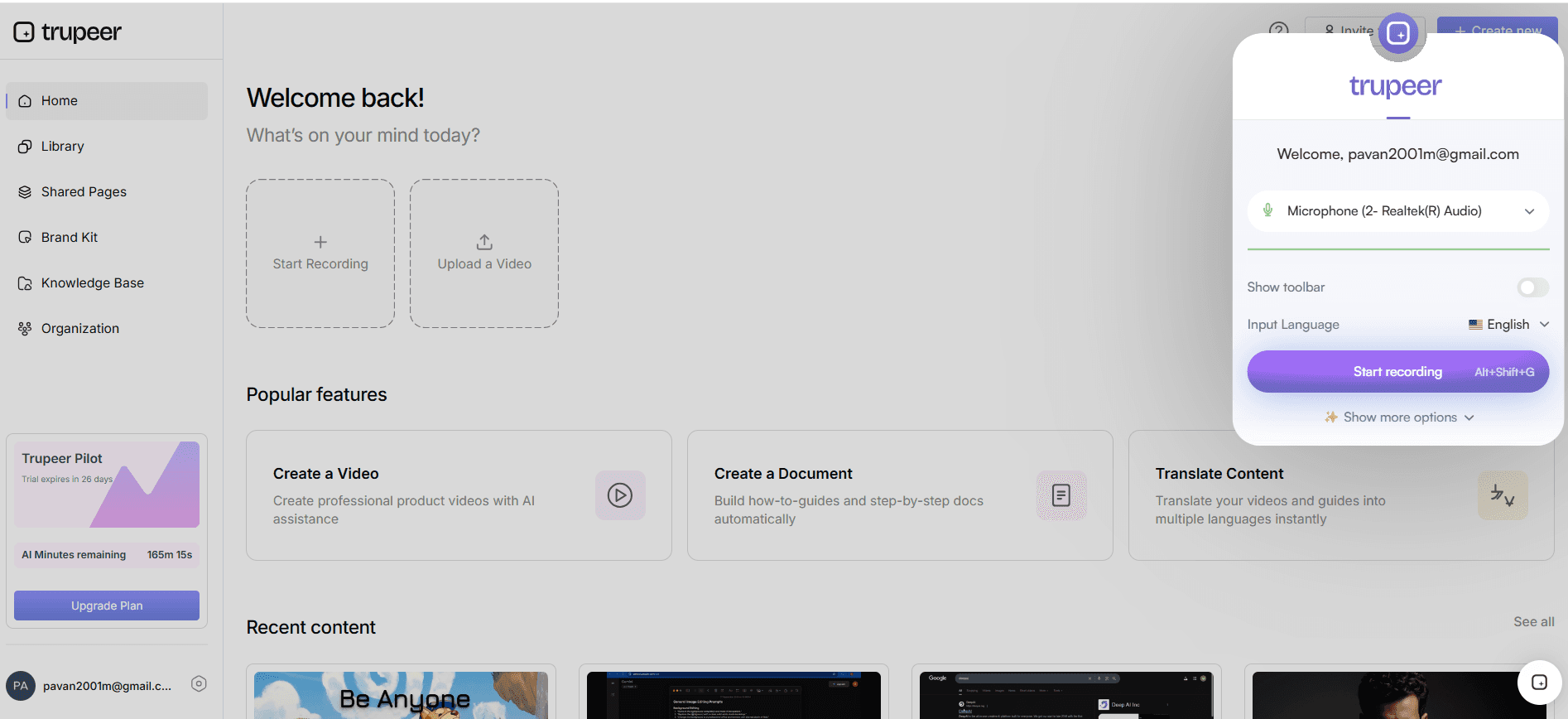
Step 2: Select Automatic SOP Generation
After uploading, the next step is to convert these recordings into SOPs. On the dashboard, select the "Automatic SOP Generation" option. Trupeer's AI documentation platform begins analyzing the recordings, identifying key segments, and structuring them into SOPs. This feature is designed to handle complex content by extracting and organizing crucial information. The AI identifies recurring themes, highlights essential actions, and detects speaker changes to ensure accurate documentation. The time taken varies with the length and complexity of the recordings, but the system is optimized to handle large volumes efficiently. In most cases, the SOPs are ready within the same timeframe as the initial processing.
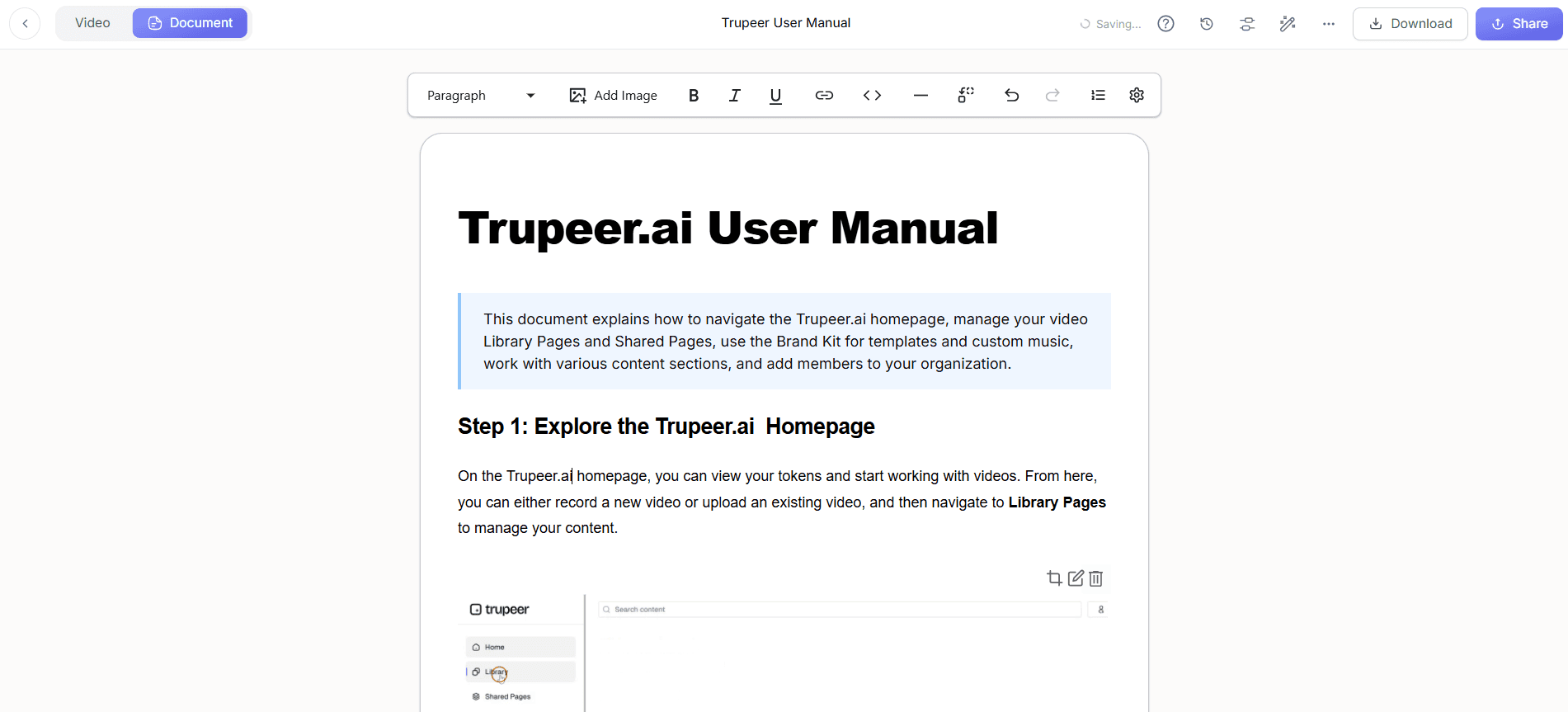
Step 3: Review and Edit Generated SOPs
Once the SOPs are generated, Trupeer notifies you via the dashboard. It's essential to review these documents to ensure accuracy and relevance. Navigate to the "SOP Review" section to access each document. Trupeer allows you to edit the SOPs directly within the platform. You can make adjustments to the language, add additional context, or include supplementary materials. The editing interface is user-friendly, with tools for text formatting and organization. This ensures that each SOP aligns perfectly with your organizational standards before distribution. This step is crucial to tailor the SOPs to specific departmental needs and ensure clarity.
Step 4: Export SOPs in Desired Format
After reviewing and editing, the SOPs are ready for export. Trupeer provides multiple export options, including HTML, PDF, and SCORM. Choose the format that best suits your needs by clicking the "Export" button. The system allows batch exporting, so you can select all SOPs at once, saving time and effort. This feature ensures that the documents are compatible with various platforms and easy to share across your organization. Exporting typically takes just a few minutes, depending on the number and size of the SOPs. Ensure you choose the right format for your intended audience, whether it's for internal use or client distribution.
Step 5: Distribute SOPs via Knowledge Base
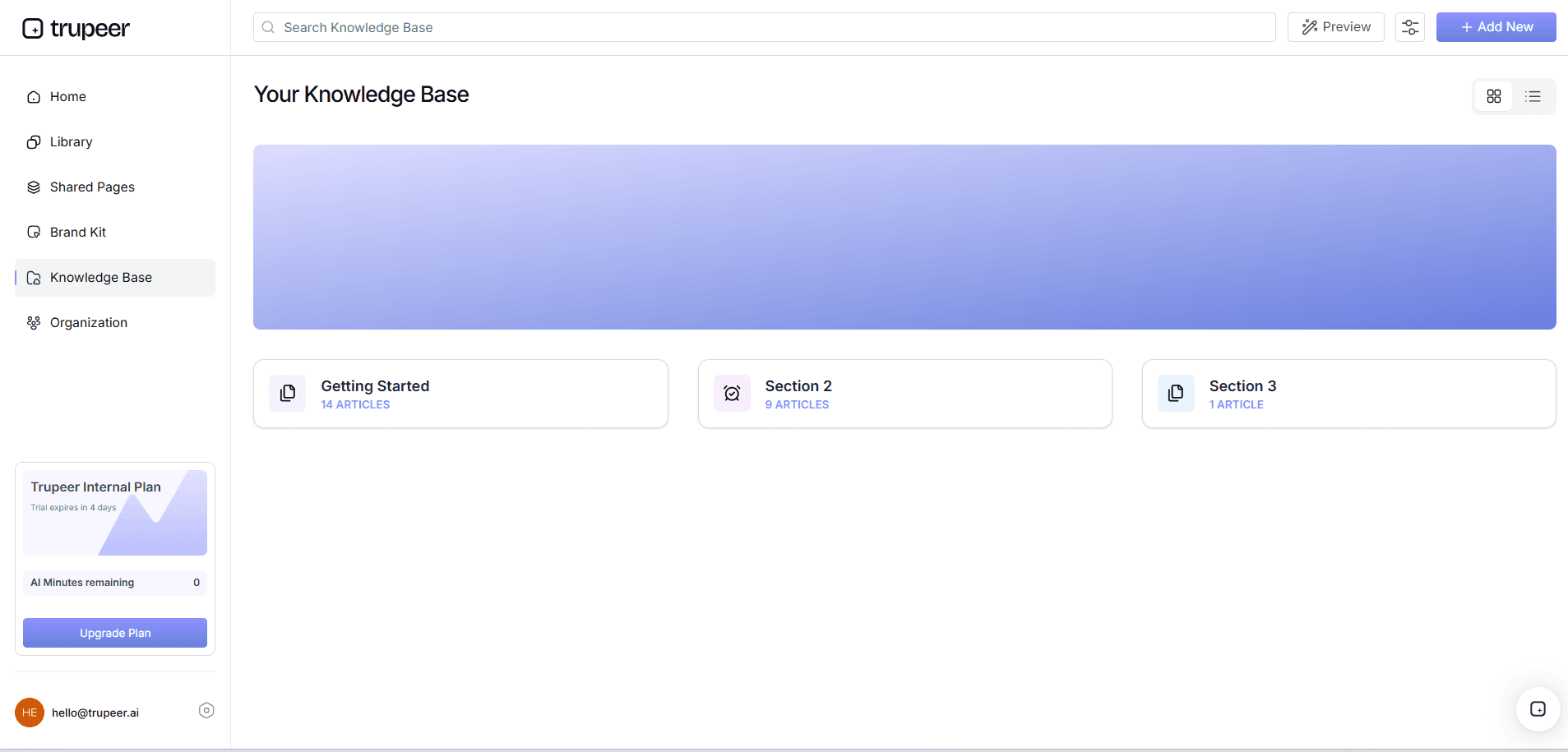
With the SOPs exported, it's time to distribute them. Trupeer's AI-searchable knowledge base is an excellent tool for this purpose. Upload the SOPs to the knowledge base, enabling easy access for your team. The platform allows you to categorize and tag documents for efficient retrieval. This ensures that employees can quickly find the SOPs they need, enhancing productivity and knowledge sharing. also, the knowledge base integrates with other tools, allowing you to embed SOPs into existing systems or client portals. This step maximizes the value of your SOPs by making them widely accessible.
Step 6: Monitor Engagement and Gather Feedback
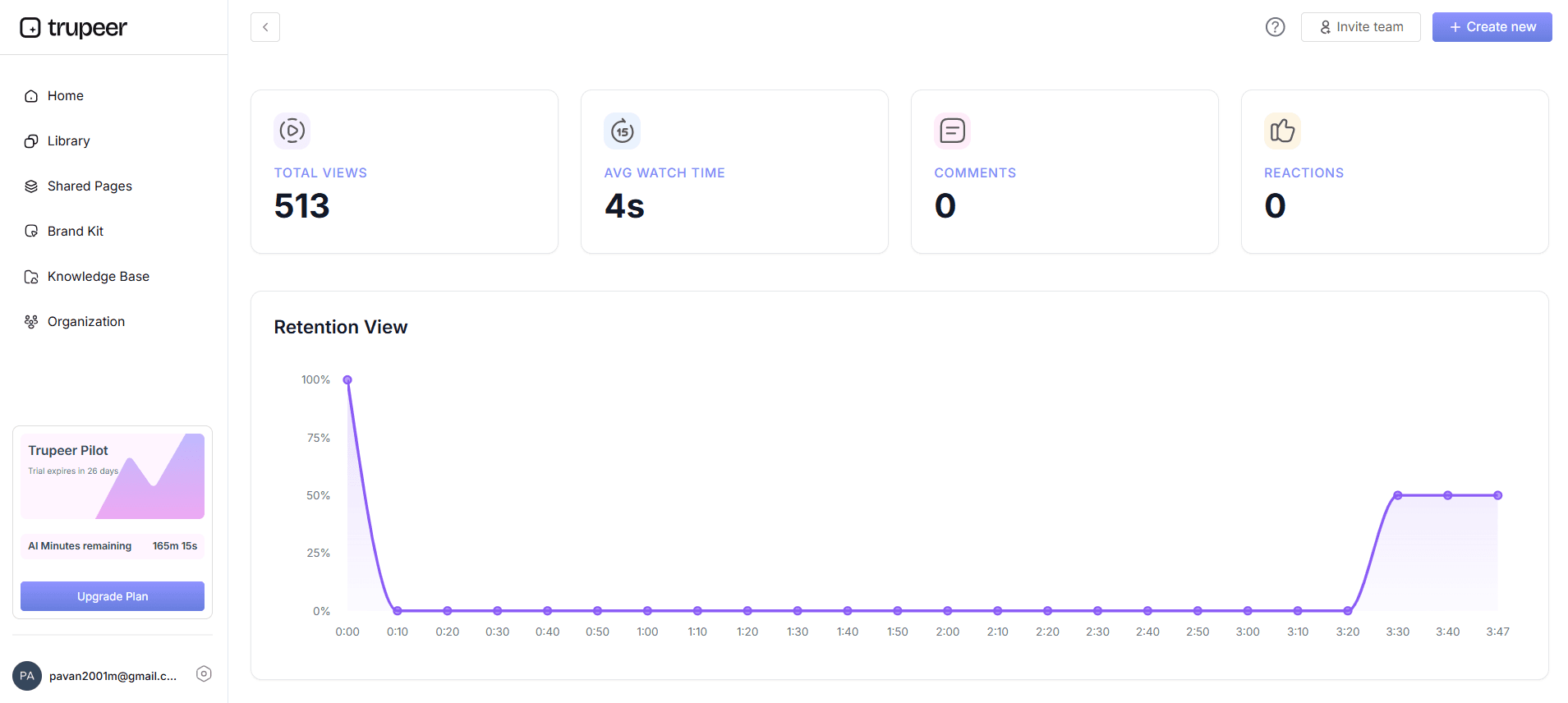
After distribution, it's crucial to track how the SOPs are being used. Trupeer provides viewer engagement analytics, which offer insights into how often the SOPs are accessed and which sections are most frequently viewed. This data helps identify areas where the SOPs are effective or may need improvement. Encourage team members to provide feedback on the SOPs, which can be facilitated through Trupeer's collaborative review and approval workflows. This feedback loop ensures that your SOPs remain relevant and up-to-date, building continuous improvement and ensuring that your documentation evolves with your organization's needs.
What tips help you batch process Zoom recordings into SOPs?
Successfully converting Zoom recordings into actionable SOPs requires strategic planning and execution. Here are some practical tips to enhance the process and maximize the benefits of using Trupeer.
Organize Your Recordings. Before uploading, ensure your recordings are organized by topic or department to simplify the processing and review stages.
Standardize Recording Settings. Use consistent recording settings to ensure uniform quality and format across all sessions, aiding in smoother AI processing.
use AI Features. use Trupeer's AI to create SOPs tool to automatically structure content, saving time on manual corrections.
Customize SOP Templates. Tailor the SOP templates in Trupeer to align with your company's branding and formatting standards for a professional appearance.
Engage Stakeholders Early. Involve key stakeholders during the review phase to incorporate their insights and ensure the SOPs meet practical needs.
Use Feedback Loops. Implement regular feedback sessions to refine SOPs over time, ensuring they remain relevant and effective as processes evolve.
use a software process generator. Automate repetitive tasks to focus on content quality and user engagement.
Frequently asked questions
How can I ensure the accuracy of AI-generated SOPs?
Ensuring accuracy in AI-generated SOPs involves a thorough review process. After Trupeer generates the SOPs, it's crucial to manually review and edit them for context-specific details and language nuances. Engage subject matter experts during this phase to validate the content. also, using Trupeer's collaborative review workflows allows for multiple stakeholders to provide input, enhancing the accuracy and relevance of the documentation. Regular updates and feedback loops also help maintain the SOPs' accuracy over time as processes and information change.
What formats can I export the SOPs into?
Trupeer offers multiple export options for SOPs, including HTML, PDF, and SCORM. These formats ensure compatibility with various platforms and devices, making it easy to share and integrate the SOPs into existing systems. The choice of format should be based on how you plan to distribute and use the SOPs. For instance, HTML is suitable for web-based platforms, while PDF provides a portable and universally accessible document format. SCORM is ideal for learning management systems, ensuring that training materials are easily integrated and tracked.
Why is batch processing beneficial for large organizations?
Batch processing is particularly beneficial for large organizations because it significantly enhances efficiency and consistency. By automating the conversion of multiple recordings into SOPs, organizations save considerable time and resources that would otherwise be spent on manual documentation. This approach ensures uniformity in processes and procedures across departments, reducing variability and potential errors. also, batch processing allows organizations to maintain up-to-date documentation, which is crucial for compliance and operational excellence. The ability to scale this process as the organization grows is another key advantage.
Can Trupeer handle non-English Zoom recordings?
Yes, Trupeer can handle non-English Zoom recordings effectively. With its AI translation and dubbing capabilities, it supports over 40 languages, making it a versatile tool for global organizations. The AI video translation feature ensures that content is accurately translated and localized, complete with lip-sync for dubbing. This allows organizations to create multilingual SOPs that cater to diverse audiences, enhancing accessibility and inclusivity. The translation process is smooth and integrated within the platform, ensuring that language barriers do not hinder effective knowledge transfer.
Does Trupeer support integration with other systems?
Yes, Trupeer supports integration with various other systems, enhancing its usability and reach. The platform offers APIs and connectors for smooth integration with popular tools and platforms, such as learning management systems, CRM platforms, and content management systems. This capability ensures that your SOPs and other documentation can be embedded directly into existing workflows, maximizing utility and efficiency. Integration not only simplifies operations but also ensures that all team members have access to the most current and relevant information in their preferred platforms.
Related Blogs