Trupeer Blog
Summarise
What AI sales coaching software really does
AI sales coaching software records or joins sales calls, transcribes them, and uses language models to score performance against playbooks you define. The better ones go further: they flag missed discovery questions, measure talk-to-listen ratios, surface objections your reps can't answer, and tee up practice scenarios for reps to rehearse before real calls. A handful now generate personalized video feedback that managers can send instead of typing notes into a CRM nobody reads.
The category splits into two camps. Conversation intelligence tools (Gong, Chorus, Clari Copilot) analyze live calls and produce dashboards. Role-play and simulation tools (Second Nature, Quantified, Hyperbound) let reps practice with AI-generated buyer personas. A few platforms do both, and a few pair coaching with the kind of enablement documentation reps actually reference mid-deal.
The 8 best AI sales coaching platforms in 2026
Tool | Best for | AI coaching type | Starts at |
|---|---|---|---|
Trupeer | Enablement + coaching hybrid | Video-based feedback, role-play | Custom |
Gong | Large revenue teams | Conversation intelligence | $1,600/user/yr |
Chorus by ZoomInfo | ZoomInfo customers | Call analysis, deal insights | Bundled |
Second Nature | Role-play practice | AI buyer simulations | $40/user/mo |
Mindtickle | Readiness programs | Coaching + certifications | Custom |
Clari Copilot | Forecasting + coaching | Call analysis | Custom |
Quantified | Behavioral coaching | Simulations with AI avatars | Custom |
Highspot | Content + coaching | Pitch practice, scorecards | Custom |
Tool breakdowns
1. Trupeer
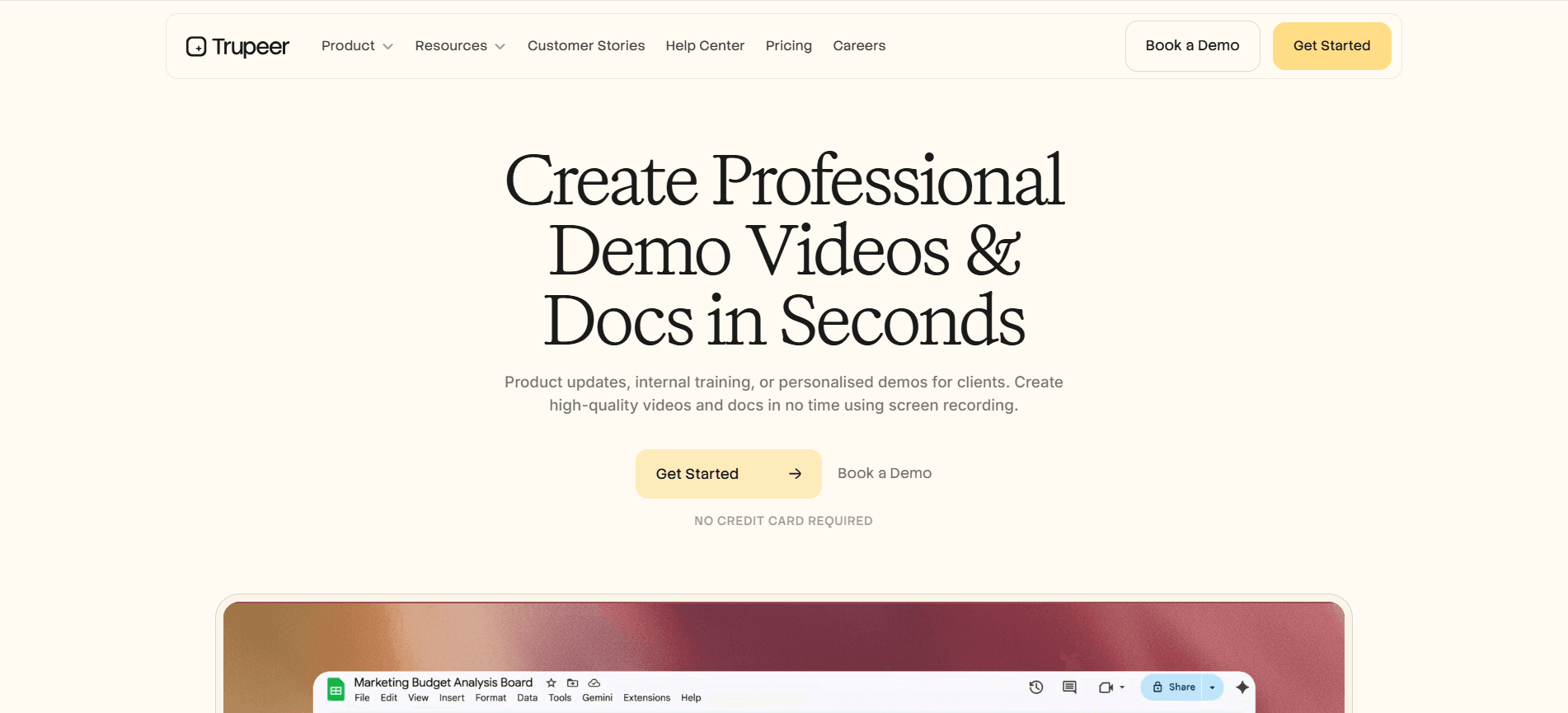
Trupeer started as an AI video platform and has become a quiet favorite with enablement teams who want coaching that doesn't feel like surveillance. Managers record a five-minute demo walkthrough, and Trupeer turns it into a polished coaching video with voice-over, captions, and branded styling. This feature is particularly helpful for managers who need to provide consistent feedback without being tied up for hours in live sessions. Reps get the same for their pitch rehearsals, which managers review async instead of blocking a whole hour for a live role-play. Pricing sits in the mid-range; see the full Trupeer pricing breakdown for team tiers.
Pros: Fast video coaching workflow, async-friendly, useful beyond sales for broader enablement, no call-recording surveillance vibe.
Cons: Not a dedicated conversation intelligence tool if your ask is "transcribe every Zoom call automatically."
2. Gong
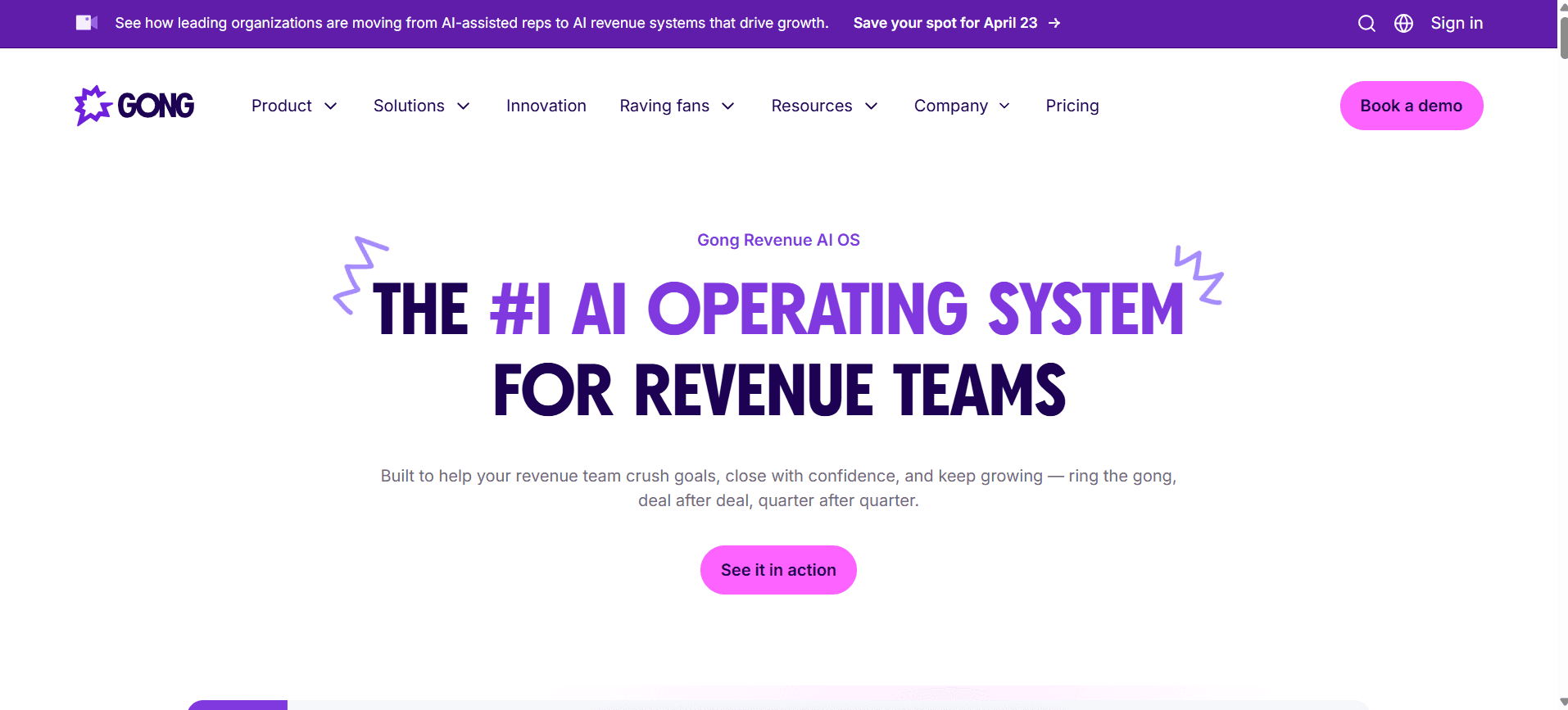
Gong is the category's heavyweight and the tool most large revenue orgs default to. It records calls, scores them against rubrics, and pushes deal risk signals into Salesforce. The coaching module now includes AI-suggested next steps per rep. This provides a detailed overview of each call and helps managers prioritize follow-ups effectively, improving the sales team's overall efficiency.
Pros: Deep call analytics, mature integrations, strong deal-level visibility.
Cons: Expensive, and adoption drops off when managers don't carve out time to act on the signals.
3. Chorus by ZoomInfo
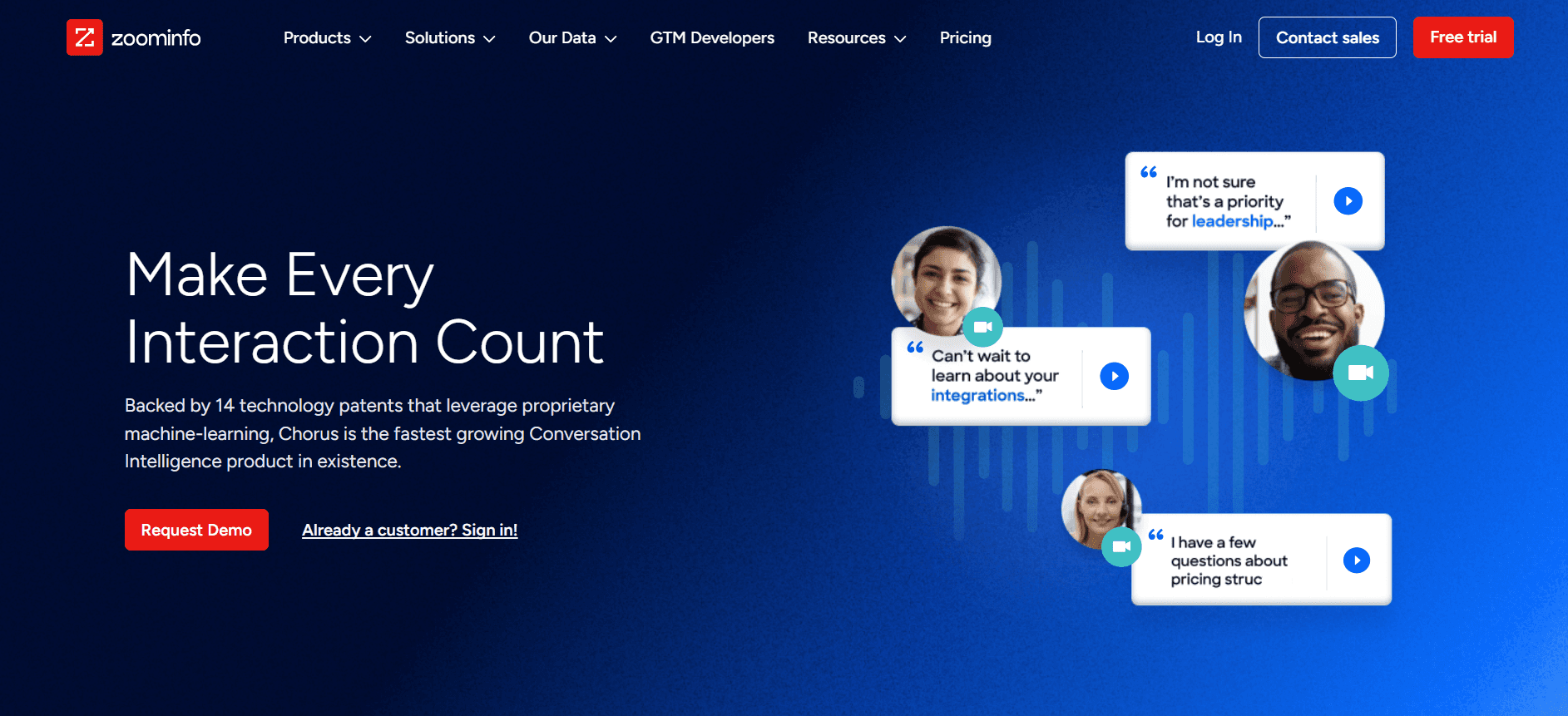
Chorus covers similar ground to Gong and makes most sense for teams already paying for ZoomInfo. Call transcription is solid, and the recent AI summaries reduce the "I'll review that call later" backlog. This can greatly accelerate the feedback loop and ensure that reps receive timely guidance on improving their performance.
Pros: Tight ZoomInfo integration, reasonable pricing if bundled, good speaker separation.
Cons: Weaker as a standalone purchase, coaching workflow is lighter than Gong's.
4. Second Nature
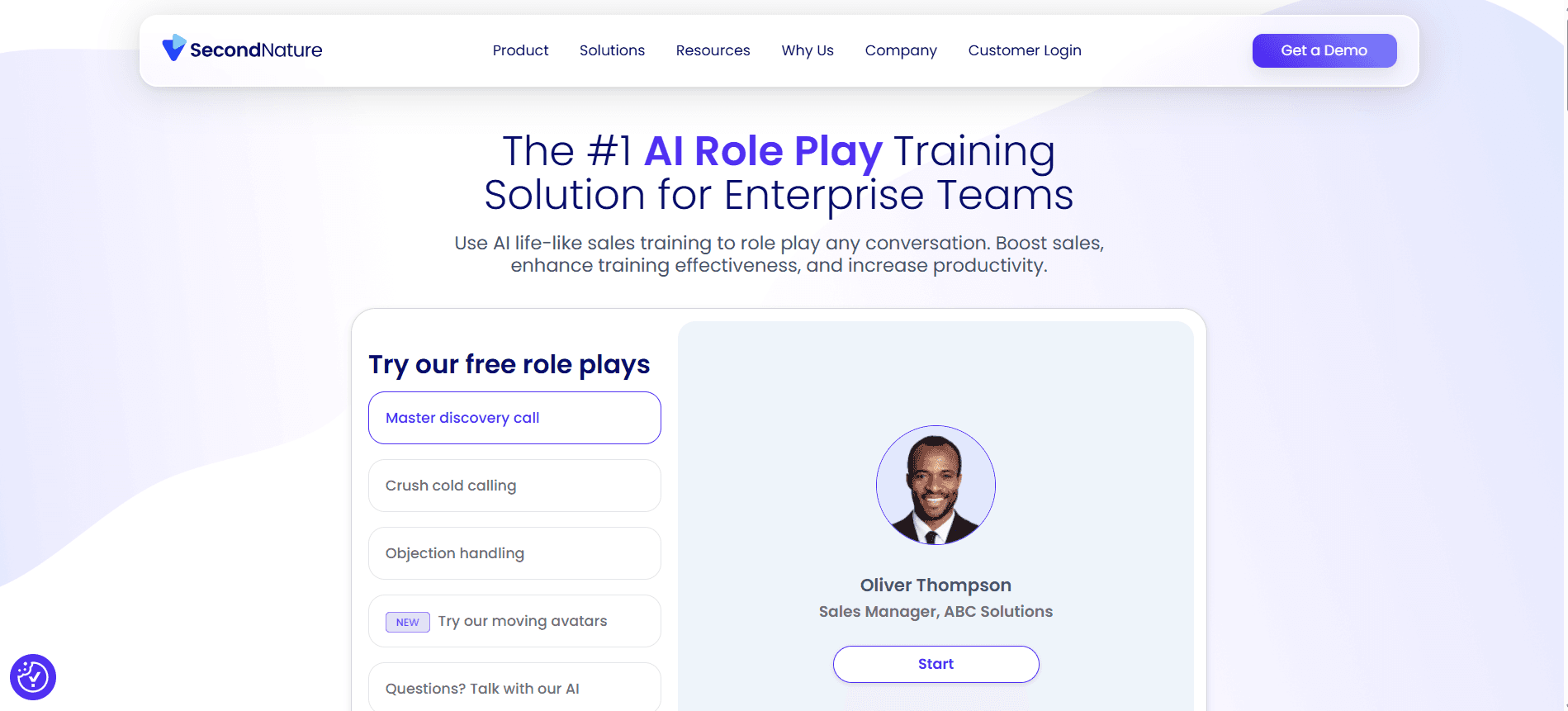
Second Nature lets reps practice pitches with AI avatars that respond like real buyers. It's become the go-to for onboarding new AEs and SDRs who need reps before their first live call. By simulating real-world scenarios, it helps new sales reps build confidence and improve their communication skills before they face actual customers.
Pros: Realistic practice scenarios, auto-scoring, low friction for reps.
Cons: Doesn't analyze real calls, so it's an add-on rather than a replacement.
5. Mindtickle
Mindtickle is a full sales readiness platform. Coaching sits alongside certifications, learning paths, and quizzes, which works well for companies running formal enablement programs. This all-in-one solution ensures that sales teams are not only trained but also certified and constantly improving.
Pros: Program-level tracking, content management, certifications.
Cons: Heavy to deploy, overkill for small teams.
6. Clari Copilot
Clari acquired Wingman and renamed it Copilot. If your team lives in Clari for forecasting, the coaching module stitches call data into deal reviews. This integration makes it easier to connect the dots between sales calls and deal outcomes, providing a comprehensive view of the sales process.
Pros: Single pane for forecasting and calls, decent real-time battle cards.
Cons: Coaching is lighter than Gong; strongest only when paired with Clari's forecasting.
7. Quantified
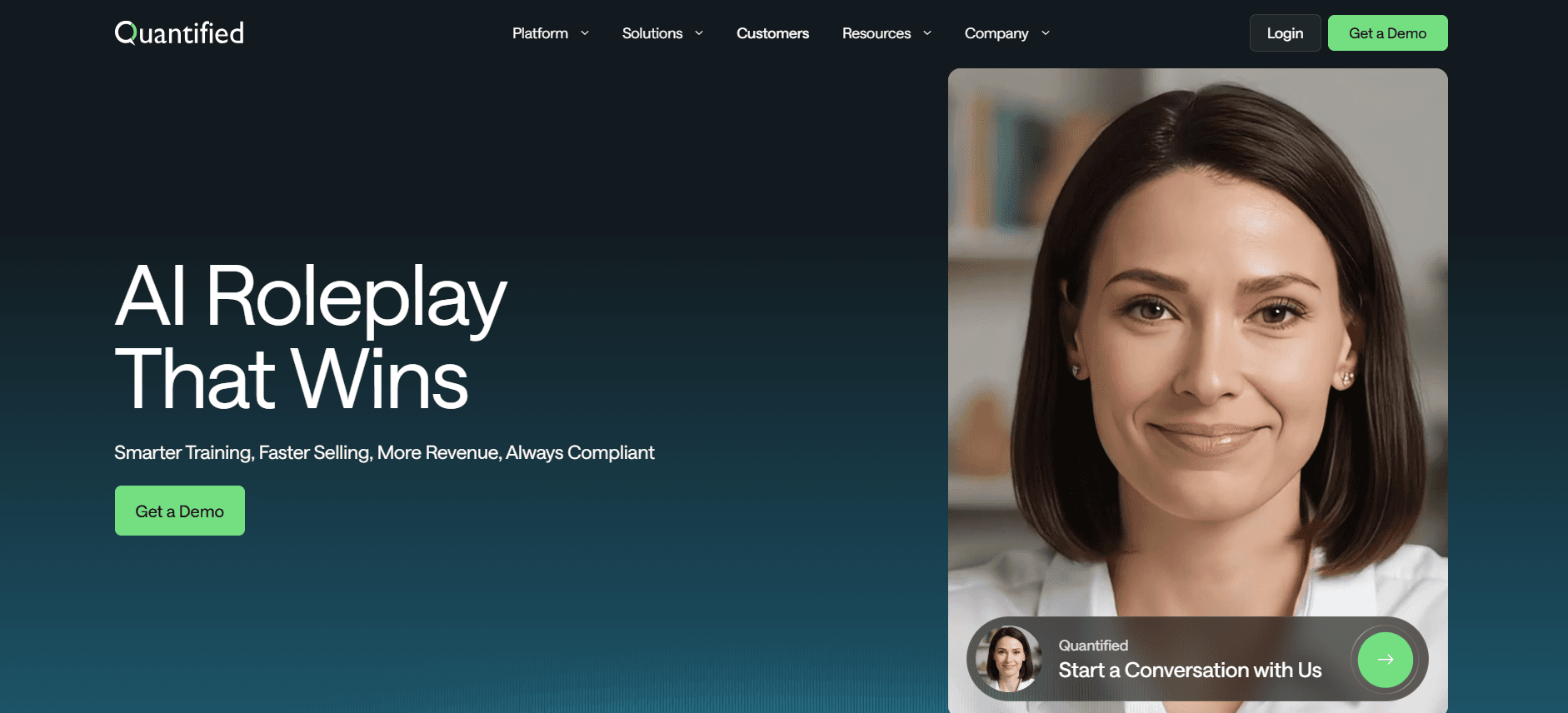
Quantified focuses on behavioral signals: vocal tone, confidence, pacing. Reps run simulations and get scored on how they come across, not just what they said. This unique approach helps reps refine their delivery and communication style, which can be critical for building rapport with clients.
Pros: Unique behavioral lens, useful for early-career reps.
Cons: Narrow scope, not a conversation intelligence replacement.
8. Highspot
Highspot pairs content management with pitch coaching. Reps record themselves delivering a pitch and get scored, with the content library right there for reference. This ensures that reps have access to the most relevant materials while they practice, enhancing their ability to deliver effective pitches.
Pros: Content + coaching combo, mature Salesforce integration.
Cons: Coaching is secondary to content management; buy it for content, get coaching as a bonus.
Challenges teams hit with AI sales coaching
Coaching without follow-through. The tool records calls and generates scorecards. Managers don't review them. Reps notice. Adoption collapses within a quarter. Fix: tie coaching cadence to manager 1:1s and make scorecards a standing agenda item. This ensures that the insights from the tool are actually used to improve team performance, rather than just sitting idle.
Rep resistance. Reps feel watched rather than coached. The difference is whether feedback is timely, specific, and tied to skill-building, not just "your talk ratio was 67%." By demonstrating how the feedback can help reps achieve their goals, managers can overcome this resistance and foster a more positive coaching environment.
Rubric fatigue. Teams spend weeks crafting the perfect rubric, then never update it when the product or ICP shifts. Plan to revisit rubrics quarterly. This ensures that the coaching remains relevant and aligned with current business objectives.
Integration gaps. If call data doesn't flow into your CRM, coaching becomes a separate universe managers don't visit. Ensuring smooth integration with existing systems is critical for maximizing the effectiveness of AI sales coaching tools.
Must-have features when you're evaluating
Automatic call recording and transcription across Zoom, Teams, and Google Meet. This feature saves time and ensures that no detail is missed during sales calls, providing a complete record for analysis.
Configurable rubrics you can update without vendor services. Flexibility in updating rubrics allows for quick adjustments as business needs change, ensuring that the coaching remains effective and relevant.
AI summaries and action items that save managers review time. By providing concise summaries and actionable insights, these features help managers quickly understand the key takeaways from each call.
Role-play or practice mode for pre-call readiness. Giving reps the opportunity to practice in a risk-free environment helps build confidence and improve performance during actual calls.
CRM write-back so coaching signals reach deal records. Ensuring that insights are integrated into the CRM keeps all relevant information centralized and accessible, facilitating better decision-making.
Privacy and compliance controls (SOC 2, GDPR, retention policies). Compliance with privacy regulations is crucial for maintaining the trust of both reps and clients, and for avoiding legal issues.
Async video feedback so managers can coach without another meeting. This feature allows for flexible coaching that fits into busy schedules, ensuring that feedback is delivered in a timely manner.
Use cases and who uses AI sales coaching
SDR ramp: Priya, SDR Manager, 14-person SDR team
Priya runs a 14-person SDR team at a mid-market SaaS company. New hires used to shadow calls for three weeks before taking their own, and even then the first 50 calls were rough. She paired Second Nature for practice with Trupeer for manager feedback videos. New SDRs now hit quota in month two instead of month four, and Priya spends her 1:1s on the two or three reps who actually need help rather than group-coaching everyone. This targeted approach has led to quicker ramp-up times and more efficient use of her time.
AE performance: Daniel, RevOps Director, 80-rep sales org
Daniel's company rolled out Gong two years ago. Adoption was strong among managers who wanted the data, patchy among the ones who didn't. He reorganized manager 1:1s around Gong scorecards and made "coaching minutes logged" part of the manager scorecard. Call reviews doubled, and quota attainment for the bottom third of reps moved up eight points over two quarters. By integrating coaching into regular meetings, Daniel ensured that the insights from the tool translated into real performance improvements.
Enablement content: Sarah, Sales Enablement Lead, 30-person team
Sarah's enablement team used to spend three days recording a kickoff video that looked amateur next to marketing's content. She switched to Trupeer, which cut production to under an hour per video and made her enablement library feel as polished as the customer-facing demo videos the product team ships. The team uses the same screen recording workflow for product training and support enablement. This shift has not only saved time but also improved the quality and professionalism of their internal content.
Best practices for making AI sales coaching stick
Start with one motion. Pick discovery, demo, or negotiation. Don't try to coach everything at once. The rubric gets unwieldy and nobody retains anything. By focusing on one area at a time, you can ensure that reps get the depth of coaching they need to truly improve their skills.
Make coaching manager-led, not tool-led. The tool surfaces what to talk about. The manager has the conversation. Teams that expect the tool to "do" coaching get the worst of both worlds. A shared coaching SOP helps managers stay consistent. This approach ensures that the coaching is personalized and impactful.
Build a coaching cadence. Weekly 1:1s with one call reviewed, monthly pipeline reviews with two deals inspected, quarterly skill check-ins. Consistency beats intensity. Establishing a regular coaching schedule helps maintain momentum and ensures that improvement is continuous.
Use async video for repeatable feedback. If you find yourself saying the same thing to ten reps, record it once and send the video instead. This not only saves time but also ensures that all reps receive the same high-quality feedback.
Measure what the tool influenced, not what it reported. Ramp time, quota attainment, conversion rate by stage. If those numbers don't move after two quarters, the tool isn't the problem, the coaching habit is. Pair call reviews with a searchable enablement library so reps can self-serve between 1:1s. This data-driven approach helps you understand the real impact of your coaching efforts.
Frequently asked questions
Is AI sales coaching software worth it for small teams?
Under ten reps, most conversation intelligence tools are too expensive to justify. Start with a role-play tool plus async AI video coaching, and add call analysis once you're over 15 quota-carrying reps. This phased approach ensures that you're only investing in tools that provide real value for your team size.
How is AI sales coaching different from call recording?
Call recording captures the audio. AI coaching scores what happened against a rubric and gives managers a starting point for the conversation. The recording is raw material; the coaching layer is what makes it useful. By providing actionable insights, AI coaching transforms recordings into a tool for continuous improvement.
Do reps hate being recorded?
They hate being recorded and then ignored, or recorded and then ambushed. They generally don't mind being recorded and coached. Intent and follow-through matter more than the recording itself. By ensuring that recordings are used constructively, you can alleviate concerns and build trust with your team.
Can AI replace sales managers?
No. It can replace the note-taking and the "I'll get to that review" backlog, but the actual coaching conversation still needs a human. Teams that try to automate the human part see adoption drop within a quarter. The value of AI in sales coaching lies in its ability to augment, not replace, human interactions.
What about privacy and consent?
Most tools handle consent banners, two-party recording laws, and retention policies. Check your state and country rules, and make sure your tool handles data residency if you sell in the EU. Compliance with these regulations is crucial for maintaining trust and avoiding legal complications.
Picking the right tool
If you want one platform for both enablement videos and coaching feedback, Trupeer covers the most ground with the least friction. If you're a large revenue org that wants deep call analytics and already lives in Salesforce, Gong is the safe default. For practice and ramp, Second Nature is the tool reps actually use. Most companies end up with two tools, not one, and the combination depends more on your coaching cadence than the feature sheet.
The tool doesn't coach. The tool makes coaching easier. Pick the one that fits how your managers already work, and give it two quarters before judging whether it's earning its keep.
Related Blogs