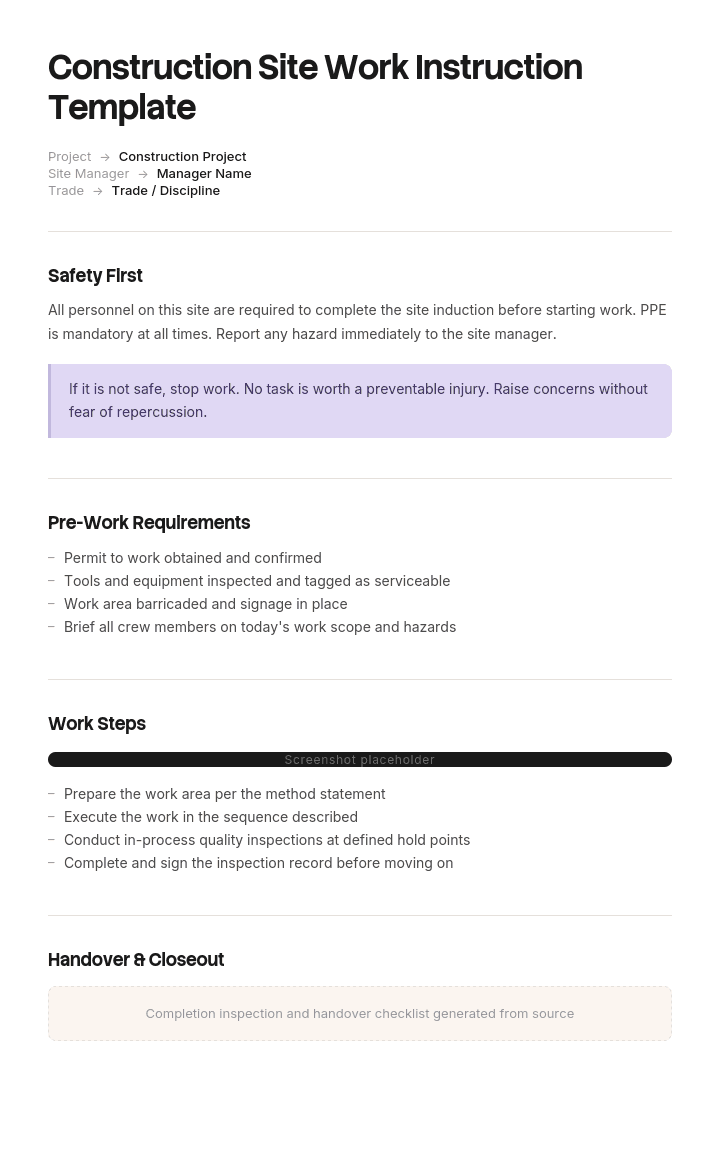
Usa questo modello
Istruzioni di lavoro chiare per il cantiere riducono i difetti, accelerano il lavoro e proteggono ogni lavoratore sul campo. Con Trupeer, puoi risparmiare ore sulla documentazione sul campo partendo da un modello gratuito di istruzioni di lavoro per il cantiere, personalizzandolo con le tue linee guida del brand e trasformando le istruzioni in video dimostrativi che le maestranze possono guardare su un telefono direttamente nell'area di lavoro.
In cantiere, un'istruzione di lavoro deve sopravvivere alla lettura alle sette del mattino, all'aperto, da parte di una squadra che potrebbe essere nuova questa settimana, possibilmente nella loro seconda lingua, prima di un compito che potrebbe fare del male a qualcuno.
Questo è un documento più difficile da scrivere rispetto a una procedura di produzione, e la maggior parte dei modelli per esso sono procedure di produzione in cui è stata semplicemente inserita la parola costruzione. Questo è costruito appositamente per il cantiere: sequenza, pericoli, controlli, permessi, punti di arresto e un foglio di firma che il supervisore può effettivamente utilizzare durante il briefing.
Di quale documento di costruzione hai effettivamente bisogno?
Vale trenta secondi, perché due documenti molto diversi condividono questo nome.
Devi... | Documento | Chi lo emette |
|---|---|---|
Spiegare agli operatori come eseguire un compito in modo sicuro e corretto | Istruzione di lavoro o istruzione di compito | Appaltatore, supervisore o ingegnere |
Definire il metodo e i controlli dei rischi per un pacchetto di lavoro | Dichiarazione di metodo, RAMS o SWMS | Appaltatore, prima dell'inizio dei lavori |
Istruire formalmente l'appaltatore ai sensi del contratto | Istruzione di cantiere, istruzione dell'architetto o dell'ingegnere | Rappresentante del cliente, CA o ingegnere |
Confermare un'istruzione che è stata data verbalmente in cantiere | Conferma di Istruzione Verbale (CVI) | Appaltatore, al CA |
Registrare il lavoro svolto in base a tempi e materiali | Foglio di lavoro giornaliero (Daywork) | Appaltatore |
Ordinare una modifica all'ambito, ai costi o al programma | Variante o ordine di modifica | Rappresentante del cliente |
Questa pagina riguarda il primo tipo. Le istruzioni di cantiere, le CVI e le varianti sono trattate più avanti, poiché compaiono nella stessa ricerca e vengono costantemente confuse.
Come personalizzare questo modello in Trupeer
Passaggio 1: Apri la sezione Modelli
Vai alla sezione Modelli dalla navigazione principale.
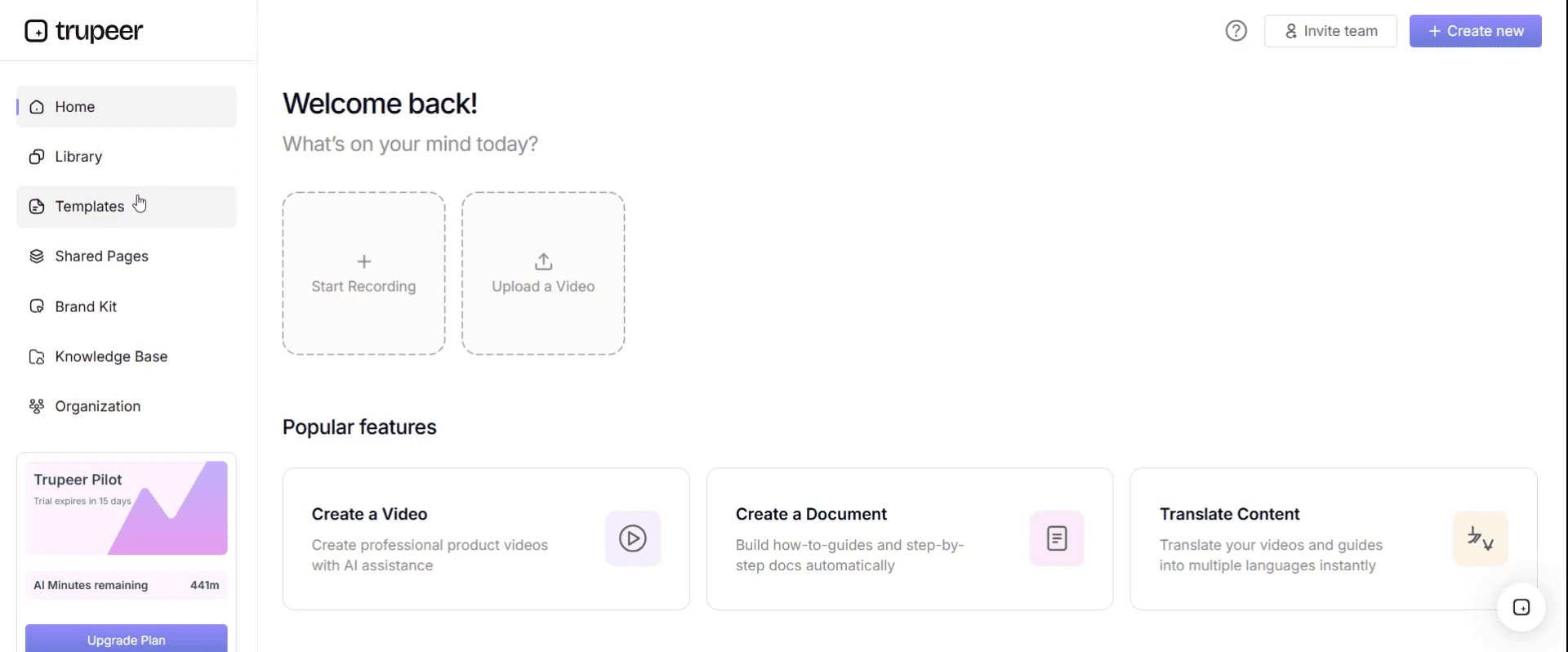
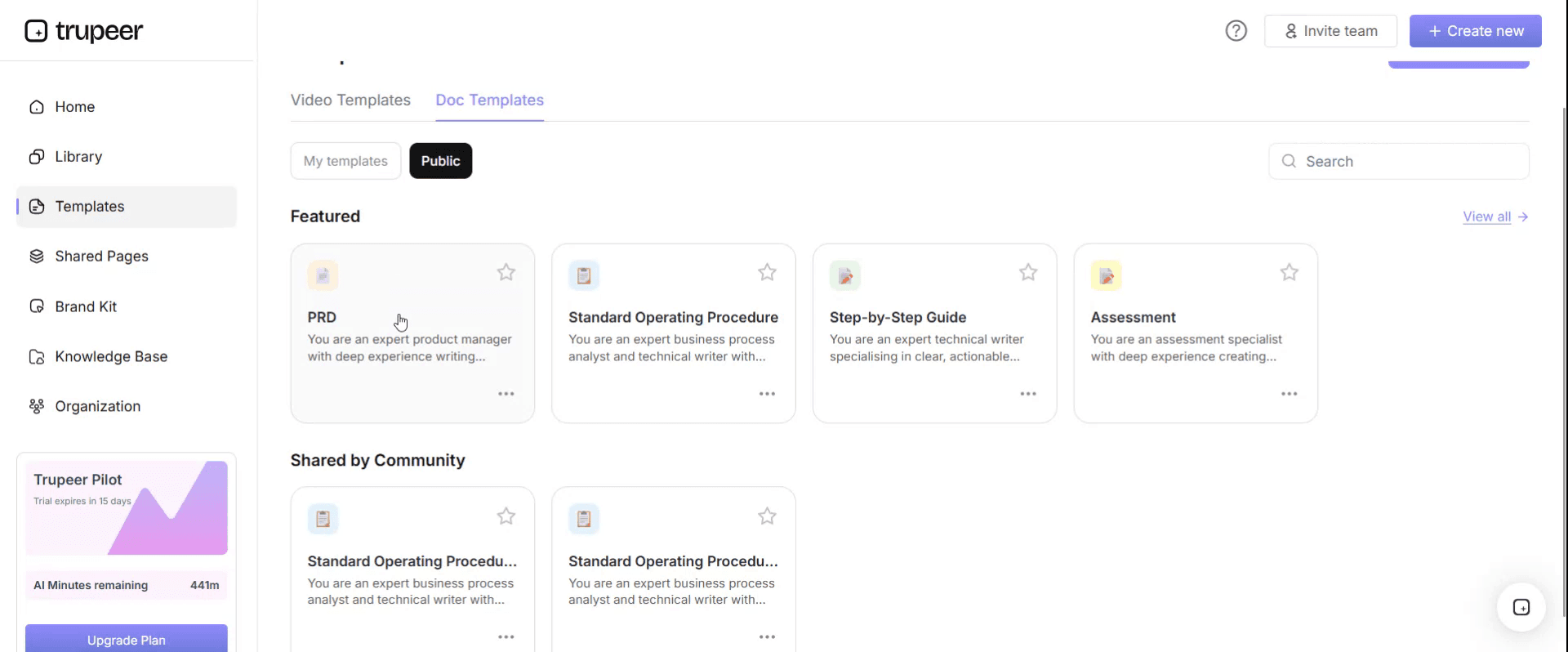
Passaggio 2: Seleziona e apri un modello
Fai clic su qualsiasi modello con cui desideri lavorare per aprirlo.
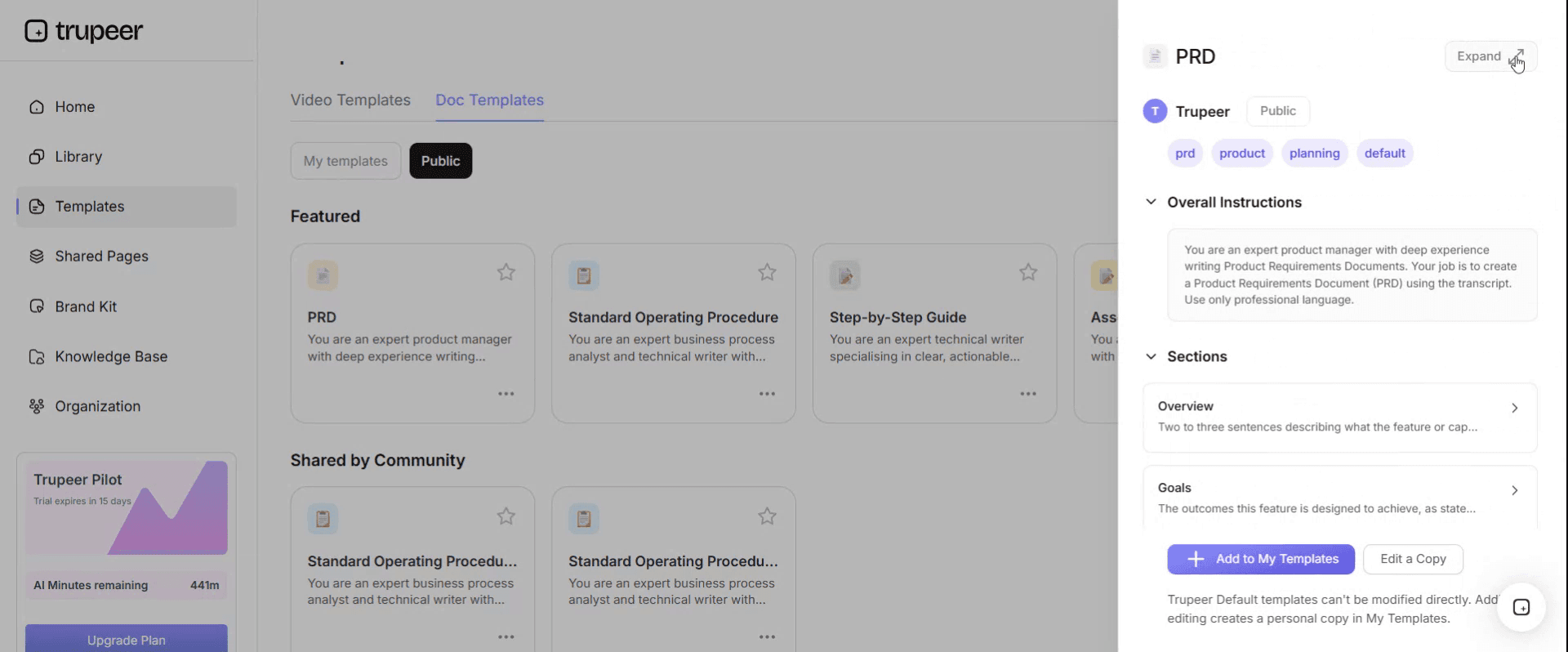
Passaggio 3: Espandi la visualizzazione del modello
Se necessario, espandi la visualizzazione del modello per vedere chiaramente il layout completo e i dettagli.
Passaggio 4: Modifica il modello
Fai clic su Modifica per iniziare a modificare il modello selezionato.
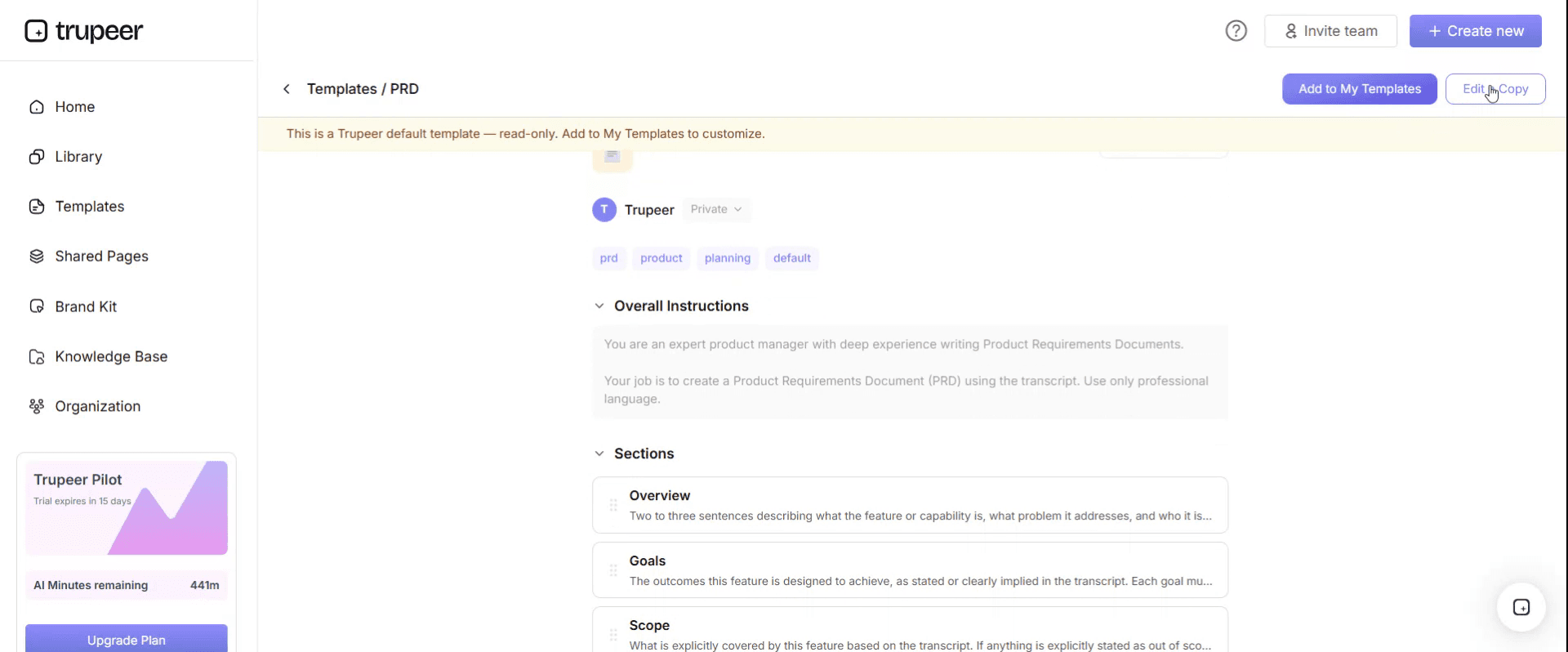
All'interno dell'editor, puoi:
Aggiungere nuove sezioni
Definire o aggiornare le regole di formattazione
Aggiungere un logo e regolarne la posizione e le impostazioni correlate
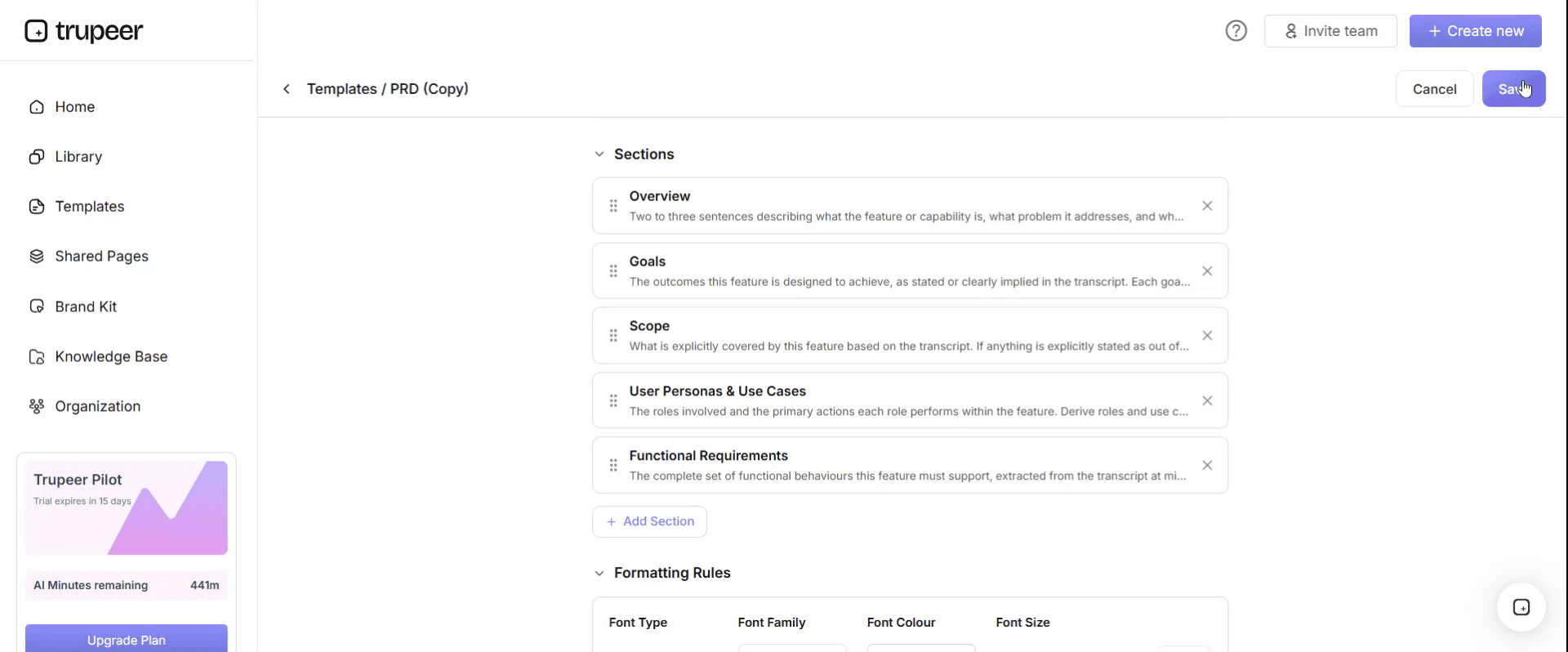
Passaggio 5: Salva il tuo modello personalizzato
Dopo aver apportato tutte le modifiche necessarie, fai clic su Salva per memorizzare il modello aggiornato come tuo.
Passaggio 6: Visualizza in anteprima e perfeziona il modello
Quando vuoi vedere l'aspetto del tuo modello personalizzato, apri l'Anteprima.
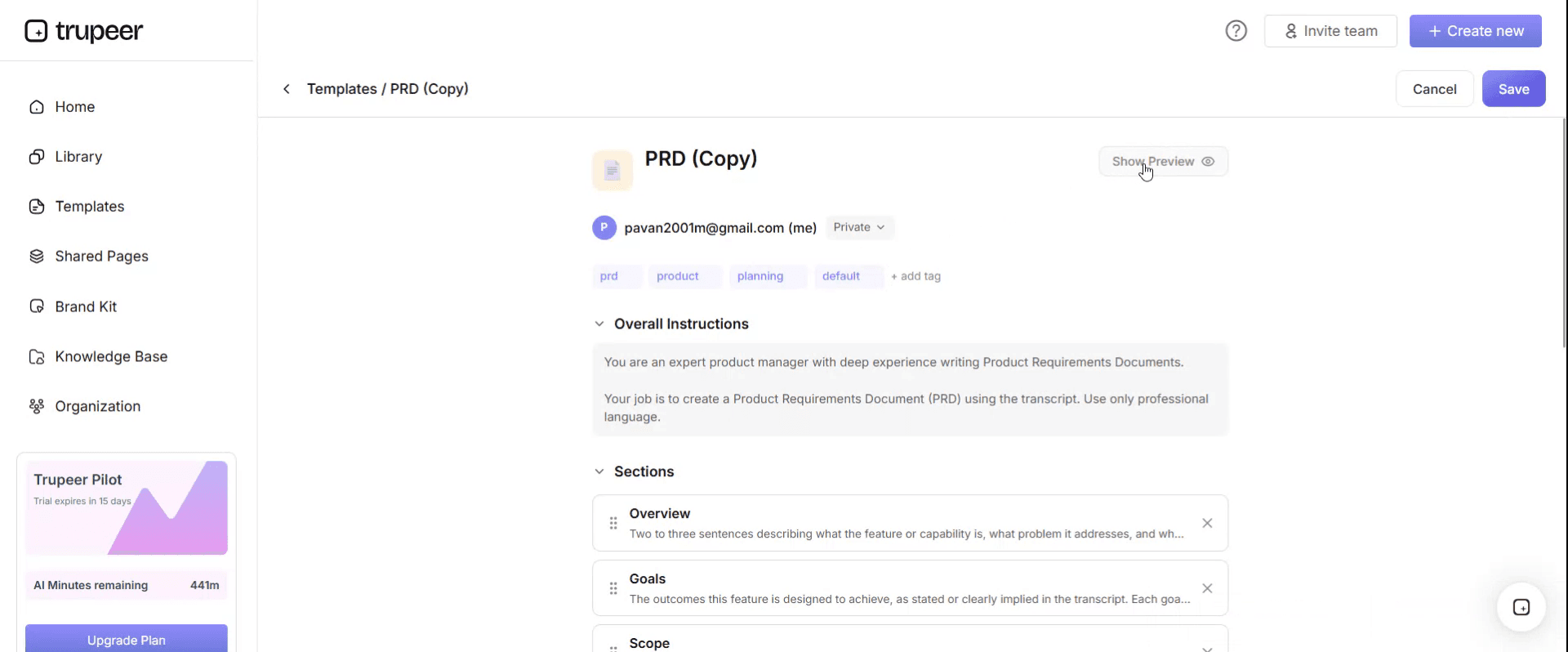
Dalla schermata di anteprima, puoi continuare ad apportare modifiche direttamente se necessario, assicurandoti che il modello appaia esattamente come desideri.
Con un modello di istruzioni di lavoro per cantiere edile puoi:
Risparmiare ore sulla documentazione: Salta la pagina bianca con una struttura creata appositamente per le attività di costruzione.
Migliorare la sicurezza del cantiere: Le sezioni integrate dedicate alla sicurezza e ai DPI proteggono ogni lavoratore.
Rimanere in linea con il brand: Applica il tuo logo, font e colori utilizzando il brand kit di Trupeer.
Formare le squadre rapidamente: Associa alle istruzioni dei video dimostrativi accessibili da mobile.
Standardizzare tra i cantieri: Utilizza lo stesso modello per ogni progetto e squadra.
Raggiungere squadre multilingue: Traduci le istruzioni di lavoro in oltre 65 lingue con un solo clic.
Il modello di istruzioni di lavoro per l'edilizia
Blocco di intestazione, compilato una volta per attività
Campo | Inserire |
|---|---|
Numero documento e revisione | WI-CON-021, Rev B |
Attività | Installare rampa di scale prefabbricata, nuclei 2 e 3 |
Progetto e ubicazione | [Progetto], Blocco A, livelli da 3 a 5 |
Emesso da e data | Nome, ruolo, data |
Approvato da | Direttore di cantiere o ingegnere |
Si applica a | Quale specializzazione, squadra o subappaltatore |
RAMS o dichiarazione di metodo correlata | Numero di riferimento |
Permessi richiesti | Lavori a caldo, spazi confinati, sollevamento, scavo |
DPI richiesti | Oltre il minimo di cantiere |
Impianti e attrezzature | Incluso lo stato di ispezione o certificazione |
Competenza richiesta | Patentini, abilitazioni, autorizzazioni |
Durata e punti di arresto | Punti in cui il lavoro deve fermarsi per ispezione o approvazione |
Blocco passaggi, ripetuto per ogni passaggio
Elemento | Inserire |
|---|---|
Numero passaggio | 4 di 9 |
Azione | Una sola azione, linguaggio semplice |
Chi | Quale ruolo la esegue |
Pericoli in questo passaggio | Specifici per il passaggio, non generali |
Controlli | Cosa deve essere predisposto prima dell'inizio |
Verifica | Cosa conferma che sia stato eseguito correttamente |
Foto o disegno | Laddove l'orientamento, la posizione o la sequenza contano |
Punto di arresto (Hold point) | Fermarsi e ottenere l'approvazione prima di procedere |
Blocco piè di pagina: disposizioni di emergenza, cosa fare se le condizioni cambiano, contatto del supervisore e foglio di firma del briefing.
Il briefing di attività e il foglio di firma
La parte che distingue un'istruzione di lavoro per l'edilizia da una per la produzione. Il documento in sé non è il controllo. Il briefing lo è, e il foglio di firma ne è la prova.
Campo | Inserire |
|---|---|
Riferimento attività e documento | WI-CON-021 Rev B |
Data e turno | |
Briefing tenuto da | Nome e ruolo |
Condizioni meteo e del cantiere al momento del briefing | Rilevanti per la maggior parte delle attività esterne |
Cambiamenti rispetto all'ultimo briefing | Il campo che individua le deviazioni |
Nome | In stampatello |
Azienda o squadra | Appaltatore principale o subappaltatore |
Competenza verificata | Patentino o abilitazione controllati |
Firma | |
Ora |
Due elementi fanno funzionare questo foglio. Chiunque prenda parte all'attività firma, compresi gli operatori che si uniscono a turno iniziato. Inoltre, la riga sui cambiamenti rispetto all'ultimo briefing costringe il supervisore a considerare attivamente se oggi c'è qualcosa di diverso, che è la situazione da cui ha origine la maggior parte degli incidenti.
Esempio compilato di istruzioni di lavoro per l'edilizia
WI-CON-021 Rev B · Installare rampa di scale prefabbricata, nuclei 2 e 3 · Blocco A livelli da 3 a 5
Emesso da: Ingegnere di cantiere · Approvato: Direttore di cantiere · Si applica a: Squadra montaggio strutture in acciaio, 4 operatori più moviere
RAMS correlata: RAMS-014 Installazione prefabbricati · Permessi: Permesso di sollevamento, giornaliero
DPI: Minimo di cantiere più guanti adatti alla movimentazione, imbracatura e doppio cordino di sicurezza sul bordo esposto
Impianto: Autogru da 50t, certificato di ispezione valido fino a [data]. Catene e grilli, codice colore trimestre in corso.
Competenza: Segnalatore/bracatore qualificato per il moviere. Lavori in quota per tutti. Toolbox talk sulla movimentazione di prefabbricati negli ultimi 3 mesi.
# | Azione | Chi | Pericoli | Controlli | Verifica |
|---|---|---|---|---|---|
1 | Confermare che la zona di esclusione sia allestita e segnalata, nessun accesso sotto il carico | Moviere | Persone colpite da caduta di materiali dall'alto | Barriere sulla linea tracciata, segnaletica, addetto al cancello posizionato | Percorrere il perimetro, confermare visivamente |
2 | Verificare che il permesso di sollevamento sia emesso per oggi e che l'ispezione della gru sia in corso di validità | Supervisore | Guasto dell'impianto | Permesso firmato, certificato controllato | Entrambi fisicamente presenti in cantiere |
3 | Ispezionare catene, grilli e punti di sollevamento sull'unità | Bracatore | Rottura dell'attrezzatura di sollevamento | Codice colore corretto, nessun danno visibile, la portata (SWL) supera il peso dell'unità | Registrato sul registro dei sollevamenti |
4 | Fissare i punti di sollevamento alle boccole annegate, tutte e quattro | Bracatore | Instabilità del carico | Tutti e quattro innestati, filettature completamente avvitate | Controllo visivo su ciascuno, confermato a voce al moviere |
5 | Punto di arresto. Il supervisore conferma che l'area di appoggio è preparata, i cuscini di appoggio sono posizionati e livellati | Supervisore | Appoggio instabile | Cuscini posizionati come da disegno, livelli controllati | Alt. Firma richiesta prima del sollevamento |
6 | Sollevare e posizionare solo sotto la direzione del moviere | Gruista e moviere | Impatto con il carico, schiacciamento | Un solo moviere, contatto radio confermato, nessuno sotto il carico | Verifica radio prima del sollevamento |
7 | Guidare l'unità in posizione di appoggio utilizzando funi di guida (tag lines), nessuna mano sull'unità | Montatori | Lesione da schiacciamento alle mani | Solo funi di guida finché l'unità non si trova entro 300 mm ed è ferma | Il supervisore osserva |
8 | Appoggiare, confermare il completo appoggio su entrambi i cuscini prima di rilasciare | Montatori | Spostamento dell'unità | Appoggio confermato su entrambe le estremità, unità stabile | Controllo visivo e fisico |
9 | Rilasciare l'attrezzatura di sollevamento e installare puntellazioni temporanee prima che chiunque lavori sopra o sotto la rampa | Montatori | Crollo | Puntelli installati come da disegno prima di consentire l'accesso | Punto di arresto. Firma dell'ingegnere |
Se le condizioni cambiano. Interrompere il lavoro e ripetere il briefing se il vento supera il limite dichiarato per la gru, se la visibilità cala, se il moviere cambia o se il dettaglio di appoggio differisce dal disegno. Non procedere sulla base di una rassicurazione verbale.
Emergenza. Addetto al primo soccorso al livello 2. Il piano di salvataggio per i lavori in quota è presente nella sezione 8 della RAMS-014. Numero di emergenza del cantiere sul retro del tesserino.
Nota su questo esempio. È scritto per mostrare il livello di dettaglio necessario per un'istruzione di cantiere, non per essere utilizzato così com'è. Le operazioni di sollevamento, i lavori in quota e l'installazione di elementi prefabbricati sono attività ad alto rischio regolate da norme in ogni giurisdizione, e qualsiasi istruzione reale deve essere prodotta da una persona competente in base al progetto effettivo, all'impianto reale e alle reali condizioni del cantiere.
Cosa deve contenere un'istruzione di lavoro per l'edilizia
L'attività, indicata in modo sufficientemente specifico da non poter essere confusa con una simile altrove in cantiere.
La specializzazione o squadra a cui si applica.
Un collegamento alla RAMS o dichiarazione di metodo di riferimento, non una sua sostituzione.
I permessi richiesti, specificati per nome.
DPI oltre il minimo del cantiere, poiché elencare solo il minimo abitua le persone a una lettura superficiale.
Impianti e attrezzature, con relativo stato di ispezione o certificazione.
Requisiti di competenza e patentini necessari.
I passaggi in sequenza, un'azione ciascuno, in un linguaggio semplice.
I pericoli descritti nel passaggio in cui si verificano, non raccolti in un elenco generale all'inizio.
Controlli che devono essere predisposti prima dell'inizio di ogni passaggio.
Punti di arresto in cui il lavoro si ferma per l'ispezione.
Cosa fare se le condizioni cambiano.
Disposizioni di emergenza.
Il foglio di firma del briefing.
Pericoli e controlli, passo dopo passo
Il punto debole più comune nei documenti per le attività edili è un elenco di pericoli all'inizio e un metodo alla fine, senza alcun collegamento tra loro.
Inserisci il pericolo nel momento esatto in cui si presenta. Un operatore che legge il passaggio sette ha bisogno di sapere cosa può fargli del male al passaggio sette, non di ricordare un elenco della prima pagina. Associa a ogni pericolo il relativo controllo che deve già essere attivo, formulato come precondizione piuttosto che come intenzione. "Zona di esclusione transennata fino alla linea tracciata" può essere verificato. "Garantire che l'area sia sicura" no.
Mantieni i pericoli generali nella RAMS. L'istruzione di lavoro riporta solo quelli specifici per questo compito.
Permessi e punti di arresto
Permessi. Nominali nell'intestazione e fai in modo che il primo o il secondo passaggio consistano nel verificare che il permesso esista e sia valido per la giornata. I permessi presunti anziché verificati sono un riscontro ricorrente nei rapporti sugli incidenti.
Punti di arresto (Hold points). Un passaggio in cui il lavoro si interrompe finché una persona competente non ispeziona e firma. Contrassegnali chiaramente nell'elenco dei passaggi, in grassetto, indicando il nome del ruolo preposto alla firma.
La regola che fa funzionare i punti di arresto: nessuno procede oltre sulla base di una rassicurazione verbale. Se l'istruzione dice che l'ingegnere deve firmare, un messaggio di testo che dice che sembra tutto a posto non costituisce l'approvazione. I cantieri in cui questa regola è flessibile sono cantieri in cui il punto di arresto esiste solo sulla carta.
Competenza e autorizzazione
Indica ciò che è richiesto per eseguire questo specifico compito, non ciò che è richiesto per essere semplicemente presenti in cantiere.
Patentini e abilitazioni specificati per nome. Qualsiasi autorizzazione specifica per l'attività, come una persona incaricata per le operazioni di sollevamento. Se un toolbox talk o una formazione specifica è un prerequisito e quanto deve essere recente.
Quindi verifica durante il briefing invece di dare per scontato. Il foglio di firma ha una colonna specifica per la verifica della competenza proprio per questo motivo, e richiede al supervisore dieci secondi a persona.
Quando l'attività cambia a metà turno
Il momento più pericoloso in qualsiasi cantiere, e quello che la maggior parte delle istruzioni di lavoro ignora completamente.
Scrivi esplicitamente le condizioni limite di attivazione. Soglie meteorologiche, un cambio di macchinario, un avvicendamento del personale in un ruolo critico per la sicurezza, condizioni del terreno diverse dai rilievi, un dettaglio costruttivo non corrispondente al disegno o la sequenza modificata per assecondare le scadenze del programma.
Quindi dichiara la risposta: fermarsi, ripetere il briefing e firmare nuovamente. Non fermarsi e pensarci su. Il nuovo briefing è ciò che rende il cambiamento visibile a tutti, anziché solo alla singola persona che lo ha notato.
La pressione del programma è il motivo reale per cui questo viene saltato, e un supervisore che ha l'autorità di fermare i lavori vale più di qualsiasi documento.
Istruzioni di cantiere, CVI e varianti
Si tratta di documenti completamente diversi, che compaiono con sufficiente frequenza nella stessa ricerca da meritare una spiegazione.
Un'istruzione di cantiere (site instruction), talvolta chiamata istruzione dell'architetto o istruzione dell'ingegnere, è una disposizione formale emessa dal rappresentante del cliente all'appaltatore secondo i termini del contratto. Può ordinare una modifica ai lavori, chiarire un punto di progettazione o imporre di rimediare a qualcosa. Di solito comporta implicazioni su costi e tempistiche, motivo per cui viene redatta per iscritto anziché a voce.
Una Conferma di Istruzione Verbale (CVI) è ciò che l'appaltatore emette in risposta a un'istruzione data verbalmente in cantiere. Registra quanto detto, da chi e quando, e concede al destinatario un periodo definito per contestarlo. Senza le CVI, le istruzioni verbali si trasformano mesi dopo in controversie, che costituiscono la causa più comune di contenziosi sui pagamenti nell'edilizia.
Una variante o ordine di modifica è la modifica formale all'ambito, al costo o al programma derivante da un'istruzione.
Un foglio di lavoro giornaliero registra la manodopera, i macchinari e i materiali in base a tempi e materiali effettivi, firmato in cantiere, di solito quando il lavoro non rientra nelle tariffe contrattuali.
Questi sono documenti di amministrazione del contratto. Servono a uno scopo diverso da un'istruzione di lavoro e non dovrebbero mai essere uniti nello stesso modulo. Se ne hai bisogno, il modello di metodo di procedura e i moduli specifici del tuo contratto sono il punto di partenza corretto, e i termini contrattuali ne determinano il formato.
Lingua e alfabetizzazione in cantiere
L'edilizia ha una delle forze lavoro più miste dal punto di vista linguistico rispetto a qualsiasi altro settore, e le istruzioni critiche per la sicurezza scritte solo nella lingua dominante del cantiere rappresentano un rischio reale anziché un semplice inconveniente.
Mantieni le frasi brevi e usa parole semplici. "Non sostare sotto il carico" è molto meglio di "il personale non deve posizionarsi al di sotto di carichi sospesi".
Usa una fotografia o un disegno in qualsiasi passaggio in cui la posizione, l'orientamento o la sequenza siano importanti. Le immagini superano le barriere linguistiche a differenza del testo.
Traduci per le lingue effettivamente parlate dalla squadra, non per quelle che presumi vengano parlate.
Fai un briefing verbale oltre a consegnare il documento, e chiedi a qualcuno di rispiegarti il pericolo riscontrato invece di chiedere semplicemente se hanno capito. Le persone diranno sempre di sì.
Presta attenzione agli operatori che annuiscono durante un briefing e poi si limitano a seguire chiunque sembri sapere cosa sta facendo.
Questo è anche il contesto in cui una breve dimostrazione registrata mostra tutto il suo valore, poiché guardare un'attività rimuove l'ambiguità che le istruzioni scritte portano con sé in qualsiasi lingua.
Digitale o cartaceo in cantiere
La carta domina ancora in cantiere e ci sono ottime ragioni per questo.
La carta funziona perché un foglio plastificato resiste alla pioggia, si usa con i guanti, funziona con scarso segnale e senza batteria. Il suo costo è il controllo della versione. Una revisione superata in un baraccamento di cantiere o in un furgone è un pericolo attivo, non solo un inconveniente.
Il digitale funziona per il controllo delle versioni, per distribuire un'istruzione aggiornata a ogni squadra in pochi minuti, per registrare la firma con data e ora e per inserire foto e video. Il suo costo è legato ai dispositivi, al segnale e al cambiamento di abitudini.
La maggior parte dei cantieri finisce per essere ibrida: il digitale funge da master controllato, mentre le copie cartacee sono presenti sul luogo di lavoro con data e numero di revisione stampati, in modo che un foglio non aggiornato sia visibile a colpo d'occhio. Stampa la revisione a grandi caratteri sulla prima pagina. I numeri di revisione piccoli in un piè di pagina non vengono letti.
Istruzione di lavoro, dichiarazione di metodo, RAMS, SWMS e JSA
Documento | Cosa copre | Ambito | Paese/Regione tipica |
|---|---|---|---|
Istruzione di lavoro | Come eseguire un singolo compito in modo corretto e sicuro | Un'attività | Universale |
Dichiarazione di metodo (Method statement) | Come verrà eseguito un pacchetto di lavoro | Un pacchetto di lavoro | Regno Unito, Irlanda |
RAMS | Valutazione dei rischi e dichiarazione di metodo combinate | Un pacchetto di lavoro | Regno Unito, Irlanda |
SWMS | Dichiarazione di metodo di lavoro sicuro, richiesta per lavori ad alto rischio | Un'attività ad alto rischio | Australia |
JSA o JHA | Analisi della sicurezza del lavoro o dei pericoli, che suddivide un compito in fasi e pericoli | Un'attività | USA, Canada |
Toolbox talk | Breve incontro formativo su un argomento specifico | Un argomento, non un compito | Universale |
Permesso di lavoro | Autorizzazione per una specifica attività ad alto rischio | Una singola attività, limitata nel tempo | Universale |
La relazione: la RAMS o la dichiarazione di metodo regolano il pacchetto di lavoro e di solito sono ciò che l'appaltatore principale accetta prima dell'inizio dei lavori. L'istruzione di lavoro si colloca al di sotto di esse, coprendo una singola attività in modo sufficientemente dettagliato da poter essere oggetto di briefing e applicata. Il permesso autorizza una specifica attività ad alto rischio all'interno di essa.
Un'istruzione di lavoro non sostituisce una RAMS o una SWMS, e dovrebbe fare riferimento ad esse piuttosto che duplicarle. I contenuti di sicurezza duplicati tendono a differire tra le varie revisioni, il che è peggio che averli in un unico posto di riferimento.
Come scrivere un'istruzione di lavoro per l'edilizia
Inizia dalla RAMS o dalla dichiarazione di metodo. L'istruzione di lavoro la implementa a livello di singola attività e non deve contraddirla.
Osserva l'attività mentre viene svolta, o percorrila con il supervisore. I documenti scritti da una scrivania mancano della sequenza reale utilizzata dalla squadra.
Suddividila in singole azioni in un linguaggio semplice. Un verbo, un ruolo.
Inserisci i pericoli e i controlli nella fase in cui si verificano.
Segnala i punti di arresto in modo esplicito e indica chi firma.
Aggiungi fotografie ad ogni passaggio in cui la posizione o l'orientamento sono importanti.
Indica le condizioni di cambiamento e la regola di arresto.
Falla approvare da una persona competente. Si tratta di un documento di sicurezza, non di produttività.
Presentala in un briefing e falla firmare. Il documento in sé non è il controllo, il briefing lo è.
Riemettila come nuova revisione quando cambia qualcosa, e ritira la vecchia versione dal luogo di lavoro.
Revisione e controllo delle versioni
Effettua una revisione in caso di modifiche al progetto, modifiche agli impianti o ai metodi, dopo qualsiasi incidente o quasi incidente durante l'attività, quando un nuovo subappaltatore subentra e a intervalli definiti per lavori a lungo termine.
Il controllo della versione in cantiere non è una questione di ordine amministrativo. È la differenza tra una squadra che lavora seguendo la sequenza attuale e una che lavora con quella del mese scorso. Stampa la revisione in grande, metti la data sulla copia cartacea e fai in modo che il ritiro delle copie superate sia un compito assegnato a una persona specifica, piuttosto che un'aspettativa generale.
Linee guida consigliate
Fai riferimento alla RAMS, non duplicarla mai.
Inserisci i pericoli nel passaggio specifico, non in un elenco all'inizio.
Usa un linguaggio semplice e frasi brevi.
Inserisci una fotografia in ogni passaggio in cui l'orientamento è importante.
Evidenzia i punti di arresto in grassetto, con il ruolo firmatario chiaramente indicato.
Completa il foglio di firma durante il briefing, inclusi i lavoratori che si uniscono in ritardo.
Chiedi alle persone di rispiegare il pericolo invece di chiedere se hanno capito.
Traduci per le lingue effettivamente presenti in cantiere.
Stampa il numero di revisione in grande sulla prima pagina.
Assegna a una persona specifica la responsabilità di ritirare le copie superate.
Errori comuni
Utilizzare un modello industriale con terminologia edile, omettendo del tutto permessi, briefing e firme.
Elencare i pericoli all'inizio senza mai collegarli alle singole fasi.
Duplicare la RAMS, con il rischio che i due documenti divergano alla revisione successiva.
Definire controlli vaghi che non possono essere verificati.
Prevedere punti di arresto senza un firmatario nominato, che quindi vengono ignorati.
Non stabilire una regola di stop per le condizioni cambiate.
Scrivere i documenti basandosi sul disegno invece che sull'effettiva situazione di lavoro.
Usare solo l'inglese in un cantiere multilingue.
Lasciare revisioni superate nei baraccamenti e nei furgoni.
Mancanza di un registro delle firme, per cui non vi è prova che il briefing sia avvenuto.
Confondere un'istruzione di lavoro con un'istruzione di cantiere, inserendo contenuti contrattuali in un documento di sicurezza.
Spiega l'attività una volta e lascia che ogni squadra la guardi
Apri il modello in Trupeer AI, applica il tuo brand kit in modo che i documenti corrispondano agli standard della documentazione del tuo cantiere e modifica direttamente qualsiasi sezione. La configurazione è descritta nella guida al modello.
Il punto debole di qualsiasi istruzione scritta in cantiere è che una sequenza descritta a parole è più ambigua di una sequenza osservata, e il pubblico spesso legge in una seconda lingua sotto la pressione del tempo.
Registra la dimostrazione del compito una volta e Trupeer AI produrrà l'istruzione scritta e un video dimostrativo narrato a partire dallo stesso passaggio, in modo che la squadra possa guardare la sequenza durante il briefing anziché ascoltarne solo la descrizione. Traducila in oltre 65 lingue, il che in un cantiere edile rappresenta una misura di sicurezza piuttosto che una semplice comodità. Mantieni la revisione corrente nella tua base di conoscenza in modo da avere un unico riferimento master e riutilizza le stesse registrazioni per l'inserimento e la formazione quando subentra un nuovo subappaltatore.
Registra. Personalizza. Traduci. Trupeer.
Domande frequenti
Esiste un modello gratuito di istruzioni di lavoro per cantiere in Word?
Sì. Word è il formato principale, con blocco di intestazione, tabella delle fasi, punti di arresto e foglio di firma integrati. Download gratuito, nessuna registrazione, nessuna filigrana.
Posso scaricare un modello gratuito di istruzioni di lavoro edili in Word?
Sì. Ogni formato è scaricabile gratuitamente senza necessità di account, riutilizzabile per tutte le attività e i progetti di cui hai bisogno.
Esiste un modello di istruzioni di lavoro edili in formato Word .doc?
Sì, è inclusa una versione .doc insieme a .docx per i sistemi più datati e le librerie di documenti di cantiere.
Esiste un modello gratuito di istruzioni di lavoro per cantiere in PDF?
Sì, in due versioni: una stampabile formattata per un foglio plastificato sul luogo di lavoro e una compilabile in cui il foglio di firma può essere completato su un dispositivo.
Esiste un modello gratuito di istruzioni di lavoro edili in Excel?
Sì. Excel si adatta al registro delle fasi e funziona bene quando un singolo documento copre diverse attività correlate, o quando si desidera filtrare per specializzazione, permesso o punto di arresto all'interno di un pacchetto di lavoro.
Dove posso scaricare gratuitamente un modello di istruzioni di lavoro in Word?
In questa pagina, e per altri settori nell'hub dei modelli di istruzioni di lavoro, che copre le versioni per l'assemblaggio, la produzione, la sicurezza, i progetti e le versioni visive. Tutti gratuiti.
Che cos'è un'istruzione di lavoro edile?
Un documento che stabilisce come deve essere eseguita una specifica attività in cantiere: la sequenza, chi fa cosa, i pericoli in ogni fase, i controlli che devono essere predisposti, i permessi richiesti, i punti di arresto e cosa fare se le condizioni cambiano. Si colloca al di sotto della RAMS o della dichiarazione di metodo e viene illustrata alla squadra prima dell'inizio dei lavori.
Cosa dovrebbe includere un'istruzione di lavoro per l'edilizia?
Numero di documento e revisione, l'attività e l'ubicazione, la specializzazione a cui si applica, il riferimento alla RAMS di riferimento, i permessi, i DPI oltre il minimo di cantiere, l'impianto con lo stato di certificazione, i requisiti di competenza, i passaggi numerati con pericoli e controlli per ciascuno, i punti di arresto con i firmatari nominati, le condizioni di cambiamento e arresto, le disposizioni di emergenza e un foglio di firma del briefing.
Qual è la differenza tra un'istruzione di lavoro e una dichiarazione di metodo (method statement)?
Una dichiarazione di metodo descrive come verrà eseguito un intero pacchetto di lavoro e di solito viene accettata dall'appaltatore principale prima dell'inizio dei lavori. Un'istruzione di lavoro copre una singola attività all'interno di quel pacchetto con dettagli sufficienti per essere illustrata e seguita dalla squadra. L'istruzione di lavoro dovrebbe fare riferimento alla dichiarazione di metodo anziché ripeterla.
Qual è la differenza tra RAMS e un'istruzione di lavoro?
Il documento RAMS unisce la valutazione dei rischi e la dichiarazione di metodo per un pacchetto di lavoro, ed è un documento formale solitamente richiesto prima dell'inizio dei lavori. Un'istruzione di lavoro è il documento a livello di singola attività derivato da esso. La RAMS risponde alla domanda se il lavoro può procedere in sicurezza. L'istruzione di lavoro dice all'operatore cosa fare al passaggio quattro.
Qual è la differenza tra un'istruzione di lavoro e un'istruzione di cantiere (site instruction)?
Si tratta di documenti completamente diversi. Un'istruzione di lavoro spiega agli operatori come eseguire un compito. Un'istruzione di cantiere è una disposizione contrattuale formale emessa dal rappresentante del cliente all'appaltatore, che spesso comporta implicazioni in termini di costi e programma. Confonderle inserisce contenuti contrattuali in un documento di sicurezza, il che non giova a nessuno dei due scopi.
Che cos'è una Conferma di Istruzione Verbale?
Una CVI viene emessa dall'appaltatore per registrare un'istruzione che è stata fornita verbalmente in cantiere, indicando cosa è stato detto, da chi e quando, e concedendo al destinatario un periodo di tempo per contestarla. Esiste perché altrimenti le istruzioni verbali diventano rivendicazioni contestate mesi dopo, ed è un documento di amministrazione contrattuale piuttosto che di sicurezza.
Chi scrive e approva le istruzioni di lavoro edili?
Vengono redatte dall'ingegnere di cantiere, dal supervisore o dalla persona competente del subappaltatore, e approvate da una figura esperta nel lavoro e nei suoi rischi, in genere il direttore di cantiere o un ingegnere qualificato. Si tratta di un documento critico per la sicurezza, quindi l'approvazione dovrebbe spettare a qualcuno responsabile della sicurezza del compito piuttosto che del programma dei lavori.
Come si tiene il briefing di un'istruzione di lavoro in cantiere?
Spiega il documento alla squadra prima del turno, sul luogo di lavoro o nelle vicinanze, dove praticabile. Tratta la sequenza, i pericoli, i controlli, i punti di arresto e cosa determina un'interruzione. Chiedi ai singoli di rispiegarti un pericolo anziché chiedere se tutti hanno capito. Registra ogni partecipante sul foglio di firma, compreso chiunque si unisca successivamente durante il turno.
Ogni quanto tempo devono essere revisionate le istruzioni di lavoro per l'edilizia?
In caso di modifiche al progetto, modifiche agli impianti o ai metodi, dopo qualsiasi incidente o quasi incidente su quel compito, quando un nuovo subappaltatore subentra e a intervalli prestabiliti per lavori a lungo termine. Emetti una nuova revisione e ritira fisicamente le copie superate da baraccamenti, furgoni e aree di lavoro.
Posso personalizzare questo modello di istruzioni di lavoro edili?
Sì, ogni versione è completamente modificabile. Adatta i campi al tuo sistema di gestione della sicurezza, al regime dei permessi e alla terminologia, poiché le convenzioni sulla documentazione edilizia variano notevolmente in base al paese e all'appaltatore principale. In Trupeer AI puoi anche applicare il tuo brand kit in modo che tutta la documentazione di cantiere sia coerente.


