Trupeer Blog
Summarise
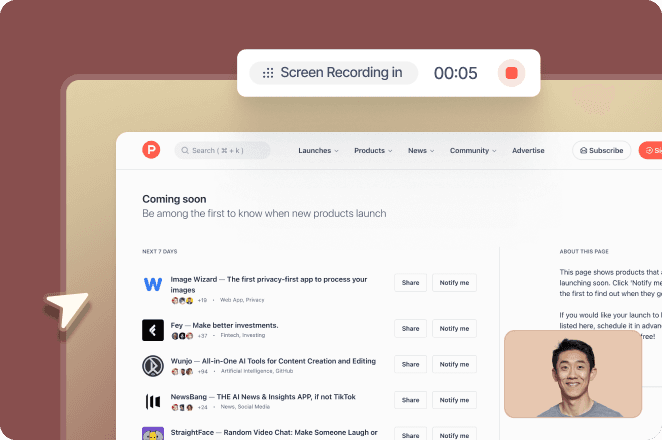
Imagine you're managing a production line in a manufacturing plant. You need to ensure that every step, from material handling to packaging, is executed flawlessly. Errors can lead to costly rework or safety incidents. To prevent these issues, your team needs clear guidance. This is where understanding the difference between work instructions and standard operating procedures (SOPs) becomes crucial. But many managers confuse these terms, leading to inefficiencies and mistakes. A survey found that
only 34% of companies have well-documented processes, impacting productivity and safety.
By clearly distinguishing between work instructions and SOPs, you can simplify operations, enhance compliance, and ultimately boost your bottom line. This article is tailored for operational managers and team leaders who aim to optimize their workflows with precise documentation strategies. Teams weighing tools often start with a Loom alternatives comparison before standardizing on a workflow.
Why does understanding work instructions vs SOPs matter?
In any business, clarity in process documentation can be a big shift. Misunderstandings or misplaced expectations about what work instructions and SOPs entail can lead to significant operational challenges. Work instructions provide detailed, step-by-step guidance on how to perform a specific task. They're usually more granular than SOPs and are used where precise, hands-on instructions are needed.
SOPs, on the other hand, outline the broader process framework. They're essential for maintaining consistency across operations and ensuring compliance with industry standards. When your team knows when to use work instructions vs SOPs, it enhances operational efficiency. For example, in a pharmaceutical company, SOPs ensure compliance with regulatory standards, while work instructions guide the specific techniques for compounding medications. Understanding the difference between these two documentation types helps simplify the operations workflow, reduces errors, and facilitates training and onboarding. By addressing these documentation needs appropriately, you can prevent costly mistakes and improve overall productivity.
What are the benefits of understanding work instructions vs SOPs?
Recognizing the distinct roles of work instructions and SOPs can provide several operational advantages. This clarity not only improves efficiency but also enhances compliance and quality control.
Enhanced compliance. SOPs ensure that all actions align with regulatory requirements, minimizing compliance risks. This alignment is crucial in industries like healthcare, where regulatory adherence is non-negotiable.
Consistent quality. By using work instructions, you promote uniformity in task execution. This consistency reduces errors in production lines, leading to higher product quality and fewer recalls.
Improved training efficiency. Clear work instructions accelerate new employee training. Instead of shadowing experienced workers, new hires can follow detailed instructions, reducing training time by up to 30%.
simplified operations. SOPs provide a structured framework for operations. This structure helps eliminate bottlenecks, ensuring smoother workflows and quicker issue resolution, as referenced in knowledge base one.
Better risk management. With SOPs in place, potential risks are identified and mitigated early. This proactive approach reduces the likelihood of accidents and operational shutdowns.
Efficient resource allocation. Clearly defined processes help allocate resources effectively. A single AI-powered video tool can illustrate complex operations, making resource management more strategic.
Which Trupeer features help you create effective work instructions and SOPs?
Trupeer offers a suite of capabilities designed to simplify and enhance the creation of work instructions and SOPs, making documentation more efficient and more aligned with your operational needs.
AI screen recording with auto-zoom and click detection
Trupeer's AI screen recording feature automatically detects and highlights clicks and zooms in on relevant sections during the recording. This is particularly useful when creating work instructions that require visual clarity. By capturing exactly what's happening on the screen, this tool ensures that every detail is communicated effectively. This capability is perfect for software training or any task where visual steps are crucial. The auto-zoom function provides a focused view, reducing distractions and ensuring users only see what's important.
Automatic SOP generation from any recording
With Trupeer, you can automatically generate SOPs from your recordings. This feature transforms recorded sessions into editable and exportable SOP documents, saving significant time and effort. This auto-generated documentation is particularly useful for ensuring that your SOPs are always up-to-date and accurately reflect the latest procedures. For businesses needing to maintain comprehensive AI documentation platform, this capability ensures that no detail is overlooked.
AI avatars / talking-head video
Trupeer's use of AI avatars in videos adds a human touch to your documentation. This feature is ideal for making instructions more engaging. By incorporating a talking-head video, you can guide users through complex procedures as if a trainer were present. This personalizes learning and helps maintain the viewer's attention, which is crucial in lengthy or detailed instructional content.
AI-searchable knowledge base with timestamp deep-links
The AI-searchable knowledge base feature allows users to find specific information quickly. With timestamp deep-links, you can direct users to the exact moment a particular process or step is covered in a video. This capability enhances the accessibility and utility of your documentation, ensuring that team members can access the information they need without sifting through entire documents. It transforms your video knowledge base into an interactive and efficient learning tool.
Auto-updating documentation tied to the underlying recording
This feature ensures that any updates to your recordings automatically reflect in your documentation. It reduces the manual effort required to keep documents current and ensures consistency across all platforms. This capability is crucial for maintaining the integrity and accuracy of your SOPs and work instructions over time. Businesses that need to frequently update their processes will find this feature particularly advantageous, as it minimizes the risk of discrepancies in the work plan generator.
How do you create work instructions and SOPs step by step with Trupeer?
Step 1: Record the Process
Begin by using Trupeer's AI screen recording with auto-zoom and click detection to capture the process you want to document. Launch the browser-based recorder, which requires no installation, and start the recording. As you perform the task, Trupeer automatically highlights clicks and zooms in on important areas, ensuring the video is clear and focused. This step is crucial for capturing the precise details needed for accurate work instructions. The recording process is straightforward and can typically be completed in real-time as you perform the task. If you encounter any mistakes during the recording, you can easily redo the section without starting over entirely, saving time and effort.
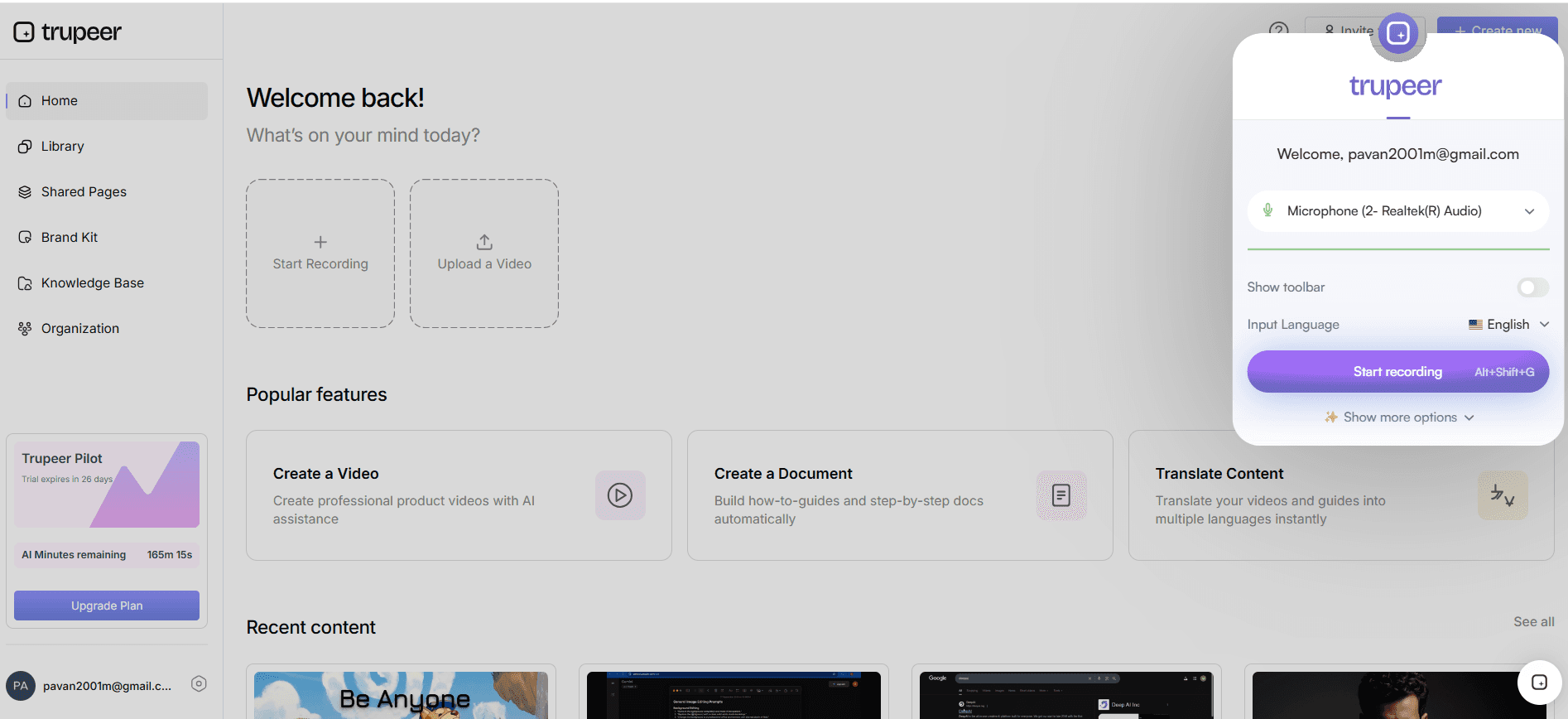
Step 2: Generate the Initial SOP
Once your recording is complete, use Trupeer's feature for automatic SOP generation. This tool converts your recorded video into a draft SOP document. The system analyzes the video, extracting relevant actions and details to form a structured outline. Typically, this process takes about a few minutes, allowing you to have a comprehensive draft ready for review quickly. The generated SOP is fully editable, enabling you to refine the details and add any additional context required. This step is essential for creating a consistent foundation that can be adapted across different teams or processes. For a deeper look, our guide on instructional design covers the adjacent playbook.
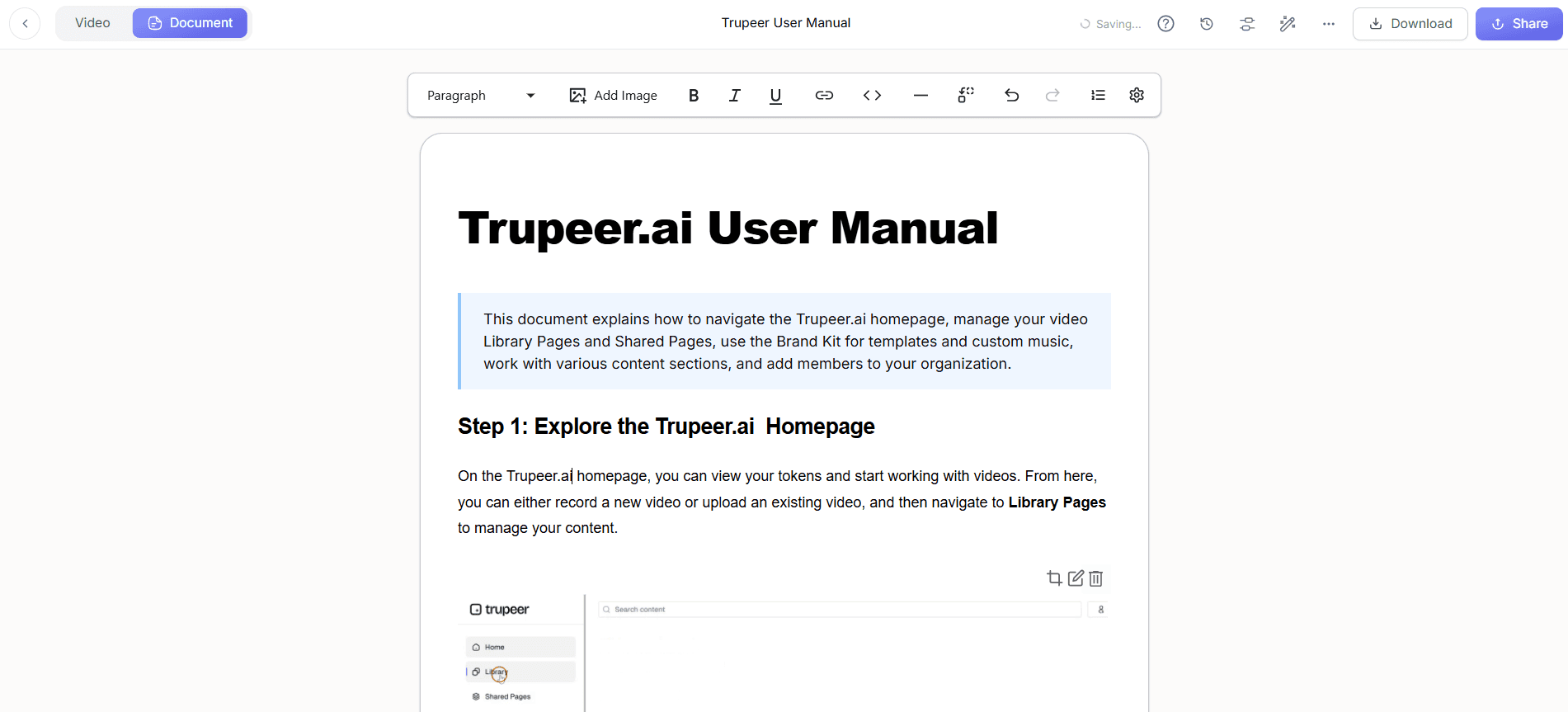
Step 3: Enhance with AI Voiceover
To make your documentation more engaging, apply Trupeer's AI voiceover feature. Choose from over 65+ natural voices, adjusting pace and tone to suit your audience. This adds a professional touch to your video instructions, making them more accessible and easier to follow. Implementing voiceover typically takes only a few minutes, depending on the length of your video. This enhancement is ideal for catering to diverse teams, including those who might benefit from audio guidance due to visual impairments or language barriers. It also allows you to maintain consistent messaging across different training materials.
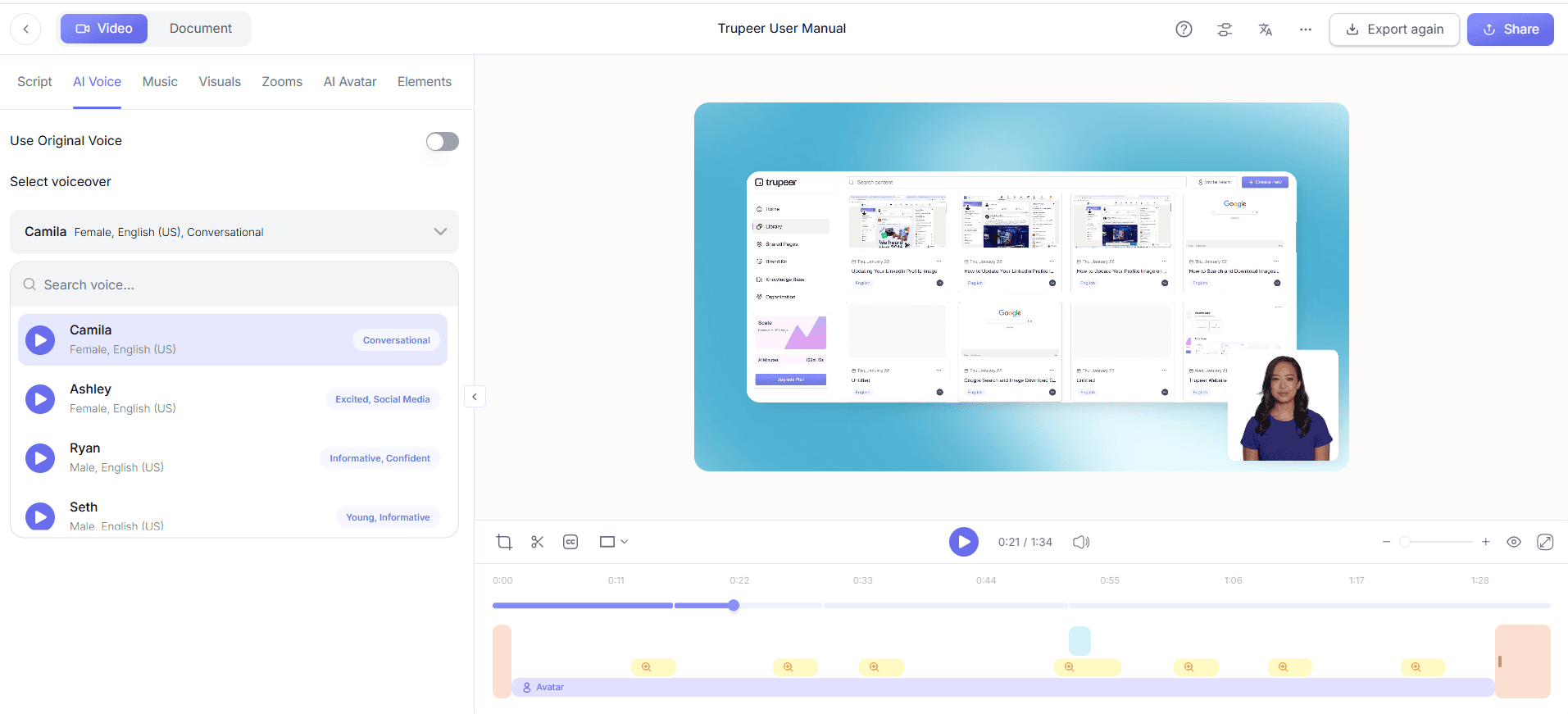
Step 4: Add AI Avatars for Personalization
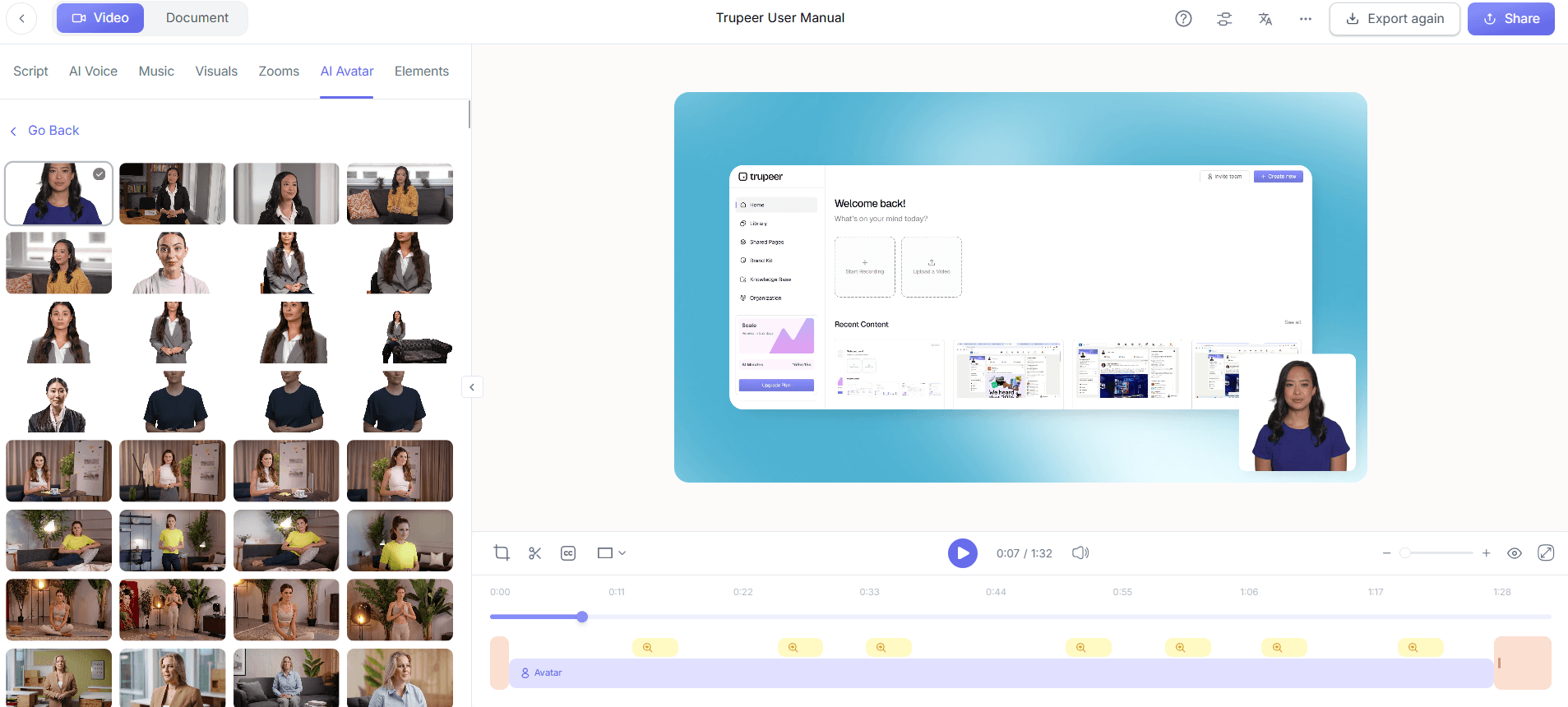
Incorporate AI avatars using Trupeer's talking-head video feature to add a personal touch to your documentation. This is particularly useful for engaging your audience and providing a human element to the instructions. You can select from a library of stock avatars or create custom ones through HeyGen integration. This step enhances viewer engagement and retention, making complex instructions easier to digest. Setting up an avatar takes just a few clicks, and the avatars sync smoothly with your video content.
Step 5: Translate and Localize
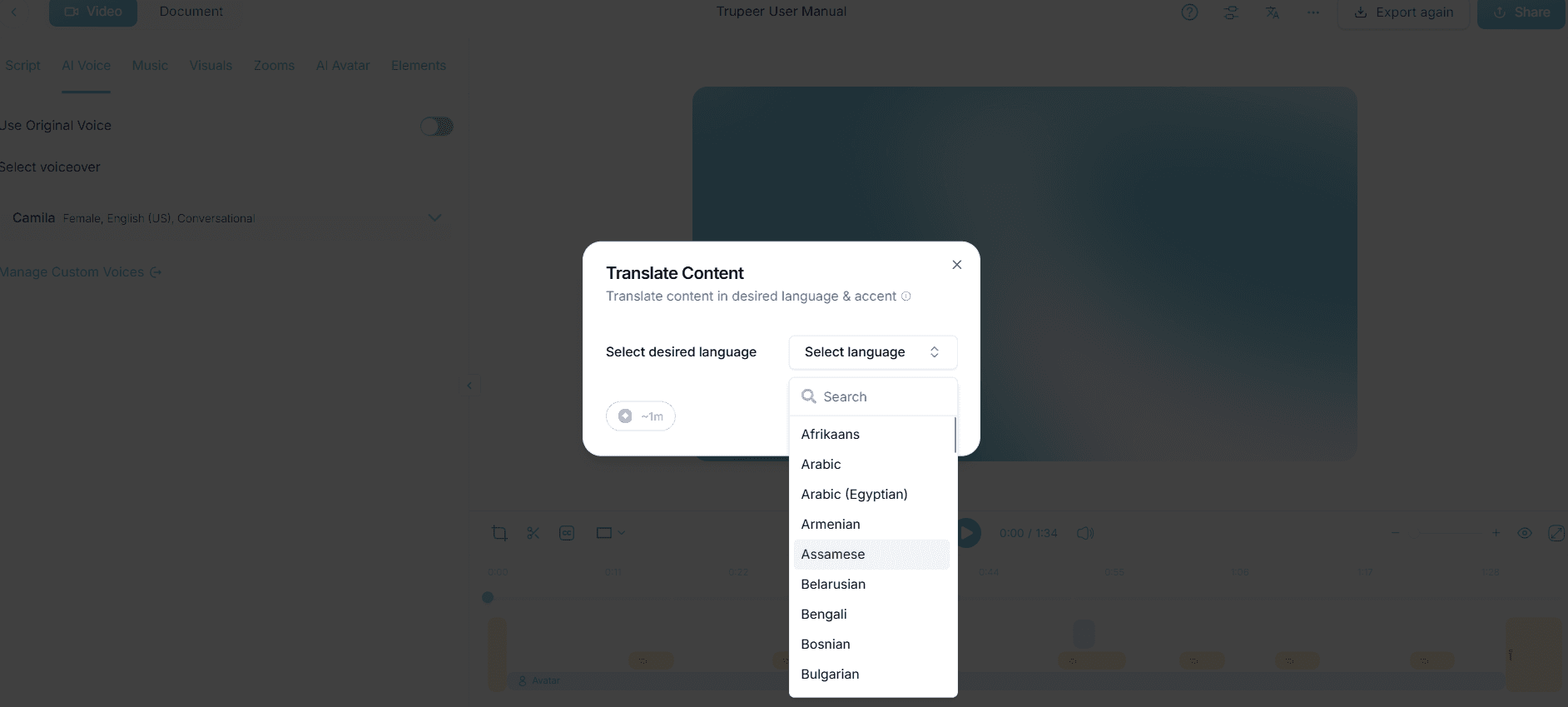
If your documentation needs to reach a diverse audience, use Trupeer's AI translation feature to convert your content into 40+ languages. This is crucial for global teams or customer bases. The translation process includes AI dubbing with lip-sync to ensure that the translated content appears natural and professional. This feature is invaluable for maintaining consistency in messaging across regions. The translation process is automated and can be completed in a fraction of the time it would take manually, ensuring your documentation is accessible to all relevant stakeholders.
Step 6: Distribute and Monitor Engagement
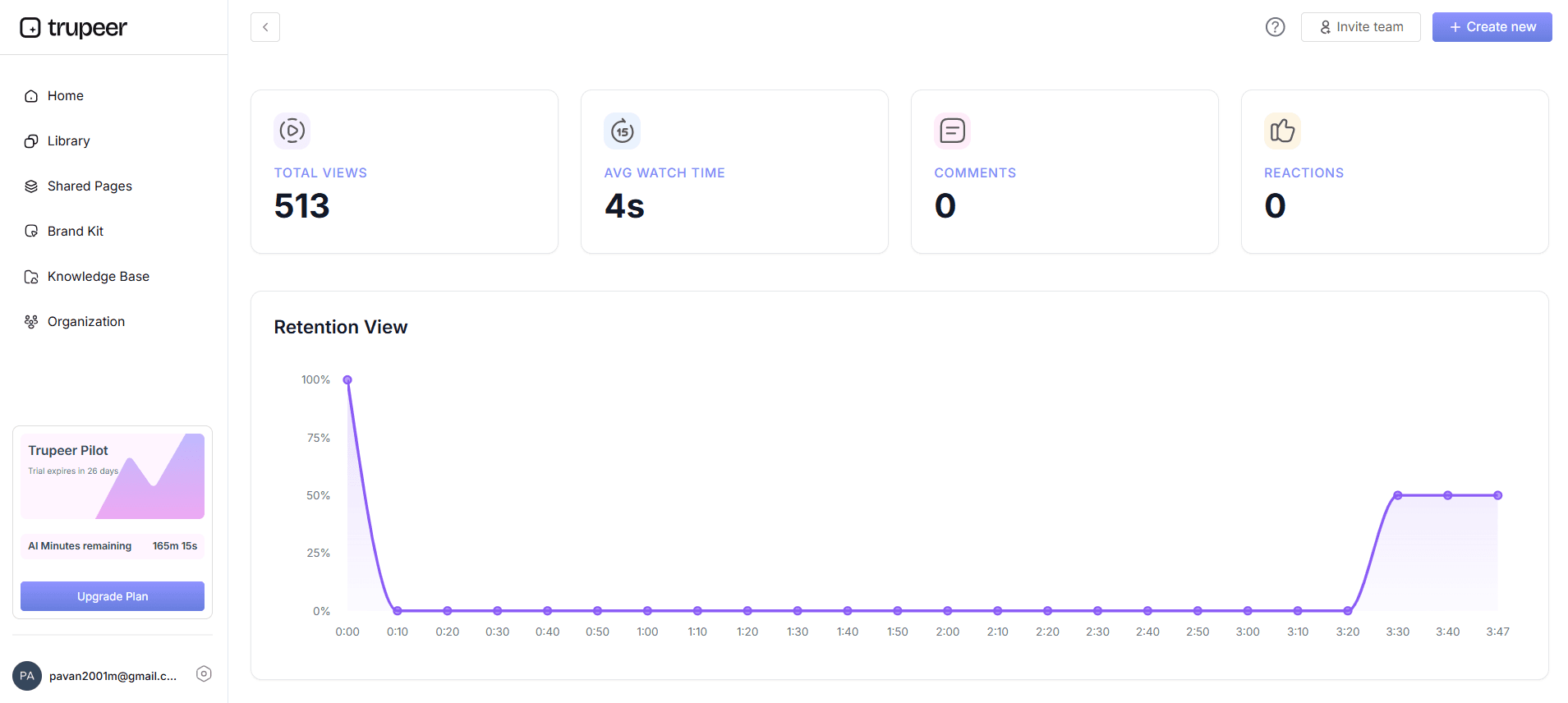
Finally, distribute your work instructions and SOPs using Trupeer's AI-searchable knowledge base. Host the documentation on a custom domain with SSO for secure access. Use the platform's analytics to track viewer engagement, identifying areas where users might drop off or require additional support. This data helps refine content and improve future documentation efforts. By embedding video widgets for in-app guidance, you ensure that users can access help when and where they need it. This comprehensive distribution strategy maximizes the impact of your documentation, making it a dynamic part of your operational toolkit.
What tips help you create effective work instructions and SOPs?
Crafting precise and useful work instructions and SOPs can significantly bolster your team's productivity and compliance. Here are some essential tips to enhance your documentation process.
Engage stakeholders early. Involve key team members in the documentation process to ensure all critical elements are captured and to gain buy-in.
Be specific in detail. Avoid ambiguity by using clear language and detailed steps, which is particularly important when using a work instructions generator.
use visual aids. Use screenshots and videos to supplement text instructions, providing a clearer understanding of processes.
Regularly review and update. Schedule periodic reviews of your documentation to ensure it remains current and reflects any process changes.
Standardize formats. Keep a consistent format across all documentation to make it easier for users to navigate and understand.
Include a feedback mechanism. Allow users to provide feedback on instructions, which can highlight areas for improvement and ensure the documentation meets user needs.
Benchmark against alternatives. Compare your processes against industry standards using resources like the Scribe vs Trupeer comparison to ensure competitive efficiency.
Frequently asked questions
How do you differentiate between a work instruction and an SOP?
A work instruction provides detailed, step-by-step guidance for performing a specific task, often including visual aids like screenshots or videos. In contrast, an SOP outlines the overarching process framework, detailing who, what, when, and where. SOPs serve to maintain consistency and compliance across operations. Understanding this distinction helps in applying the correct type of documentation for the right scenario, enhancing both clarity and efficiency within the workflow.
What are the key elements of effective work instructions?
Effective work instructions should include a clear title, purpose, and scope, followed by step-by-step actions needed to complete the task. Visual aids are essential, such as diagrams, screenshots, or videos, to provide clarity. also, they should include safety warnings, necessary tools, and materials. Regular updates and reviews ensure the instructions remain relevant. By maintaining these elements, work instructions can effectively guide users and reduce errors.
Can Trupeer help with multilingual documentation?
Yes, Trupeer can facilitate multilingual documentation through its AI translation capability. By converting content into over 40 languages, Trupeer ensures that your documentation is accessible to a global audience. This feature includes AI dubbing for smooth audio translation, maintaining natural lip-sync in videos. Such capabilities are crucial for international teams or customer bases, as demonstrated by the AI video translation tool.
Does using AI for documentation reduce errors?
Yes, using AI for documentation can significantly reduce errors by automating the capture and transcription of processes. AI tools ensure consistency, reduce manual entry mistakes, and provide real-time updates. For instance, Trupeer's auto-generated SOPs ensure that the recorded processes are accurately translated into documents, minimizing human error. This automation leads to more reliable and error-free documentation, enhancing operational efficiency.
What is the impact of regular updates on documentation quality?
Regular updates to documentation significantly enhance its quality by ensuring information remains current and relevant. Outdated documents can lead to errors and inefficiencies. By scheduling routine reviews and incorporating feedback, organizations can keep their documentation aligned with the latest processes and standards. This proactive approach ensures that teams have reliable resources, reducing the risk of operational mishaps and maintaining high standards of compliance and performance.
How do you keep documentation current when the process changes constantly?
For fast-changing processes, make updates cheap: re-record the affected step and let Trupeer regenerate the guide, while version history keeps a timestamped trail of what changed. Trupeer's SOP creation software auto-captures each step, so updates are a quick re-record tracked in version history.