Trupeer Blog
Summarise

Imagine this: your support team is overwhelmed with tickets, and customers are frustrated with long wait times. They prefer submitting tickets because they haven't formed the habit of using your knowledge base. In fact,
over 60% of customers will submit a ticket if they can't find an answer within 10 minutes.
This dependency on ticket submissions not only strains your team but also impacts customer satisfaction. It’s a cycle that’s hard to break. But there's a way forward. By promoting your knowledge base effectively, you can encourage self-service, reduce ticket volume, and enhance customer experience.
For those managing customer support, this is crucial. You're looking to shift behavior without causing frustration. The key is integrating your knowledge base into your customers' habits. This involves more than just having a well-written knowledge base; it requires strategic promotion and making it an integral part of the customer journey. By doing so, you can transform how support is perceived and delivered. To see how others have excelled, check out some of the best knowledge base examples that have successfully shifted customer behavior. This is exactly where Intercom Fin knowledge base becomes useful and it's the kind of content Trupeer can generate directly from a simple screen recording.
Why does promoting your knowledge base matter?
Promoting your knowledge base is critical for reducing operational strain and improving customer satisfaction. When customers default to submitting tickets, your support team can become overwhelmed, leading to longer response times and decreased service quality. This affects not only your team’s efficiency but also customer loyalty. A well-promoted knowledge base enables customers to find solutions independently, increasing their satisfaction and reducing the volume of incoming tickets.
For support managers, the challenge is strategic: how to effectively integrate the knowledge base into the customer’s decision-making process. When customers are used to immediate support via tickets, encouraging them to use self-service solutions requires a shift in behavior. This doesn't just benefit the support team; it also enhances the overall customer experience. By promoting your knowledge base effectively, you create a smoother customer success workflow, where customers can find answers quickly, reducing frustration and enhancing their perception of your brand.
What are the benefits of promoting your knowledge base?
Promoting your knowledge base offers several tangible benefits. It’s not just about reducing ticket submissions; it’s about creating a more efficient and satisfying customer experience.
Reduced ticket volume. An effective knowledge base can decrease ticket submissions by up to 40%, allowing support teams to focus on more complex issues.
Improved customer satisfaction. Customers appreciate finding answers quickly and independently, enhancing their overall satisfaction with your service.
Faster issue resolution. With a well-promoted knowledge base, customers can resolve issues in minutes instead of waiting for ticket responses, which can take hours or days.
Cost savings. By reducing the number of tickets, companies can lower support costs by up to 30%, as fewer resources are needed to handle customer inquiries.
Better resource allocation. Support teams can focus on high-priority tasks instead of repetitive queries, optimizing their workload and efficiency.
Enhanced brand perception. A solid knowledge base demonstrates a commitment to customer empowerment, positively impacting brand reputation. Explore how a knowledge base one can transform customer interactions.
Teams ship this workflow end-to-end using Trupeer's AI video platform, which turns raw recordings into polished output without an editor.
Which Trupeer features help you promote your knowledge base?
Trupeer offers several features that can help you effectively promote your knowledge base, making it easier for customers to find the answers they need quickly.
AI-searchable knowledge base
Trupeer’s AI-searchable knowledge base is a powerful tool that indexes every recording with timestamp-level deep links. This feature makes it incredibly easy for users to jump directly to the part of a video or document that answers their specific query, reducing the need for ticket submissions. By making information easily accessible and searchable, you encourage self-service and enhance user experience significantly.
Automatic SOP generation
Creating and maintaining SOPs can be time-consuming. Trupeer’s AI documentation platform simplifies this with automatic SOP generation from any recording. This feature ensures that your knowledge base is always up-to-date and comprehensive, which is crucial for effective promotion. By providing customers with clear, step-by-step guides, you enable them to solve problems independently, decreasing reliance on support tickets.
AI avatars and voiceover
Personalized content can significantly enhance user engagement. Trupeer’s AI avatars and voiceover capabilities allow you to create more engaging and interactive content for your knowledge base. With AI voiceover in 65+ natural voices and customizable avatars, you can tailor content to your audience’s preferences, making self-service more appealing and effective.
Automatic filler-word removal
Clear and concise content is key to an effective knowledge base. Trupeer’s automatic filler-word removal feature ensures that your recordings are polished and professional. By eliminating unnecessary words and pauses, you provide customers with direct and easy-to-understand content, enhancing the usability of your knowledge base.
Viewer engagement analytics
Understanding how customers interact with your knowledge base is crucial for continuous improvement. Trupeer offers comprehensive viewer engagement analytics, including drop-off rates and heatmaps. These insights help you identify which parts of your content are effective and which need improvement. By analyzing these metrics, you can refine your approach to promoting your knowledge base, ensuring it meets your customers’ needs effectively. Discover how our knowledge base software teams customers tool can raise your support strategy.
How do you promote your knowledge base to customers who default to submitting tickets step by step with Trupeer?
Step 1: Set up your AI-searchable knowledge base
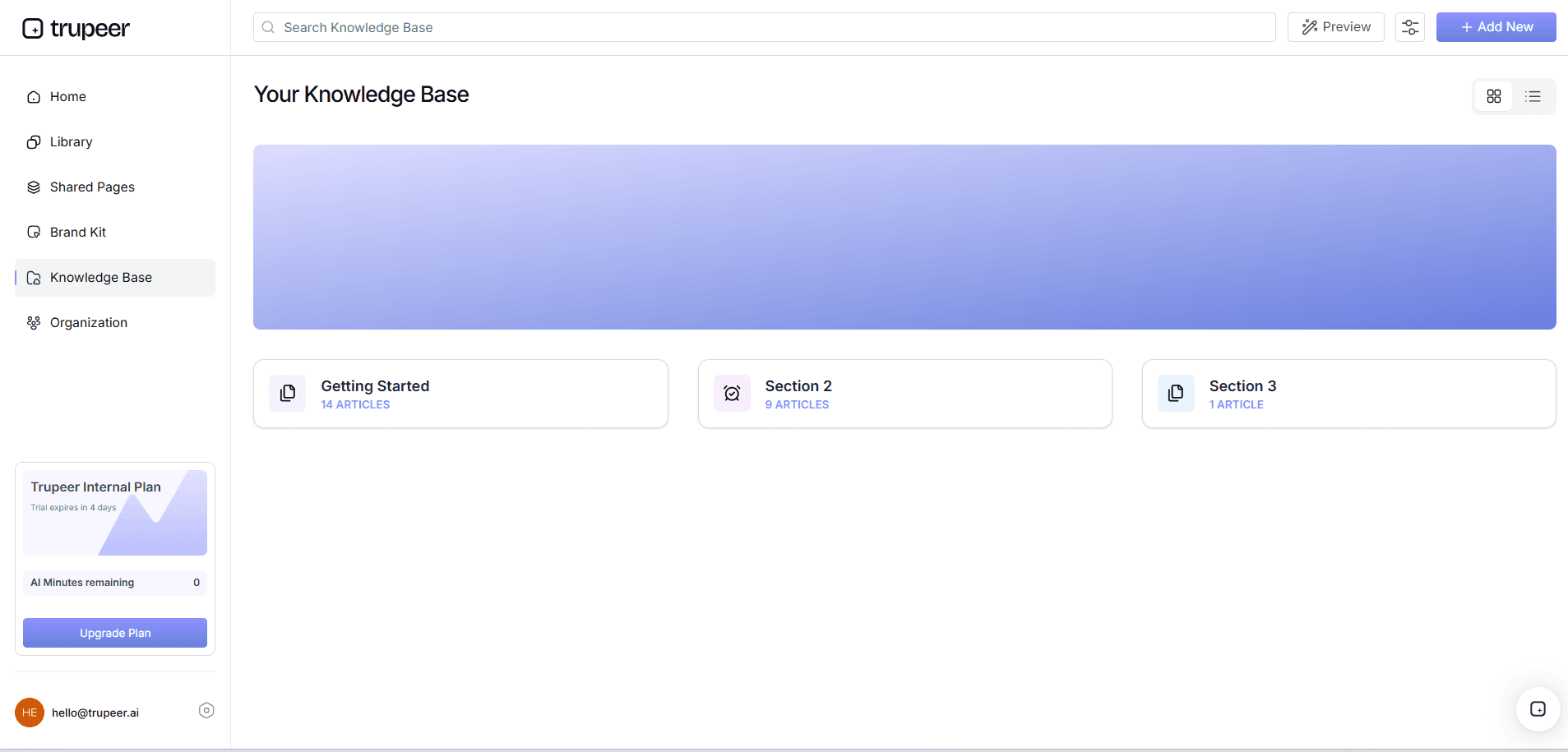
Begin by setting up your AI-searchable knowledge base in Trupeer. First, log into your Trupeer account and navigate to the "Knowledge Base" section. Here, you can upload your existing documentation and videos. Trupeer automatically indexes these resources with timestamp-level deep links, making it easy for users to find specific information quickly. This setup process typically takes about 30 minutes, depending on the size of your content library. Be sure to verify that each video and document is correctly categorized and tagged for best searchability. This foundational step ensures your knowledge base is ready for effective promotion. Trupeer also ships a online knowledge base software teams customers that handles this step without extra setup.
Step 2: Create engaging content with AI avatars and voiceovers
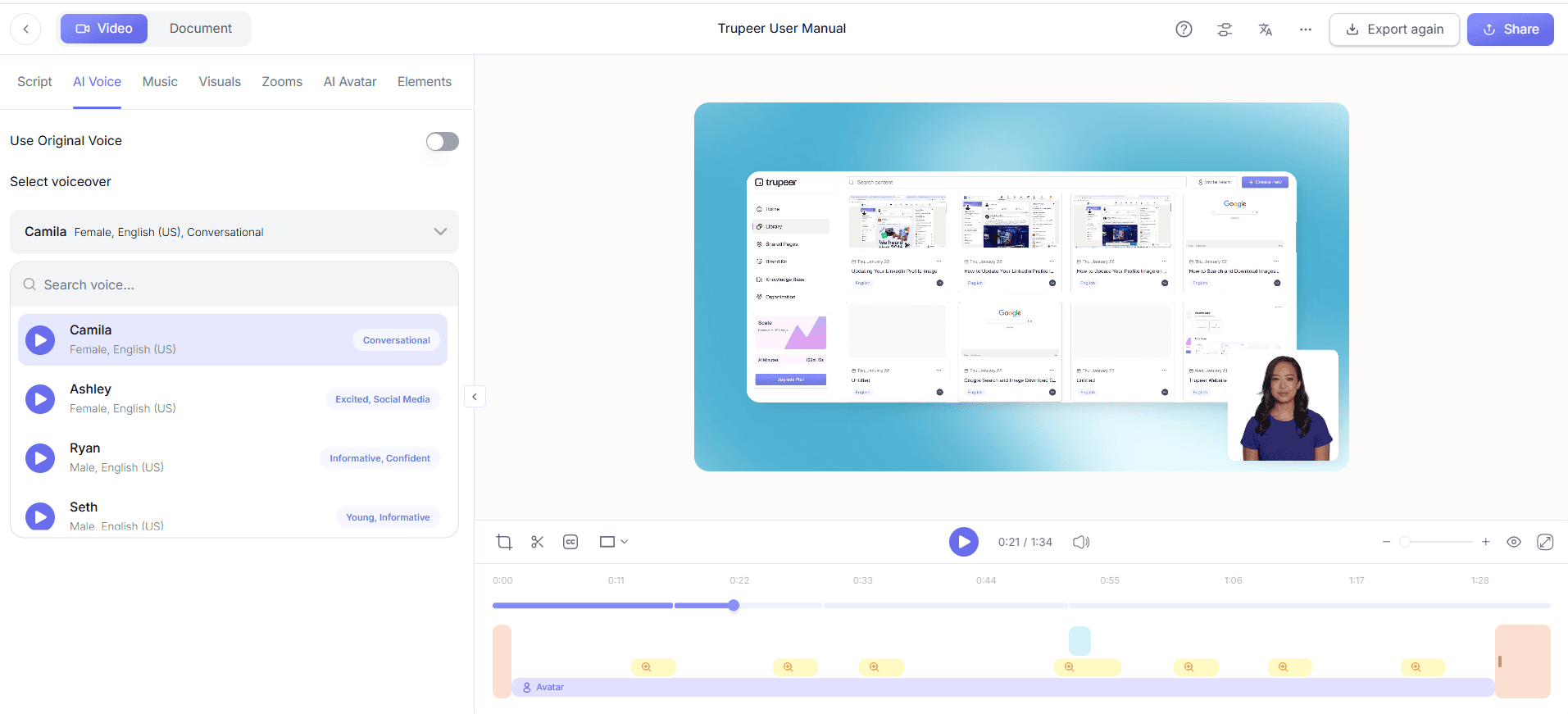
Next, enhance your knowledge base content by using Trupeer's AI avatars and voiceover features. Navigate to the "Create Content" section and select "New Video." Here, you can choose from over 50 natural AI voices and customize avatars to align with your brand identity. This process involves selecting a video script, choosing an avatar, and applying voiceovers, which takes about 60 minutes per video. By creating engaging and personalized content, you increase the likelihood of customers using the knowledge base instead of submitting tickets. Ensure each video is concise and focused on common customer queries.
Step 3: Automate SOP generation from existing recordings
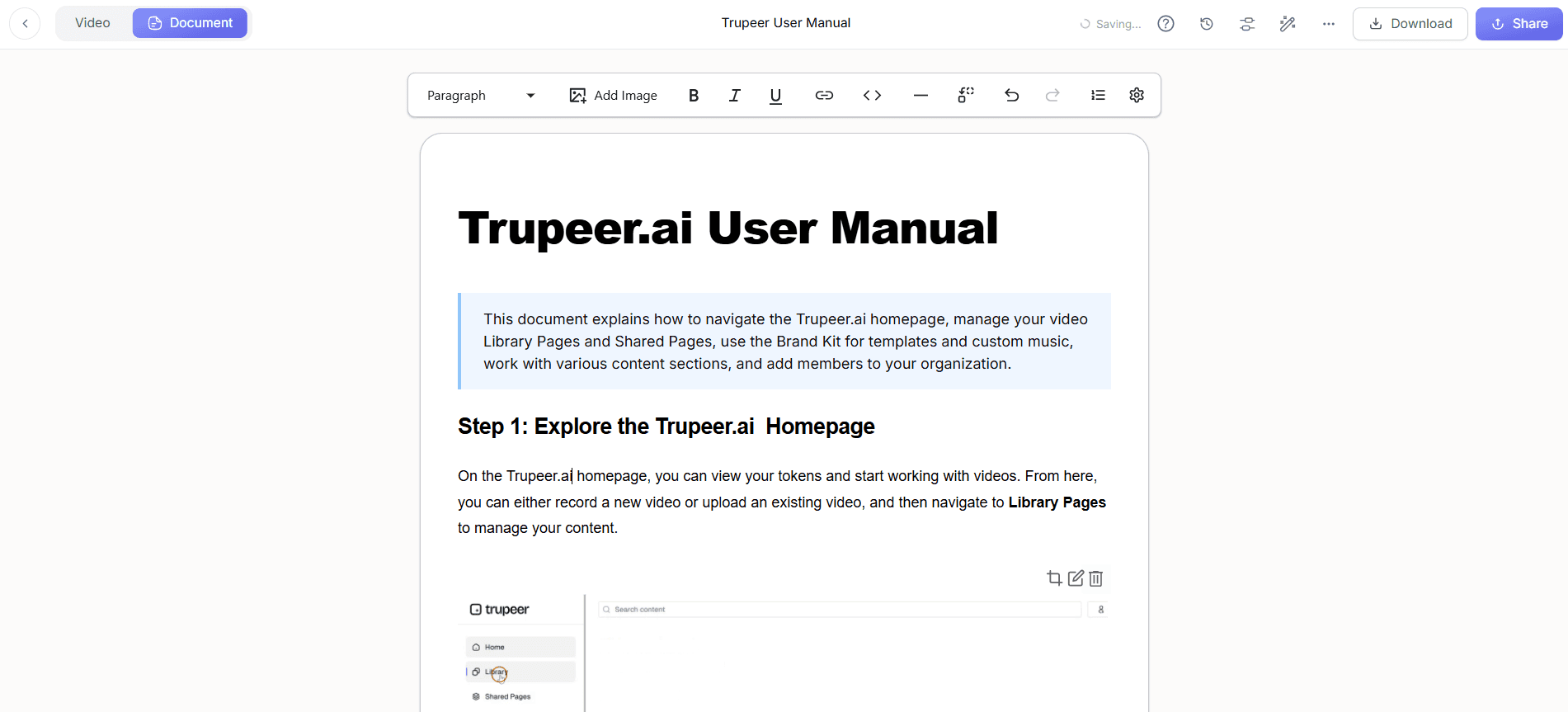
To provide clear guidance, use Trupeer’s automatic SOP generation. Go to your recordings library, pick a relevant video, and click "Generate SOP." Trupeer will create an edit-ready document capturing all key steps from the recording. This feature is particularly useful for complex processes that customers frequently inquire about. The SOP generation typically takes just a few minutes per video. Edit the SOPs for clarity and publish them to your knowledge base. This step enhances resource availability, encouraging customers to find answers themselves.
Step 4: Implement viewer engagement analytics
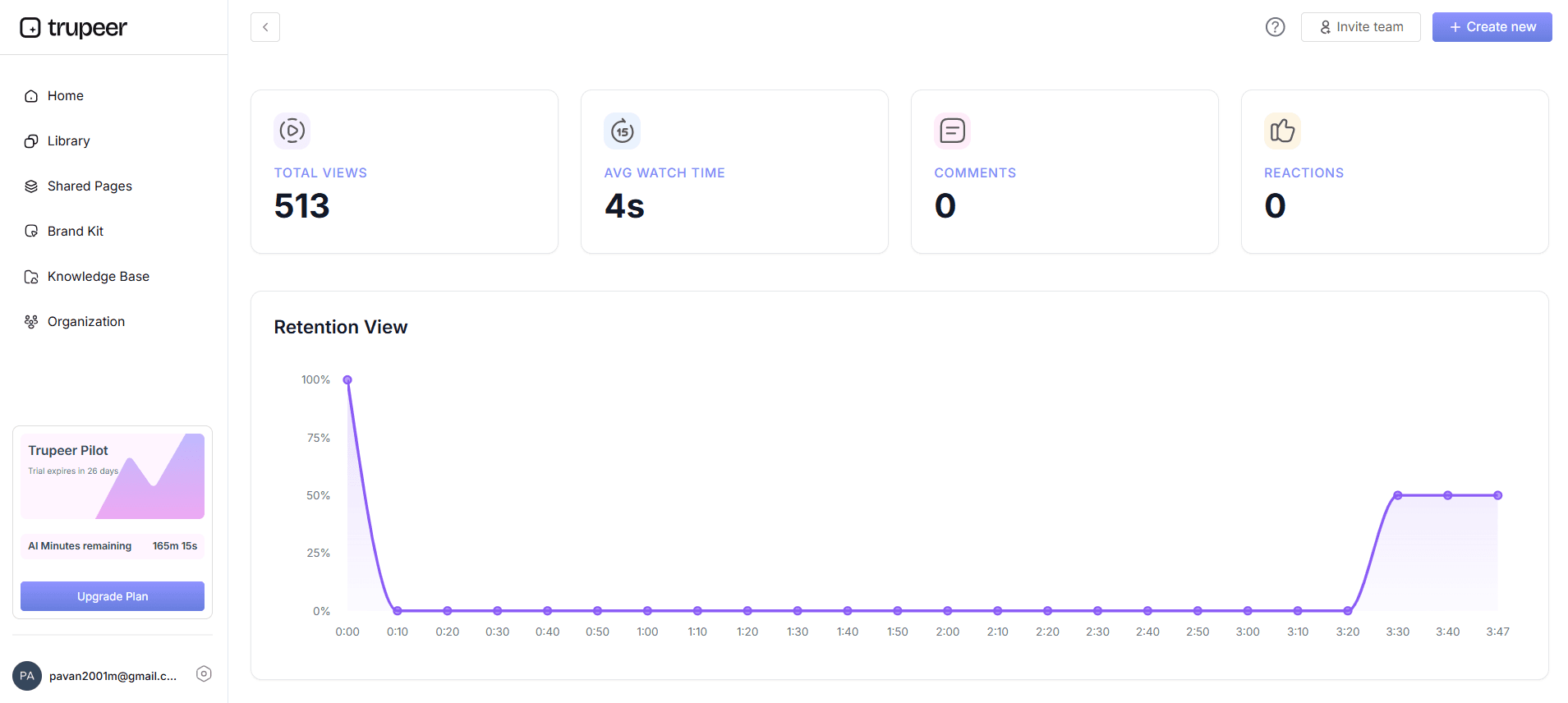
To understand how customers interact with your knowledge base, use Trupeer's viewer engagement analytics. Access the "Analytics" dashboard, where you can view detailed metrics such as viewer drop-offs and heatmaps. These insights help you identify which content is effective and where improvements are needed. Regularly review this data, preferably weekly, to adjust your content strategy and ensure your knowledge base remains useful and relevant. By optimizing based on analytics, you position your knowledge base as a go-to resource, reducing ticket volume. Teams weighing tools often start with a Loom alternatives comparison before standardizing on a workflow.
Step 5: Integrate your knowledge base into customer touchpoints
Embed your knowledge base into key customer touchpoints to promote its use. Use Trupeer’s embeddable video widgets to place tutorial videos within your app or website. Navigate to the "Embed" section, select a video, and generate the embed code. This process takes about 10 minutes per video. By strategically placing knowledge base resources where customers are most likely to need them, you increase visibility and accessibility. This proactive approach encourages self-service and reduces reliance on support tickets.
Step 6: Evaluate and iterate using customer feedback
Finally, continuously improve your knowledge base by collecting and acting on customer feedback. Set up feedback forms or surveys after customers view knowledge base content. Use Trupeer’s collaborative review workflows to gather insights from both customers and your support team. This feedback loop is vital for identifying gaps and opportunities for new content. Implement changes based on feedback regularly, typically on a monthly basis, to ensure your knowledge base remains comprehensive and user-friendly. By iterating based on real user feedback, you build a culture of continuous improvement and user-centric design.
What tips help you promote your knowledge base to customers who default to submitting tickets?
Encouraging customers to use your knowledge base requires strategic promotion and user-friendly design. Here are seven tips to help you shift customer behavior effectively, enhancing their experience and reducing ticket submissions.
Make it visible. Ensure your knowledge base is prominently displayed on your website and within your app, making it the first place customers look for answers.
Use clear navigation. Design your knowledge base with intuitive navigation and search functionality to help users find information quickly and easily.
Encourage feedback. Implement feedback mechanisms within your knowledge base to understand user needs and continuously improve content quality.
Promote new content. Regularly update your knowledge base with fresh content and promote these updates through email newsletters or in-app notifications.
Integrate with support channels. Link your knowledge base within support tickets and chat responses to guide users to self-service solutions.
Train your team. Ensure your support team is familiar with the knowledge base and encourages its use during customer interactions. Explore the Scribe alternatives for SOPs to improve team training.
use analytics. Use analytics to monitor how customers interact with your knowledge base and identify areas for improvement. A knowledge base generator can help simplify this process.
Frequently asked questions
How can I make my knowledge base more engaging?
To make your knowledge base more engaging, incorporate multimedia elements such as videos, images, and interactive content. Trupeer’s AI avatars and voiceover features can help create personalized and engaging video content. also, ensure the content is concise, well-organized, and easy to navigate. Regularly update the knowledge base with fresh content and use analytics to understand user interaction, allowing you to refine and optimize the content continuously.
What is the best way to measure knowledge base effectiveness?
The best way to measure knowledge base effectiveness is by analyzing user engagement metrics such as page views, time on page, and drop-off rates. Trupeer’s viewer engagement analytics provides detailed insights into how users interact with your content. also, gather direct user feedback through surveys or feedback forms to pinpoint areas for improvement. Combining quantitative and qualitative data offers a comprehensive view of your knowledge base’s performance.
Why do customers prefer submitting tickets over using a knowledge base?
Customers might prefer submitting tickets over using a knowledge base if they find it difficult to navigate or if the information is outdated. A poorly organized or under-promoted knowledge base can lead customers to default to tickets. Ensuring your knowledge base is user-friendly, well-maintained, and easily accessible encourages self-service. Promoting its use through strategic placement in customer touchpoints and training support staff to guide customers to it also helps shift this behavior.
Can Trupeer help with knowledge base localization?
Yes, Trupeer offers solid localization features, including AI translation into 40+ languages with lip-sync. This capability ensures your knowledge base content is accessible to a global audience, enhancing usability and engagement. By providing translated and culturally relevant content, you enable non-English speaking customers to use your knowledge base effectively, reducing the need for ticket submissions. ai/translation">AI video translation capabilities.
Is there a cost-benefit to promoting a knowledge base?
There is a significant cost-benefit to promoting a knowledge base. By reducing the volume of support tickets, companies can lower operational costs, sometimes by up to 30%. This efficiency allows for better resource allocation, where support teams can focus on more complex issues. also, a well-used knowledge base enhances customer satisfaction and loyalty, contributing to long-term revenue growth. Investing in a knowledge base promotion strategy can yield substantial returns in both cost savings and customer experience improvements.
Related Blogs