Trupeer Blog

Summarise with:
Claude
ChatGPT
Gemini
Perplexity
Grok
Imagine your knowledge base (KB) as a library, but instead of books, it's filled with articles, guides, and SOPs that support your customers and teams. You wouldn’t let outdated books sit on your library shelves, so why allow your KB to gather dust with obsolete content? Maintaining KB freshness is crucial. Stale articles can lead to customer confusion, support inefficiencies, and even lost sales opportunities. According to a recent study, 67% of users abandon a website due to poor content. That's a staggering number, underscoring the importance of keeping your KB current. The challenge, however, lies in identifying outdated content before it becomes a problem. Manual audits are time-consuming and often overlook subtle changes in information. This is where auto-flagging comes into play, providing an efficient way to ensure your KB remains relevant. For businesses looking to optimize their customer success workflow, this approach is indispensable. Trupeer's blog offers insights into the latest strategies for maintaining content accuracy and relevance.
Why does auto-flagging outdated articles matter?
Your business thrives on delivering accurate and timely information to customers and internal teams. Outdated articles can tarnish your reputation and lead to customer dissatisfaction. When users encounter conflicting or incorrect information, trust erodes quickly. This is especially critical for customer success teams that rely on a well-maintained KB to provide swift and accurate resolutions. Inconsistent information might result in increased support tickets, leading to higher operational costs and strained resources. An efficient customer success workflow is compromised when the foundational knowledge base is unreliable.
Beyond customer trust, outdated articles pose a challenge to internal efficiency. Teams depend on accurate documentation to onboard new employees, train staff, and simplify processes. Inaccurate KB entries can slow down these processes, resulting in productivity losses and potential errors. also, the task of manually auditing a large KB is daunting and prone to oversight. By implementing an auto-flagging system, businesses can proactively manage content updates, ensuring that teams and customers alike access only the most current information. This not only enhances operational efficiency but also aligns with strategic goals of delivering superior customer experiences and maintaining a competitive edge.
What are the benefits of auto-flagging outdated articles?
Implementing auto-flagging mechanisms within your knowledge base offers several tangible benefits that positively impact both internal operations and customer interactions.
Improved Customer Satisfaction. Keeping your KB updated reduces customer frustration and improves trust. When users find accurate information, they’re more likely to have a positive experience and return for more support.
Increased Operational Efficiency. By automatically flagging outdated content, teams can focus on updating only what's necessary, saving valuable time and resources. A single AI-powered video tool can simplify these updates.
Reduced Support Costs. An accurate KB decreases the number of support tickets, reducing the workload on your customer service team and lowering overall support costs.
Consistent Branding. Regular updates ensure all information aligns with current branding and messaging, enhancing corporate identity and consistency across all channels.
Enhanced Employee Training. New hires get up to speed faster with accurate and reliable resources, reducing training time and improving onboarding experiences.
Strategic Content Management. Auto-flagging allows you to prioritize updates based on content significance, ensuring that critical information is always up to date. Refer to our blog for more strategic insights.
Which Trupeer features help you auto-flag outdated articles for review?
Trupeer offers a suite of features designed to help businesses keep their knowledge base fresh and relevant. Here’s how specific capabilities can assist in auto-flagging outdated articles.
AI-searchable knowledge base
Trupeer's AI-searchable knowledge base is a big shift for content management. It indexes every recording with timestamp-level deep links, making it easier to track changes over time. This feature allows you to quickly identify which articles haven't been updated recently or contain information that's no longer accurate. By using AI, Trupeer ensures that your knowledge base remains a reliable resource for both customers and internal teams.
Automatic SOP generation
Trupeer's capability to generate automatic SOPs from any recording is crucial for maintaining content accuracy. This feature allows you to create edit-ready documentation that can be easily updated as processes change. By linking SOPs to their underlying recordings, Trupeer ensures that documentation is always aligned with current procedures. Explore how our AI documentation platform can enhance your content management strategy.
Auto-updating documentation
With Trupeer's auto-updating documentation feature, any changes made to recorded content are automatically reflected in the corresponding documents. This reduces the risk of discrepancies between different types of content. Your teams can rely on the most current information without manually cross-referencing multiple sources. This feature simplifies the process of keeping your knowledge base accurate and up-to-date.
AI voiceover and translation
Trupeer's AI voiceover in 65+ natural voices and translation into 40+ languages ensure that your content is accessible and accurate across different regions and languages. These features are particularly useful for global teams and audiences, preventing outdated information from slipping through due to language differences. ai/tools/auto-video-editor">auto video editor tool and how it can improve your KB's accessibility.
Viewer engagement analytics
Understanding how users interact with your content is key to identifying outdated articles. Trupeer's viewer engagement analytics provide insights into how often articles are accessed and which sections users tend to skip. This data can flag content that needs review, helping prioritize updates. By analyzing patterns in user behavior, you can ensure your KB remains a valuable resource. Consider our auto video editor for comprehensive content analysis.
How do you auto-flag outdated articles for review step by step with Trupeer?
Step 1: Set Up AI Screen Recording
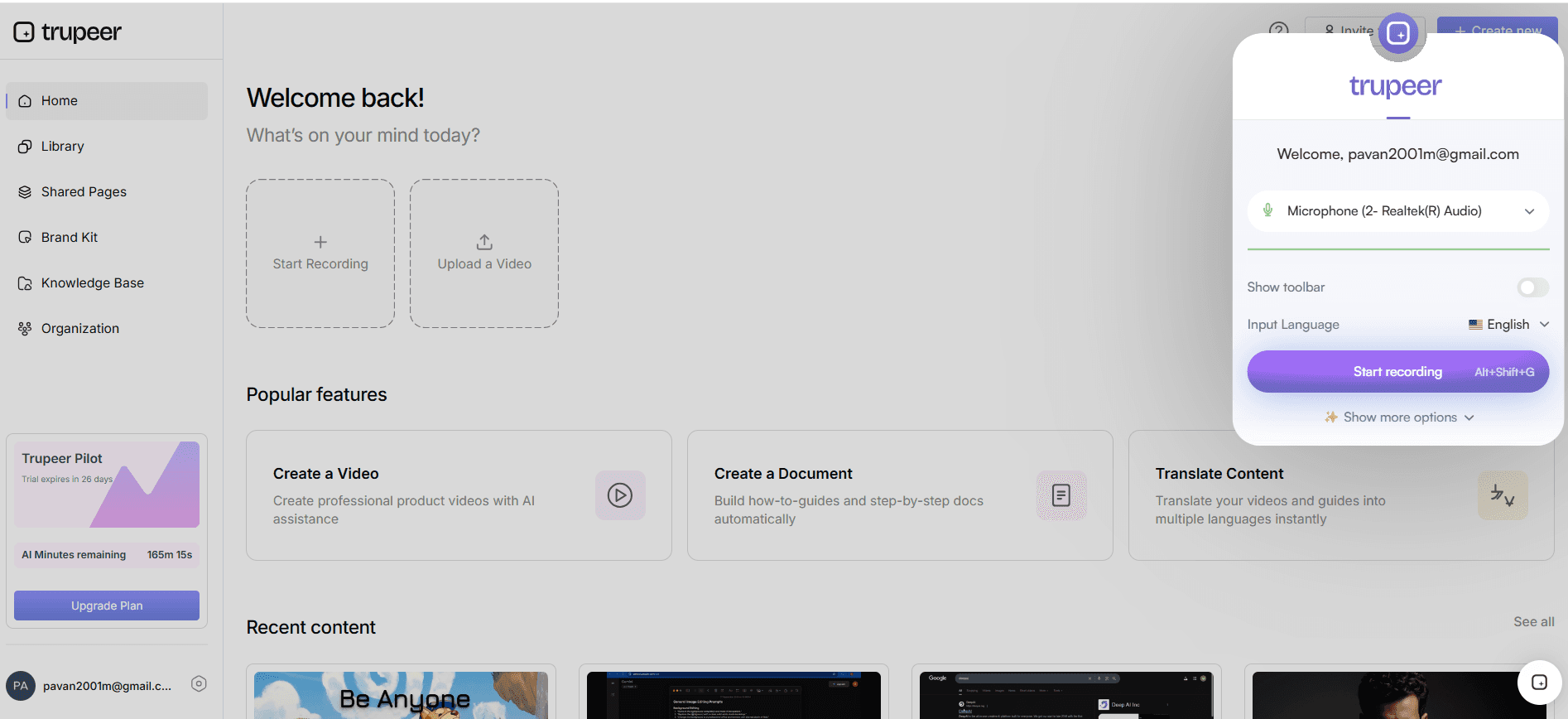
Begin by launching Trupeer's browser-based recorder. This tool requires no installation, making it quick to start. Click on "Record" to capture your screen activities. Trupeer's AI screen recording automatically detects clicks and zooms, ensuring that every relevant detail is captured. This recording serves as the foundation for generating documentation and identifying content that may need updates. The entire setup takes just a few minutes, and the silent recording feature ensures that background noise doesn't interfere with capturing clear and concise material.
Step 2: Generate SOPs Automatically
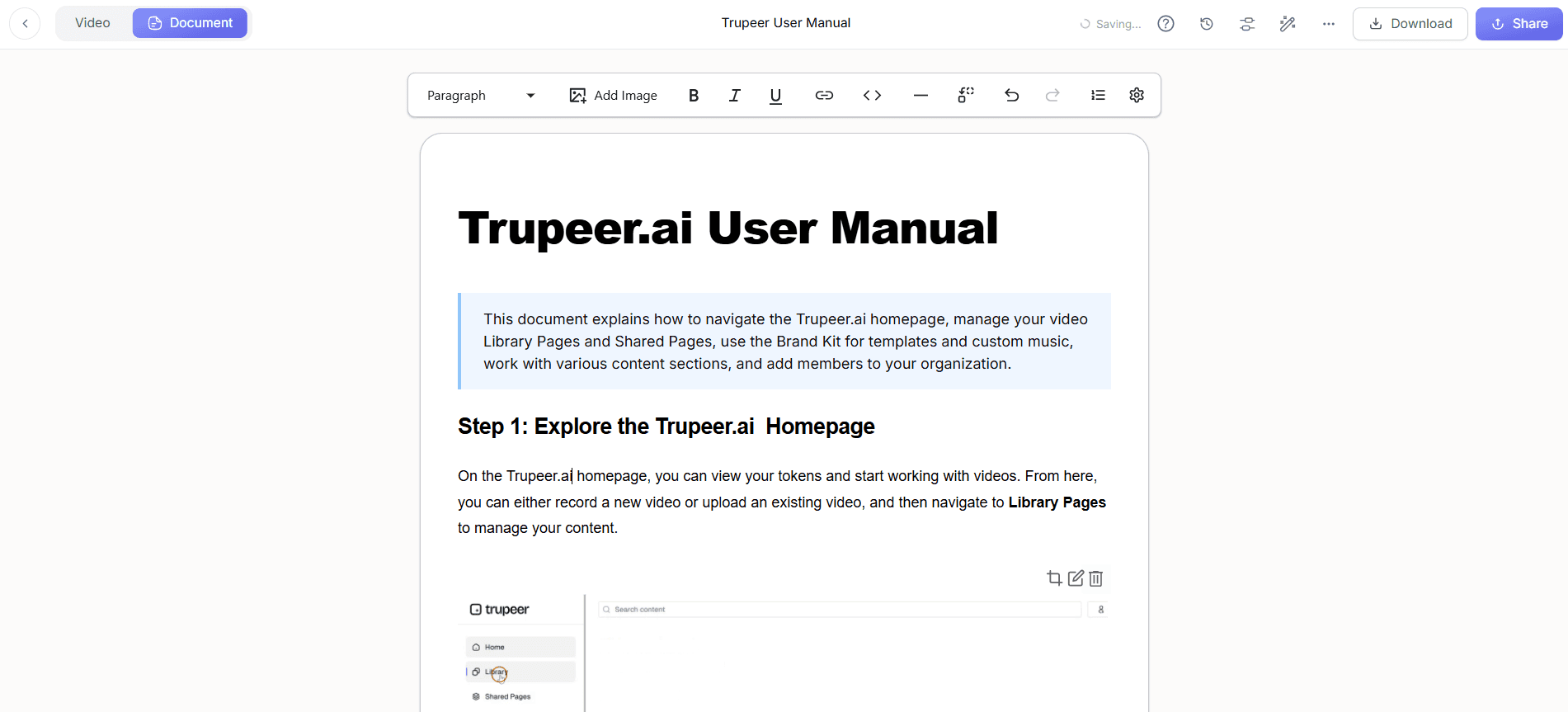
Once you've completed your recording, use Trupeer's automatic SOP generation feature. Navigate to the "Generate SOP" option within the platform. Trupeer will create an edit-ready document from your recording, making it easy to extract detailed procedural steps. This functionality is crucial for identifying which steps or data points in your process might be outdated, allowing you to quickly flag them for review. The SOP generation occurs in seconds, providing a simplified workflow for continuous KB updates.
Step 3: Use Viewer Engagement Analytics
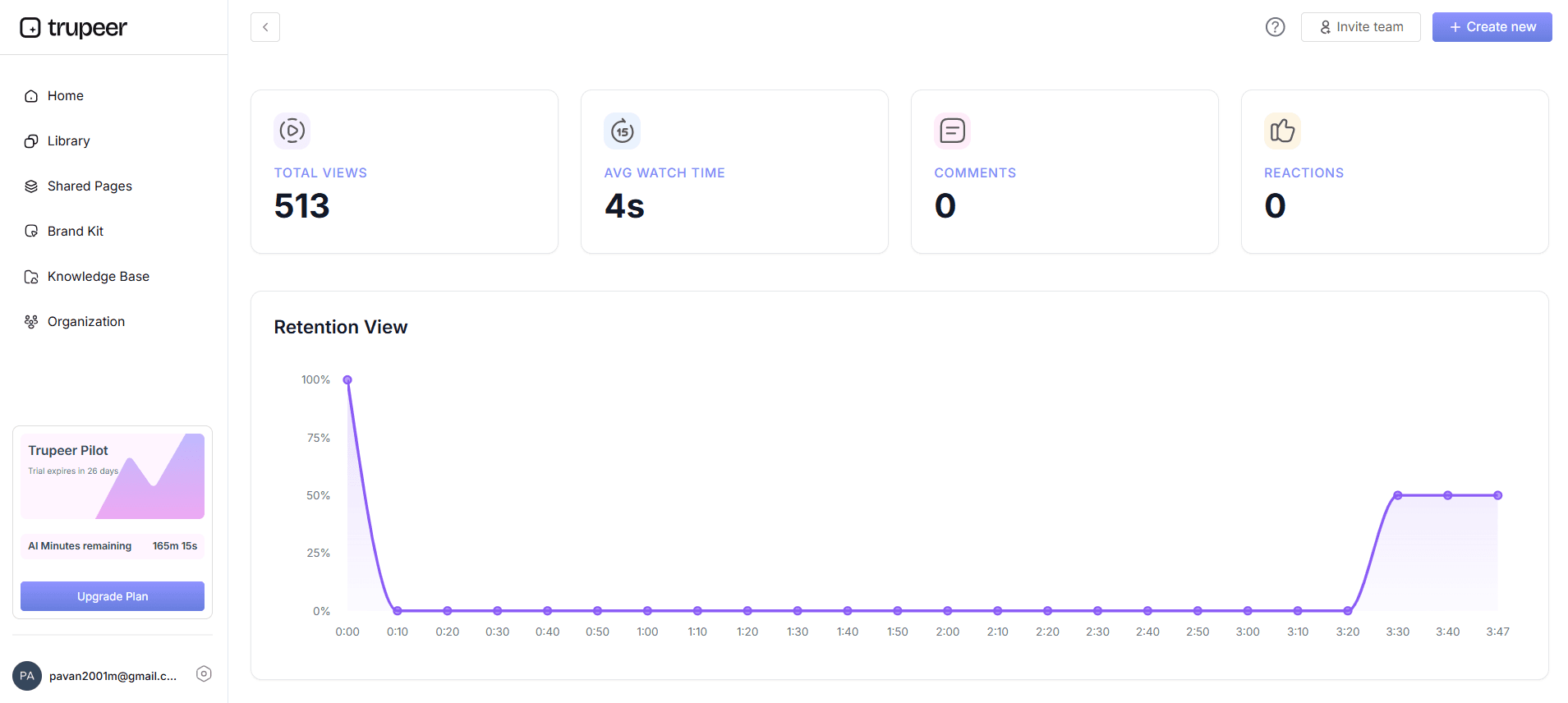
After your content is live, use Trupeer's viewer engagement analytics to monitor how users interact with your articles. Access the analytics dashboard from your Trupeer account to view metrics such as drop-off rates and engagement heatmaps. These insights help pinpoint which content areas are frequently accessed or ignored, indicating potential obsolescence. Regularly reviewing these analytics allows you to maintain a pulse on your KB's effectiveness and prioritize updates accordingly.
Step 4: Implement AI Voiceover and Translation
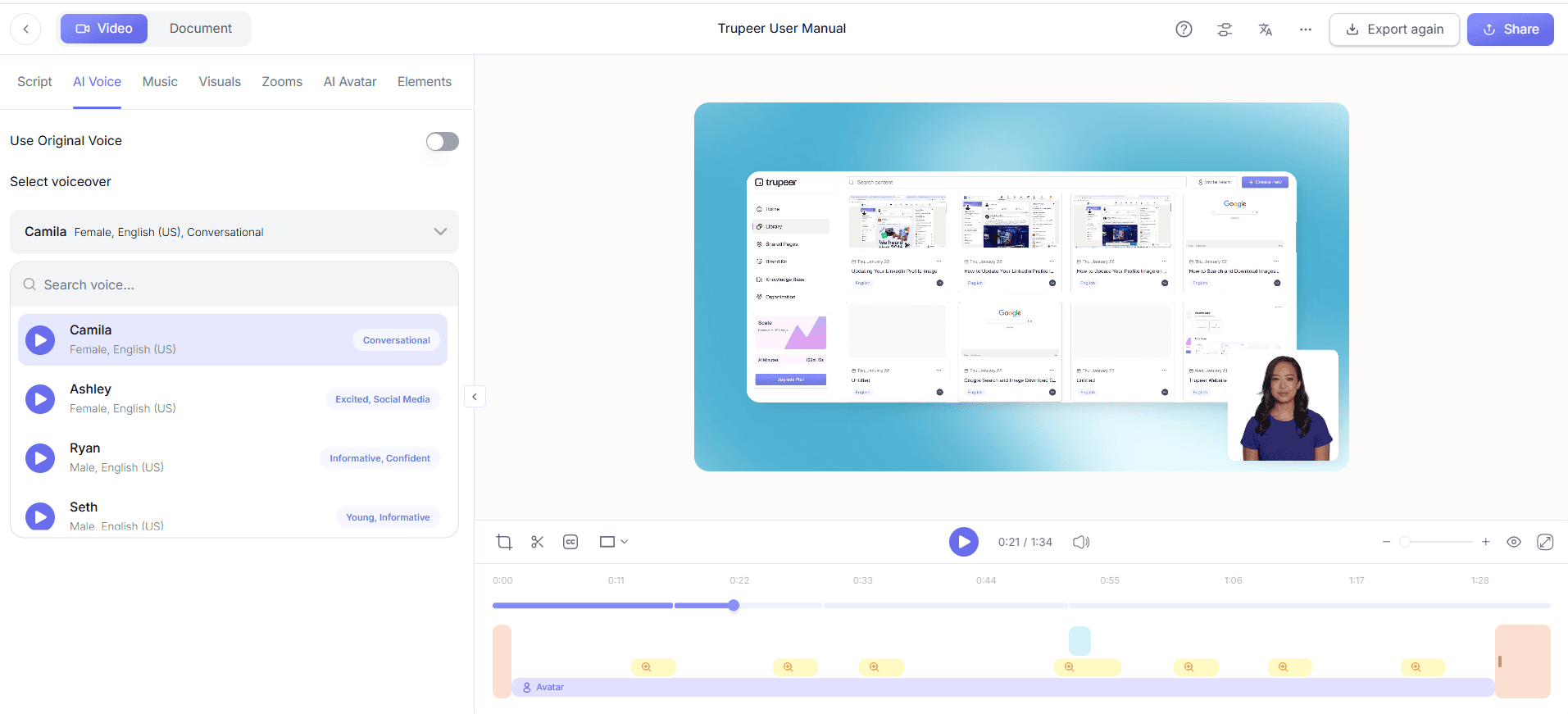
To ensure your content is accessible in multiple languages, employ Trupeer's AI voiceover and translation capabilities. Select the "Translate" feature, choose from over 40 languages, and let Trupeer handle the rest with lip-sync accuracy. This not only broadens your audience reach but also ensures that all translations are current with your English content. For global teams, this step is essential in maintaining a consistent and updated knowledge base in all regions.
Step 5: Monitor Auto-updating Documentation
Use Trupeer’s auto-updating documentation feature to keep your KB aligned with changes in the underlying recordings. Access the "Auto-update" settings within your document management dashboard. This feature automatically syncs edits made to the original recordings with the corresponding documentation. It ensures that your KB remains accurate without the need for manual edits, saving time and reducing the risk of outdated information slipping through the cracks.
Step 6: Review Collaborative Workflows
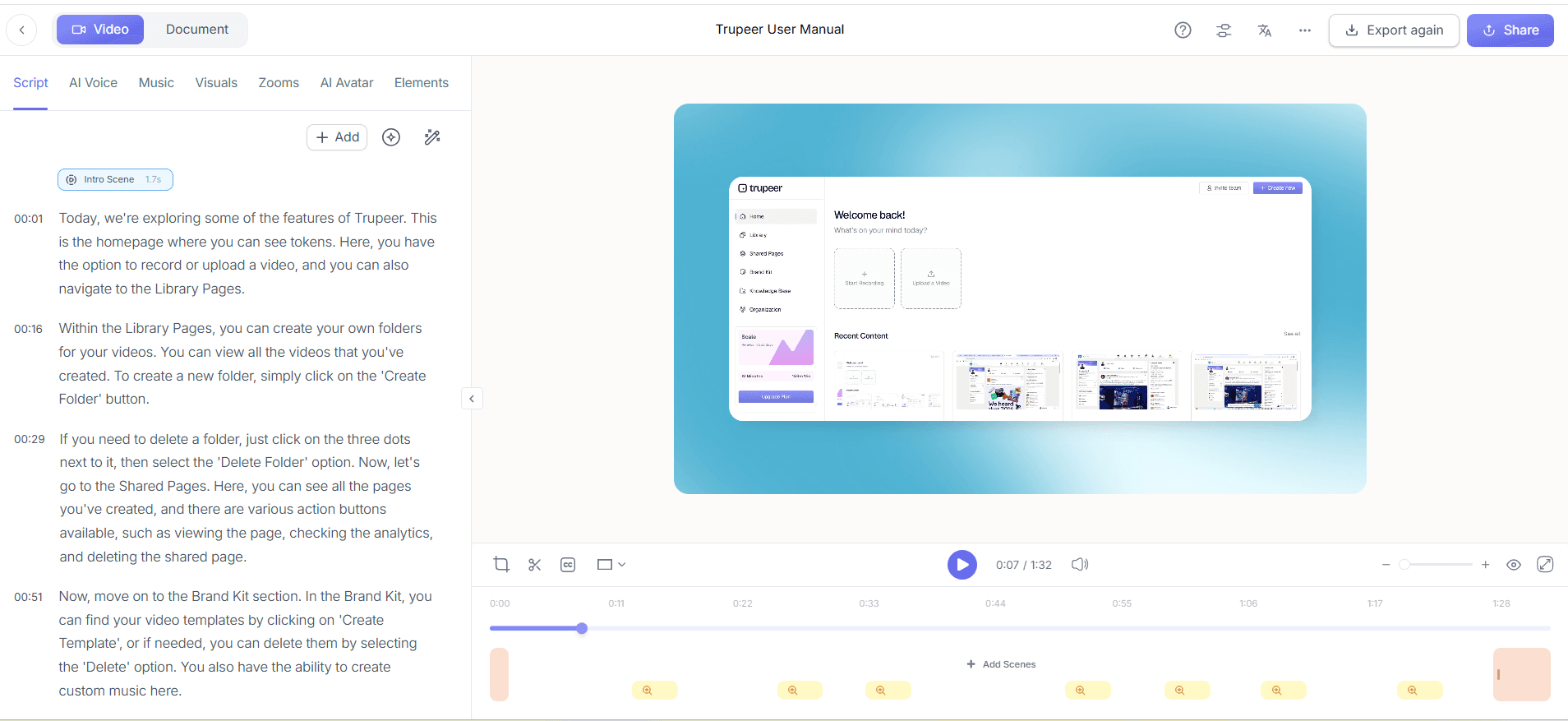
Finally, take advantage of Trupeer's collaborative review and approval workflows. Set up permissions for team members to review flagged content. Use the "Collaboration" tab to assign tasks and track the progress of updates. This feature facilitates a structured approach to content review, ensuring that multiple stakeholders can contribute to maintaining KB freshness. The transparency and accountability in this process help ensure that all flagged articles are addressed promptly, maintaining the integrity and reliability of your knowledge base. Teams weighing tools often start with a Loom alternatives comparison before standardizing on a workflow.
What tips help you auto-flag outdated articles for review?
Ensuring that your knowledge base remains fresh is a continuous effort that requires strategic approaches and tools. Here are some practical tips to effectively manage and update your KB content.
Establish Regular Review Cycles. Schedule routine checks for your KB content. This proactive approach helps you catch outdated articles before they impact users.
Use Analytics to Guide Updates. use viewer engagement analytics to identify low-performing content that may be stale. Adjust your focus accordingly to ensure high-impact updates.
Encourage Team Collaboration. build a collaborative environment where team members can easily flag and update content. use a AI documentation generator workflow review to simplify this process.
Implement AI Translation Tools. Use AI translation features to keep multilingual content updated, ensuring consistency across different languages. Check out our Scribe alternatives for SOPs for additional insights.
Automate Where Possible. Automate SOP generation and documentation updates to reduce manual workload and minimize errors.
Monitor User Feedback. Pay attention to user feedback on KB articles. This feedback can highlight which content needs updating.
Stay Informed on Industry Changes. Regularly update your KB in response to industry changes to ensure your content remains relevant.
Frequently asked questions
How does auto-flagging help maintain KB freshness?
Auto-flagging identifies outdated or irrelevant content within your knowledge base, prompting reviews and updates. This ensures that your KB remains a reliable resource for users. By automatically highlighting content that requires attention, auto-flagging reduces the risk of disseminating outdated information, so enhancing user trust and engagement. Teams can allocate resources more effectively by focusing on content that truly needs an update, simplifying the maintenance process.
What tools are essential for auto-flagging outdated KB articles?
Key tools include AI analytics for tracking user engagement and identifying low-performance areas. Trupeer offers these capabilities alongside features like AI screen recording and automatic documentation updates. These tools work together to flag content needing review, enabling efficient content management. By integrating such technologies, businesses can maintain their knowledge bases proactively, minimizing manual effort while maximizing content accuracy and relevance.
Why is it important to update KB content in multiple languages?
Updating KB content in multiple languages ensures consistency and accessibility for a global audience. Using tools like Trupeer's AI translation, you can maintain accuracy across all regions. This approach prevents discrepancies between language versions, maintaining brand consistency and user satisfaction. Multilingual updates also broaden your reach, allowing you to support international users effectively. Explore our video localization tool for more details.
Can auto-flagging improve internal team efficiency?
Yes, auto-flagging can significantly enhance internal team efficiency by reducing the time spent on manual audits. It highlights only the content that truly needs attention, allowing teams to focus their efforts on impactful updates. This targeted approach minimizes downtime associated with content reviews and ensures that team resources are used efficiently. also, it allows for faster response times to content-related issues, improving overall operational efficiency.
Does Trupeer support collaborative workflows for KB updates?
Yes, Trupeer supports collaborative workflows, enabling multiple team members to participate in the KB update process. This feature facilitates transparent communication and task allocation, ensuring that updates are completed efficiently and accurately. By involving team members from various departments, you can ensure that all aspects of the content are reviewed, leading to comprehensive and reliable updates. This collaborative approach is essential for maintaining a high-quality knowledge base.
Related Blogs