Trupeer Blog
Summarise
Implementing an ERP system is a significant undertaking for any organization. This process isn't just about installing new software; it reshapes how business processes are managed across departments. The stakes are high, as ERP migrations can cost anywhere from $150,000 to $750,000 depending on the size and complexity of the organization. One often overlooked aspect is documenting the business process changes this migration introduces. Without proper documentation, employees may struggle to understand what's different about their work, leading to confusion and decreased productivity. To ensure a smooth transition, it's crucial to create clear and comprehensive documentation that explains these changes to every stakeholder involved. By using the right process mapping tools, organizations can simplify this documentation process, ensuring that everyone is on the same page and that the ERP system delivers its intended benefits.
Why does documenting ERP process changes matter?
ERP migrations impact more than just IT departments; they redefine workflows across various business units. When these changes aren't documented properly, it leads to significant disruptions in daily operations. Employees may revert to old practices, causing inconsistencies and errors. For example, if the finance team isn't aware of new invoice processing procedures, it could delay payments, affecting cash flow and vendor relationships. Documentation helps bridge this gap by providing a clear, accessible reference for all departments. It ensures everyone understands their new roles and responsibilities, minimizing the risk of operational hiccups.
Also, documentation is essential for training new employees and onboarding them efficiently. ERP systems often involve complex new tools and interfaces, which can be overwhelming without proper guidance. A well-documented process helps new hires get up to speed faster, reducing the learning curve and enabling them to contribute productively from day one. For organizations that frequently deal with high turnover rates, this can make a significant difference in maintaining operational continuity. also, training videos use case are an excellent way to complement written documentation, offering visual aids that can enhance understanding and retention.
What are the benefits of documenting business process changes during an ERP migration?
Documenting process changes during an ERP migration offers multiple benefits that enhance organizational efficiency and performance.
Improved clarity and communication. Documentation provides a single source of truth for all process changes, reducing ambiguity and ensuring everyone is on the same page.
Facilitated training and onboarding. A well-documented process enables new employees to learn quickly, minimizing disruption and helping them become productive sooner.
Enhanced compliance and audit readiness. Comprehensive documentation ensures that all business processes adhere to regulatory standards, making audits smoother and reducing the risk of penalties.
Increased process efficiency. By outlining new workflows clearly, organizations can identify bottlenecks and optimize operations, leading to improved overall efficiency.
Better change management. With clear documentation, organizations can manage the transition more effectively, addressing resistance and ensuring a smoother adoption of new processes. Resources like change management digital transformation can offer further insights into managing such transitions.
Reduced handoff friction. A single AI video platform lets operations teams hand off polished walkthroughs without needing extensive editing, ensuring smooth continuity across departments.
Which Trupeer features help you document ERP process changes?
Trupeer offers a suite of features designed to simplify the documentation of ERP process changes, making it easier for organizations to adapt to new systems effectively.
AI screen recording with auto-zoom and click detection
Trupeer's AI documentation platform includes AI-powered screen recording with auto-zoom and click detection, which is particularly useful for capturing detailed workflows in real time. This feature ensures that every critical action is highlighted, making the recordings more informative and easier to follow. When documenting process changes, you can record step-by-step guides that visually demonstrate the new processes. This is invaluable for training sessions and ensures consistency across all instructional materials.
Automatic SOP generation from any recording
With Trupeer's ability to automatically generate Standard Operating Procedures (SOPs) from recordings, you can quickly create detailed documents that outline new ERP processes. This feature transforms a screen recording into a text-based SOP, allowing you to export it in various formats such as MP4, HTML, or PDF. The generated documents are edit-ready, making it easy to customize them according to your organization's specific needs. The business process generator tool is crucial for maintaining up-to-date documentation that reflects the latest operational changes.
AI avatars and talking-head video
Trupeer's AI avatars and talking-head video capabilities add a human touch to documentation, making video guides more engaging and relatable. You can choose from a stock library of avatars or create custom ones that align with your brand. This feature is particularly effective for creating personalized training materials that resonate with your audience. By integrating these avatars into your documentation, you ensure that employees are not only informed but also engaged, which enhances retention and understanding.
AI translation into 40+ languages with lip-sync
Global organizations can benefit from Trupeer's AI translation capabilities, which support over 40 languages with lip-sync. This feature ensures that your documentation is accessible to a diverse workforce, regardless of their language. By offering translated materials, you remove language barriers that could otherwise hinder the adoption of new processes. This is particularly important for multinational companies that operate in different regions, as it ensures consistency and comprehension across all locations.
AI-searchable knowledge base with timestamp deep-links
The AI-searchable knowledge base allows you to organize and retrieve documentation efficiently. Each recording is indexed with timestamp-level deep links, making it easy for employees to find specific information quickly. This feature is invaluable for complex ERP systems where users may need to refer to specific segments frequently. By providing an organized repository of all process changes, you ensure that employees have easy access to the information they need, when they need it.
How do you document business process changes introduced by an ERP migration step by step with Trupeer?
Step 1: Capture the Current State
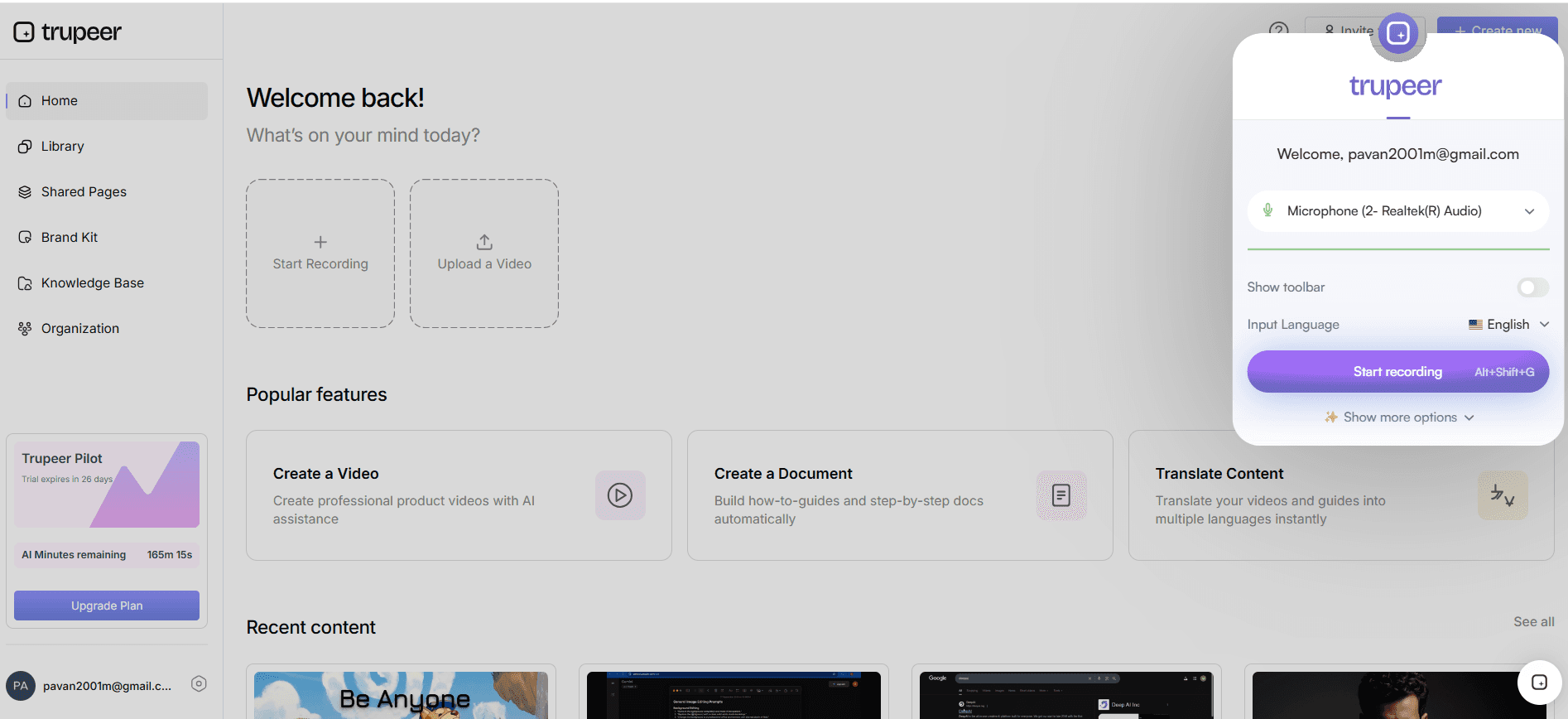
Begin by using Trupeer's AI screen recording with auto-zoom and click detection to document existing processes. Open Trupeer and select the screen recording option. The tool automatically highlights key actions, capturing clicks and zooming in on areas of interest. This step ensures you have a clear visual representation of current workflows. Recording can take anywhere from a few minutes to an hour, depending on process complexity. If you encounter any edge cases, such as pop-up notifications, Trupeer's AI will adjust the focus accordingly, ensuring nothing crucial is missed.
Step 2: Generate SOPs from Recordings
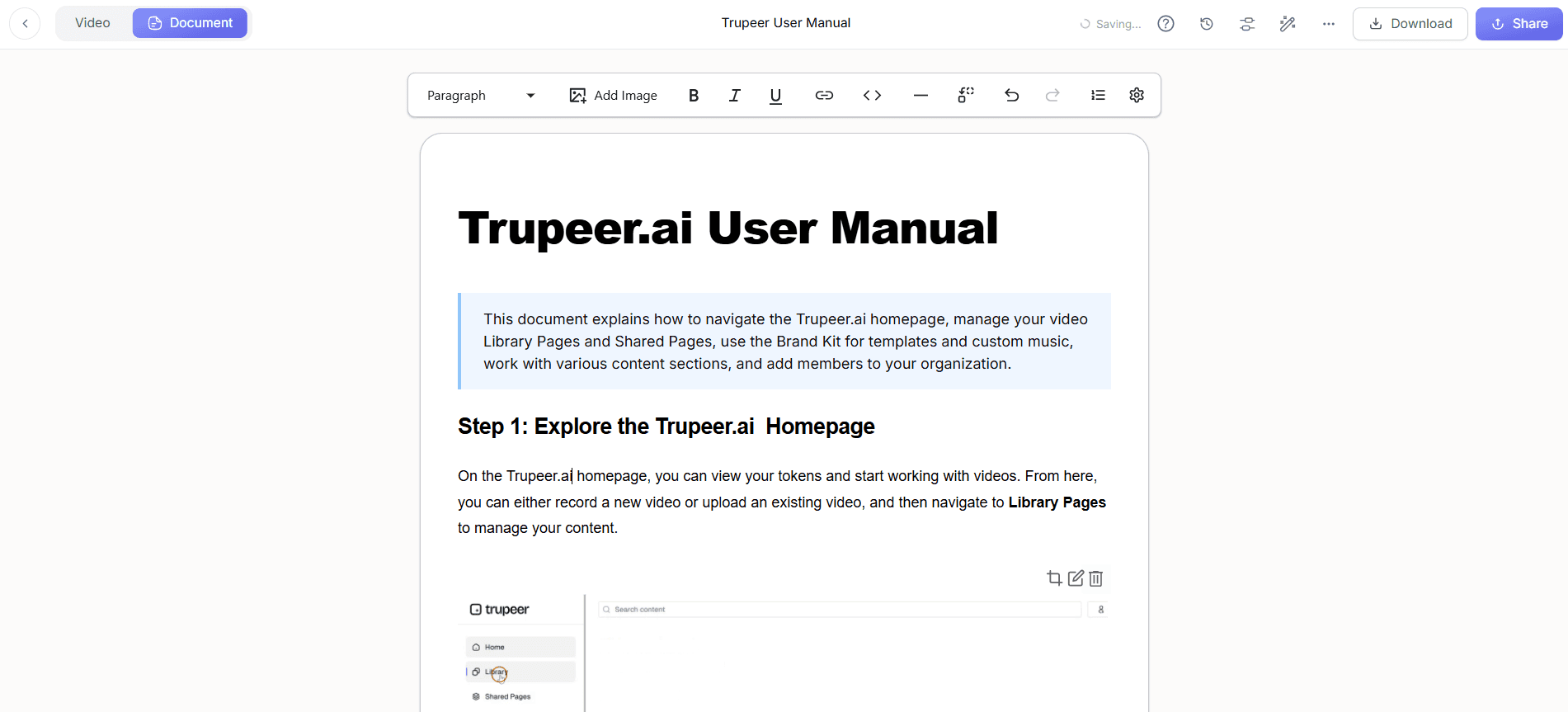
Once the recording is complete, use Trupeer's automatic SOP generation feature. Click on the "Generate SOP" button after your recording finishes. Trupeer transforms the video into a detailed, text-based document, outlining each step of the process. This document can be edited for accuracy and exported in formats like HTML or PDF, taking about 5 minutes. This step provides a solid foundation for comparing old and new processes, ensuring that nothing is overlooked during the ERP migration.
Step 3: Develop New Process Workflows
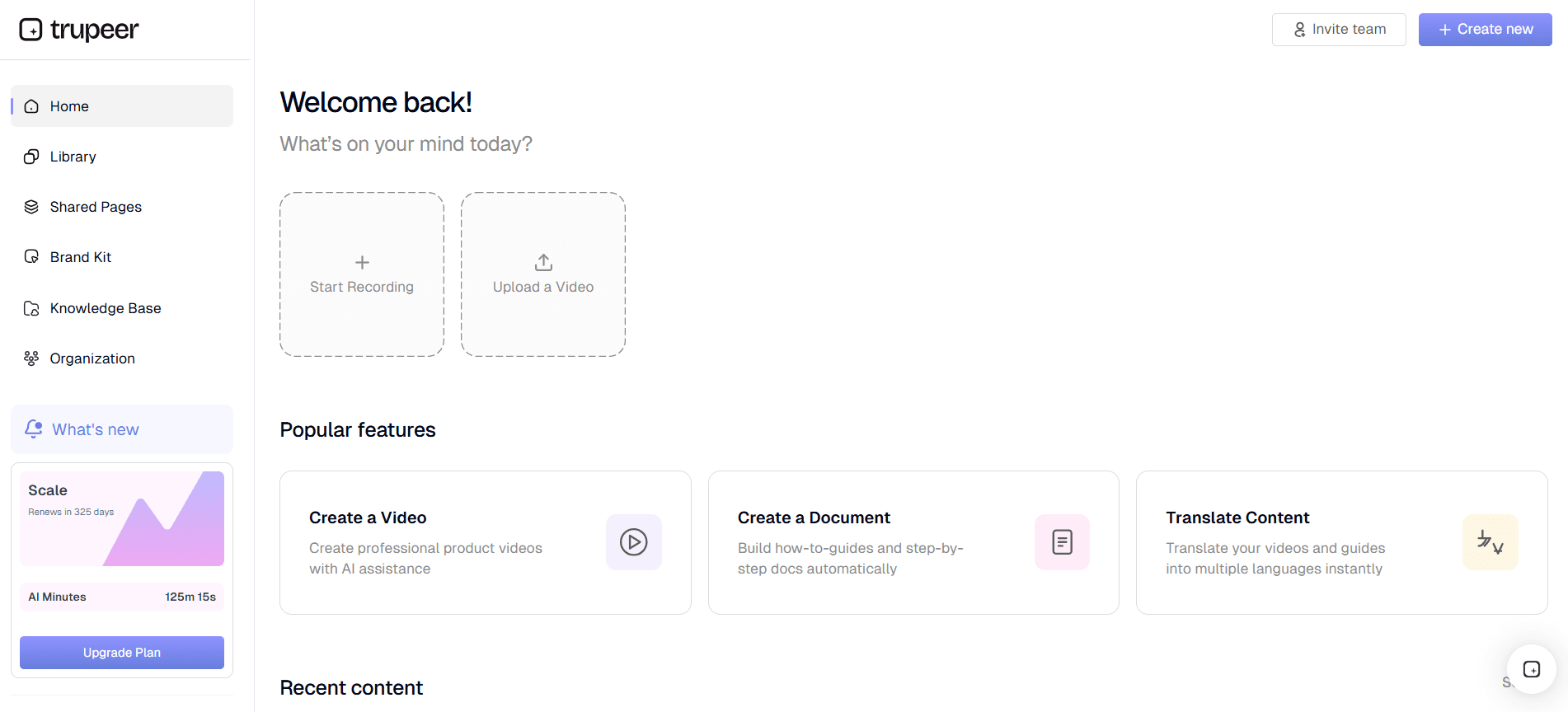
With the current state documented, it's time to map out new workflows using Trupeer's AI avatars and talking-head video features. Create engaging visual guides that illustrate how the new ERP system will change existing processes. Select an avatar from Trupeer’s library or upload a custom one to personalize your content. This step takes about 15-20 minutes per video guide and helps employees visualize changes, making the transition smoother and more intuitive for all involved.
Step 4: Translate and Localize Documentation
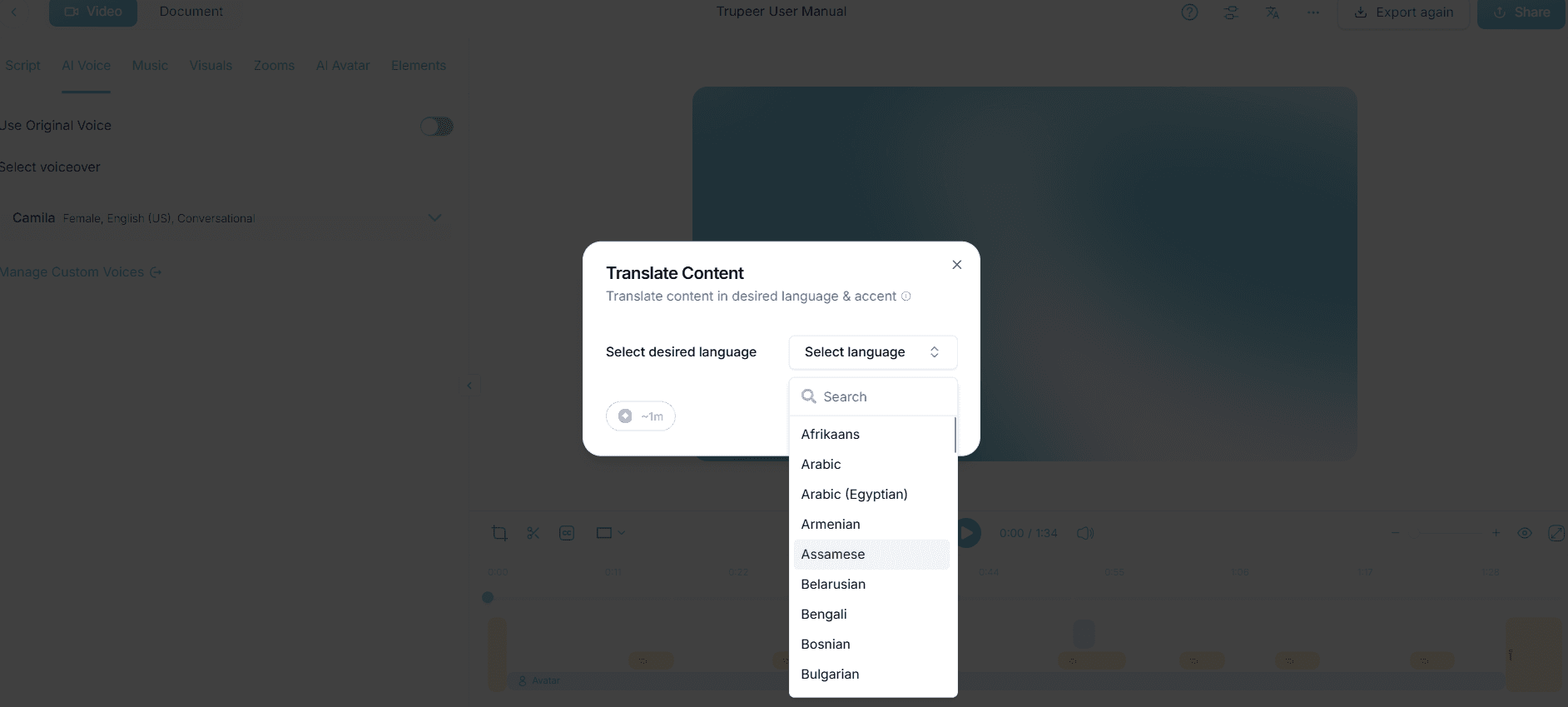
For organizations with a global presence, use Trupeer's AI translation into 40+ languages with lip-sync. Select the "Translate" option, choose the desired languages, and let Trupeer handle the rest. This process ensures that all employees, regardless of language, have access to the necessary documentation. Translation and lip-syncing take approximately 10 minutes per document, ensuring swift production of multilingual content. This step reduces language barriers and enhances understanding across diverse teams.
Step 5: Create a Searchable Knowledge Base
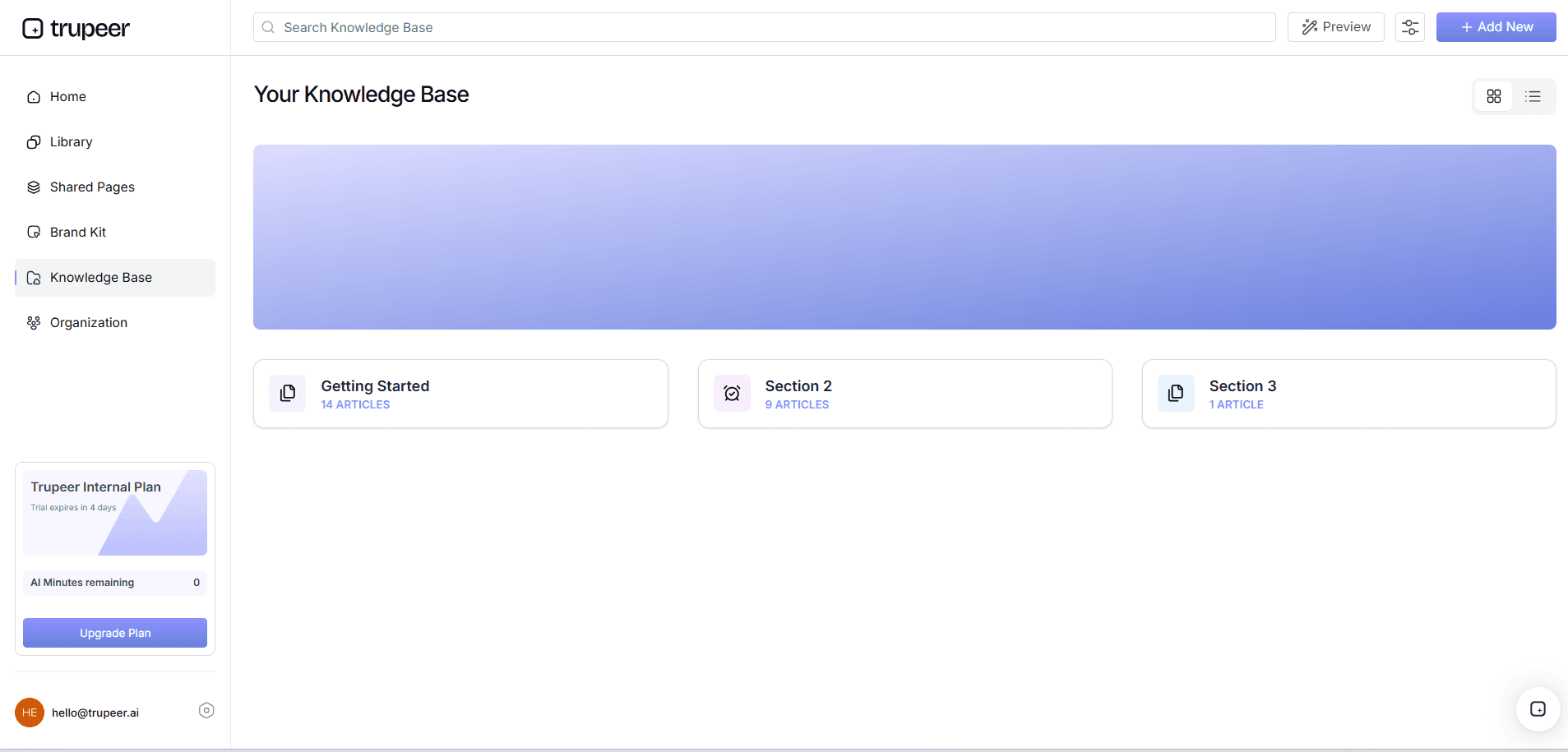
Organize your documentation by setting up an AI-searchable knowledge base with Trupeer. Upload your recordings and documents to Trupeer’s platform, where they are indexed with timestamp deep-links. This takes about 30 minutes depending on the amount of content. Employees can then quickly search for and locate specific process changes, improving efficiency and reducing the time spent looking for information. This centralized repository ensures easy access to up-to-date processes.
Step 6: Review and Approve Documentation
Finally, engage stakeholders in a collaborative review and approval workflow using Trupeer's platform. Share the documentation with key team members and allow them to provide feedback directly within the tool. This collaborative process takes about a week, depending on the number of reviewers and complexity of the feedback. Once all necessary adjustments are made, finalize the documentation and distribute it to the wider team. This step ensures that all ERP-related process changes are accurately captured and approved by relevant parties. Teams weighing tools often start with a Loom alternatives comparison before standardizing on a workflow.
What tips help you document business process changes introduced by an ERP migration?
Documenting ERP-related business process changes requires strategic planning and execution. Here are key tips to enhance your documentation efforts.
Involve stakeholders early. Engage key team members from various departments to provide insights and feedback during the documentation process, ensuring a comprehensive perspective.
Keep it concise and clear. Ensure that each document is straightforward and easy to understand. Use simple language and avoid jargon to make the content accessible to all employees.
Standardize formats. Use consistent templates for all documentation to maintain uniformity and professionalism. This makes documents easier to read and navigate.
use visual aids. Incorporate screenshots, diagrams, and videos to complement text-based instructions, enhancing understanding and retention. This is where a Scribe alternative comparison can be beneficial for choosing the best tools.
Regularly update documents. Review and revise documentation periodically to ensure it reflects any process changes post-ERP migration, keeping materials current and relevant.
Encourage feedback. Create a feedback loop where employees can suggest improvements, ensuring the documentation remains user-focused and effective.
Test with end-users. Conduct user testing with employees to identify any areas of confusion or ambiguity, refining documentation based on their feedback to improve clarity and usefulness.
Frequently asked questions
How do you ensure documentation is effective during an ERP migration?
Effective documentation during an ERP migration involves clear communication, stakeholder involvement, and regular updates. Start by identifying key processes that will change and involve relevant stakeholders early in the documentation process. Use straightforward language and visuals to make documents accessible. Regularly review and update the documentation to reflect any process changes. Encourage feedback from employees to improve clarity and effectiveness. By following these steps, you create documentation that is not only comprehensive but also practical for everyday use.This is exactly where ERP change documentation becomes useful and it's the kind of content Trupeer can generate directly from a simple screen recording.
What tools are best for creating ERP migration documentation?
Trupeer stands out as a comprehensive tool for creating ERP migration documentation. It offers features like AI screen recording, automatic SOP generation, and AI translation, which simplify the documentation process. Other tools such as process mapping and management software can complement Trupeer, providing additional layers of detail and visualization. The choice of tools can depend on specific organizational needs and the complexity of the ERP system being implemented.
Can ERP documentation be translated for a global workforce?
Yes, ERP documentation can be translated for a global workforce using tools like Trupeer, which offers AI translation into over 40 languages. This ensures that all employees, regardless of their primary language, have access to the necessary documentation. Providing multilingual support eliminates language barriers, enhancing understanding and adoption of new processes. This capability is crucial for multinational companies that need to maintain consistency across diverse teams.
Why is it important to update ERP documentation regularly?
Regular updates to ERP documentation ensure that all process changes are accurately reflected, maintaining the relevance and utility of the documents. ERP systems often evolve, with new features or adjustments that alter workflows. By keeping documentation current, organizations prevent confusion and ensure employees have the most up-to-date information. This practice also aids in compliance and audit readiness, as accurate records are essential for these processes.
Is video documentation effective for ERP migrations?
Yes, video documentation is highly effective for ERP migrations. Videos provide a visual representation of processes, making complex information easier to understand. They are especially useful for demonstrating new software interfaces and procedures. Trupeer’s AI video translation capabilities enhance this by making videos accessible in multiple languages. Video documentation engages employees more effectively than text alone, improving retention and understanding of new processes.