Trupeer Blog
Summarise
In the high-stakes world of medical device manufacturing, precision engineering documentation is critical. Regulatory bodies like the FDA and ISO 13485 demand rigorous standards to ensure safety and efficacy. Imagine you're leading an engineering team tasked with documenting a new cardiac monitor. The stakes are high as one mistake in the documentation process could lead to compliance issues or, worse, endanger patient safety. As you work through the complexity of the product, you realize that producing precise documentation at scale isn't just about meeting regulatory requirements; it's about ensuring that every team member, from the engineers to the quality assurance specialists, is aligned and informed. According to a recent industry report,
75% of medical device recalls are due to improper documentation practices.
So, how do you create comprehensive, precise engineering documentation that meets these stringent standards?, you'll discover actionable steps and strategies to simplify your documentation processes using advanced tools like Trupeer.ai. You can also explore how to create guide content that aligns with regulatory demands.
Why does precision engineering documentation for medical devices matter?
Precision engineering documentation for medical devices is crucial for several reasons. First, it serves as a detailed blueprint for the entire product lifecycle, from design to manufacturing and post-market surveillance. Without precise documentation, teams struggle to maintain consistency, leading to costly errors and delays. The impact on business operations is significant, as it directly affects both time-to-market and regulatory compliance. Regulatory bodies like the FDA require comprehensive documentation to approve medical devices, and any lapses can result in penalties or recalls.
Also, precision documentation plays a critical role in ensuring patient safety. Medical devices are integral to healthcare delivery, and any error in their design or function can have life-threatening consequences. Therefore, accurate and thorough documentation is not just a regulatory requirement but a moral obligation to ensure that the devices function as intended. For engineering teams, this means that precision documentation is the foundation upon which successful operations workflow is built. It enables clear communication across departments, reducing misinterpretations and ensuring everyone is on the same page.
What are the benefits of creating precision engineering documentation for medical devices?
Precision engineering documentation for medical devices offers several tangible benefits that extend beyond compliance.
Regulatory Compliance. Ensures adherence to FDA and ISO 13485 standards, minimizing the risk of recalls and penalties.
Improved Product Quality. Thorough documentation facilitates consistent manufacturing processes, resulting in higher-quality devices.
Enhanced Team Collaboration. A single source of truth aids in reducing misunderstandings and improving cross-functional team collaboration.
Faster Time-to-Market. simplified documentation processes accelerate the product development cycle, allowing for quicker market entry.
Cost Reduction. Reduces the likelihood of errors and rework, lowering overall production and compliance costs.
Efficient Knowledge Transfer. Detailed documentation aids in training new employees, ensuring they have a comprehensive understanding of the product and processes. Explore how to create user guide content to facilitate efficient onboarding.
Visual Clarity. Incorporating tools like an AI video platform enhances understanding with visual aids, making complex processes easier to grasp.
Which Trupeer features help you create precision engineering documentation for medical devices?
Trupeer offers a suite of features designed to enhance the creation of precision engineering documentation for medical devices.
Automatic SOP generation from any recording
Trupeer's automatic SOP generation feature converts screen recordings into structured, editable SOPs. This capability is particularly useful for medical device documentation, where standard operating procedures are critical. By capturing the entire process, Trupeer ensures that nothing is missed, and the generated SOPs can be exported in various formats such as HTML and PDF. This feature simplifies the documentation process, reducing the time spent on manual creation and ensuring consistency across documents. ai/documentation">AI documentation platform to automate your SOP generation.
Auto-updating documentation tied to the underlying recording
With Trupeer, documentation stays current through auto-updating features tied to the underlying recordings. Any changes in the process are automatically reflected in the documentation, ensuring that teams always work with the most up-to-date information. This is essential for medical devices, where even minor changes can have significant implications. The auto-update feature eliminates the risk of outdated SOPs and reduces the administrative burden on engineering teams. For remote teams, this documentation tool remote engineering teams ensures synchronized updates.
AI voiceover in 65+ natural voices, adjustable pace and tone
Trupeer's AI voiceover feature supports over 65+ natural voices, allowing teams to tailor the pace and tone of their documentation. This is particularly beneficial for creating training materials and user guides, as it can accommodate different learning styles and preferences. By providing audio narration, Trupeer enhances the accessibility of documentation, making it easier for non-native speakers to understand complex instructions. The flexibility in voice options also supports diverse team needs, ensuring that the documentation resonates with a global audience. Discover how the AI-searchable knowledge base feature can complement your documentation efforts.
Multi-format export: MP4, HTML, PDF, SCORM
Trupeer allows for multi-format export, offering flexibility in how documentation is distributed and consumed. Whether you need an interactive video format like MP4 or a more traditional document format like PDF, Trupeer has you covered. This flexibility is crucial for medical devices, where documentation may be used for various purposes, such as training, compliance, or marketing. Having multiple export options ensures that documentation meets the specific needs of different stakeholders, enhancing its utility and effectiveness across the organization.
Custom-domain hosting with SSO
Trupeer's custom-domain hosting with SSO (Single Sign-On) provides secure access to documentation, which is essential for maintaining privacy and compliance in the medical device industry. This feature allows organizations to host their documentation on a branded domain, enhancing professionalism and trust. SSO integration simplifies user access, reducing friction and improving user experience. This feature is especially beneficial for large teams or organizations with stringent security requirements, ensuring that only authorized personnel can access sensitive documentation. Explore how documentation tool remote engineering teams securely manage access.
How do you create precision engineering documentation for medical devices step by step with Trupeer?
Step 1: Record the Process
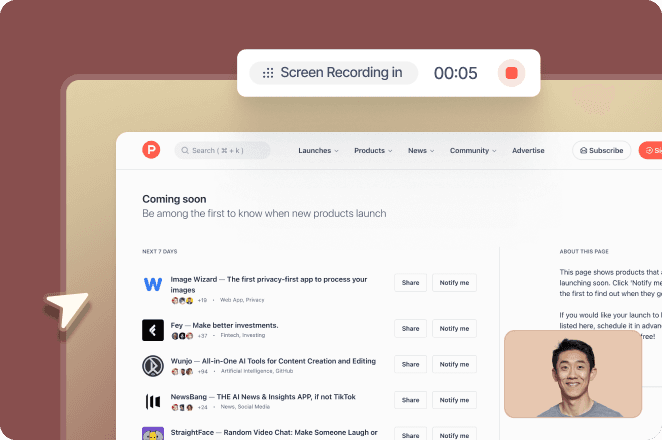
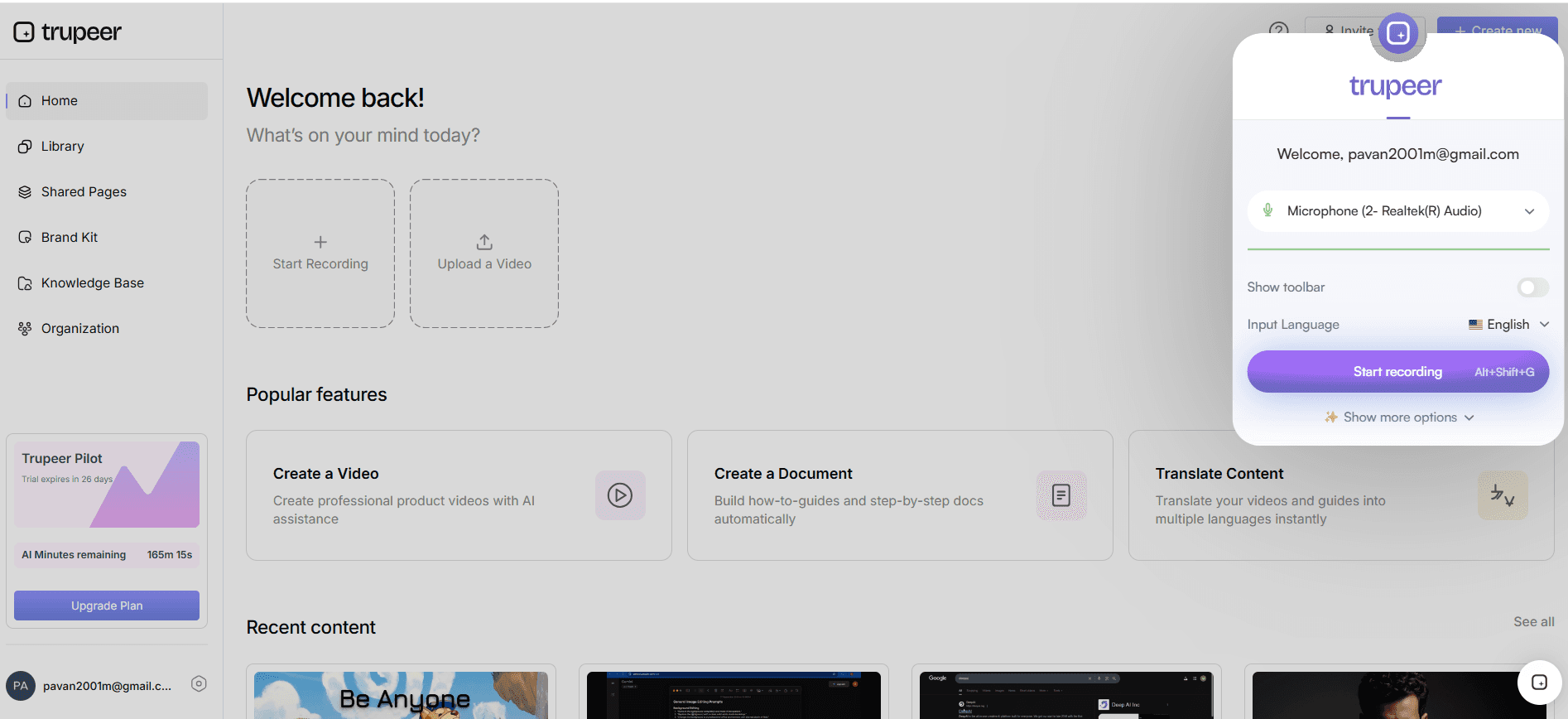
Start by using Trupeer's AI screen recording with auto-zoom and click detection. Open the Trupeer desktop app or use the browser-based recorder, selecting the screen or application window you want to document. As you walk through the engineering process, Trupeer automatically highlights clicks and zooms into relevant areas, ensuring that crucial actions are emphasized. This feature is designed to make the capture process smooth, requiring no additional software installation. The recording time varies depending on the complexity of the procedure but typically takes about 30 minutes for a detailed session. If you encounter any pauses or filler words, don't worry, Trupeer automatically detects and removes them during the editing phase.
Step 2: Generate the SOP
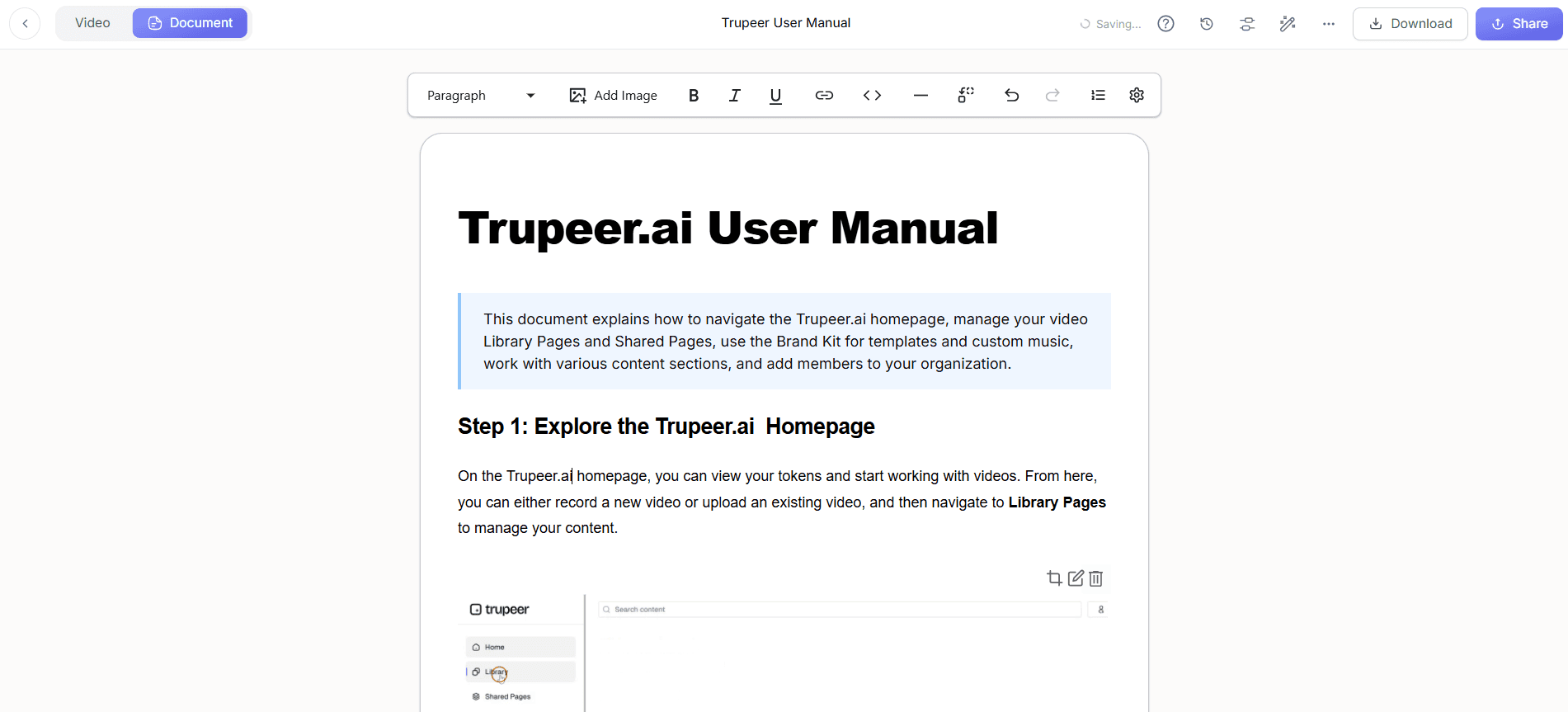
Once your recording is complete, use Trupeer's automatic SOP generation feature. Navigate to your recorded session, and click on the "Generate SOP" option. Trupeer will convert your video into a structured, edit-ready document. This process usually takes just a few minutes. The generated SOP includes screenshots and text descriptions aligned with your video, ensuring nothing is lost in translation. If there are any complex steps that require further elaboration, you can easily edit the SOP before finalizing it. The ability to export in multiple formats, such as HTML and PDF, provides flexibility for different distribution needs, including regulatory submissions.
Step 3: Enhance with AI Voiceover
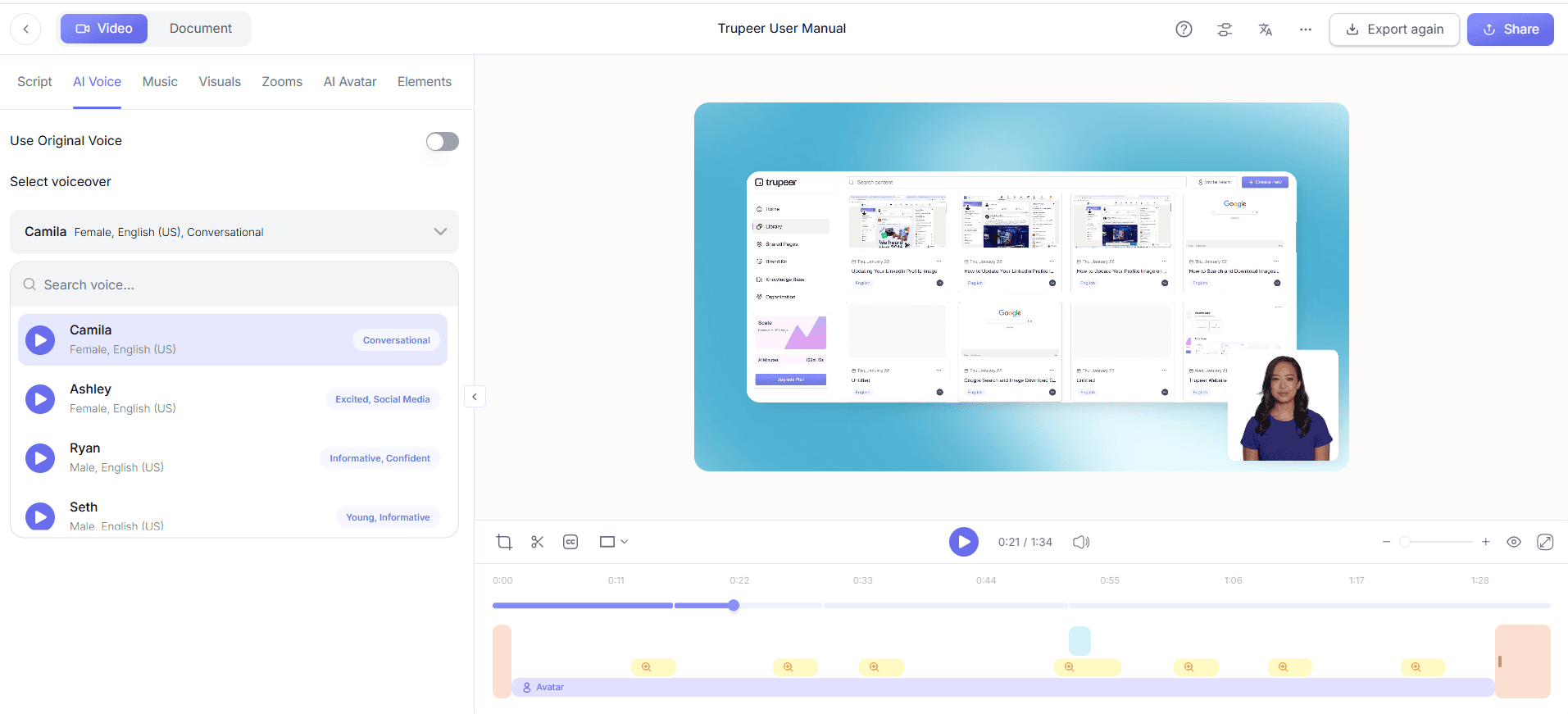
To make your documentation more engaging, use Trupeer's AI voiceover feature. Select from over 65+ natural voices to narrate your SOP, adjusting the pace and tone to match your audience's preference. This step adds an auditory layer to your documentation, which is particularly helpful for training purposes. In the Trupeer interface, click on "Add Voiceover" and choose your preferred voice and settings. The entire process is quick, taking approximately 5 minutes to apply a voiceover to a 10-minute recording. This enhancement ensures that your documentation is accessible to a wider audience, including non-native English speakers.
Step 4: Localize the Documentation
For global teams, localization is key. Trupeer's AI translation into 40+ languages with lip-sync capability ensures that your documentation meets international standards. After finalizing your SOP, select the "Translate" option. Choose the target language and let Trupeer handle the rest. The AI not only translates the text but also syncs the voiceover to match the new language, providing a cohesive viewing experience. This step takes about 10 minutes per document, depending on length. Localization is crucial for compliance in multiple regions and ensures that team members worldwide have access to the same precise documentation.
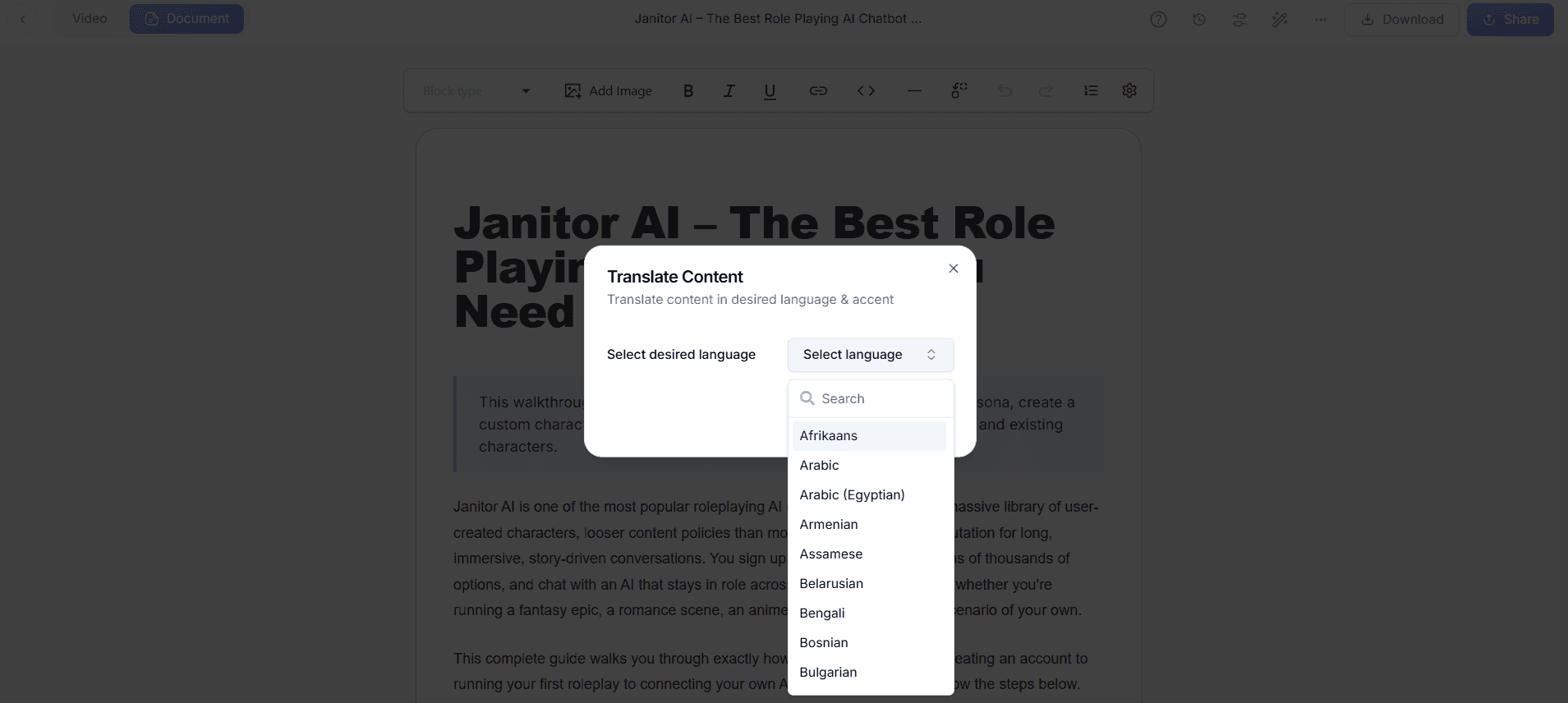
Step 5: Host and Share Securely
With your documentation ready, it's time to distribute it. Use Trupeer's custom-domain hosting with SSO for secure sharing. Upload the finalized document to your custom domain by clicking on "Host Document" in the Trupeer platform. Set up SSO to control access, ensuring that only authorized personnel can view the documentation. This step is critical for maintaining confidentiality and compliance, particularly in the medical device industry. Hosting on a custom domain enhances professionalism and trust within your organization. The setup takes about 15 minutes, but ensures long-term security and accessibility. When SOPs come into the same conversation, a Scribe alternatives comparison helps clarify the scope.
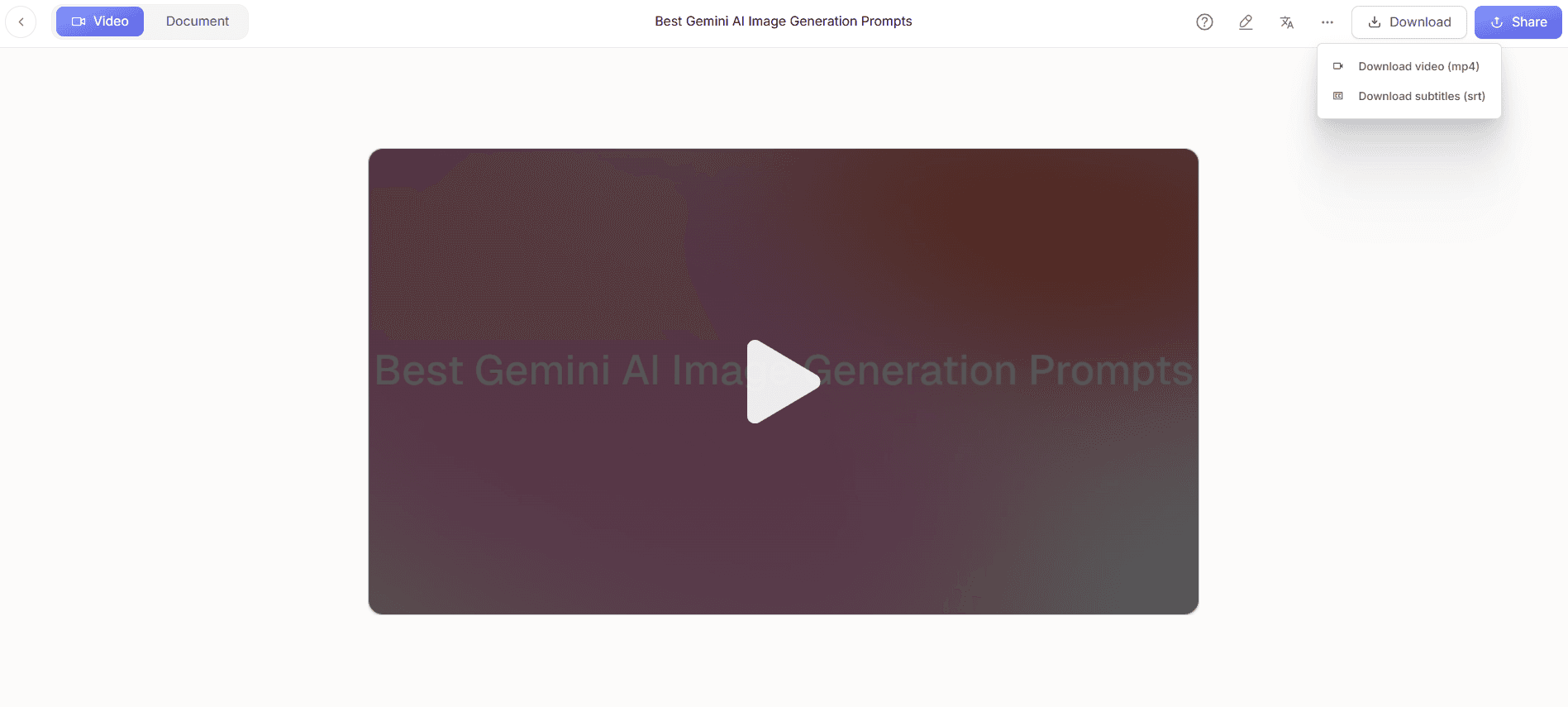
Step 6: Monitor Engagement
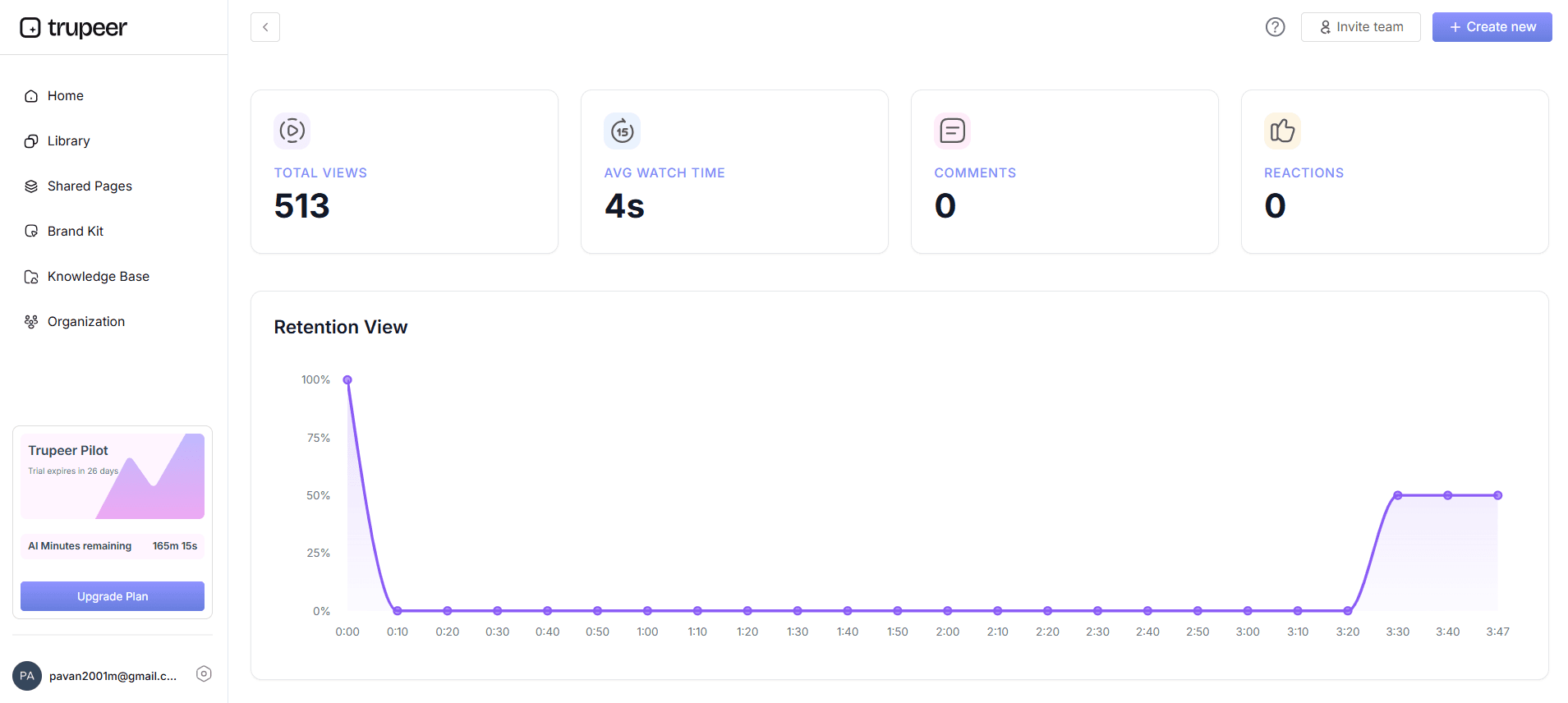
Finally, use Trupeer's viewer engagement analytics to understand how your documentation is being used. After hosting, navigate to the "Analytics" section in Trupeer to review metrics such as viewer drop-off rates and heatmaps. These insights reveal which parts of your documentation are most engaging and where viewers lose interest. By analyzing this data, you can make informed decisions about future documentation improvements. The analytics update in real-time, allowing you to continuously monitor and optimize your content. This step is essential for ensuring that your documentation remains effective and relevant over time.
What tips help you create precision engineering documentation for medical devices?
Creating precision engineering documentation for medical devices can be challenging, but these tips will help simplify the process and improve the quality of your documentation.
Prioritize Clarity. Ensure that every step in your documentation is clear and concise. Avoid jargon unless it's essential, and provide definitions when necessary.
Use Visual Aids. Incorporate images and videos to complement written instructions. Visual aids enhance understanding, especially for complex processes.
Standardize Formats. Use a consistent format across all documentation to maintain uniformity and make documents easier to follow.
Regularly Update Content. Schedule regular reviews to ensure that all documentation reflects the latest procedures and regulatory standards.
Involve Cross-Functional Teams. Collaborate with different departments to gather diverse input and ensure comprehensive documentation.
use AI Tools. Use an AI tool create update product documentation to automate routine tasks, saving time and reducing errors.
Conduct Usability Testing. Test documentation with end-users to identify areas for improvement and ensure it meets their needs.
For global audiences, adding AI video translation extends the same workflow across 40+ languages with lip-sync.
Frequently asked questions
How does Trupeer ensure documentation compliance with FDA standards?
Trupeer facilitates compliance by automating the documentation process, ensuring that all procedures are accurately captured and formatted according to FDA standards. The platform's automatic SOP generation and multi-format export options, like HTML and PDF, make it easier to produce documentation that meets regulatory requirements. also, Trupeer's real-time updates and analytics provide assurance that documents remain current and relevant, reducing the risk of non-compliance. By using these features, engineering teams can focus on innovation while maintaining strict adherence to regulatory guidelines, crucial for avoiding costly recalls and penalties.
What makes Trupeer's AI translation feature suitable for medical devices?
Trupeer's AI translation is ideal for medical devices because it offers translation into over 40 languages, complete with lip-sync capabilities. This ensures that both the text and audio components of the documentation are aligned, making it accessible to non-English speaking team members and users. The feature is particularly useful for global organizations that need to maintain consistent documentation across different regions. By providing accurate translations and synchronized voiceovers, Trupeer helps ensure that language barriers do not impede the understanding of critical medical procedures. This is essential for compliance with international regulations.
Why should engineering teams consider Trupeer over other documentation tools?
Engineering teams should consider Trupeer because it offers a comprehensive suite of features specifically designed for precise documentation needs. From AI-driven screen recording and SOP generation to translation and analytics, Trupeer covers all aspects of the documentation lifecycle. Its ability to smoothly integrate with existing workflows and provide secure hosting makes it a versatile choice. Teams looking for a Loom alternative comparison often find that Trupeer provides more specialized features, particularly for industries like medical devices that require stringent compliance and precision.
Can Trupeer be used for both internal and external documentation?
Yes, Trupeer is designed to handle both internal and external documentation needs effectively. Its features, such as custom-domain hosting and secure SSO access, ensure that sensitive internal documents remain confidential while still being easily accessible to authorized personnel. For external documentation, Trupeer's translation and localization capabilities make it ideal for producing user guides and training materials that can be distributed globally. This dual capability makes Trupeer a versatile tool for organizations that need to manage both types of documentation efficiently. You can explore more about AI documentation tool internal external docs for comprehensive solutions.
Does Trupeer support collaborative documentation efforts?
Trupeer supports collaboration through features like shared pages and client-facing portals, allowing multiple team members to contribute to and review documentation. The platform's collaborative review and approval workflows ensure that all stakeholders have a say in the final content, which is crucial for maintaining accuracy and consistency. These features make it easier for teams to work together, regardless of their physical location, facilitating a more cohesive documentation process. By enabling real-time collaboration, Trupeer ensures that engineering teams can produce high-quality, compliant documentation efficiently.