Trupeer Blog
Summarise
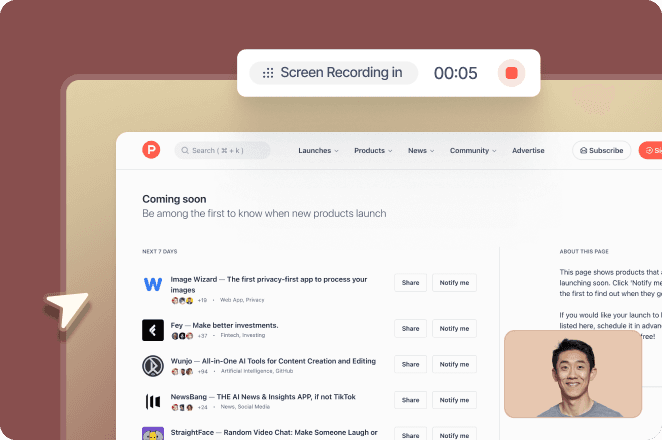
Picture this: a new hire joins your fully remote company, eager to contribute but overwhelmed by the digital documentation and endless video meetings. They need an onboarding process that doesn’t just drop them into the ocean of information but guides them through it. This is where training videos become crucial. Consider this: companies that use video in their onboarding process see 30% higher engagement rates from new employees.
“Companies using video-based onboarding experience 50% faster time-to-productivity for new hires.”
As remote-first organizations grow, the need for effective onboarding solutions is becoming more urgent. You can't rely on traditional methods anymore. Instead, you need a process that integrates new employees smoothly into your distributed team. This guide will help remote-first companies create effective onboarding videos that not only educate but also engage new hires and make them feel part of the team from day one.
Why does creating onboarding videos for remote companies matter?
For fully remote companies, the onboarding process sets the tone for a new hire's entire experience. It's not just about providing information; it's about building a connection with the company culture and ensuring the new employee feels supported from the start. In a traditional office setting, new hires benefit from face-to-face interactions that help them understand workflows and cultural nuances. Remote organizations, however, must find ways to replicate these interactions digitally. Without effective onboarding, remote employees may feel isolated or disconnected from the team, impacting their productivity and satisfaction.
The stakes are high. A poorly managed onboarding process can lead to increased turnover rates, costing companies not just in terms of recruitment expenses but also in lost productivity. According to a study, companies with a strong onboarding process improve new hire retention by 82% and productivity by over 70%. Onboarding videos provide a scalable solution that can be tailored to each role and team within the company, allowing new hires to engage at their own pace while still feeling guided and supported. By using training videos use case, companies can ensure that their remote onboarding process is not only effective but also engaging.
What are the benefits of creating onboarding videos for remote companies?
Onboarding videos offer a unique opportunity to enhance training and integration for remote employees. They provide a consistent and engaging way to communicate key information.
Improved Engagement. Video content is more engaging than text, leading to higher retention rates. With training video production, you can ensure your new hires are attentive and absorbing the necessary information.
Consistent Messaging. Videos ensure that every new hire receives the same quality of information, eliminating discrepancies that can occur with live presentations. This consistency is crucial for maintaining company standards and ensuring all employees are on the same page.
Flexibility and Accessibility. Videos can be accessed at any time, allowing employees to learn at their own pace. This is particularly beneficial for remote teams in different time zones, ensuring no one misses out on important training.
Time and Cost Efficiency. Once created, onboarding videos serve as a long-term resource, reducing the need for repetitive live training sessions. This efficiency saves both time and resources in the long run.
Scalability. As your company grows, your onboarding process needs to scale with it. A single AI video platform allows you to onboard multiple employees simultaneously without additional strain on resources.
Enhanced Learning Experience. By incorporating multimedia elements, onboarding videos cater to different learning styles, making the information more accessible and easier to understand for all employees.
Which Trupeer features help you create onboarding videos for remote companies?
Trupeer offers a suite of features specifically designed to make the creation of onboarding videos both efficient and effective. These features cater to various aspects of video production, from recording to distribution.
AI screen recording with auto-zoom and click detection
This feature allows you to capture detailed screen recordings that focus on important areas with auto-zoom. It highlights mouse clicks and interactions, making the instructions clear and easy to follow. This is especially useful in tutorials where precise action steps need to be demonstrated. Unlike traditional screen recorders that require manual editing, Trupeer automates this process, saving significant time and effort. This capability ensures that your onboarding videos are both informative and visually engaging, capturing every critical detail without overwhelming the viewer.
AI voiceover in 65+ natural voices, adjustable pace and tone
With Trupeer's AI voiceover feature, you can add professional narration to your videos without hiring voice actors. It supports over 65+ natural voice options, allowing you to choose the one that best fits your company's tone. You can also adjust the pace to match the video's flow. This feature makes the video more engaging and easier to follow. By automating the voiceover process, you reduce production time and costs while maintaining high-quality narration.
Automatic filler-word removal
Trupeer's automatic filler-word removal feature cuts out unnecessary "um"s and "ah"s, as well as long pauses, creating a polished final product. This is particularly beneficial in maintaining viewer engagement, as it keeps the video concise and to the point. By removing these distractions, the main content of your video stands out more clearly, making it easier for new hires to absorb and understand the material being presented.
AI avatars / talking-head video
Adding a human element to your videos is easy with Trupeer’s AI avatars. You can choose from a library of stock avatars or create custom ones to fit your brand. This feature helps humanize the video content, making it more relatable and engaging for new hires. It’s an effective way to simulate face-to-face interaction, which is often lacking in remote onboarding scenarios. The integration with HeyGen allows even more customization, ensuring that your onboarding videos are unique to your company’s culture.
AI-searchable knowledge base
Trupeer's AI-searchable knowledge base is an invaluable tool for storing and retrieving onboarding videos. Each video is indexed with timestamp-level deep links, making it easy for employees to find specific information quickly. This feature not only facilitates self-paced learning but also ensures that the knowledge is readily accessible for future reference. By centralizing your training materials in a searchable format, you enhance the overall efficiency of your onboarding process and equip your team with the resources they need to succeed.
How do you create onboarding videos for fully remote companies step by step with Trupeer?
Step 1: Capture the Screen
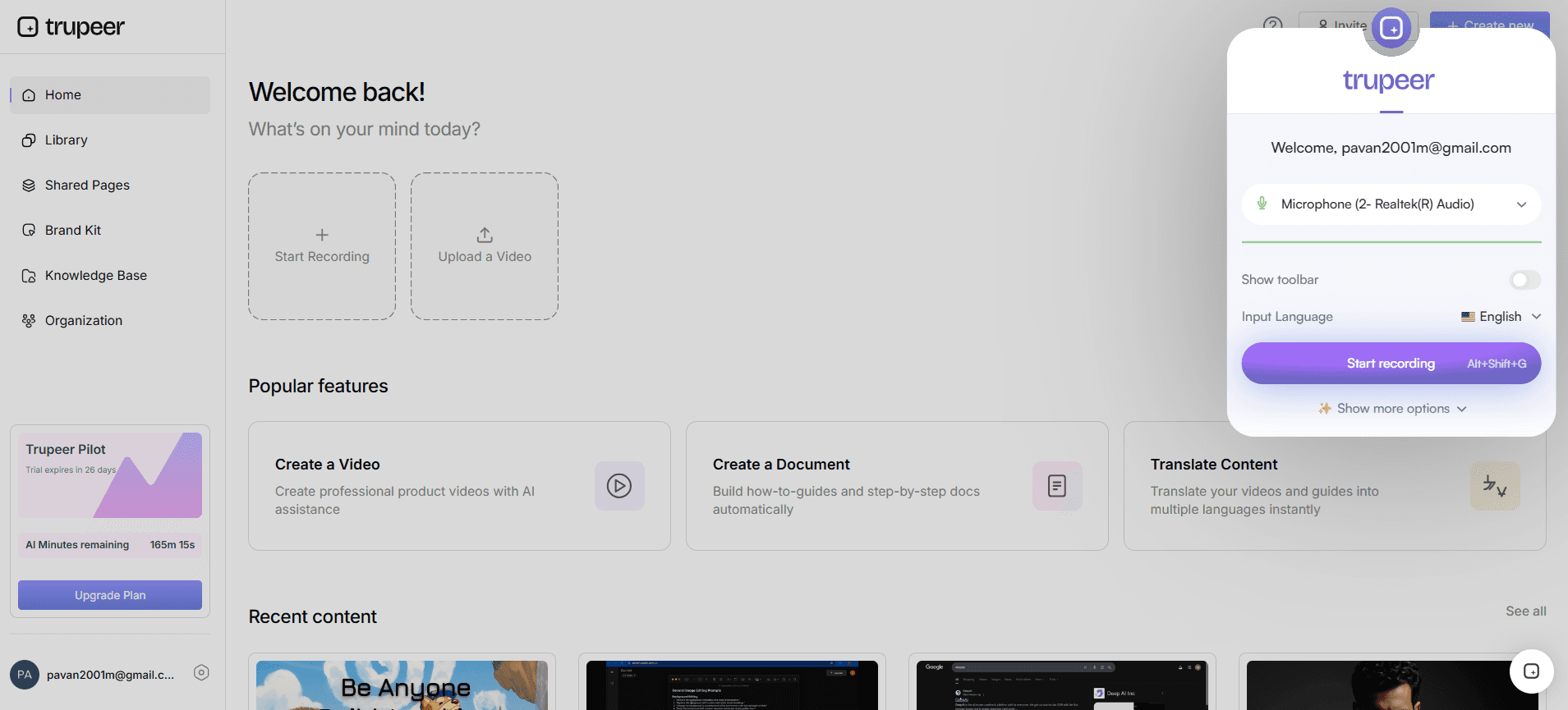
Begin by launching Trupeer's browser-based recorder, which requires no installation. Choose "AI screen recording with auto-zoom and click detection" to ensure your screen captures focus on key actions and interactions. This feature automatically highlights mouse clicks and zooms in on important areas of the screen, making your instructions clear and engaging. Once you start recording, demonstrate any software or workflow essential for the new employee to learn. The recording session can last as long as necessary, but aim for concise clips to keep the content digestible. After finishing, stop the recording and save the file directly to your Trupeer dashboard for easy access and editing.
Step 2: Add AI Voiceover
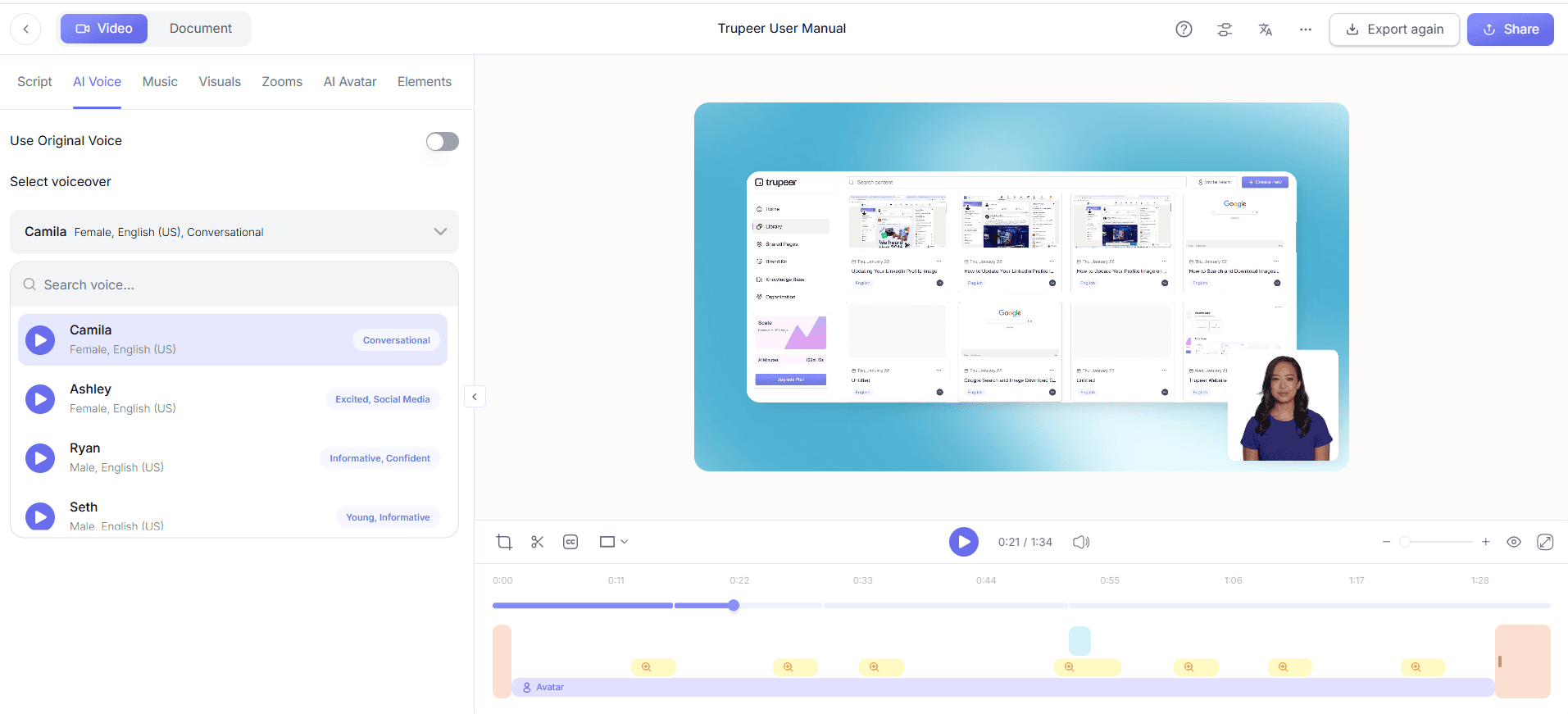
Next, enhance your video by adding a voiceover. Use Trupeer's "AI voiceover in 65+ natural voices" feature to select a voice that matches your brand's tone. Once you've chosen the voice, adjust the pace and tone to ensure the narration aligns with the video content. This step is crucial for maintaining viewer engagement as it makes the video more interactive and easier to follow. The AI voiceover process is quick, often taking less than a few minutes, allowing you to move swiftly to the next stage. With this, your video gains a professional touch without the need for expensive voice talent.
Step 3: Remove Fillers
Trupeer enhances video clarity by using "automatic filler-word removal." This feature scans your recording for unnecessary pauses, "um"s, and "ah"s, and removes them smoothly. To activate this, simply select the option in the editing menu. This process is automated, requiring minimal input from you, and significantly improves the flow of your video. It generally takes just a few minutes, depending on the length of your recording. By eliminating these distractions, you ensure the focus remains on the critical information, making it easier for new hires to absorb the content.
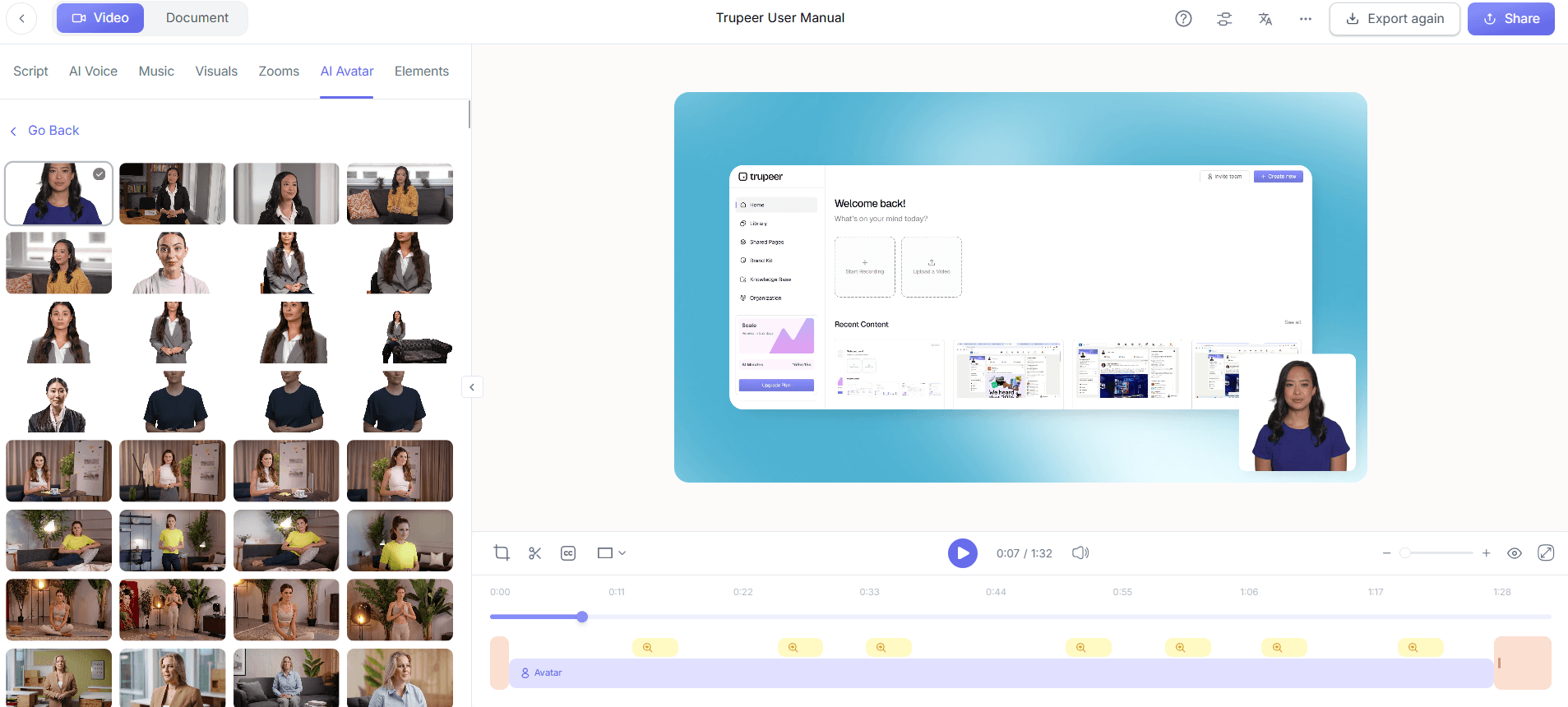
Step 4: Integrate AI Avatars
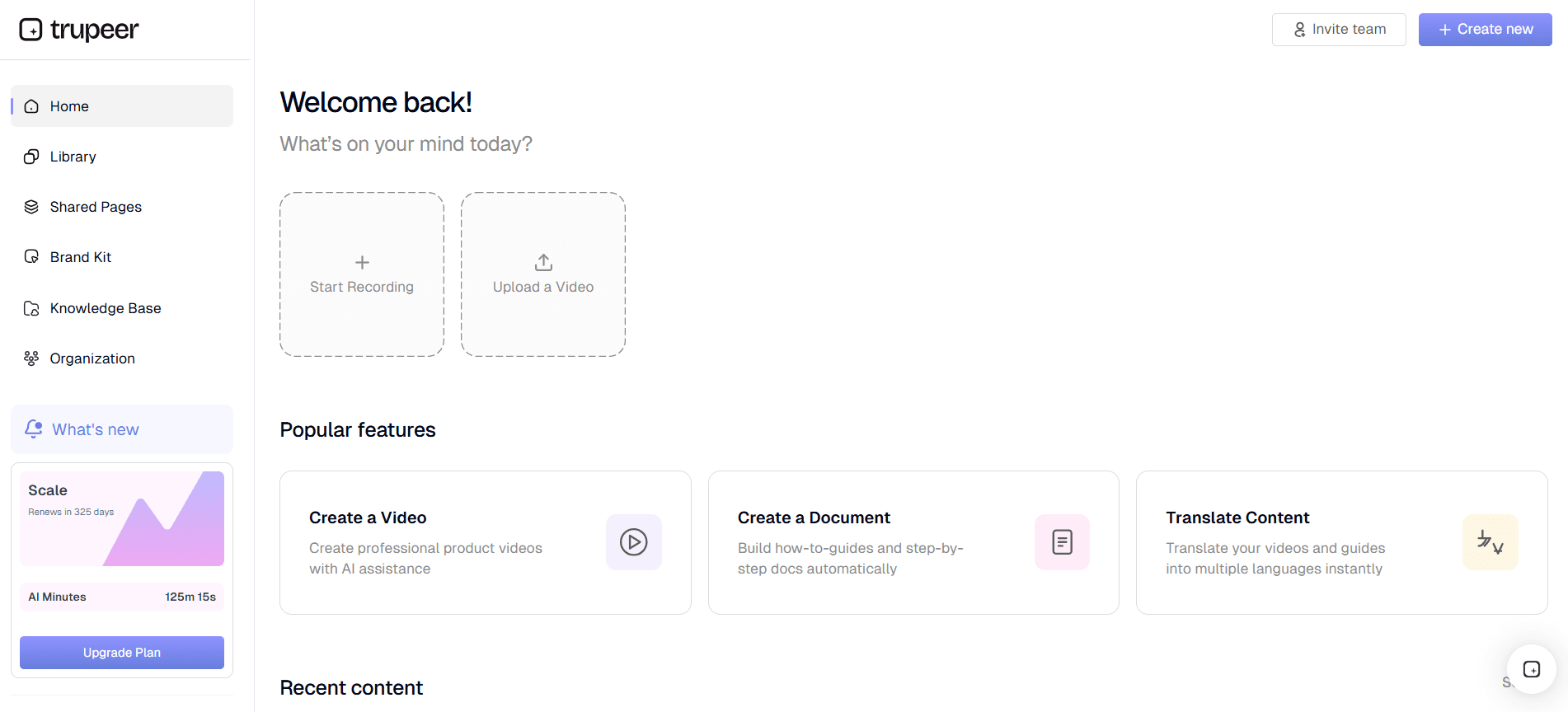
To add a human touch to your onboarding video, integrate Trupeer's "AI avatars / talking-head video" feature. Choose a stock avatar from the library or create a custom one that represents your company's culture. This feature allows your video to mimic face-to-face interaction, which is often missing in remote setups. By placing the avatar in strategic parts of the video, you create a more engaging and relatable experience for the viewer. This step typically takes a few minutes and can be adjusted until the desired effect is achieved. The result is a polished, professional video that resonates well with new employees.
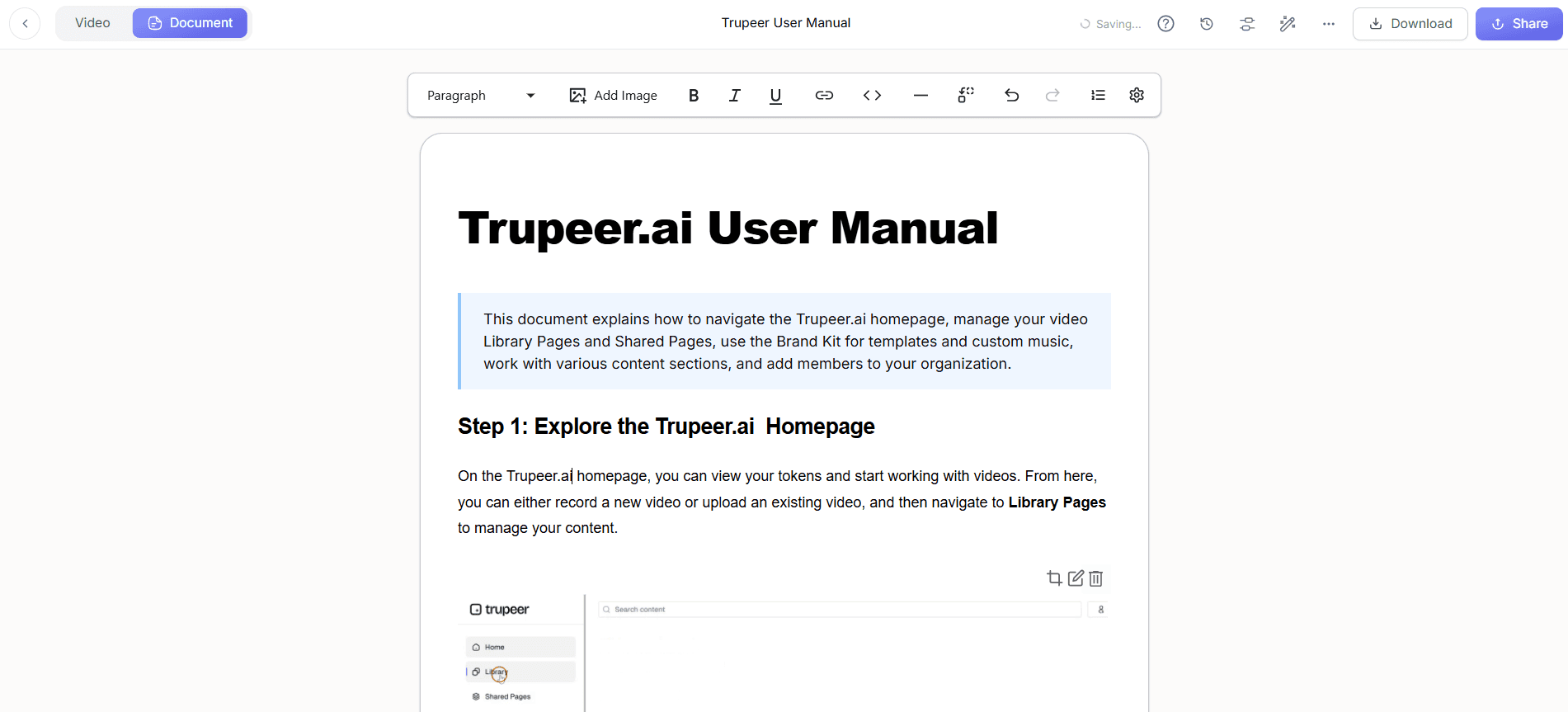
Step 5: Generate Supporting Documentation
Post-production, generate supporting materials using Trupeer's "automatic SOP generation from any recording." This feature converts your video content into a text-based Standard Operating Procedure, which can be edited and exported in various formats such as MP4, HTML, or PDF. Simply click on the "Generate SOP" button on your Trupeer dashboard after finalizing the video. This process is fast, taking only a few minutes, and ensures that all visual instructions in the video are documented in text form. This dual-format approach caters to different learning preferences and serves as a reference for new hires. Teams weighing tools often start with a Loom alternatives comparison before standardizing on a workflow.
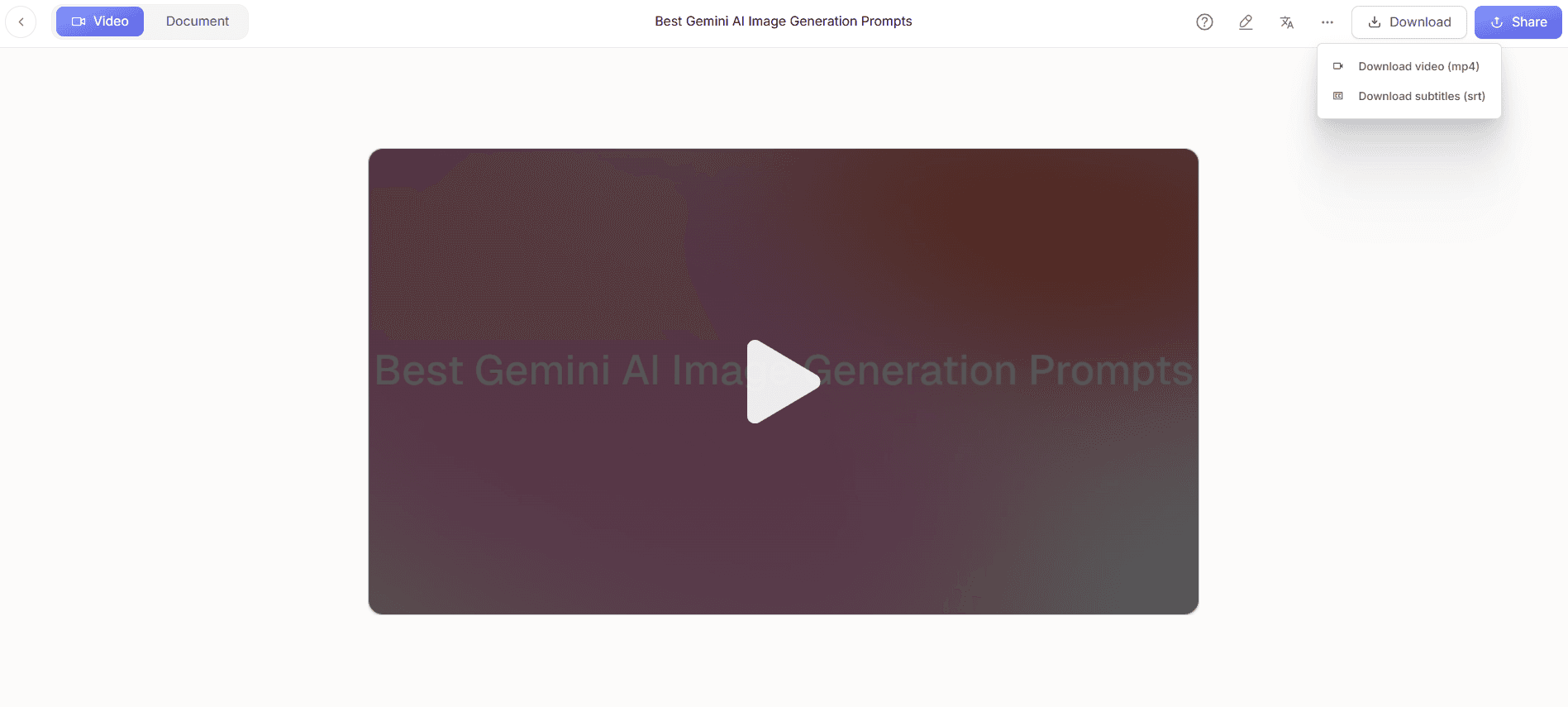
Step 6: Distribute and Embed
Once your onboarding video is ready, distribute it using Trupeer's "embeddable video widgets for in-app guidance." You can host the video on a custom domain with SSO, making it easily accessible to new hires. Embed the video in your internal knowledge base or onboarding portal to ensure it's readily available. Trupeer's system offers analytics capabilities, letting you track viewer engagement and identify any sections where employees might drop off. This data helps you refine future video content, ensuring continuous improvement in your onboarding process.
What tips help you create onboarding videos for fully remote companies?
Creating effective onboarding videos for remote employees requires strategic planning and execution. The following tips will help you optimize the process to ensure your videos are informative, engaging, and useful.
Keep it concise. Aim for videos that are 5-10 minutes long to maintain attention and avoid overwhelming new hires with too much information at once.
Use a consistent style. Maintain a uniform visual and auditory style across all videos to reinforce brand identity and facilitate easier comprehension.
Incorporate interactive elements. Use quizzes or call-to-action prompts within the video to engage viewers and reinforce learning.
Prioritize video quality. Invest in high-quality visuals and sound. Use a Scribe alternative comparison to find the best tools.
Update content regularly. Ensure your video content stays relevant by reviewing and updating it periodically to reflect any changes in procedures or tools.
Test with a pilot group. Before rolling out to all new hires, test the video with a small group to gather feedback and make necessary adjustments.
Provide supplementary materials. Offer additional resources, such as FAQs or downloadable guides, to support different learning styles and provide deeper insights.
Trupeer also ships a beginner friendly video editor for training videos that handles this step without extra setup.
Frequently asked questions
How can onboarding videos improve remote employee engagement?
Onboarding videos enhance engagement by providing visually appealing and interactive content, which is more engaging than text alone. They simulate a personal connection, crucial for remote workers who lack face-to-face interactions. By using dynamic elements like avatars and interactive quizzes, videos capture attention and ensure information retention. also, they allow new hires to learn at their own pace, accommodating different learning styles and increasing the likelihood of successful integration into the company culture.
What equipment do I need to create onboarding videos?
Creating onboarding videos doesn't require high-end equipment. A decent computer with screen recording capabilities and a reliable internet connection is sufficient. Trupeer's browser-based recorder eliminates the need for additional software installations. For enhanced audio quality, The AI features in Trupeer, such as voiceover and filler-word removal, help produce high-quality videos without needing professional camera equipment. This approach keeps costs down while ensuring professional results.
Is it necessary to update onboarding videos regularly?
Yes, regularly updating your onboarding videos is crucial to keep the content relevant and accurate. As procedures, tools, and company policies evolve, outdated content can lead to misinformation and confusion among new hires. Regular updates also demonstrate your company's commitment to providing high-quality training materials. Using Trupeer’s auto-updating documentation feature, linked to each recording, ensures that any changes made to the video content are reflected in supporting documents, maintaining consistency across training materials.
Can onboarding videos include subtitles for non-native speakers?
Yes, incorporating subtitles in onboarding videos is highly beneficial for non-native speakers. Trupeer offers AI video translation capabilities, allowing you to translate and dub videos into 40+ languages. This feature ensures that language barriers are minimized, providing all employees with equal access to training resources. Subtitles not only aid in understanding but also improve engagement and retention among diverse teams, contributing to a more inclusive onboarding experience.
What metrics should I track for onboarding video success?
To measure the success of your onboarding videos, track metrics such as viewer engagement rates, completion rates, and feedback scores. Use Trupeer's analytics to identify sections where viewers drop off or engage most, which helps refine future content. Heat maps can show which parts of the video are most watched, indicating areas of high interest or complexity. By analyzing this data, you can continually improve your videos, ensuring they effectively meet the needs of new hires and contribute to successful onboarding outcomes.
Related Blogs