Trupeer Blog
Summarise

Imagine you're managing a production line in a manufacturing plant. Your team relies on paper-based work instructions to carry out complex tasks. But the system isn't agile. It takes too long to update processes, and new employees struggle to follow outdated instructions. Productivity drops, and errors increase. The stakes are high. In fact,
companies can see up to a 30% increase in efficiency by digitizing work instructions.
You start searching for solutions that can make these instructions more accessible, easier to update, and engaging. The solution? Transforming your paper-based work instructions into digital video guides. Not only can this process simplify your operations, but it also ensures that every team member, from new hires to seasoned workers, is on the same page. This guide is for managers, HR professionals, and anyone responsible for training or standardizing processes. When SOPs come into the same conversation, a Scribe alternatives comparison helps clarify the scope.
Why does converting paper-based work instructions into digital video guides matter?
Paper-based instructions have long been a staple in industries that require precise and repeatable processes. Yet, they present significant challenges. Paper instructions are static, making updates cumbersome and often leading to outdated information being circulated. This can cause severe disruptions in operations. Imagine a new compliance standard requiring immediate changes. With paper, this can delay implementation, risking non-compliance.
Another issue is accessibility. Workers need quick access to instructions, especially in situations requiring immediate troubleshooting. Paper documents can get misplaced or damaged, leaving employees in the lurch. This scenario is common in manufacturing settings, where time is money. In contrast, digital video guides are always accessible, often through simple searches on a company intranet or a operations workflow platform. This accessibility drastically reduces downtime and boosts productivity.
What are the benefits of converting paper-based work instructions to digital video guides?
Switching from paper to digital video guides offers numerous advantages that can transform how your team operates.
Enhanced Engagement. Video guides capture attention better than text, leading to higher retention rates. A top video based employee onboarding system can make learning dynamic.
Improved Accessibility. Digital guides are available 24/7. Workers can access instructions from any device, ensuring they have the guidance they need when they need it most.
Faster Updates. Updating a video guide is quicker than revising printed documents. This flexibility lets you respond swiftly to changes in procedures or compliance standards.
Cost Efficiency. While initial setup might seem costly, digital guides save money over time by eliminating printing costs and reducing errors that result from outdated instructions.
Scalability. Digital guides can be easily scaled across multiple locations without the logistical nightmare of distributing paper manuals, ensuring consistency in operations.
Data-Driven Insights. By integrating with an AI video platform, you can track how often guides are accessed and identify areas where additional training might be needed.
Which Trupeer features help you convert paper-based work instructions into digital video guides?
Trupeer offers an array of features designed to make the conversion from paper to digital video guides smooth and effective.
AI screen recording with auto-zoom and click detection
This feature is crucial for capturing detailed processes. It automatically highlights actions such as clicks and text entries, ensuring that viewers can easily follow along. In a manufacturing context, this is invaluable for showing the exact steps needed to operate machinery or assemble components. By focusing on areas of interest, it reduces the cognitive load on viewers, allowing them to absorb instructions more efficiently. Integrate this with your training materials, and see how quickly your team adapts to new processes.
Silent screen recording with automatic AI narration
Silent screen recording is perfect for environments where noise is a concern. Coupled with AI narration, it allows you to create professional, voice-guided video instructions without the need for a recording studio. This feature lets you maintain a consistent tone and pace across all your guides, enhancing the learning experience. A documentation generator can also turn these recordings into comprehensive guides.
Automatic SOP generation from any recording
Standard Operating Procedures (SOPs) are essential for ensuring consistency. With Trupeer, you can automatically generate SOPs from your video recordings. This feature converts visual instructions into text, providing a dual format that caters to different learning preferences. You can edit these SOPs before exporting them in various formats like HTML or PDF. This capability simplifies the process of keeping your SOPs up-to-date and aligned with your digital guides.
AI translation into 40+ languages with lip-sync
Global teams need instructions they can understand. Trupeer's AI translation feature supports over 40 languages, complete with lip-sync for video guides. This ensures that non-English speaking employees receive the same quality of instruction as their English-speaking counterparts. This feature is particularly useful for multinational companies looking to maintain a unified training standard across various regions. It’s a powerful tool for enhancing understanding and compliance at every location.
AI-searchable knowledge base with timestamp deep-links
A comprehensive video knowledge base enhances accessibility. Trupeer indexes each video with deep-links to specific timestamps, allowing users to jump directly to the section they need. Whether it’s a routine task or a complex procedure, this feature minimizes search time, ensuring your team can get back to work quickly. This capability turns your video library into a dynamic resource that evolves with your business needs.
How do you convert paper-based work instructions into digital video guides step by step with Trupeer?
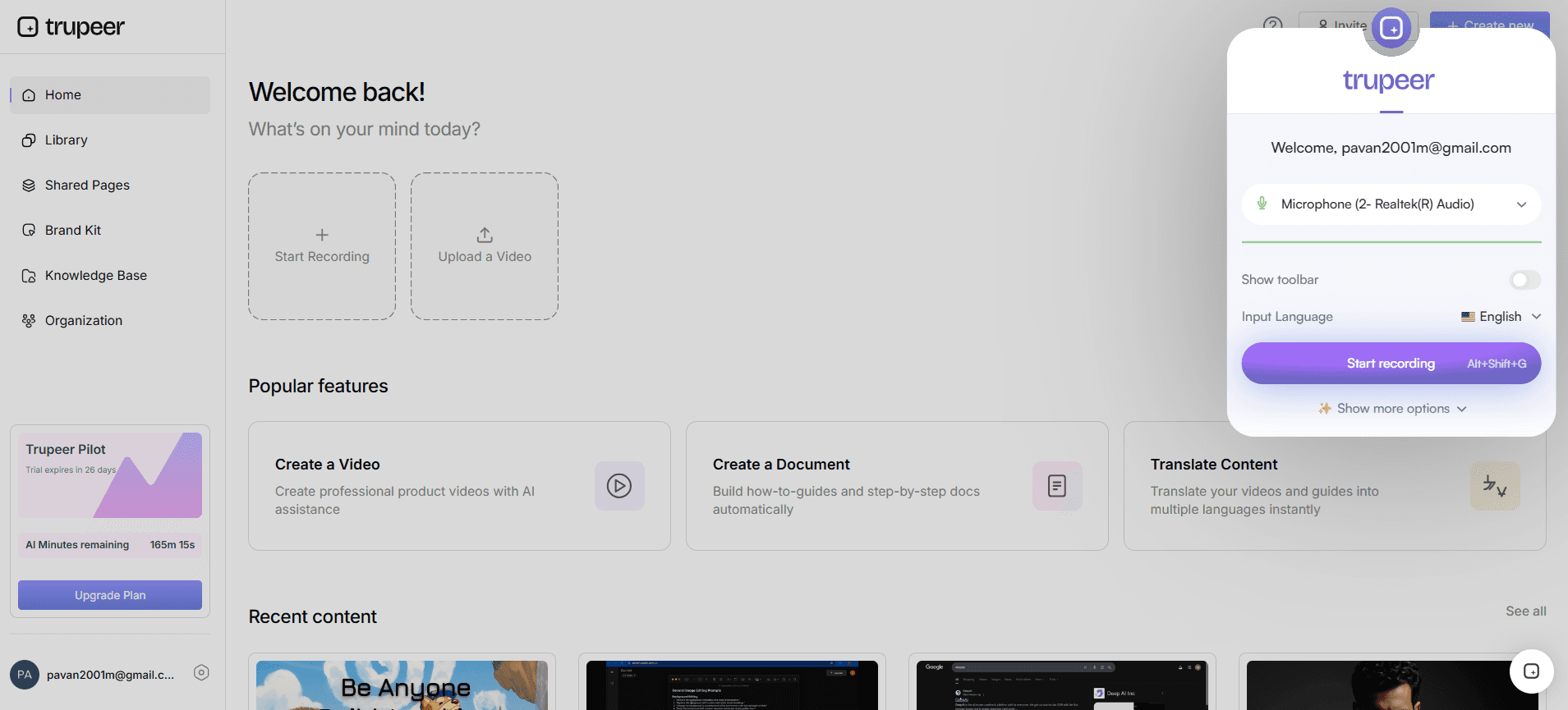
Step 1: Capture the Process with AI Screen Recording
Begin by launching Trupeer's browser-based recorder. This tool requires no installation, making it accessible from any device. Select AI screen recording with auto-zoom and click detection to capture the process. This feature automatically highlights key actions, ensuring viewers can easily follow along. As you perform the task, Trupeer records each step, zooming in on areas of interest like menu selections or button clicks. This visual clarity is crucial for complex procedures. Once finished, the recording is saved to your Trupeer library, ready for further enhancement.
Step 2: Enhance with AI Voiceover and Avatars
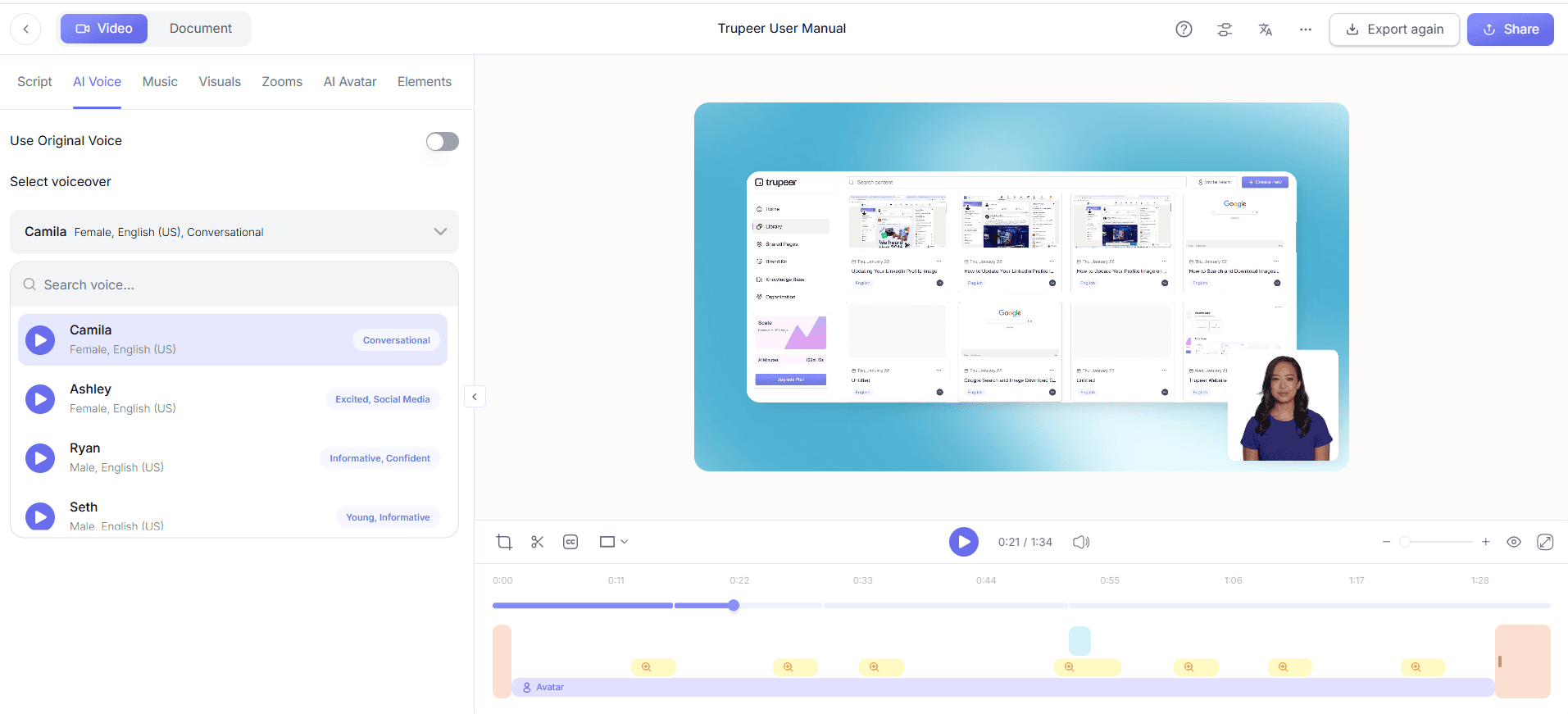
Next, improve your recording by adding narration. Use the AI voiceover feature to select from 65+ natural voices. Adjust the pace and tone to match your brand's style. If you prefer a personal touch, clone a voice from a short sample. For an engaging experience, add an AI avatar using Trupeer's stock library or integrate a custom avatar with HeyGen. This step ensures that your video is not just informative but also engaging and on-brand. The process takes only a few minutes and can drastically improve viewer retention.
Step 3: Generate Automatic SOPs
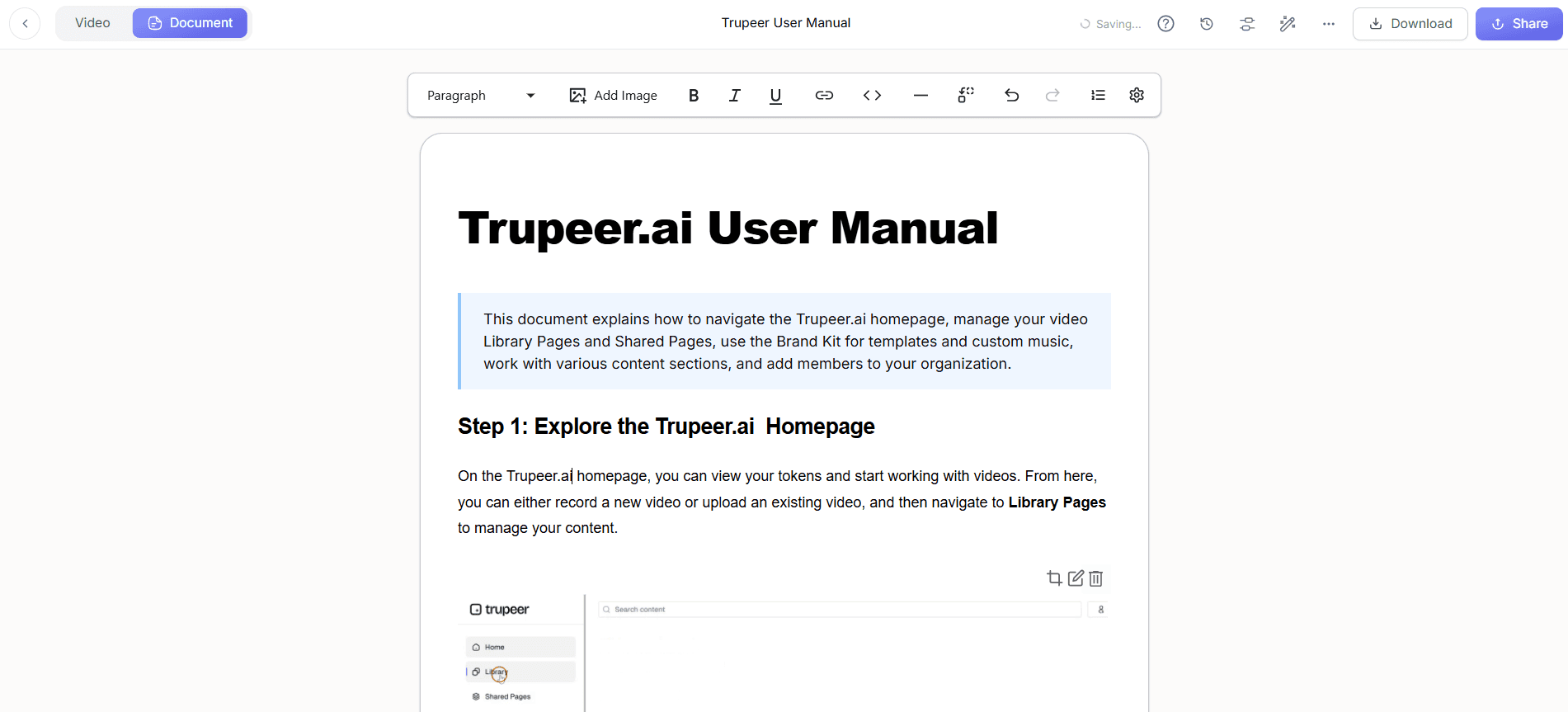
With your enhanced video ready, generate an SOP directly from the recording. Trupeer's automatic SOP generation feature creates a detailed text version of your video guide. This editable document can be exported in multiple formats like PDF or HTML. This ensures your team has both visual and text-based references, catering to different learning preferences. The SOP is linked to the video, so updates in the video automatically reflect in the document, maintaining consistency across formats. Teams weighing tools often start with a Loom alternatives comparison before standardizing on a workflow.
Step 4: Translate for Global Teams
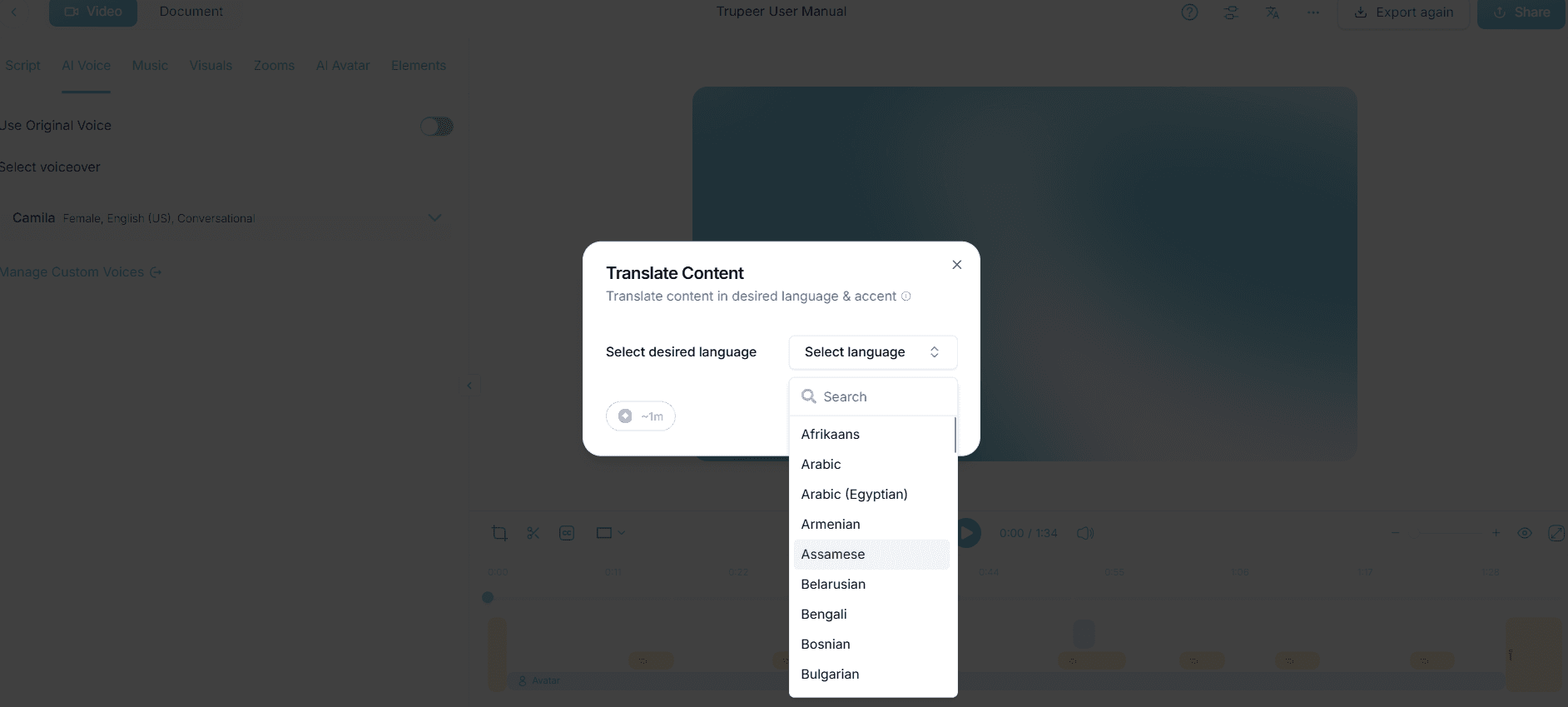
If your organization operates across various regions, use Trupeer's AI translation to make your video accessible to a global audience. This feature supports over 40 languages, offering smooth translation with lip-sync for video guides. Select the desired language, and Trupeer handles the rest. This ensures all employees, regardless of their language, receive the same high-quality training. The translation process is swift, typically taking less than an hour per video, allowing rapid deployment across different locales.
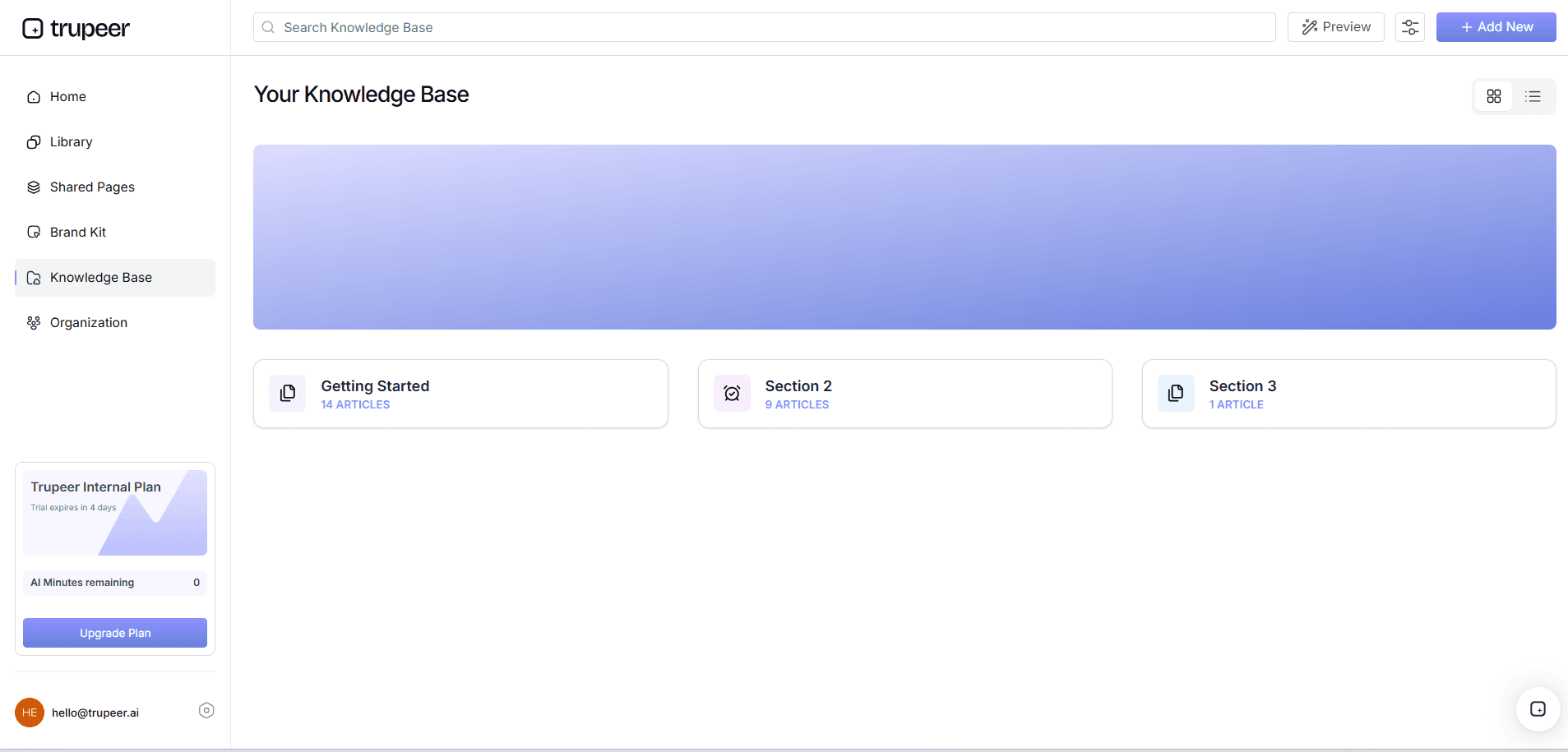
Step 5: Distribute via AI-Searchable Knowledge Base
Once your video guide is complete, distribute it through Trupeer's AI-searchable knowledge base. This platform indexes each recording with deep-links to specific timestamps. Users can quickly navigate to sections of interest, saving valuable time. To share the guide, simply host it on a custom domain with SSO access, or embed it within your organization's existing portals. This distribution method ensures that every team member can access the information they need, precisely when they need it.
Step 6: Analyze Viewer Engagement
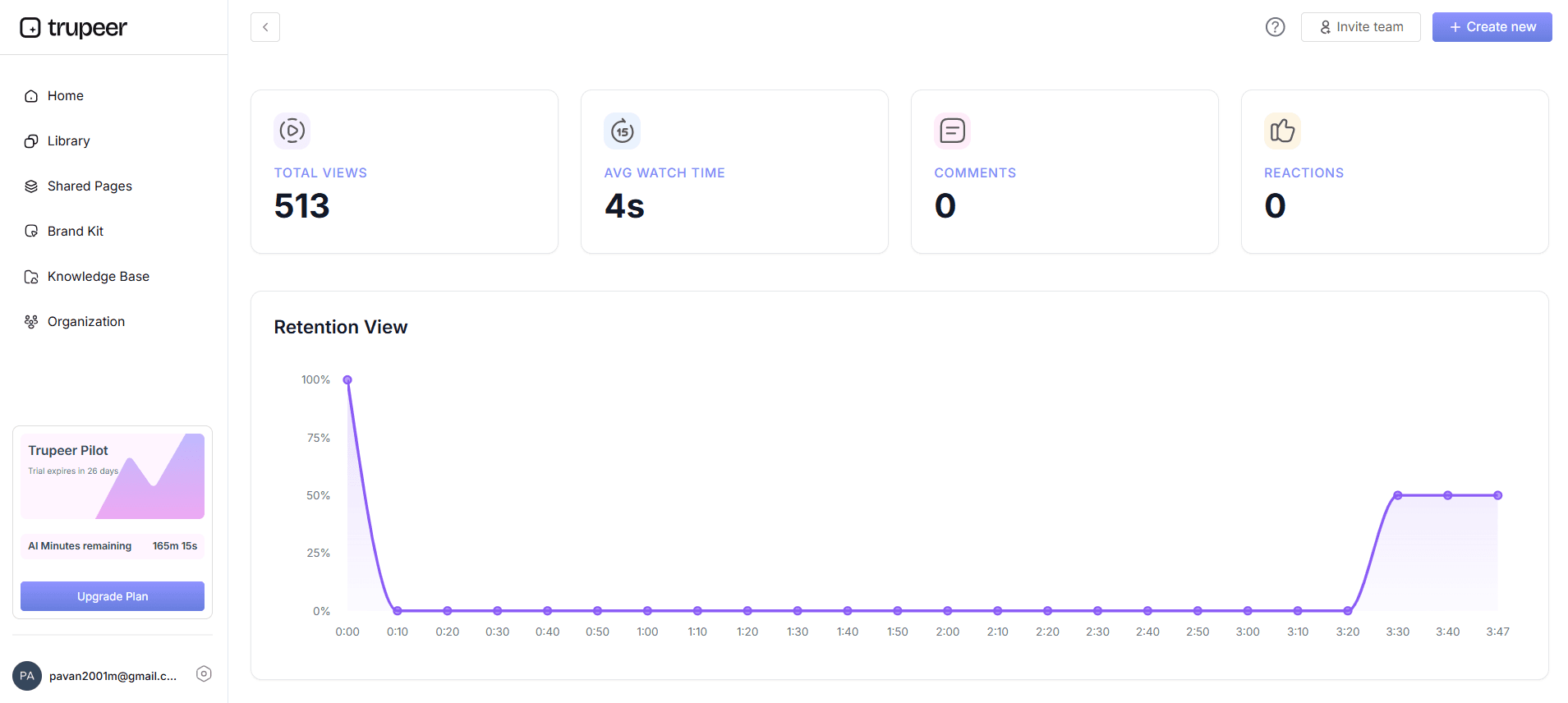
After deployment, monitor how employees interact with the video guide using Trupeer's viewer engagement analytics. This tool provides insights into engagement levels, such as where viewers drop off or which sections they frequently revisit. Use this data to refine your guides, ensuring they meet the needs of your audience. Collaborative review and approval workflows allow for continuous improvement. By understanding viewer behavior, you can tailor content to maximize learning outcomes and operational efficiency.
What tips help you convert paper-based work instructions into digital video guides?
Transitioning from paper to digital video guides can be a transformative process for your organization. Here are some tips to ensure a smooth and effective conversion.
Start Simple. Begin with straightforward processes to familiarize yourself with the tools. This builds confidence and a foundation for tackling more complex instructions.
Engage Subject Matter Experts. Collaborate with experts to ensure accuracy. Their insights can enhance the quality and depth of your video guides.
Standardize Formats. Use consistent templates for your videos and SOPs. This ensures uniformity and helps viewers quickly adapt to new content.
use Analytics. Pay attention to viewer analytics. Understanding how guides are used can inform future content decisions and identify training gaps.
Iterate Frequently. Regularly update your guides to reflect procedural changes. This keeps content relevant and compliant with current standards.
use Translation Tools. Use AI translation to reach a broader audience. This is crucial for multinational teams and ensures inclusivity.
Test with a Pilot Group. Before full-scale implementation, test video guides with a small group. Gather feedback to make necessary adjustments and improve the final product.
For a deeper look, our guide on top video based employee onboarding covers the adjacent playbook.
Frequently asked questions
How long does it take to convert work instructions to digital video guides?
The time required to convert work instructions to digital video guides varies based on complexity and resources. For straightforward processes, using Trupeer's tools, the conversion can take as little as a few hours per guide. This includes capturing the process, enhancing with AI capabilities, and generating associated SOPs. More complex procedures might require additional time, especially if translation and localization are needed for global teams. The efficiency of the process depends significantly on the clarity of the original instructions and the responsiveness of stakeholders involved.
What equipment do I need for screen recording?
To start screen recording with Trupeer, you need a device capable of accessing the internet, such as a computer or tablet, and a stable internet connection. Trupeer's browser-based recorder eliminates the need for software installation, simplifying the setup process. While a microphone can enhance audio quality, Trupeer’s AI voiceover can provide high-quality narration if equipment is limited. For best results, ensure your device meets the minimum system requirements for capturing and processing video content efficiently.
Can video guides be updated after they are published?
Yes, video guides can be updated after publication. Trupeer allows you to edit existing guides and re-export them in various formats. This capability is crucial for maintaining current and accurate information. When updates occur, linked SOPs in the video localization tool are automatically updated, ensuring consistency across all documentation. Regular reviews and updates help keep your training materials aligned with operational changes, compliance requirements, and best practices.
Is it possible to track how employees use video guides?
Absolutely, tracking employee interaction with video guides is possible through Trupeer's analytics feature. This tool provides detailed insights into viewer behavior, such as engagement levels, sections of high interest, and points where viewers drop off. These metrics are invaluable for understanding how well the guides serve their intended purpose. By analyzing this data, you can identify areas needing improvement and tailor content to enhance learning outcomes and operational efficiency.
Why use AI for translating video guides?
AI is used for translating video guides because it ensures accuracy and speed. Trupeer's AI translation feature supports over 40 languages, offering smooth translation with lip-sync. This capability is essential for organizations with a diverse workforce, ensuring all employees receive uniform training regardless of language barriers. AI translation saves time compared to traditional methods, allowing for rapid deployment of updated materials across different regions. This approach enhances inclusivity and operational consistency.