Trupeer Blog
Summarise
When two companies merge, their documentation systems often collide, creating chaos and inefficiency. Imagine Company A and Company B, each with their own standard operating procedures (SOPs), training manuals, and process documents, now needing to work as one cohesive entity. Without a clear strategy, the documentation from both sides might remain fragmented for years, causing misunderstandings and slowing down operations. A standardized post-merger SOP process can significantly reduce these inefficiencies and ensure a smooth transition. Consider this:
Organizations that fail to integrate documentation post-merger can face productivity drops of up to 32% in the first year alone.
This isn't just about merging two libraries; it's about creating a unified way forward for the entire organization. If you're an operations manager, a director of HR, or an IT leader responsible for systems integration, the stakes are high. Standardizing documentation isn't simply a matter of preference; it's a necessity to maintain productivity and simplify processes. Teams weighing tools often start with a Loom alternatives comparison before standardizing on a workflow.
Why does post-merger SOP standardization matter?
Post-merger documentation standardization is critical for several reasons. First, it ensures that all employees, regardless of which legacy company they came from, are on the same page. This alignment is crucial for maintaining productivity and avoiding costly mistakes. Without a standardized approach, employees might follow outdated or conflicting procedures, leading to errors and inefficiencies. An effective operations use case illustrates how a lack of standardization can disrupt workflows and delay critical projects.
Secondly, standardizing documentation helps with compliance and regulatory requirements. Different industries have different standards, and merging companies often face challenges aligning their documentation with these standards. Failure to comply can result in hefty fines and legal troubles. Therefore, having a consistent documentation process is not just about internal efficiency; it's also about meeting external obligations. Finally, standardized documentation builds a culture of continuous improvement. When documentation is consistent and accessible, it becomes easier to identify areas for improvement and implement changes efficiently, benefiting the organization as a whole.
What are the benefits of post-merger SOP standardization?
Standardizing SOPs post-merger brings a host of benefits that can transform how a newly combined organization functions.
Enhanced efficiency. A unified set of SOPs reduces duplication of effort and simplifies processes. Employees spend less time searching for the right documents and more time executing tasks.
Improved compliance. Consistent documentation aligns with regulatory standards more easily, minimizing the risk of non-compliance penalties. Using an AI documentation generator ensures documentation is up-to-date and accurate.
Better training and onboarding. New employees navigate the merged organization's processes more effectively with clear, standardized documentation. This reduces the learning curve and accelerates productivity.
Increased transparency. Unified documentation makes it easier for leadership to assess process effectiveness and identify areas for improvement, building a culture of accountability.
simplified collaboration. A single AI-powered video tool helps teams work together more effectively across different locations and departments, leading to better project outcomes.
Scalability. As the organization grows, a standardized documentation framework supports expansion without the chaos of inconsistent procedures, ensuring smoother transitions and integrations.
Which Trupeer features help you standardize post-merger SOPs?
Trupeer offers several features that make it easier to standardize SOPs after a merger. These tools simplify the documentation process, ensuring consistency and accessibility across the new organization.
Automatic SOP generation from any recording
This feature allows you to create SOPs effortlessly by converting recorded sessions into edit-ready documents. Simply record a training session or a process walkthrough, and Trupeer's AI will generate a comprehensive SOP. This capability is invaluable for post-merger integration as it eliminates the need for manual documentation, which can be time-consuming and error-prone. The auto-generated SOPs can be exported in multiple formats, ensuring they are accessible to all stakeholders in the organization. By using auto-generated documentation, you ensure that all team members have a consistent reference point for their tasks.
AI voiceover in 65+ natural voices
With Trupeer's AI voiceover feature, you can add professional narration to your training videos and documentation materials. This feature supports over 65+ natural voices with adjustable pace and tone, making it easier to create engaging and informative content. The AI voiceover is particularly useful for creating multi-language training materials, which is often necessary in a merged organization. The ability to clone voices from a short sample also means you can maintain brand consistency across all your documentation. This feature ensures that all employees receive the same information, regardless of their location or language preference.
AI-searchable knowledge base
Trupeer's AI-searchable knowledge base indexes every recording with timestamp-level deep links, making it easy to find specific information quickly. This feature is crucial for post-merger organizations where employees need to access a vast array of documentation and training materials. By providing a centralized, searchable repository, Trupeer ensures that all team members can find the information they need without sifting through countless documents. This accessibility reduces downtime and supports faster decision-making, essential for maintaining productivity during a merger.
Custom-domain hosting with SSO
Trupeer offers custom-domain hosting with single sign-on (SSO) capabilities, making it easy for employees to access the documentation platform securely. This feature is particularly important for organizations that need to integrate their IT systems post-merger. By providing a smooth and secure login experience, Trupeer ensures that all employees can access the resources they need without unnecessary hurdles. This feature supports the overall goal of creating a unified documentation strategy, making it easier for teams to collaborate and share information.
Process documentation software
Trupeer's process documentation software tool is designed to help organizations create, manage, and update their SOPs efficiently. This software is particularly useful for post-merger integrations, where there is often a need to consolidate and update existing documentation. The tool allows you to create detailed process maps and workflows, ensuring that all team members understand their roles and responsibilities. By providing a clear and consistent framework for documentation, Trupeer's process documentation software helps organizations maintain productivity and alignment during the transition period.
How do you build a post-merger documentation standardization process step by step with Trupeer?
Step 1: Capture Existing Procedures
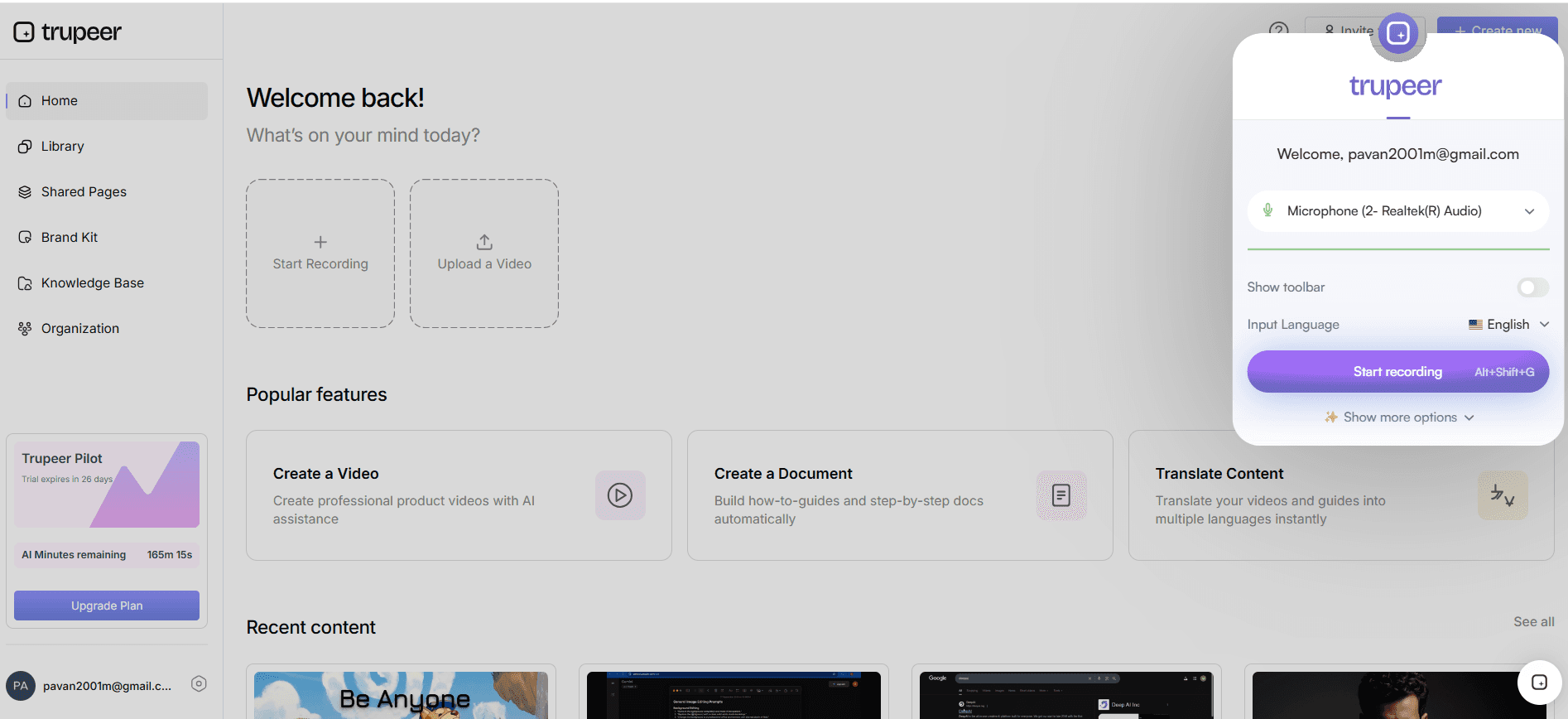
Begin by using Trupeer's AI screen recording with auto-zoom and click detection to capture existing procedures from both companies. Open the Trupeer browser-based recorder, which requires no installation, and start recording the workflows. The tool automatically detects clicks and zooms in on important actions, ensuring that nothing is missed. This step is crucial for documenting the legacy processes accurately, which serves as the foundation for your new standardized SOPs. Depending on the complexity of the processes, this could take anywhere from a few hours to several days of recording. Ensure that key stakeholders from both companies are involved to verify the accuracy of the recorded procedures.
Step 2: Generate Draft SOPs
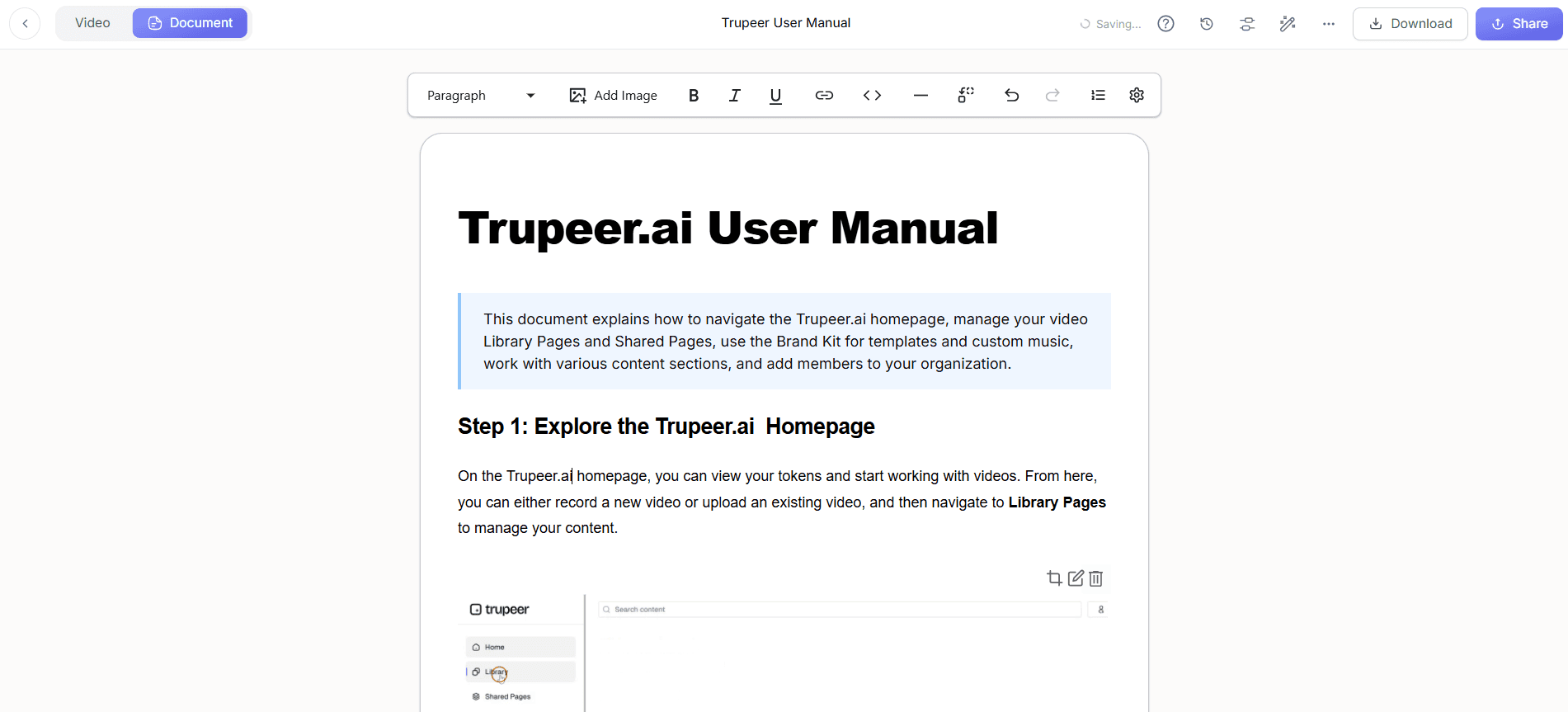
Next, use Trupeer's automatic SOP generation from any recording. Once your recordings are complete, select them in the Trupeer dashboard and click on the "Generate SOP" option. Trupeer's AI will produce edit-ready SOP drafts, which you can export in various formats such as HTML, PDF, or SCORM. This feature saves significant time compared to manual documentation processes, allowing you to focus on refining the content rather than creating it from scratch. Plan for revisions as stakeholders review the drafts to ensure they capture all necessary details accurately.
Step 3: Enhance with AI Voiceover
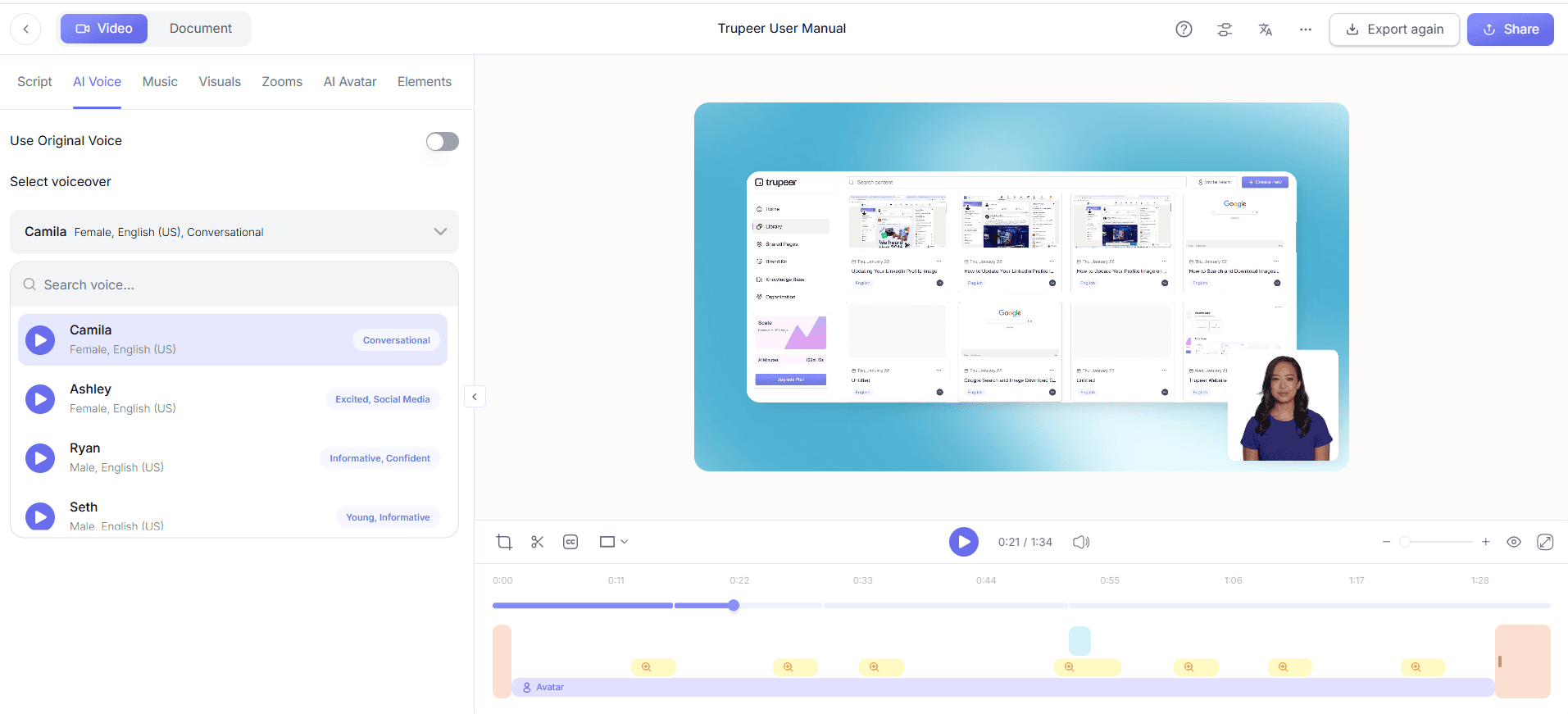
To make your SOPs more engaging, use Trupeer's AI voiceover feature. Select a voice that matches your organizational tone from over 65+ natural voices available. Simply upload your draft SOPs to the Trupeer platform and choose the "Add Voiceover" option. This feature allows you to adjust the pace and tone, ensuring the narration aligns with your brand voice. By incorporating audio, you make the SOPs more accessible and easier to follow, especially for employees who prefer auditory learning. This step typically takes a few minutes per SOP, depending on the length of the document.
Step 4: Translate for Global Teams
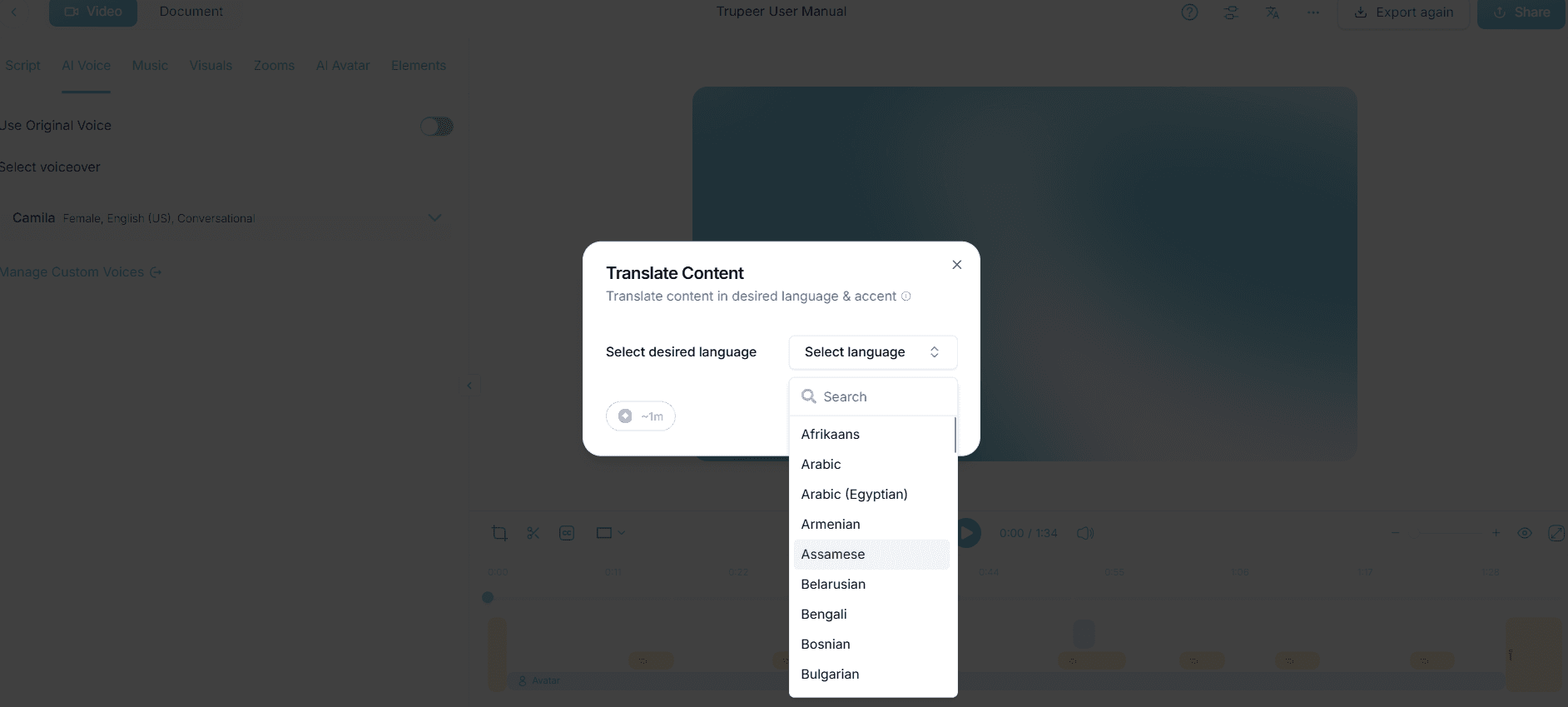
For organizations with multilingual teams, use Trupeer's AI translation into 40+ languages. Upload your SOPs and select the "Translate" feature. Trupeer's AI not only translates the text but also offers lip-sync for videos, ensuring all employees receive consistent information regardless of their language. This capability is particularly useful for companies operating in diverse geographical locations. Expect the translation process to take a few hours, depending on the volume of content. Ensure native speakers review the translations to confirm cultural and contextual accuracy.
Step 5: Host on a Custom Domain
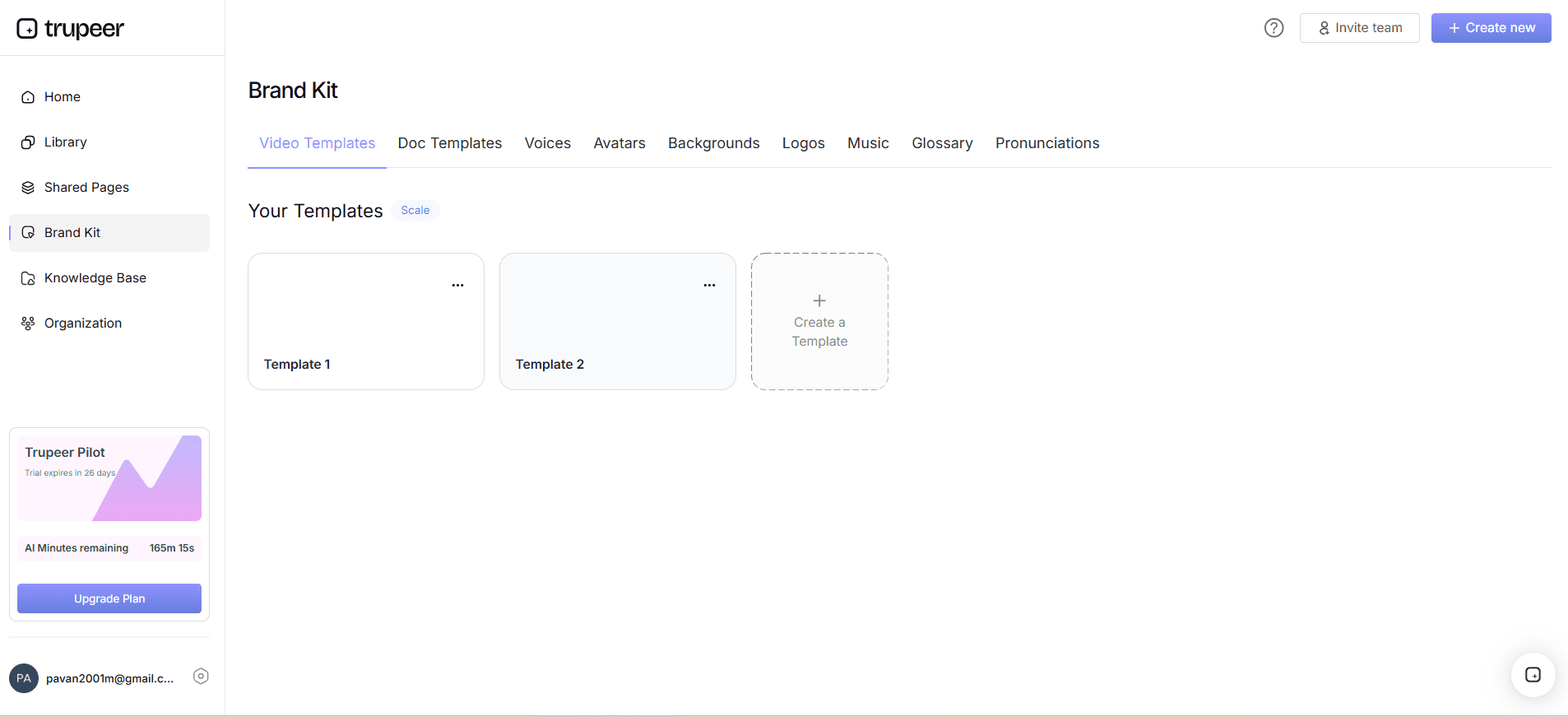
To make your standardized SOPs easily accessible, use Trupeer's custom-domain hosting with SSO. Set up a dedicated portal where employees can log in securely to access the documentation. This centralized location ensures everyone in the newly merged organization can find the information they need without hassle. Single sign-on integration simplifies the login process, reducing barriers to access. Plan for an initial setup period, which could take a week to ensure all security protocols are in place and the domain is configured correctly. For a deeper look, our guide on process mapping tools covers the adjacent playbook.
Step 6: Monitor Usage and Feedback
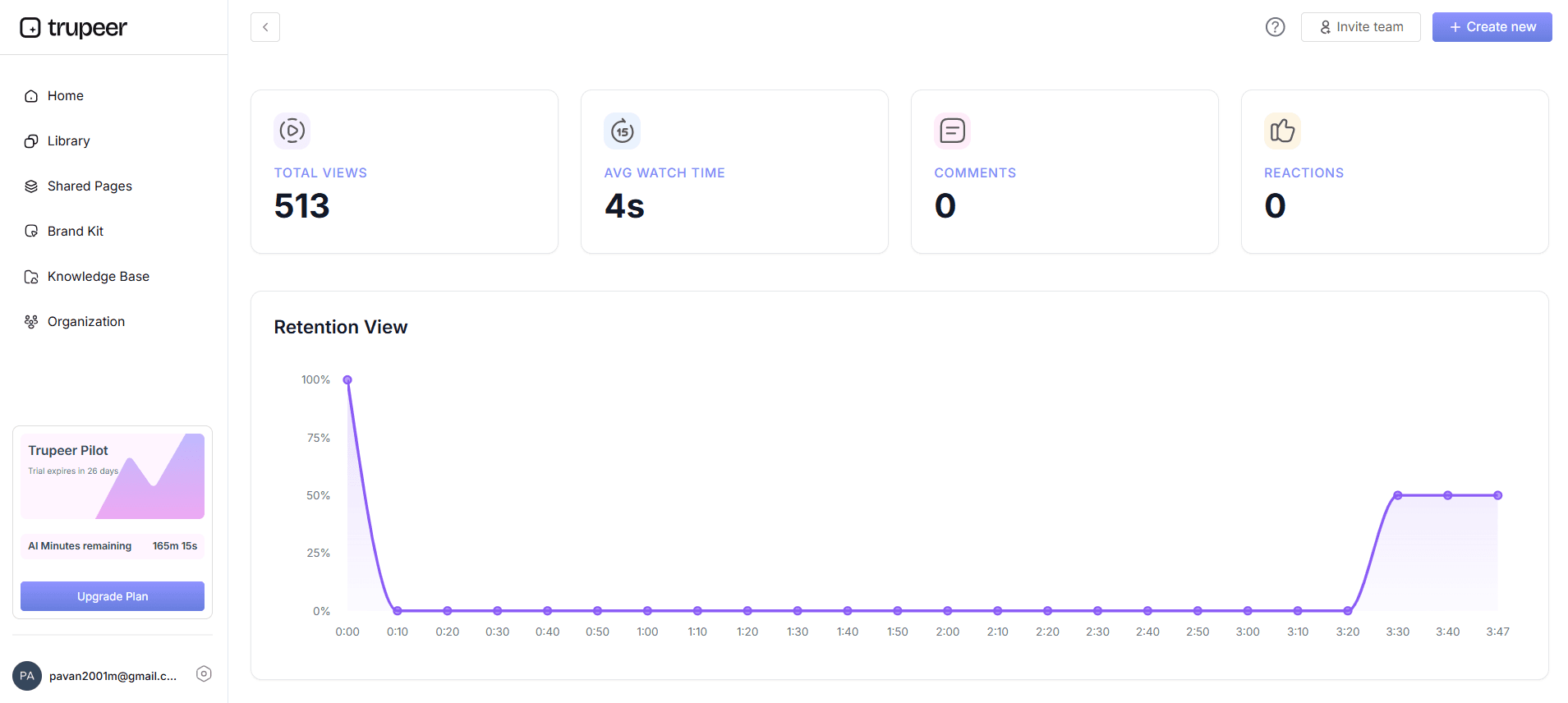
Finally, use Trupeer's viewer engagement analytics to monitor how the SOPs are being used. Access the analytics dashboard to view drop-off rates and heatmaps, providing insights into which sections employees find unclear or unengaging. Use this data to make iterative improvements, ensuring that the SOPs remain relevant and useful over time. Engage with users to gather qualitative feedback, which can provide context to the quantitative data. This ongoing process ensures that your documentation continuously evolves to meet organizational needs.
What tips help you standardize post-merger SOPs?
Implementing a post-merger standardization process can be complex. Here are some practical tips to make the transition smoother and more effective:
Involve key stakeholders early. Engage leaders from both companies in the documentation process to ensure all perspectives are considered and validated.
Use consistent templates. Apply a unified template across all documents to maintain brand consistency and make documents easier to navigate. ai/tools/operations-process-documentation-software">operations process documentation software to manage this.
Schedule regular reviews. Set up periodic reviews of all SOPs to keep them up-to-date and relevant, adapting to any changes in business processes.
Train employees. Conduct training sessions on how to access and use the new standardized documentation system effectively.
use technology. Use tools like Trupeer to automate and enhance the documentation process, reducing manual workload and errors.
Communicate changes clearly. Keep employees informed about the new processes and where to find updated documents to minimize confusion.
Consider external benchmarks. Analyze industry standards and best practices to ensure your SOPs are competitive and effective. Review a Scribe alternative comparison for insights.
Frequently asked questions
How do I ensure my SOPs are compliant with industry standards?
To ensure your SOPs comply with industry standards, start by thoroughly researching the regulations and requirements that apply to your sector. Incorporate these guidelines into your documentation from the outset. Regularly update your SOPs to reflect any changes in laws or standards. Using Trupeer's automatic SOP generation and export features can help maintain compliance by ensuring that changes are consistently applied across all documents. also, engage with legal and regulatory advisors to review your SOPs periodically, ensuring they meet all necessary criteria.
What should I prioritize when starting the standardization process?
Begin by prioritizing the documentation that directly impacts business operations and compliance. Identify the most critical processes and ensure they are documented accurately and thoroughly. This includes safety protocols, quality control measures, and customer service procedures. Use Trupeer's AI screen recording to capture these processes accurately. Once the core documentation is standardized, expand your focus to include secondary processes. Regular reviews and stakeholder engagement are essential to maintain the relevance and accuracy of all documentation.
Can I integrate Trupeer with existing systems?
Yes, Trupeer can be integrated with existing systems to enhance your documentation processes. The platform's API capabilities allow for smooth integration with popular project management and collaboration tools, ensuring that your documentation is easily accessible across different platforms. By using AI video translation and other Trupeer features, you can simplify your documentation processes, making them more efficient and effective. Proper integration reduces duplication of effort and enhances the overall workflow.
Why is stakeholder involvement crucial in SOP standardization?
Stakeholder involvement is crucial because it ensures that the documentation reflects the practical realities and needs of the organization. Engaging stakeholders from different departments provides diverse perspectives and insights, leading to more comprehensive and accurate SOPs. This involvement also promotes buy-in and acceptance of the standardized processes, reducing resistance and building cooperation. Regular feedback from stakeholders helps identify areas for improvement and ensures the documentation remains relevant and effective.
Does Trupeer support multilingual documentation?
Yes, Trupeer supports multilingual documentation through its AI translation feature, which enables translation into 40+ languages. This capability is essential for global organizations that need to provide consistent information across different regions. Trupeer also offers AI dubbing, ensuring that video content is accessible in multiple languages. By supporting multilingual documentation, Trupeer helps organizations maintain consistency and clarity in their communications, regardless of language barriers, enhancing the overall efficiency of the documentation process.