Trupeer Blog
Summarise
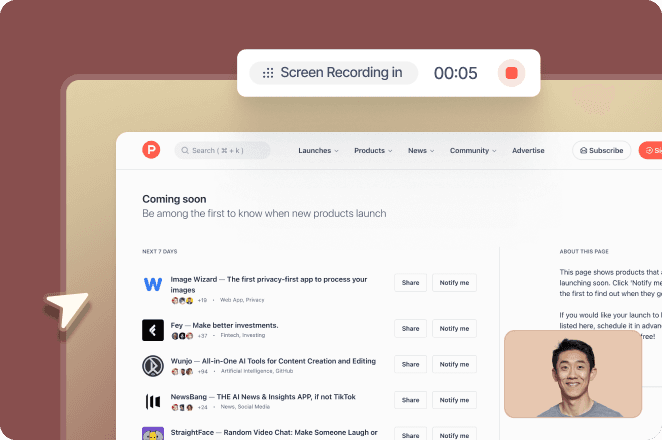
Imagine managing IT environments for a dozen different clients, each with its own unique configurations and processes. For IT Managed Service Providers (MSPs), this is a daily reality. The challenge is not just to manage these environments but to do so efficiently and consistently. Creating standardized Standard Operating Procedures (SOPs) is crucial, yet traditional text-based documentation often falls short. This is where video-based SOPs come into play. Videos can encapsulate complex procedures in a visual format that’s easier for teams to follow and understand. One concrete example is a client who reduced onboarding time by 30% by switching to video SOPs.
But how do you go about creating these video SOPs effectively? The process involves recording, editing, and distributing these videos in a way that ensures they are accessible and understood across all client accounts. This is where tools like creating effective video SOPs can make a significant difference. By using the right technology, you can create a library of video SOPs that are easy to update and share across different platforms. This not only enhances consistency but also improves the overall quality of service delivered to clients.
Why does standardizing SOPs with video matter?
Standardizing SOPs using video is not just a trend; it’s a necessity for MSPs dealing with multiple client environments. The core issue lies in the diversity of client systems and the need for simplified processes. Each client may have different hardware, software, and workflows. As an MSP, you need to ensure that your team can transition smoothly between these environments without compromising on service quality or efficiency. This is where video SOPs can make a substantial impact by providing a consistent training and reference tool that transcends textual limitations.
For example, when a new technician joins the team, the learning curve can be steep. Text-based SOPs often leave room for interpretation, leading to errors and inconsistencies. Video SOPs, on the other hand, provide a visual walkthrough that minimizes misunderstandings. According to a training videos workflow, employees learn 60% faster when instructions are delivered through video compared to text. This translates to a more efficient onboarding process, reduced errors, and ultimately, higher client satisfaction.
Also, video SOPs help in maintaining a consistent service level across all client accounts. When procedures are standardized and visualized, it becomes easier for technicians to follow them precisely. This consistency is crucial in maintaining client trust and ensuring that service delivery meets the agreed-upon standards. also, video SOPs are easier to update and distribute, ensuring that all team members have access to the latest procedures. This adaptability is vital in a field where technology and client requirements are constantly evolving.
What are the benefits of video-based SOPs?
Video-based SOPs offer several advantages over traditional text-based documentation, making them a valuable tool for MSPs. Here are some of the key benefits:
Improved Understanding. Videos provide a visual and auditory learning experience that enhances comprehension. For instance, a top client training video shows that 80% of users prefer video instructions over text, leading to better retention and application of information.
Consistency Across Teams. With video SOPs, every technician receives the same information, reducing variability in service delivery. This consistency ensures that clients receive uniform service regardless of who performs the task.
Faster Onboarding. New technicians can get up to speed more quickly by watching video SOPs. This method reduces the typical onboarding time by about 30%, as evidenced by a case study from an MSP that adopted video SOPs.
Easy Updates. Updating a video is often simpler than revising a text-based document. Tools like an AI video platform make it easy to edit and redistribute updated SOPs, ensuring that all team members have access to the latest procedures.
Engagement and Retention. Videos are more engaging than text, which helps in retaining the viewer’s attention. This is particularly important for complex procedures where focus is crucial.
Scalable Distribution. Video SOPs can be distributed through various channels, making them accessible to all team members regardless of location. This scalability is particularly beneficial for MSPs with remote teams or multiple office locations.
Which Trupeer features help you create video SOPs?
Trupeer offers a range of features tailored to create and manage video SOPs for MSPs. These capabilities ensure that your SOPs are not only effective but also easy to produce and maintain.
AI Screen Recording with Auto-Zoom and Click Detection
This feature allows you to capture detailed screen recordings effortlessly. The AI automatically zooms in on areas of interest and detects clicks, ensuring that the important parts of your process are highlighted. This is particularly useful for creating clear and concise SOPs that focus on critical steps without unnecessary details. By using Trupeer's AI documentation platform, you can generate precise recordings that can be converted into comprehensive SOPs with minimal effort.
Automatic SOP Generation from Any Recording
Once a screen recording is captured, Trupeer can automatically generate an SOP from it. This capability transforms raw video data into structured documentation, making it easy to edit and export in multiple formats. This feature is invaluable for MSPs who need to maintain a library of SOPs that are both up-to-date and easily accessible. Trupeer's AI-searchable knowledge base further enhances this capability by indexing every SOP and making it searchable by keyword or timestamp.
AI Voiceover in 65+ Natural Voices
Adding narration to your video SOPs can significantly enhance their effectiveness. Trupeer offers AI-generated voiceovers in over 65+ natural voices, allowing you to choose the tone and pace that best suits your audience. This feature ensures that your SOPs are not only visually clear but also audibly engaging, helping to reinforce the learning process. The training video software for internal documentation allows for smooth integration of voiceovers into your video SOPs.
AI Avatars / Talking-Head Video
For added personalization, Trupeer enables you to incorporate AI avatars into your video SOPs. These talking-head videos can be customized to match your brand or client needs, providing a human touch to the information being conveyed. This feature is particularly useful when you want to engage your audience on a more personal level, making the SOPs more relatable and easier to follow.
Auto Chapters and Segment Detection
Organizing long video SOPs into digestible segments is crucial for user comprehension. Trupeer's auto chapters and segment detection feature automatically divides your videos into logical sections. This not only makes it easier for viewers to navigate the content but also allows them to refer back to specific parts as needed. This functionality is complemented by the video knowledge base where users can access timestamped deep-links for quick reference.
How do you standardize SOPs with video step by step with Trupeer?
Step 1: Capture the Workflow
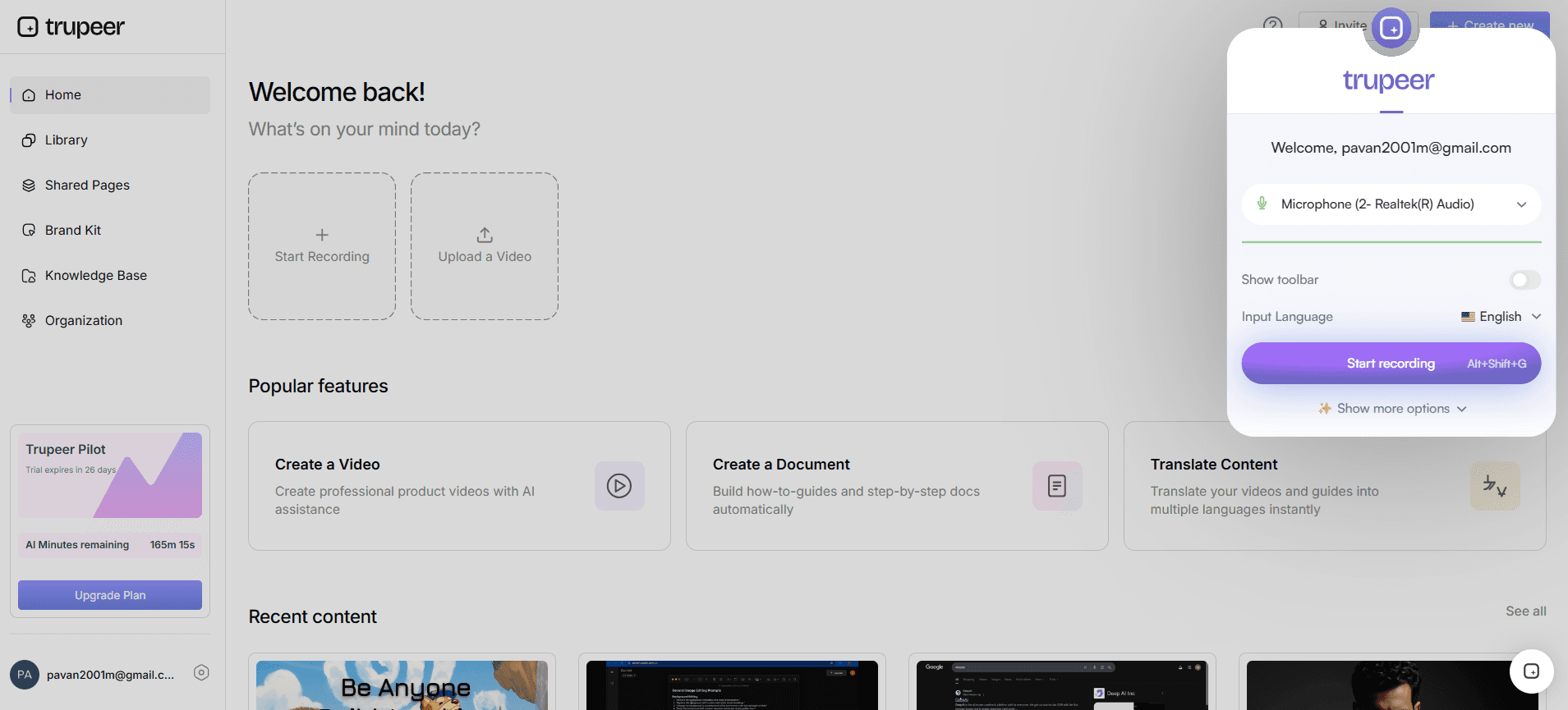
Begin by using Trupeer's AI screen recording with auto-zoom and click detection. This feature automatically highlights important areas on the screen, ensuring that viewers focus on the critical parts of the process. You simply click the record button in the browser-based recorder, which requires no installation, making it quick and accessible for any user. The recording captures all interactions and automatically detects clicks, which is vital for creating a detailed SOP. This step can take anywhere from a few minutes to an hour, depending on the complexity of the procedure being documented.
Step 2: Edit the Recording
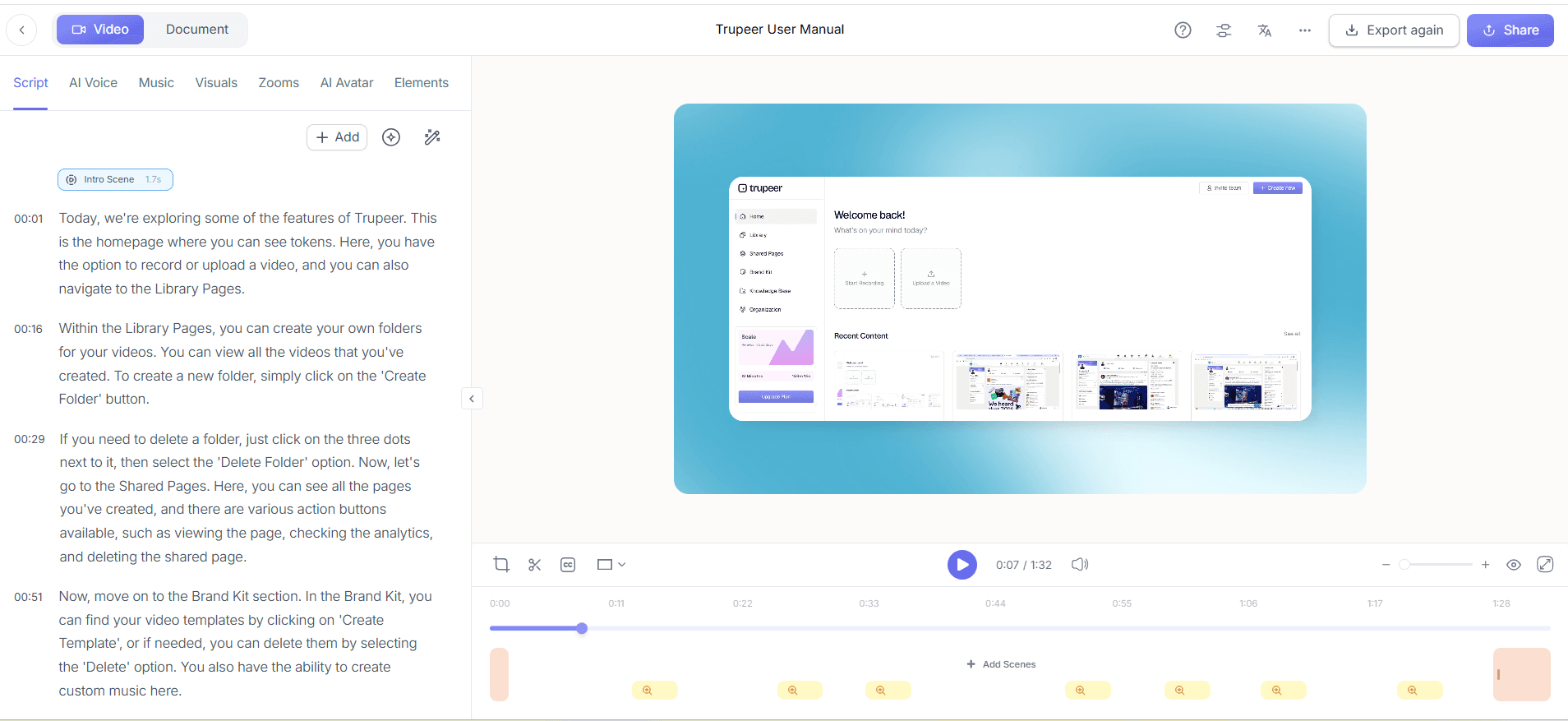
Once the recording is complete, you move on to editing. Trupeer's automatic filler-word removal feature helps clean up any "ums" and "ahs," ensuring a professional and concise final product. This editing process is automated, saving you significant time. You can also use the AI voiceover feature to add narration in over 65+ natural voices, adjusting the pace and tone to match your audience's needs. This step typically takes about 30 minutes, depending on the length of your recording.
Step 3: Generate the SOP
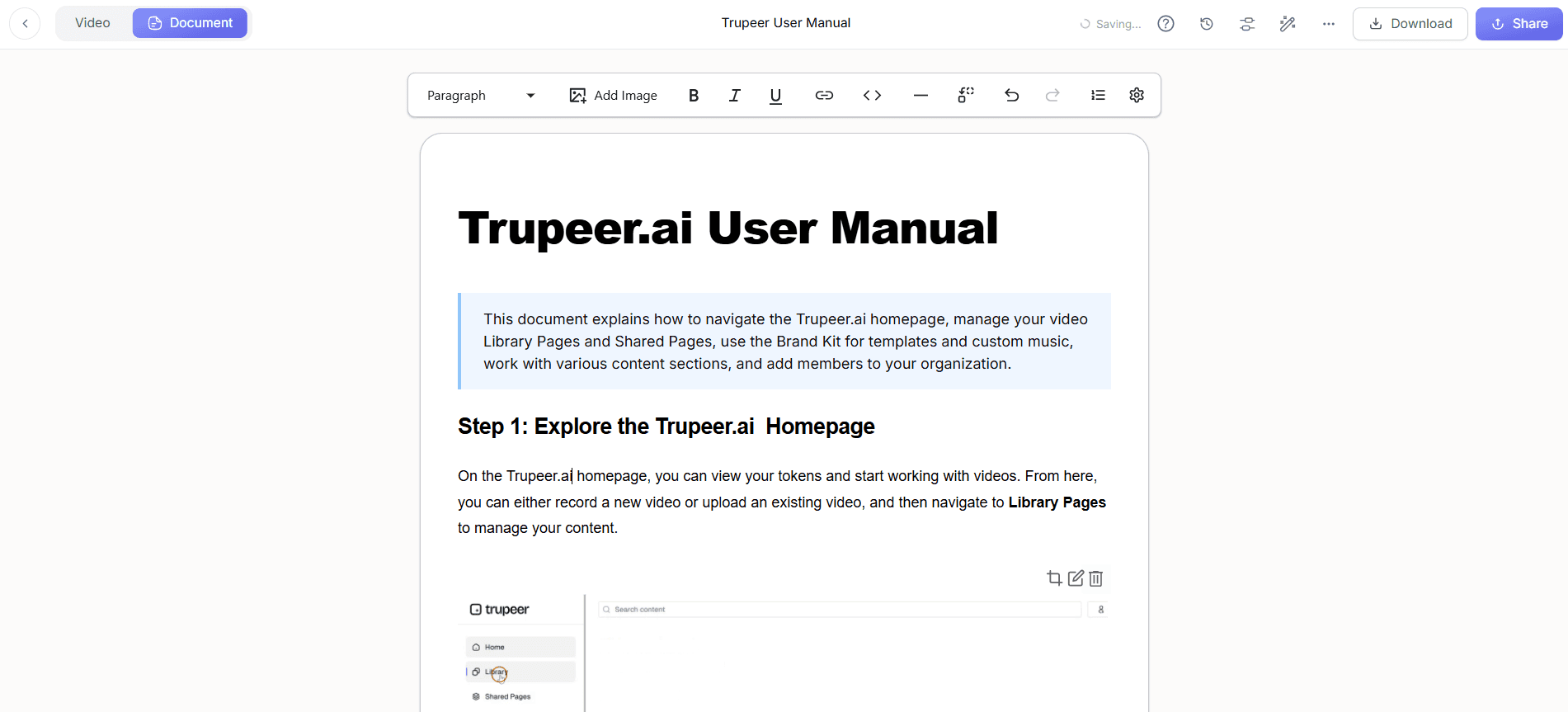
After editing, you use Trupeer's automatic SOP generation feature. This capability transforms your video recording into a structured SOP document that is ready for review and export. With a few clicks, you can export the SOP in multiple formats, such as MP4, HTML, or PDF, making it versatile for different platforms. The generation process is swift, usually taking less than 10 minutes. It efficiently organizes the content, allowing for easy updates and distribution later.
Step 4: Localize the SOP
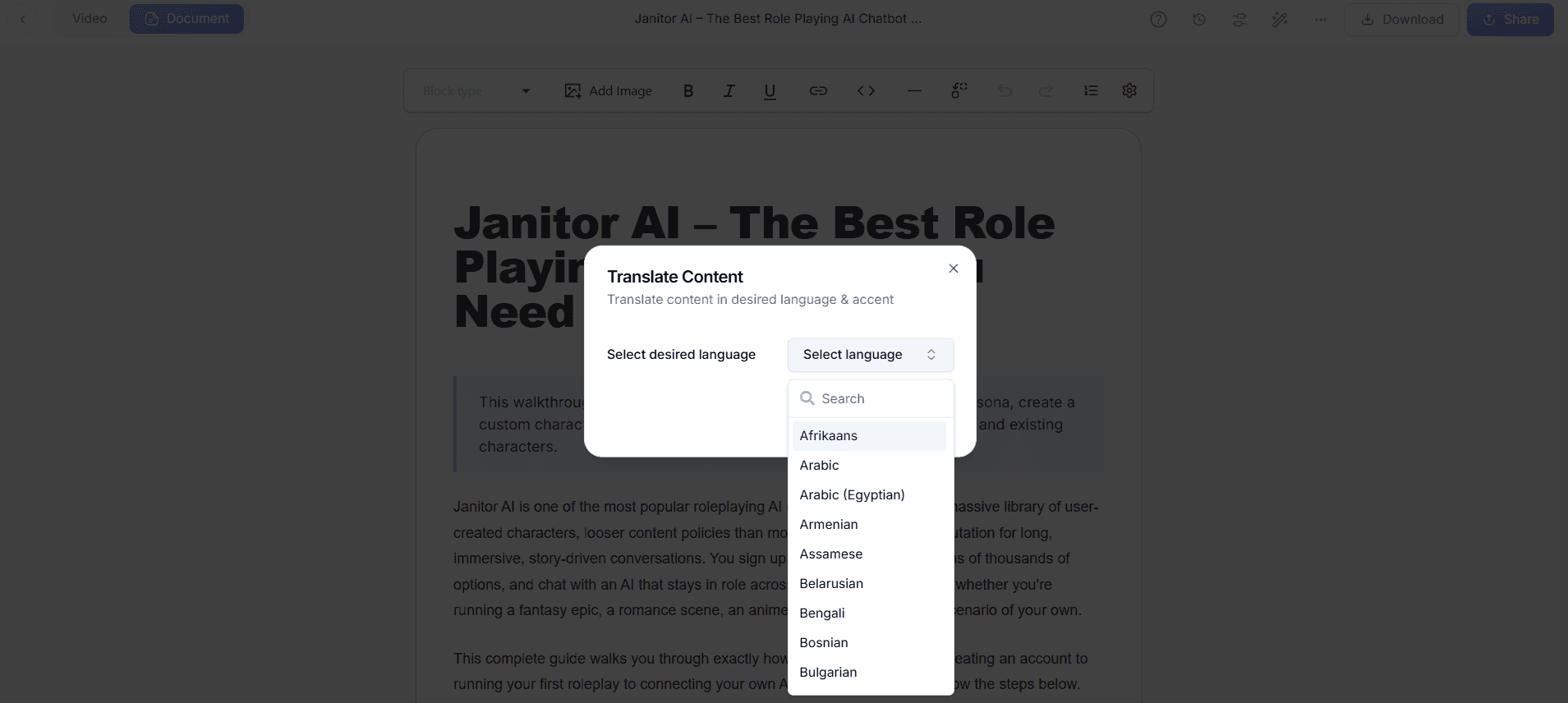
If you're dealing with international clients, Trupeer's AI translation into 40+ languages with lip-sync is invaluable. You select the desired languages, and the AI handles the translation and dubbing process, ensuring that the SOPs are accessible to non-English speaking audiences. This capability is particularly useful in global operations, where consistent communication is key. The localization process is smooth and typically completes within 20 minutes, offering a cost-effective solution compared to manual translation services.
Step 5: Distribute the SOP
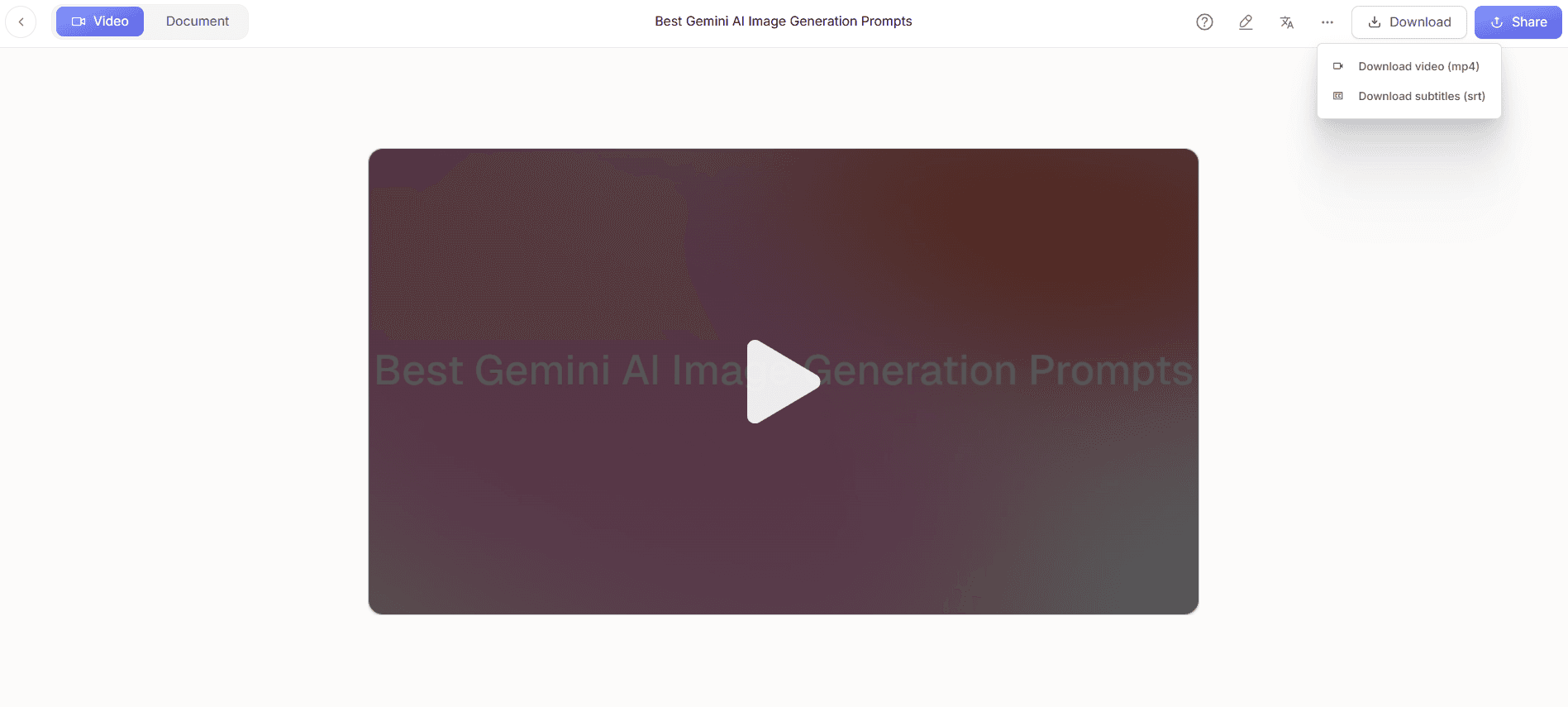
Once your SOP is ready and localized, it's time for distribution. Trupeer's custom-domain hosting with SSO allows you to share SOPs securely across your organization. You can also embed the SOP video in client-facing portals or shared pages, ensuring easy access for your team and clients. This feature supports scalable distribution, making it ideal for MSPs with multiple clients and remote teams. The setup is straightforward, taking only a few minutes to complete, and ensures that your SOPs are always accessible and secure.
Step 6: Measure Engagement
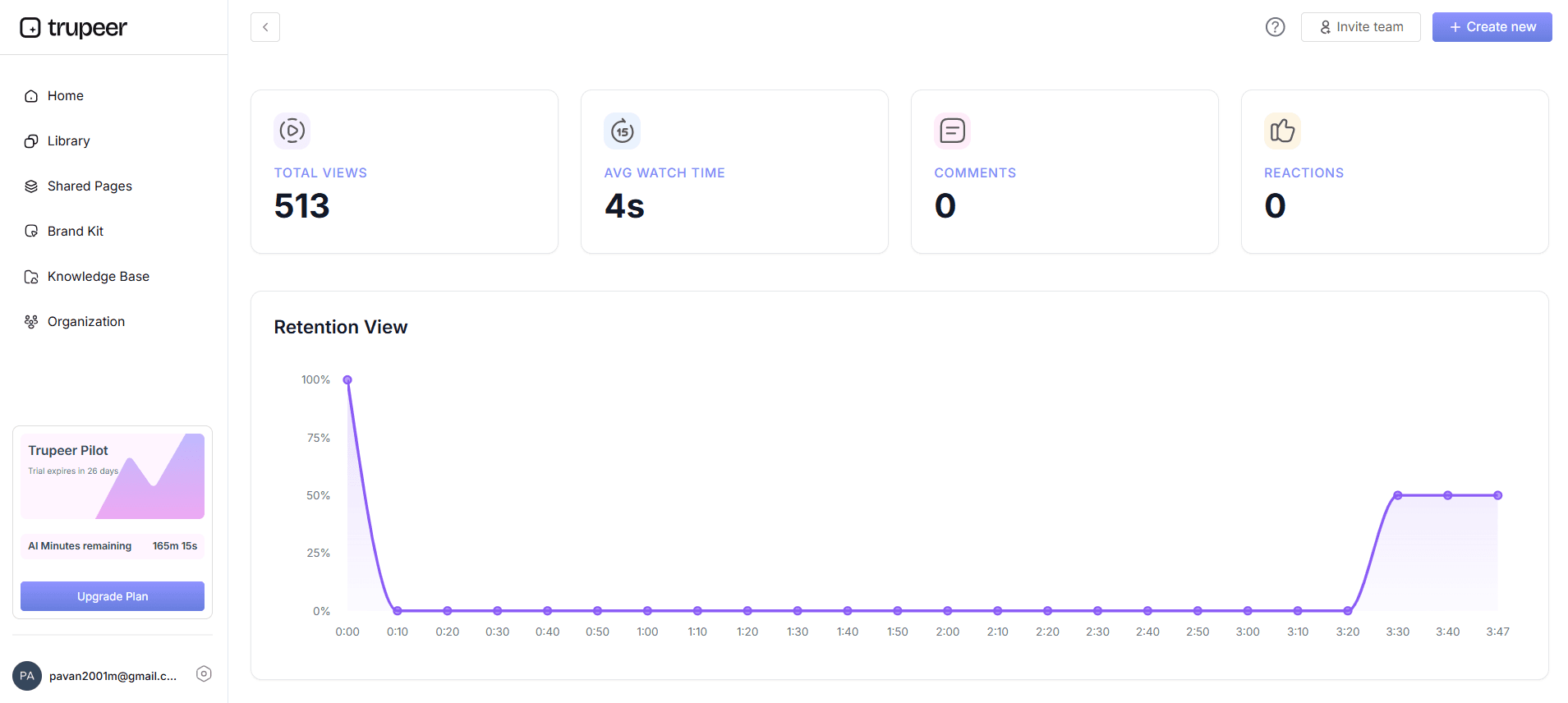
Finally, use Trupeer's viewer engagement analytics to monitor how your SOPs are being used. This tool provides insights into viewer behavior, showing drop-off points and heatmaps to identify which parts of the SOP need improvement. It's crucial for understanding the effectiveness of your SOPs and making data-driven decisions for future updates. The analytics dashboard is user-friendly and provides real-time data, allowing you to make adjustments as needed to improve the utility of your SOPs. When SOPs come into the same conversation, a Scribe alternatives comparison helps clarify the scope.
What tips help you standardize SOPs with video?
Creating effective video SOPs requires attention to detail and a strategic approach. These tips will help ensure your SOPs are both useful and efficient:
Plan Your Content. Before recording, outline the steps you’ll cover. This planning helps keep your videos concise and focused.
Use Consistent Branding. Implement brand kits and templates to maintain a consistent visual style across all SOPs, enhancing professionalism.
use AI Tools. use features like automatic filler-word removal to simplify editing and ensure clarity in your videos.
Test Your SOPs. Share your SOPs with a small team first to gather feedback, ensuring they’re clear and comprehensive before full deployment.
Keep Videos Short. Aim for videos under 10 minutes to maintain viewer engagement. If needed, break down longer processes into shorter, focused videos.
Regularly Update Content. Technology changes rapidly, so set a schedule to review and update SOPs quarterly to keep them relevant.
use Analytics. Use viewer engagement analytics to refine your SOPs based on actual user interaction, enhancing their effectiveness over time.
Teams weighing tools often start with a Loom alternatives comparison before standardizing on a workflow.
Frequently asked questions
How do video SOPs improve training efficiency?
Video SOPs enhance training efficiency by providing visual and auditory instructions, which are easier to understand and remember than text alone. This approach reduces the time required for training by approximately 30%, as it conveys complex information more clearly. The visual format allows trainees to see the exact steps in action, reducing errors and increasing retention. Trupeer’s AI tools further simplify this process by enhancing video clarity and accessibility.
What are the challenges of creating video SOPs?
Creating video SOPs can be time-consuming initially, as they require careful planning, recording, and editing. However, with tools like Trupeer, these processes are automated, reducing the manual workload. Another challenge is keeping the content up-to-date, which is essential in fast-evolving tech environments. Regular reviews and updates of the SOPs are necessary to ensure they remain relevant and useful to your team and clients.
Can video SOPs be integrated with existing documentation systems?
Yes, video SOPs can be integrated with existing documentation systems using Trupeer’s multi-format export options. You can export SOPs in formats like HTML or PDF, allowing them to be incorporated into existing knowledge bases or document management systems. This flexibility ensures that video SOPs complement and enhance your current documentation strategy, rather than replacing it. For global audiences, adding AI video translation extends the same workflow across 40+ languages with lip-sync.
Why are localized video SOPs important?
Localized video SOPs are crucial for organizations operating in multilingual environments. They ensure that all team members, regardless of language, have access to the same quality of instruction. Trupeer’s AI translation and dubbing features make this process efficient and cost-effective, enabling you to reach a broader audience without language barriers. This inclusivity improves service delivery and client satisfaction across different regions.
Does Trupeer offer support for SOP distribution?
Yes, Trupeer offers solid support for SOP distribution through features like custom-domain hosting and client-facing portals. These tools ensure that your SOPs are easily accessible to all stakeholders, whether they are internal team members or external clients. The centralized distribution also ensures that everyone has access to the most current version of the SOPs, reducing confusion and ensuring consistency across the board.