Trupeer Blog
Summarise
Regulatory submissions in audit firms are not just about ticking boxes. They're about precision, clarity, and accountability. Imagine this: an audit firm is preparing its annual compliance report, a task involving extensive documentation and video evidence. This isn't just a matter of internal record-keeping; these documents are subject to regulatory scrutiny and can significantly impact the firm's reputation and bottom line. According to a recent industry survey,
over 75% of audit firms reported increased regulatory demands in the past two years.
For compliance officers and auditors, documenting processes accurately is crucial. They need tools that not only capture details but also present them in a format that's easy to review and audit. With the right combination of video and written documentation, firms can support submissions and inspections effectively. Audit firms must ensure their documentation processes meet regulatory expectations while also being efficient and adaptable enough to handle the inevitable changes in regulations. This blog will explore how audit firms can achieve this balance with the help of advanced documentation tools.
Why does the audit process documentation for regulatory submissions matter?
The importance of documenting audit processes for regulatory submissions cannot be overstated. Regulatory bodies require comprehensive documentation to verify that audit firms comply with industry standards. This documentation is not merely a formality; it serves as a critical piece of evidence that the firm has conducted its work with due diligence and integrity. Without it, firms could face severe penalties, including fines, suspension of practice, or even loss of license.
For stakeholders, such as compliance officers, auditors, and legal teams, the stakes are high. They rely on precise documentation to demonstrate compliance and to defend their practices during inspections. Inaccurate or incomplete documentation can lead to misunderstandings or misinterpretations that could jeopardize the firm's standing. also, the process of creating these documents should be efficient and optimized to ensure timely submissions. A simplified process not only saves time and resources but also enhances the firm's ability to respond to regulatory changes quickly. This is where innovative tools and methodologies come into play, offering solutions that are both reliable and adaptable.
With the increasing complexity of regulations, the need for precise and [training videos workflow](https://trupeer.ai/usecases/training-videos) has never been more critical. These videos help in illustrating processes and ensuring all team members are on the same page. They also serve as a valuable training resource for new auditors, helping them understand the firm's documentation standards. This integration of visual aids into the documentation process enhances clarity and reduces the likelihood of errors, thus supporting the firm's compliance efforts effectively.
What are the benefits of documenting audit processes for regulatory submissions?
There are several advantages to meticulously documenting audit processes for regulatory submissions, each contributing to a more efficient and compliant operation.
Improved Accuracy. By using an AI documentation generator, firms can minimize human error in documentation, ensuring that every detail is captured with precision.
Enhanced Compliance. Detailed process documentation supports compliance by providing clear evidence of adherence to regulatory standards, reducing the risk of penalties.
Time Efficiency. using a video generation platform allows firms to create documentation quickly, freeing up resources for more critical tasks.
Consistency Across Teams. Standardized documentation ensures that all teams within the firm are aligned, reducing miscommunications and improving overall efficiency.
Scalability. As firms grow, their documentation processes need to scale accordingly. Automated tools ensure that documentation can be scaled without a proportional increase in workload.
Reduced Training Time. New team members can quickly get up to speed with comprehensive documentation, reducing the time and cost of training.
Which Trupeer features help you document audit processes for regulatory submissions?
Trupeer offers a suite of features specifically designed to enhance the documentation of audit processes for regulatory submissions. These tools ensure accuracy, efficiency, and compliance, making them indispensable for audit firms. Teams weighing tools often start with a Loom alternatives comparison before standardizing on a workflow.
AI screen recording with auto-zoom and click detection
This feature allows users to capture screen activities in high detail. It's vital for creating precise video documentation of audit processes. As the software automatically detects clicks and zooms into relevant areas, viewers can easily follow the actions being taken, which is crucial for demonstrating compliance. This functionality is particularly useful for capturing complex workflows where manual tracking might miss crucial steps. The auto-zoom ensures that even the smallest details are visible, ensuring comprehensive coverage of all actions.
Automatic SOP generation from any recording
Trupeer's [auto-generated documentation](https://trupeer.ai/documentation) feature is a big shift for audit firms. By converting video recordings into ready-to-edit Standard Operating Procedures (SOPs), it simplifies the documentation process. This capability ensures that all steps are documented accurately and consistently, reducing the risk of non-compliance. The generated SOPs can be exported in various formats, making them easily accessible for review and submission.
AI-searchable knowledge base with timestamp deep-links
The [video knowledge base](https://trupeer.ai/knowledge-base) provided by Trupeer allows firms to store and organize their documentation efficiently. With AI-powered search capabilities, finding specific recordings or documentation becomes a breeze. Timestamp deep-links enable users to jump directly to relevant sections of a video, saving time and ensuring that the right information is accessed quickly. This feature is invaluable during audits or inspections when time is of the essence.
AI voiceover in 65+ natural voices, adjustable pace and tone
This feature enhances the quality of video documentation by providing clear, professional narration. The ability to choose from over 65+ natural voices and adjust pace and tone ensures that the narration matches the firm's branding and communication standards. This not only improves the clarity of documentation but also makes it more engaging for viewers, which is crucial for training and compliance purposes.
Embeddable video widgets for in-app guidance
Trupeer's [process documentation software tool](https://trupeer.ai/tools/process-documentation-software) includes the ability to embed video widgets within applications. This feature is particularly useful for providing on-the-spot guidance to team members as they navigate complex processes. By integrating videos directly into the workflow, firms can ensure that all users have access to the necessary documentation exactly when and where they need it, enhancing both efficiency and compliance.
How do you document audit processes for regulatory submissions step by step with Trupeer?
Step 1: Capture the Process
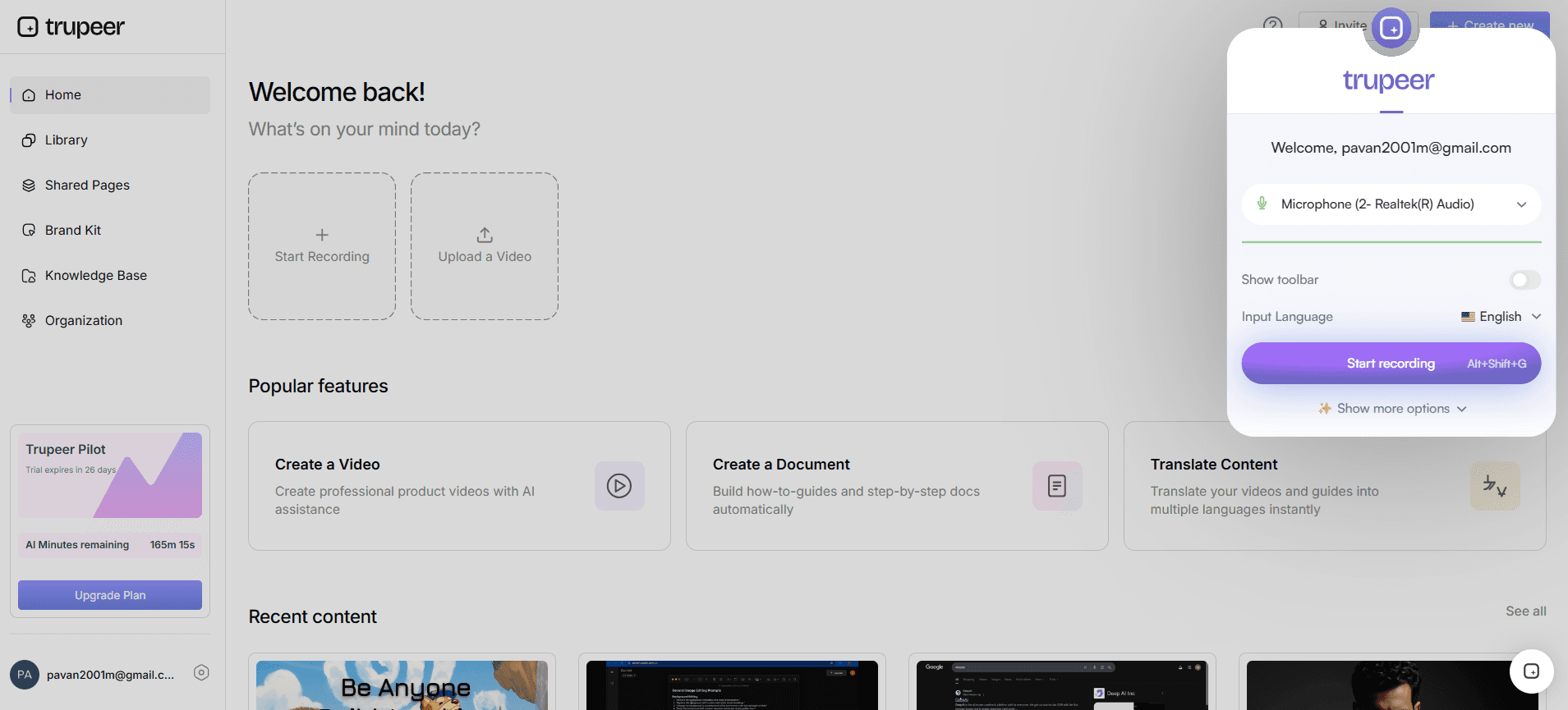
Begin by using Trupeer's AI screen recording with auto-zoom and click detection. Open the Trupeer browser-based recorder, which requires no installation, and select the area of the screen you want to record. As you navigate through the audit process, the tool automatically zooms in on clicks and important actions, ensuring clarity in the recording. This feature is particularly useful for complex processes where manual tracking might miss crucial details. Once you finish, stop the recording, and Trupeer will save the video file to your account, ready for further processing. This step typically takes as long as the audit task itself, plus a few minutes for setup and finalization. For a deeper look, our guide on process mapping tools covers the adjacent playbook.
Step 2: Generate SOPs from Recordings
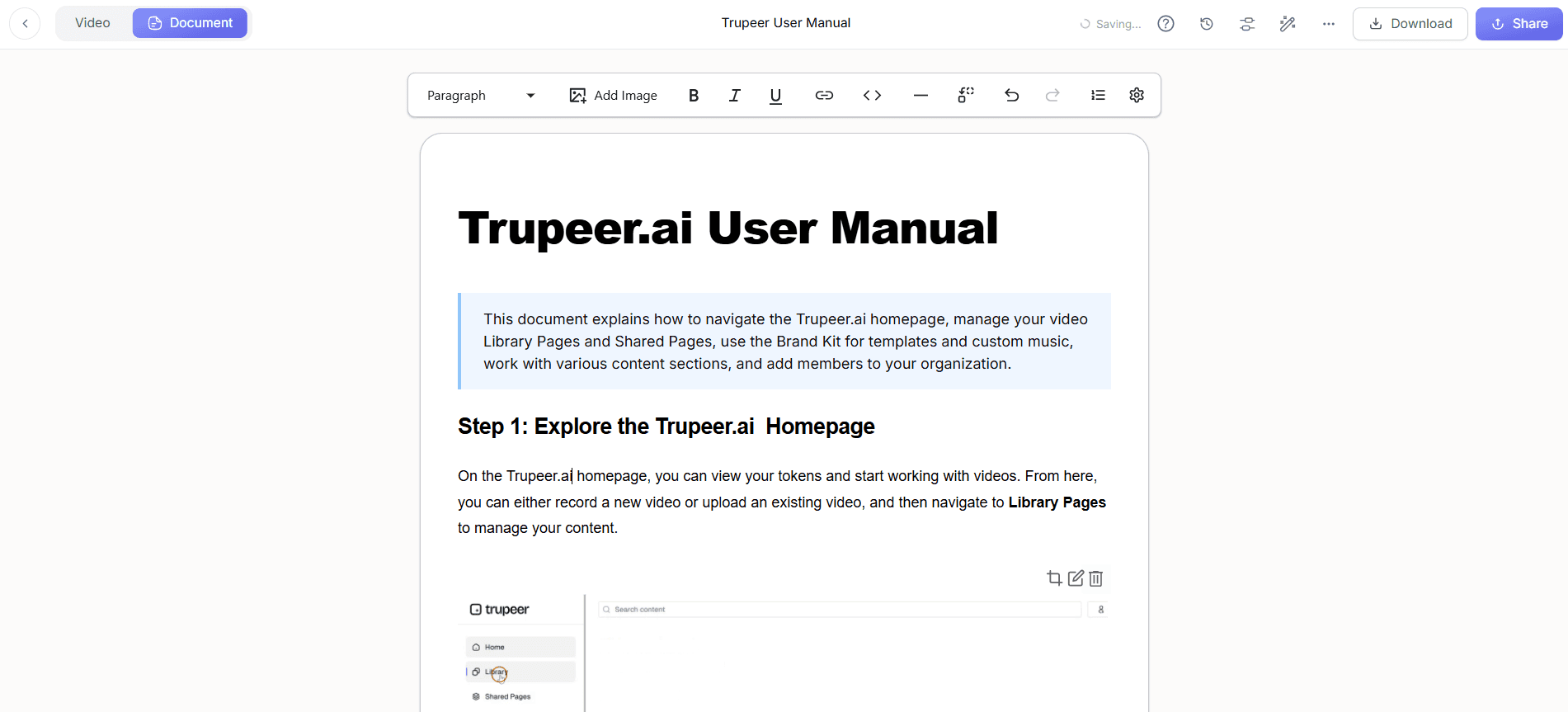
Next, use Trupeer's automatic SOP generation feature. After recording, navigate to your Trupeer dashboard and select the recording. Click on the "Generate SOP" option. Trupeer automatically converts your video into a structured, edit-ready SOP document. This document includes all steps with detailed descriptions and timestamps, ensuring that nothing is missed. This process usually takes a few minutes, making it a quick and efficient way to create accurate documentation. In edge cases where complex processes are involved, you might need to review and make minor edits to the generated SOP for clarity.
Step 3: Enhance with AI Voiceover
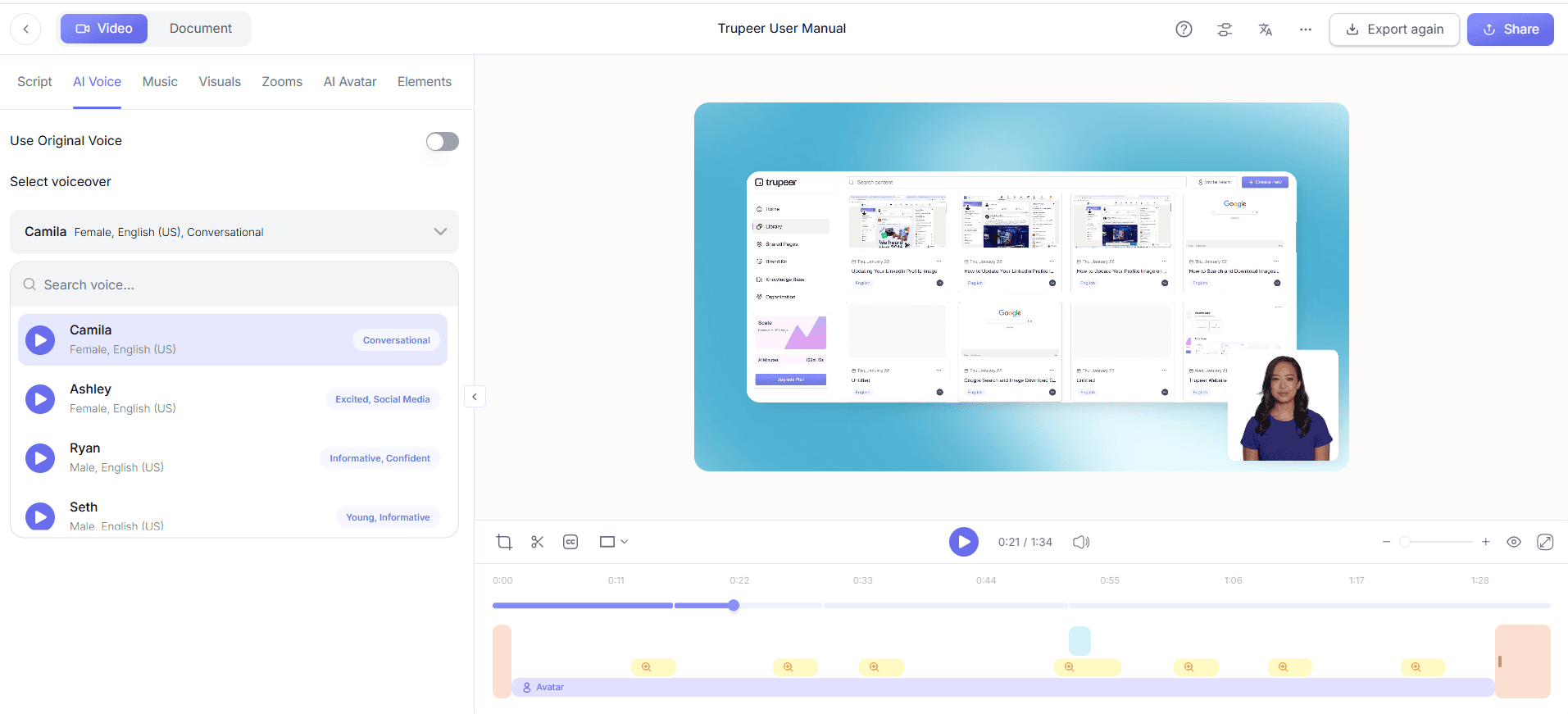
To add a professional touch, use Trupeer's AI voiceover in 65+ natural voices. Go to the video editor, select your recording, and choose the "Add Voiceover" feature. Pick a voice that matches your firm's branding, and adjust the pace and tone as needed. This feature allows you to narrate the process clearly, providing context and explanation. It’s particularly useful for non-native English audiences or when clarity is paramount. The voiceover integration can be completed in under 10 minutes, depending on the video's length, and significantly enhances the presentation quality.
Step 4: Translate for Non-English Stakeholders
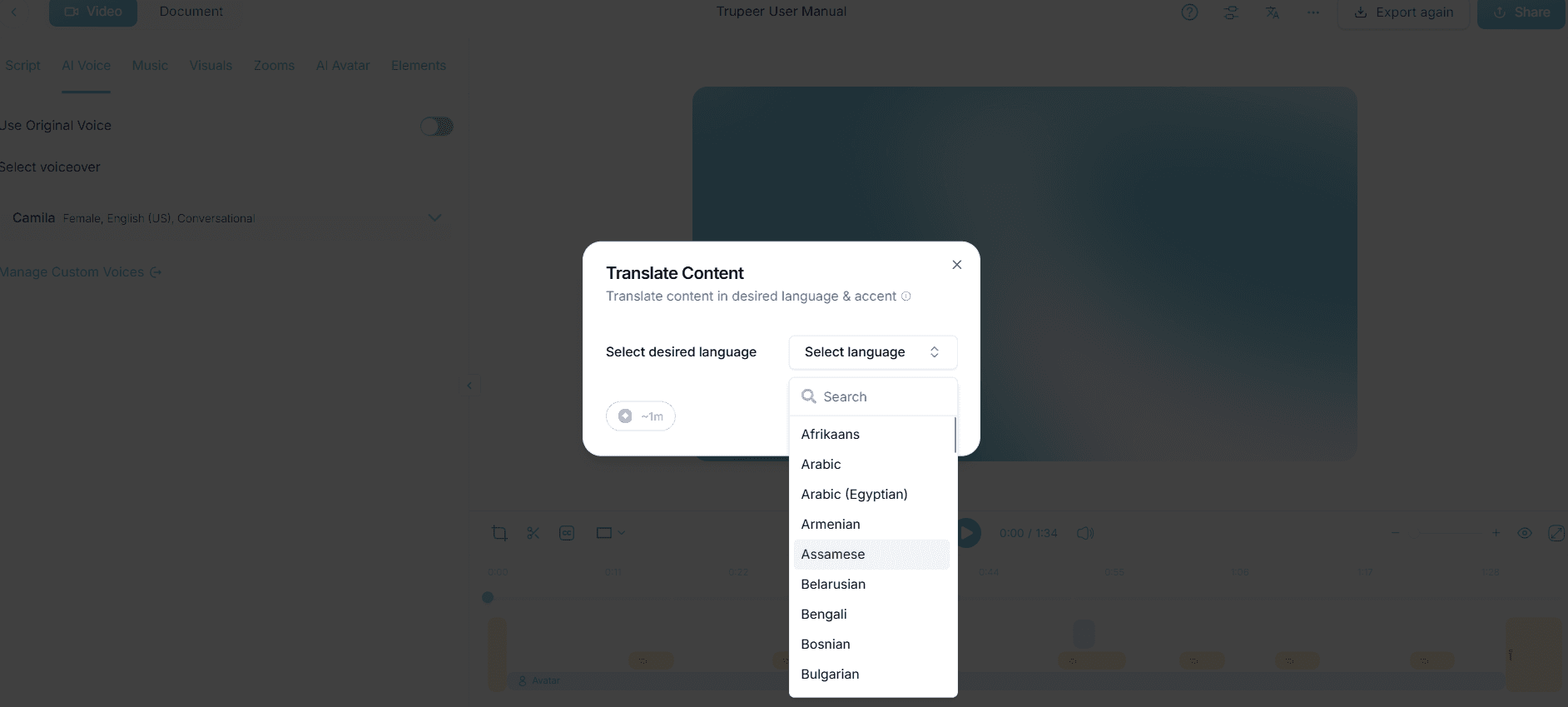
For international firms, translating the documentation is crucial. Use Trupeer's AI translation into 40+ languages. Select the "Translate" option on your video or SOP, and choose your target language. Trupeer handles the translation, including lip-sync adjustments in videos, ensuring that the message is clear and accurate. This feature is invaluable for firms operating in multilingual environments, ensuring that all stakeholders understand the documentation. Translation generally completes in under 15 minutes, though complex content may require a brief review to ensure cultural nuances are respected.
Step 5: Host on Custom Domains
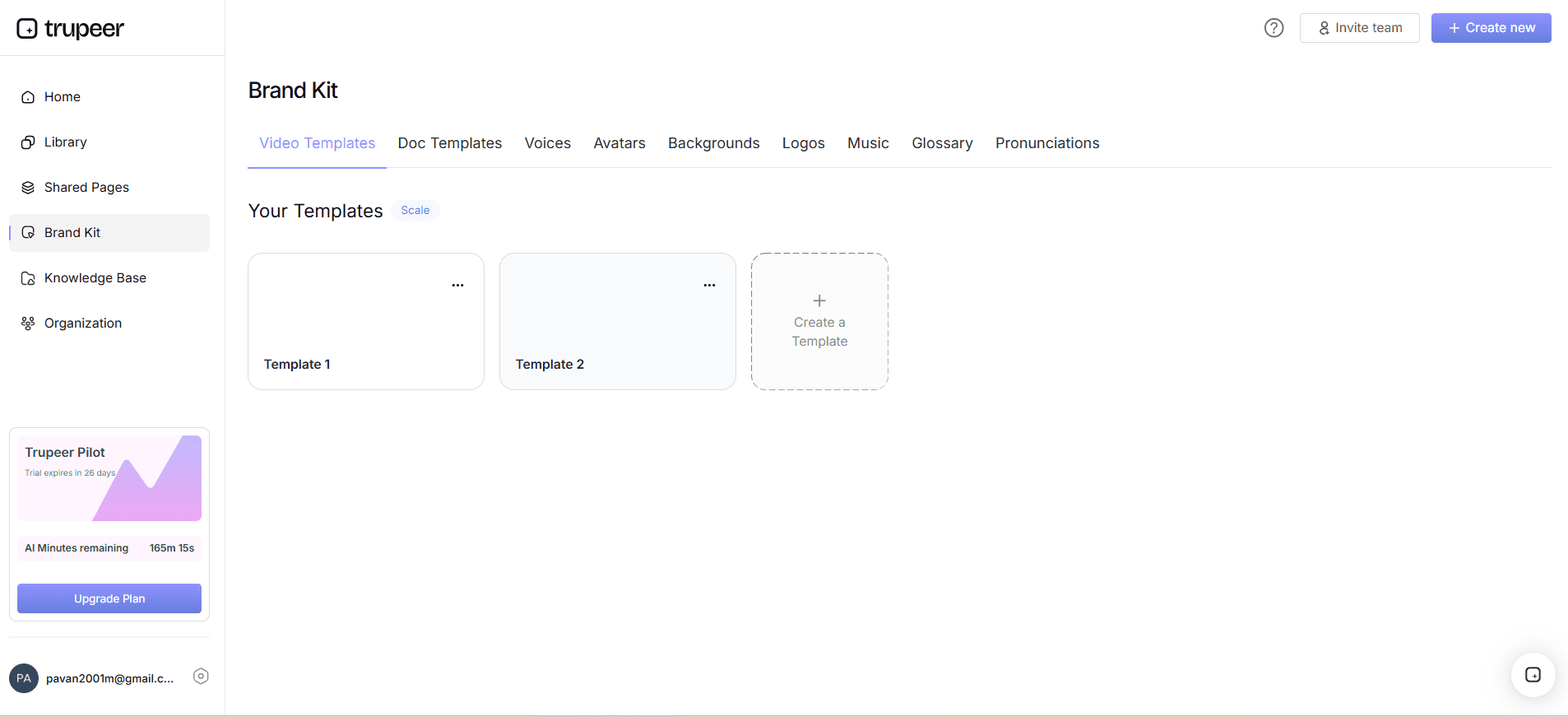
Use Trupeer's custom-domain hosting with SSO to publish your documentation. This feature allows you to host videos and SOPs on a secure, branded domain, accessible only to authorized users. Navigate to the hosting section in Trupeer, select your content, and configure your custom domain. This setup enhances security and provides a professional appearance, crucial for regulatory submissions. The hosting process is straightforward and typically takes about 20 minutes to configure, providing a centralized platform for all your documentation needs.
Step 6: Monitor Engagement and Gather Feedback
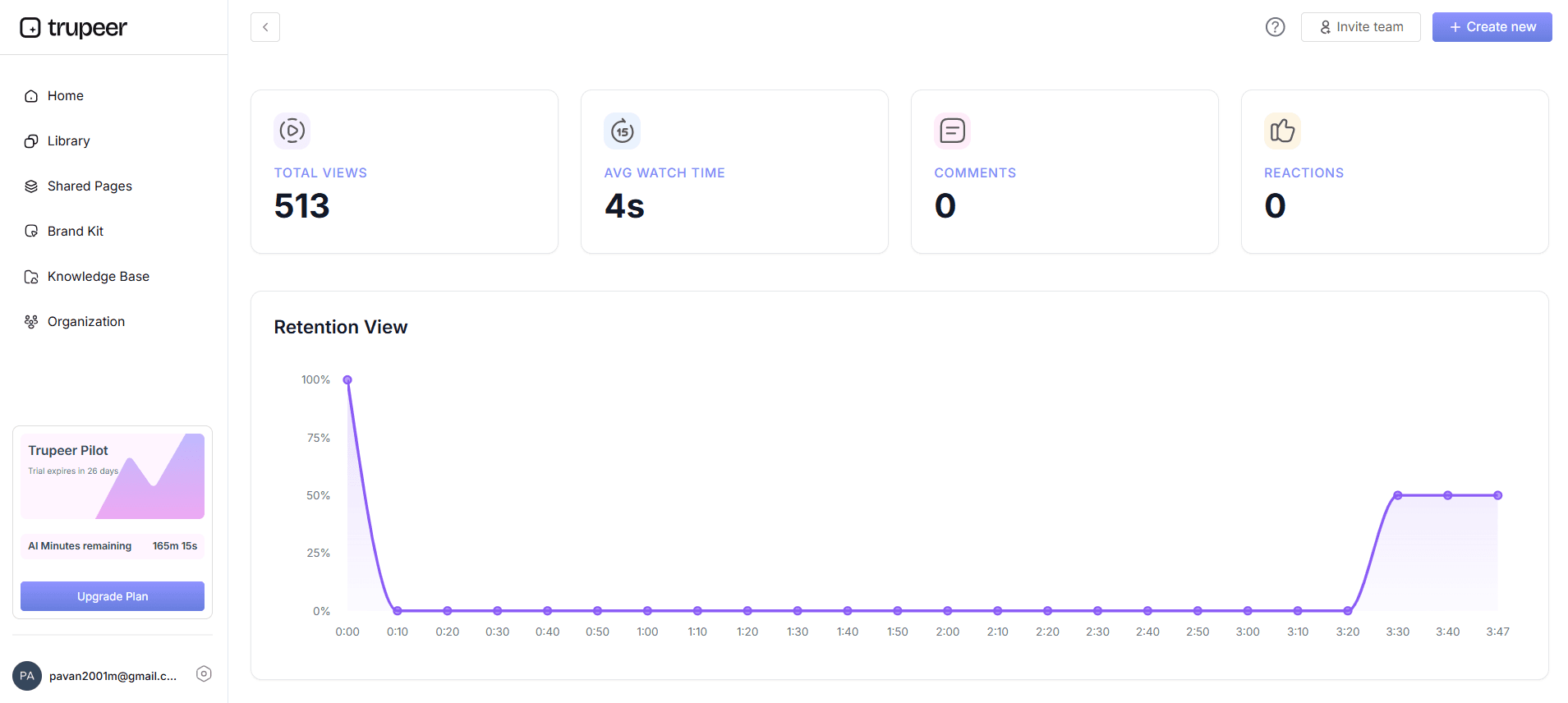
Finally, take advantage of Trupeer's viewer engagement analytics. After publishing your documentation, access the analytics dashboard to monitor how stakeholders interact with your content. Look for metrics like viewer engagement, drop-off points, and heatmaps. These insights help identify parts of the documentation that may need clarification or improvement. also, Trupeer's collaborative review and approval workflows enable you to gather feedback from team members efficiently. This step ensures that the documentation is not only comprehensive but also user-friendly, vital for ongoing compliance and process optimization.
What tips help you document audit processes for regulatory submissions?
Documenting audit processes for regulatory submissions effectively requires more than just capturing and organizing information. Strategic planning and execution are key to ensuring compliance and efficiency. Here are some practical tips to enhance your documentation processes.
Standardize Templates. Use consistent templates across all documentation to ensure uniformity and clarity. This helps in maintaining a professional appearance and makes it easier for reviewers to navigate the documents.
use AI Tools. Opt for advanced Scribe alternatives for SOPs to automate repetitive tasks, reducing the burden on your team and minimizing errors.
Regularly Update Documentation. Set a schedule for regular reviews and updates to your documentation, ensuring it remains current with the latest regulations and internal processes.
Incorporate Visual Aids. Enhance understanding by integrating charts, graphs, and video walkthroughs. Visual aids can clarify complex processes and make documents more engaging.
Use Operations Software. Implement operations process documentation software to simplify the creation and management of documentation, ensuring consistency and accuracy.
Train Staff Continuously. Provide ongoing training to ensure all team members are familiar with the documentation tools and processes, improving efficiency and reducing the likelihood of errors.
Secure Documentation. Ensure that your documentation is securely stored and accessible only to authorized personnel to protect sensitive information and comply with privacy regulations.
Frequently asked questions
How can Trupeer help with audit documentation?
Trupeer enhances audit documentation by providing a range of tools designed to improve accuracy and efficiency. Its AI-driven capabilities allow users to automate the recording and documentation process, reducing manual effort and the potential for human error. Features like automatic SOP generation and AI voiceover ensure that documentation is comprehensive and professional. also, Trupeer's analytics tools help firms monitor how documentation is used, providing insights into its effectiveness and areas for improvement. These features collectively ensure that audit documentation not only meets regulatory standards but is also completed in a timely and resource-efficient manner.
What makes Trupeer different from other documentation tools?
Trupeer stands out due to its integrated approach to documentation and process management. Unlike other tools, Trupeer offers a combination of AI screen recording, automatic SOP generation, and solid translation capabilities. These features allow firms to create comprehensive, multilingual documentation with minimal manual input. also, Trupeer's focus on security, with custom-domain hosting and SSO, ensures that sensitive information is protected. The platform's analytics and feedback tools further differentiate it, providing actionable insights that help firms continuously refine their documentation processes.
Why is AI translation important in audit documentation?
AI translation is crucial in audit documentation because it ensures that all stakeholders, regardless of language, can understand the processes and findings. This is particularly important for multinational firms that operate in diverse linguistic environments. By using a [video localization tool](https://trupeer.ai/translation), firms can ensure that their documentation is accessible and accurate, reducing the risk of miscommunication. AI translation also speeds up the translation process, allowing firms to produce multilingual documentation quickly and efficiently without compromising on quality or accuracy.
Can Trupeer integrate with other tools we use?
Yes, Trupeer is designed to integrate smoothly with various other platforms and tools commonly used by audit firms. This includes collaboration tools, knowledge management systems, and process management software. These integrations allow firms to incorporate Trupeer's advanced capabilities into their existing workflows, enhancing overall efficiency and effectiveness. By using these integrations, audit firms can ensure a smooth transition to using Trupeer, while maintaining the functionality of their current systems.
Does Trupeer support collaboration on documentation projects?
Trupeer fully supports collaboration on documentation projects, providing tools and features that facilitate teamwork and communication. Its collaborative review and approval workflows allow multiple stakeholders to review and provide feedback on documentation. This ensures that all necessary insights and inputs are considered before finalizing any document. also, Trupeer's platform allows for real-time collaboration, making it easier for teams to work together, even if they are located in different regions. This collaborative approach enhances the quality and accuracy of the documentation, ensuring it meets all regulatory requirements.