How Genpact Transformed Training for 140,000 Employees Across 40 Countries
How Genpact delivered a 12-month training programme in 3 months

THE CONTEXT
Davetta Harper leads change management at Genpact,one of the major agentic and advanced technology solutions company.. When Genpact undertook a company-wide Workday rollout spanning HCM, finance, and data, she was responsible for ensuring 140,000 employees across 40 countries could learn and adopt the new system. That meant building a training library from the ground up: more than 500 collaterals across 20 workstreams, delivered in five languages for regional teams across Japan, Brazil, Spain, Thailand, and China where English is not a first language.
THE CHALLENGE
The traditional approach meant assembling every piece of content by hand. SOPs ran 20 pages long, built screenshot by screenshot, manually formatted, manually redacted for PII, and written in language accessible to end users with varying levels of technical familiarity. Each piece then needed to be translated into five languages by human translators. At that pace, a project of this scope would take 12 months minimum. Davetta knew what she was looking at. In her own words, doing it manually on that timeline was humanly impossible.
HOW TRUPEER FITS IN
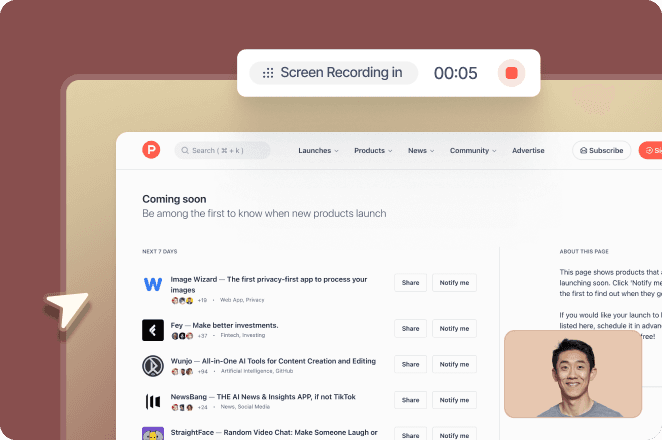
The workflow her team landed on was straightforward. They recorded their existing MS Teams process design sessions and SME walkthroughs, uploaded them to Trupeer, and got back polished SOPs and demo videos automatically translated into all five languages. The AI avatars held up across every language with minimal edits. Templates kept formatting consistent from the very first output. What had been a screenshot by screenshot, version by version process became a record once, generate many rhythm. The clearest proof it worked: end users consumed the content with no idea it was AI-generated.
WHAT THEY'VE BUILT
In 3 months, Davetta's team produced more than 500 training collaterals across 20 workstreams, each delivered in five languages with consistent formatting across 40 countries. A project that would have taken 12 months the traditional way was delivered at 75% faster than the standard timeline. The same approach is ready to extend across the next waves of the Workday rollout.

