Trupeer Blog
Summarise

Imagine you're the sales lead at a large enterprise software company. Your team is tasked with closing a high-stakes deal with a client whose decision could mean a six-figure boost in revenue. The prospect has expressed interest in a detailed demonstration of your software's capabilities, but their schedules are tight, and their decision timeline is short. Choosing the right format for your demo is critical. A recorded video might offer convenience, while a live demo could provide the interactive edge needed to close the deal. According to a sales demo best practices report, 74% of B2B buyers state that an effective demonstration significantly influences their purchase decision.
The choice between video and live demos isn't just about convenience or preference. It impacts engagement, understanding, and ultimately, the success of the sale. For sales teams, making the wrong choice can mean lost deals or wasted resources. This decision has broader implications for the organization, affecting revenue forecasts and client satisfaction. Enterprise sales teams must carefully consider when to deploy a video demo versus a live demo to maximize their effectiveness and meet client needs efficiently.
Why does choosing between video and live demos matter?
In enterprise sales, choosing the right demo format is crucial because it directly influences the buyer's perception of your product and your company. If you choose a format that doesn't align with the prospect's needs or expectations, you risk losing their interest or, worse, the sale itself. Different stakeholders might have varying preferences consuming information. For example, technical teams might prefer detailed live demos where they can ask questions in real-time, while executive stakeholders might lean toward succinct, polished video presentations that they can watch at their convenience.
The stakes are high in pre sales scenarios, where the goal is to effectively communicate value, showcase the product's capabilities, and address any potential concerns. A misstep in this phase can lead to miscommunication, unmet expectations, and even lost deals. By understanding the nuances of each format, sales teams can tailor their approach to better fit the needs of their audience, ultimately leading to more successful outcomes. This choice impacts not only the immediate sales cycle but also long-term client relationships and retention rates.
What are the benefits of choosing the right demo format?
Understanding the benefits of each demo format can help you make informed decisions that align with your sales strategy and client needs.
Increased engagement. Choosing the right format, such as a make product demo video, can capture attention and maintain interest, leading to higher engagement levels during the demo.
Flexibility for clients. Video demos provide the flexibility for prospects to view the content at their own pace and schedule, which is particularly beneficial in global sales operations with varied time zones.
Real-time interaction. Live demos allow for immediate feedback and interaction, enabling sales teams to address questions and objections as they arise, building a two-way conversation.
Consistent messaging. A video generation platform ensures that every demonstration delivers a consistent message, reducing the risk of miscommunication across different presentations.
Scalability. Video demos can be easily distributed to a large audience without the need for additional time investment from the sales team, making them ideal for scaling outreach efforts.
Cost-effectiveness. Video demos can reduce travel and logistical costs associated with live presentations, optimizing budget allocation in the sales process.
Which Trupeer features help you choose the right demo format?
Trupeer offers a solid suite of features that can enhance both video and live demos, ensuring you deliver effective, engaging, and tailored presentations to your prospects.
AI screen recording with auto-zoom and click detection
This feature allows you to create high-quality video demos that automatically focus on key actions, like clicks and navigation. The auto-zoom ensures that the viewer's attention is drawn to important areas of the interface, making the demo more engaging and informative. By capturing these elements smoothly, you can produce polished videos without extensive editing, saving time and ensuring you deliver a professional presentation every time.
Silent screen recording with automatic AI narration
Trupeer's silent screen recording capability, combined with AI narration, allows you to create video demos without background noise interruptions. The AI-generated voiceover provides clear explanations, enhancing the viewer's understanding of the product. This feature is particularly useful for creating content that needs to be shared widely and consumed asynchronously, ensuring clarity and uniformity across all presentations.
AI voiceover in 65+ natural voices, adjustable pace and tone
This feature enables you to customize the narration of your video demos, choosing from a wide range of natural-sounding voices. You can adjust the pace and tone to match the audience's preferences, making the content more relatable and engaging. This flexibility ensures that your demos resonate with diverse audiences, enhancing their effectiveness in different sales contexts.
Auto chapters and segment detection
With auto chapters and segment detection, Trupeer makes it easy to navigate through video demos. This feature automatically detects and labels sections of the presentation, allowing viewers to jump directly to the parts they find most relevant. This functionality enhances user experience, especially in long or complex demos, enabling prospects to focus on the information that matters most to them.
AI-searchable knowledge base
Trupeer's AI-searchable knowledge base indexes every recording with timestamp-level deep links, making it effortless for your team and clients to find specific content within your video library. This feature is invaluable for follow-ups and ongoing conversations, as stakeholders can easily reference previous demos and discussions. It also supports sales teams in maintaining consistency and accuracy across all client interactions.
How do you choose between video and live demos step by step with Trupeer?
Step 1: Assess Client Needs
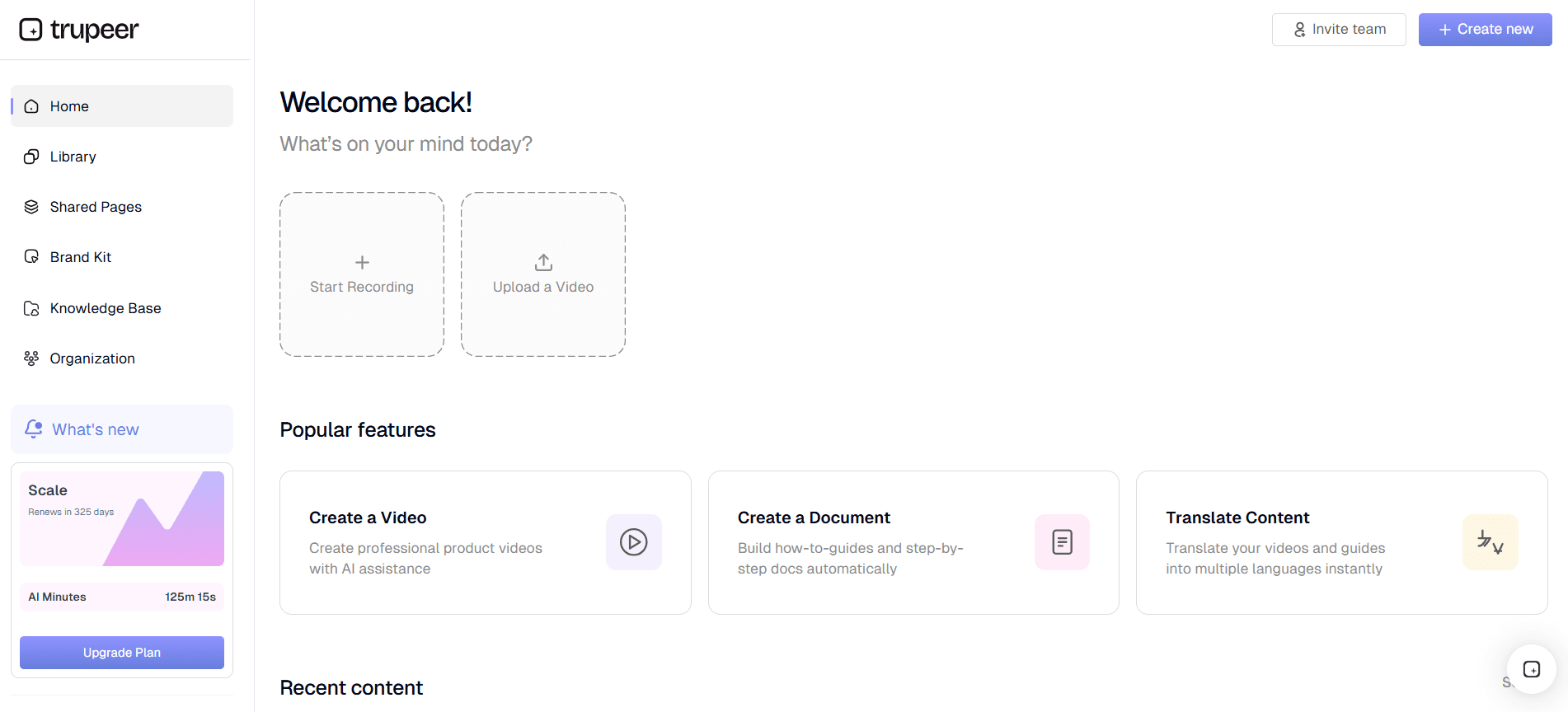
Begin by evaluating your client's preferences and logistical constraints using Trupeer's AI-searchable knowledge base. This tool lets you review past interactions and notes, providing insights into the client's priorities and communication style. Access the knowledge base via the Trupeer dashboard, then search for any previous demos or communications with the client. This step is crucial for tailoring your demo strategy to match the client's expectations, ensuring you're choosing the most impactful format, whether it's a video or live demo. Taking about 10-15 minutes, this initial assessment sets the stage for a more personalized and effective demonstration.
Step 2: Choose the Right Format
Use the insights gathered to select the demo format. If your client has a tight schedule, consider a video demo using Trupeer's AI screen recording with auto-zoom and click detection. This feature helps create a polished video that highlights key product features automatically. Alternatively, if the client values interactivity, opt for a live demo. Schedule the live session directly through Trupeer's integrated calendar tool, ensuring alignment with the client's availability. This decision-making process typically takes 15-20 minutes, factoring in the client's priorities and the complexity of the product being demonstrated.
Step 3: Prepare the Demo Content
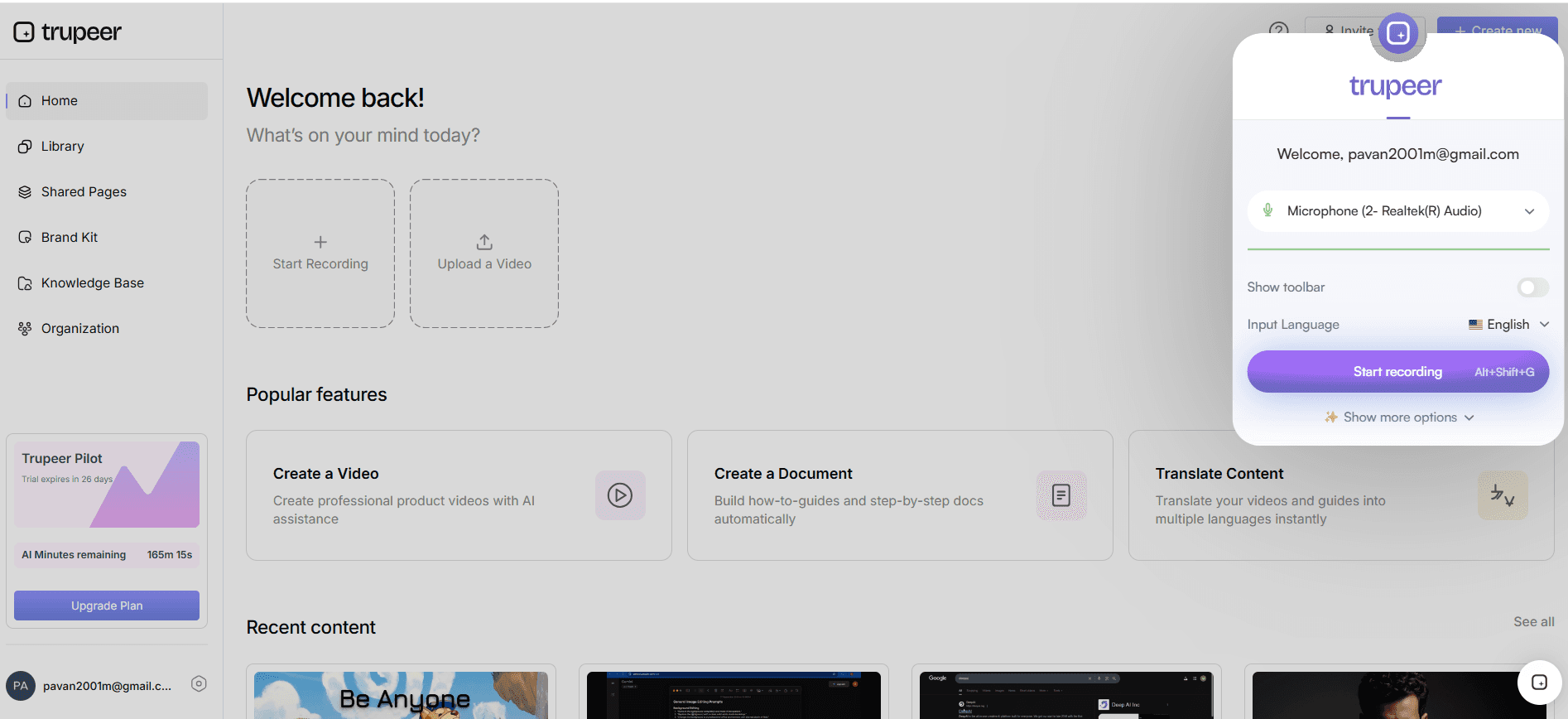
For a video demo, use Trupeer's silent screen recording with automatic AI narration. Start by opening the browser-based recorder, which requires no installation, and capture the demo session. The AI will narrate the process, providing clear, professional commentary. For live demos, compile a list of key features to showcase, preparing any necessary scripts or talking points. Use Trupeer's brand kits and branded templates to ensure consistent visual styling. This preparation phase can take 30-45 minutes, depending on the complexity of the product and the depth of information to be covered.
Step 4: Record or Conduct the Demo
Record your video demo, using Trupeer's AI voiceover in 65+ natural voices to personalize the presentation. Adjust the voice and tone to suit the target audience, enhancing engagement. The recording process is efficient, taking approximately 20-30 minutes, including voice customization. For live demos, use Trupeer's platform to host the session, ensuring a smooth and interactive experience. Engage with the audience by answering questions in real-time and tailoring the demo flow based on feedback. This live session typically lasts 30-60 minutes, depending on the audience's level of interactivity and questions.
Step 5: Edit and Enhance the Demo
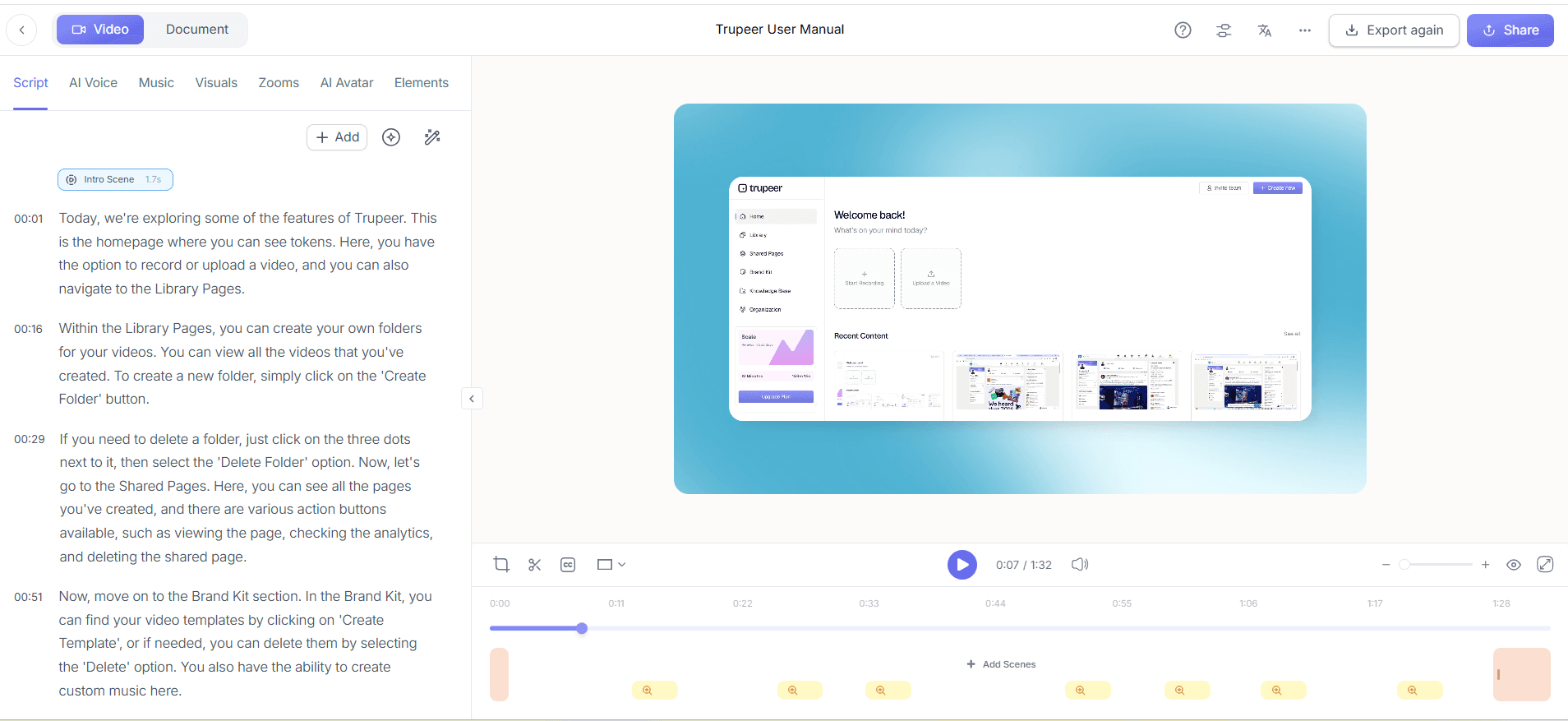
After recording, refine your video using Trupeer's automatic filler-word removal and AI avatars. This step involves editing out unnecessary pauses and "um" or "ah" sounds, making the demo concise and professional. Incorporate AI avatars for an added layer of engagement, selecting from the stock library or creating custom avatars through HeyGen integration. This editing process usually takes 20-25 minutes, significantly enhancing the video's quality and viewer engagement. For live demos, review the session recording and use Trupeer's collaborative review tools to gather team feedback for continuous improvement. Teams weighing tools often start with a Loom alternatives comparison before standardizing on a workflow.
Step 6: Distribute and Follow-Up
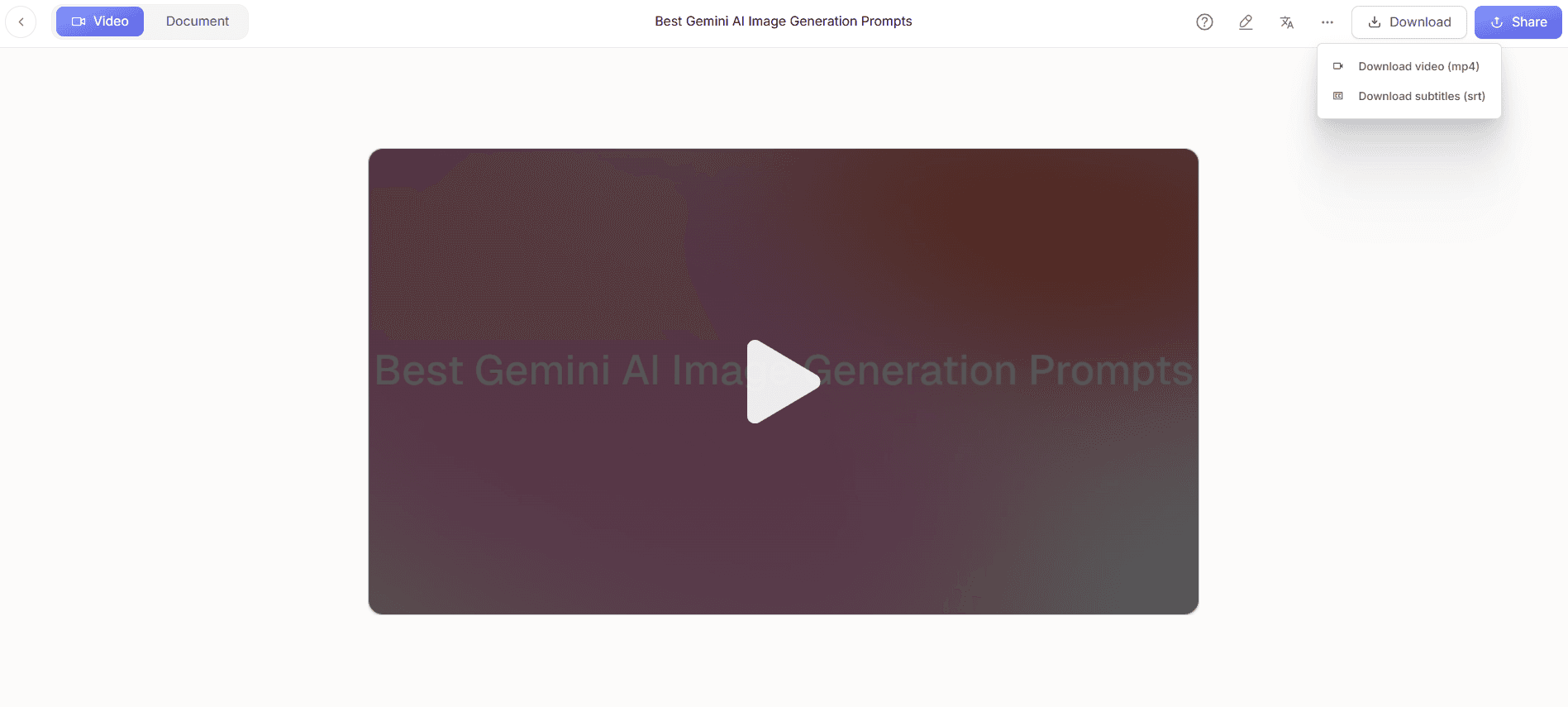
Once the demo is ready, distribute it to stakeholders using Trupeer's custom-domain hosting with SSO. This feature ensures secure access to the video, maintaining client confidentiality. Embed the video in client communications or shared portals for easy access. Use Trupeer's viewer engagement analytics to track who watches the demo and identify any drop-off points. This data helps inform your follow-up strategy, ensuring you address any areas of concern effectively. Follow-ups typically occur within 24-48 hours, keeping the momentum of the sales process.
What tips help you choose between video and live demos?
When deciding between video and live demos, it's important to consider factors like client preferences, logistical constraints, and the nature of your product. These tips will help you make a more informed decision and execute your demos effectively.
Understand audience needs. Use past interactions and communication preferences to guide your demo format choice, ensuring alignment with client expectations.
use video for scale. If your audience is large or geographically dispersed, a video demo can reach more stakeholders efficiently, maximizing your impact.
Prioritize interactivity. For complex products, live demos allow for real-time engagement and the ability to address questions immediately, enhancing understanding.
use branded templates. Ensure consistency and professionalism by using Trupeer's branded templates, which provide a cohesive look and feel across all demos.
Optimize for time constraints. Choose video demos when clients have limited availability, allowing them to view the demo at their convenience without scheduling conflicts.
Refine with analytics. After the demo, use viewer analytics to gauge engagement and refine future presentations for better results.
Compare alternative solutions. Consider reviewing a Scribe alternative comparison to ensure Trupeer meets your specific demo needs effectively.
Many teams pair this with a documentation platform that generates written guides from the same recording, so the pitch and the how-to stay in sync.
Frequently asked questions
How do you decide between a video and a live demo?
The decision between a video and a live demo should be based on the client's preferences and the complexity of the information being shared. Video demos are ideal for conveying consistent information across a broad audience, especially when stakeholders are in different time zones. Live demos, on the other hand, are better suited for scenarios where real-time interaction and feedback are crucial. Consider the client's availability, need for interactivity, and the depth of content to be covered.
What are the main challenges of using video demos?
One of the main challenges of using video demos is ensuring engagement without the ability to interact in real-time. Videos can become less effective if they fail to capture the viewer's attention or if the content is too generic. also, technical issues such as playback errors or compatibility problems can hinder accessibility. To mitigate these challenges, tailor video content to the audience's interests and use analytics to track and improve viewer engagement.
Can Trupeer help with translating demo content?
Yes, Trupeer offers solid translation capabilities through its AI video translation feature. This tool allows you to translate demo content into over 40 languages, ensuring your message reaches a global audience effectively. The translation feature also includes lip-sync capabilities, which enhance the naturalness and professionalism of the translated content, making it more relatable and impactful for diverse audiences.
Why are live demos important for complex products?
Live demos are crucial for complex products because they allow for immediate interaction and tailored explanations. This format enables sales teams to address specific client questions and concerns on the spot, offering a more personalized experience. Complex products often require detailed walkthroughs, and live demos provide the flexibility to adjust the flow based on the audience's needs and understanding, which is essential for ensuring clarity and confidence in the product.
Does Trupeer support analytics for demo performance?
Yes, Trupeer provides comprehensive viewer engagement analytics for both video and live demos. These analytics help you understand how viewers interact with your content, identifying points of drop-off or high engagement. By analyzing this data, you can refine your demo strategy, enhancing effectiveness and addressing any areas of concern. This feature is integral for continuous improvement, ensuring your demos consistently meet client expectations and drive successful outcomes.
Related Blogs