Trupeer Blog
Summarise
The best enterprise sales training platform depends on where training breaks down today. If reps lack a structured path to certification, you need a readiness platform. If they know the material but freeze on live calls, you need practice. If your enablement team can't produce content fast enough to keep up with the product, you need a content tool.
Most enterprise teams end up combining two of these. This guide compares 12 sales training tools, from full sales learning platforms to AI sales coaching software, by the job each does best, so you can pick the pair that fits your bottleneck. For the wider picture, see our sales enablement best practices.
Quick picks by situation
If your main problem is… | Start with | Pair it with |
|---|---|---|
Training content is slow to make and goes stale | Trupeer AI | Your existing LMS or Highspot |
No structured onboarding or certification | Mindtickle | Trupeer AI for content |
Reps can't find the right content | Highspot or Seismic | A role-play tool |
Reps need more practice before live calls | Second Nature or Hyperbound | Gong for real-call feedback |
Coaching isn't based on real deals | Gong | A readiness platform |
Reps forget what they learned on the job | Spekit | Any of the above |
How we compared these tools
We grouped each platform by the job it does best rather than ranking them on one list, because a readiness suite and a role-play tool are not substitutes. For each one we looked at five things: structured learning and certifications, practice and role-play, coaching from real calls, how fast teams can create training content, and the size of team it suits. Pricing for most enterprise tools is quote-based, so we note the pricing model rather than list prices.
Sales training platforms compared
Tool | Best for | Practice / role-play | Certifications | Content creation | Best team size | Pricing model |
|---|---|---|---|---|---|---|
Trupeer AI | Fast training videos and guides | No | Quizzes | Deep | Any | Free trial, then paid plans |
Mindtickle | Structured readiness programs | Yes | Deep | Yes | 150+ reps | Quote-based |
Highspot | Content management plus training | Some | Yes | Yes | 100+ reps | Quote-based |
Seismic (Seismic Learning) | Large enterprises already on Seismic | Some | Yes | Yes | 250+ reps | Quote-based |
Second Nature | AI role-play with simulated buyers | Deep | Light | No | Any | Quote-based |
Hyperbound | AI cold-call and discovery practice | Deep | Light | No | SDR teams | Quote-based |
Quantified | Role-play with delivery scoring | Deep | Some | No | 50+ reps | Quote-based |
Gong | Coaching from real calls | No | No | No | 50+ reps | Quote-based |
Brainshark (Bigtincan) | Video-based training at scale | Video practice | Yes | Yes | 200+ reps | Quote-based |
Allego | Video coaching and peer review | Video practice | Yes | Yes | 50+ reps | Quote-based |
Showpad | Mid-market content plus training | Some | Yes | Yes | 25-200 reps | Quote-based |
Spekit | Just-in-time learning inside apps | No | Light | Yes | Any | Quote-based |
Content creation: making sales training fast to build and update
1. Trupeer AI

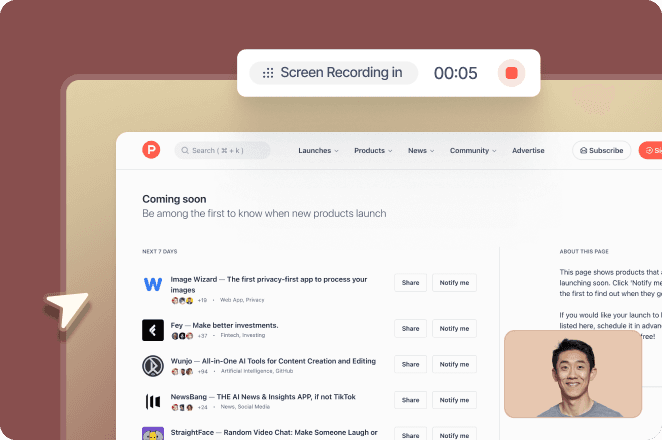
Trupeer AI is a content creation tool, not a readiness platform. Enablement teams record their screen while walking through a product demo, a CRM process or a talk track, and Trupeer AI turns the recording into a polished training video with an AI voiceover and captions, plus a matching step-by-step guide. Videos can be translated for regional teams and partners, which is how teams build multilingual training for global sales teams.
Choose it if your enablement team spends more time producing and updating training content than delivering it, especially when the product or positioning changes every quarter. See how it works for sales enablement teams.
Watch out for what it doesn't do: it has no role-play, rep scoring or formal certification paths, though it can add quizzes to training content for assessments. Most teams publish Trupeer AI content into their existing LMS or a readiness platform like Mindtickle or Highspot.
Sales learning platforms: structured onboarding and certification
2. Mindtickle
Mindtickle is the most complete sales readiness platform on this list. It combines learning paths, assessments, certifications, coaching and role-play, and connects to CRM data so managers can see how readiness relates to pipeline.
Choose it if you run formal onboarding and certification for a large sales organization and have an enablement team to administer it.
Watch out for deployment effort and cost. Teams under about 100 reps often use a fraction of what they pay for.
3. Highspot

Highspot started as a sales content management platform and added training and coaching on top. Its strength is getting the right deck, case study or battlecard in front of a rep at the right time, with analytics on what content helps deals.
Choose it if your biggest problem is reps not finding or using approved content, and training is the second priority.
Watch out for certification depth, which is lighter than a dedicated readiness platform.
4. Seismic (Seismic Learning)

Seismic is an enterprise enablement suite. Its learning product came from the acquisition of Lessonly, and now sits alongside Seismic's content management.
Choose it if you already use Seismic for content and want training from the same vendor.
Watch out for the learning side being simpler than specialist tools. It is rarely worth adopting Seismic for training alone.
AI sales coaching software: role-play and practice before real calls
5. Second Nature

Second Nature lets reps practice pitches and conversations with AI-simulated buyers that respond in real time, then scores the conversation.
Choose it if you want every rep practicing regularly without scheduling live role-plays with managers.
Watch out for scope. It is a practice tool, not a place to host your training curriculum.
6. Hyperbound
Hyperbound focuses on AI role-play for prospecting: cold calls, discovery and objection handling, modelled on your own buyer personas.
Choose it if you run an SDR or BDR team and want reps to rehearse openers and objections at volume.
Watch out for fit with longer enterprise cycles, where the most valuable practice is often later-stage conversations.
7. Quantified

Quantified combines role-play simulations with scoring on how reps communicate, including clarity, pacing and confidence, not only what they say.
Choose it if your reps know the content but need coaching on delivery and presence.
Watch out for needing a separate system for structured learning and content.
Call coaching: learning from real deals
8. Gong

Gong records, transcribes and analyzes sales calls. Many teams use it as their coaching backbone: managers review real calls, flag moments and share examples of what good looks like.
Choose it if you want coaching grounded in real conversations and you already have call volume to learn from.
Watch out for treating it as a training platform. It shows what happened on calls; it does not deliver a curriculum.
Video-based training and coaching
9. Brainshark (Bigtincan)

Brainshark is one of the longest-standing video training tools for sales, now part of Bigtincan. It supports video-based lessons, practice submissions and certifications for large teams.
Choose it if you deliver much of your training as video to a large, distributed sales force.
Watch out for an interface that feels older than newer tools in this list.
10. Allego

Allego pairs video practice with peer and manager feedback, plus content and learning features. It works best where coaching is already part of the team's culture.
Choose it if you want reps to record practice pitches and get structured feedback from peers and managers.
Watch out for content production time. Creating polished video lessons still depends on your team's own tools.
11. Showpad

Showpad combines sales content management with training and coaching in one product, aimed at a broader range of company sizes than Highspot or Seismic.
Choose it if you are a mid-market team that wants content and training together without an enterprise-scale rollout.
Watch out for depth. It covers both jobs well but leads in neither.
Reinforcement: learning in the flow of work
12. Spekit

Spekit delivers short training moments inside the tools reps already use, such as Salesforce and the browser, so answers appear where the work happens. It is a common part of a Salesforce user adoption plan.
Choose it if reps finish training but forget processes and messaging once they're back in their daily tools.
Watch out for using it as your only platform. It reinforces training; it does not replace structured onboarding.
How to choose the right sales training tools
Find your bottleneck first. Ask your sales managers where new reps struggle most: knowing the product, practicing the conversation, or applying it in live deals. The answer points to one category above.
Pick one tool for that bottleneck. Don't buy a full readiness suite to fix a practice problem, or a role-play tool to fix a content problem.
Add a second tool only where the first is weak. A readiness platform plus a content tool, or a role-play tool plus call coaching, covers most enterprise needs.
Check integrations. Confirm the tools connect to your CRM and to each other, so training activity and deal results show up in one place.
Pilot with one team. Run a 60-90 day pilot with a single team and compare ramp time against a team that didn't use it.
Common mistakes enterprise teams make
Buying more platform than they use. A 40-rep team rarely needs a full enterprise readiness suite.
Letting content go stale. Product, pricing and competitive positioning change every quarter. If updating a training module takes days, it won't happen. Look for tools that let you update a training video without re-recording.
Long training videos. Reps are more likely to finish short, focused modules than hour-long recordings.
Certifications with no consequences. If passing a certification doesn't affect anything, reps treat it as a formality.
Measuring completion instead of results. Completion shows reps showed up. Ramp time, win rates and time to first deal show whether the training worked.
What it looks like in practice: LambdaTest
LambdaTest, a SaaS company with 300+ employees, needed to train a sales team of more than 120 people spread across regions, with new hires joining often. Training ran on Loom and raw Google Meet recordings: long, unedited videos that reps struggled to sit through, and documentation that had to be written by hand.
The team moved its sales training to Trupeer AI. Recordings became short, role-specific training videos for the tools reps use every day, such as Salesforce and SpotDraft, and each video produced a matching document the team could edit. Multilingual features helped the content work for reps in different regions, and quizzes supported assessments.
Result | Number |
|---|---|
Sales team members trained | 120+ |
Hours saved in content creation | 150+ |
Training videos produced | 20+ |
"Trupeer AI has been a game-changer for our training process. It allowed us to create professional, concise videos and documentation that resonate with our global team." Navya Manoj, Senior Product Manager, LambdaTest
Read the full LambdaTest customer story
Frequently asked questions
What is a sales training platform?
Software that helps sales teams learn, practice and apply skills. It can include learning paths and certifications, AI role-play, coaching from recorded calls, or tools for creating training content. Many platforms cover only one or two of these jobs.
What is the best sales training platform for enterprise teams?
For structured onboarding and certification at scale, Mindtickle is the most complete option. Enterprises that already use Highspot or Seismic for content often extend those platforms instead. Most large teams add a practice tool or a content creation tool such as Trupeer AI alongside.
Do we need a full readiness platform like Mindtickle?
Usually only if you have well over 100 reps and run formal onboarding and certification. Smaller teams often get more value from a lighter stack, such as their existing LMS plus a content tool and a role-play tool.
Can AI role-play replace sales coaches?
No. AI role-play lets reps practice as often as they need without booking a manager's time. Managers still give the judgement-based feedback that turns practice into better deals.
How do you measure sales training ROI?
Track ramp time for new reps, quota attainment by hiring cohort, win rate by deal stage, and time to first closed deal. Completion rates show engagement, but only these outcomes show whether the training worked.
Should sales training live in our corporate training platform or a dedicated sales tool?
Corporate LMS tools are built mainly for compliance training. Sales teams usually need practice, coaching and fast content updates, which dedicated sales tools handle better. Many companies use both: the LMS for company-wide courses and a sales tool for enablement. For LMS options, see our comparison of the best enterprise LMS platforms.
Is an online sales training platform enough for a distributed sales team?
Yes, if it covers more than video courses. Remote and field reps need short on-demand modules, practice they can do alone, and coaching from recorded calls, since they rarely get in-person training.
The bottom line
No single sales training platform does every job well. Start with the bottleneck that costs your team the most, choose the tool that fixes it, and add a second only where the first falls short. If the slowest part of your program is producing and updating training content, see how Trupeer AI supports sales enablement teams.
Related Blogs