Trupeer Blog
Picture this: Your company has been using the same Learning Management System (LMS) for years, but it's become a cumbersome beast. Employees struggle to find relevant content, and the static nature of the system fails to engage users. It's time for a change. Organizations are increasingly moving towards video knowledge bases to create dynamic, searchable repositories of information. In fact,
companies that switch to video knowledge bases report a 35% increase in employee engagement.
However, transitioning from an LMS to a video knowledge base isn't as simple as flipping a switch. Without careful planning, you risk losing valuable content or creating confusion among your team. This checklist will guide you through the essential steps to ensure a smooth migration and set you up for success with your new system. Whether you’re a project manager, IT specialist, or team leader, understanding each phase of this process is crucial. Let’s make this transition efficient and effective. For a deeper look, our guide on knowledge base one covers the adjacent playbook.
Why does switching from an LMS to a video knowledge base matter?
Switching from a traditional LMS to a video knowledge base can significantly impact how your organization manages and disseminates information. Static text-based systems often fail to engage users, leading to underutilization. In contrast, video content is more engaging and easier to understand. This is especially important for customer success teams, who need to provide easily digestible information to clients. Enhanced engagement isn't just a nice-to-have; it's a necessity for staying competitive. In a world where attention spans are shrinking, the ability to quickly convey information through video can be a big shift.
Also, the efficiency of a video knowledge base is unparalleled. Imagine an environment where employees can type a query and instantly find a timestamped video segment addressing their question. This capability not only saves time but also improves the quality of the information retrieved. With features like AI-driven search and auto-generated documentation, a video knowledge base doesn't just store information; it makes it actionable. The result is a more agile organization that can respond quickly to internal and external demands. For companies with a focus on customer success, this agility is a critical factor.
What are the benefits of switching from an LMS to a video knowledge base?
Transitioning to a video knowledge base offers numerous advantages that can transform your organization.
Increased Engagement. Video content is inherently more engaging than text, leading to higher user interaction rates. For example, video tutorials often result in a 50% higher completion rate compared to text-based guides.
Improved Retention. Videos enhance information retention. Studies show that viewers retain 95% of a message when they watch it in a video compared to only 10% when reading it in text.
Enhanced Accessibility. A video knowledge base can be accessed from anywhere, anytime, enabling remote teams to find information without delay. This feature is particularly beneficial for global teams who operate across different time zones.
Efficient Knowledge Sharing. Videos can be easily shared and are more likely to be viewed by team members. With an AI-powered video tool, teams can quickly distribute essential updates.
Analytics and Insights. Video platforms often provide detailed analytics on viewer behavior, helping you understand which content is most effective and where improvements are needed.
Scalable Content Creation. Creating video content can be faster and more scalable than text, especially when using a video generation platform that automates editing and distribution.
Which Trupeer features help you switch from an LMS to a video knowledge base?
Trupeer offers an array of features specifically designed to facilitate your transition from an LMS to a video knowledge base.
AI screen recording with auto-zoom and click detection
This feature allows you to effortlessly capture instructional videos with a high degree of polish. As you record, Trupeer automatically zooms into areas of the screen where actions occur, creating a more focused viewing experience. This automatic detection ensures viewers aren't distracted by unnecessary screen elements. The AI-driven approach simplifies the recording process, enabling you to produce professional-looking content in less time. This capability can be a big shift for teams that need to produce a large volume of content quickly.
Automatic SOP generation from any recording
One of the key advantages of Trupeer is its ability to automatically generate Standard Operating Procedures (SOPs) from any recording. This feature simplifies the process of creating and updating documentation, allowing teams to maintain consistency across all materials. The generated SOPs are fully editable and can be exported in various formats, such as MP4, HTML, and PDF. This not only saves time but also ensures that your documentation is always up-to-date and aligned with the latest processes. Explore how this AI documentation platform can transform your workflow.
AI-searchable knowledge base with timestamp deep-links
Trupeer's AI-searchable knowledge base indexes every recording with timestamp-level deep links. This makes it incredibly easy for users to find exactly what they need in a fraction of the time. By typing a simple query, users can jump directly to the relevant section of a video, eliminating the need to sift through hours of content. This feature is particularly beneficial for customer support teams who need rapid access to specific information.
AI voiceover in 65+ natural voices, adjustable pace and tone
With Trupeer, you can easily add voiceovers to your videos, choosing from over 50 natural-sounding voices. The ability to adjust the pace and tone of the voiceover ensures that your content matches the desired delivery style. This feature is ideal for creating professional-grade tutorials or training materials without needing a professional voice artist. The flexibility offered here is unparalleled, making it easy to tailor each video to your audience’s preferences.
AI translation into 40+ languages with lip-sync
Global teams will appreciate Trupeer's solid translation capabilities. The platform supports AI translation into over 40 languages, complete with lip-sync, providing a localized experience for non-English speakers. This feature is crucial for organizations operating in multiple regions, ensuring that every employee or customer has access to the same high-quality content. With just a few clicks, you can expand your content’s reach and impact. Discover how Trupeer's knowledge base generator tool can support your multilingual needs.
How do you migrate from an LMS to a video knowledge base step by step with Trupeer?
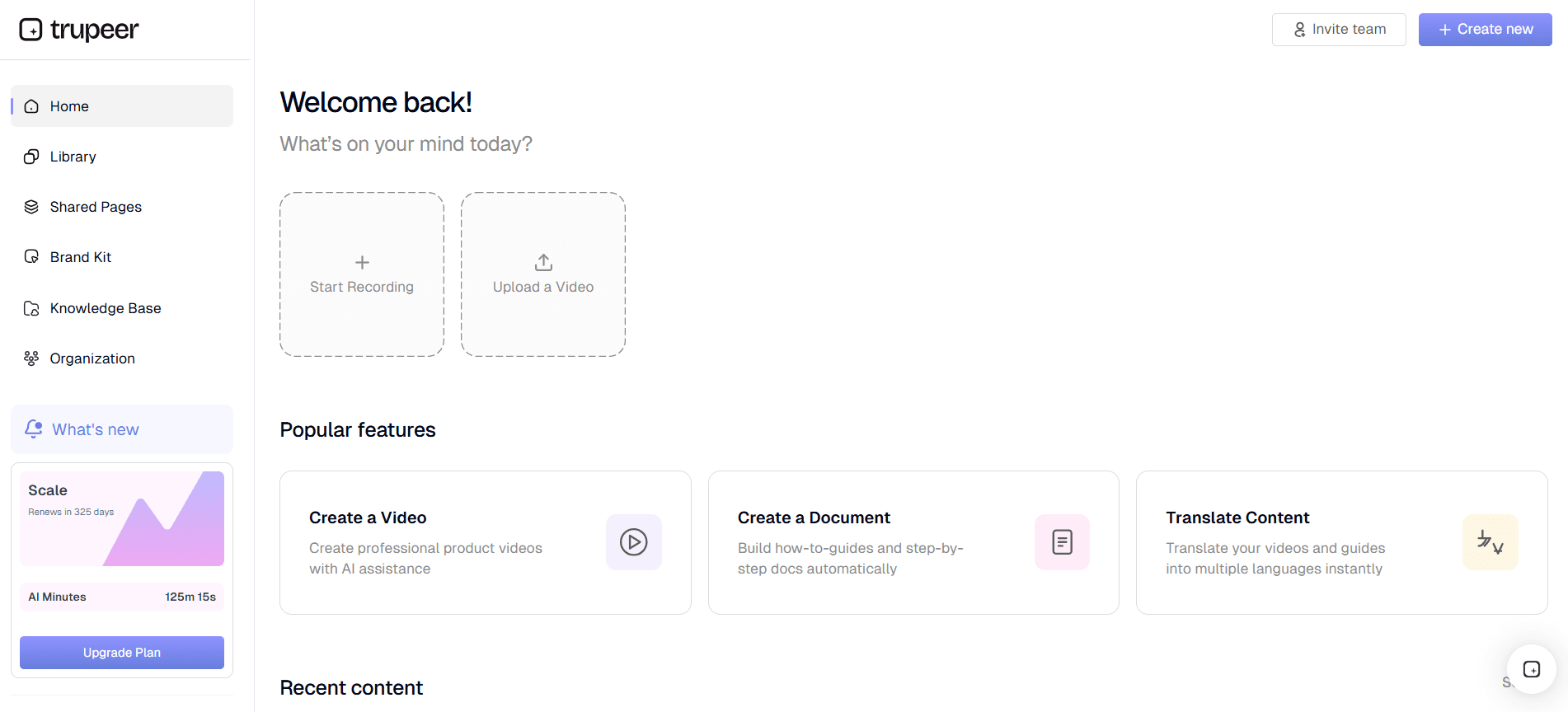
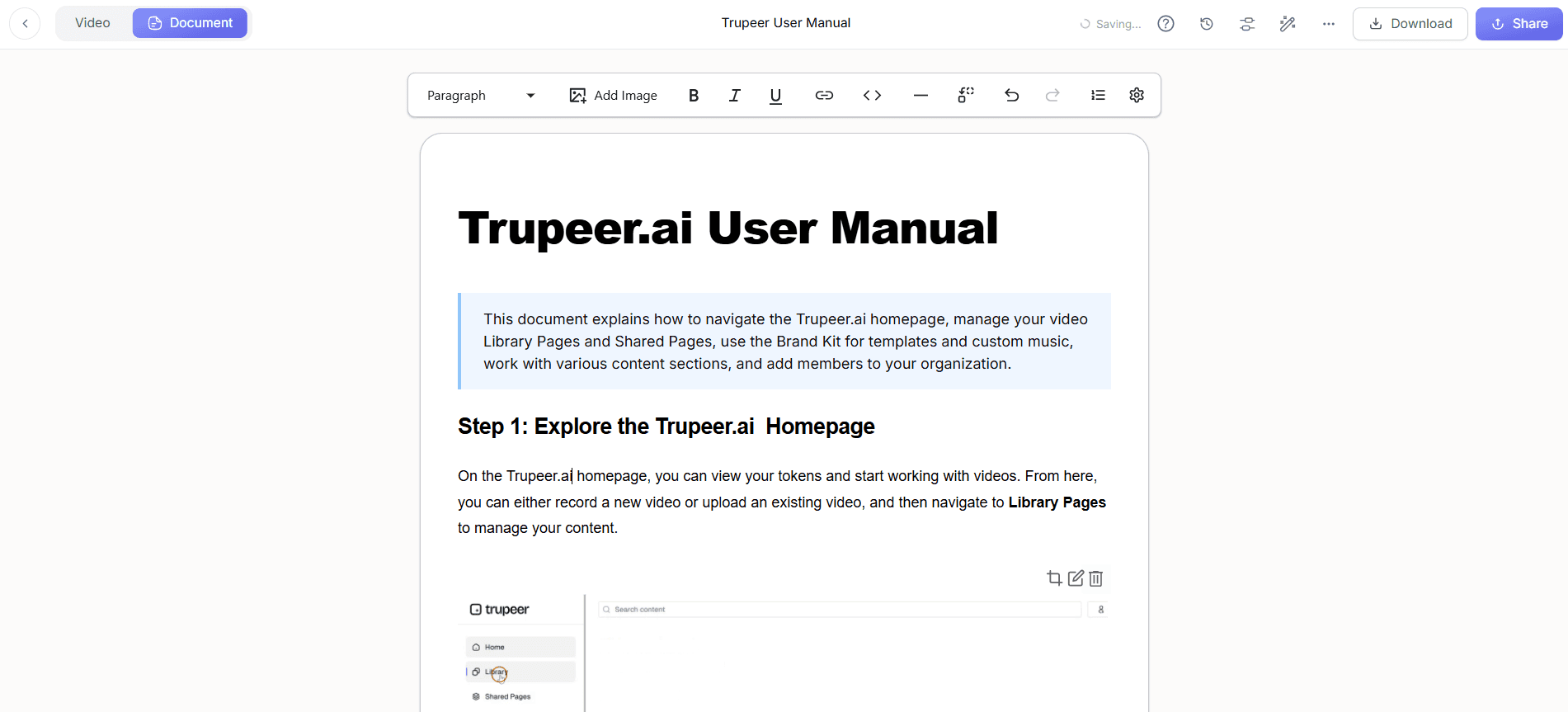
Step 1: Set Up Your Recording Environment
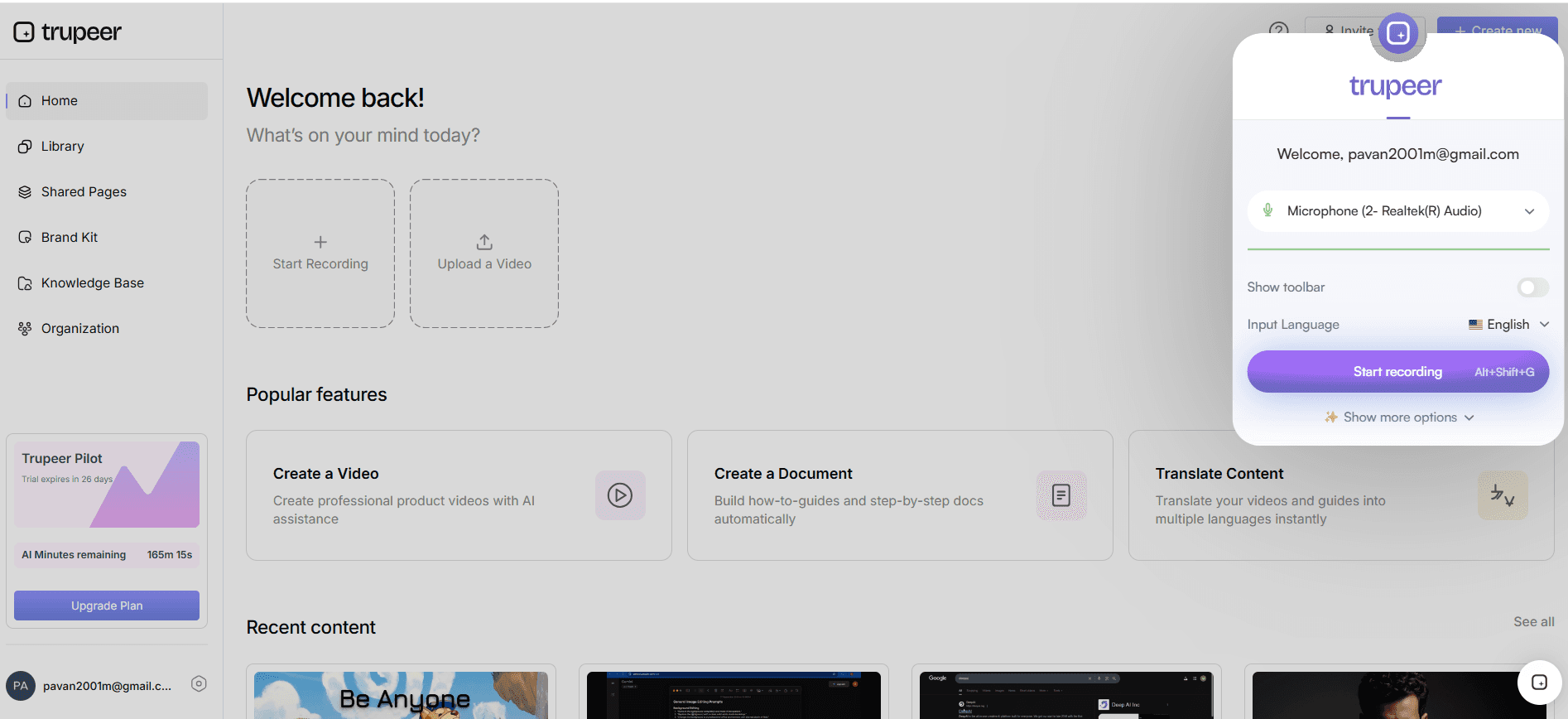
Start by preparing your recording environment. With Trupeer's browser-based recorder, you don't need to install any software. Simply open your browser and access the Trupeer platform. Click on the "Record" button to initiate the AI screen recording with auto-zoom and click detection. This feature ensures that your recordings focus on the right elements, automatically zooming in on areas where actions occur. Aim for a quiet environment to minimize background noise, even though Trupeer’s AI can add a silent screen recording with automatic narration. This setup step takes about 5 minutes, but ensure everything works by running a test recording first.
Step 2: Record Your Content
Once your setup is complete, it’s time to record. Use Trupeer's AI screen recording to capture your instructional videos. The click detection feature will highlight key actions, making the content easy to follow. For a more polished result, You can adjust the pace and tone to match the mood of your content. This step typically takes as long as the actual content duration, plus a few extra minutes for setting the voiceover preferences. Ensure your script is clear and concise to maximize viewer retention.
Step 3: Edit and Enhance Your Videos
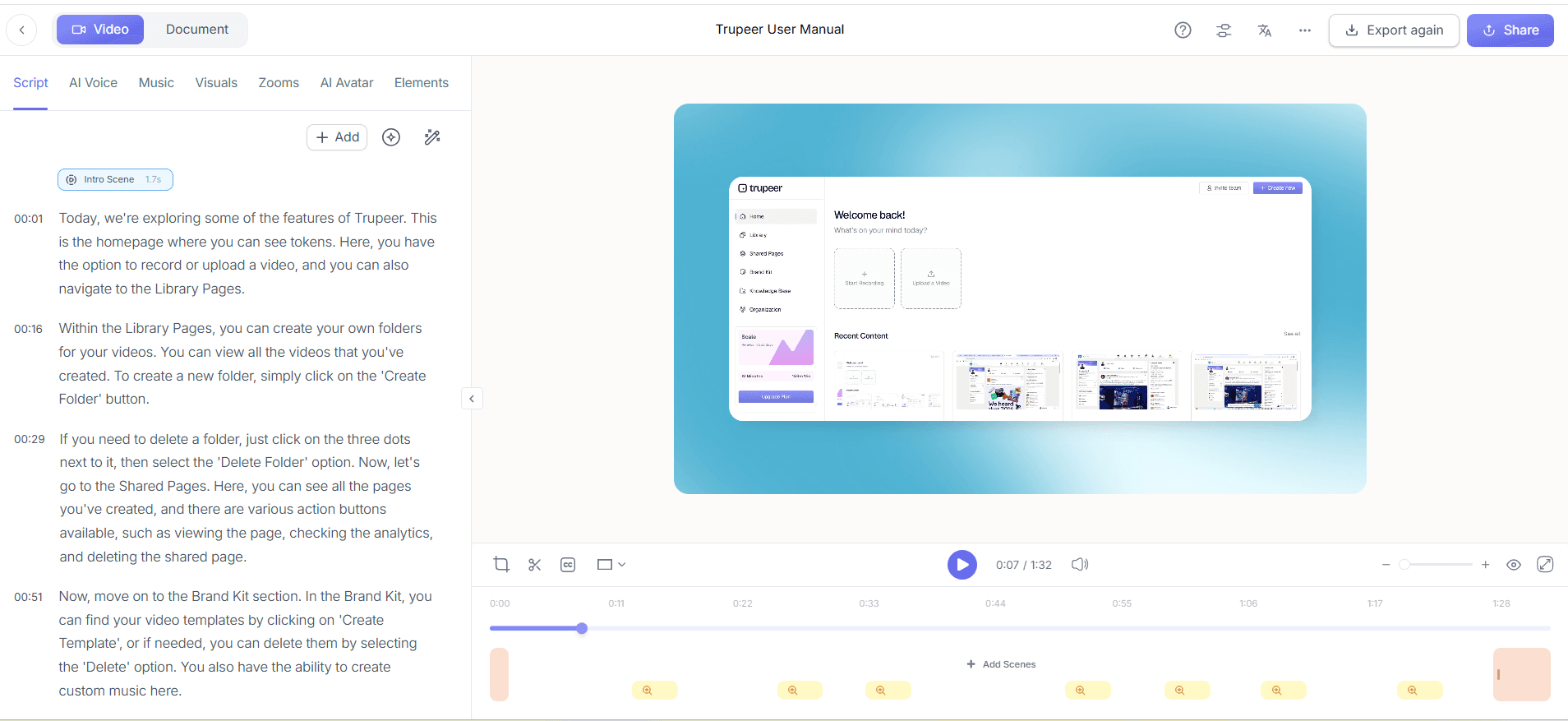
After recording, move on to editing. Trupeer's platform offers automatic filler-word removal, cleaning up your video by eliminating "um" and "ah" sounds. Use the AI avatars/talking-head video feature to add a personal touch, choosing from Trupeer's stock library or creating custom avatars. Editing can take 10 to 20 minutes depending on the complexity of your video. The enhancements ensure your content is engaging and professional without extensive manual editing. For teams looking to maintain brand consistency, Trupeer’s brand kits and branded templates are invaluable tools.
Step 4: Generate and Export Documentation
Once your video is polished, generate the necessary documentation. Trupeer's automatic SOP generation from any recording creates edit-ready documents that can be exported in multiple formats: MP4, HTML, PDF, or SCORM. This ensures that all learning materials are consistent and up-to-date. Exporting typically takes around 5 minutes, but it's wise to review the documents for any necessary adjustments before distribution. This feature is particularly useful for teams transitioning from static text to video, ensuring no loss of critical information during the migration.
Step 5: Localize Content for Global Teams
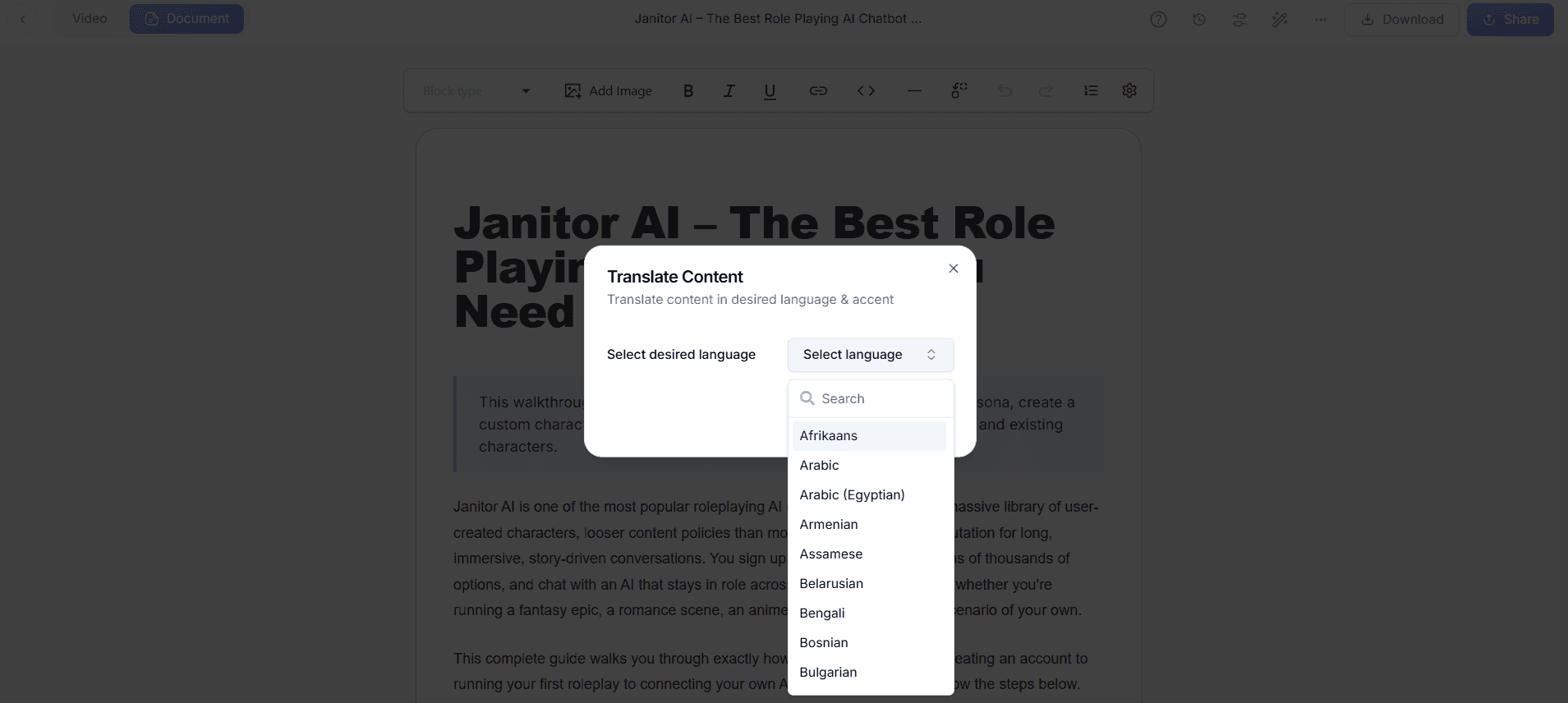
To make your content accessible to a global audience, use Trupeer’s AI translation feature, which supports 40+ languages with lip-sync. Simply select your desired languages and Trupeer will handle the rest, ensuring that your video content is accurately translated and synced. This process can take a few minutes per language, depending on the video's length. For multinational companies, offering localized content is crucial for engagement and comprehension. This step expands your reach and ensures inclusivity across different regions.
Step 6: Distribute and Measure Engagement
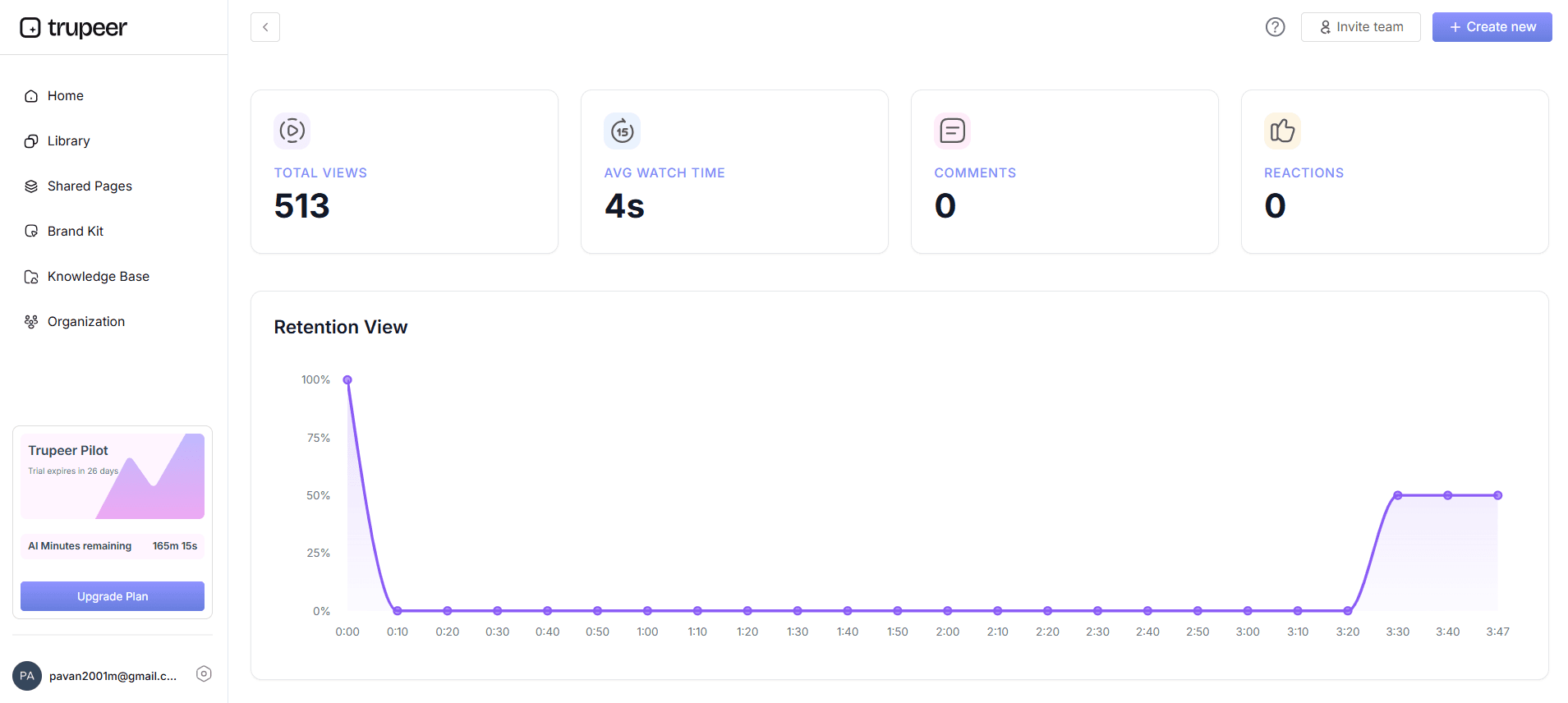
Finally, distribute your video knowledge base using Trupeer's AI-searchable platform. Host your content on a custom domain with single sign-on (SSO) for secure access. use the viewer engagement analytics to track how your audience interacts with the content. Trupeer provides insights into engagement metrics, drop-off points, and heatmaps. This data helps you refine future content and understand user behavior better. The distribution setup can be completed in under 10 minutes, while ongoing analytics review will depend on your team's needs. For those considering Loom alternatives for teams, Trupeer offers a comprehensive solution.
What tips help you migrate from an LMS to a video knowledge base?
Successfully transitioning to a video knowledge base requires strategic planning and execution. Here are some practical tips to guide you through the process.
Plan Your Content Thoroughly. Outline the key topics and structure your content before recording. This ensures comprehensive coverage and coherence.
use AI Tools for Efficiency. Use Trupeer’s AI capabilities to automate tasks like editing and documentation. This reduces manual workload and speeds up the process.
Test Before Full Deployment. Conduct a small-scale trial to identify potential issues. This allows you to refine your approach before a full rollout.
Engage Stakeholders Early. Involve all relevant teams from the start to gain buy-in and gather valuable feedback. This helps tailor the knowledge base to meet organizational needs.
use Analytics for Improvement. Analyze viewer engagement data to refine content and delivery. Understanding how users interact with your videos can highlight areas for improvement.
Provide Training and Support. Offer training sessions to familiarize your team with the new system. This minimizes resistance and promotes smoother adoption.
Document the Migration Process. Keep a record of the steps taken during migration for future reference. This is especially useful for teams considering Scribe alternatives for SOPs.
Frequently asked questions
How do I ensure a smooth transition from an LMS to a video knowledge base?
A smooth transition requires thorough planning and stakeholder engagement. Start by mapping out all existing content and identifying what needs to be converted to video. Use Trupeer's AI tools to simplify the recording and editing processes. Engage with key stakeholders early to gather feedback and adjust your strategy accordingly. Testing the new system on a small scale will help identify any potential issues before a full rollout. Finally, offering comprehensive training and support ensures your team is comfortable with the new platform.
What types of content are best suited for a video knowledge base?
Content that benefits from visual demonstration is ideal for a video knowledge base. This includes tutorials, product walkthroughs, and training sessions. Videos that explain complex processes or showcase step-by-step instructions are particularly effective. Trupeer’s AI screen recording with auto-zoom can enhance these videos by focusing on key actions. also, content that requires frequent updates, such as SOPs, benefits from video because updates can be made quickly and efficiently. Consider the needs of your audience when deciding which content to convert.
Can Trupeer handle multilingual content effectively?
Yes, Trupeer excels at handling multilingual content. Its AI translation feature supports over 40 languages, complete with lip-sync, ensuring that your videos are accessible to a global audience. This is particularly useful for multinational companies that need to provide content in multiple languages. The translation process is straightforward, requiring just a few clicks to add new language options. By using Trupeer's AI video translation capabilities, you ensure that your content reaches a wider audience without sacrificing quality.
Why should I choose Trupeer over other video platforms for knowledge bases?
Trupeer offers a comprehensive suite of features tailored for creating dynamic video knowledge bases. Its AI capabilities simplify recording, editing, and documentation processes, significantly reducing the time and effort required. The platform's AI-searchable knowledge base makes it easy for users to find specific information quickly. also, detailed analytics provide insights into viewer engagement, helping you refine your content strategy. Trupeer’s unique features, such as automatic SOP generation and AI translation, make it a versatile choice for organizations looking to enhance their information management.
Is it necessary to update my content after migrating to a video knowledge base?
Yes, updating content is crucial after migration to ensure relevance and accuracy. Regular updates help maintain the quality of your knowledge base and address any changes in processes or information. Trupeer's auto-updating documentation feature makes this process more manageable by tying updates directly to the underlying video recordings. This ensures that all related materials are consistently aligned. Keeping content fresh and up-to-date not only improves user experience but also maximizes the effectiveness of your knowledge base.
Related Blogs