Trupeer Blog
Summarise
In the rapidly evolving world of IT Service Management (ITSM), the documentation supporting these platforms can make or break your IT team's efficiency. Imagine this: your IT department is swamped, and response times are lagging. You know firsthand how crucial it is to simplify operations. That's where effective documentation comes in, acting as a bridge between chaotic workflows and smooth service delivery. According to a study by Gartner, 40% of IT service disruptions are due to inadequate documentation, highlighting the need for solid, user-friendly, and dynamic documentation solutions. Now, consider the options available to you: ServiceNow, Atomicwork, and Freshservice. Each platform brings its own strengths and weaknesses to the table. But how do they stack up against each other? And how does Trupeer fit into the mix with its unique AI-powered documentation capabilities? Whether you're an IT manager seeking to reduce downtime or a service desk agent aiming to improve response times, understanding these platforms will enable you to make informed decisions. For a deep dive into how AI can change documentation, explore our AI documentation generator insights.
Why does ITSM platform documentation comparison matter?
In the area of ITSM, documentation serves as the backbone for efficient service management. It helps teams manage incidents, fulfill requests, and ensure change management processes are smooth. But not all documentation is created equal. The quality and accessibility of this documentation can significantly impact how quickly issues are resolved and services are delivered. With organizations increasingly relying on ITSM platforms like ServiceNow, Atomicwork, and Freshservice, comparing their documentation capabilities becomes crucial. Each platform offers different types of documentation, ranging from user manuals to API guides. These variations can affect how well teams can use these tools to meet their specific needs.
For IT managers, the stakes are high. Inadequate documentation can lead to increased ticket resolution times, frustrated staff, and ultimately, dissatisfied customers. On the other hand, comprehensive and accessible documentation can improve team efficiency, reduce errors, and enhance service delivery. With the right documentation, teams can quickly access the information they need to solve problems, reducing downtime and improving productivity. also, effective documentation supports compliance and auditing processes, ensuring that all procedures are well-documented and easily accessible. To see how this plays out in real-world scenarios, check out our operations use case that highlights the impact of solid documentation on workflow efficiency.
What are the benefits of effective ITSM platform documentation?
Effective ITSM platform documentation offers a many of benefits that can transform your IT operations. Here are some key advantages:
Improved Efficiency. Clear and concise documentation reduces the time IT staff spend searching for information, allowing them to resolve issues faster and with greater accuracy. This efficiency boost can lead to a 30% reduction in ticket resolution times.
Enhanced User Experience. With comprehensive guides and FAQs, users can find answers to their questions without needing to contact support, reducing the volume of incoming tickets and freeing up IT resources.
Consistent Processes. Standardized documentation ensures that all team members follow the same procedures, reducing variability and increasing reliability in service delivery. This consistency is crucial for maintaining service quality and meeting SLAs.
Knowledge Retention. Documentation acts as a repository of institutional knowledge, preserving critical information as staff turnover. It ensures that valuable expertise isn't lost when employees leave the organization.
Facilitated Training. High-quality documentation serves as an excellent training resource, helping new hires get up to speed quickly and efficiently. This reduces the time and cost associated with onboarding new staff.
Scalability. As your organization grows, so does the complexity of your IT environment. Comprehensive documentation supports scalability by providing a structured way to manage increasing amounts of information and processes. For tools that excel in this area, explore our review of the best documentation software.
Teams ship this workflow end-to-end using Trupeer's AI video platform, which turns raw recordings into polished output without an editor.
Which Trupeer features help you compare ITSM platform documentation?
Trupeer offers several features that enable you to effectively compare ITSM platform documentation. These features enhance documentation accessibility, quality, and integration.
Automatic SOP Generation
Trupeer's automatic SOP generation feature changes how you create and maintain documentation. By capturing screen recordings and converting them into structured, edit-ready SOPs, Trupeer simplifies the documentation process. This capability ensures that your documentation is always up-to-date and reflective of the latest workflows. Whether you're documenting a new software deployment or a standard troubleshooting procedure, Trupeer's SOP generation saves time and reduces errors. It allows IT teams to focus on their primary tasks rather than spending hours crafting documentation. To explore how this feature fits into broader documentation strategies, visit our AI documentation platform.
AI-Searchable Knowledge Base
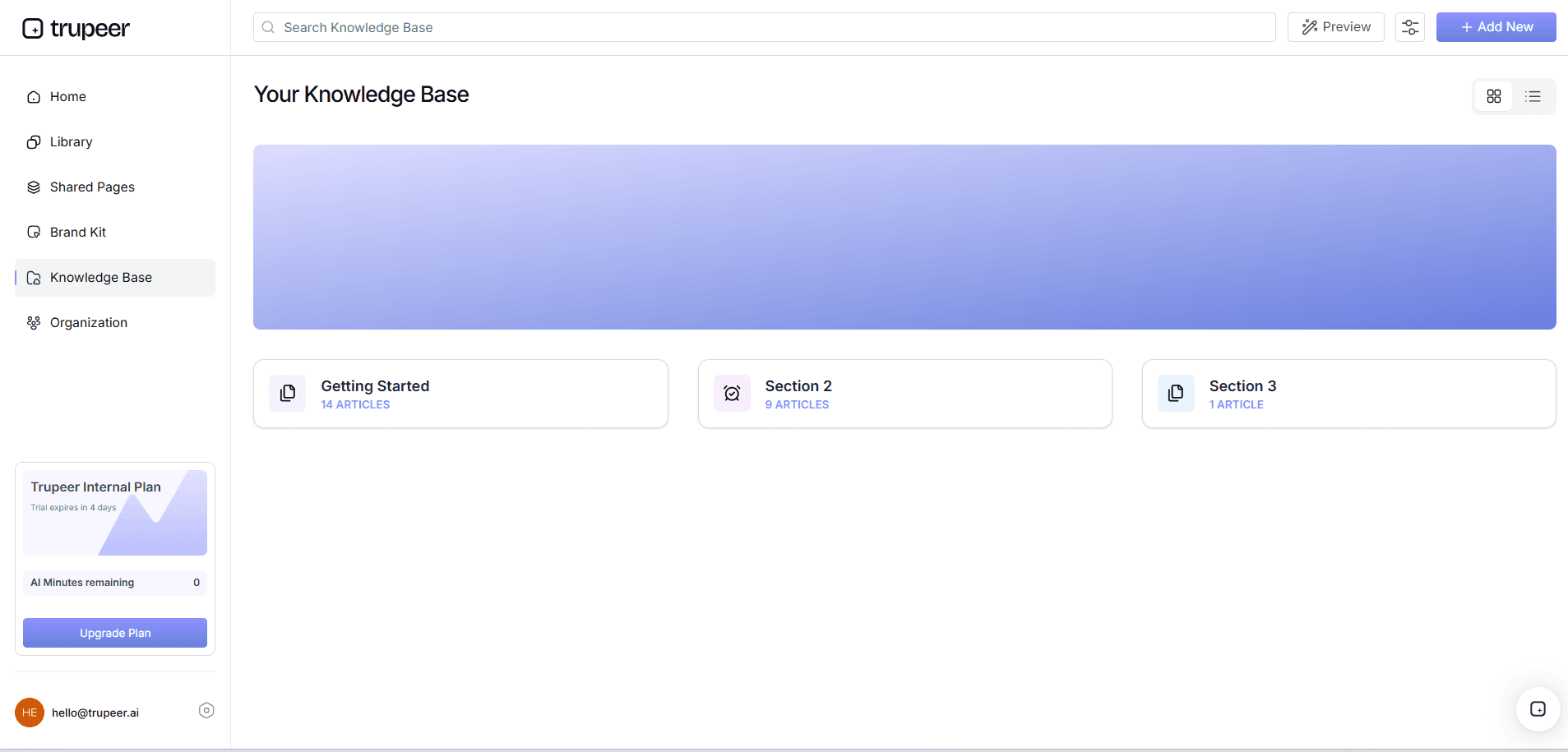
Trupeer enhances your documentation with an AI-searchable knowledge base. This feature makes every piece of documentation easily accessible through advanced search capabilities. By indexing recordings with timestamp-level deep links, Trupeer allows users to jump directly to the relevant part of a tutorial or guide. This reduces time spent searching for information and increases the speed at which issues can be resolved. The knowledge base can be hosted on a custom domain with single sign-on (SSO) for smooth access across your organization, ensuring that your documentation is both secure and readily available.
AI Translation and Dubbing
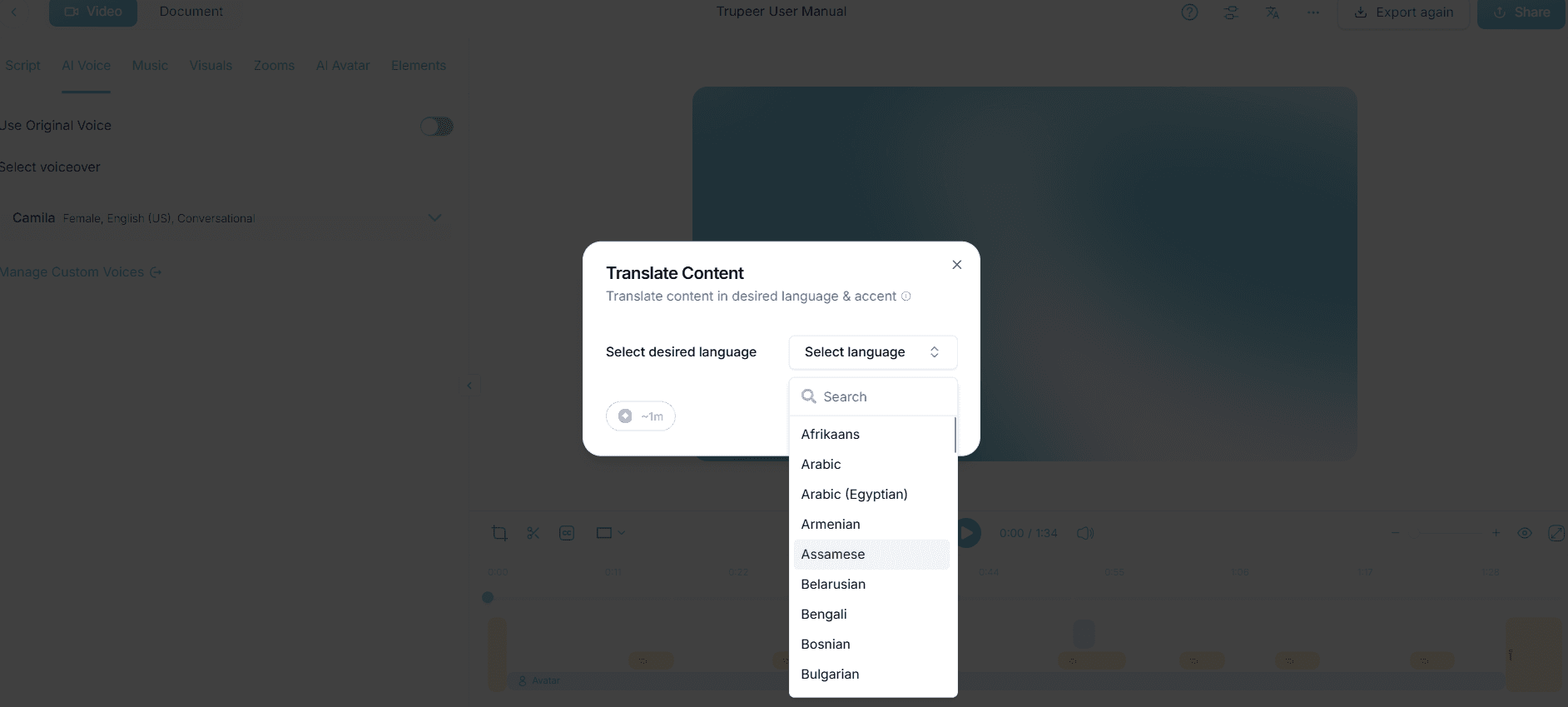
With Trupeer, you can reach a global audience through AI translation and dubbing capabilities. This feature allows you to translate documentation into over 40 languages, complete with lip-sync for video content. For non-English-speaking audiences, Trupeer can generate AI voiceovers in multiple dialects, ensuring that your documentation is accessible and comprehensible to a diverse user base. This capability is particularly valuable for multinational organizations seeking to standardize their ITSM processes globally. By making documentation universally accessible, Trupeer helps eliminate language barriers and build a more inclusive IT environment. ai/tools/internal-documentation-platform">internal documentation platform page.
Viewer Engagement Analytics
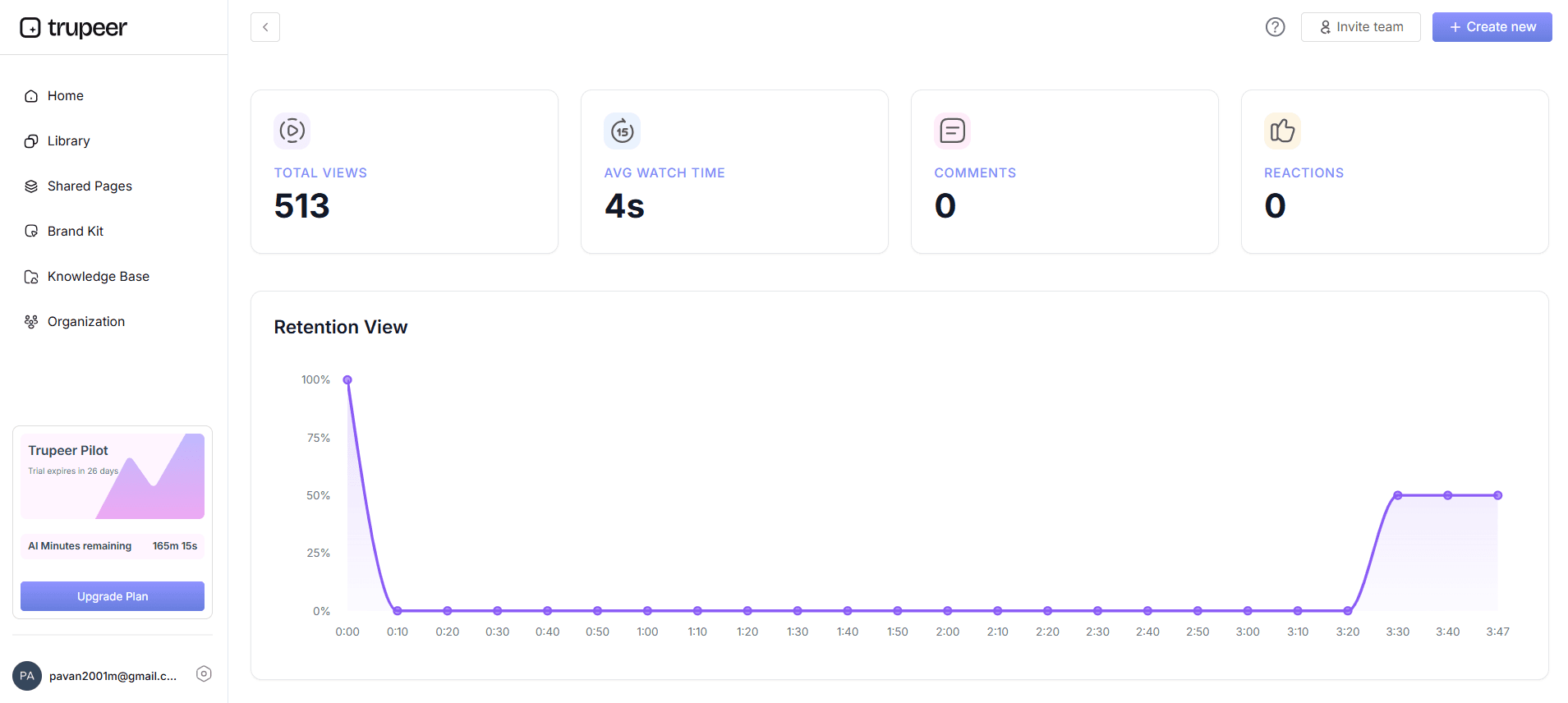
Trupeer's viewer engagement analytics provide valuable insights into how your documentation is being used. By analyzing viewer behavior, including drop-off rates and heatmaps, you can identify which parts of your documentation are most effective and which areas need improvement. This data-driven approach allows you to continuously refine your documentation, ensuring that it meets the evolving needs of your users. With these insights, IT teams can prioritize updates to the most critical sections, enhancing the overall effectiveness of their documentation strategy. ai/tools/internal-documentation-platform">internal documentation platform.
Automatic Filler-Word Removal
Trupeer's automatic filler-word removal feature enhances the clarity and professionalism of your documentation. By eliminating unnecessary words and long pauses from audio recordings, this tool ensures that your documentation is concise and easy to digest. This refinement process is automated, allowing you to produce polished content without extensive editing. For organizations aiming to maintain a high standard of communication, this feature is invaluable. It helps create clear, focused documentation that users can quickly understand and apply. To see this feature in action, explore our internal documentation platform.
How do you compare ITSM platform documentation step by step with Trupeer?
Step 1: Record Your Screen
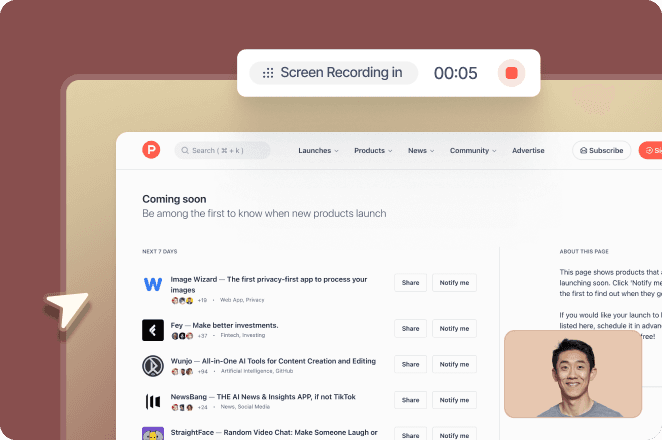
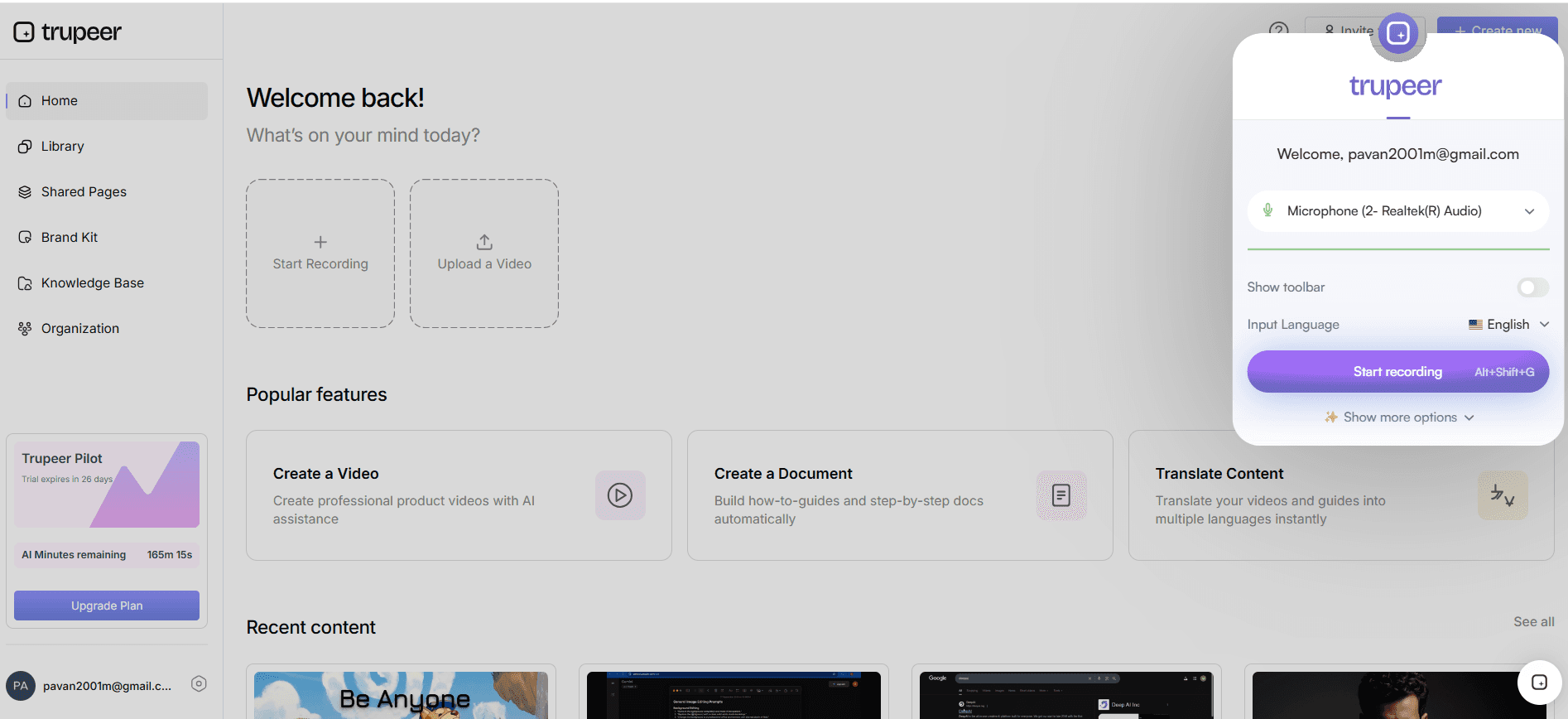
Begin by using Trupeer's browser-based recorder to capture the ITSM platform interface. There's no need for software installation, simplifying the start-up process. Click the "Start Recording" button and navigate through the ServiceNow, Atomicwork, or Freshservice interface as you normally would. Trupeer's AI screen recording with auto-zoom and click detection highlights key actions, ensuring that every essential detail is captured. This feature intelligently focuses on areas of interaction, providing a clear and concise recording. The recording process is silent, allowing you to add narration later, which is ideal for reducing distractions during the capture phase. Typically, a session of 15-20 minutes is sufficient to cover major functionalities of these platforms.
Step 2: Generate Automatic SOPs
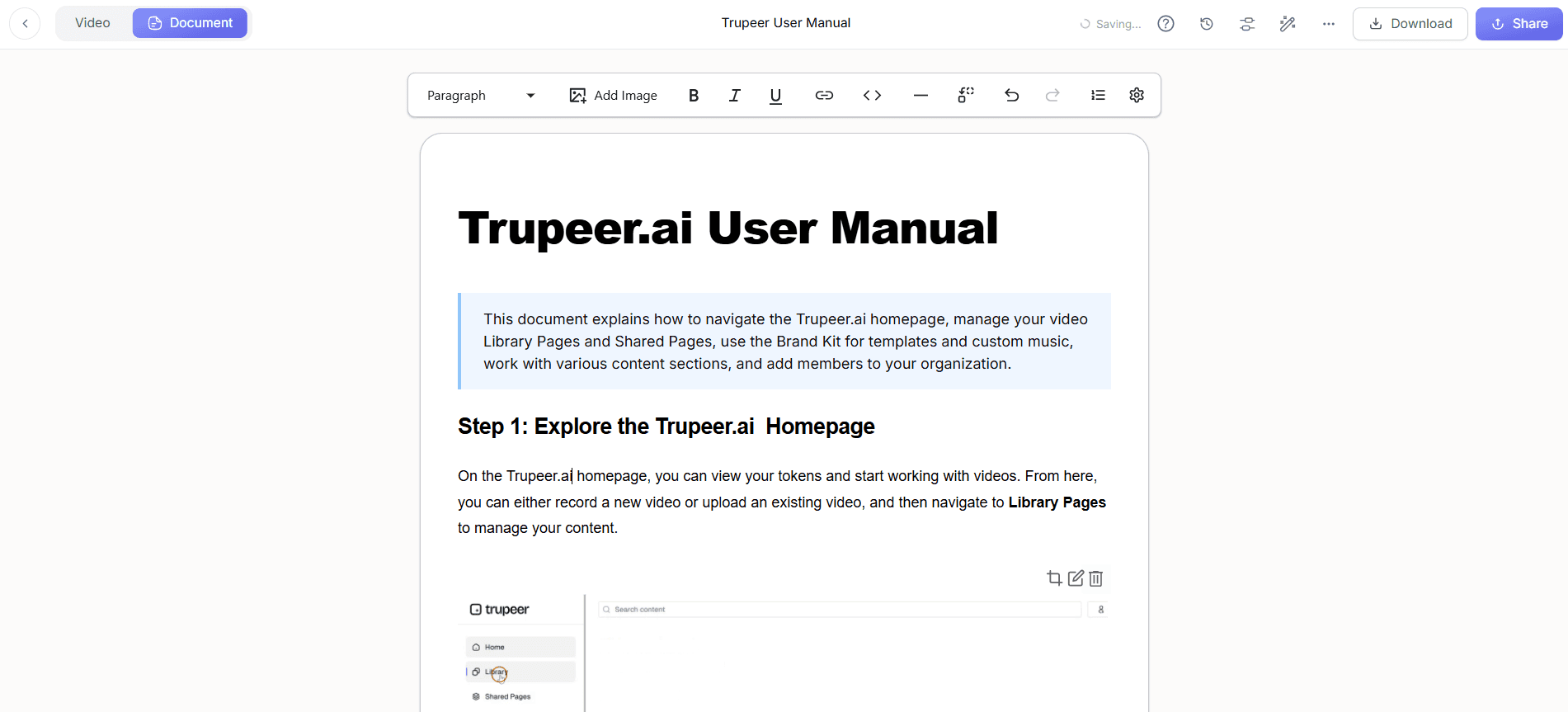
After recording, use Trupeer's automatic SOP generation feature. This converts your screen recording into a structured, edit-ready SOP. Simply click "Generate SOP" after your recording session. Trupeer identifies key actions and converts them into step-by-step instructions, complete with screenshots. This feature saves hours that would otherwise be spent manually drafting documentation. The generated SOPs are highly customizable, allowing you to edit any step to add more context or details. This step ensures that your documentation is precise and aligned with actual workflows, which is crucial for accurate process replication.
Step 3: Enhance with AI Voiceover
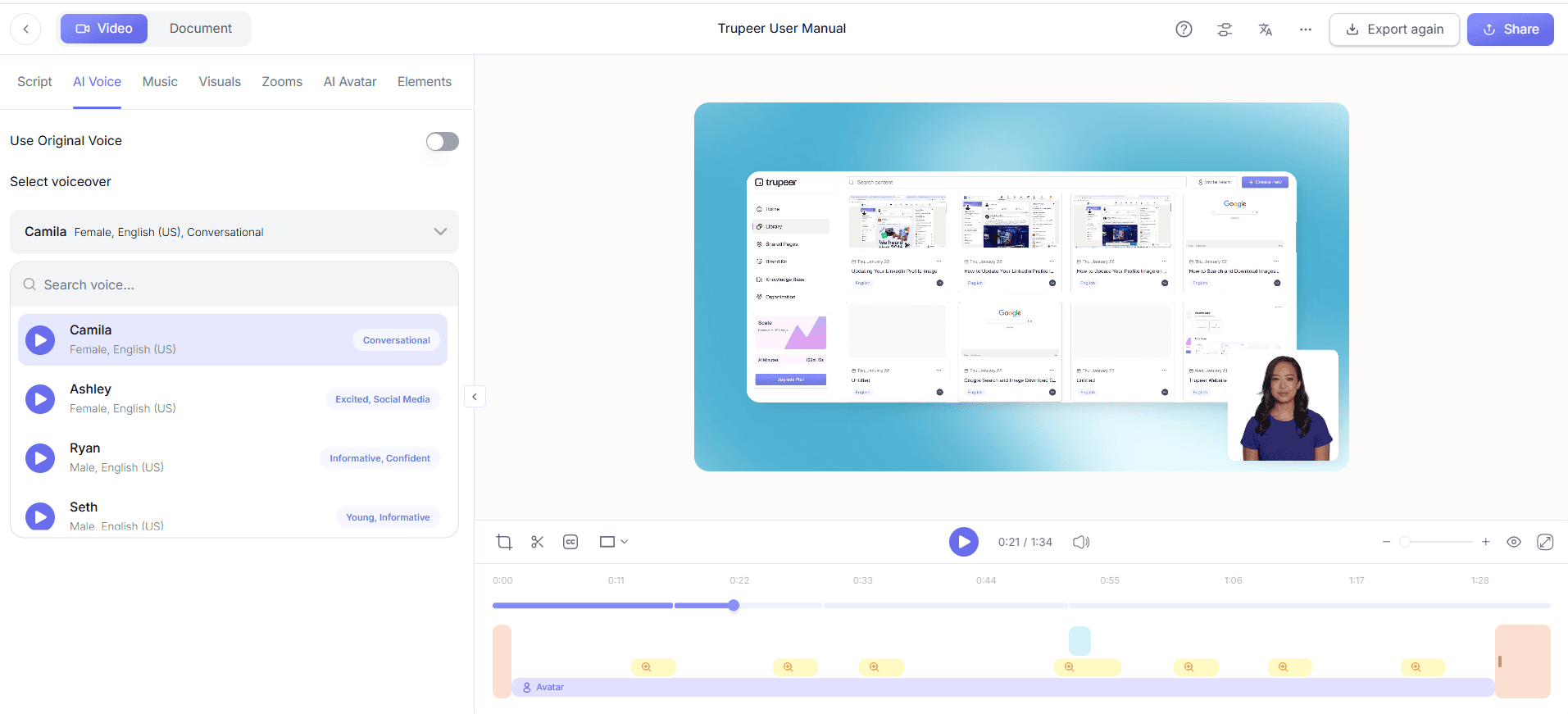
Next, add narration using Trupeer's AI voiceover feature. This tool offers over 65+ natural voices and allows you to adjust pace and tone to match your organization's branding. Click "Add Voiceover" and select your preferred voice and settings. Trupeer will synchronize the voiceover with the video, creating a smooth audio-visual guide. Voiceovers enhance user engagement by providing auditory guidance alongside visual cues, which is particularly beneficial for complex ITSM processes. This step typically takes 10-15 minutes, depending on the length of your video.
Step 4: Translate and Localize
For organizations with a global presence, Trupeer's AI translation feature is indispensable. After finalizing your SOP, click "Translate" and choose from over 40 languages. Trupeer handles the translation and even offers AI dubbing for non-English audiences, ensuring that your documentation is accessible to all users. This feature includes lip-sync for video content, making it a complete localization solution. Translation is usually completed in under 30 minutes, providing a quick turnaround for multilingual documentation needs.
Step 5: Host in a Knowledge Base
Publish your completed documentation in Trupeer's AI-searchable knowledge base. This step makes your SOPs readily accessible to your team. Click "Publish" and select your custom domain for hosting. The knowledge base supports SSO, allowing secure and convenient access for users. With timestamp-level deep links, users can quickly navigate to specific sections of your documentation. This accessibility is crucial for reducing time spent searching for information, enhancing operational efficiency. Typically, the setup process takes under an hour, providing a quick path to organized and searchable documentation. Teams weighing tools often start with a Loom alternatives comparison before standardizing on a workflow.
Step 6: Analyze Viewer Engagement
Finally, use Trupeer's viewer engagement analytics to assess how your documentation is performing. Access the analytics dashboard by clicking "View Analytics." Trupeer provides insights into viewer behavior, such as drop-off rates and engagement heatmaps. This data helps you identify which sections of your documentation are most effective and which need improvement. Use these insights to make data-driven updates, ensuring your documentation continually meets user needs. Regular analysis is recommended to keep your documentation relevant and impactful. This ongoing step is essential for maintaining high standards in your ITSM platform documentation.
What tips help you compare ITSM platform documentation?
Optimizing ITSM platform documentation comparison involves strategic steps that enhance accuracy and efficiency. Here are some actionable tips to guide you:
Standardize Recording Methods. Use Trupeer's AI screen recording consistently to ensure uniformity across documentation. This enhances clarity and comparability.
use AI Voiceovers. Incorporate AI voiceovers for a professional touch and to maintain user engagement. This aids in understanding complex processes.
Focus on Customization. Tailor generated SOPs to fit specific organizational needs. Customization ensures relevance and usability.
use Translation Features. Make documentation accessible globally with AI translation. This helps in reaching a wider audience and supporting diverse teams.
Regularly Update Content. Use engagement analytics to keep your documentation current and effective. Updates based on user data ensure ongoing relevance.
Maintain Consistent Branding. Use brand kits and templates to align documentation with corporate identity. Consistency strengthens brand recognition.
Assess Competitor Tools. Compare options like Trupeer and Scribe alternatives for SOPs to ensure you're using the best tool for your needs.
Trupeer also ships a developer documentation platform that handles this step without extra setup.
Frequently asked questions
How does Trupeer improve ITSM documentation quality?
Trupeer enhances ITSM documentation by automating the generation of SOPs from screen recordings. This eliminates the need for manual documentation drafting, reducing the potential for human error. The platform's AI capabilities ensure that every step is captured accurately and transformed into structured, clear instructions. By integrating features like AI voiceover, translation, and engagement analytics, Trupeer provides a comprehensive toolset that improves not only the quality but also the accessibility of your documentation. These enhancements lead to faster resolution times and more efficient IT operations.
What makes Trupeer different from other documentation tools?
Trupeer stands out with its AI-driven approach to documentation. Unlike traditional tools, Trupeer automates the creation of documentation through screen recordings and AI processing. This includes features like AI voiceover, translation, and engagement analytics, providing a holistic solution for documentation needs. The platform's ability to create auto-updating documents tied to recordings ensures that your documentation remains current and accurate. These capabilities make Trupeer a powerful tool for organizations looking to simplify their ITSM documentation processes.
Can Trupeer be used for multilingual ITSM documentation?
Yes, Trupeer is designed to support multilingual documentation through its AI translation and dubbing features. You can translate your documentation into over 40 languages, complete with lip-sync for video content. This feature ensures that all users, regardless of language, can access and understand your ITSM documentation. By providing a localized experience, Trupeer helps organizations maintain a consistent documentation standard across global teams. For more on localization, explore our video localization tool.
Does Trupeer integrate with existing ITSM platforms?
Trupeer is designed to complement existing ITSM platforms by providing a simplified documentation process. While it doesn't directly integrate with platforms like ServiceNow, Atomicwork, or Freshservice, its capabilities enhance how you document and share information across these platforms. The AI-driven features of Trupeer automate and simplify documentation tasks, making it easier to maintain accurate and up-to-date information. This integration of advanced tools helps IT teams better manage their workflows and improve service delivery.
Is there a learning curve for using Trupeer?
Trupeer is built to be user-friendly, minimizing the learning curve for new users. The platform's intuitive interface and automation features mean that users can quickly adapt without extensive training. Basic tasks, such as recording a screen or generating an SOP, can be performed with just a few clicks. For users who require additional guidance, Trupeer provides comprehensive support resources and tutorials to ensure a smooth onboarding experience. This ease of use makes Trupeer accessible to teams of all sizes and technical proficiencies.