Trupeer Blog
Summarise
Switching your IT Service Management (ITSM) knowledge base to a new platform can feel like moving a mountain. The content is vast, the stakes are high, and the risks are real. Imagine having to transfer thousands of articles, each critical for supporting your operations. The challenge isn't just about moving data; it's about preserving the integrity and accessibility of that data. Organizations often face a daunting 20% loss of data quality during migrations if not done correctly.
Organizations can lose up to 20% of their data quality during a poorly managed migration.
This migration process is crucial for companies where knowledge management is intertwined with daily operations. From ensuring smooth user access to maintaining the accuracy of information, every detail matters. For those tasked with the migration, the pressure to maintain the quality and accessibility of information is enormous. As we explore this topic, remember that the key lies in understanding both the potential pitfalls and the solutions available. Looking at best knowledge base examples can offer insights into successful migrations. For anyone in charge of ITSM systems, this guide is for you. It'll help you navigate the complexities and ensure a smooth transition.
Why does ITSM Knowledge Base Migration matter?
ITSM knowledge base migration matters because it directly impacts the efficiency and effectiveness of service management operations. A well-maintained knowledge base is crucial for support teams to resolve issues quickly and accurately. When you move between platforms, there's always a risk of losing valuable information or disrupting access to critical resources. This could lead to increased resolution times, frustrated staff, and ultimately, dissatisfied customers. The quality of your ITSM knowledge base is a significant factor in your overall service delivery. If the migration isn't handled carefully, you risk compromising your operations. For instance, if your support team relies on outdated or lost information due to a botched migration, they'll struggle to provide timely and effective solutions.
Also, the migration process affects not only the IT department but also end-users and other stakeholders who depend on the knowledge base. During the migration, if the content isn't structured and indexed correctly, users might face difficulties locating the information they need. This can slow down processes and reduce productivity across the organization. In scenarios where teams rely on specific procedures or troubleshooting steps, any inconsistencies can lead to errors and inefficiencies. Therefore, ensuring a smooth migration is not just about data transfer; it's about maintaining operational continuity and supporting the operations workflow effectively.
What are the benefits of ITSM Knowledge Base Migration?
Migrating your ITSM knowledge base can bring several benefits that enhance your organization's knowledge management capabilities.
Improved Accessibility. A successful migration can enhance content accessibility, allowing users to quickly find and use the information they need. This leads to faster resolution times and improved user satisfaction.
simplified Operations. By consolidating content on a single platform, you can eliminate redundancies and inconsistencies, resulting in smoother operations and reduced administrative overhead. This is especially beneficial for organizations looking to optimize their knowledge base one system.
Enhanced Collaboration. With a centralized and well-organized knowledge base, team members can collaborate more effectively, accessing and updating information in real-time. This builds a more agile and responsive work environment.
Cost Efficiency. Migrating to a more efficient platform can reduce maintenance costs. By minimizing the need for manual updates and reducing errors, organizations can save on operational expenses.
Advanced Analytics. Modern platforms offer advanced analytics tools that provide insights into user behavior and content utilization. This data can be used to refine and improve the knowledge base continuously. using an AI video platform can enhance these insights further.
Scalability. As your organization grows, a scalable knowledge base platform can accommodate increased content and user demands without compromising performance or accessibility.
Which Trupeer features help you move your knowledge base platform?
Trupeer offers several features that can significantly ease the process of migrating your ITSM knowledge base. Each feature is designed to address specific challenges encountered during migrations, ensuring a smooth and efficient transition.
AI screen recording with auto-zoom and click detection
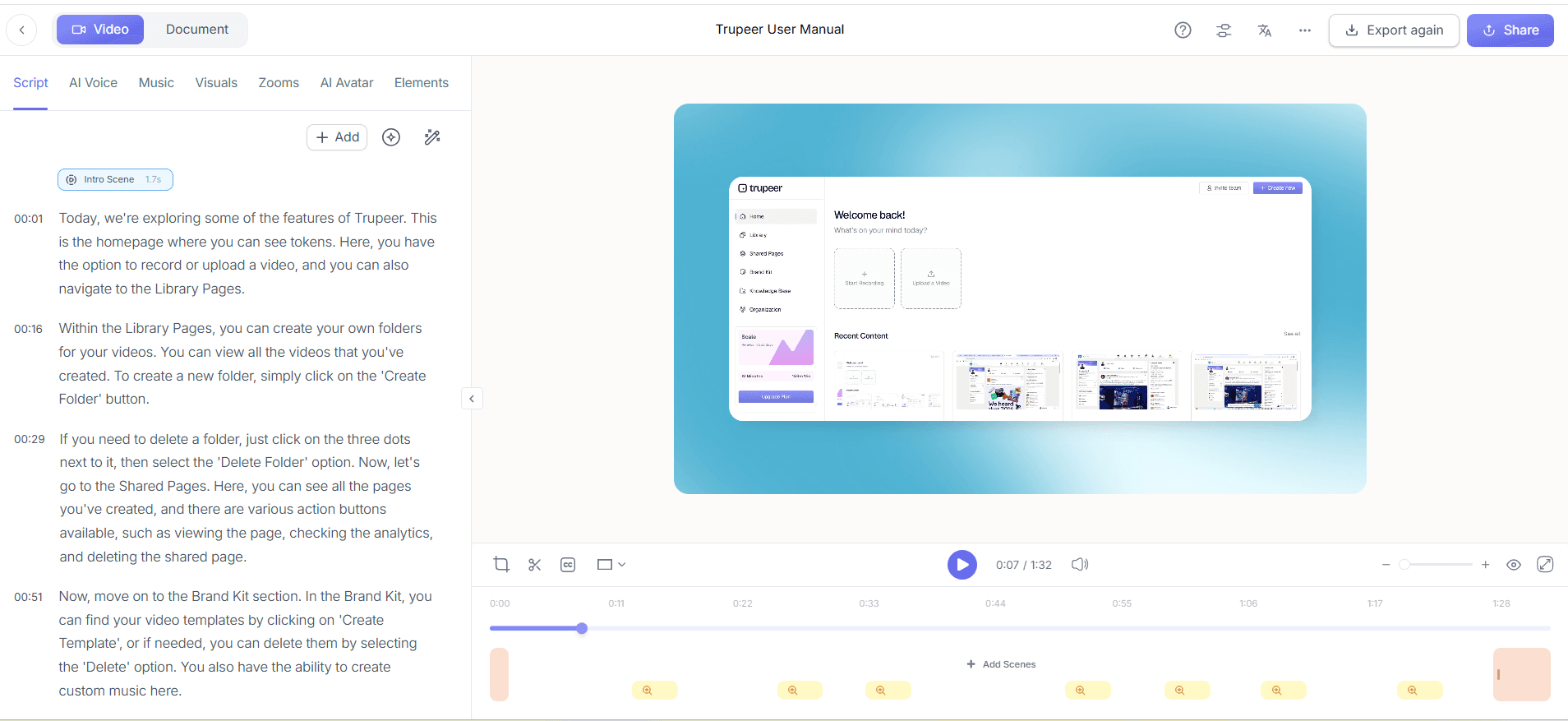
This feature is invaluable during the migration process. By using AI screen recording, you can create detailed walkthroughs of your existing knowledge base setup. This ensures nothing is overlooked during the migration. The auto-zoom and click detection functionalities highlight critical interactions on your current platform, allowing you to replicate them accurately on the new platform. This feature reduces the risk of losing crucial steps and details during migration, supporting a smooth transition.
Automatic SOP generation from any recording
Trupeer's capability to automatically generate Standard Operating Procedures (SOPs) from any recording is crucial for maintaining consistency during migration. As you document each step of the migration process, the platform converts these recordings into edit-ready SOPs. This ensures that every team member follows the same procedure, reducing the chances of errors. The generated SOPs can be exported in multiple formats, providing flexibility in how they're used and shared across your organization. This is part of Trupeer's AI documentation platform approach.
AI-searchable knowledge base with timestamp deep-links
A searchable knowledge base is essential post-migration. Trupeer's platform allows you to create an AI-searchable knowledge base that includes timestamp deep-links. This means users can quickly locate specific content by searching for keywords or phrases. The deep-links take users directly to the relevant part of a video or document, saving time and improving efficiency. This feature is particularly useful for large organizations where quick access to information is vital, as highlighted in the video knowledge base capabilities.
Custom-domain hosting with SSO
Custom-domain hosting with Single Sign-On (SSO) is a critical feature for organizations wanting to maintain brand consistency and enhance user experience. With SSO, users can access the knowledge base smoothly without managing multiple logins. This improves security and user satisfaction while ensuring your knowledge base remains on-brand. By using Trupeer's custom-domain hosting, you can present a professional front to both internal and external users.
AI translation into 40+ languages with lip-sync
For global organizations, language diversity is a significant consideration during migration. Trupeer's AI translation feature supports over 40 languages, complete with lip-sync capabilities. This ensures that your knowledge base is accessible to users worldwide, maintaining consistency and clarity in communication. By providing content in multiple languages, you enhance the usability of your knowledge base and support a diverse workforce. Trupeer's it knowledge base sop management platform helps manage this with ease.
How do you perform ITSM Knowledge Base Migration step by step with Trupeer?
Step 1: Record Current System
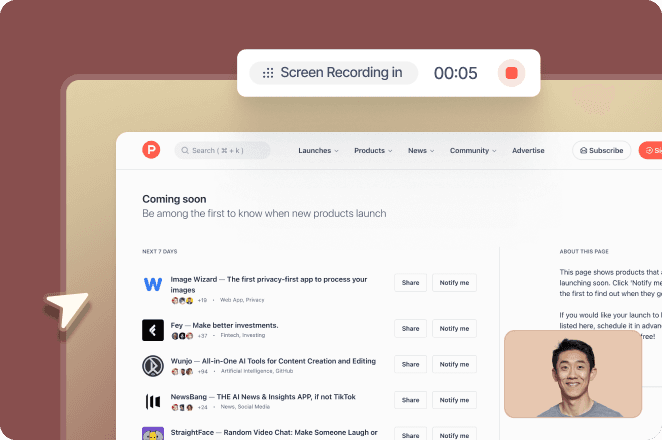
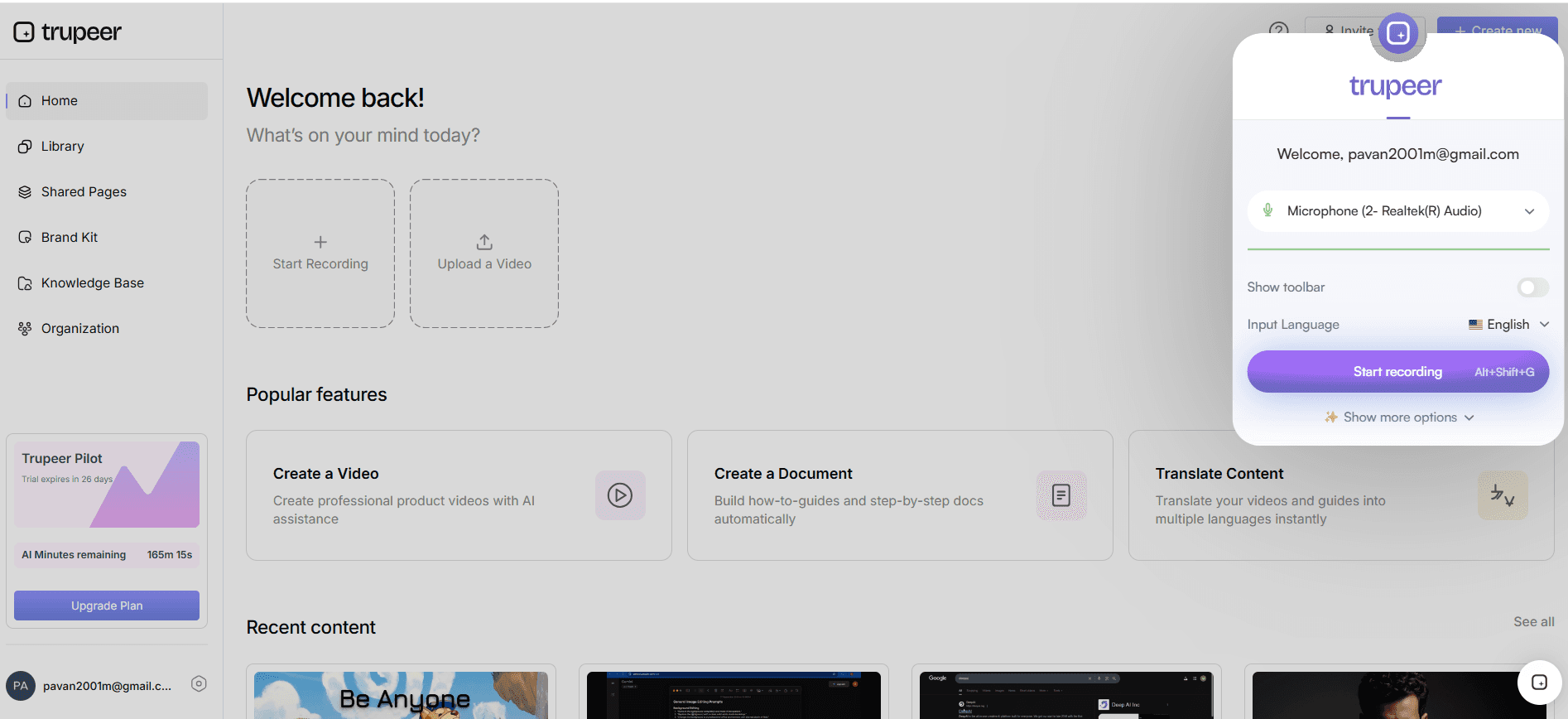
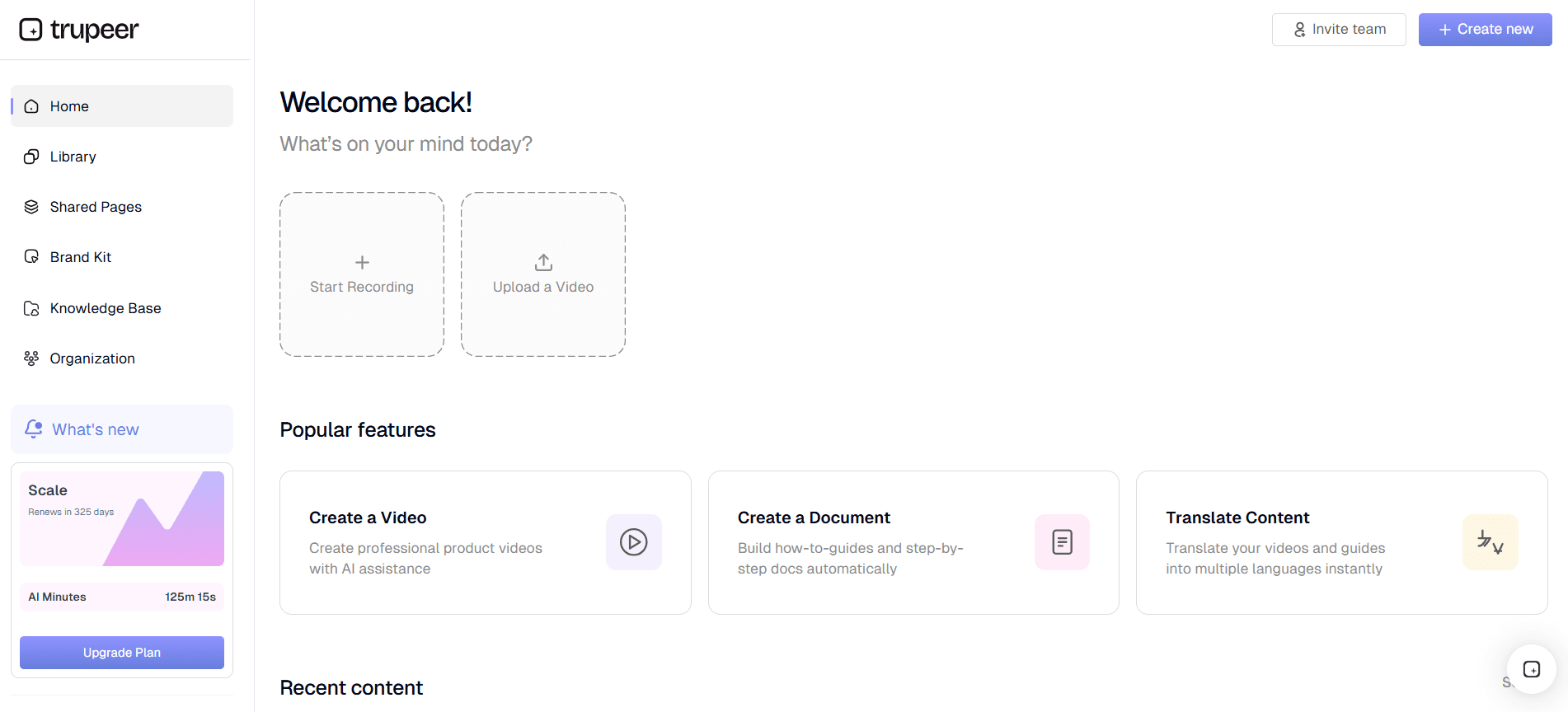
Begin your migration by using Trupeer's AI screen recording with auto-zoom and click detection. This feature captures detailed interactions with your current platform, ensuring you don't miss any critical operations or processes. Click "Start Recording" and navigate through your existing knowledge base. Trupeer will automatically zoom in on essential parts and detect clicks, creating a comprehensive video of your system's usage. This recording acts as a reference guide during migration, minimizing the risk of overlooking crucial steps. It typically takes 30-60 minutes, depending on the complexity of your system.
Step 2: Generate SOPs from Recordings
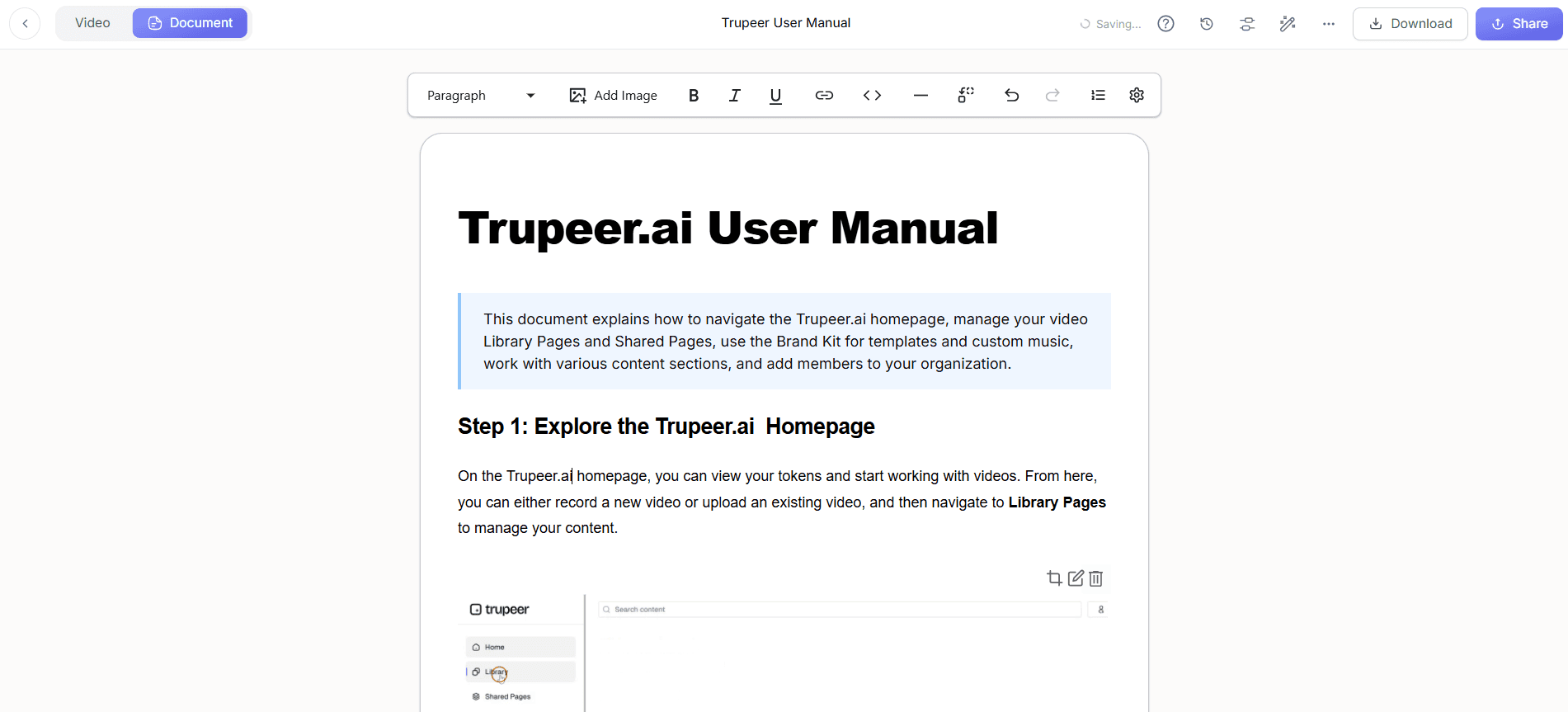
With the screen recording complete, use Trupeer's automatic SOP generation feature to convert the recording into a structured SOP document. Click on "Generate SOP" from your saved recording, and Trupeer will automatically create an edit-ready SOP. This document highlights each critical step captured in the video, allowing you to ensure consistency across the migration process. The SOP can be exported in multiple formats, such as PDF or HTML, making it easy to distribute to your team. This step typically takes around 10-15 minutes depending on the recording length.
Step 3: Set Up New Knowledge Base
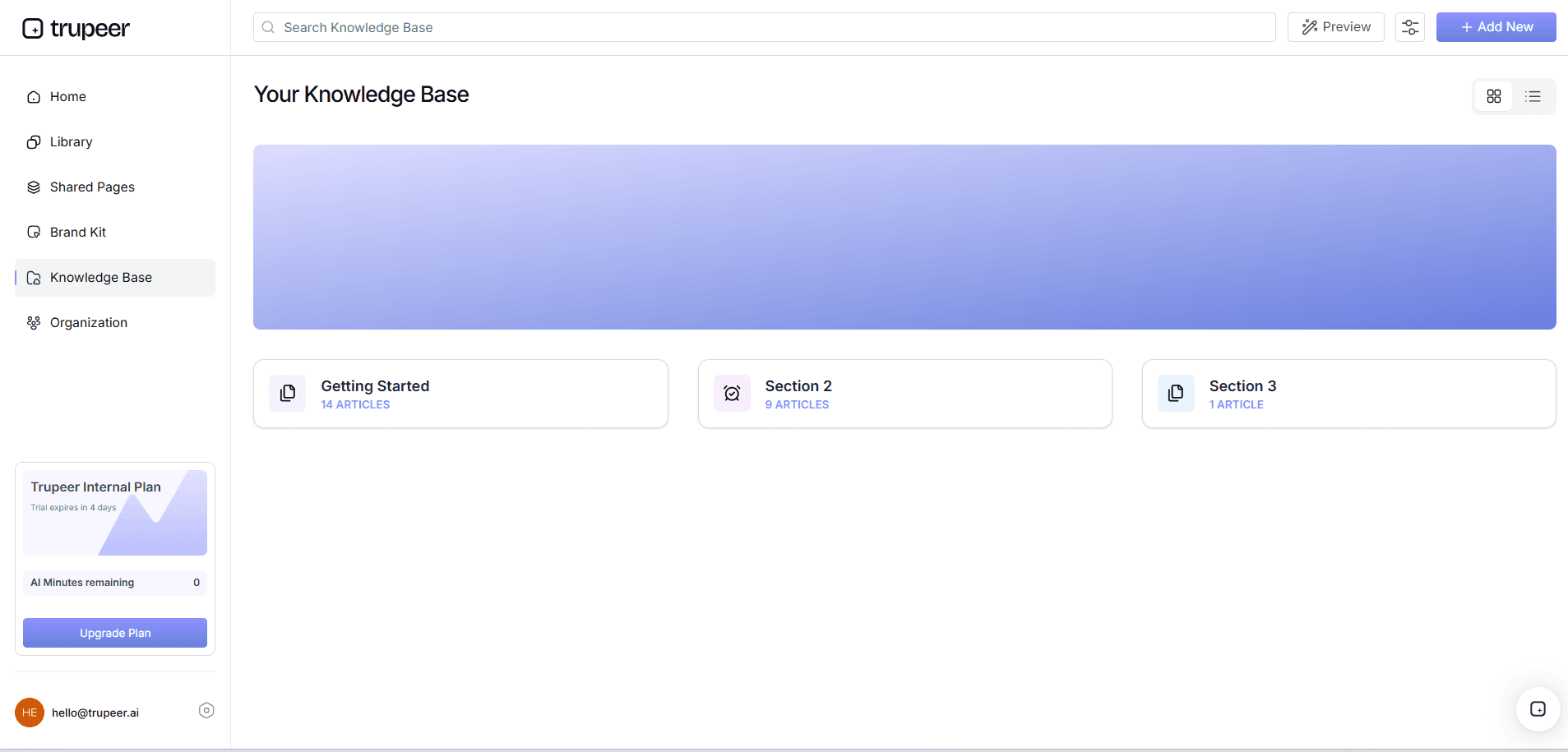
Next, establish your new knowledge base using Trupeer's AI-searchable knowledge base feature. Start by creating a new project and uploading your system content. Use the "Import Content" function to smoothly integrate your existing data. Trupeer automatically indexes content, making it searchable with timestamp deep-links. This capability allows users to find specific information quickly, improving accessibility. The setup process can vary in duration based on the amount of data being migrated but usually takes a few hours for comprehensive systems.
Step 4: Translate Content for Global Users
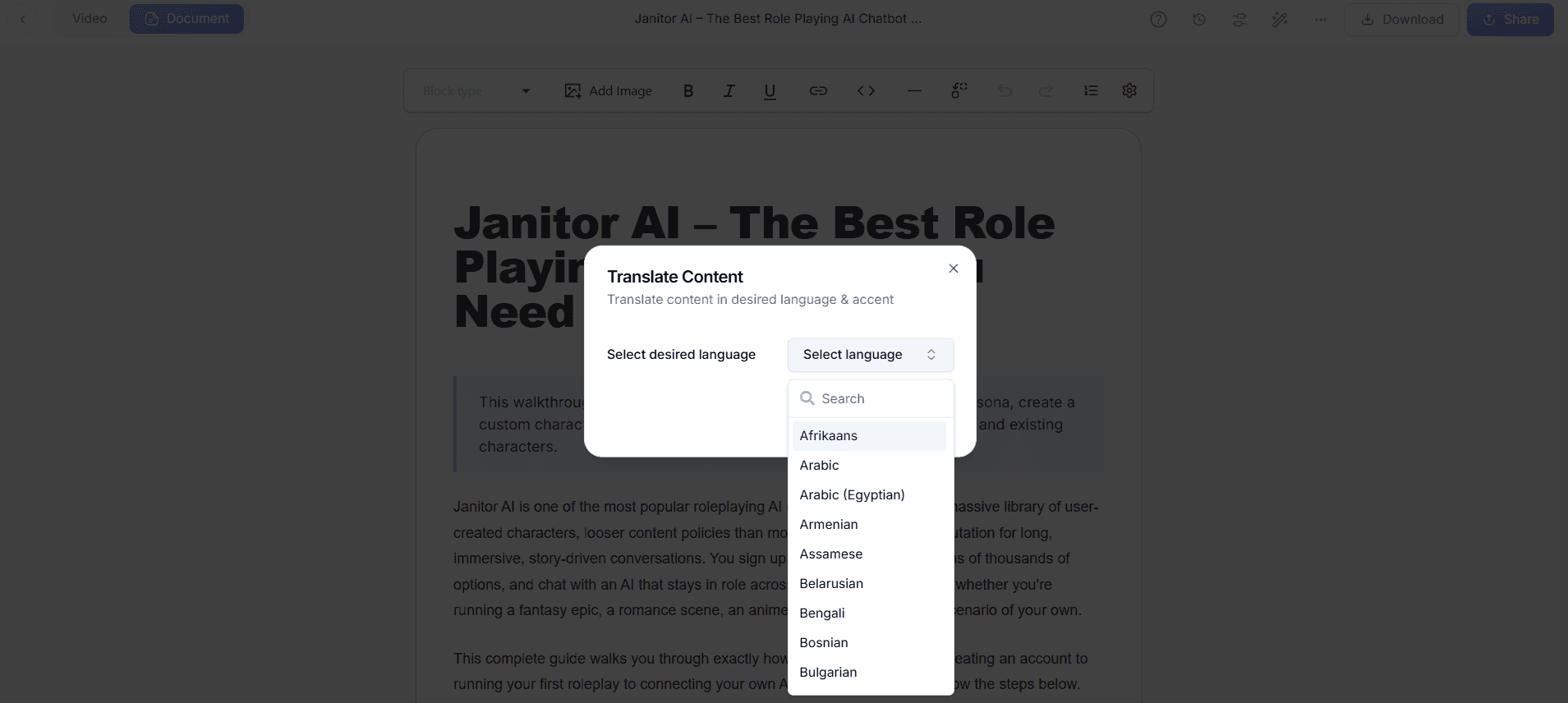
For multilingual organizations, translating your knowledge base is essential. use Trupeer's AI translation feature, which supports over 40 languages with lip-sync. Select your default language content, choose the target languages, and click "Translate." Trupeer will handle the rest, ensuring accurate translations with synchronized lip movements if applicable. This feature ensures that your knowledge base is accessible to all users, regardless of language. Translation times depend on content volume, but the process is generally efficient, often completing within an hour for medium-sized databases.
Step 5: Implement Custom-Domain and SSO
Enhance user experience by setting up custom-domain hosting with SSO. Navigate to the "Domain Settings" within your Trupeer dashboard and link your brand's domain. Enable SSO to allow users to log in with existing credentials, simplifying access and improving security. This setup not only maintains brand consistency but also simplifies the login process for your team. The integration process is straightforward, usually taking less than a day to complete. This ensures smooth access to your new knowledge base.
Step 6: Review and Optimize Migration
Finally, conduct a thorough review of your migrated knowledge base using Trupeer's viewer engagement analytics. This feature provides insights into user interactions and identifies potential areas for improvement. Access the "Analytics" section to review heatmaps and drop-off rates, which can highlight content accessibility issues. Use this data to optimize content layout and improve user experience. This review phase is ongoing, allowing continuous refinement and ensuring the knowledge base meets your organization's evolving needs. Regular reviews help maintain the system's effectiveness over time. When SOPs come into the same conversation, a Scribe alternatives comparison helps clarify the scope.
What tips help you migrate an ITSM Knowledge Base?
Successfully migrating an ITSM knowledge base requires careful planning and execution. Here are some practical tips to help you navigate this complex process efficiently.
Plan Thoroughly. Begin with a detailed migration plan that outlines each stage of the process. This minimizes surprises and keeps the project on track.
Test in Phases. Run the migration in smaller phases to identify potential issues early. This approach helps refine the process and ensures a smoother transition.
use Analytics. use Trupeer's analytics to monitor user interactions. These insights can guide necessary adjustments post-migration to enhance usability.
Maintain Clear Communication. Keep all stakeholders informed about the migration timeline and any changes. This builds trust and ensures everyone is prepared.
Backup Data. Always create a comprehensive backup of your current knowledge base. This acts as a safety net in case of unforeseen issues during migration.
use Automation. Use Trupeer's automation features to simplify repetitive tasks, saving time and reducing the risk of errors.
Engage Stakeholders Early. Involve key stakeholders from the beginning to gather input and ensure the new platform meets everyone's needs. This builds buy-in and support.
Teams weighing tools often start with a Loom alternatives comparison before standardizing on a workflow.
Trupeer also ships a enterprise documentation knowledge base platform that handles this step without extra setup.
Frequently asked questions
How long does ITSM knowledge base migration take?
The duration of an ITSM knowledge base migration varies based on the size and complexity of your database. For small to medium-sized bases, the process can take anywhere from a few days to several weeks. Large-scale migrations might extend to a few months. Planning and testing phases are critical and can impact the timeline significantly. Using automation tools like Trupeer can help simplify the process, reducing manual labor and potential delays.
What challenges can occur during migration?
During migration, common challenges include data loss, formatting issues, and system downtime. Data loss can occur if backups aren't thoroughly planned. Formatting issues arise when content doesn't align properly with the new platform's structure. System downtime disrupts operations and frustrates users. To mitigate these, ensure thorough planning, conduct regular backups, and use automated tools to maintain data integrity and reduce manual errors.
Can Trupeer help with multilingual knowledge bases?
Yes, Trupeer is equipped to support multilingual knowledge bases through its AI translation feature, which covers over 40 languages. This allows you to maintain a single, unified knowledge base accessible to users worldwide, regardless of language differences. The translation process is simplified, ensuring quick and accurate translations with synchronized lip-sync for video content. This capability enhances the global reach and usability of your knowledge base. For global audiences, adding AI video translation extends the same workflow across 40+ languages with lip-sync.
Why is a custom-domain important for knowledge bases?
A custom-domain is crucial for maintaining brand identity and providing a professional appearance to both internal and external users. It enhances user trust and facilitates easier access through SSO, improving the overall user experience. By aligning the knowledge base with your brand's domain, you ensure a cohesive digital presence. Trupeer's custom-domain hosting feature simplifies this process, integrating smoothly with existing systems.
Does Trupeer offer analytics for knowledge base usage?
Yes, Trupeer provides comprehensive viewer engagement analytics, offering insights into how users interact with your knowledge base. This includes metrics like heatmaps, drop-off rates, and engagement patterns. Such analytics are essential for identifying content that may need optimization and for understanding user behavior. By using these insights, you can continuously refine your knowledge base to better meet user needs and improve operational efficiency.