Trupeer Blog
Summarise
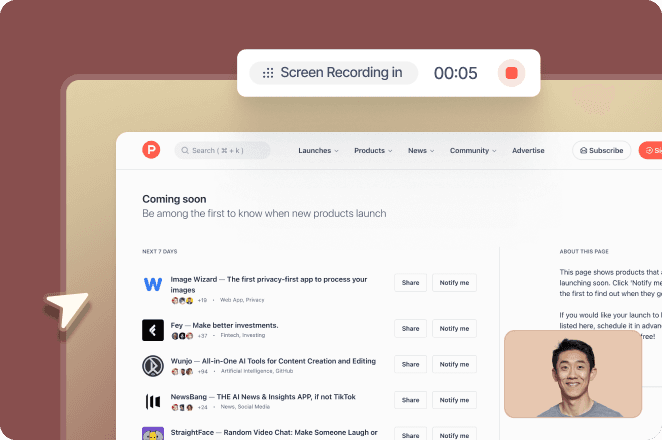
Sales demo videos often serve as the first impression for potential clients, showcasing your product's value and capabilities. But what happens after the initial pitch? Many companies overlook the potential of these demos to be repurposed for customer onboarding and training. By maximizing the utility of your existing content, you not only save time and resources but also maintain consistency across customer interactions. In fact, companies that efficiently repurpose demo videos can reduce onboarding time by up to 30%.
This approach isn't just about cutting costs; it's about creating a smooth experience from first contact through to user adoption. Not every sales demo is immediately ready for onboarding. Different stakeholders, like sales teams and customer success managers, need to collaborate to ensure the content is relevant for both prospects and new users. By strategically repurposing demo content, you can avoid creating two disconnected libraries and keep your messaging consistent. For more insights on how to repurpose demo videos, consider how it impacts both your sales and onboarding strategies.
Why does repurposing demo videos for onboarding and training matter?
Repurposing demo videos is crucial because it addresses a fundamental challenge: creating cohesive and efficient learning experiences for new customers. Sales demos are rich with product insights and real-time demonstrations, often capturing the essence of what makes your product unique. However, without repurposing these demos, companies risk a disconnect between the promises made during the sales process and the reality experienced during onboarding. This gap can lead to customer dissatisfaction and increased churn.
For stakeholders like product managers and customer success teams, maintaining consistency is vital. When sales and onboarding materials aren't aligned, it can cause confusion for new users, leading to longer onboarding times and increased support queries. By integrating demo content into training materials, companies maintain a smooth transition from prospect to customer. Since the pre sales workflow is closely tied to customer success, aligning these materials ensures that new users receive the same quality information that attracted them in the first place, resulting in better product adoption and reduced churn.
What are the benefits of repurposing demo videos for onboarding and training?
Repurposing demo videos is a smart strategy for enhancing onboarding and training processes. Here are several key benefits:
Cost Efficiency. Reusing existing demo videos saves production costs associated with creating new training content. This approach reduces the need for additional resources, allowing teams to allocate budgets to other critical areas.
Consistency in Messaging. By using demo videos across multiple stages, companies ensure that messaging remains consistent. This consistency helps in reinforcing the product's value proposition throughout the customer journey.
Faster Onboarding. With customer onboarding videos derived from sales demos, customers can quickly understand product functionalities, reducing the time needed to become proficient users.
Enhanced Engagement. Demo videos are inherently engaging, often featuring dynamic visuals and narratives. By repurposing them for training, companies can keep users more engaged compared to static text-based materials.
Scalability. As new features are added, updating demo videos is often easier than recreating training materials from scratch. This adaptability allows companies to scale their training programs efficiently.
Improved Knowledge Retention. Videos are known to enhance learning retention rates. A single AI video platform can ensure that users retain more information, leading to better application of knowledge in real-world scenarios.
Which Trupeer features help you repurpose demo videos for onboarding and training?
Trupeer offers a variety of features that make it ideal for repurposing sales demo videos into effective onboarding and training materials. Here's how Trupeer can support this transformation:
AI screen recording with auto-zoom and click detection
This feature enables you to capture detailed and focused demos, highlighting specific product functionalities automatically. As the screen recording software detects clicks and actions, it zooms in on the relevant parts of the screen, making the demo more engaging and informative. This is particularly useful for onboarding, as it ensures that new users can clearly see and understand each step of the product interaction, saving time during the training process.
Silent screen recording with automatic AI narration
Trupeer's silent recording feature captures screen activity without background noise, while AI-generated narration provides a clear and concise voiceover. This is essential for creating professional-grade training videos that can be easily understood by users. The automatic narration ensures that all critical points are covered without the need for manual voiceover recording, which speeds up the video production process and maintains consistency in delivery. The integration with an AI documentation platform further helps by creating synchronized written guides.
Automatic filler-word removal
During live demos, presenters often use filler words such as "um" and "ah" that can detract from the message. Trupeer's AI editing capabilities remove these filler words from recordings, resulting in a polished and professional final product. This feature ensures that the training material is clear and to the point, making it easier for users to follow along and learn effectively. It also aligns with video knowledge base standards, which demand clarity and precision.
AI voiceover in 65+ natural voices
The ability to select from a wide range of AI-generated voices allows companies to tailor the tone and pace of their training videos to match their brand voice. This feature is particularly beneficial for international audiences, as Trupeer supports multiple languages, enabling smooth global training deployments. The consistency in voiceover quality enhances the user's learning experience, providing a uniform sound across all training materials.
AI avatars / talking-head video
Incorporating AI-generated avatars into your training videos adds a human touch without the need for live presenters. These avatars can be customized to fit your brand and provide a face to the voiceover, making the content more relatable and engaging. The visual presence of an avatar helps maintain user attention and breaks the monotony of instructional videos. With Trupeer's easy video editing software for training videos, integrating these avatars becomes an effortless task.
How do you repurpose sales demo videos for customer onboarding and training step by step with Trupeer?
Step 1: Capture the Initial Demo
Begin by using Trupeer’s browser-based recorder to capture your sales demo. No installation is required, making it convenient and quick to start. As you record, Trupeer's AI screen recording with auto-zoom and click detection will automatically highlight key interactions, ensuring that every important product feature is emphasized. This recording serves as the foundation for your onboarding content. Typically, capturing a 10-minute demo takes around 15 minutes, including setup. Be sure to focus on the most impactful features that users need to understand during onboarding.
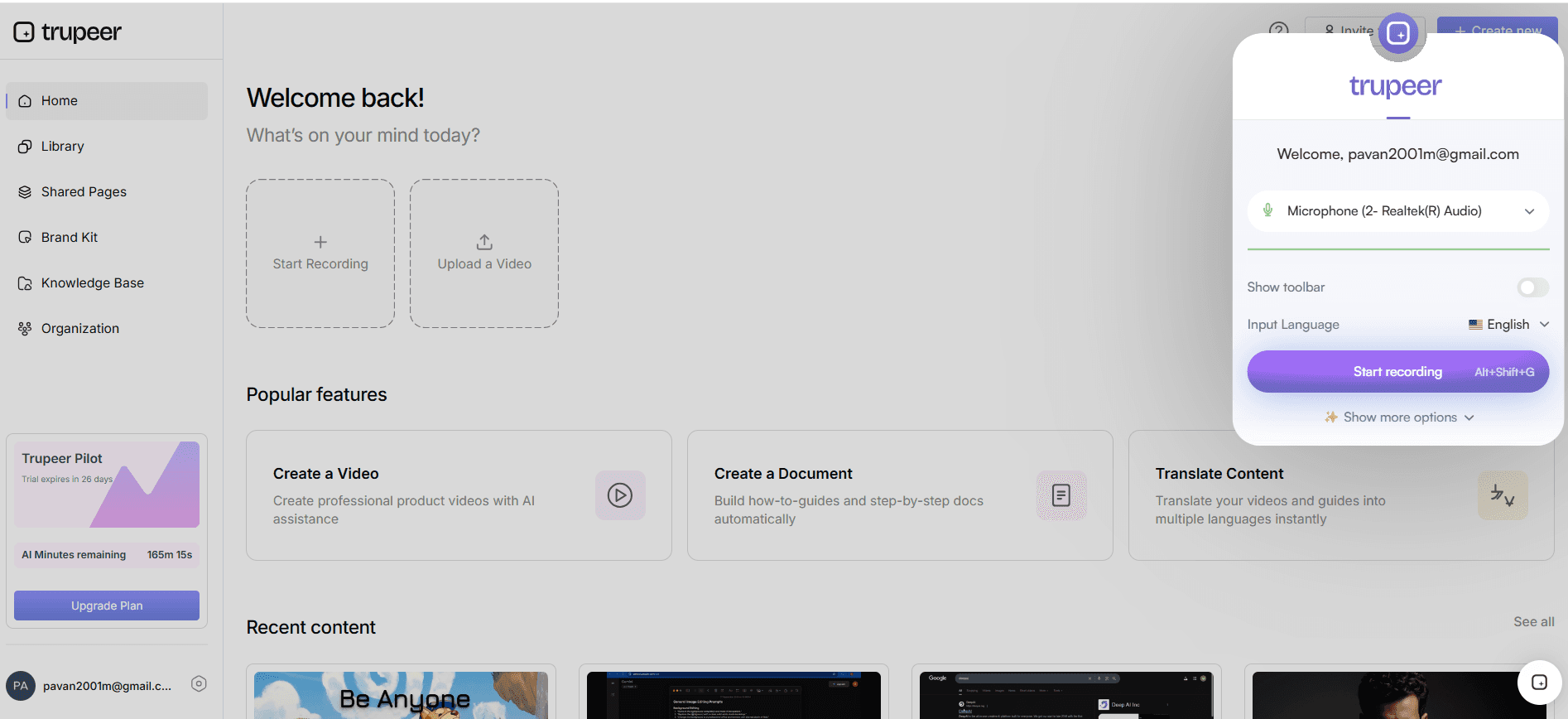
Step 2: Edit for Clarity and Engagement
Once the demo is captured, use Trupeer’s automatic filler-word removal to clean up your video. This feature eliminates unnecessary pauses and filler words, resulting in a more professional and concise video. You can further enhance the video by adjusting the pace and tone of the narration using Trupeer's AI voiceover options. This editing process takes approximately 10 minutes for a 10-minute video, allowing you to maintain viewer engagement without extensive manual editing. If you need a beginner friendly video editor for training videos, Trupeer has you covered.
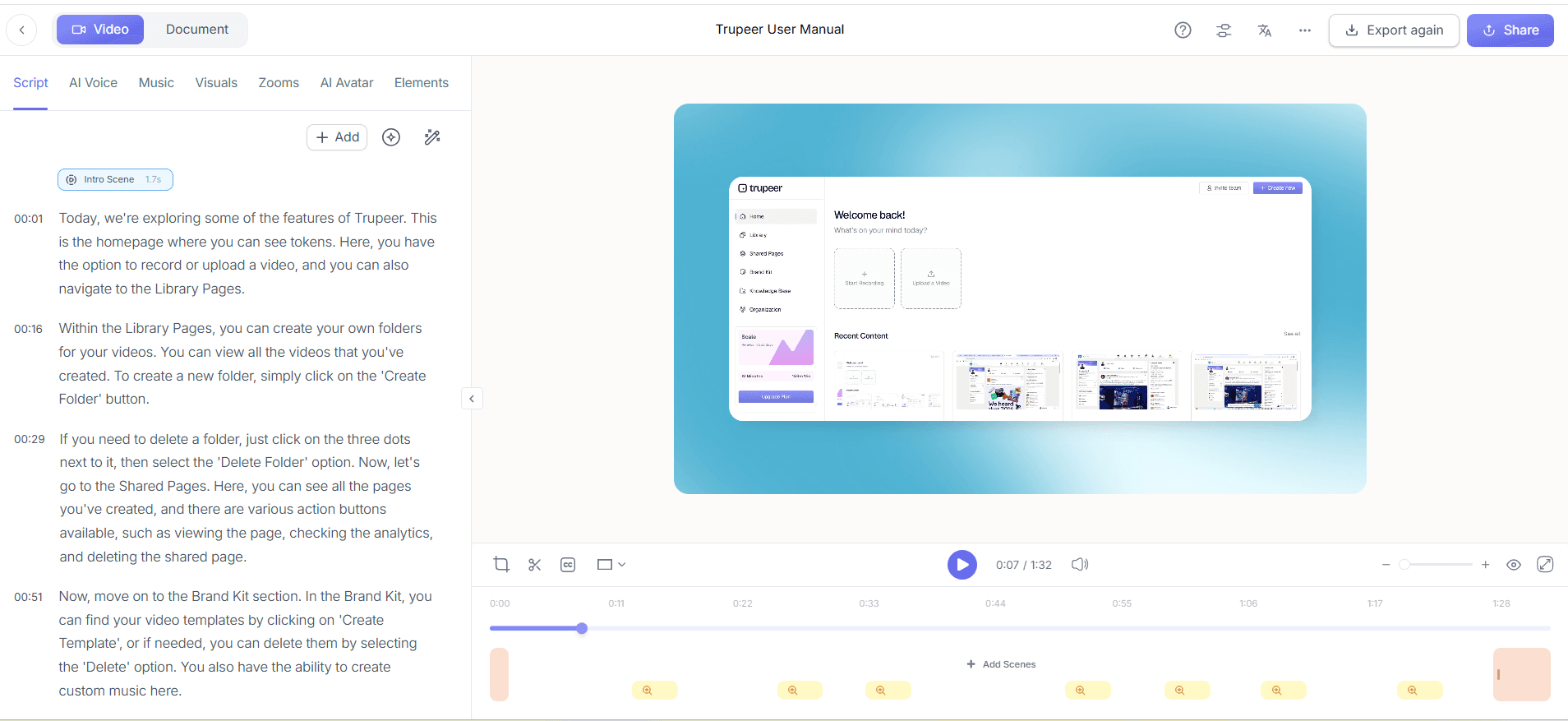
Step 3: Add AI Narration and Avatars
To make your onboarding video more engaging, add AI narration. Trupeer offers AI voiceover in 65+ natural voices, which can be customized to match your brand's tone. You can even create an AI avatar to serve as a visual guide throughout the video. This step adds a personal touch and helps maintain viewer attention. The process of adding narration and avatars is straightforward and can be completed in about 15 minutes. This ensures your videos are both informative and appealing.
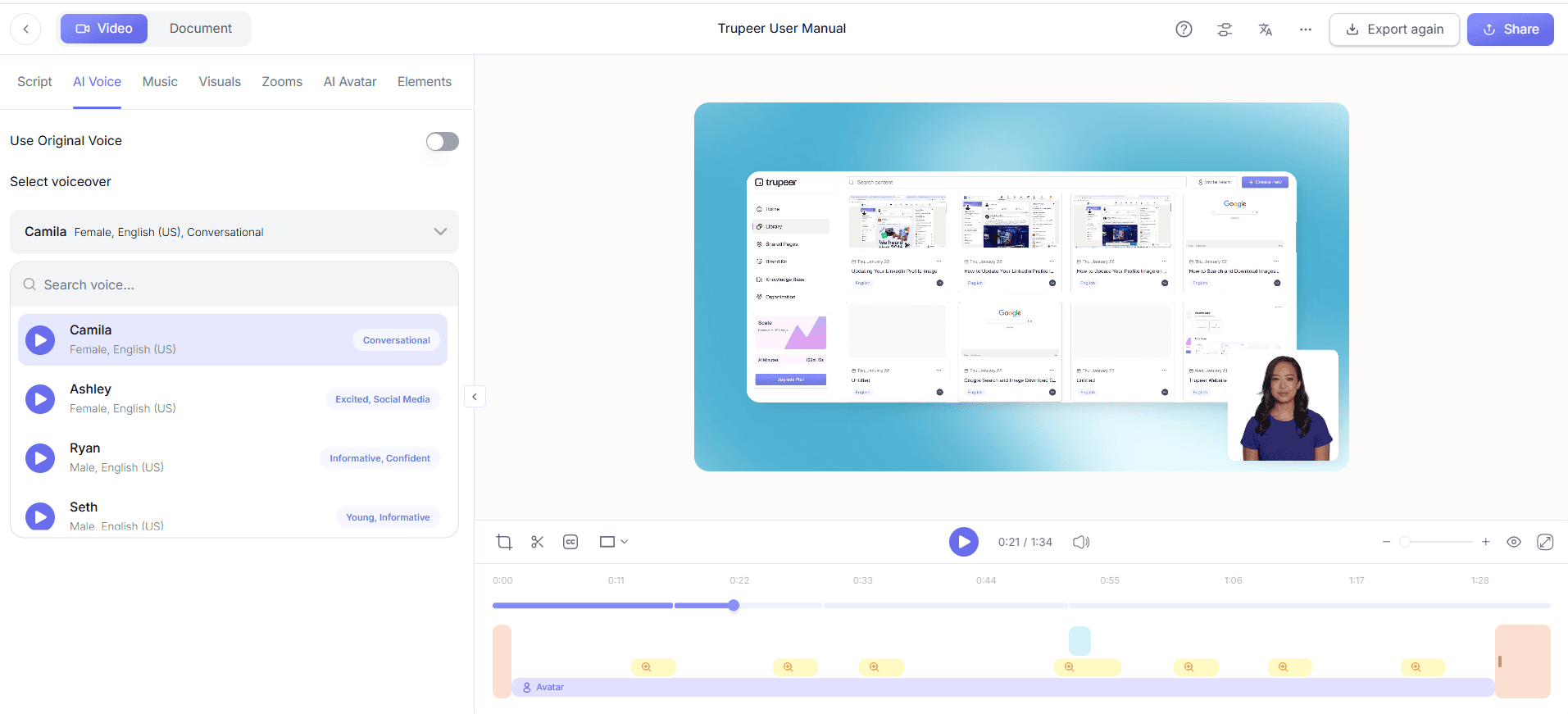
Step 4: Generate Supporting Documentation
Use Trupeer’s automatic SOP generation to create accompanying documentation. This feature automatically generates edit-ready, exportable Standard Operating Procedures from your video, which you can then refine as needed. This step is crucial for users who prefer written guides alongside video content. Generating the initial documentation takes about 5 minutes, followed by any necessary editing. This integration ensures that your Loom alternative comparison offers comprehensive support materials.
Step 5: Localize for Global Audiences
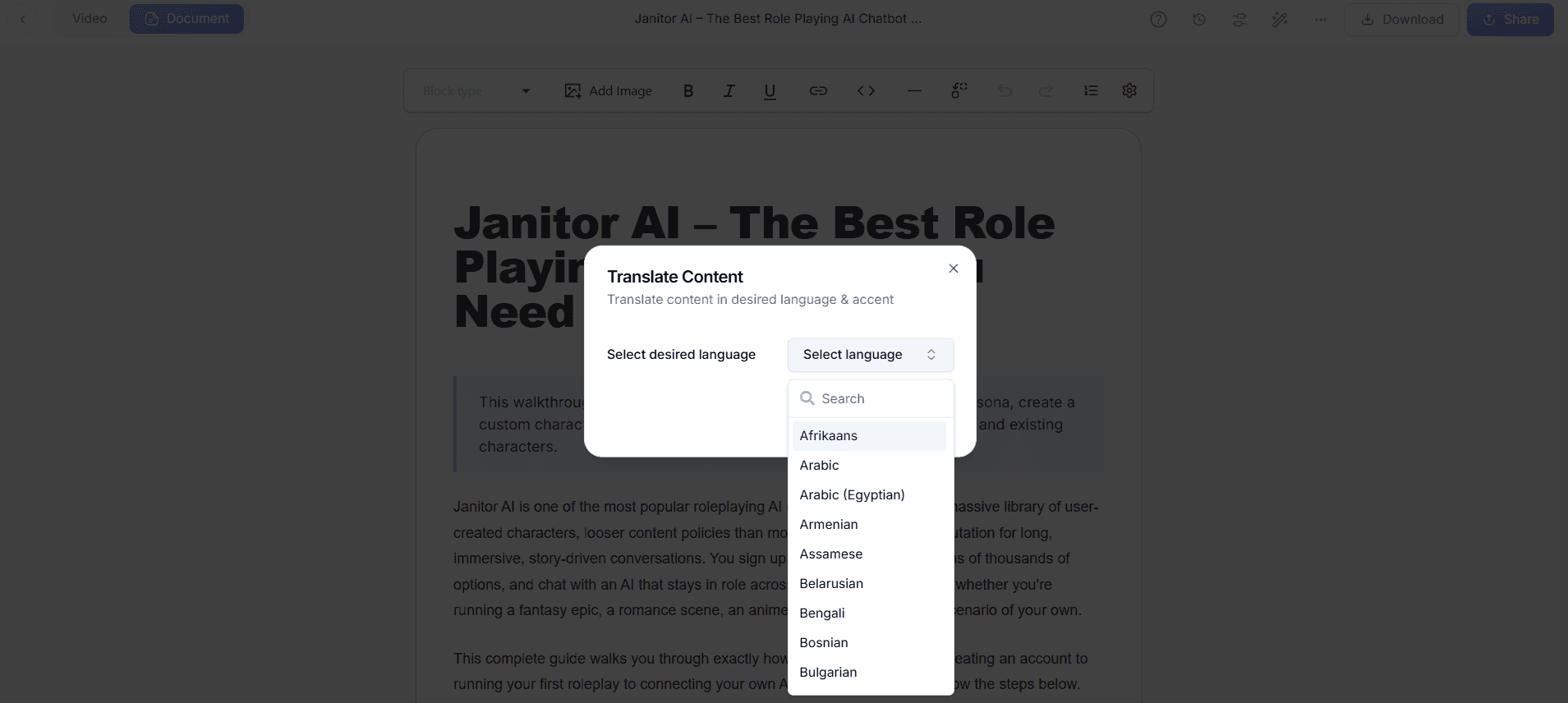
Use Trupeer’s AI translation capabilities to make your onboarding content accessible to a global audience. The platform supports translation into 40+ languages, complete with AI lip-syncing for smooth video dubbing. This feature is invaluable for companies with international clients, ensuring that language barriers don’t impede user understanding. Localization for a 10-minute video typically takes around 20 minutes, making it an efficient way to expand your training reach.
Step 6: Distribute and Measure Engagement
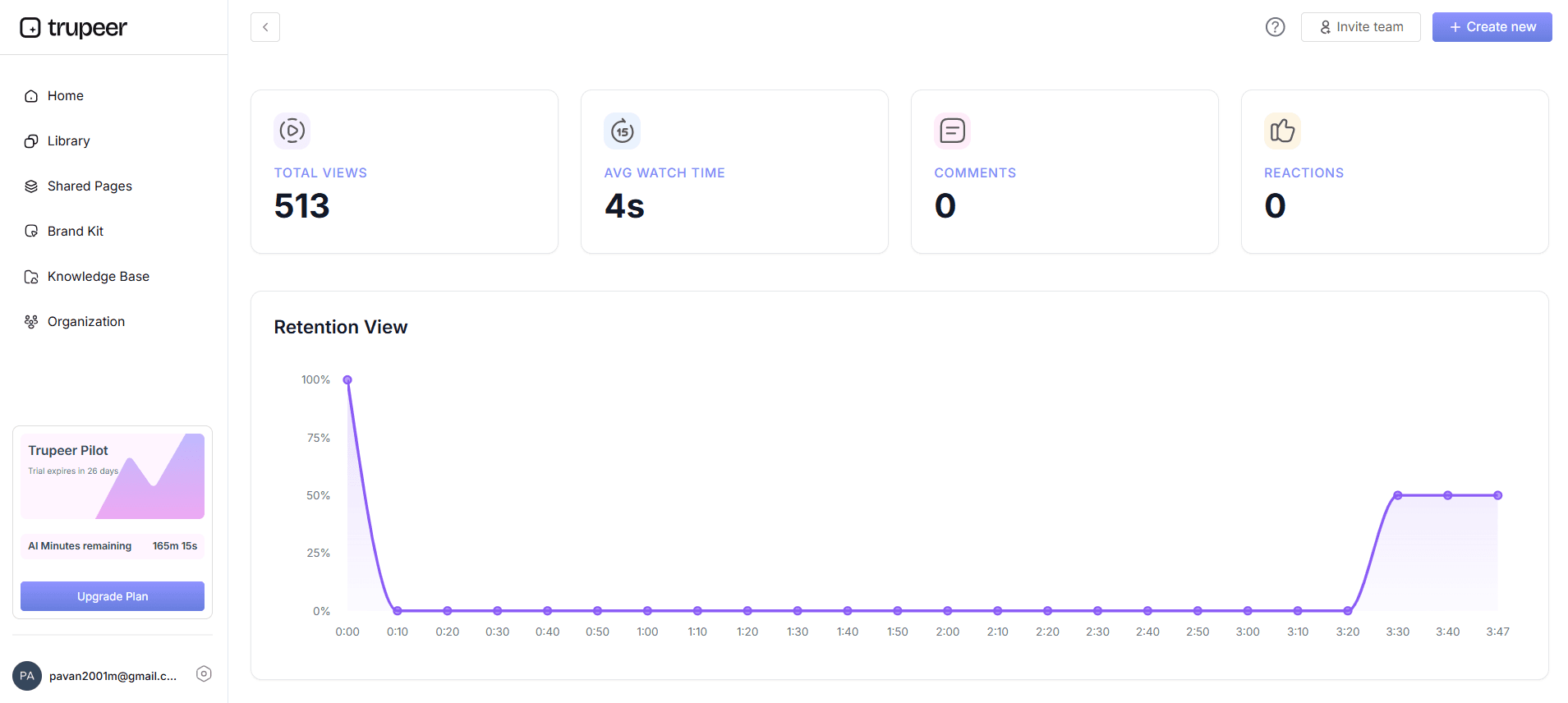
Once your video is polished and localized, distribute it through Trupeer’s AI-searchable knowledge base. This platform allows users to access videos with timestamp deep-links, making it easy for them to find specific information quickly. You can also host videos on a custom domain with SSO for secure client access. Trupeer provides viewer engagement analytics, allowing you to track how users interact with your content. These insights help identify areas for improvement, ensuring your onboarding materials are effective.
What tips help you repurpose sales demo videos for customer onboarding and training?
Repurposing demo videos requires careful planning and execution. Here are some tips to ensure success:
Standardize Your Recording Process. Use consistent templates and brand kits to ensure all videos align with your brand identity. This creates a professional and cohesive look across all content.
Focus on Key Features. Highlight the most critical product features that new users need to understand. Avoid overwhelming them with unnecessary details.
Incorporate Feedback. Regularly update your training materials based on user feedback to keep them relevant and effective. This helps in maintaining high engagement levels.
use Multi-format Exports. Offer your training content in various formats, such as MP4, HTML, and PDF. This caters to different learning preferences and increases accessibility.
Test with a Small Audience First. Before rolling out the training videos to all users, test them with a small group to gather feedback and make adjustments as needed.
use AI Tools. Use AI training video tools to enhance your content. AI can automate many aspects of video creation and editing, saving time and resources.
Monitor Engagement Metrics. Use analytics to track how users interact with your videos. This data can guide future improvements and ensure your content remains effective.
When SOPs come into the same conversation, a Scribe alternatives comparison helps clarify the scope.
Frequently asked questions
How can I ensure my demo videos are effective for training?
To ensure effectiveness, focus on clarity and engagement. Use Trupeer’s automatic filler-word removal to keep videos concise. Incorporate engaging elements like AI avatars for visual interest. Regularly update content based on user feedback. Test videos with a small audience to identify areas for improvement. Monitor engagement metrics to understand user interactions and make data-driven enhancements. This comprehensive approach helps in creating impactful training materials.
What makes Trupeer different from other platforms?
Trupeer stands out due to its comprehensive suite of AI-driven features. It offers smooth integration of screen recording, editing, and distribution tools, all enhanced by AI capabilities like voice cloning and translation. This allows for efficient content creation and localization, catering to global audiences. Its video localization tool ensures content is accessible worldwide. The platform's analytics provide insights into viewer engagement, enabling continuous content optimization.
Can I customize the AI avatars in my videos?
Yes, Trupeer allows for extensive customization of AI avatars. You can choose from a stock library or create custom avatars that align with your brand. This personalization adds a relatable touch to your videos, enhancing viewer engagement. The customization process is user-friendly, and integrating avatars into your videos is smooth, taking approximately 15 minutes. This capability ensures your training materials are not only informative but also visually appealing.
Does Trupeer support multi-language training videos?
Absolutely, Trupeer excels in multi-language support. Its AI translation feature allows you to convert training videos into over 40 languages, complete with lip-syncing for a natural viewing experience. This feature is crucial for companies with diverse global audiences, ensuring that language is not a barrier to effective learning. Localization is efficient, typically taking around 20 minutes for a 10-minute video, making it an ideal solution for international training needs.
Is it possible to track how users interact with the videos?
Yes, Trupeer provides detailed analytics to track user interactions. You can monitor viewer engagement, drop-off rates, and heatmaps to understand how users are engaging with your content. These insights are invaluable for identifying which parts of the video are most effective and which may need improvement. By staying informed about user behavior, you can continually refine your training materials to enhance effectiveness and user satisfaction.
Related Blogs