Trupeer Blog
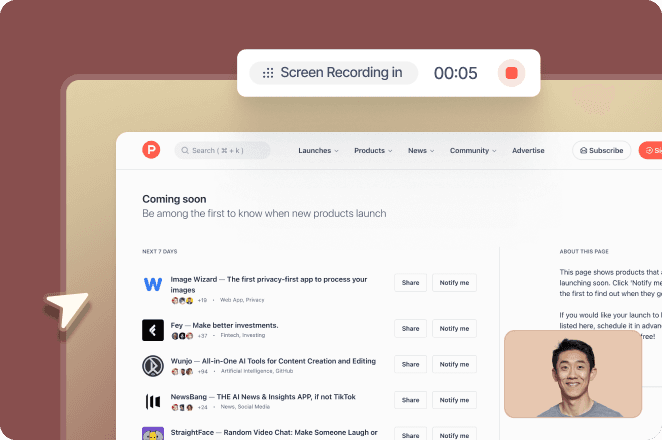
Picture this: You've spent weeks developing a detailed product demo video, brimming with industry-specific jargon and subtle technical terms. Your goal? Reach a global audience, but the translations misfire, turning precise terminology into confusing gibberish. It's a scenario all too common in AI video translation. The stakes are high. If not handled correctly, technical terminology can derail your message, alienate your audience, and potentially damage your brand's credibility.
Approximately 63% of companies reported inaccuracies in translations as a major barrier in global market expansion.
Ensuring clarity in translation isn't just a nice-to-have; it's essential. This blog is for content creators, product marketers, and educational platforms who rely heavily on precise language to communicate effectively across borders. how to use AI translation tools to safeguard your technical language. For a deeper look, our guide on ai video editing covers the adjacent playbook.
Why does handling technical terminology during AI video translation matter?
AI video translation is a powerful tool for reaching global audiences, but technical terminology can trip up even the best systems. For businesses in sectors like technology, healthcare, and engineering, where precision is key, mistranslations can lead to misunderstandings, misuse of products, and potential safety hazards. Imagine a medical device company providing instructions that are inaccurately translated, leading to improper usage. The consequences can be severe, affecting not only user safety but also the company's reputation and legal standing. Accurate translation isn't just about language; it's about ensuring the correct application of knowledge.
Also, as more companies accelerate their AI adoption workflow, the demand for precise content localization grows. This isn't just a technical challenge; it's a strategic business imperative. Poor translation can erode customer trust and hinder international growth. Stakeholders across marketing, product development, and customer support need to collaborate closely to maintain the integrity of technical content in multiple languages. Without a solid process to manage technical terminology, companies risk alienating customers and losing market share. Effective translation management mitigates these risks and enables smooth global operations.
What are the benefits of managing technical terminology during AI video translation?
Handling technical terminology effectively in AI video translation has several tangible benefits that can significantly enhance your global communication strategy.
Enhanced Communication Clarity. By maintaining the integrity of technical terms, your message remains clear and accurate, reducing the risk of misinterpretation.
Improved Audience Engagement. Accurate terminology keeps your audience engaged, as they can understand and trust the content, leading to higher retention rates.
Increased Market Credibility. Consistent and precise translations build credibility in new markets, positioning your brand as reliable and knowledgeable.
Reduced Compliance Risks. Proper translation of technical and legal terms helps ensure compliance with local regulations, avoiding costly legal issues.
simplified International Expansion. A single AI video platform allows for easier expansion into international markets by providing consistent messaging across different languages.
Boosted Product Adoption. Clear and accurate translations facilitate better understanding of product features, leading to increased adoption rates and customer satisfaction.
Teams weighing tools often start with a Loom alternatives comparison before standardizing on a workflow.
Which Trupeer features help you manage technical terminology during AI video translation?
Trupeer offers several capabilities that specifically address the challenges of translating technical terminology in videos. Here’s how these features can support your translation efforts.
AI Translation into 40+ Languages with Lip-Sync
Trupeer's AI translation feature supports over 40 languages, ensuring that your technical content is accessible worldwide. With integrated lip-sync capabilities, translations aren't just accurate, they're also visually in sync with the original video. This ensures that your technical explanations remain precise and engaging across different languages. The lip-sync feature is particularly useful for maintaining the professional quality of product demos and training videos, making them look and feel natural to a diverse audience.
AI Dubbing for Non-English Audiences
The AI dubbing feature transforms your original audio into professionally dubbed tracks in multiple languages. This is crucial for maintaining the integrity of technical terminology, as the AI system is designed to recognize and correctly translate industry-specific jargon. This capability supports a smooth auditory experience, allowing non-English speakers to receive the same high-quality technical information as English speakers. It's especially valuable for training videos and technical tutorials where precise language is key.
AI Voiceover in 65+ Natural Voices
Trupeer's AI voiceover offers over 65+ natural voices, which can be adjusted for pace and tone to suit the content's context. This flexibility ensures that technical terms are pronounced correctly and with the appropriate emphasis, enhancing comprehension. Whether you're creating an educational video or a product launch presentation, the AI voiceover capability helps maintain the professional tone and accuracy necessary for technical content. Users can select the voice that best matches their brand's tone, ensuring consistency across all translated materials.
Automatic SOP Generation from Any Recording
For organizations that rely on standard operating procedures, Trupeer's automatic SOP generation is a big shift. It transforms video content into text-based SOPs, which can be easily translated and exported in multiple formats. This feature ensures that your technical processes are accurately documented and accessible in various languages, supporting global operations. It's particularly beneficial for training and compliance documentation, where precision is non-negotiable.
AI-Searchable Knowledge Base with Timestamp Deep-Links
An AI-searchable knowledge base enhances the accessibility of your video content by indexing recordings with timestamp-level deep links. This capability enables users to quickly find specific sections of a video that contain crucial technical information. By providing direct access to critical content, Trupeer ensures that users can easily reference and understand complex terminology, improving comprehension and retention. This feature is invaluable for training programs and product support videos where users need quick access to specific information.
How do you handle technical terminology during AI video translation step by step with Trupeer?
Step 1: Record Your Video with AI Screen Recording
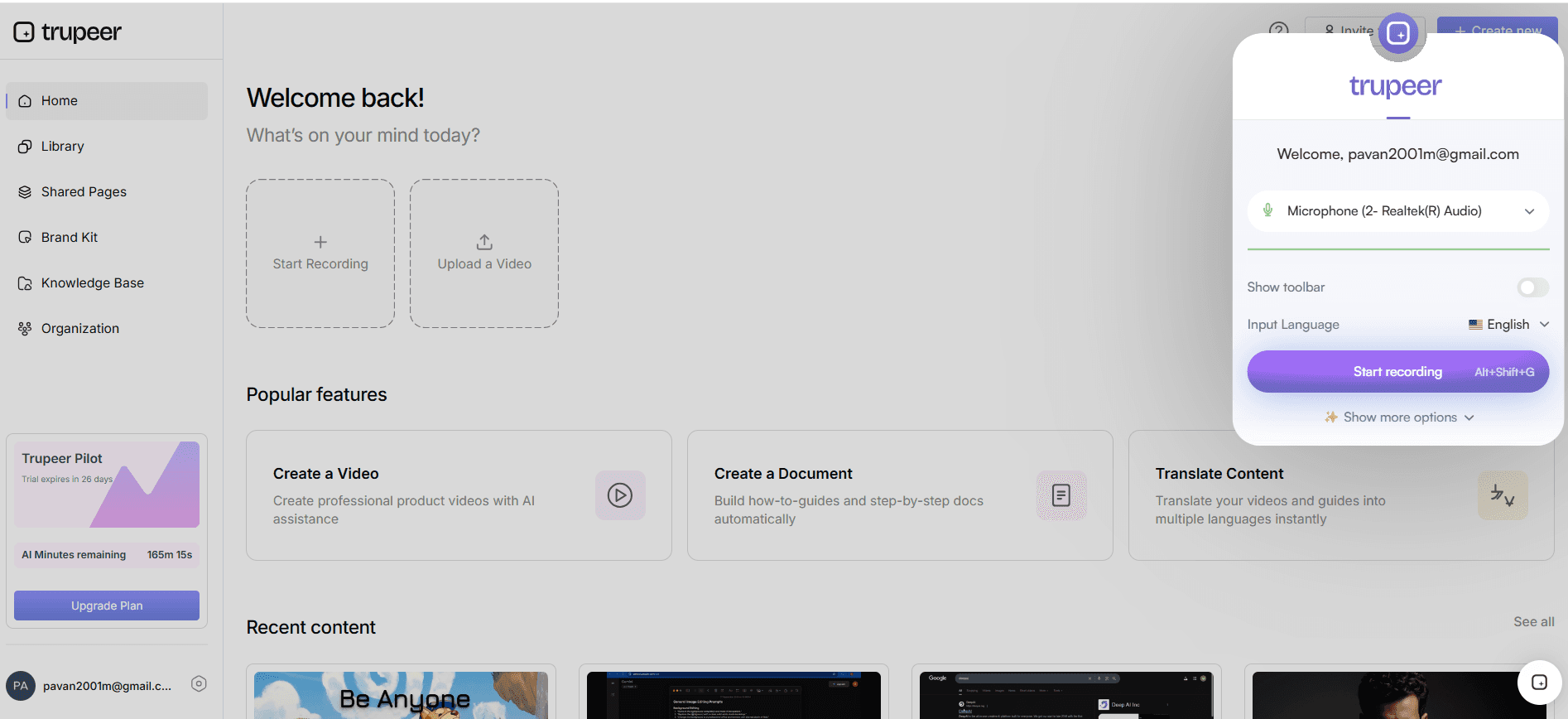
Begin by using Trupeer's browser-based recorder to capture your video. This tool doesn't require any installation, making it quick and easy to start. Click "Record" to capture your screen, and the AI will automatically detect clicks and zoom in on areas of interest. This helps in highlighting key elements of your technical content. Once your recording is complete, the video is automatically saved to your Trupeer library, ready for translation. Depending on the length of your recording, this process typically takes under 30 minutes, including a review of the captured content to ensure all necessary details are included.
Step 2: Remove Filler Words with Automatic AI Editing
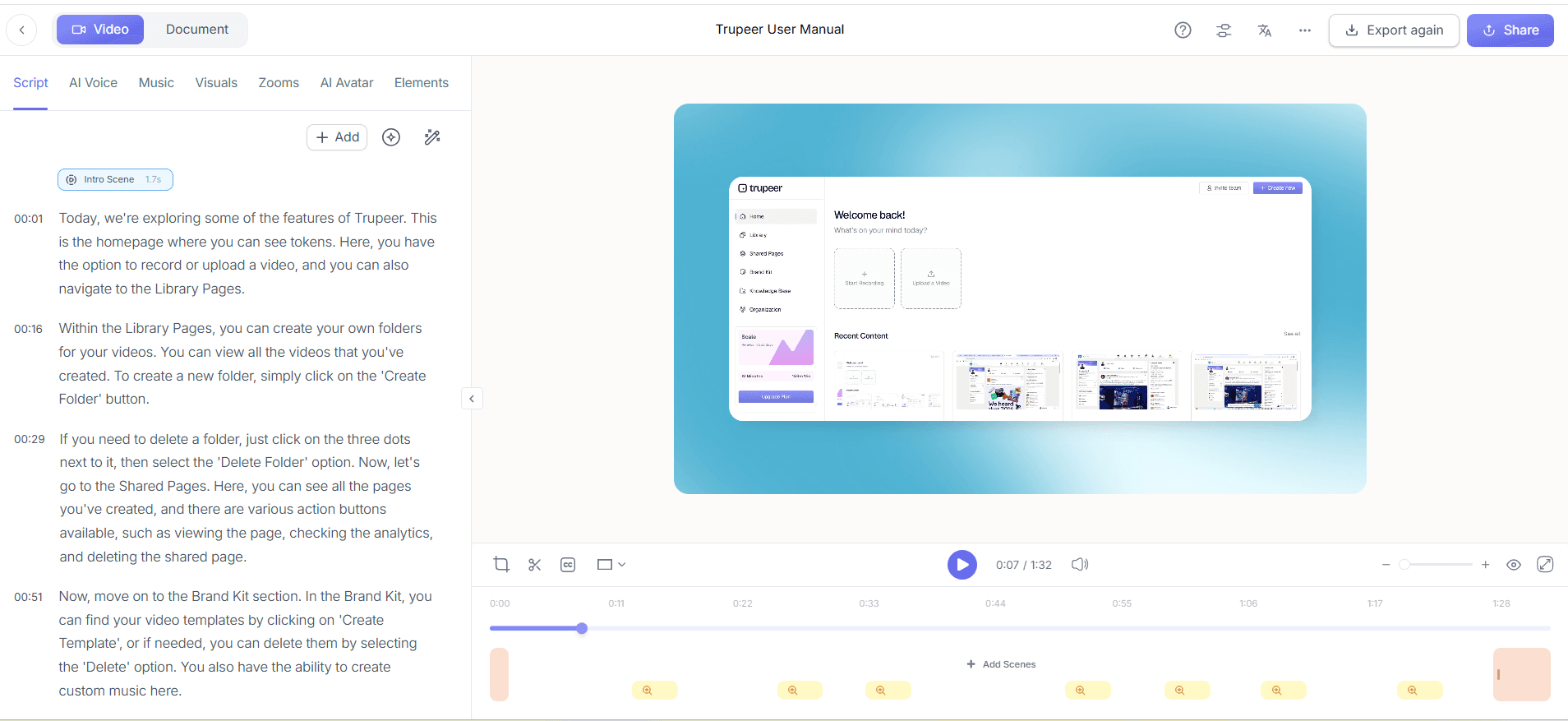
After the video capture, use Trupeer's AI editing feature to remove filler words like "um" or "ah" that can distract from your technical message. Click on the "Edit" button and select "Remove Filler Words." The AI processes the video, eliminating these distractions and tightening the narration. This step ensures that the technical terminology is presented clearly, without unnecessary interruptions. The editing process is typically swift, taking about 10 minutes to complete for a standard-length video.
Step 3: Generate AI Voiceover in Multiple Languages
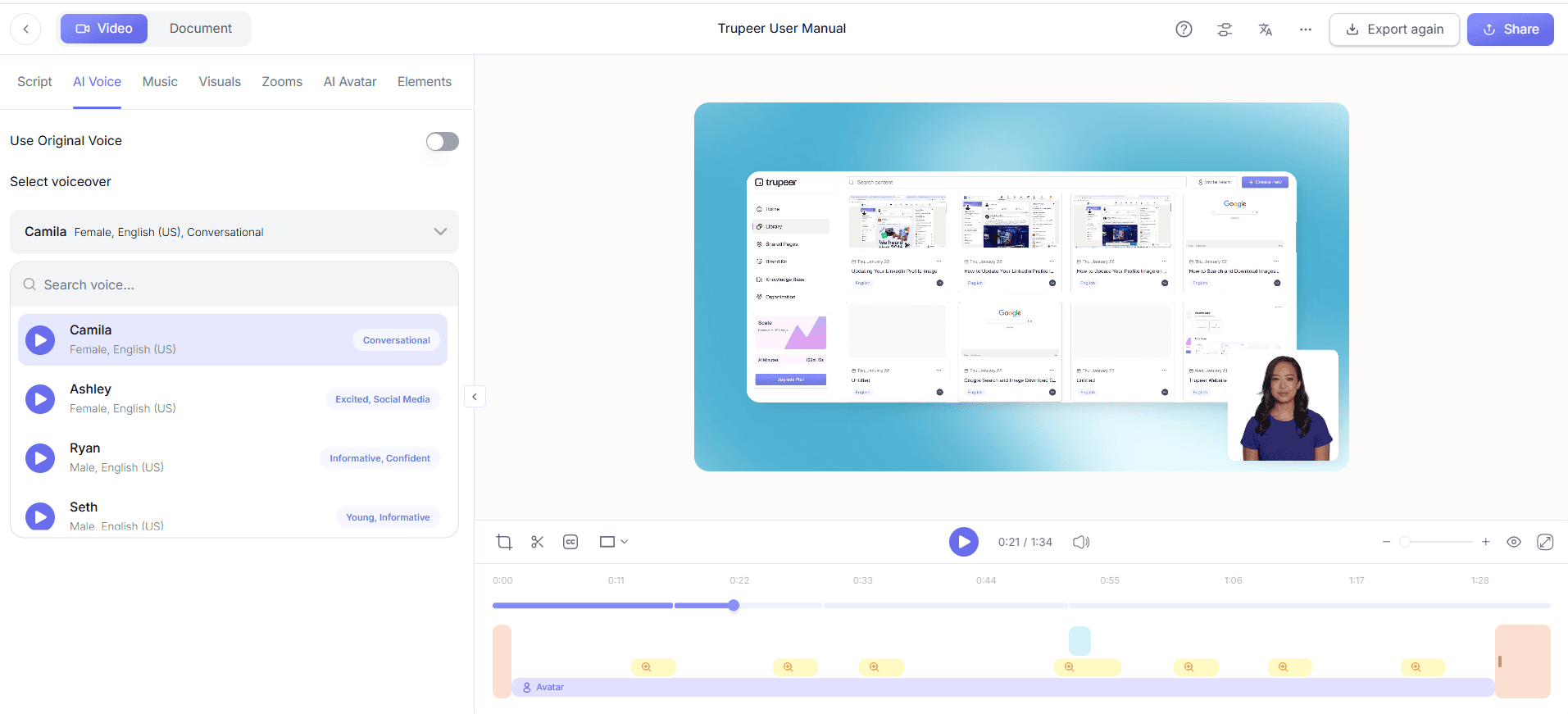
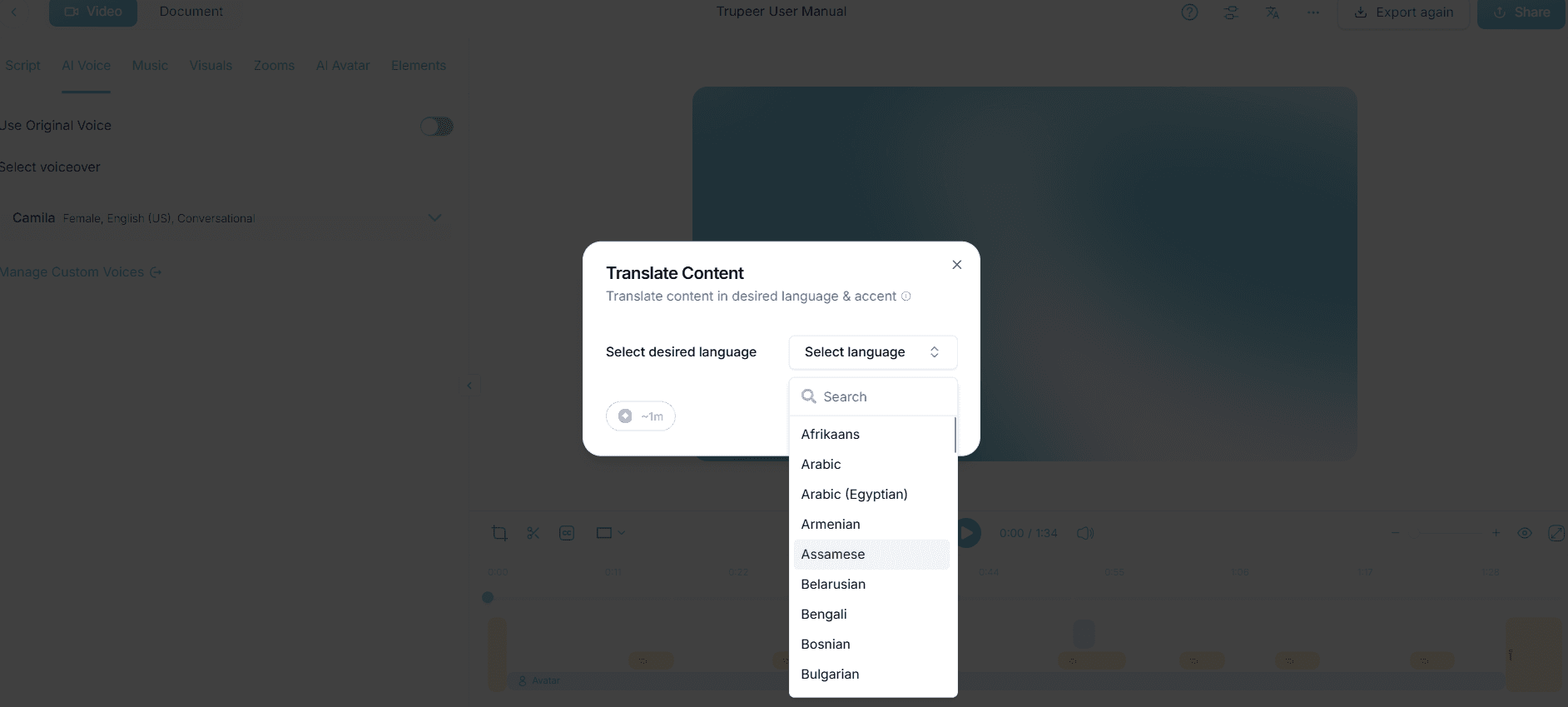
Next, apply Trupeer's AI voiceover to translate your video into multiple languages. Select the "Voiceover" option and choose from over 65+ natural voices available. Adjust the pace and tone to match the technical nature of your content. This feature ensures that your technical terms are pronounced correctly, maintaining their intended meaning across languages. Voiceover generation can take 15 to 20 minutes per language, depending on the complexity of the terminology used.
Step 4: Sync Translated Audio with AI Dubbing
To ensure your translated audio matches the visuals, use Trupeer's AI dubbing feature. Select "Dubbing" and upload the translated scripts. The AI will automatically sync the audio with the video, ensuring that speech matches the lip movements in the video. This step is crucial for maintaining the professionalism of your technical content. Typically, AI dubbing takes about 20 minutes per translation, ensuring a smooth viewing experience for non-English audiences.
Step 5: Create Auto-Generated Documentation
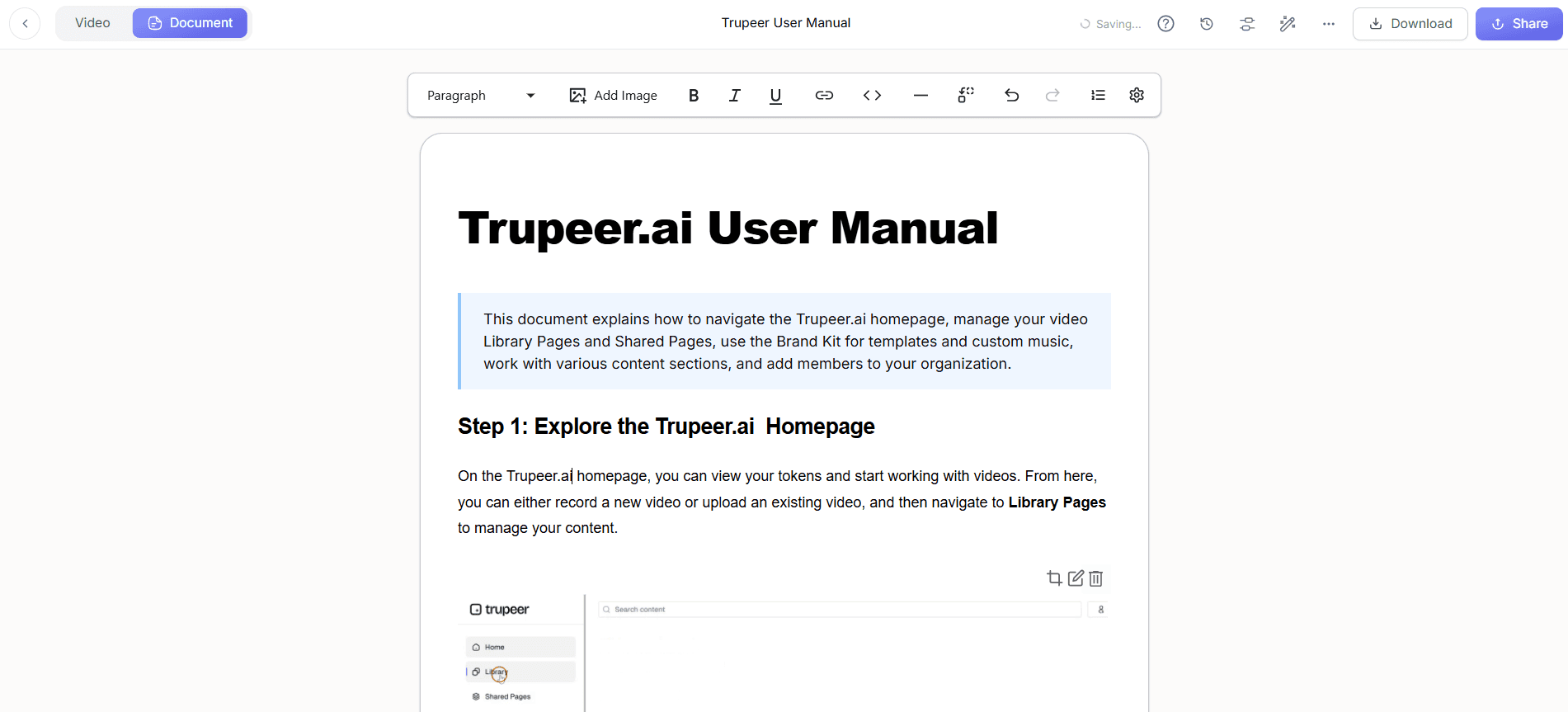
Use Trupeer's capability to generate automatic SOPs from your video. Select "Generate SOP" to transform your visual content into an editable document. This documentation is exportable in various formats, including HTML and PDF, allowing for easy distribution and translation. This feature is particularly beneficial for technical training and compliance, ensuring that all technical terminology is consistently documented. The generation process is efficient, usually taking under 15 minutes to produce a comprehensive document.
Step 6: Publish to an AI-Searchable Knowledge Base
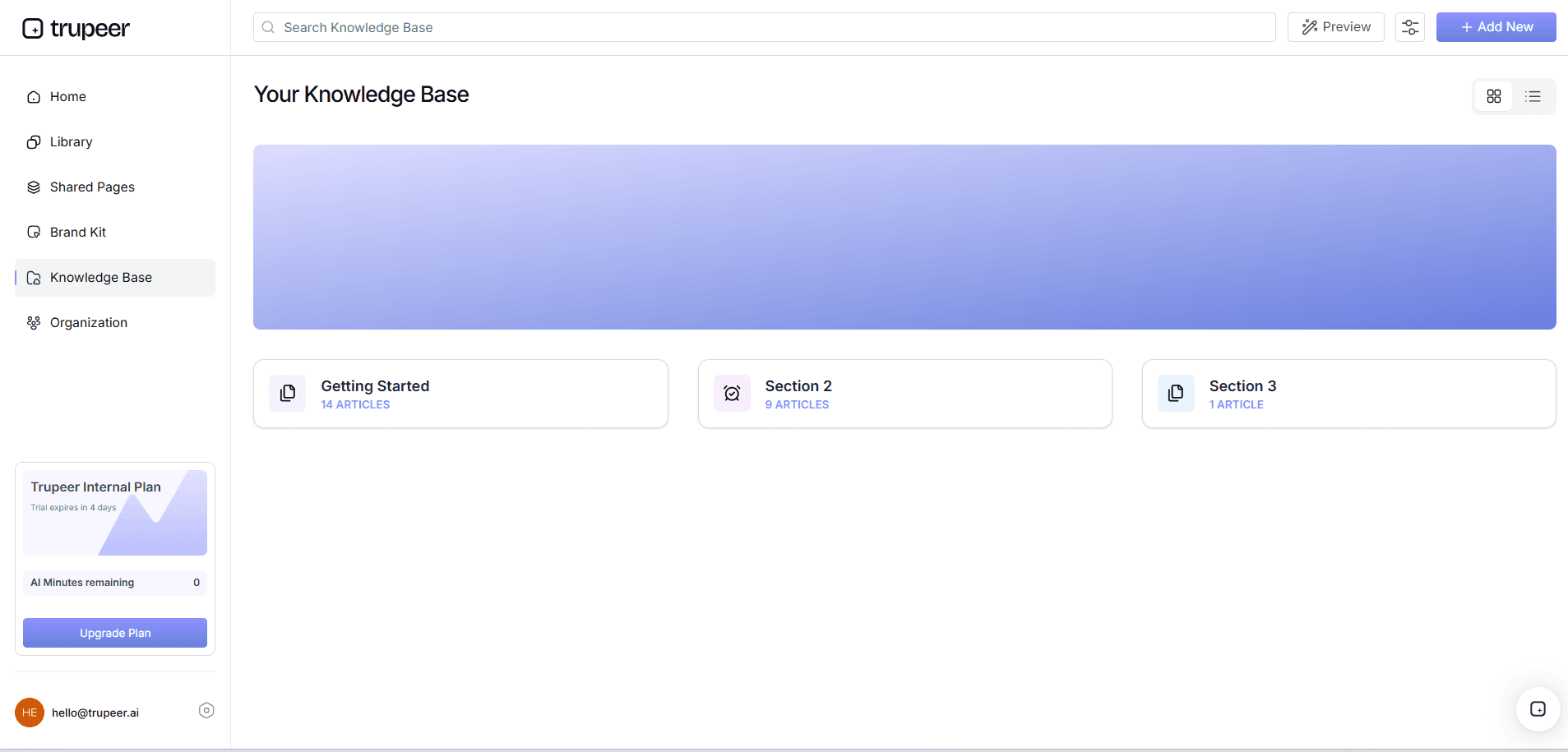
Finally, publish your translated video to Trupeer's AI-searchable knowledge base. Click "Publish" and choose the knowledge base option. This allows users to search videos using specific technical terms, providing direct access to relevant content. The timestamp deep-links feature enhances user experience by allowing them to jump directly to sections of interest. This step is crucial for making technical information easily accessible and comprehensible. Publishing can vary in duration based on video length but generally takes about 10 minutes.
What tips help you handle technical terminology during AI video translation?
Successfully managing technical terminology in AI video translation requires strategic planning and execution. Here are some practical tips to enhance your translation process.
Develop a Terminology Glossary. Create a comprehensive glossary of technical terms to ensure consistency across translations. This helps translators understand the specific context of each term.
use AI Tools for Consistency. Use AI features like Trupeer’s auto video editor tool to maintain consistency in terminology usage across different languages and formats.
Involve Subject Matter Experts. Collaborate with experts to review translations and ensure the technical accuracy of content. Their insights can prevent costly errors.
use Contextual Cues. Provide translators with contextual information, such as video scripts or related documents, to enhance their understanding of the technical content.
Implement Translation Memory. Use translation memory to retain previously translated terms, ensuring uniformity and reducing translation time for repeated content.
Conduct Regular Quality Checks. Regularly review translated content for accuracy and consistency. Implementing a review process helps catch errors before publication.
Consider Alternatives for SOPs. Explore Scribe alternatives for SOPs to find tools that offer better translation quality for your technical documentation needs.
Frequently asked questions
How does AI handle technical terminology during translation?
AI uses algorithms trained on large datasets to recognize and translate technical terms accurately. These systems rely on contextual analysis to understand the meaning and appropriate usage of specialized terminology. However, AI might struggle with context-specific jargon without prior exposure. To address this, users can create glossaries or use translation memory tools, which help the AI maintain consistency. Customizing AI models with industry-specific data enhances their ability to handle complex terminology effectively. For a deeper look, our guide on video prospecting covers the adjacent playbook.
What should I include in my glossary for translation?
A glossary for translation should include all specialized terms, acronyms, and industry-specific jargon used in your content. It's crucial to provide clear definitions and context for each entry. This helps translators understand the precise meaning and usage of each term, ensuring consistency across translations. In addition, including sample sentences or usage examples can enhance clarity. Regularly updating the glossary with new terms and reviewing it with subject matter experts keeps it relevant and accurate.
Can Trupeer support multiple languages simultaneously?
Yes, Trupeer supports simultaneous translation into over 40 languages. This is facilitated through its AI translation and dubbing features, which allow for the handling of multiple languages in one workflow. Users can select multiple target languages at the start of the translation process, and the system will generate translations for each. This capability simplifies content localization, making it efficient for companies targeting diverse international markets. The simultaneous support ensures timely and consistent multilingual outputs.
Does AI translation impact the quality of technical content?
AI translation can maintain high quality for technical content if appropriately managed. The use of customized glossaries and subject matter expert reviews enhances accuracy. However, AI may struggle with highly specialized terminology without sufficient training data. To mitigate this, integrating AI systems with human oversight, particularly for final content review, ensures that translations remain precise and contextually relevant. Combining AI capabilities with human expertise leads to best translation quality.
Is AI video translation cost-effective for small businesses?
AI video translation can be cost-effective for small businesses by reducing the need for extensive human translation services. Tools like Trupeer offer scalable pricing models, allowing businesses to select features that match their needs and budget. By automating repetitive translation tasks, businesses can save on labor costs. However, initial setup and customization may require investment. For ongoing needs, the efficiency and scalability of AI video translation platforms like Trupeer make them an attractive option for cost-conscious businesses.
Related Blogs