Trupeer Blog
Summarise
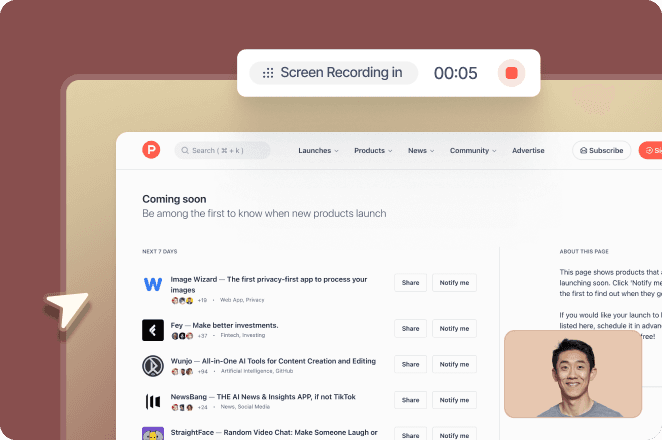
In e-government portals, documenting service workflows is critical. Citizens expect smooth interactions, yet behind the scenes, these interactions rely on meticulously documented processes. Imagine a citizen trying to apply for a permit online; the instructions need clarity and should be accessible in multiple languages. Inaccurate documentation can lead to confusion, delays, and dissatisfaction. According to a recent survey,
84% of citizens abandon online processes due to unclear instructions or technical issues.
This figure underscores the need for solid documentation that is both clear and comprehensive. For public sector teams, maintaining such documentation involves constant updates, ensuring multilingual support, and preparing for audits. The challenge is to keep these documents current without introducing errors or inconsistencies. This blog is aimed at government IT managers, documentation specialists, and policy makers who are tasked with keeping e-government portals effective and user-friendly. Teams weighing tools often start with a Loom alternatives comparison before standardizing on a workflow.
Why does documenting e-government service workflows for citizen-facing portals matter?
Documenting e-government service workflows is crucial because it directly impacts user satisfaction and service delivery efficiency. When citizens access government services online, they expect the process to be straightforward and intuitive. However, if the underlying workflows are not well-documented, it can lead to errors, inefficiencies, and frustrated users. Inadequate documentation can cause delays in service delivery, which in turn affects public perception and trust in government services. A well-documented workflow ensures that each step in the service process is clear and easy to follow, reducing the likelihood of mistakes and improving the overall user experience.
Also, accurate documentation is essential for compliance and auditing purposes. Government agencies are often subject to strict regulatory requirements, and having a detailed record of service workflows is necessary for demonstrating compliance. This is especially true when workflows change due to new policies or regulations. Without proper documentation, it becomes challenging to track changes and ensure that all stakeholders are on the same page. This can lead to significant legal and financial consequences. also, well-documented workflows facilitate training for new employees and help maintain continuity in service delivery, as outlined in the training videos use case. By providing a clear blueprint of how services are delivered, agencies can ensure consistency and quality in their operations.
What are the benefits of documenting e-government service workflows for citizen-facing portals?
Documenting e-government workflows offers numerous advantages. It improves service delivery, enhances user experience, and ensures compliance.
Improved Efficiency. Well-documented workflows simplify operations, reducing the time required to process transactions. This efficiency can lead to a 30% increase in service capacity.
Error Reduction. Clear documentation minimizes misunderstandings by providing precise instructions for each step, which can reduce errors by up to 50%.
Enhanced User Experience. With an best documentation software, citizens navigate processes more easily, leading to higher satisfaction rates and increased engagement.
Regulatory Compliance. Detailed records ensure adherence to legal standards, facilitating audits and reducing the risk of penalties.
Consistent Training. Standardized documentation serves as a training tool for new employees, reducing onboarding time by 40%.
Scalability. As government services expand, documented workflows support the integration of new processes and technologies, ensuring smooth growth.
Teams ship this workflow end-to-end using Trupeer's AI video platform, which turns raw recordings into polished output without an editor.
Which Trupeer features help you document e-government service workflows for citizen-facing portals?
Trupeer offers several features tailored to documenting e-government workflows, ensuring clarity, efficiency, and compliance in citizen-facing portals.
Automatic SOP Generation
Trupeer's automatic SOP generation feature is invaluable for documenting complex e-government workflows. By capturing every step of a process through AI screen recording, it transforms these recordings into comprehensive Standard Operating Procedures. The SOPs are edit-ready and can be exported in multiple formats, such as MP4, HTML, and PDF. This feature ensures documentation stays current with any workflow changes. The AI-driven process minimizes human error, ensuring accuracy. With Trupeer, you can produce detailed SOPs in minutes rather than hours, which massively speeds up the documentation process.
AI Translation and Dubbing
With Trupeer's AI translation capabilities, documenting for multilingual audiences becomes straightforward. Supporting over 40 languages, Trupeer ensures that your workflows are accessible to a diverse citizen base. The AI dubbing feature further enhances inclusivity by providing synchronized voiceovers in different languages. This capability is critical for e-government portals that serve diverse populations. By making documentation linguistically accessible, you reduce barriers to service access and improve citizen engagement. More about this can be accessed through the AI video translation page.
AI-Searchable Knowledge Base
Trupeer's AI-searchable knowledge base makes finding specific documentation easier. This feature indexes every recording with timestamp-level deep links, allowing users to quickly locate relevant information. It eliminates the need for manual searching through volumes of documents. The video knowledge base feature is particularly useful for large government agencies where documentation can be extensive. It ensures that both citizens and employees can find the information they need swiftly, enhancing efficiency and reducing frustration.
Automatic Filler-Word Removal
When creating documentation videos or recordings, clarity is paramount. Trupeer offers automatic filler-word removal, which enhances the professionalism and clarity of your documentation. By eliminating unnecessary "um" and "ah" pauses, the recordings become concise and more engaging. This feature is particularly beneficial when creating training videos for government employees or instructional videos for citizens. It saves time in editing and ensures that the final product is polished and easy to understand.
Auto-Updating Documentation
One of Trupeer's standout features is its ability to auto-update documentation based on the underlying recordings. This means that whenever a workflow changes, your documentation remains current without manual intervention. This feature is crucial for maintaining accuracy and compliance in rapidly evolving regulatory environments. It reduces the administrative burden on staff, allowing them to focus on service delivery rather than document maintenance. The AI documentation tool internal external docs ensures that all stakeholders have access to the most recent and relevant information.
How do you document e-government service workflows step by step with Trupeer?
Step 1: Start with AI Screen Recording
Begin by launching Trupeer's browser-based recorder, which requires no installation. Navigate to the e-government portal where the workflow occurs, and select the AI screen recording feature. As you perform the workflow on-screen, Trupeer will automatically detect clicks and zoom in on areas of interest, ensuring that every crucial detail is captured. This step is crucial for creating a clear and comprehensive visual guide. The recording process is smooth and takes real-time to complete, mirroring your live actions. Once finished, the footage is saved for further processing in the Trupeer dashboard.
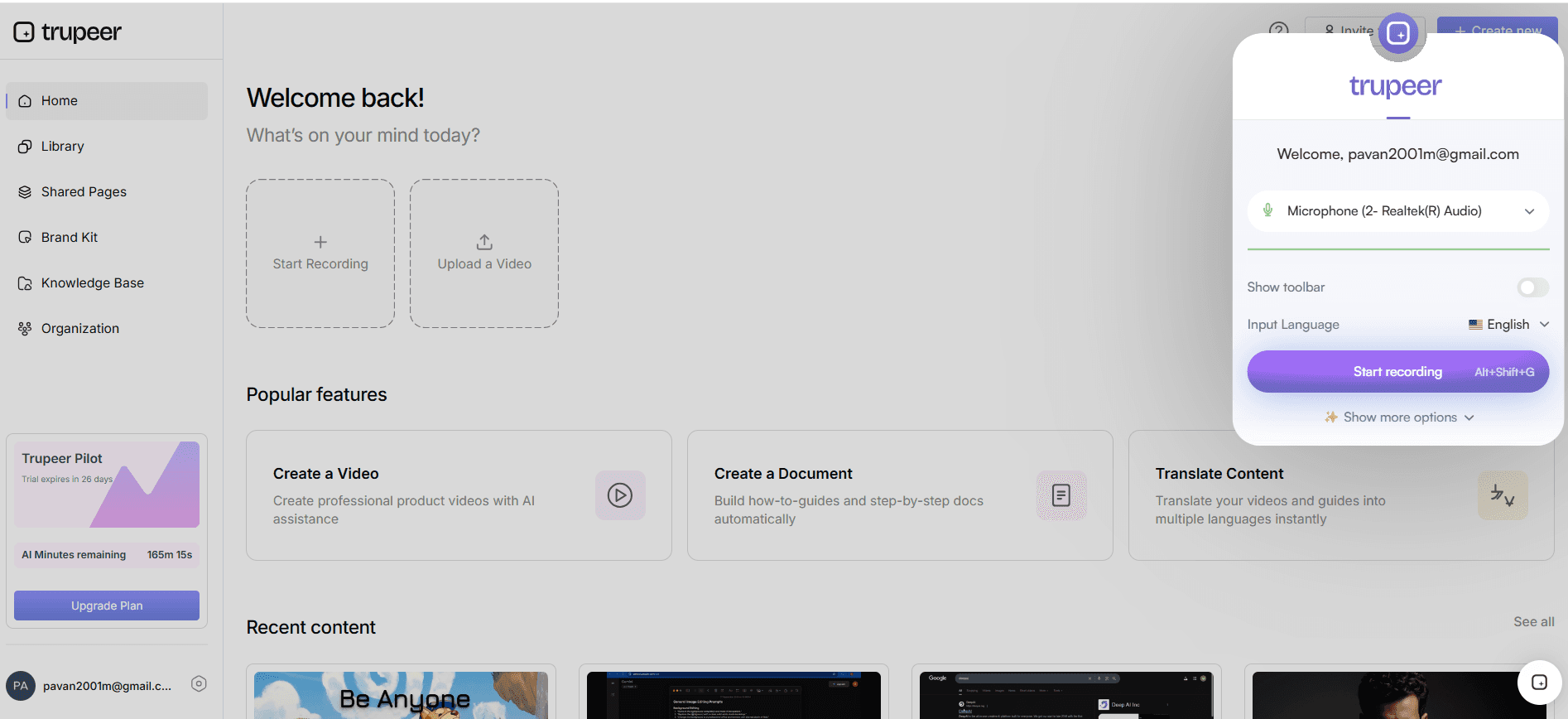
Step 2: Edit and Enhance the Recording
After capturing the workflow, use Trupeer's editing tools to enhance the recording. The automatic filler-word removal feature is particularly useful here, stripping away any unnecessary "um" and "ah" sounds from the audio. also, you can adjust the pace and tone using AI voiceover, selecting from over 65+ natural voices to match the desired style. If needed, integrate custom avatars via the HeyGen integration to add more context to the visuals. This editing process typically takes around 15 to 30 minutes, depending on the complexity of the workflow and the enhancements required.
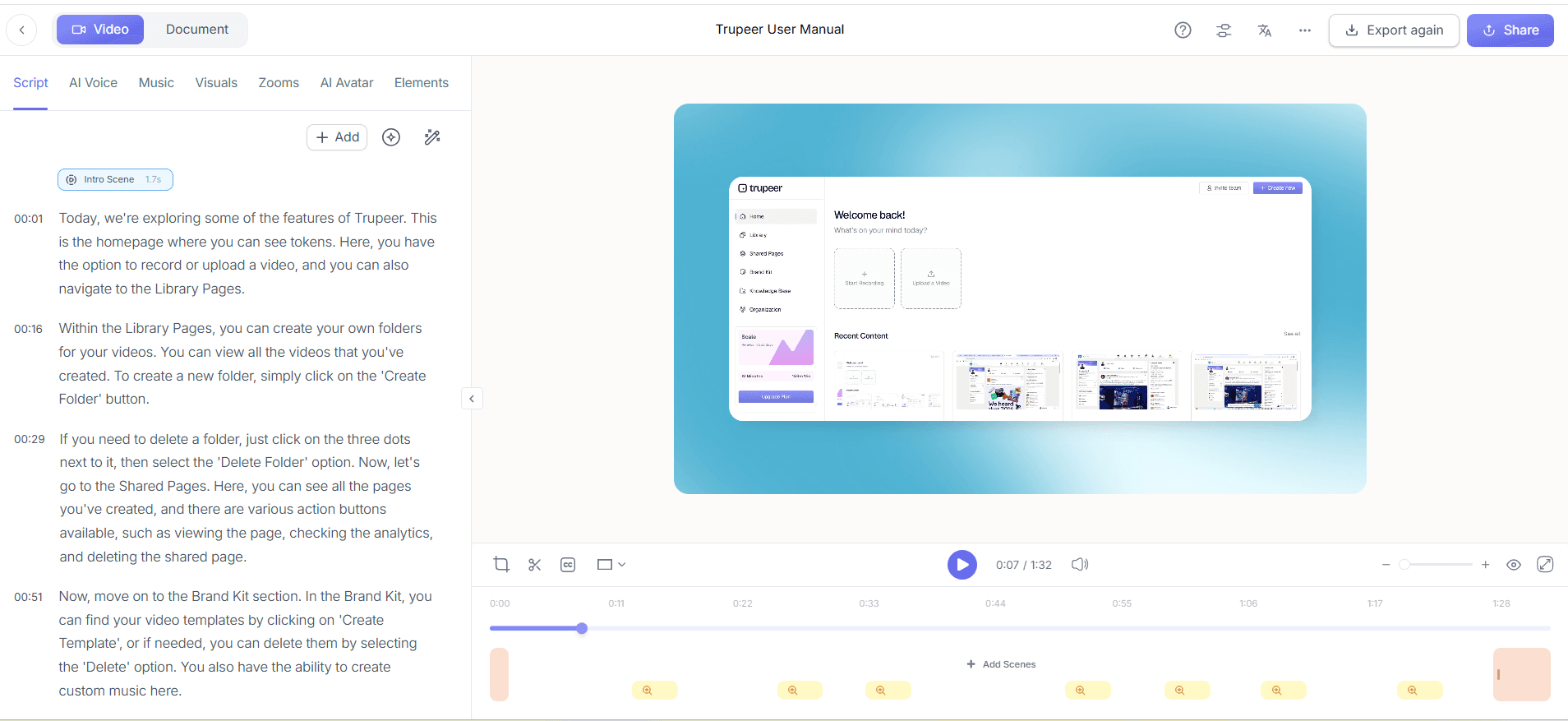
Step 3: Generate Automatic SOPs
With the enhanced recording ready, proceed to generate SOPs automatically. Trupeer's AI-driven tool extracts key steps from the video and formats them into a structured Standard Operating Procedure. This feature is particularly efficient, converting a 30-minute recording into a comprehensive SOP in just a few minutes. The SOP is exportable in multiple formats, including HTML and PDF, ensuring compatibility with different documentation systems. This step ensures that the workflow is documented accurately and quickly, ready for review and distribution. For a deeper look, our guide on ai documentation generator covers the adjacent playbook.
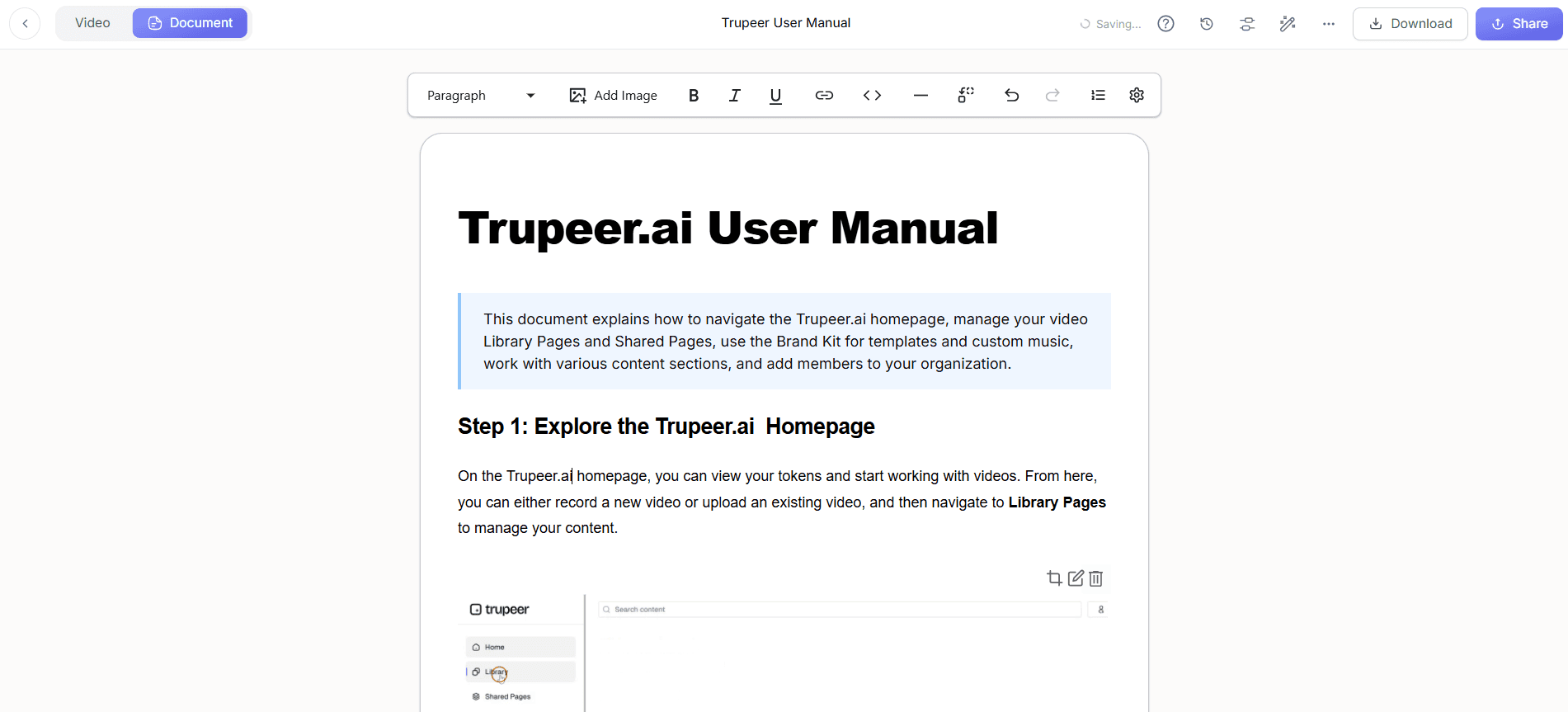
Step 4: Translate Documentation for Multilingual Access
Once the SOPs are generated, use Trupeer's AI translation and dubbing capabilities to make the documentation accessible to a wider audience. Select the languages required, and Trupeer will translate the text while synchronizing the dubbing to match the original content. This feature supports over 40 languages, making it ideal for e-government portals serving diverse populations. The translation process is automated and fast, usually taking just a few minutes per document, ensuring that language barriers do not impede citizen access to services.
Step 5: Distribute via AI-Searchable Knowledge Base
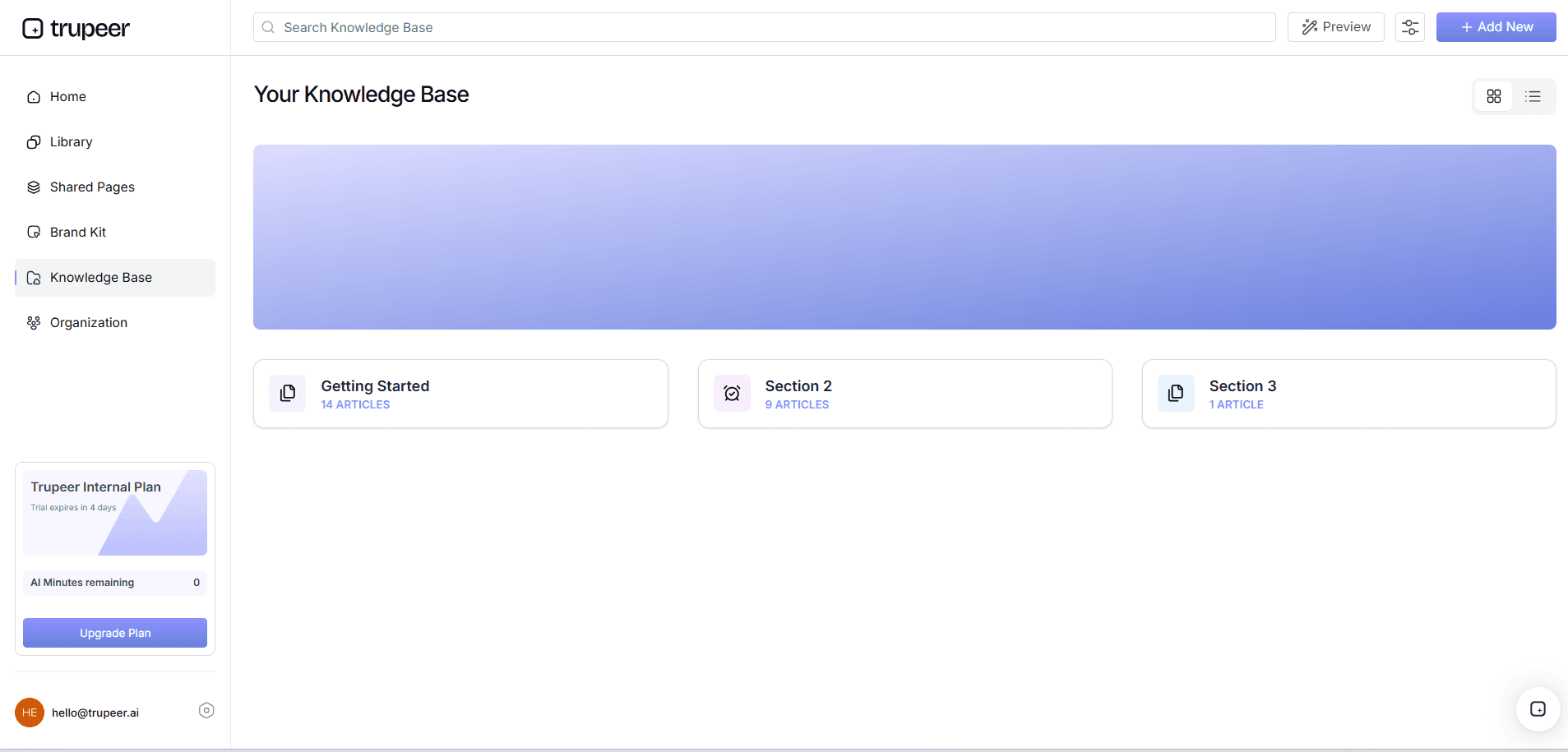
Publish the translated SOPs to Trupeer's AI-searchable knowledge base. This platform indexes your documents, allowing both citizens and government employees to quickly find specific workflows using deep-link search capabilities. The knowledge base is customizable and can be integrated with existing systems, providing a smooth user experience. It also supports custom-domain hosting with single sign-on (SSO), ensuring secure access to sensitive documentation. This distribution step is critical for maintaining an organized and accessible repository of government workflows.
Step 6: Monitor Engagement and Update as Needed
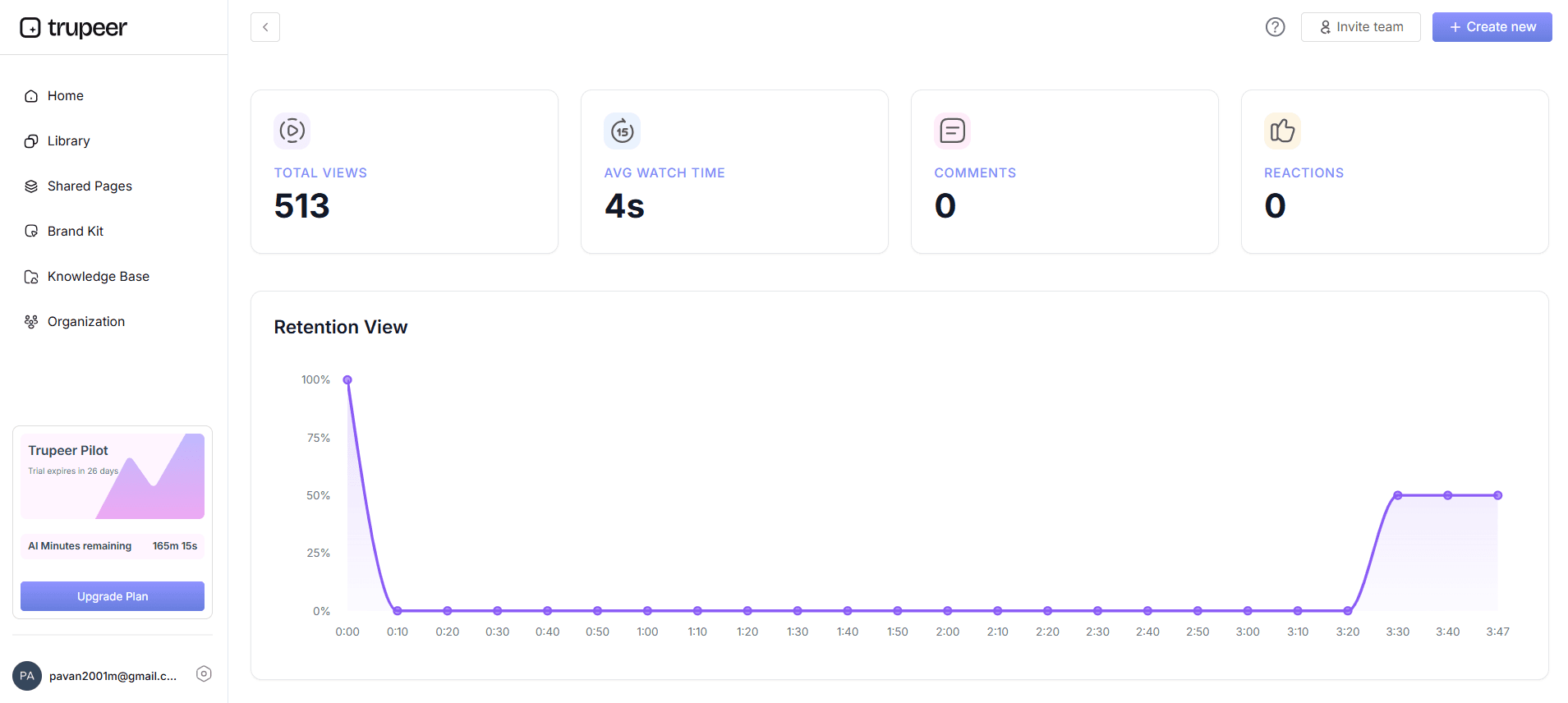
Finally, use Trupeer's viewer engagement analytics to track how users interact with the documentation. This feature provides insights into drop-off points and heatmaps, indicating where users may face difficulties. Based on this data, you can update the documentation to address any issues, ensuring it remains effective and user-friendly. Trupeer's auto-updating documentation feature simplifies this process, automatically incorporating changes into the existing content. Regular monitoring and updates keep the documentation relevant, improving the service delivery experience for citizens.
What tips help you document e-government service workflows?
Creating and maintaining e-government workflow documentation requires attention to detail and strategic planning. Here are some tips to enhance your documentation efforts:
Standardize Your Recording Process. Consistency is key. Use Trupeer's AI screen recording to capture workflows uniformly, ensuring every recording follows the same format for clarity and ease of understanding.
use AI Tools for Efficiency. Take advantage of AI capabilities like automatic filler-word removal and voiceover to produce polished documentation quickly, reducing manual editing time.
Regularly Update Your Documentation. As policies and workflows evolve, use Trupeer's auto-update feature to keep documentation current, minimizing the risk of outdated information.
Ensure Multilingual Accessibility. Use AI translation to cater to a diverse audience, breaking down language barriers and enhancing citizen engagement.
use Analytics for Improvements. Monitor engagement data to identify content areas that need refinement, ensuring your documentation remains effective and user-friendly.
Incorporate Visual Aids. Enhance understanding by using visuals, such as screenshots or videos, to complement text instructions, making complex workflows more accessible.
Consider Workflow Automation. Explore tools like the documentation app to automate repetitive tasks, freeing up time for more strategic activities.
Frequently asked questions
How can I ensure my e-government documentation stays current?
To ensure your documentation stays current, use Trupeer's auto-updating documentation feature. This tool automatically integrates changes from the latest recordings into existing documents, reducing the need for manual updates. Regularly review and update workflows using feedback from engagement analytics to address any emerging issues or changes in policy. This proactive approach helps maintain the accuracy and relevance of your documentation, providing citizens with reliable and up-to-date information.
What is the best way to make e-government documentation multilingual?
Using AI translation is the most efficient way to make e-government documentation multilingual. Trupeer supports over 40 languages with precise translations and dubbing capabilities, ensuring accurate and synchronized content across different languages. By selecting the desired languages in Trupeer, you can automate the translation process, making your workflows accessible to a diverse citizen base. This approach helps remove language barriers, facilitating better communication and service delivery.
Why is a searchable knowledge base important for e-government portals?
A searchable knowledge base is crucial as it allows users to quickly locate specific documentation. Trupeer's AI-searchable knowledge base enhances this process by indexing content with timestamp-level detail, making it easier for both citizens and employees to find the information they need. This feature reduces search time and improves user satisfaction by providing direct access to relevant documents. It also supports secure access through custom-domain hosting and SSO, protecting sensitive information.
Can Trupeer help in training government employees?
Yes, Trupeer is an excellent tool for training government employees. By using its screen recording and automatic SOP generation capabilities, you can create detailed training materials that accurately reflect current workflows. These resources are invaluable for onboarding new employees and ensuring consistent training across departments. also, the AI voiceover and translation features make training materials accessible to a multilingual workforce, enhancing learning and comprehension. When SOPs come into the same conversation, a Scribe alternatives comparison helps clarify the scope.
Does Trupeer offer tools for analyzing documentation engagement?
Yes, Trupeer provides comprehensive analytics tools for monitoring documentation engagement. These tools offer insights into viewer interactions, such as drop-off rates and heatmaps, highlighting areas where users may struggle. By analyzing this data, you can identify and address gaps in your documentation, improving overall effectiveness. This feedback loop ensures that your documentation evolves to meet the needs of its users, providing a better service experience.