Trupeer Blog
Summarise
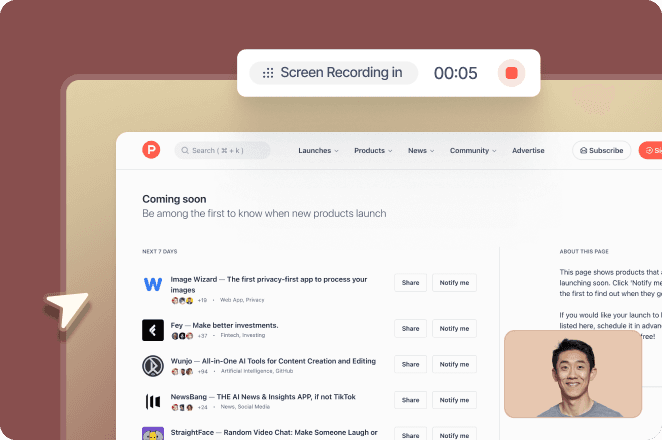
Imagine a bustling factory floor where the rhythm of machines fills the air. Workers move with precision, each focused on their task. But training these workers is a challenge because they don't sit at desks or in front of computers. They're on their feet, using their hands, and have little time for conventional learning. That's where video-first training comes into play. Producing videos that are concise yet comprehensive can bridge this gap. It's crucial because studies show that
85% of factory workers prefer video training over manuals.
These videos need to fit into their workflow smoothly, providing instructions that enhance productivity without causing disruptions. This guide is tailored for HR managers, L&D professionals, and team leads who are responsible for training non-desk workers efficiently. With the right approach, you can create engaging content that resonates with your audience and boosts operational efficiency. The stakes are high as effective training can directly impact safety, quality, and productivity on the factory floor. Let's look at why this matters, the benefits it brings, and how Trupeer can help achieve these objectives. When SOPs come into the same conversation, a Scribe alternatives comparison helps clarify the scope. This is exactly where digital factory operating system content becomes useful and it's the kind of content Trupeer can generate directly from a simple screen recording.
Why does creating L&D content for factory floor and non-desk workers matter?
The world of non-desk workers is distinct and requires a unique approach to training. These workers often face high-pressure environments where time is limited and efficiency is paramount. Traditional training methods simply don't cut it. Imagine a production line where a single delay can result in significant downtime costing thousands of dollars per hour. In such scenarios, training must be not only quick but also precise and immediately applicable. This is where video-based training becomes a critical asset. It allows for the delivery of essential information in a format that workers can easily understand and apply.
Also, the safety implications of inadequate training can't be overstated. On the factory floor, mistakes can lead to injuries or even fatalities. Training videos offer a way to demonstrate safety protocols in a clear and visual manner, reducing the risk of accidents. For supervisors and managers, the ability to roll out consistent and accessible training material means less time spent on in-person sessions and more time monitoring and improving processes. This efficiency in training translates directly into improved performance and safety records. By using a training videos use case, companies can ensure their workforce is skilled, safe, and productive.
What are the benefits of video-first training for factory floor and non-desk workers?
Video-first training offers several advantages specifically tailored to the needs of factory floor and non-desk workers. Here are some key benefits:
Enhanced Engagement. Videos capture attention more effectively than text, leading to better retention of information. Workers are more likely to remember a visually engaging instructional video than a written manual.
Improved Accessibility. Workers can view training videos on mobile devices, making it possible to access training materials anytime, anywhere. This flexibility is crucial for non-desk environments.
Consistent Messaging. A single video ensures that all workers receive the same instructions, eliminating discrepancies that can occur with verbal training sessions. This consistency helps maintain quality standards across shifts.
Time Efficiency. Videos can condense training into shorter sessions without losing content quality. This efficiency is essential when workers have limited time to step away from their tasks.
Scalability. Once produced, videos can be easily distributed to large numbers of employees, allowing for rapid deployment of training programs across multiple locations.
Reduced Training Costs. Video training reduces the need for in-person instructors and travel, significantly cutting down on training expenses. using an AI video platform further enhances cost-effectiveness by automating production processes.
Which Trupeer features help you create L&D content for factory floor and non-desk workers?
Trupeer offers a suite of features designed to enhance the production of video-first training content, tailored specifically for the needs of non-desk workers.
AI Screen Recording with Auto-Zoom and Click Detection
This feature simplifies capturing complex processes by focusing on the most important actions. When you're demonstrating software or equipment operations, the AI zooms in on key actions and clicks, ensuring clarity for viewers. This automatic focus reduces the time spent on editing and helps the learner concentrate on critical tasks. The auto-zoom ensures that the viewer's attention is directed exactly where it's needed, making the learning process more intuitive and less overwhelming. This feature is particularly useful in fast-paced environments where detailed observations of tasks are essential.
AI Voiceover in 65+ Natural Voices
With Trupeer’s AI voiceover capabilities, you can choose from over 65+ natural voices to narrate your training videos. This feature allows for a more personalized and engaging experience for the viewer. You can adjust the pace and tone of the voiceover to match the content's mood and urgency, making the training more relatable and easier to follow. For multilingual workplaces, this feature is invaluable because it enables the creation of localized content without the need for multiple recordings. By using an AI training video tool, you ensure that your training materials are accessible to a diverse workforce.
Automatic SOP Generation from Any Recording
Trupeer’s ability to automatically generate Standard Operating Procedures (SOPs) from video recordings is a big shift. Once a training session is recorded, the platform can turn it into a detailed, editable document. This saves time and ensures that the procedural content remains consistent and easily accessible. The SOPs can be exported in various formats, including HTML and PDF, making them versatile for different uses. This feature is particularly beneficial in industries where procedural adherence is critical, ensuring that all workers have access to the latest instructions without additional administrative overhead. The AI documentation platform ensures your SOPs are always current and aligned with the latest training videos.
AI-Searchable Knowledge Base with Timestamp Deep-Links
The AI-searchable knowledge base allows workers to find specific training content quickly. Each video is indexed with timestamp-level deep links, enabling users to jump directly to the section they need. This capability is crucial for on-the-job training where time is of the essence. By integrating this feature, you ensure that workers spend less time searching for information and more time applying their skills effectively. It also supports continuous learning and reference, helping workers refresh their knowledge as needed. This integration into a video knowledge base enhances the overall learning experience and productivity.
Viewer Engagement Analytics, Drop-off, and Heatmaps
Understanding how your training content is consumed is vital for continuous improvement. Trupeer provides detailed analytics on viewer engagement, including drop-off rates and heatmaps. These insights help you identify which parts of your videos are most effective and where viewers lose interest. By analyzing this data, you can refine your training materials to better meet the needs of your workforce. This feedback loop is essential for maintaining high-quality training content that evolves with your organization. The analytics feature allows you to make data-driven decisions, optimizing your training efforts for maximum impact.
How do you create L&D content for factory floor and non-desk workers step by step with Trupeer?
Step 1: Capture the Process
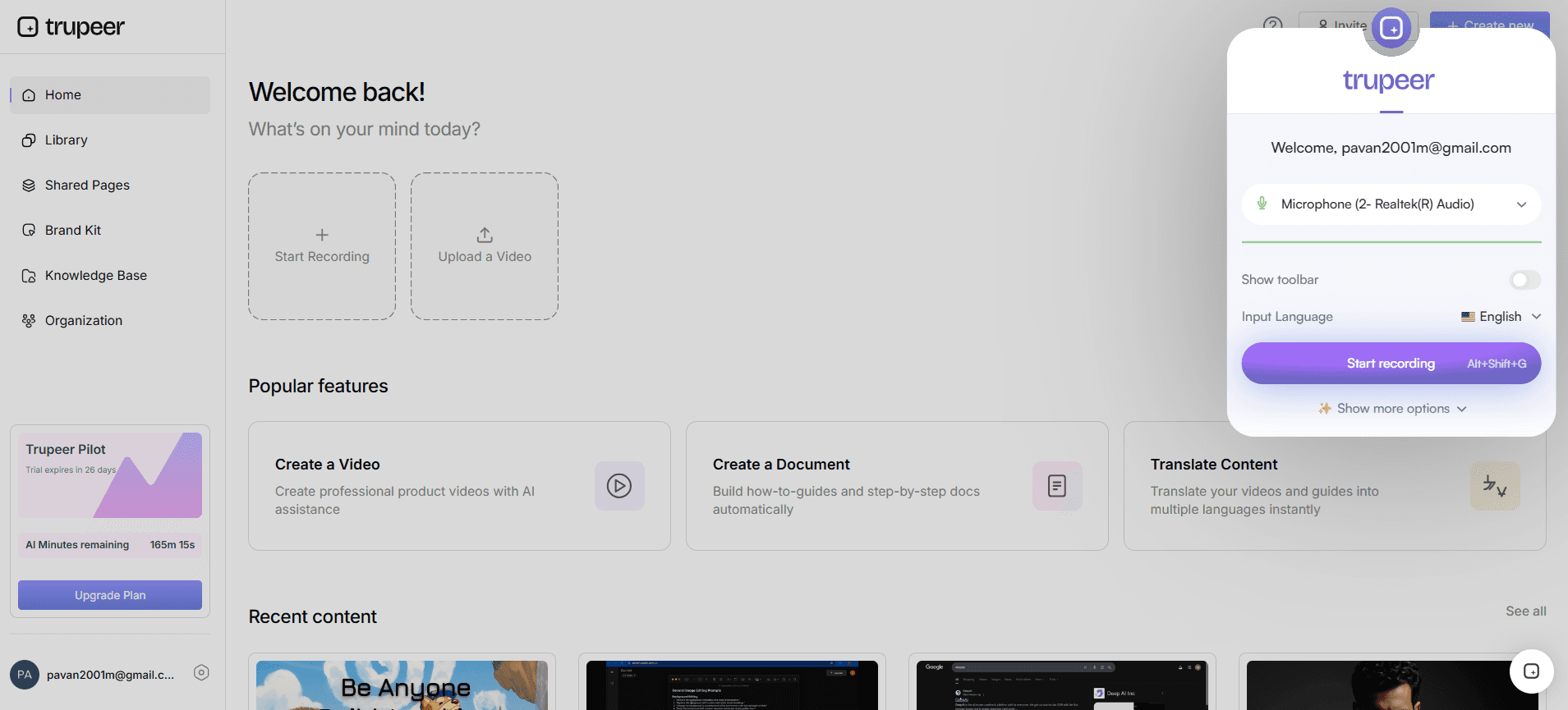
Begin by using Trupeer's AI screen recording with auto-zoom and click detection. Open the Trupeer browser-based recorder and select the area of your screen you want to capture. As you demonstrate the process, Trupeer will automatically zoom in on key actions and detect mouse clicks, ensuring clarity. This feature is crucial for creating detailed instructional content without manual intervention. Once you're done, stop the recording. The entire process takes only as long as your demonstration, plus a few minutes for setup. This efficient capture ensures no critical step is missed, providing a clear visual guide for workers.
Step 2: Apply AI Narration
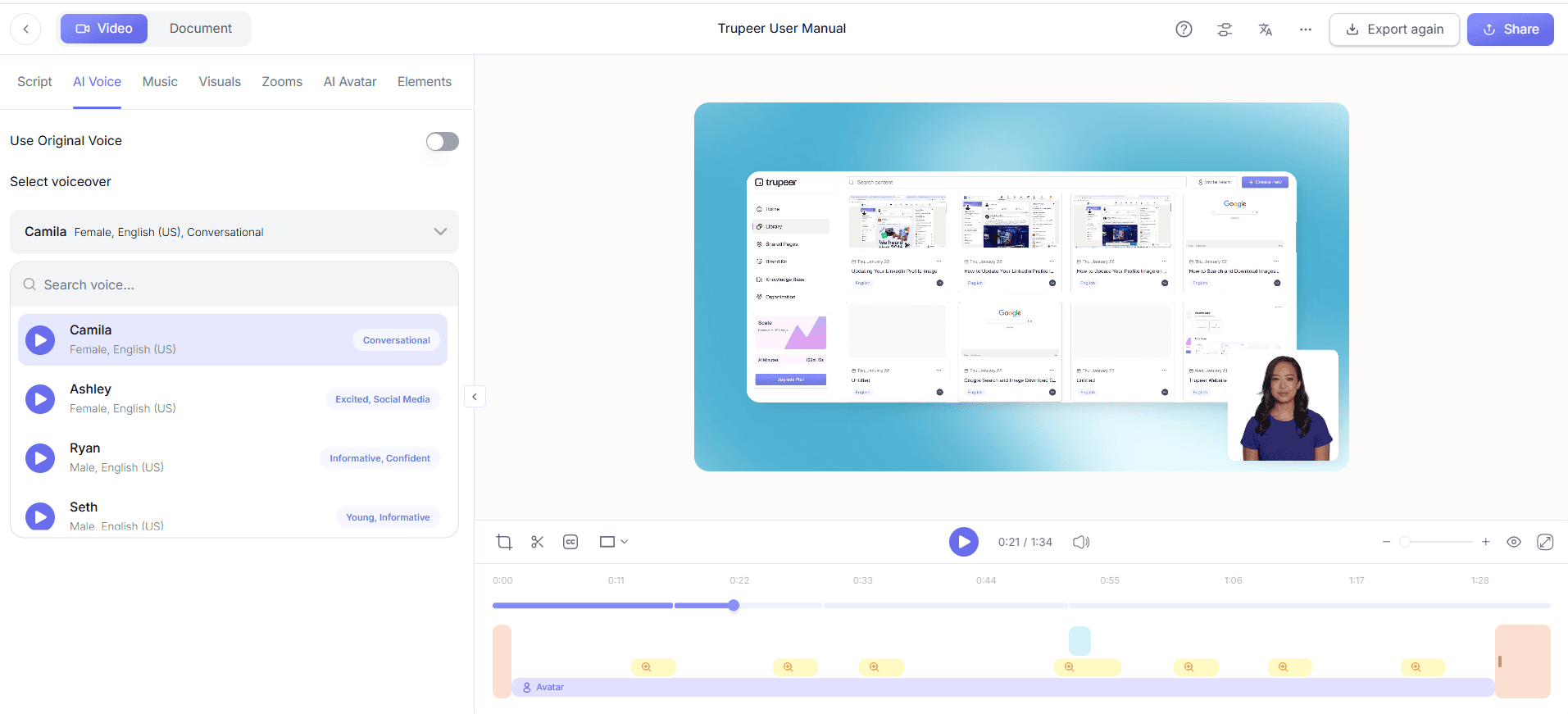
Next, enhance your recording with an AI voiceover. Choose from over 65+ natural voices available in Trupeer. Adjust the pace and tone to match your audience's needs. This step ensures that the narration aligns perfectly with the video content, making it easier for non-desk workers to follow along. The AI voiceover can be generated in just a few minutes, allowing you to maintain a consistent and professional tone across all training materials. This feature is especially beneficial for multilingual environments, as it enables you to create content in multiple languages without additional recordings.
Step 3: Generate SOP Documentation
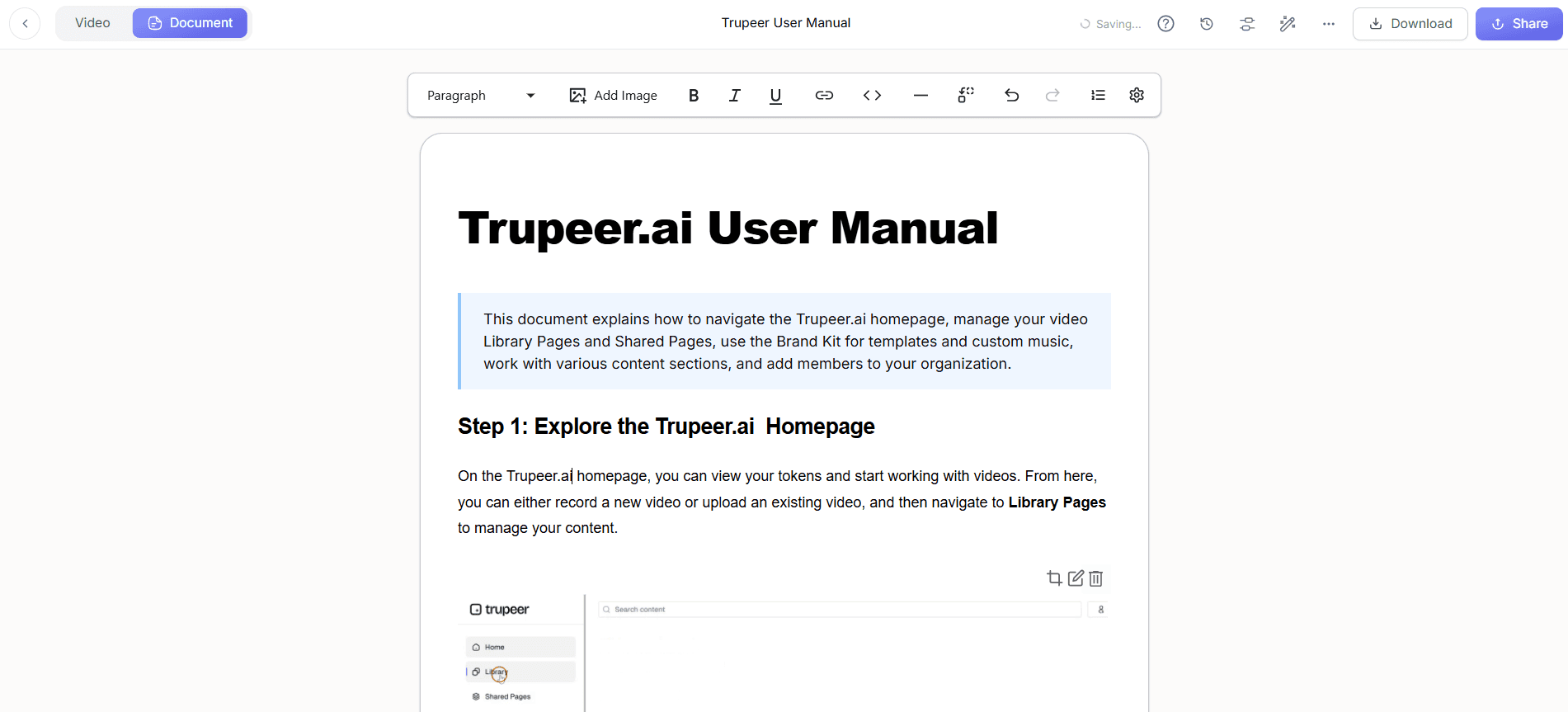
With the video captured and narrated, use Trupeer’s automatic SOP generation feature. This tool converts your recorded session into a detailed, editable document. Click on the 'Generate SOP' option, and Trupeer will produce a draft SOP that you can refine and export in formats like HTML or PDF. This step ensures that your video content is supported by comprehensive written instructions, which is crucial for intricate processes that require both visual and textual guidance. The SOP generation is quick, taking just a few minutes, and provides a valuable reference tool for non-desk workers.
Step 4: Index with Timestamp Deep-Links
Maximize the accessibility of your training videos by using Trupeer’s AI-searchable knowledge base. Upload your video, and let Trupeer index it with timestamp deep-links. This feature allows users to skip directly to specific parts of the video, saving time and improving efficiency. It’s particularly useful for workers who need a quick refresher on a particular task. The indexing process is automated and takes only a few minutes after video upload. This ensures your training materials are always ready for quick access, enhancing the learning experience for factory floor employees.
Step 5: Analyze Engagement
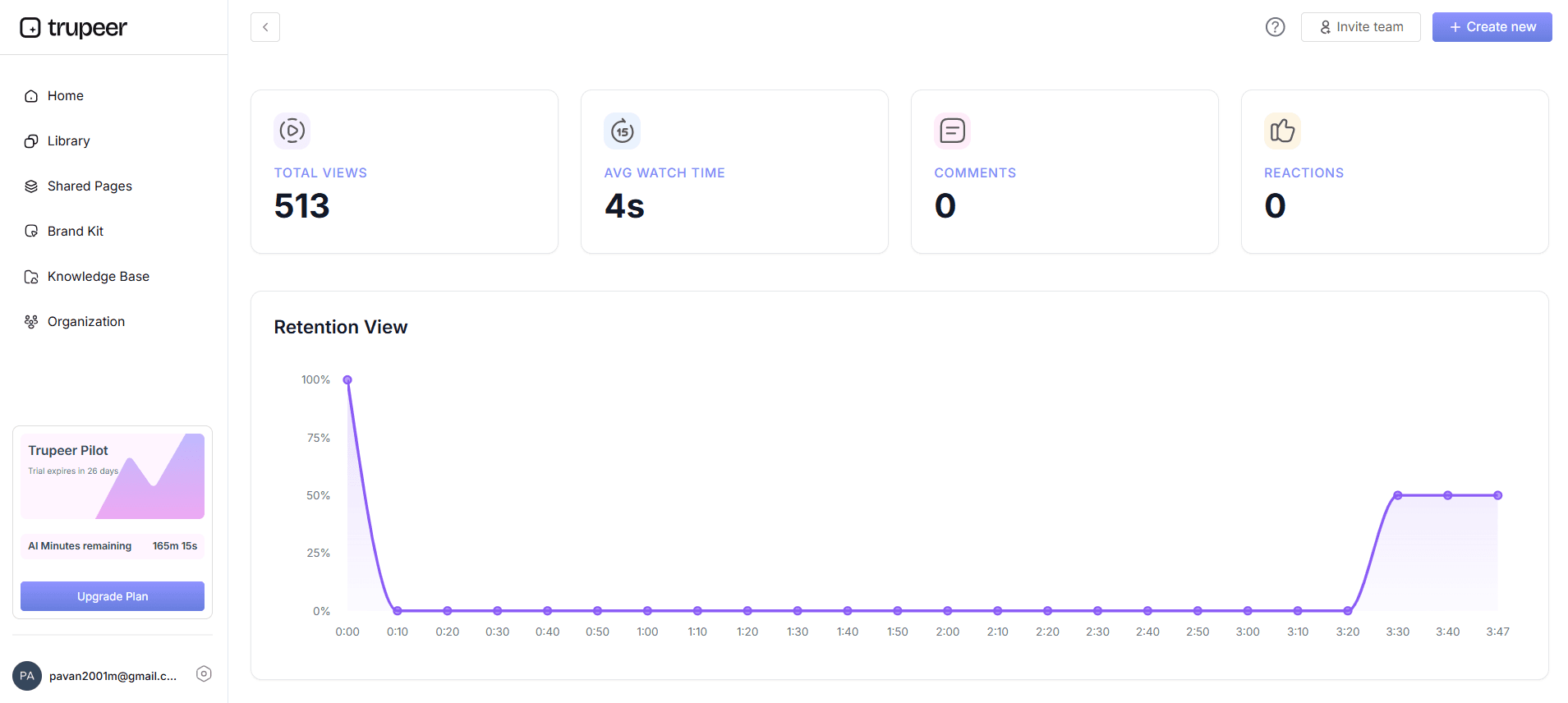
After your training video is live, use Trupeer’s analytics to track viewer engagement. Access detailed reports on where viewers drop off and which sections get the most attention. This data helps you understand how your content is performing and where improvements might be needed. The analytics are real-time, offering insights immediately after your video is viewed. This step is crucial for refining future training sessions, ensuring they are as effective as possible. Adjust your content based on these insights to maintain high engagement and learning retention among your workforce. Teams weighing tools often start with a Loom alternatives comparison before standardizing on a workflow.
Step 6: Distribute and Localize
Finally, distribute your training video through Trupeer’s custom-domain hosting with SSO. This feature ensures secure access for all your employees. For multinational teams, take advantage of Trupeer's AI translation and dubbing capabilities. Translate your video into over 40 languages with lip-sync, and dub it for non-English speakers. This localization process is simplified, allowing you to reach a global workforce efficiently. The translation and dubbing steps take only a few hours, depending on video length, ensuring your training materials are ready for diverse teams promptly.
What tips help you create effective L&D content for factory floor and non-desk workers?
Creating effective L&D content for non-desk workers requires a strategic approach. Here are some practical tips to optimize your training videos:
Keep it concise. Aim for videos under 10 minutes to maintain attention. Shorter videos are easier to digest and fit better into busy work schedules.
Use clear visuals. Focus on high-quality graphics and zoomed-in shots to highlight critical steps. Clear visuals help workers understand processes quickly.
Include practical examples. Use real-world scenarios that workers encounter daily. This makes the training more relatable and easier to apply.
Test on different devices. Ensure your videos are accessible on various devices, including mobile phones and tablets. This flexibility is crucial for non-desk environments.
Encourage feedback. Create a channel for workers to provide feedback on training materials. Use this input to refine and improve future content.
Standardize formats. Use consistent templates and layouts across all videos. This standardization ensures familiarity and reduces learning curves, making it easier for workers to navigate the content.
Regular updates. Keep the content fresh by updating videos regularly to reflect changes in procedures or technologies. This ensures that workers always have access to the most current information.
For a deeper look, our guide on training video production covers the adjacent playbook.
Frequently asked questions
How can I ensure training videos are effective for non-desk workers?
To ensure effectiveness, keep training videos concise and focused on actionable tasks. Use clear visuals and straightforward language to enhance understanding. Incorporate practical examples that relate directly to the workers' daily responsibilities. Test the videos on various devices to ensure accessibility across different platforms. also, use viewer engagement analytics to identify which parts of the video are most engaging and adjust content accordingly. Regularly update your videos to reflect any procedural changes, ensuring that the material remains relevant and effective.
What are the challenges of training non-desk workers?
Training non-desk workers presents unique challenges, including limited time for training sessions and varying technology literacy levels. Non-desk workers often operate in environments where distractions are common, which can hinder concentration during training. also, these workers may have limited access to digital devices or resources, making it essential to design training materials that are easily accessible and understandable. Overcoming these challenges requires a focus on concise video content, mobile-friendly distribution, and providing materials in multiple languages and formats to accommodate diverse needs.
Can Trupeer help with multilingual training content?
Yes, Trupeer can significantly aid in creating multilingual training content. It offers AI translation into over 40 languages, ensuring that your training materials are accessible to a global workforce. The AI dubbing feature further enhances this by providing synchronized audio for non-English speaking audiences, maintaining the video's effectiveness. These capabilities simplify the process of localizing content, making it easier for companies to train diverse teams without incurring significant additional costs or time delays. ai/translation">AI video translation.
What is the best way to distribute training videos to non-desk workers?
The best approach to distributing training videos to non-desk workers is to use a platform that supports mobile access and offers secure sharing options. Trupeer’s custom-domain hosting with single sign-on (SSO) provides a secure way to manage access to training materials. also, embedding videos in in-app guidance tools ensures that workers can access materials directly within the applications they use, minimizing disruptions. It’s also crucial to make videos downloadable for offline access, catering to workers who may have limited internet connectivity during their shifts.
Does Trupeer provide analytics for training videos?
Yes, Trupeer offers detailed analytics for your training videos. This includes data on viewer engagement, drop-off rates, and heatmaps, which help you understand how your content is being consumed. These insights are crucial for refining and optimizing your training materials to better meet the needs of your workforce. By analyzing viewer behavior, you can identify which sections of the video are most effective and where improvements can be made, ensuring that your training efforts are both impactful and efficient.
Related Blogs