Trupeer Blog
Imagine you’ve just launched a complex SaaS platform. It’s the culmination of years of development, testing, and refining. Your team has put countless hours into building a product that solves real business problems. Now comes the crucial part, creating functional documentation that’s comprehensive yet user-friendly. Many SaaS companies find themselves struggling with this task. In fact,
60% of support tickets are due to inadequate documentation
. Poor documentation can lead to frustrated users, increased support costs, and ultimately, churn.
Functional documentation serves as the backbone of user experience for your SaaS platform. It needs to balance breadth and depth, providing users with the information they need without overwhelming them. If it’s too vague, users won’t find it helpful. If it’s too detailed, they might not even bother reading it. The stakes are high, and getting it right can mean the difference between your platform’s success and failure. This guide is for product managers, technical writers, and anyone responsible for creating or maintaining documentation for a complex SaaS platform. You’ll learn how to structure your documentation so that users actually use it, reducing support requests and improving customer satisfaction. For more strategic insights, look into how to announce SaaS product updates effectively.
Why does creating functional documentation for a complex SaaS platform matter?
Creating functional documentation for a complex SaaS platform is crucial for several reasons. First, it serves as the primary reference point for users. When users encounter issues or have questions, they turn to the documentation before reaching out to support. If your documentation is inadequate, users will resort to raising support tickets, increasing your operational costs and stretching your team thin. This is where an operations use case becomes relevant, highlighting the need for efficient workflows.
Second, comprehensive documentation enhances the onboarding experience. New users are more likely to stick around if they can easily find answers to their questions. This not only improves user satisfaction but also reduces churn, ensuring a higher lifetime value per customer. Third, well-structured documentation supports scalability. As your user base grows, the demand for support will increase. With detailed and accessible documentation, you enable users to help themselves, allowing your support team to focus on more complex issues. In essence, functional documentation is not just a nicety; it’s a necessity for efficient operations workflow and improved customer satisfaction.
What are the benefits of creating functional documentation for a complex SaaS platform?
Functional documentation offers numerous benefits that directly impact your business's bottom line.
Reduced Support Costs. Effective documentation minimizes the need for customer support by providing clear answers to common questions. This can reduce support requests by up to 40%, allowing your team to focus on more complex issues.
Improved User Satisfaction. When users can find the information they need quickly, their overall experience improves. This leads to higher satisfaction scores and fewer complaints, contributing to customer retention.
simplified Onboarding. Well-organized documentation makes it easier for new users to understand your platform’s features. This reduces the time and effort required for onboarding, allowing users to become productive more quickly.
Enhanced Product Adoption. Comprehensive documentation helps users discover and understand features they might otherwise overlook. This can lead to increased feature usage and higher product adoption rates.
Scalability. As your user base grows, maintaining a solid documentation system becomes essential. It allows for efficient scaling by reducing the load on your support team and ensuring consistent information dissemination.
Operational Efficiency. A single product tour software can reduce handoff friction, letting teams hand off polished walkthroughs without extensive editing.
Teams weighing tools often start with a Loom alternatives comparison before standardizing on a workflow.
Which Trupeer features help you create functional documentation for a complex SaaS platform?
Trupeer offers a range of features designed to simplify the creation of functional documentation for complex SaaS platforms.
AI Screen Recording with Auto-Zoom and Click Detection
This feature allows you to capture every interaction on your screen accurately, highlighting clicks and zooming in on relevant areas automatically. This makes it easier for users to follow along with instructions and understand complex workflows. By using Trupeer’s AI documentation platform, you can create detailed video guides that are both engaging and informative, reducing the need for text-heavy documents. This feature is especially useful when demonstrating intricate processes that involve multiple steps or applications.
Automatic SOP Generation from Any Recording
Trupeer simplifies the creation of standard operating procedures by automatically generating them from any screen recording. This capability allows you to convert video content into text format, which can be edited and exported as needed. By using an AI tool create update product documentation, teams can maintain up-to-date SOPs that reflect the latest processes and procedures. This ensures that documentation remains accurate and relevant, reducing confusion and errors among users.
AI Voiceover in 65+ Natural Voices
With Trupeer, you can add professional-quality voiceovers to your documentation videos, choosing from over 50 natural-sounding voices. This feature allows you to customize the pace and tone of the narration to suit your audience, enhancing the overall user experience. By integrating this into your video knowledge base, you ensure that users have access to audio-visual guides that are both informative and easy to follow, making your documentation more accessible to a wider audience.
AI Translation into 65+ Languages with Lip-Sync
Trupeer’s AI translation feature enables you to translate your documentation videos into over 40 languages, complete with lip-sync. This capability ensures that non-English speaking users can access your content in their native language, improving comprehension and engagement. By using this feature, you can expand your reach to international markets and provide a consistent experience for all users. This makes Trupeer an invaluable tool for companies looking to serve a global audience effectively.
AI-Searchable Knowledge Base with Timestamp Deep-Links
Trupeer’s AI-searchable knowledge base indexes every recording with timestamp-level deep links, making it easy for users to find specific information quickly. This feature allows users to jump directly to the relevant part of a video, saving time and reducing frustration. By incorporating a searchable knowledge base into your documentation strategy, you enhance user autonomy and reduce dependency on support staff, ultimately improving operational efficiency.
How do you create functional documentation for a complex SaaS platform step by step with Trupeer?
Step 1: Record Your Screen
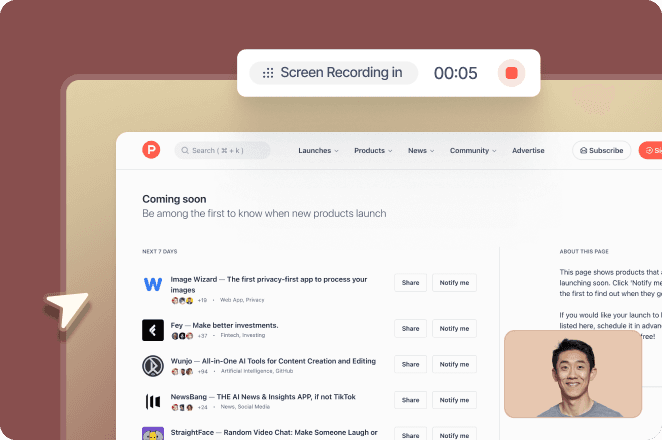
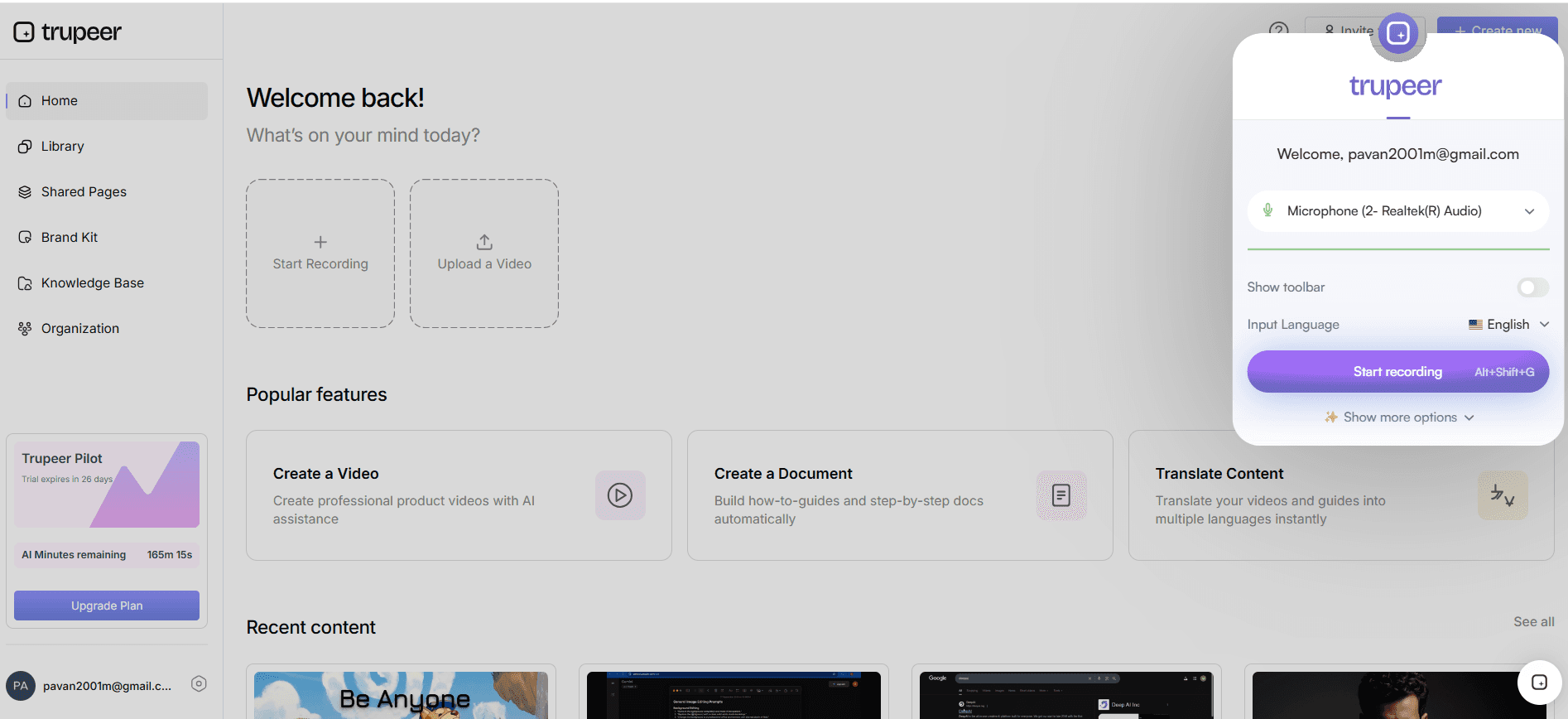
Begin by using Trupeer's AI screen recording with auto-zoom and click detection. Open the Trupeer desktop app or use the browser-based recorder for flexibility. Hit "Record" and navigate through the SaaS platform you want to document. Trupeer automatically detects clicks and zooms in on relevant sections, ensuring your viewers can follow along easily. This feature captures every interaction, making it easier to highlight complex workflows or intricate features. Once done, click "Stop" to finalize the recording. This process typically takes as long as the task itself but adds only a few minutes for setup and completion. Teams ship this workflow end-to-end using Trupeer's AI video platform, which turns raw recordings into polished output without an editor.
Step 2: Generate Automatic SOP
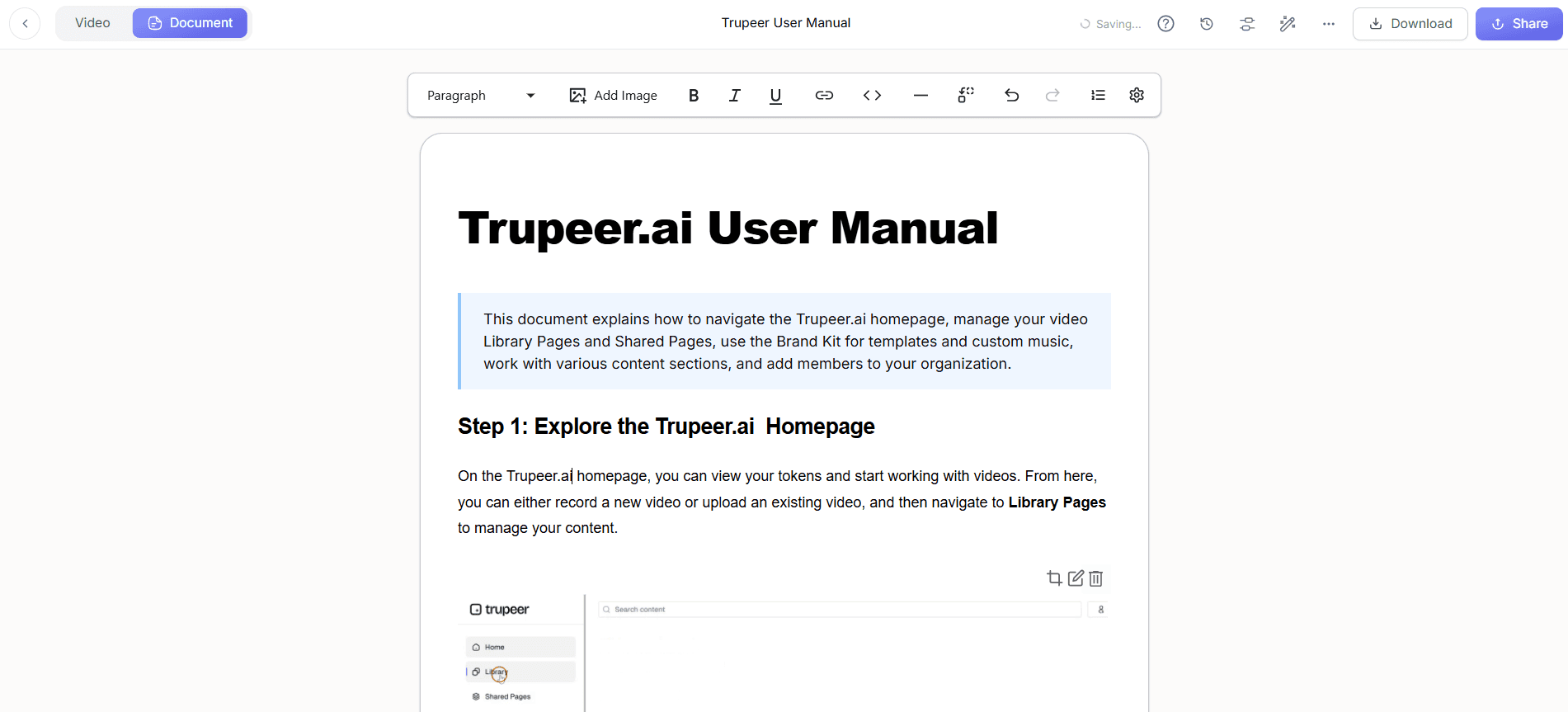
After recording, select "Generate SOP" from the Trupeer interface. This feature automatically converts your video into an editable standard operating procedure. Trupeer analyzes the video, extracting key actions and descriptions to form a structured document. The generated SOP will be available in multiple formats such as HTML or PDF, allowing for easy edits and updates. This step is quick, taking about 5 minutes for most recordings. It's ideal for capturing multi-step processes that require precise documentation.
Step 3: Add AI Voiceover
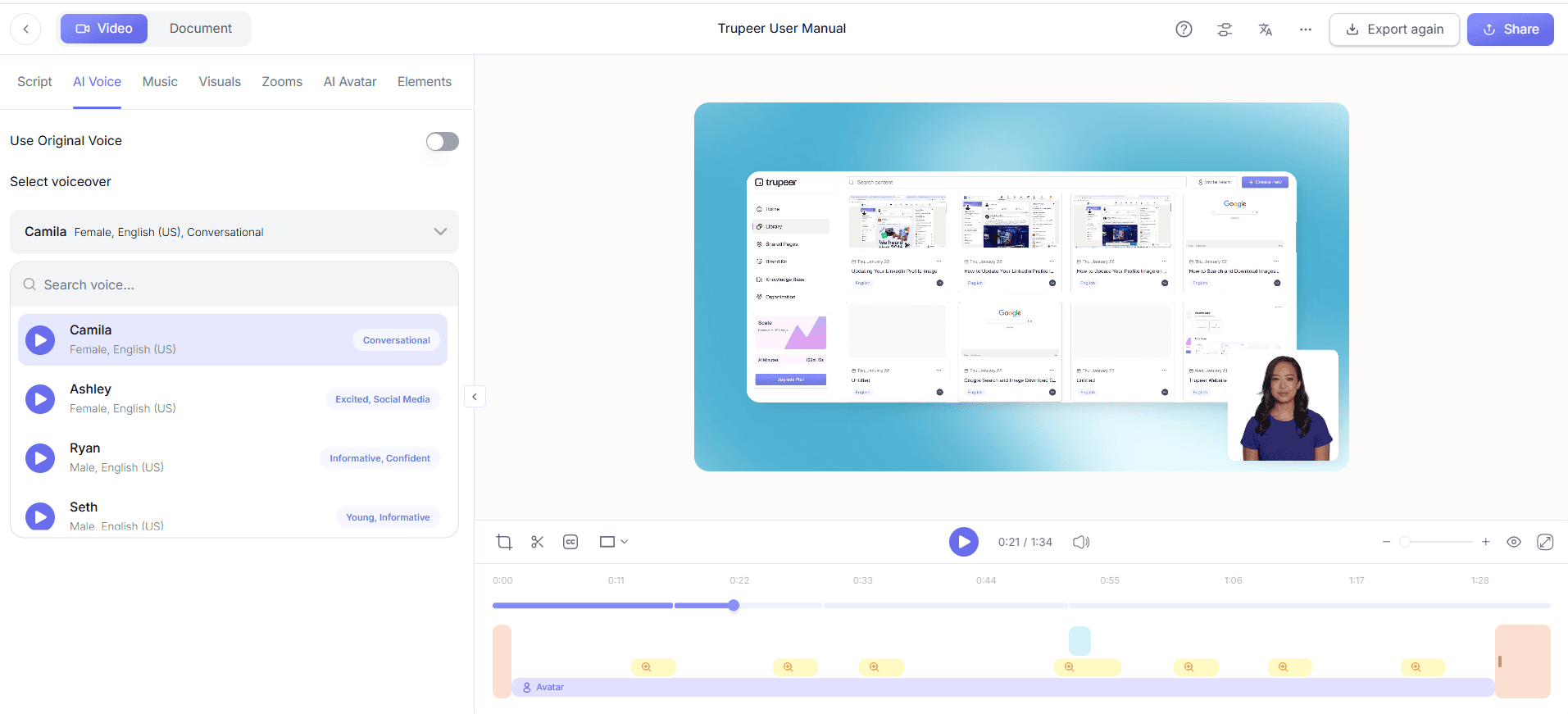
Enhance your documentation by adding an AI voiceover. Choose "Add Voiceover" and select from 65+ natural voices within Trupeer. Adjust the pace and tone to match your audience's needs. This feature adds clarity to your recordings, making them more engaging and accessible. The voiceover process is straightforward, typically taking around 10 minutes, depending on the video's length. This step is crucial for users who prefer auditory guidance or those with visual impairments.
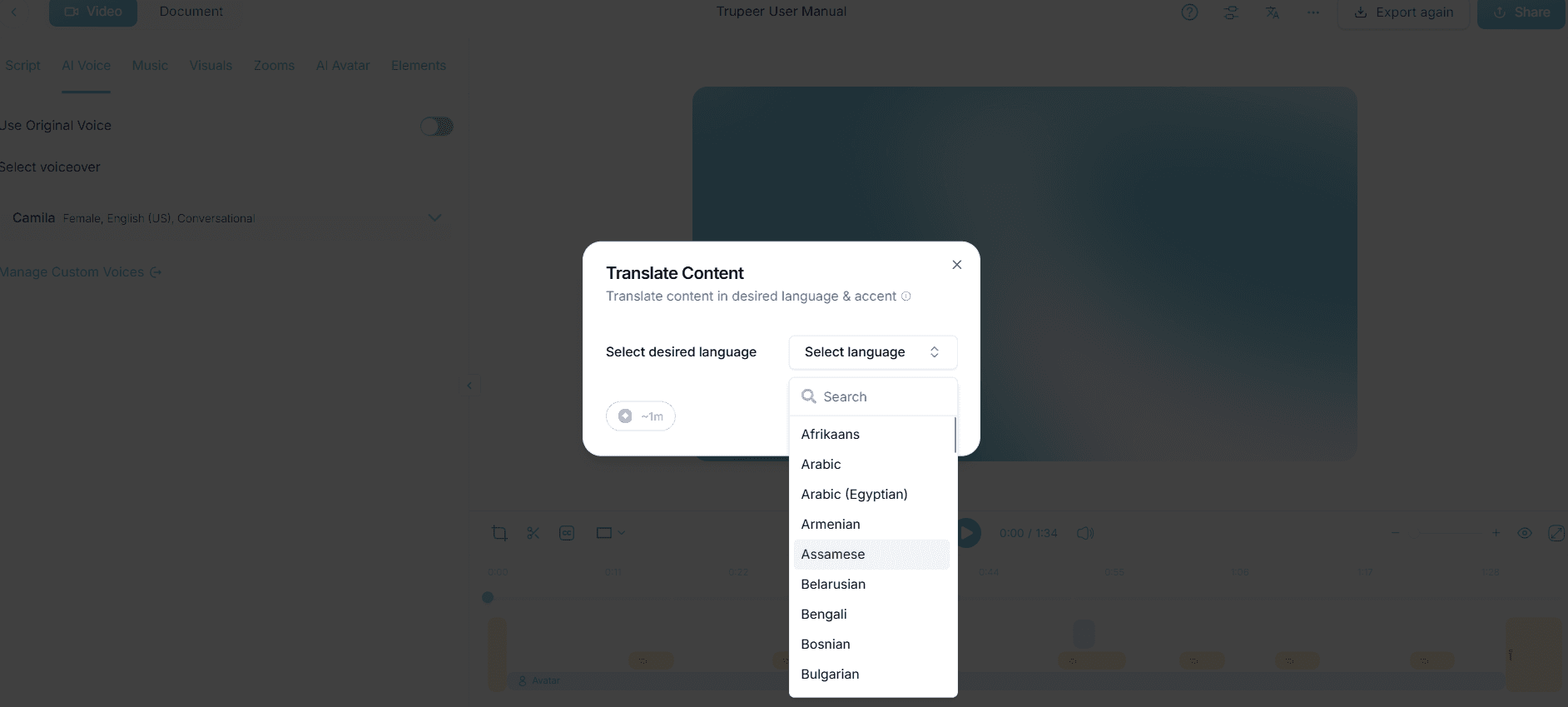
Step 4: Translate and Localize
If targeting a global audience, use Trupeer's AI translation into 40+ languages with lip-sync. Click "Translate" and choose your desired languages. Trupeer automatically syncs the translated voice to the video, ensuring smooth lip-sync. This feature broadens your documentation's reach, making it accessible to non-English speakers. The translation process varies, generally taking 15-20 minutes per language. While automatic, review the output for contextual accuracy, especially in technical jargon.
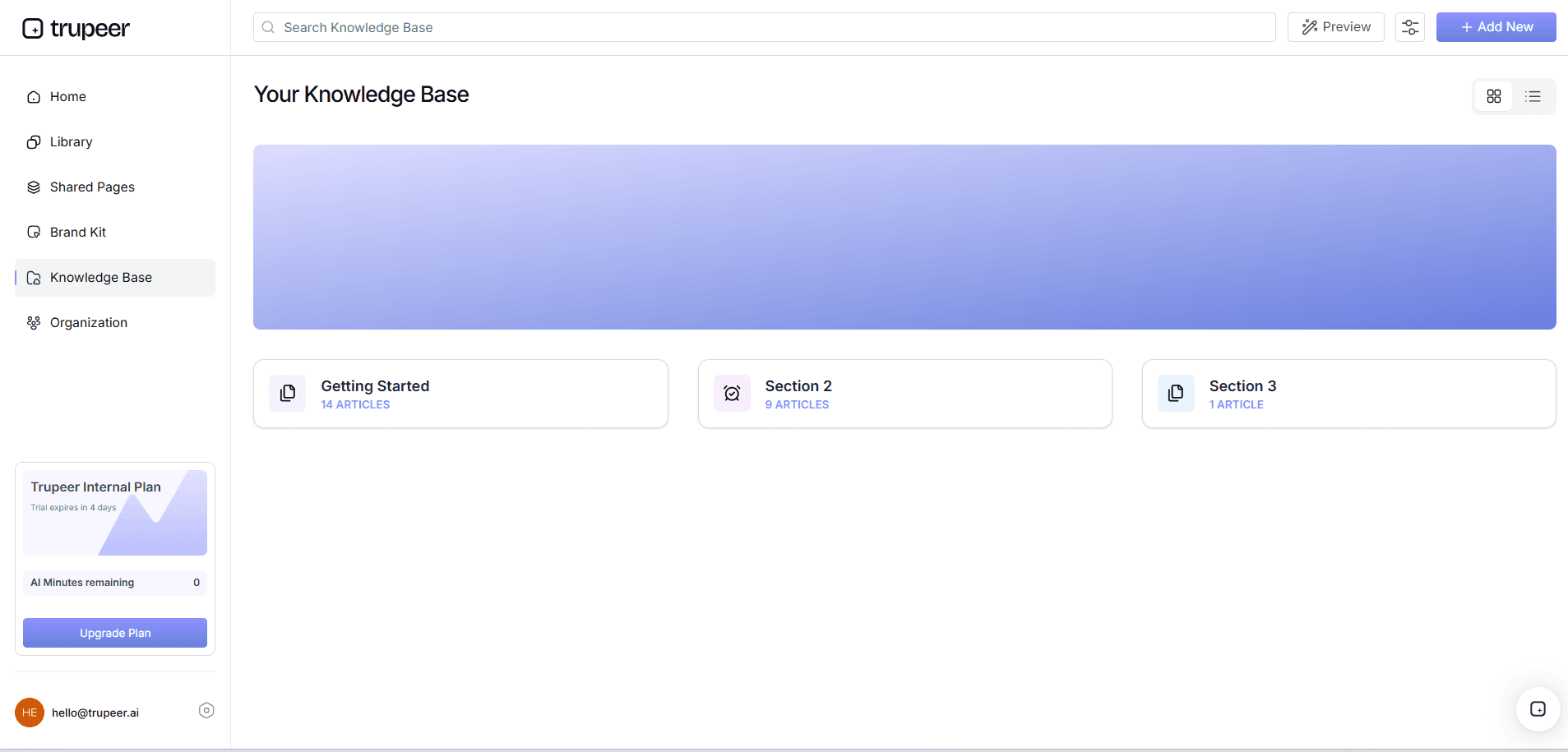
Step 5: Organize in a Knowledge Base
Next, integrate your documentation into Trupeer's AI-searchable knowledge base. Upload your videos and documents, ensuring they are indexed with timestamp deep-links. This setup allows users to quickly find specific information without watching entire videos. Navigate to "Knowledge Base" in Trupeer and upload your files. This process is quick, usually under 10 minutes per document. Over time, this organized system reduces user dependency on support, enhancing self-service options.
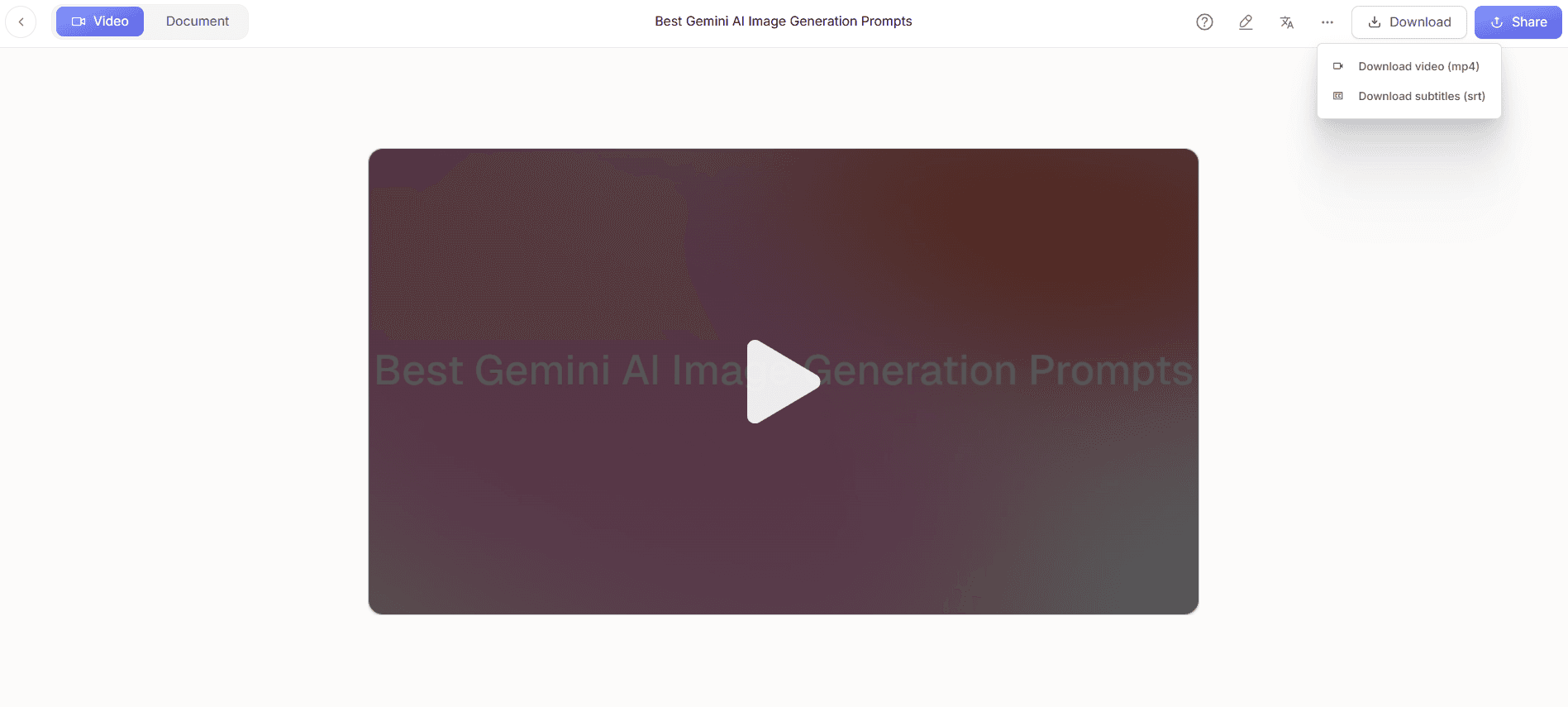
Step 6: Publish and Distribute
Finally, distribute your documentation through Trupeer's custom-domain hosting with SSO. Navigate to "Publish" and choose your distribution method, whether it's client-facing portals or embedded video widgets. This feature ensures secure access, integrating smoothly with your existing systems. Publishing is fast, taking less than 5 minutes per item. Always test the published content to ensure functionality, especially if using documentation platform internal external docs for both internal and external audiences.
What tips help you create functional documentation for a complex SaaS platform?
Creating functional documentation for a complex SaaS platform requires strategic planning and execution. Here are seven tips to guide you.
Define Your Audience. Tailor your documentation to suit the knowledge level of your users, whether they're beginners or advanced users.
Use Consistent Terminology. Consistency in language and terminology prevents confusion and ensures clarity across all documentation materials.
Incorporate Visuals. Visual aids such as screenshots and videos enhance understanding, especially for complex instructions.
Review and Update Regularly. Ensure your documentation remains accurate and relevant by scheduling regular reviews and updates.
Keep It Simple. Use clear, concise language. Avoid jargon unless necessary, and always explain it when used.
Use Feedback Loops. Encourage users to provide feedback on documentation to identify gaps and areas for improvement. ai/competitors/scribe-vs-trupeer">Scribe alternative comparison for insights.
use AI Tools. use tools like Trupeer’s AI product documentation tool to automate and enhance your documentation process.
Frequently asked questions
How can I ensure my SaaS documentation is user-friendly?
To ensure user-friendliness, focus on clarity, organization, and accessibility. Use straightforward language and break down complex processes into simple steps. Incorporate visuals like screenshots and videos to aid understanding. An intuitive structure with a searchable index helps users find what they need quickly. Regular updates are crucial to keep the content relevant. Consider user feedback to identify areas for improvement and use AI tools to automate and enhance your video localization tool, ensuring it meets diverse user needs.
What tools can assist in creating SaaS documentation?
Several tools can aid in creating SaaS documentation, each offering unique features. Trupeer provides AI screen recording and automatic SOP generation, making it easy to capture and document processes. Other tools like Confluence offer collaborative spaces for documentation, while Snagit can capture and annotate screenshots. Choosing the right tool depends on your specific needs, such as ease of use, integration capabilities, and cost. Evaluate these factors to ensure the tool complements your existing workflow and enhances your documentation quality.
Why is regular updating of SaaS documentation important?
Regular updates are crucial to maintaining accuracy and relevance in SaaS documentation. As software evolves with new features and updates, documentation must reflect these changes to remain useful. Outdated documentation can lead to user confusion and increased support requests. Regular updates also improve user trust, as they signal that the company is committed to providing accurate and helpful resources. Schedule periodic reviews and updates as part of your documentation strategy to keep pace with product changes and user feedback.
Can Trupeer's AI tools help with multilingual documentation?
Yes, Trupeer's AI tools are highly effective for multilingual documentation. They offer AI translation into over 40 languages with lip-sync, making it possible to provide audio-visual content in multiple languages. This feature is particularly beneficial for companies aiming to reach a global audience, ensuring consistent user experiences across different languages. By automating the translation process, Trupeer reduces the time and cost associated with manual translations, while still delivering accurate and contextually appropriate content.
Is it possible to integrate SaaS documentation into a knowledge base?
Absolutely, integrating SaaS documentation into a knowledge base is not only possible but highly recommended. A knowledge base serves as a central repository where users can access organized and searchable documentation. This enhances user experience by providing quick access to information, reducing the need for support inquiries. Trupeer offers an AI-searchable knowledge base feature that indexes every recording with timestamp deep-links, making it easy for users to find specific information efficiently. This integration supports both internal and external documentation strategies, enhancing overall operational efficiency.