Trupeer Blog
Summarise
Imagine you're managing an IT support team that's constantly swamped with repetitive tickets. These tickets often involve the same basic issues, like password resets or software installation steps. The workload is overwhelming, and your team can't focus on more complex challenges. A strategic shift to self-serve training videos could relieve this pressure. By creating a solid video library, you can deflect up to 40% of these repetitive tickets, allowing your team to address more significant issues.
This strategy is not just about reducing load; it's about enabling users. When employees access a well-organized video library, they solve their own issues faster. It's a win for everyone involved. Users appreciate the autonomy and faster resolution times, while IT teams can focus on more critical tasks. This approach is especially relevant for companies experiencing rapid growth or with a diverse workforce spread across multiple locations. By investing in training video production, you can create a scalable solution that grows with your company.
Why does building training content that reduces IT support tickets matter?
Reducing IT support tickets through effective training content is crucial for several reasons. First, it directly impacts the efficiency and morale of your IT team. When repetitive and simple tickets flood the system, skilled IT professionals spend too much time on issues that could be self-resolved. This inefficient use of resources can lead to burnout and high turnover, especially when 60% of tickets are basic queries that could be easily covered through video tutorials. By addressing these issues with training videos, IT professionals can focus on more complex problems that require their expertise.
Second, it matters to your bottom line. Every support ticket costs money. Industry estimates suggest that each ticket costs between $15 to $30, depending on its complexity. By deflecting even a fraction of these tickets, you rapidly recover costs. also, making training videos a standard part of your onboarding and continuous training process helps new hires get up to speed quickly. It also reduces the likelihood of user errors that lead to support requests. A well-maintained video library ensures knowledge is consistently shared across the organization, minimizing the risk of information silos.
What are the benefits of training videos for support deflection?
Creating training videos for support deflection offers several compelling benefits that improve organizational efficiency and employee satisfaction.
Cost Savings. By deflecting common support tickets, you save on the $15 to $30 cost per ticket. This leads to significant annual savings, especially for larger organizations.
Improved Employee Efficiency. Employees can solve problems faster, leading to increased productivity. This is particularly beneficial when using the best training video software to create high-quality, easy-to-follow tutorials.
Consistent Information Delivery. Training videos ensure that every employee receives the same information, reducing misunderstandings and errors. This consistency is key in maintaining standards across the organization.
Scalability. Once created, videos can be used repeatedly without additional cost, making them an ideal solution for growing companies. An AI video platform can further enhance this scalability by automating updates and translations.
Enhanced User Experience. Users prefer video content for its clarity and ease of understanding. This preference leads to higher engagement rates compared to written documentation.
Faster Onboarding. New employees can access video content to learn systems and processes quickly, reducing the time and resources spent on training sessions.
Which Trupeer features help you create training videos for support deflection?
Trupeer offers a suite of features designed to enhance the creation of training videos aimed at support deflection. These tools simplify the process from capture to distribution.
AI screen recording with auto-zoom and click detection
This feature enables you to record training videos that automatically highlight important areas and actions on the screen. The auto-zoom and click detection ensure that viewers focus on the critical parts of the tutorial, reducing confusion. By capturing actions in real-time, the videos become more intuitive and easier to follow, making them ideal for explaining complex processes. The result is a set of clear, concise videos that help users understand and resolve their issues independently, so reducing the need for support intervention.
AI voiceover in 65+ natural voices, adjustable pace and tone
Trupeer's voiceover capabilities allow you to add narration to your videos without recording audio yourself. With over 65+ natural voices and the ability to adjust pace and tone, you can tailor the audio to suit your audience. This is particularly useful for creating content that resonates with a diverse workforce. The AI voiceover ensures consistency in delivery and can be used to make your videos more engaging and professional. This feature is crucial for maintaining viewer attention, which directly impacts the effectiveness of the training content.
Automatic filler-word removal ("um", "ah", long pauses)
Nothing disrupts a training video like unnecessary filler words or long pauses. Trupeer's automatic filler-word removal cleans up your audio tracks, making your videos more polished and professional. This feature significantly reduces editing time, allowing you to produce clean and concise videos quickly. The absence of filler words and pauses keeps the flow of information smooth, ensuring that the viewer's attention remains on the content. This leads to higher engagement and better retention of information.
Automatic SOP generation from any recording
By using this capability, you can generate standard operating procedures (SOPs) directly from your training videos. This dual functionality allows you to offer both video and written documentation, catering to different learning preferences. The SOPs are edit-ready, making it easy to refine and distribute them as needed. This feature ensures that all users have access to the same high-quality information, reducing errors and the need for support tickets. Plus, the auto-generated documentation can be exported in multiple formats, enhancing accessibility.
AI-searchable knowledge base with timestamp deep-links
Trupeer's knowledge base feature allows users to search for specific content within your video library using keywords. The timestamp deep-links let users jump directly to the relevant part of a video. This feature dramatically reduces the time spent searching for information and increases self-service success rates. Users can quickly find the exact solution they need, reducing the likelihood of opening a support ticket. This video knowledge base feature is integral to creating a self-sufficient support system.
AI translation into 65+ languages with lip-sync
Trupeer offers solid translation capabilities, allowing your training videos to reach a global audience. With support for over 40 languages and lip-sync technology, your content is accessible and engaging for non-English speaking users. This feature is crucial for multinational organizations looking to provide consistent training across different regions. By ensuring that language is not a barrier, you can reduce the number of support tickets from international teams. The AI training video tool makes localization smooth and efficient.
How do you build training content that reduces IT support tickets step by step with Trupeer?
Step 1: Capture the Screen
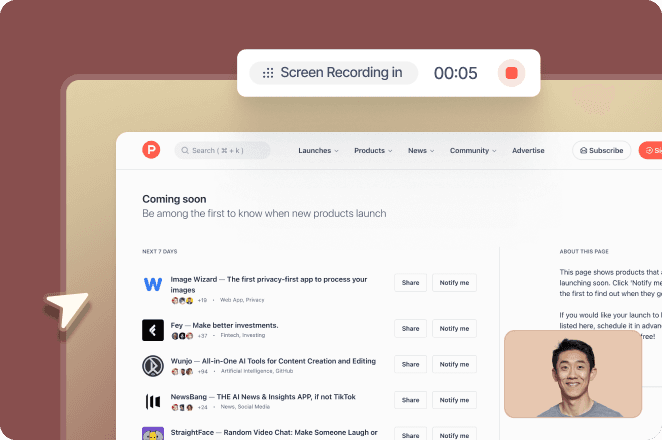
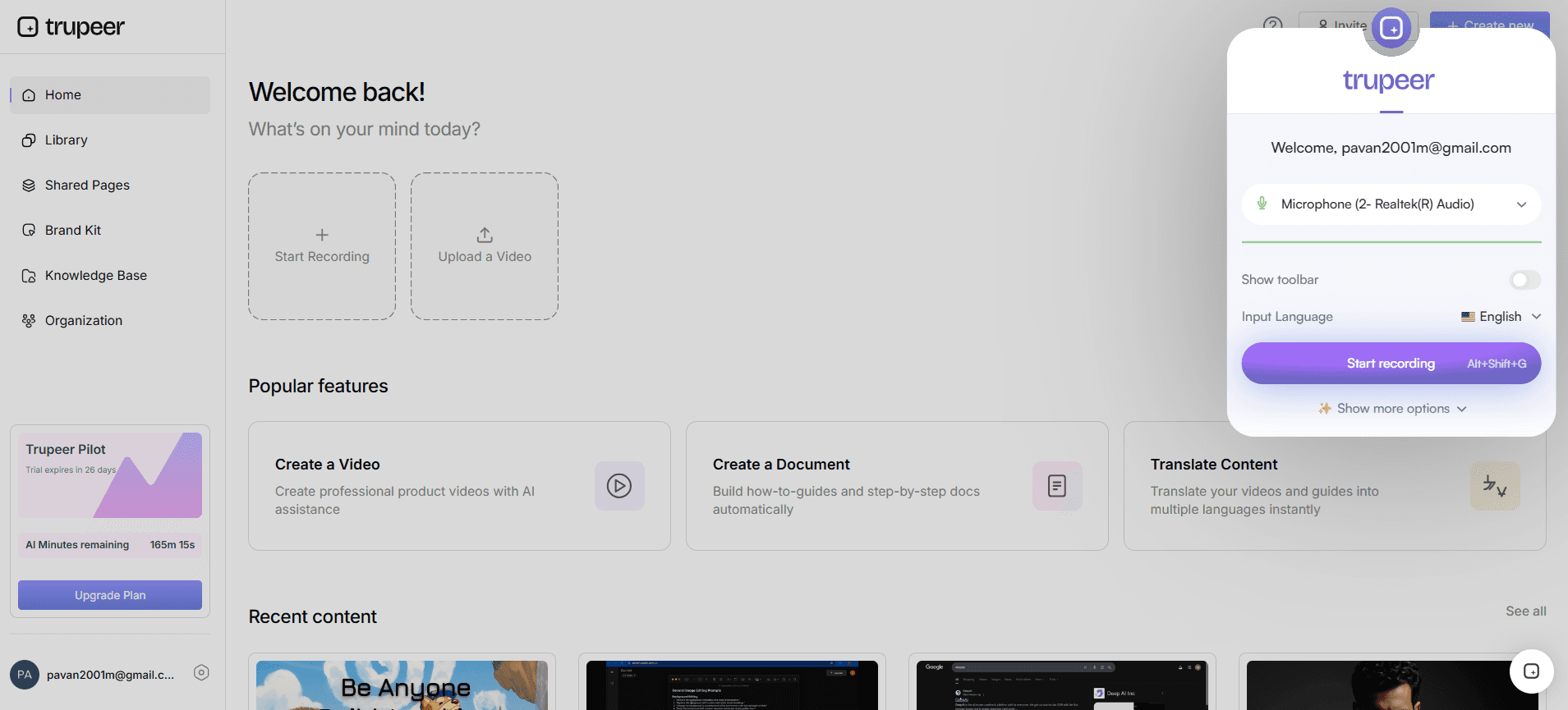
Begin by opening the Trupeer browser-based recorder or desktop app. Select "AI screen recording with auto-zoom and click detection" from the options. This feature will automatically highlight important screen areas and clicks. Start your recording by clicking the "Record" button. As you demonstrate the process on your screen, Trupeer will intelligently zoom in on critical actions, ensuring viewers focus on the necessary parts. The recording captures every detail in real-time, typically within a few minutes, depending on the complexity of the task you're documenting. This step is crucial for creating a clear tutorial that users can easily follow, reducing confusion and potential support tickets.
Step 2: Add AI Voiceover
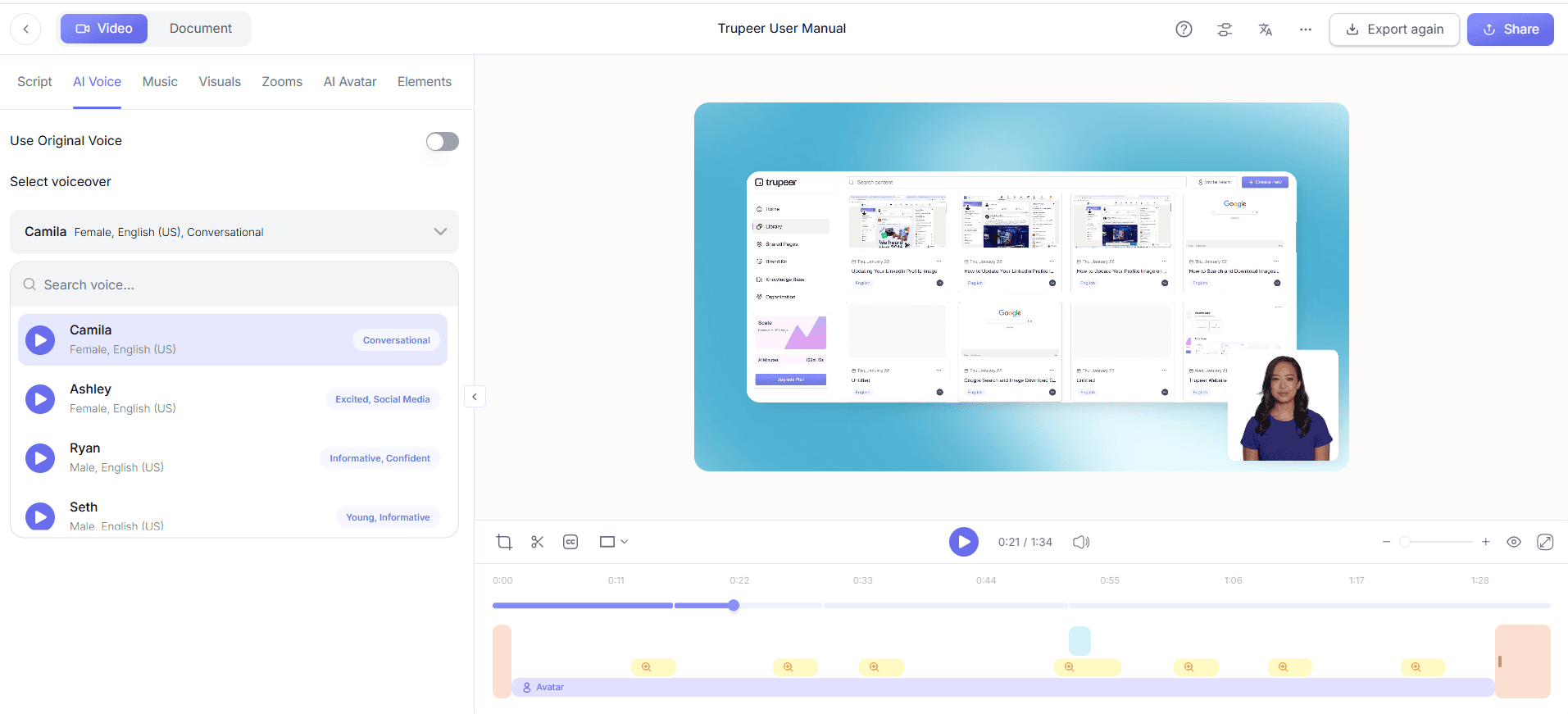
Once your recording is complete, proceed to the editing section. Choose the "AI voiceover in 65+ natural voices" feature. This capability allows you to select a voice that matches your audience's preferences. You can adjust the pace and tone to suit different scenarios, such as instructional or conversational styles. Click "Apply" to add the voiceover to your video. Trupeer processes this quickly, usually in under five minutes, providing you with a professional-sounding narration that complements your visuals. This step ensures that the information is delivered clearly and engagingly, which is essential for effective learning.
Step 3: Edit Out Filler Words
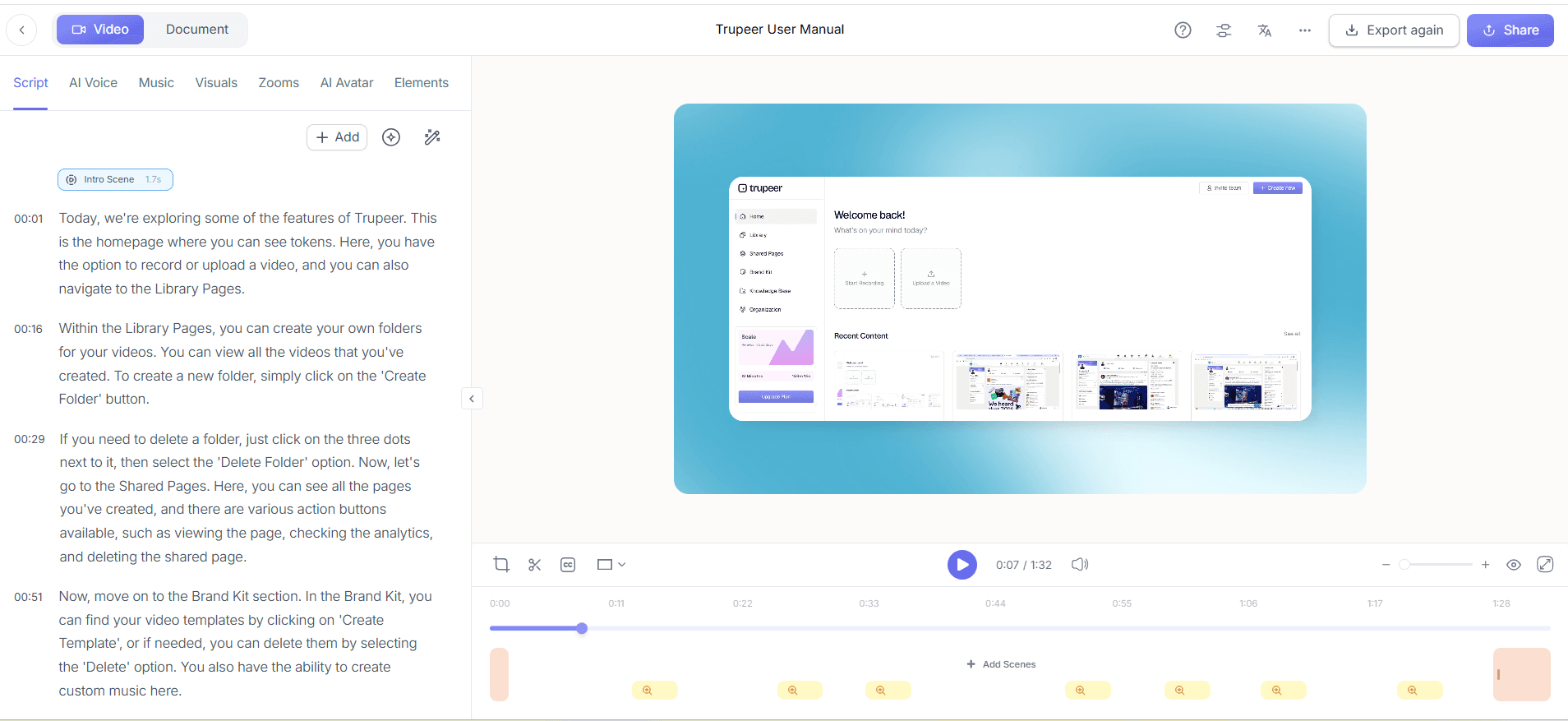
Next, use the "Automatic filler-word removal" feature to polish your video's audio. Trupeer will scan the audio track and eliminate unnecessary words like "um" and "ah," as well as long pauses. Click "Process" to initiate this action. This feature significantly reduces the editing time and improves the overall quality of your video. Within a few minutes, you'll have a clean audio track that maintains the viewer's attention. A well-edited video without distractions keeps the audience focused, enhancing their ability to learn and apply the presented information.
Step 4: Generate SOP from Recording
With your video content now polished, navigate to the "Automatic SOP generation" option. This tool converts your video into a standard operating procedure document. Click "Generate SOP," and Trupeer will produce an editable text document that outlines the steps shown in the video. You can refine this document further, ensuring it meets your organization's standards. The process takes only a few minutes, providing you with both video and text resources. Offering multiple formats caters to different learning preferences, improving the likelihood of self-resolution and reducing the need for IT support.
Step 5: Localize the Content
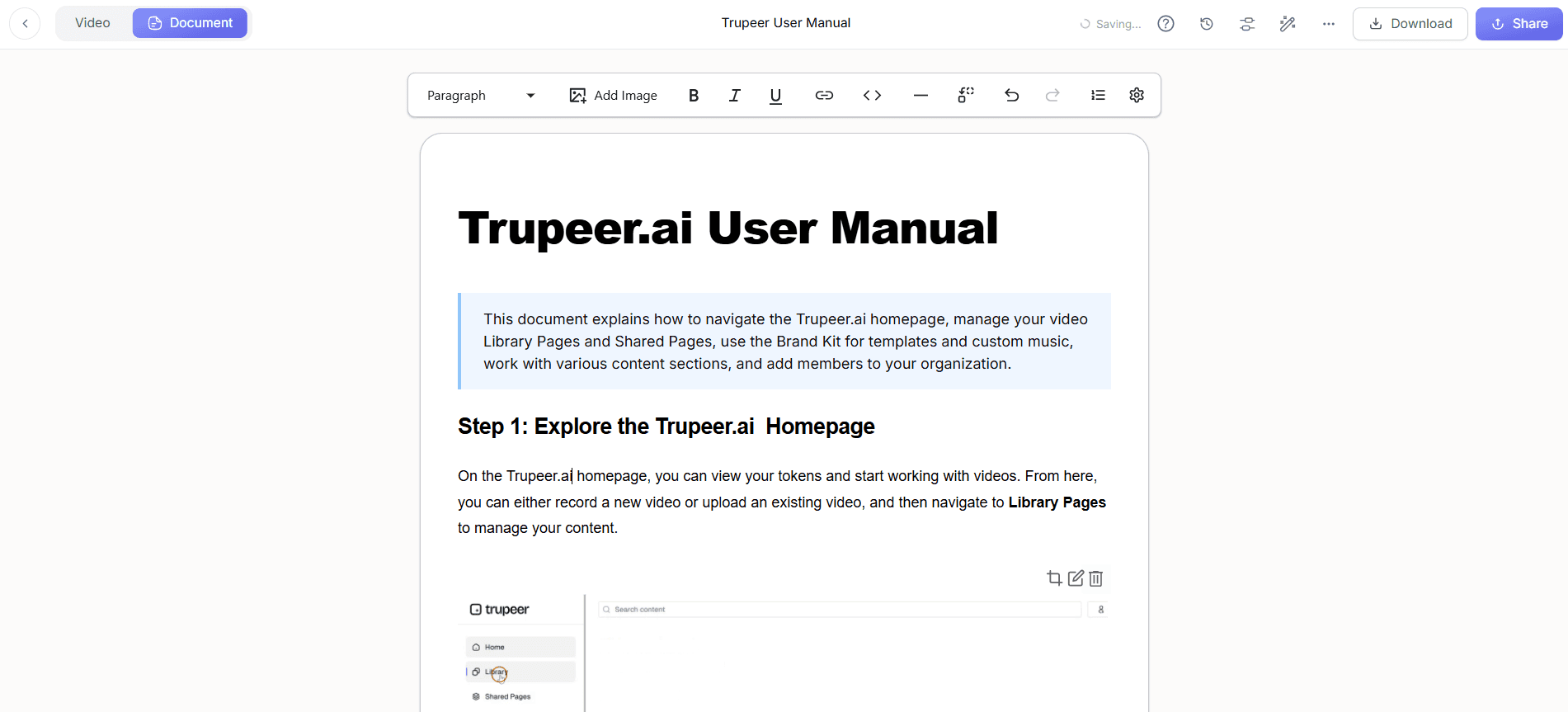
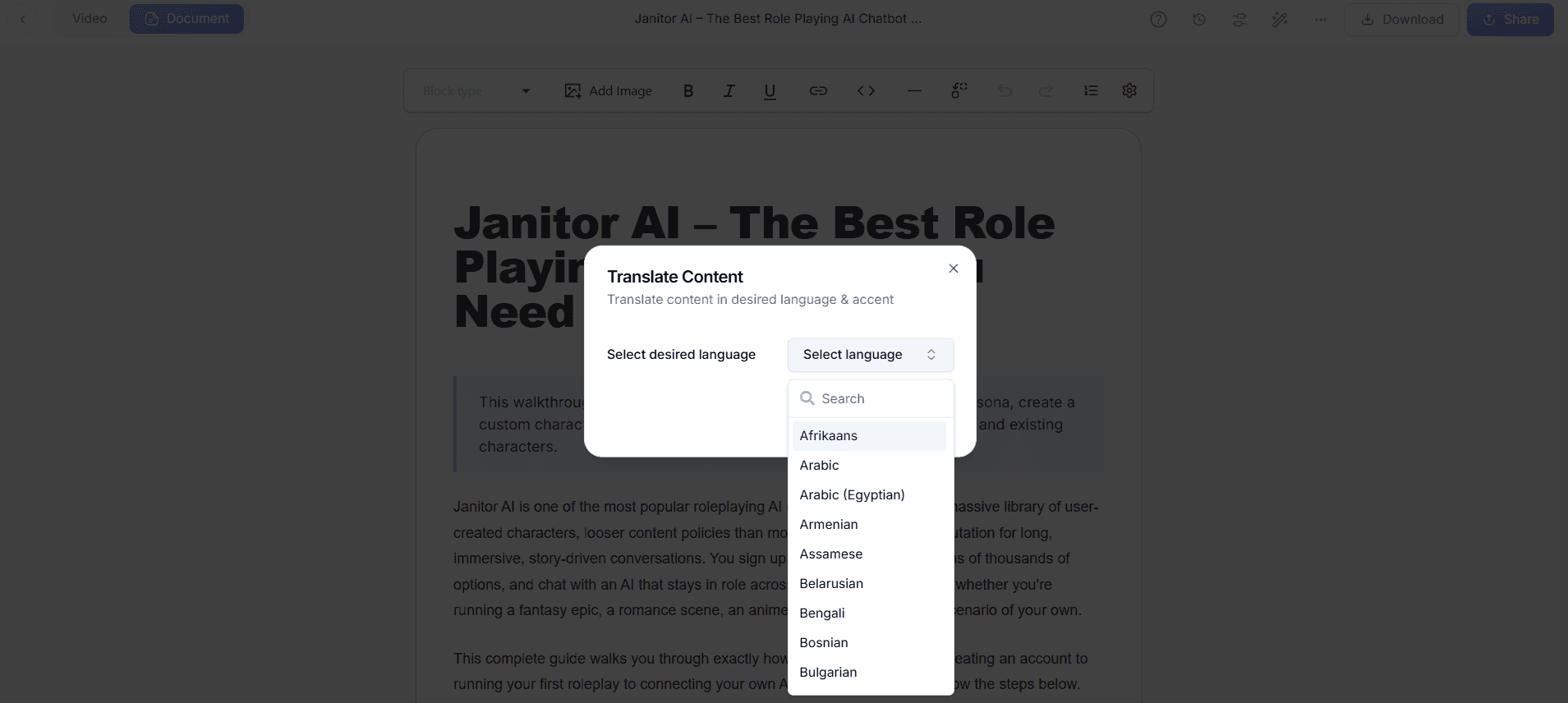
To make your training content accessible to a global audience, use Trupeer's "AI translation into 40+ languages with lip-sync." Select the languages you want to translate your video into and click "Translate." Trupeer will process the video, syncing the translated audio with the original visuals. This feature is particularly beneficial for multinational organizations, as it ensures language barriers don't impede understanding. The process is efficient, taking about 10 to 15 minutes per language. Providing localized content helps reduce support tickets from international teams, as users can watch videos in their native language. When SOPs come into the same conversation, a Scribe alternatives comparison helps clarify the scope.
Step 6: Distribute and Track Engagement
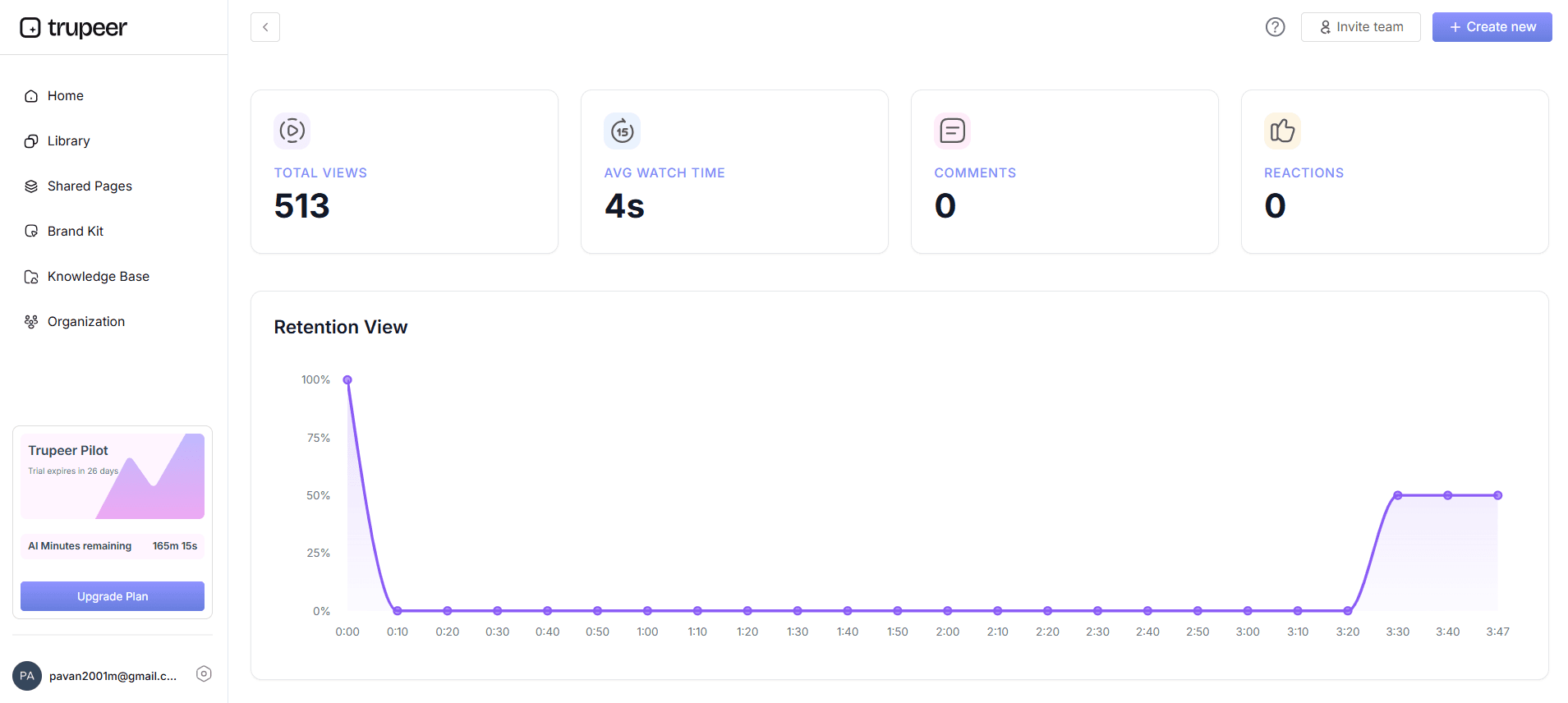
Finally, distribute your video using the "AI-searchable knowledge base with timestamp deep-links" feature. Upload your video to the knowledge base and enable timestamp links. This allows users to search for specific topics and jump directly to relevant video sections. Monitor engagement through Trupeer's analytics dashboard, which provides insights into viewer behavior, drop-off points, and overall engagement. This data helps you refine future content, ensuring it's as effective as possible in reducing support tickets. The process is straightforward and can be completed in under 10 minutes, making it easy to keep your training library updated and optimized.
What tips help you build training content that reduces IT support tickets?
Creating effective training content that minimizes IT support tickets involves strategic planning and execution. Here are some practical tips to help you achieve this goal efficiently and effectively.
Know Your Audience. Tailor content to address the specific needs and skill levels of users. This focus ensures higher engagement and success in self-resolving issues.
Keep Videos Concise. Aim for short, focused videos that cover a single topic. This approach helps users find solutions quickly and reduces the likelihood of confusion.
Use Visual Aids. Incorporate annotations and highlights to draw attention to critical areas. Visual aids enhance understanding and retention.
Test Your Content. Before full deployment, conduct a pilot test with a small user group to gather feedback and make necessary adjustments.
Regularly Update Content. Ensure your videos reflect the latest processes and technologies. Outdated content can lead to misinformation and increased support requests.
use Analytics. Use engagement data to identify which videos are most effective and which need improvement. This analysis helps you refine your strategy over time.
Standardize Formats. Adopt a consistent format and style across all videos for a cohesive library. This standardization aids user navigation and comprehension.
Teams weighing tools often start with a Loom alternatives comparison before standardizing on a workflow.
Frequently asked questions
How can training videos reduce IT support tickets?
Training videos reduce IT support tickets by enabling users to solve common issues independently. By providing clear, step-by-step instructions, these videos help users understand and execute tasks without needing to contact support. This self-service approach not only decreases the volume of repetitive tickets but also frees up IT resources for more complex issues. also, well-designed videos can cater to different learning styles, ensuring comprehensive understanding and effective problem-solving capabilities among users.
What should be included in a training video for support deflection?
A training video for support deflection should include clear objectives, a concise introduction, and step-by-step instructions. Use visual aids like annotations and highlights to focus attention on key areas. Incorporate a professional voiceover to guide viewers and eliminate filler words to maintain clarity. Finally, ensure the content is up-to-date and relevant to current systems or processes. Testing the video with a small user group before full release can also help refine its effectiveness and address any potential gaps or misunderstandings.
Why is AI translation important for training videos?
AI translation is crucial for training videos as it ensures accessibility across different languages and regions. By translating content into multiple languages with lip-sync technology, you cater to a global audience, removing language barriers that could prevent understanding. This inclusivity is vital for multinational organizations looking to provide consistent training. With AI video translation, you can effectively localize content, ensuring all users have the tools they need to solve issues independently, so reducing support tickets.
Can AI tools enhance the quality of training videos?
Yes, AI tools significantly enhance the quality of training videos by automating various aspects of production. Features like automatic filler-word removal and AI voiceovers improve audio clarity, while auto-zoom and click detection ensure visual focus on key elements. AI-driven analytics provide insights into viewer engagement, helping you refine content for better effectiveness. These tools simplify the creation process, reduce production time, and result in professional-quality videos that effectively support user learning and ticket deflection.
Does Trupeer support video localization for international teams?
Trupeer supports video localization through its AI translation and dubbing features, which are crucial for international teams. By offering translation into over 40 languages with lip-sync capability, Trupeer ensures that training content is accessible and relatable for users worldwide. This feature reduces the need for multiple versions of the same video, simplifying the localization process. Effective localization not only accommodates diverse linguistic needs but also minimizes confusion and reduces the number of support tickets from non-English speaking users.
Related Blogs