Trupeer Blog
Summarise
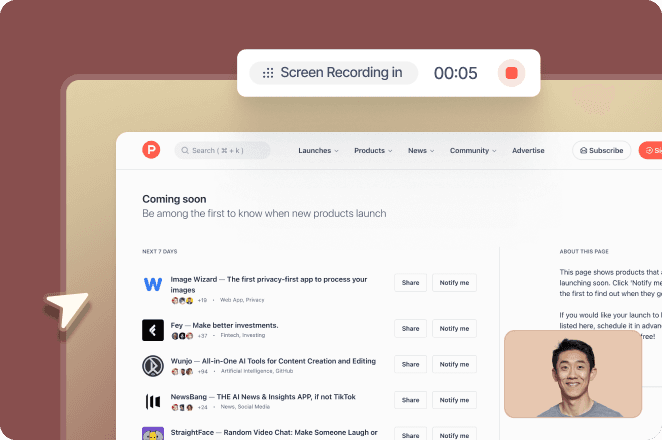
Imagine you're a developer handling a labyrinth of technical documentation. Dense text and static images only tell part of the story. You need to understand complex processes fast, but traditional documentation falls short. Enter demo videos. With these, your audience can see the code in action, grasp subtle processes, and follow along with ease. Yet, integrating demo videos into documentation isn't a straightforward task. It requires careful consideration of placement, format, and user experience to avoid cluttering already dense pages. A recent survey found that
including demo videos can increase comprehension by up to 70% for technical content.
This makes a compelling case for their inclusion. When SOPs come into the same conversation, a Scribe alternatives comparison helps clarify the scope.
This guide is designed for technical writers, developers, and product managers who need to enhance their documentation. You'll learn how to incorporate demo videos efficiently, ensuring they add value without overwhelming the content. With the right approach, demo videos can transform your documentation from a static reference to an interactive learning tool. why these videos matter and how they can benefit your documentation efforts. If you're working out how to make demo videos faster, the approach below breaks it into a few repeatable steps you can apply right away.
Why does adding demo videos to developer documentation matter?
Adding demo videos to developer documentation is crucial for several reasons. First, technical content is often complex and dense, making it difficult for even experienced developers to parse through quickly. By incorporating video, you can visually demonstrate processes that are cumbersome to describe with text alone. This not only aids comprehension but also speeds up the learning curve for new users. For instance, a customer education use case can greatly benefit from videos, as they provide a dynamic way to illustrate coding practices and software functionalities.
Also, the way people consume information has changed. Developers now expect interactive and multimedia-rich content. Static text isn't enough to engage users who are accustomed to the dynamic content found on platforms like YouTube and other video-based learning environments. By embedding demo videos, you're meeting these expectations and enhancing the user experience. This shift in content consumption habits underscores the importance of updating your documentation practices to include multimedia elements.
What are the benefits of integrating demo videos into developer documentation?
Demo videos bring numerous benefits to developer documentation. Here are some of the key advantages:
Enhanced Comprehension. Video demonstrations simplify complex ideas, making it easier for developers to understand intricate processes and frameworks. This clarity can reduce support tickets and user errors.
Reduced Onboarding Time. New developers can quickly get up to speed with video content, which visually guides them through initial setups and usage scenarios. This efficiency can reduce onboarding time by up to 40%.
Increased Engagement. Videos are inherently more engaging than text, keeping users on your documentation for longer. This increased dwell time can improve SEO metrics and user satisfaction.
Consistent Communication. A single AI video platform can ensure that all users receive the same information, eliminating discrepancies that can occur with text instructions.
Global Reach. With video, you can easily make a product demo available in multiple languages, broadening your audience. Platforms like Trupeer offer AI translation into over 40 languages.
Better Retention. Users are more likely to remember information presented in video format. Studies show that viewers retain 95% of a message when it's delivered via video, compared to just 10% when reading text.
For a deeper look, our guide on repurpose demo videos covers the adjacent playbook.
Which Trupeer features help you add demo videos to developer documentation?
Trupeer offers a solid suite of features designed to simplify the integration of demo videos into developer documentation. Here’s how Trupeer can assist in this process:
AI screen recording with auto-zoom and click detection
This feature allows you to create clear and professional demo videos without extensive manual editing. As you record your screen, Trupeer automatically detects clicks and zooms in on crucial areas, ensuring viewers focus on the right parts of the screen. This capability is particularly useful when demonstrating complex UIs or intricate coding processes, reducing the risk of viewers missing important details. With the auto-zoom function, your demo videos will maintain clarity and engagement throughout.
Silent screen recording with automatic AI narration
Trupeer's silent screen recording feature lets you capture video without worrying about background noise or audio mishaps. Once captured, you can add narration using AI voiceover technology. This feature supports over 50 natural-sounding voices, allowing you to adjust pace and tone to match your brand's style. By using automatic narration, you maintain a consistent and professional audio quality across all videos, enhancing the overall user experience. This ensures your documentation is accessible to users who prefer or require audio assistance.
AI voice cloning from a short sample
Trupeer's AI voice cloning lets you maintain brand consistency by using a familiar voice across all your demo videos. By providing a short sample, Trupeer can clone the voice and apply it to your video content. This feature is especially beneficial for teams that want a recognizable voice associated with their brand, making your documentation feel cohesive and professional. It reduces the need for re-recording voiceovers, saving time and resources.
Automatic SOP generation from any recording
Once you've recorded your demo video, Trupeer can automatically generate Standard Operating Procedures (SOPs) from the content. These SOPs are edit-ready and exportable, allowing you to provide both video and text formats for your documentation. This dual-format approach caters to different learning preferences and ensures that users have the resources they need to succeed. The auto-generated documentation is tied directly to the video, so any updates to the video content automatically update the text as well.
Embeddable video widgets for in-app guidance
Trupeer makes it easy to embed video widgets directly into your software application. This feature allows users to access demo videos without leaving the app, providing smooth guidance and support. These widgets can be customized to fit your app's design and are ideal for offering context-sensitive help. By integrating videos in this way, you enhance user support and reduce the need for external documentation, keeping users engaged within your platform.
With these features, Trupeer enables you to create and integrate demo videos into your developer documentation efficiently and effectively. Whether you're looking to enhance comprehension, reduce onboarding time, or increase engagement, Trupeer provides the tools you need to succeed. Explore how the AI documentation platform can transform your documentation strategy.
How do you add demo videos to developer documentation step by step with Trupeer?
Step 1: Start with AI Screen Recording
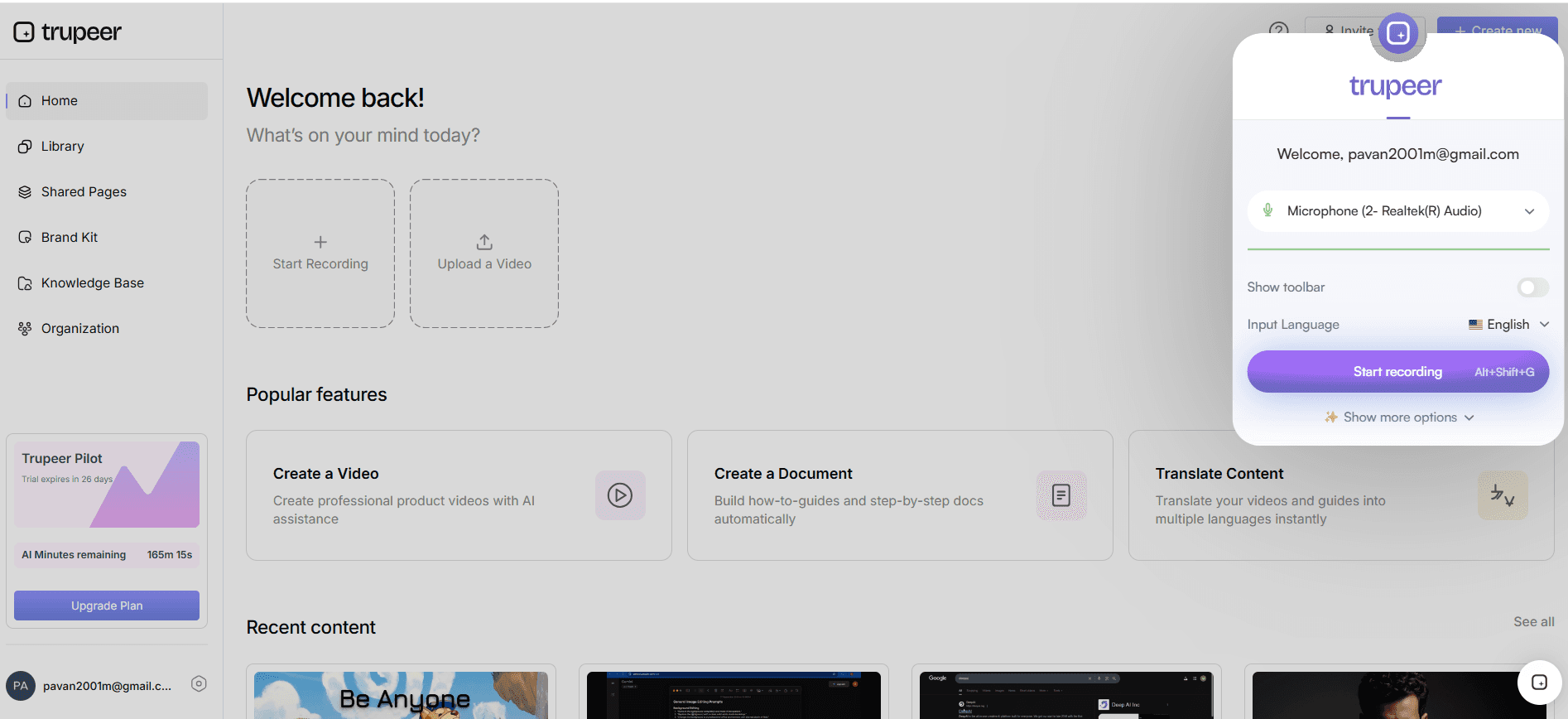
Begin by using Trupeer's AI screen recording feature. Open the Trupeer interface, choose the "Screen Record" option, and select the area of your screen you want to capture. Trupeer automatically applies auto-zoom and click detection, ensuring your video highlights critical interactions. This feature is especially useful for capturing intricate coding processes or software demonstrations. The recording is processed in real-time, allowing you to review and adjust immediately afterward. Edge cases might include overly busy screens, where manual zoom adjustments could enhance clarity.
Step 2: Add AI Narration
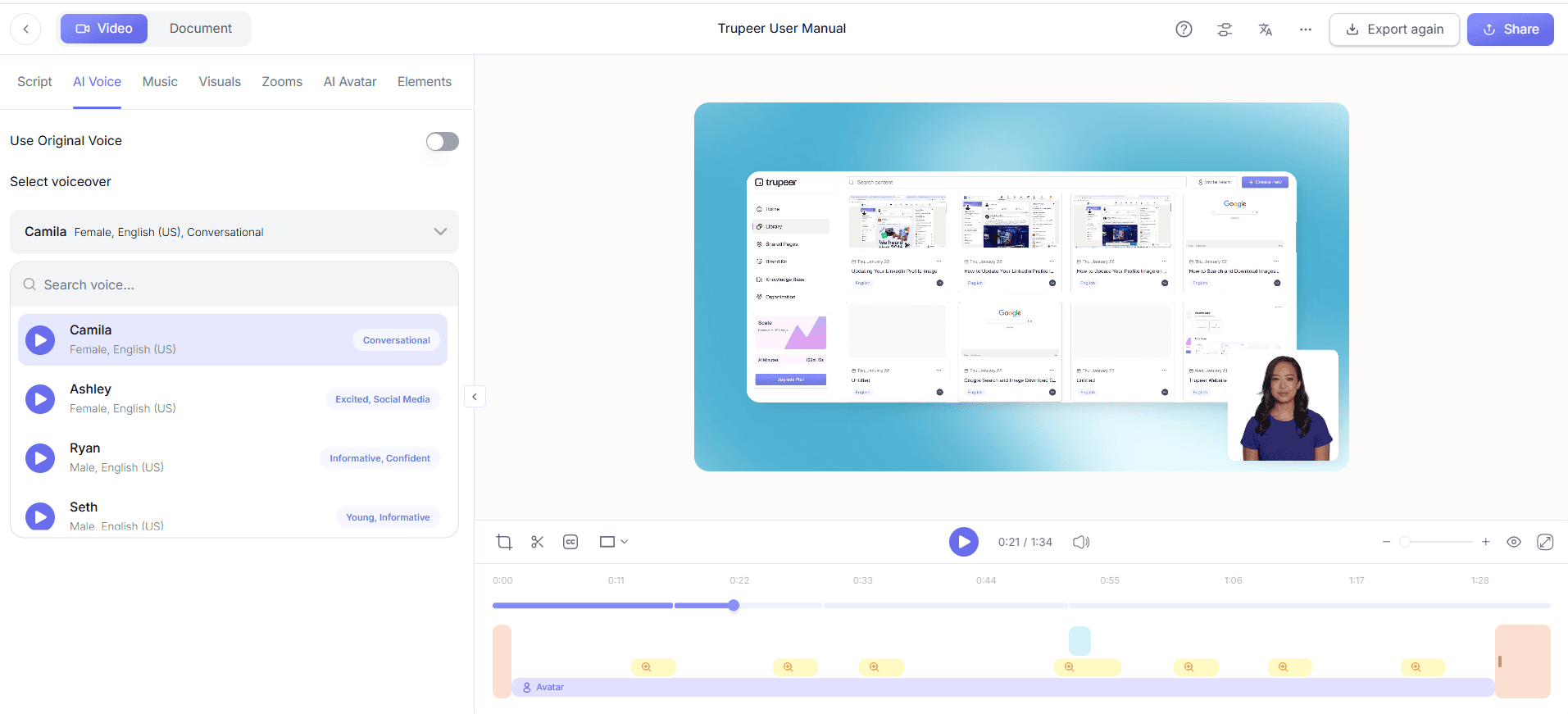
After capturing your screen, it's time to add narration. Trupeer offers an AI voiceover feature with over 65+ natural voices. Simply upload your script, and choose a voice that aligns with your brand's tone. The AI will automatically sync the narration with the video, saving you from manual adjustments. This step can take a few minutes, depending on the length of your video. If you're working with non-English audiences,
Step 3: Use AI Voice Cloning
To maintain consistent branding, use Trupeer's AI voice cloning. Provide a short sample of your preferred voice, and Trupeer will replicate it for your video. This ensures a uniform voice across all documentation videos, enhancing brand recognition. The cloning process is quick, often completed within minutes. This feature is particularly beneficial if you've previously used a specific voice for other company materials, providing continuity and familiarity for your users.
Step 4: Generate SOPs Automatically
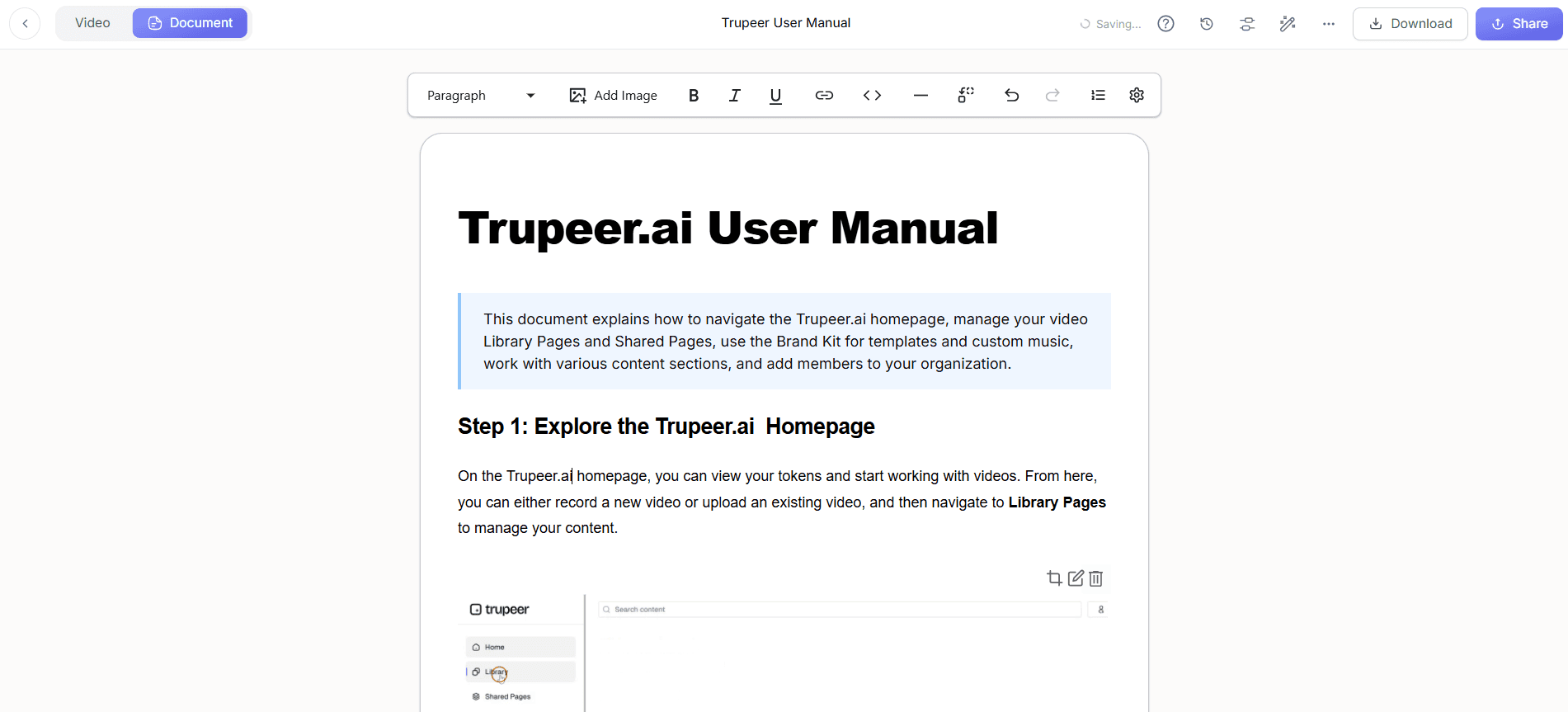
Once your video is ready, generate Standard Operating Procedures (SOPs) using Trupeer's automatic SOP generation. Select the "Generate SOP" option, and Trupeer will create a detailed, edit-ready document from your video content. This document is exportable in multiple formats, including HTML and PDF, catering to diverse user preferences. This step usually takes less than five minutes, ensuring you have both video and text resources available for comprehensive developer documentation.
Step 5: Embed Video Widgets
To make your demo video accessible, use Trupeer's embeddable video widgets. Navigate to the "Embed" section, customize the widget's appearance to match your app's UI, and copy the generated embed code. Place this code in your documentation or application, allowing users to view the video without leaving the page. This integration promotes smooth user experiences and keeps viewers engaged with your platform. Ensure the widget is responsive to maintain functionality across devices. Teams weighing tools often start with a Loom alternatives comparison before standardizing on a workflow.
Step 6: Analyze Viewer Engagement
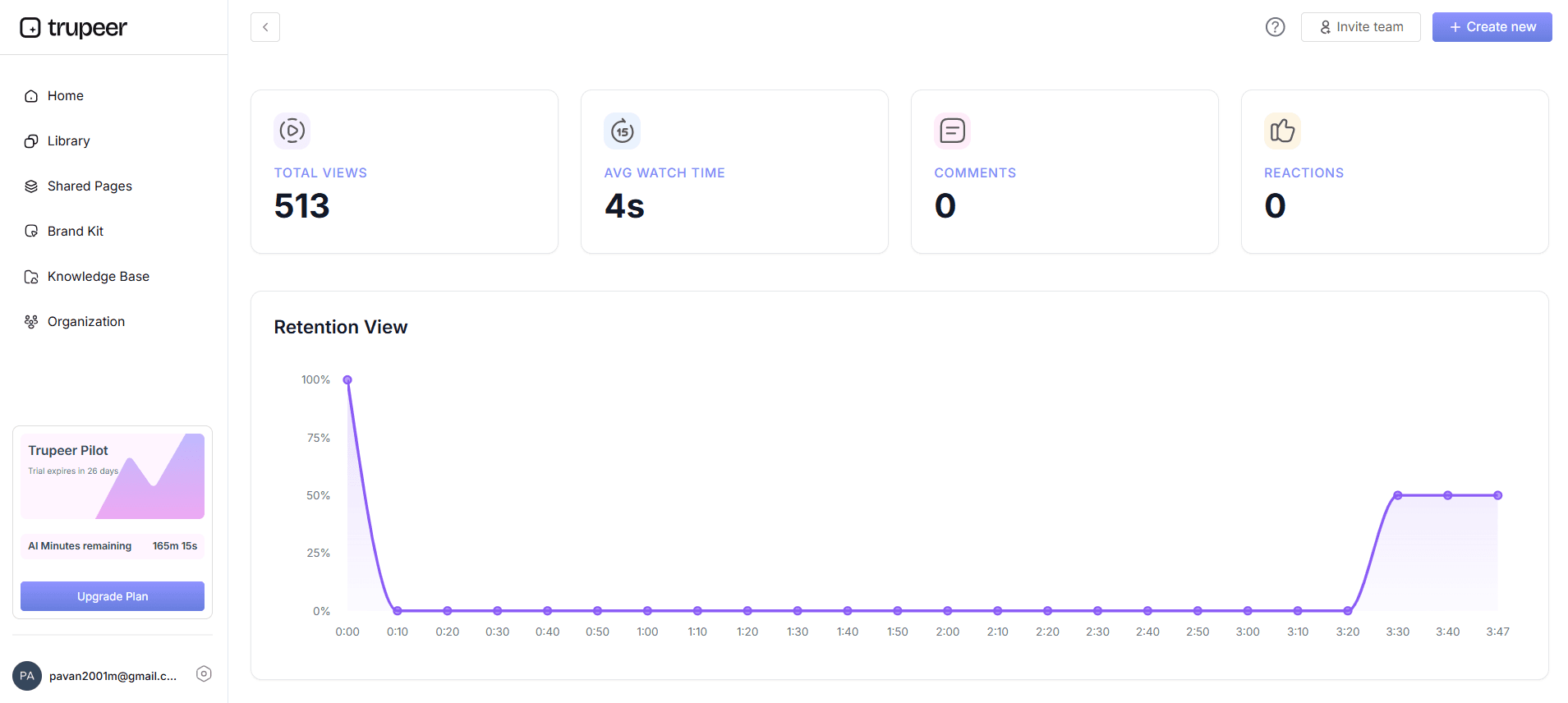
Finally, use Trupeer's viewer engagement analytics to assess how users interact with your demo video. Access the "Analytics" dashboard to review drop-off rates, heatmaps, and engagement statistics. This data helps identify parts of the video that may need improvement or additional clarification. Regular analysis ensures your documentation remains effective and user-friendly. Adjust your content based on these insights to continuously improve the learning experience for your users.
What tips help you add demo videos to developer documentation?
Integrating demo videos into developer documentation can be transformative, but success hinges on strategic implementation. Here are some tips to ensure your videos enhance your documentation without overwhelming it:
Keep Videos Short and Focused. Aim for videos under five minutes to maintain viewer attention and facilitate quicker comprehension.
Use Consistent Branding. use branded templates to ensure each video aligns with your company's visual identity, reinforcing brand recognition.
use AI Translation. use AI video translation to make your content accessible to global audiences, expanding your reach and inclusivity.
Embed Contextually. Place videos near relevant text sections to provide immediate visual support, enhancing the user's understanding of complex topics.
Test Video Performance. Regularly review viewer engagement analytics to identify areas for improvement and ensure your videos are effectively supporting your documentation.
Update Regularly. Ensure your demo videos are up-to-date with the latest software versions and features to avoid providing outdated information.
Standardize Capture Style. Use a product demo video recording editing tool that offers auto-zoom and consistent framing to maintain a professional and uniform look across all videos.
For a deeper look, our guide on make product demo video covers the adjacent playbook.
Frequently asked questions
How can demo videos improve developer documentation?
Demo videos enhance developer documentation by providing visual context to complex processes. They simplify understanding by showing a step-by-step walkthrough of tasks that text descriptions might complicate. This visual aid can significantly cut down on learning time and reduce the need for external support. For developers, seeing a process in action can clarify abstract concepts, making the documentation more effective and user-friendly. Embedding videos in documentation also caters to different learning preferences, benefiting a wider audience.
What tools are needed to create demo videos for documentation?
Creating effective demo videos requires tools that can capture, edit, and distribute video content smoothly. Trupeer offers a comprehensive suite of features including AI screen recording, voiceover capabilities, and embeddable widgets, making it a versatile choice for creating professional demo videos. also, its AI voice cloning and translation capabilities ensure that your videos are consistent and accessible to a global audience. These tools simplify the production process, from initial recording to final distribution, simplifying the task of enhancing documentation with video content.
Can demo videos reduce support requests?
Yes, demo videos can significantly reduce support requests by providing clear, visual explanations of complex tasks. When users understand how to perform tasks by watching videos, they are less likely to encounter issues that require support intervention. also, videos can preemptively address frequently asked questions, offering solutions before problems arise. This proactive approach can lead to a noticeable decrease in the volume of support tickets, freeing up resources for more critical issues. A well-executed demo video can serve as a powerful tool for user self-service.
Does Trupeer support multi-language demo videos?
Yes, Trupeer supports multi-language demo videos through its AI translation and dubbing features. You can translate your video content into over 40 languages, complete with lip-sync for accurate and engaging presentations. This capability allows you to cater to a diverse global audience, making your documentation more inclusive and accessible. By providing content in multiple languages, you expand your reach and ensure users from different linguistic backgrounds can benefit from your documentation. This is particularly useful for companies operating in international markets. Storing outputs inside an AI-searchable knowledge base makes every recording findable by topic and timestamp.
What are the best practices for embedding demo videos?
To effectively embed demo videos, ensure that they are contextually placed within your documentation. Position videos near the relevant text sections to provide immediate visual support. Use Trupeer's embeddable video widgets to maintain aesthetic consistency with your application or website design. also, make sure your videos are responsive to accommodate various devices and screen sizes. Regularly update your videos to reflect the latest product features and versions, avoiding outdated information. Following these practices will maximize the effectiveness of your demo videos.
Related Blogs