Trupeer Blog

Imagine this: Your B2B SaaS company has successfully attracted a new wave of trial users. The hard part should be over, right? Yet, you've noticed a troubling trend. A staggering 70% of these users never transition from the trial phase to becoming paying customers. This is a common scenario. The trial-to-activation window is critical, and it's where most deals are made or lost. Crafting a solid onboarding video strategy is essential to guide users through this critical phase. By effectively using customer onboarding video software, you can significantly enhance user engagement and conversion rates. This guide looks into the specifics of creating a video strategy that not only moves trial users to activation but also ensures they understand and appreciate the full value of your software. The right strategy can transform your onboarding process, making it smooth and effective for both your team and your clients.
Why does a B2B onboarding video strategy matter?
The trial phase is a unique opportunity for B2B SaaS companies to showcase the value of their product. However, if users don't fully comprehend how to use the software or see its benefits, they're unlikely to convert to paying customers. This is where an effective onboarding video strategy becomes crucial. Videos can convey complex information in a simple, digestible format. They engage users, offering a visual and auditory learning experience that's often more effective than written instructions. Trupeer also ships a tutorial video creation software that handles this step without extra setup.
An impactful B2B onboarding video strategy can significantly boost customer success rates. When users are guided through the software using clear and concise videos, they are more likely to understand its value and become loyal customers. This strategy helps reduce churn by ensuring that users are not only activating but also continuing to use your software effectively. In a competitive market, it's not enough to just attract users; you must also retain them. By focusing on creating engaging, informative onboarding videos, you enable users to make the most of your product, leading to higher satisfaction and increased revenue for your business.
What are the benefits of a B2B onboarding video strategy?
Implementing a B2B onboarding video strategy offers numerous advantages for your business and your clients.
Enhanced User Understanding. Videos can simplify complex processes, making it easier for users to grasp the full capabilities of your software. This leads to a smoother transition from trial to activation.
Increased Engagement. Engaging visuals and clear instructions keep users interested and motivated. This increased engagement boosts the likelihood of users progressing through the onboarding process.
Scalability. Once created, videos can be used repeatedly, allowing you to onboard a large number of users without additional effort. This scalability is a key advantage of using a best video software customer onboarding solution.
Consistent Messaging. Videos ensure that every user receives the same information, reducing potential inconsistencies that can arise with different instructors or written manuals.
Reduced Support Costs. By providing comprehensive video tutorials, users can self-serve and resolve many of their queries, thus reducing the need for extensive support resources.
Higher Conversion Rates. A well-executed video strategy often leads to higher conversion rates from trial to paid users, directly impacting your bottom line. using an AI video platform can facilitate this transition.
Which Trupeer features help you optimize a B2B onboarding video strategy?
Trupeer offers a suite of features designed to enhance your B2B onboarding video strategy, ensuring it is as effective and efficient as possible.
AI screen recording with auto-zoom and click detection
This feature allows you to record high-quality onboarding videos effortlessly. The AI automatically detects clicks and zooms into important areas of the screen, ensuring users don't miss critical information. This capability is essential in creating engaging and informative content that captures the user's attention. By highlighting these crucial actions, users can easily follow along and understand the software's functionality without feeling overwhelmed.
Silent screen recording with automatic AI narration
Trupeer's silent screen recording feature, combined with AI narration, allows you to produce videos with clear and concise voiceovers. This can be particularly useful for teams that want to create content quickly without needing individuals to perform lengthy voice recordings. The AI handles the narration, ensuring a professional and consistent tone throughout all videos. This feature can significantly reduce production time while maintaining high-quality outputs.
AI avatars / talking-head video
Using AI avatars and talking-head videos adds a personal touch to your onboarding content. Trupeer's integration with HeyGen for custom avatars allows you to create relatable and engaging videos. This human element can build a stronger connection between your users and your brand, which is crucial for a successful onboarding process. Personalized avatars can make the experience more enjoyable and memorable for users, increasing the likelihood of them completing the onboarding process and activating their accounts.
Automatic SOP generation from any recording
Trupeer's ability to automatically generate Standard Operating Procedures (SOPs) from any video recording is a big shift. This feature turns your videos into comprehensive, edit-ready documents that can be exported in multiple formats. It's especially useful for teams that need a documentation generator to ensure consistency and accuracy in their onboarding materials. This capability not only saves time but also ensures that all team members and users have access to the same high-quality instructional content.
Viewer engagement analytics, drop-off, and heatmaps
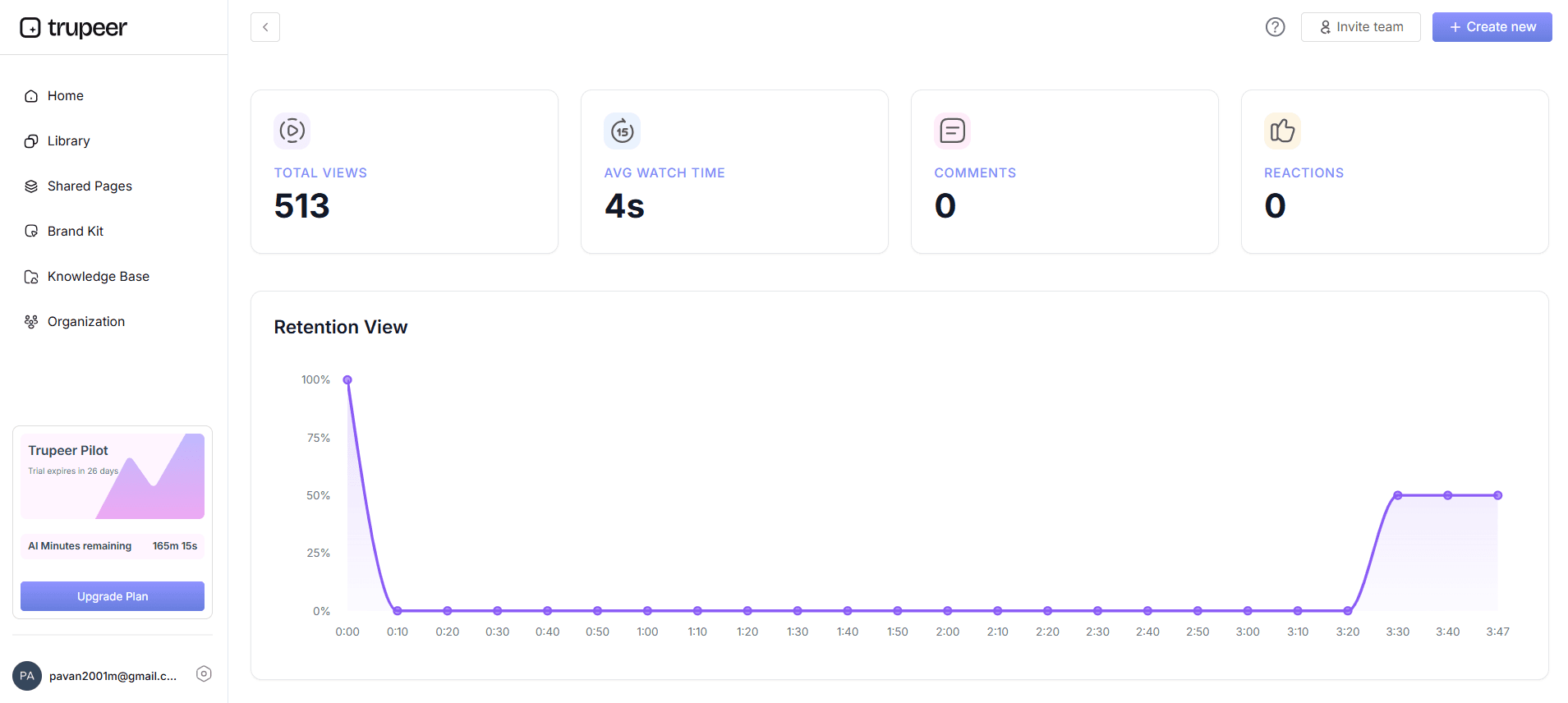
Understanding how users interact with your onboarding videos is critical for continuous improvement. Trupeer provides detailed analytics, including engagement metrics, drop-off rates, and heatmaps. These insights allow you to identify which parts of your videos are most effective and which may need refinement. This data-driven approach helps you optimize your content for better user engagement and higher activation rates. By using these analytics in your video knowledge base, you can make informed decisions that enhance user experience and drive conversions.
How do you implement a B2B software onboarding video strategy step by step with Trupeer?
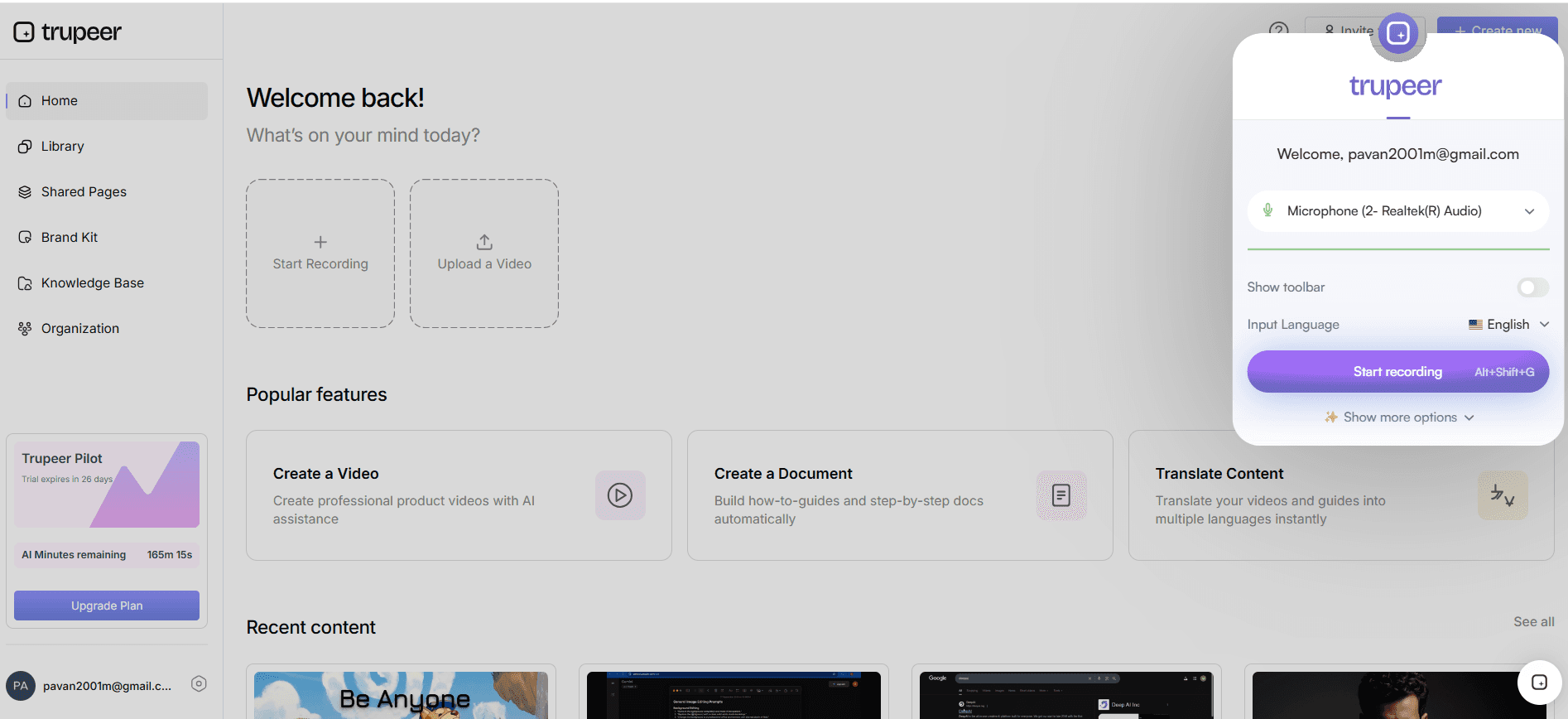
Step 1: Record Your Screen
Begin by using Trupeer's AI screen recording with auto-zoom and click detection. Open your browser-based recorder and start capturing your software interface. The tool automatically zooms into areas where you click, ensuring viewers can easily follow along. This feature is particularly beneficial for highlighting detailed actions within your software. Once you've completed the recording, stop the session and review the captured footage. This step usually takes about 10-15 minutes depending on the complexity of the process you're demonstrating. If you notice any missed clicks or zoom errors, you can quickly re-record specific sections. Teams weighing tools often start with a Loom alternatives comparison before standardizing on a workflow.
Step 2: Add Narration
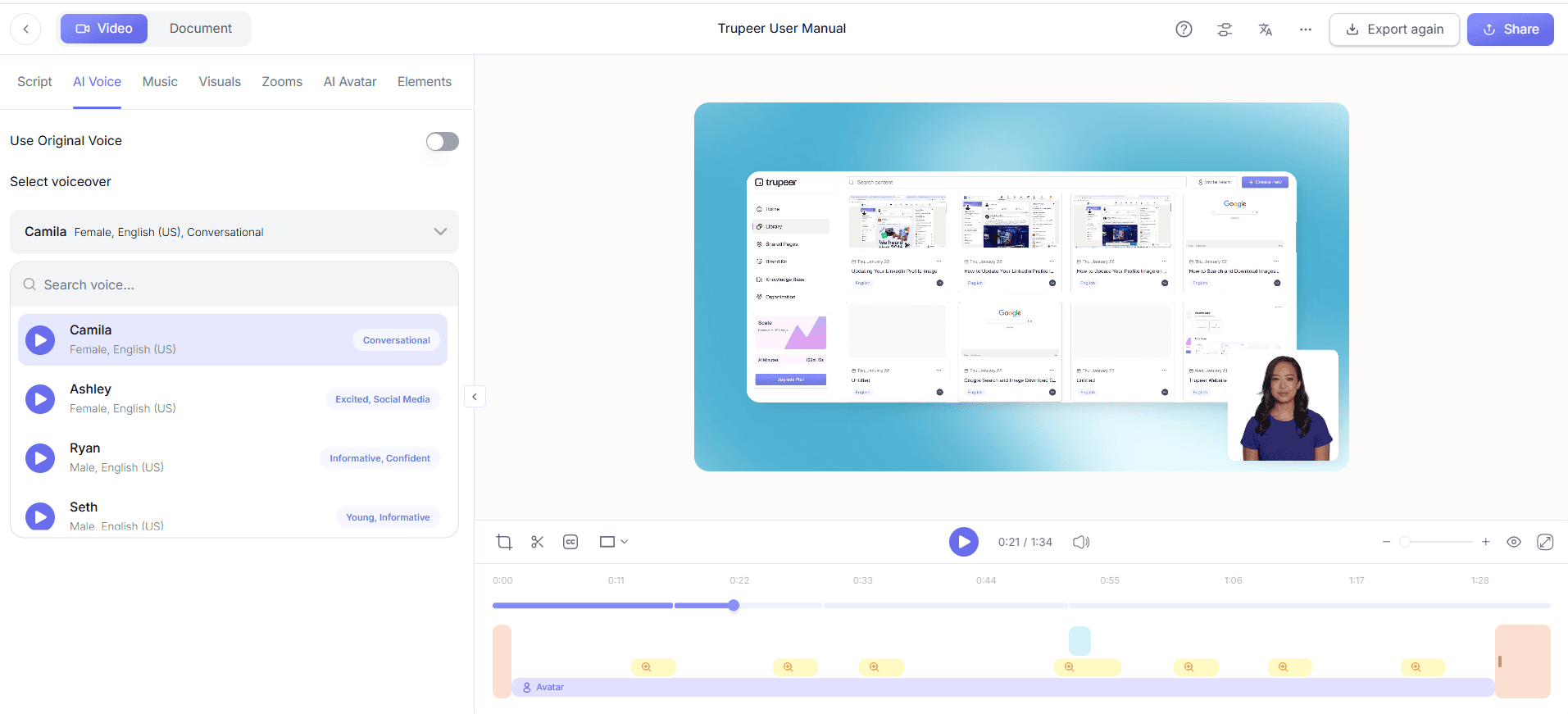
Enhance your video by using Trupeer's silent screen recording with automatic AI narration. Access the post-capture editing features and select the AI voiceover option. Choose from over 65+ natural voices and adjust the pace and tone to match your brand's style. The AI will generate a professional narration, which can be synced perfectly with your video. This process can be completed in under 5 minutes and ensures a consistent, high-quality voiceover without the need for manual recording. If you want to add a personal touch,
Step 3: Create AI Avatars
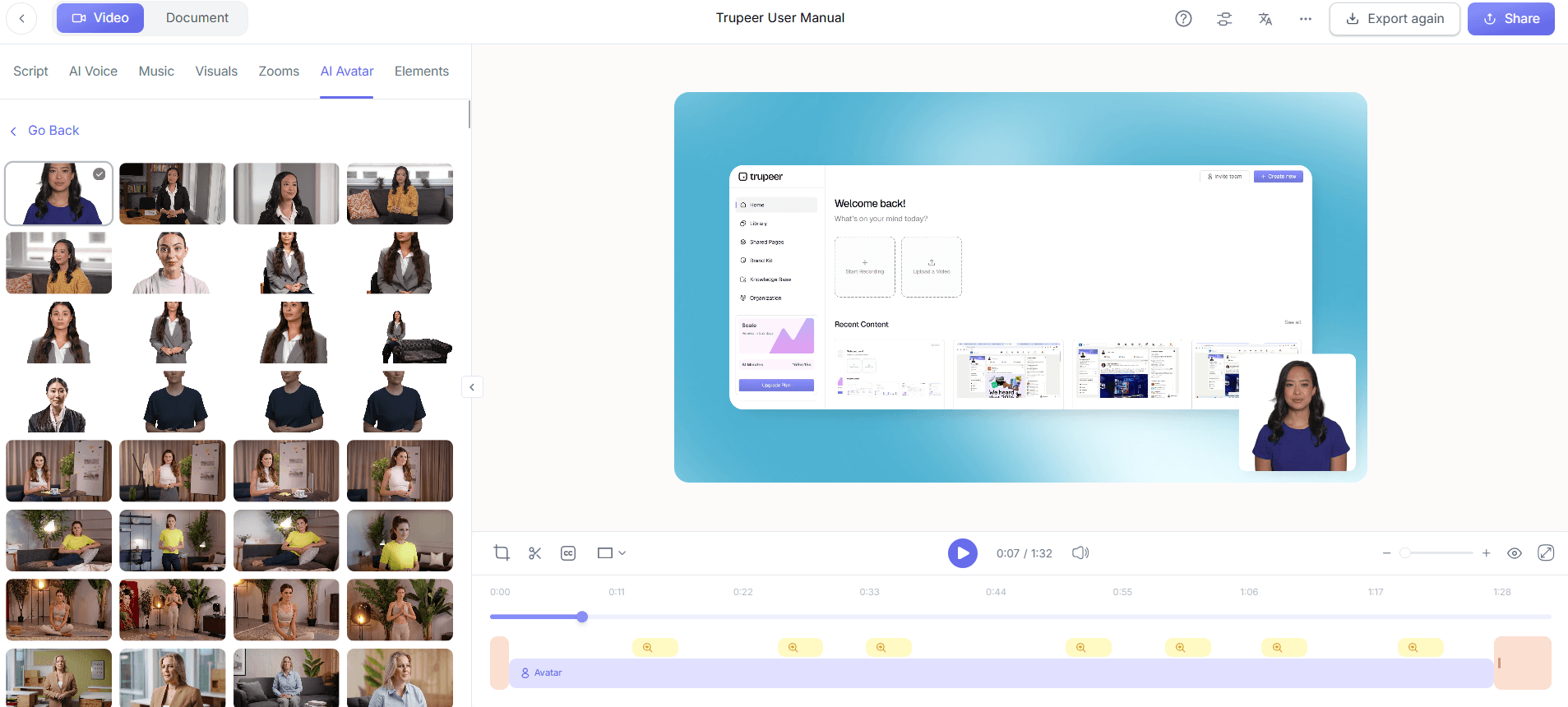
To personalize the onboarding experience, incorporate AI avatars or talking-head videos. Within Trupeer, you can select from a stock library of avatars or create custom ones through HeyGen integration. This step adds a human element to your videos, making them more relatable and engaging for users. Customize your avatar to align with your brand's identity, and position it in your video where it can introduce sections or provide commentary. The setup and integration typically take around 10 minutes, but the impact on user engagement can be significant.
Step 4: Generate SOPs
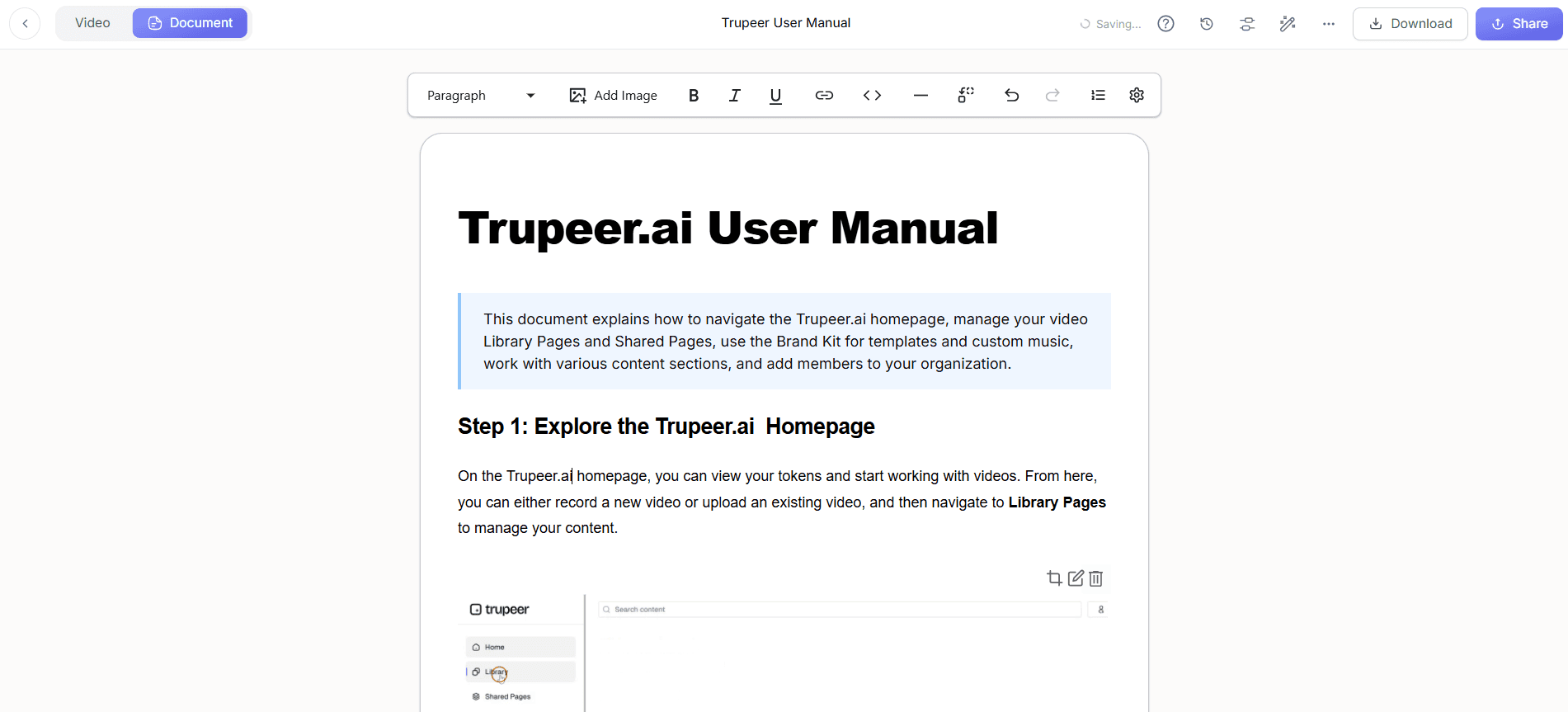
Use Trupeer's automatic SOP generation to create detailed documentation from your recordings. After finalizing your video, navigate to the documentation section and enable the SOP generation feature. The tool will produce an editable document outlining each step shown in the video. This document can be exported in formats like PDF or HTML, providing users with a valuable resource for reference. This process, taking about 5 minutes, ensures comprehensive support for your users beyond the video content itself. It's an efficient way to maintain consistency across your onboarding materials.
Step 5: Analyze Viewer Engagement
Once your video is live, monitor its performance using Trupeer's viewer engagement analytics. Access metrics such as drop-off rates and heatmaps to identify which parts of your video capture user interest and which sections might need tweaking. This data-driven approach allows you to refine your content for better clarity and engagement. Analyzing these metrics regularly, usually after a week of release, helps in making informed decisions to improve future onboarding materials. By understanding user interaction, you can continually enhance your strategy for higher conversion rates.
Step 6: Distribute and Host Videos
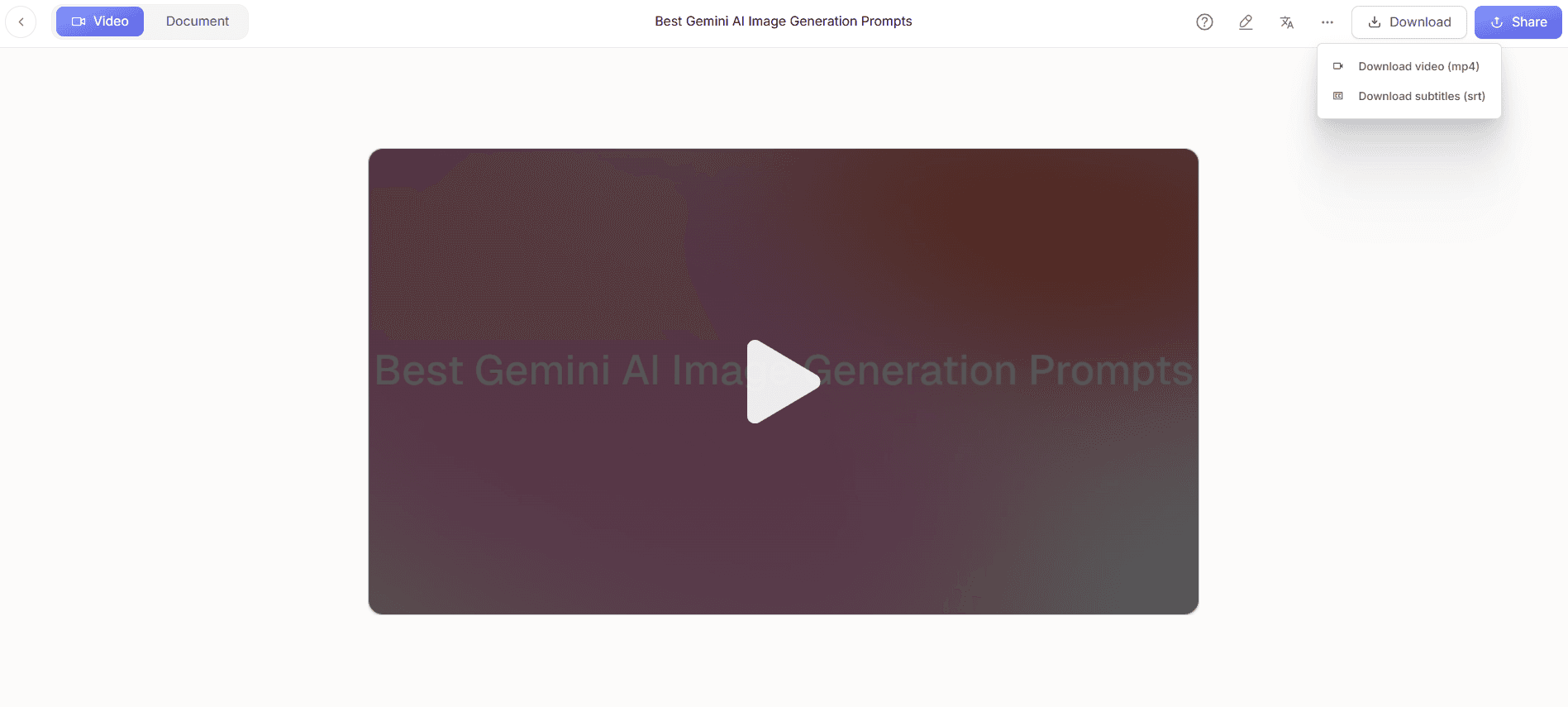
Finally, ensure your videos are easily accessible by using Trupeer's custom-domain hosting with SSO. Embed the videos within your application or on a dedicated client-facing portal. This simplified access encourages users to engage with the content at their convenience. also, you can create shared pages for teams to review and provide feedback. The setup for hosting can be completed in about 15 minutes, making your onboarding content readily available to users worldwide. Integrating these hosting solutions also supports secure access and distribution of your onboarding materials.
What tips help you create an effective B2B onboarding video strategy?
When crafting your B2B onboarding video strategy, a few practical tips can enhance the effectiveness and reach of your content. Here are some key suggestions:
Keep it concise. Aim for videos that are 2-3 minutes long to maintain user interest and ensure key points are conveyed succinctly.
Focus on key features. Highlight the most critical aspects of your software that will drive user activation and satisfaction. This focus will keep onboarding sessions targeted and impactful.
Use consistent branding. Ensure that your videos reflect your brand's visual style and voice, reinforcing brand recognition and trust.
Incorporate user feedback. Regularly update your content based on user feedback to address any gaps or improve clarity. This iterative approach enhances user experience.
Test video performance. Use A/B testing to determine which video styles or formats resonate best with your audience. This data-driven method can guide future video production.
Offer downloadable resources. Provide users with downloadable PDFs or links to further resources alongside your videos for comprehensive support.
Consider localization. If your user base is international, use Scribe alternative comparison for video localization to cater to different languages and regions effectively.
Trupeer also ships a training video editing software that handles this step without extra setup.
Frequently asked questions
How can I ensure my onboarding videos are engaging?
To keep your onboarding videos engaging, focus on clarity and brevity. Limit each video to 2-3 minutes to maintain attention. Use visuals and animations to illustrate complex concepts and incorporate interactive elements if possible. Trupeer's AI avatars can add a personal touch, making the content more relatable. also, regularly update your videos based on user feedback to address any areas of confusion. By making these adjustments, your videos will remain relevant and effective in retaining user interest.
What should I include in an onboarding video?
An effective onboarding video should include a brief overview of your software's key features, a step-by-step guide on how to use these features, and real-world applications to demonstrate value. Consider including testimonials or case studies to build credibility. Use Trupeer's AI video translation for localization if your audience is global. This ensures that all users, regardless of language, can fully appreciate and engage with your product.
Why is video analytics important in onboarding?
Video analytics provide insights into how users interact with your content, such as engagement levels, drop-off points, and heatmaps. These metrics help you understand which parts of your video are effective and which may need improvement. By using these analytics, you can refine your content to better meet user needs, ultimately leading to higher conversion rates and improved user satisfaction. This ongoing analysis is crucial for optimizing your onboarding strategy.
Can I personalize onboarding videos for different user segments?
Yes, personalizing onboarding videos for different user segments can significantly enhance user experience. Use Trupeer's AI avatars to tailor content to specific industries or user roles. This personalization helps address unique user needs and increases the relevance of the content. also, segmenting your audience allows for more targeted messaging, which can improve engagement and conversion rates by addressing the specific pain points and interests of each segment.
Does Trupeer support multiple video formats for distribution?
Trupeer supports multiple video formats, including MP4, HTML, and SCORM, making it versatile for various distribution needs. This flexibility ensures that your onboarding videos can be accessed across different devices and platforms, providing a smooth user experience. The ability to export in multiple formats also facilitates integration with different learning management systems, expanding the reach and accessibility of your content for diverse user bases.