Trupeer Blog
Imagine you're leading a training and development team in a multinational corporation. You've produced a series of training videos, and now it's time to localize them for your global workforce. The challenge? Balancing quality with cost, especially when budgets are tight. Localization can be expensive, with rates ranging from $15 to $30 per minute of video. This doesn't even account for additional costs like voiceover, synchronization, and quality assurance. With the right strategies, however, organizations can significantly reduce these expenses while maintaining high-quality localized content.
$15 to $30 per minute for video localization.
Understanding the nuances of video localization is crucial. Not only does it involve translating spoken and written content, but it also requires cultural adaptation to ensure the material resonates with diverse audiences. For training managers and learning and development professionals, this process can be daunting. Yet, with advancements in technology and strategic planning, it's possible to localize effectively without breaking the bank. Whether you're using AI-driven tools or working with localization experts, knowing where to focus your efforts will make all the difference.
Why does training video localization matter?
Training video localization is essential for businesses operating on a global scale. It ensures that all employees, regardless of their location, understand and engage with the training material. This is crucial for maintaining consistent standards across an organization. When employees comprehend training content in their native language, they're more likely to retain information and apply it effectively in their roles. This can lead to improved performance and productivity, directly impacting the company's bottom line.
Also, localized training videos help in building an inclusive work environment. When employees see that their language and culture are respected, it enhances their sense of belonging within the organization. This, in turn, boosts employee morale and reduces turnover rates. In a world where remote work and distributed teams are increasingly common, ensuring that everyone has equal access to training resources becomes a competitive advantage. Using a platform like Trupeer.ai, companies can facilitate this process, enabling smooth integration of localized content into their training videos workflow.
What are the benefits of localizing training videos?
Localizing training videos offers several advantages that can significantly benefit your organization. Here are some of the key benefits:
Enhanced Employee Engagement. Employees engage more with content in their native language. This leads to better understanding and higher retention rates, improving overall training effectiveness.
Increased Accessibility. Localized videos ensure that all employees, regardless of language proficiency, can access and understand training materials. This boosts inclusivity and equal opportunity for learning.
Improved Compliance. Different regions have unique regulatory and compliance requirements. Localizing content helps ensure that training meets local legal standards, reducing the risk of non-compliance.
Cost Efficiency. By investing in localization, companies can reduce the need for repeat training sessions and support, saving resources in the long run.
Strengthened Brand Image. Demonstrating cultural sensitivity and commitment to diversity strengthens your brand's reputation as a global leader.
Scalable Training Solutions. using an AI-powered video tool, like Trupeer, enables efficient scaling of training programs across multiple regions without significant additional costs.
When SOPs come into the same conversation, a Scribe alternatives comparison helps clarify the scope.
Which Trupeer features help you reduce localization costs?
Trupeer offers a suite of features designed to optimize the localization process, making it more efficient and cost-effective. Here are some key capabilities that can help you achieve these goals:
AI Translation into 40+ Languages with Lip-Sync
Trupeer's AI translation feature supports over 40 languages, offering a smooth way to translate video content while maintaining natural lip-sync. This capability is crucial for achieving high-quality localized videos without the need for manual synchronization, which can be costly and time-consuming. The system's AI-driven approach ensures that translations are not only accurate but also culturally relevant, enhancing the overall effectiveness of the training material. By automating this process, Trupeer significantly reduces the traditional costs associated with hiring professional translators and synchronization experts.
AI Dubbing for Non-English Audiences
For organizations targeting non-English speaking audiences, Trupeer provides AI dubbing solutions that recreate the original audio in the target language. This feature eliminates the need for voiceover artists, further reducing localization expenses. The AI dubbing process is fast and efficient, producing high-quality audio that matches the tone and pace of the original content. With Trupeer, you can deliver consistent, professional-quality training videos across various languages, enhancing accessibility and engagement for global employees.
Automatic SOP Generation from Any Recording
Trupeer's automatic SOP generation capability transforms video content into standardized operating procedures. This feature is particularly beneficial for training managers looking to create consistent documentation alongside localized videos. The generated SOPs can be easily edited and exported in multiple formats. By integrating video and documentation workflows, organizations can ensure that all training materials are aligned and comprehensive. This AI documentation platform allows you to maintain up-to-date training resources without additional manual effort.
AI-Searchable Knowledge Base
Trupeer's AI-searchable knowledge base indexes every recording with timestamp-level deep links. This feature enables employees to easily find and reference specific sections of a video, reducing the need for repeated viewing. By providing quick access to relevant content, the knowledge base supports efficient learning and problem-solving. It also minimizes the time spent on training, allowing employees to focus on their core responsibilities. Incorporating this feature can lead to more simplified training processes and a more knowledgeable workforce.
AI Voiceover in 65+ Natural Voices
Trupeer offers AI voiceover capabilities with over 65+ natural voices, allowing organizations to create customized training videos tailored to diverse audiences. This feature supports adjustable pace and tone, ensuring that the voiceover aligns with the video's content and context. The use of AI-generated voices reduces the need for professional voice actors, cutting down on production costs. By using Trupeer's AI training video tool, companies can produce high-quality, localized training videos quickly and affordably, enhancing the learning experience for all employees.
How do you localize training videos step by step with Trupeer?
Step 1: Record Your Training Video
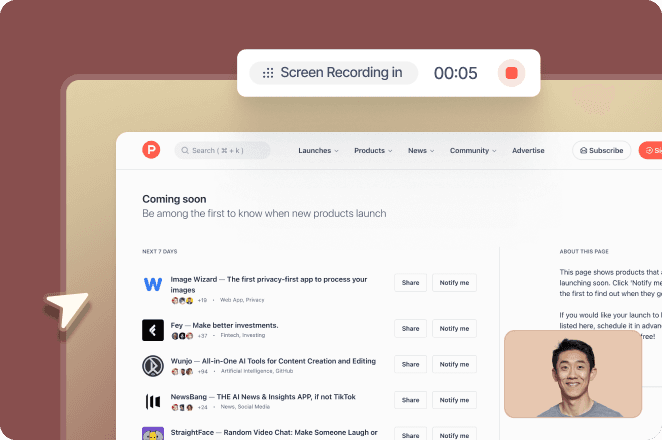
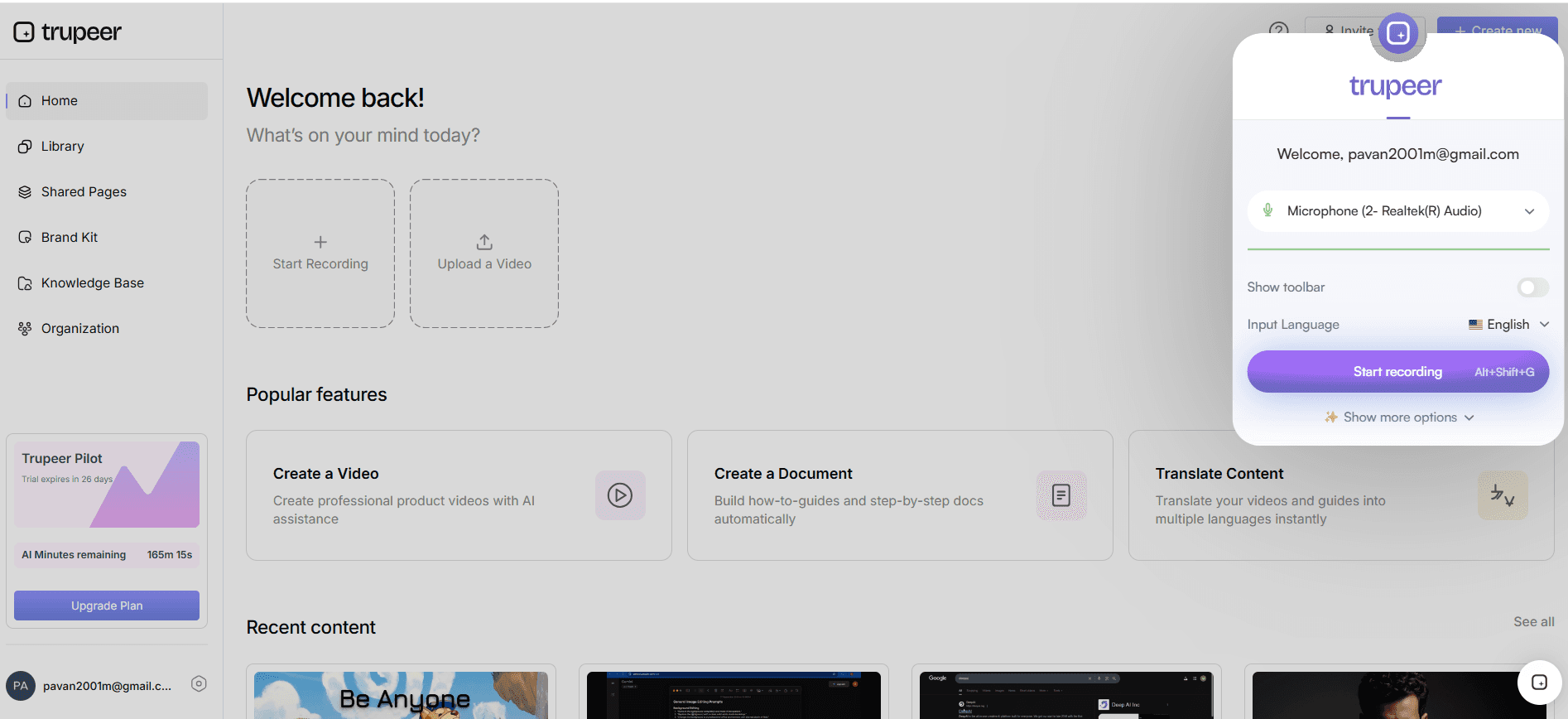
Begin by using Trupeer's browser-based recorder, which requires no installation, to capture your training session. This tool allows you to record your screen with automatic AI narration, ensuring clear and concise audio. As you record, Trupeer detects clicks and auto-zooms on the screen, emphasizing key points in the training material. This process is straightforward and usually takes the duration of your training session. Be sure to review the video immediately after recording to identify any sections that may need re-recording, especially if there are technical issues or background noise.
Step 2: Edit and Enhance the Video
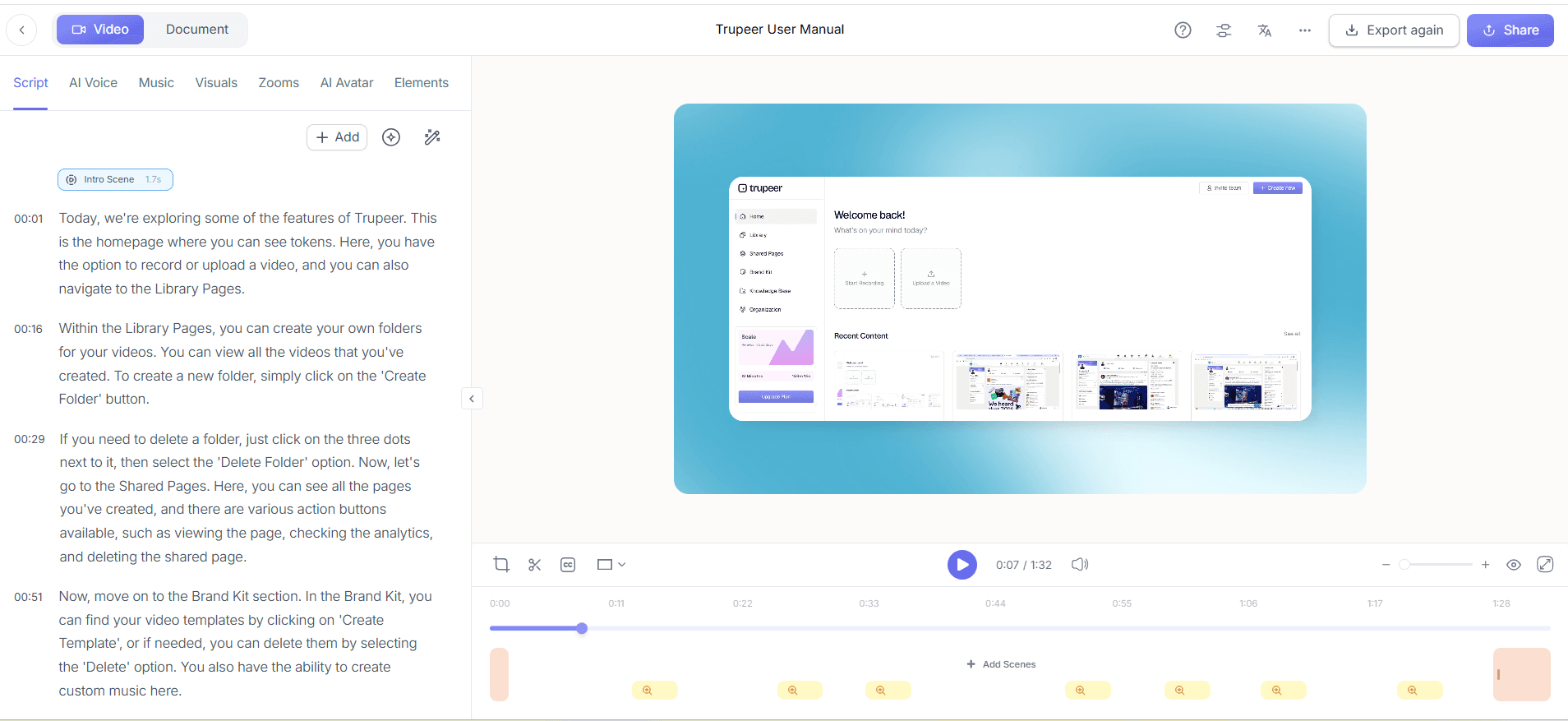
After recording, use Trupeer's editing and enhancement features. Automatically remove filler words like "um" and "ah" to create a polished final product. Trupeer's AI avatars can be added to introduce or summarize key sections, adding a personal touch. The AI voiceover feature offers over 65+ natural voices, allowing you to select one that best fits your audience's preferences. Adjust the pace and tone of the voiceover as needed. Typically, editing with Trupeer takes about 30 minutes to an hour, depending on the video's length and complexity.
Step 3: Generate Subtitles and Translations
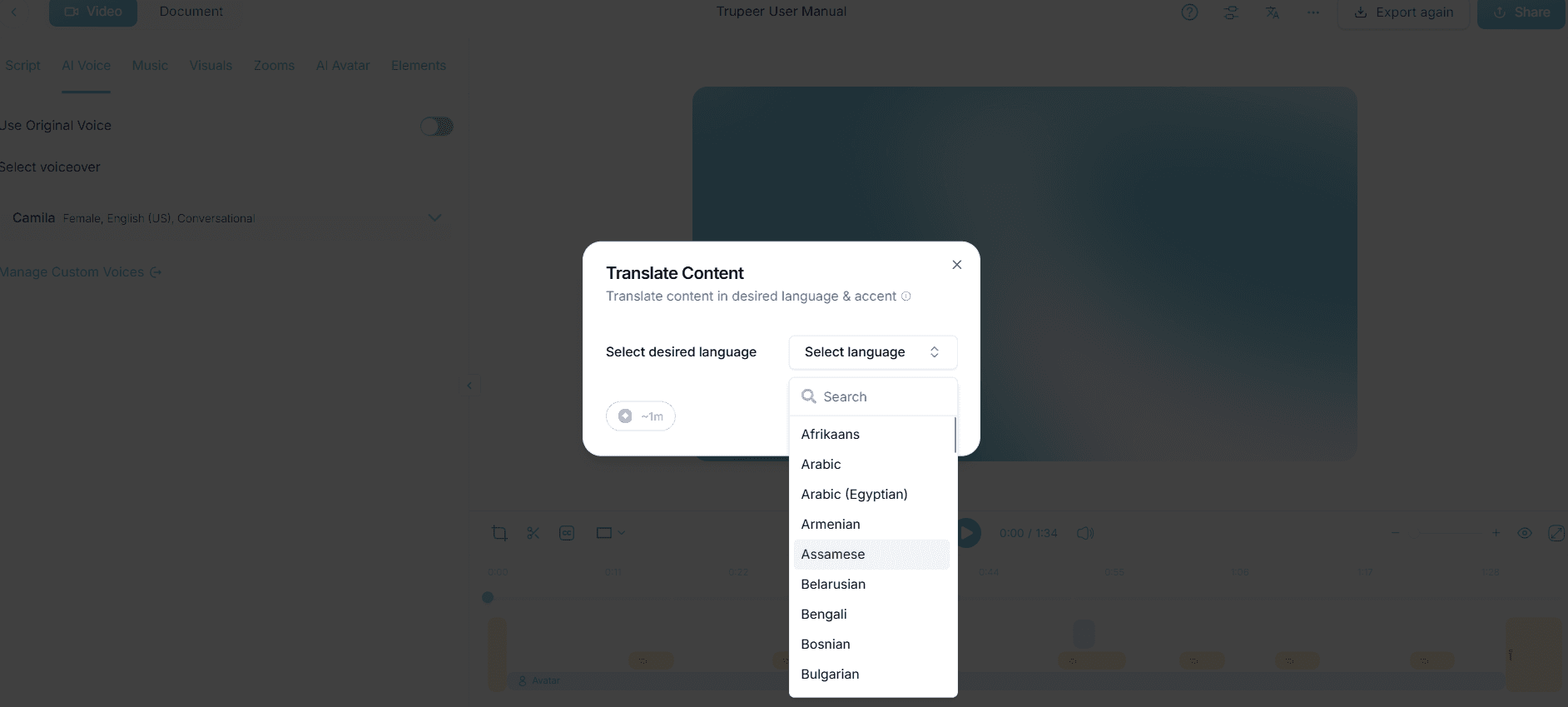
Select Trupeer's AI translation into 40+ languages to generate subtitles in multiple languages. This feature not only translates text but also ensures lip-sync with the video, providing a smooth viewing experience. To start, choose the languages needed and let Trupeer process the subtitles. This can take a few minutes for shorter videos and up to an hour for longer ones. Review the translations for accuracy, especially for technical jargon that may not translate directly. If needed, make manual adjustments using Trupeer's interface.
Step 4: Add Dubbing for Non-English Audiences
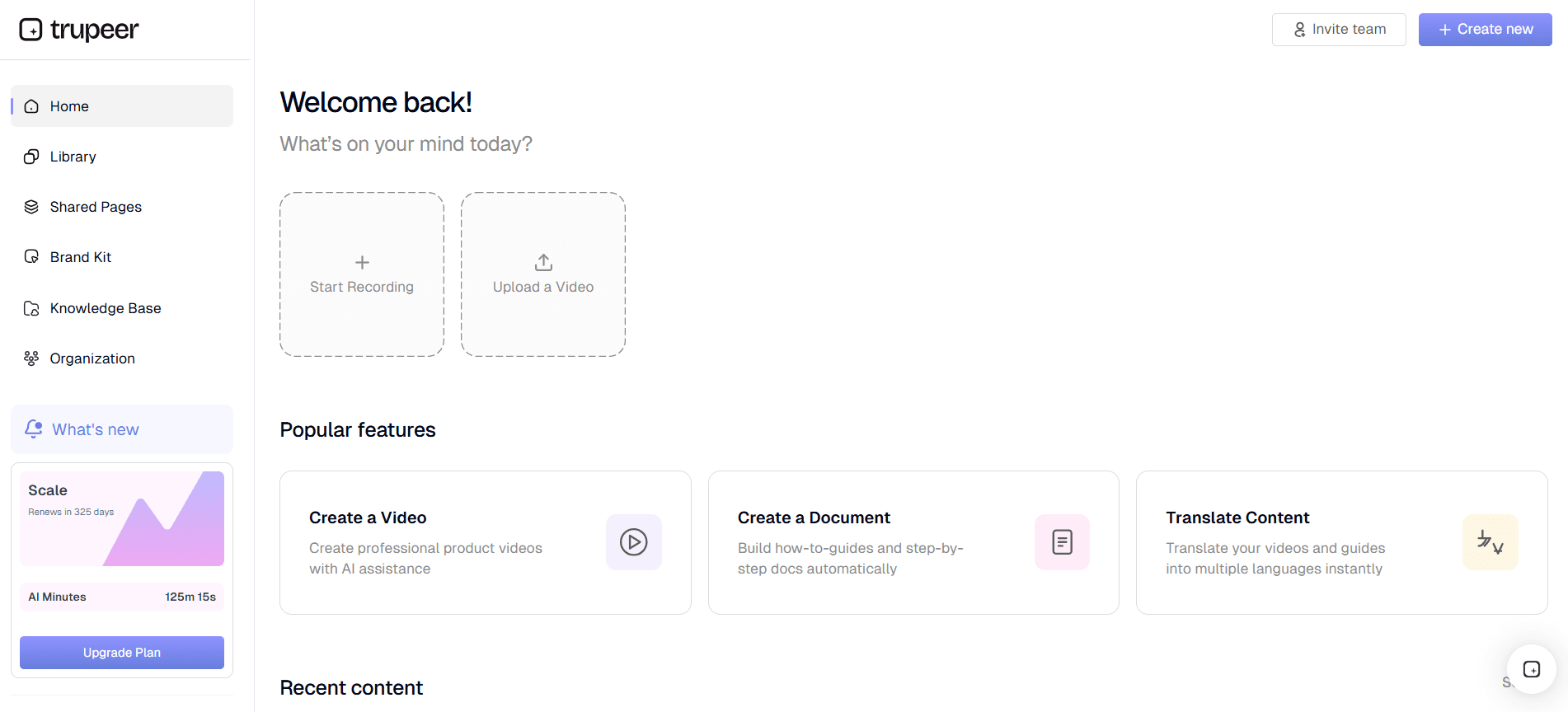
For audiences who prefer listening to their native language, use Trupeer's AI dubbing feature. Choose from the available voice options and apply the AI dubbing to the video. Trupeer automatically synchronizes the audio with the visuals, ensuring a natural flow. This process typically takes 20 to 40 minutes, depending on the video's length. Be aware of any cultural nuances that might require different phrasing or intonation and adjust manually if needed.
Step 5: Create and Export SOPs
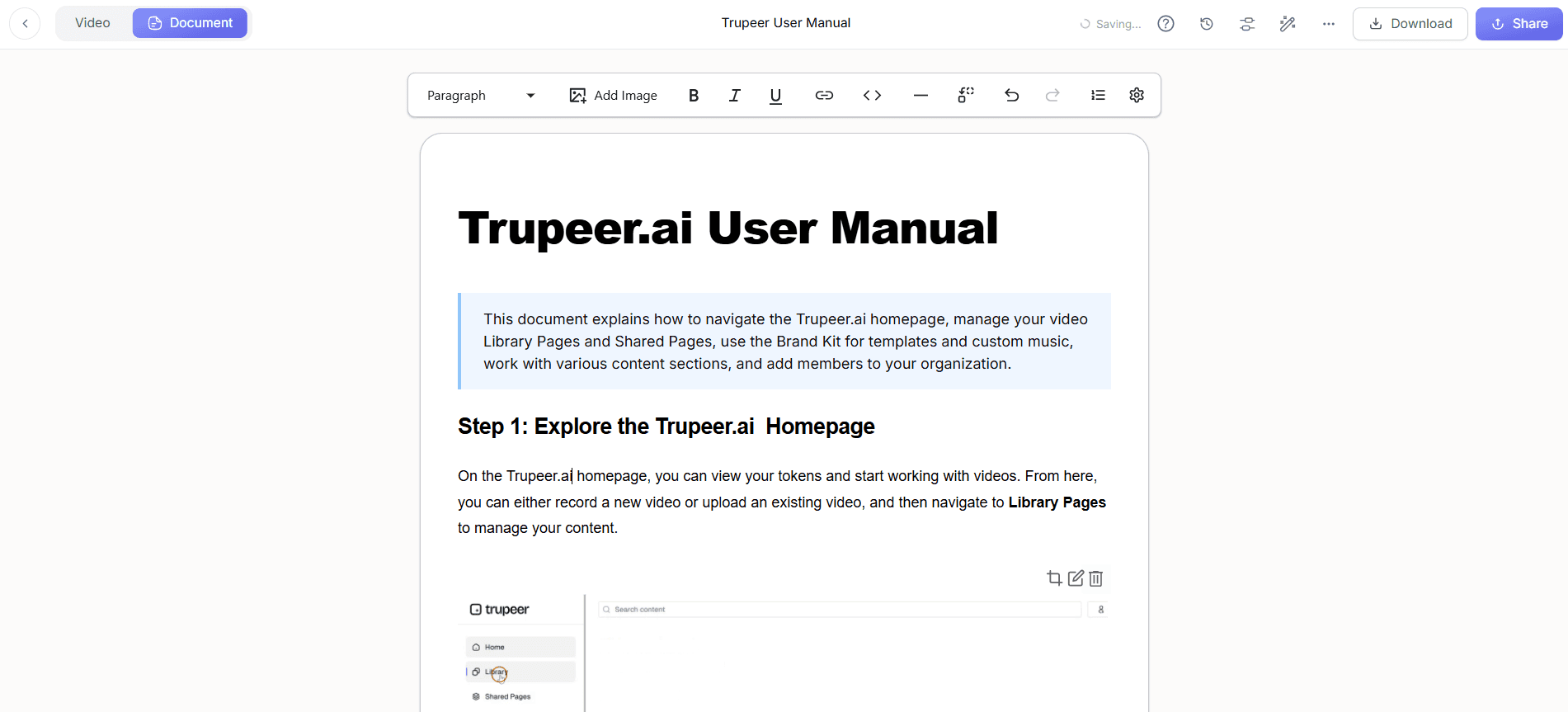
Use Trupeer's automatic SOP generation to create detailed documentation for your training video. This tool converts video content into an editable SOP format, which can be exported as MP4, HTML, PDF, or SCORM. Begin by selecting the recording, then let Trupeer generate the SOP. Review and edit the document for clarity and completeness. The export process is quick, usually under 10 minutes, making it easy to distribute comprehensive training resources to your team. Teams weighing tools often start with a Loom alternatives comparison before standardizing on a workflow.
Step 6: Distribute and Monitor Engagement
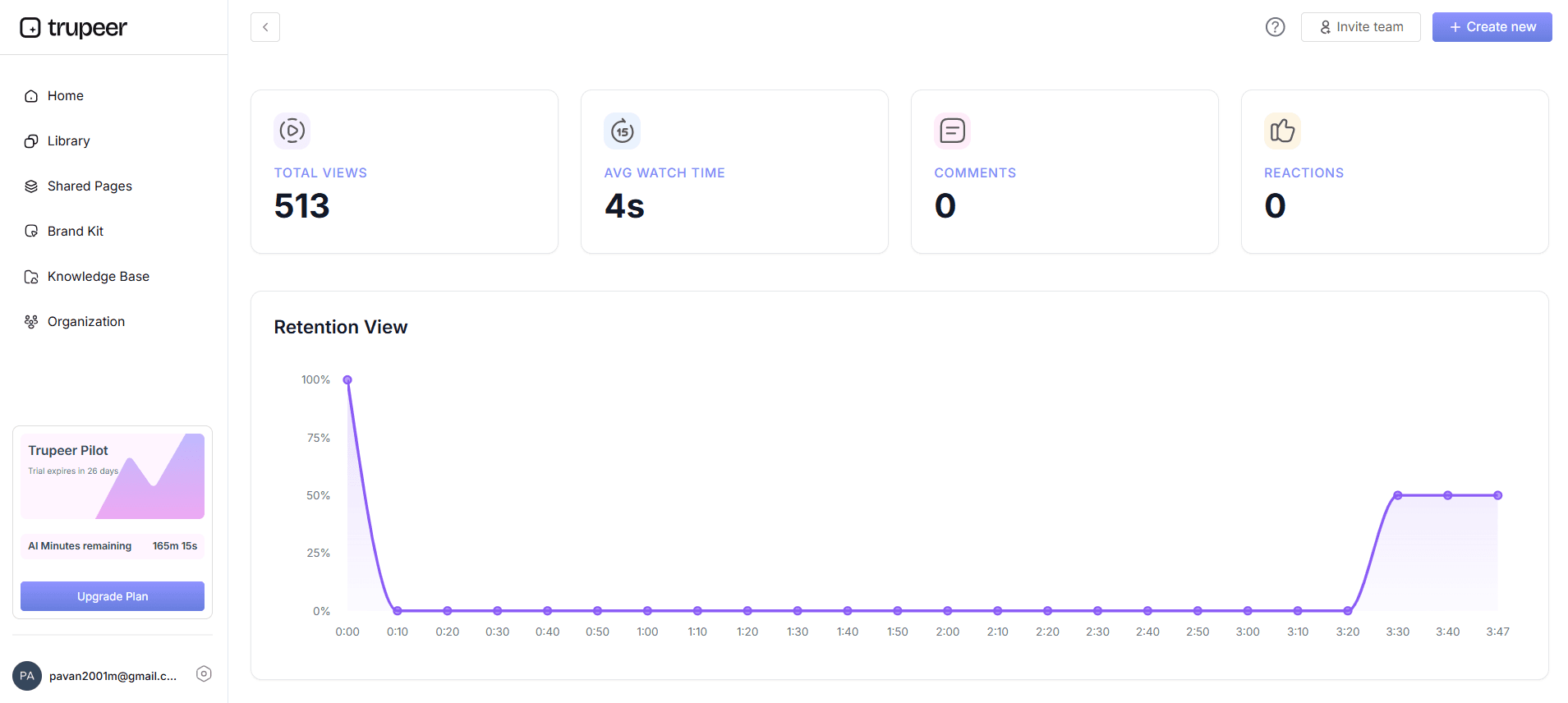
Finally, distribute your localized training videos using Trupeer's AI-searchable knowledge base. Host the videos on a custom domain with SSO for secure access. Enable embeddable video widgets for in-app guidance, making the content easily accessible. Use Trupeer's analytics to monitor viewer engagement, drop-off rates, and heatmaps. This data provides insights into how the training material is received, allowing you to make informed decisions about future content. Regularly check these analytics to ensure your training videos remain effective and engaging for all employees.
What tips help you reduce localization costs?
Reducing localization expenses while maintaining quality is crucial for any organization. Here are some practical tips to help you achieve cost-effective localization:
Prioritize Key Languages. Focus on translating videos into languages spoken by the majority of your audience to maximize impact and minimize costs.
Use AI Tools. use AI training video generator to automate translation and dubbing, reducing the need for costly manual processes.
Standardize Content. Create a universal template for your videos to simplify the localization process and ensure consistency across languages.
Outsource Strategically. For regions with complex language needs, consider outsourcing to specialists who understand local nuances.
Implement Continuous Feedback. Gather feedback from local teams to refine and improve future localization efforts, increasing efficiency over time.
use Existing Resources. Use existing translated materials to inform new videos, saving time and translation costs.
Regularly Update Content. Ensure your training materials are current to prevent redundant localization, which saves resources and maintains relevance.
Teams ship this workflow end-to-end using Trupeer's AI video platform, which turns raw recordings into polished output without an editor.
Frequently asked questions
How much does it typically cost to localize a training video?
The cost to localize a training video varies widely, typically ranging from $15 to $30 per minute. Factors affecting the cost include the complexity of the content, the number of languages required, and whether you need additional services like dubbing or custom voiceovers. Using AI tools like Trupeer can significantly reduce these costs by automating translation and synchronization processes, so eliminating the need for extensive manual intervention. also, opting for AI-driven solutions can ensure faster turnaround times, which is another cost-saving benefit.
What are the most effective tools for video localization?
Effective tools for video localization include AI-driven platforms like Trupeer, which offer comprehensive solutions for translation, dubbing, and editing. Trupeer's video localization tool provides smooth integration of AI capabilities to handle multiple languages efficiently. Other popular tools include professional translation software and specialized localization services. Each tool has its strengths, with AI platforms offering speed and cost-efficiency, while professional services may provide subtle cultural insights. Choosing the right tool depends on your specific needs, budget, and the level of customization required.
Why is AI important in localizing training videos?
AI plays a vital role in localizing training videos by automating complex processes such as translation, dubbing, and synchronization. It ensures consistent quality across different languages, reduces the time required for localization, and significantly lowers costs. AI tools like Trupeer also offer features that enhance engagement, such as natural voiceovers and lip-sync capabilities. By using AI, organizations can quickly adapt training materials for diverse audiences, ensuring that content is not only accessible but also culturally relevant and engaging.
Can AI tools replace human translators for video localization?
AI tools can perform many tasks traditionally handled by human translators, such as translating and dubbing videos. However, they may not fully replace human translators, especially for content that requires cultural sensitivity and subtle understanding. AI is excellent for handling large volumes of content quickly and cost-effectively, making it ideal for initial drafts and routine translations. Human translators can then refine these outputs, ensuring that the final product meets high standards for quality and cultural relevance. This hybrid approach uses the strengths of both AI and human expertise.
What are the common challenges in localizing training videos?
Common challenges in localizing training videos include maintaining the original video's intent and tone, ensuring accuracy in translation, and adapting content to different cultural contexts. Technical issues such as synchronization and lip-syncing can also be challenging. Using AI tools like Trupeer can address many of these challenges by providing consistent and accurate translations, but it's crucial to review outputs for cultural appropriateness and technical precision. By anticipating these challenges and using a combination of AI and human review, organizations can create effective and engaging localized training content.
Related Blogs