Trupeer Blog
Summarise
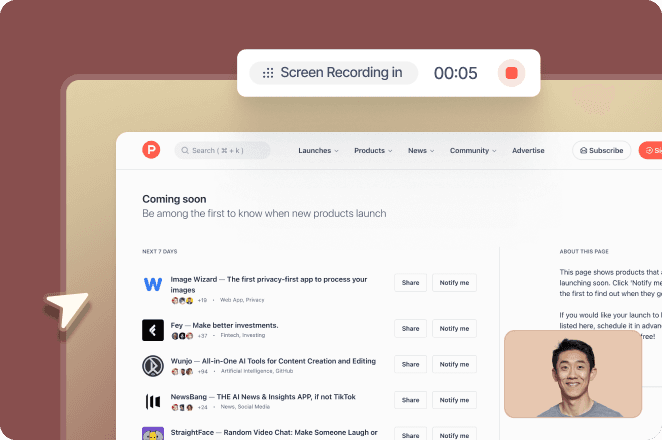
In the life sciences industry, software validation is a critical component of compliance with regulatory standards such as FDA 21 CFR Part 11. This involves documenting Installation Qualification (IQ), Operational Qualification (OQ), and Performance Qualification (PQ) for every piece of software used in controlled environments. Documenting these processes is often a painstaking effort, requiring meticulous detail and accuracy. By using screen recordings, teams can simplify the creation of validation protocols without compromising on the rigor necessary for compliance. According to a study,
companies that implemented automated documentation initiatives saw a 35% reduction in time spent on validation tasks
. This shift can free up valuable resources and allow teams to focus on innovative research and development. This blog is designed for validation teams, quality assurance professionals, and IT managers in life sciences who aim to enhance their documentation processes.
Why does creating IQ OQ PQ software validation documentation matter?
Ensuring the accuracy and completeness of IQ OQ PQ documentation is paramount in the life sciences sector. These documents serve as a critical proof point that software systems are installed correctly, operate as intended, and perform consistently in real-world scenarios. For companies in this sector, the stakes are high; any lapse in validation can lead to costly recalls, regulatory fines, or damage to brand reputation. The documentation process is not just a bureaucratic necessity but a foundational element of operational integrity and compliance. Accurate documentation supports transparent operations and reassures stakeholders, from regulatory bodies to investors, that the organization adheres to stringent quality standards. This is exactly where computer system validation documentation becomes useful and it's the kind of content Trupeer can generate directly from a simple screen recording.
In addition, the documentation process impacts internal workflows significantly. When software systems undergo updates or when new systems are integrated, IQ OQ PQ documentation provides a reliable reference point, ensuring continuity and consistency in operations. This is crucial in environments where precise data handling is non-negotiable. For instance, when training new personnel, having readily accessible validation documents can minimize onboarding time and errors, as they serve as a comprehensive training tool. Implementing a simplified training videos use case can further enhance this efficiency, offering dynamic learning opportunities for new staff members.
What are the benefits of using screen recordings for IQ OQ PQ software validation documentation?
Screen recordings offer significant advantages when creating IQ OQ PQ software validation documentation. These benefits not only simplify processes but also enhance the quality and consistency of the documentation.
Efficiency in documentation. Screen recordings capture the software's operation in real-time, reducing the time spent writing out detailed descriptions. This can lead to a 40% reduction in documentation time.
Improved accuracy. By recording actual software interactions, the potential for human error in documentation is minimized. The best screen capture software ensures every step is documented precisely, safeguarding against inaccuracies that could lead to compliance issues.
Enhanced training materials. Creating video-based documentation provides an engaging training resource for staff. An AI video platform can transform these recordings into comprehensive training modules, improving knowledge retention.
Consistent documentation style. Using screen recordings ensures a uniform style across different validation documents. This consistency aids in faster comprehension and review by stakeholders.
Easy updates and scalability. When software systems are updated, previously recorded sessions can be quickly reviewed and revised, making the process scalable and adaptable to changes.
Accessibility and distribution. Video documentation can be easily shared across teams and departments, ensuring that everyone has access to the most current and accurate information.
For a deeper look, our guide on best documentation software covers the adjacent playbook.
Which Trupeer features help you create IQ OQ PQ software validation documentation?
Trupeer offers a suite of features specifically designed to enhance the process of creating IQ OQ PQ software validation documentation. These capabilities simplify capturing, editing, and distributing high-quality documentation, ensuring compliance and efficiency.
AI screen recording with auto-zoom and click detection
Trupeer's AI screen recording feature ensures that every interaction with the software is captured with precision. The auto-zoom capability focuses on areas of activity, such as mouse clicks or data entry fields, to highlight actions automatically. This functionality is particularly useful for creating detailed validation steps, as it reduces the chance of missing critical interactions. By using this feature, teams can produce high-definition recordings that serve as a reliable source for validation documents. With the added benefit of click detection, the software automatically annotates each action, simplifying post-capture editing and review.
Automatic SOP generation from any recording
The automatic SOP generation feature transforms recorded sessions into standard operating procedures instantly. This capability is a big shift for validation teams who need to produce documentation quickly and consistently. Once a screen recording is completed, Trupeer's AI documentation platform analyzes the content and generates an editable SOP. This document can be exported in multiple formats, including HTML and PDF, making it easy to share and integrate into existing documentation frameworks. The ability to generate SOPs automatically not only saves time but also ensures that documents are formatted consistently, reducing the workload on quality assurance teams.
AI voiceover in 65+ natural voices
Adding voiceovers to validation documentation can significantly enhance the clarity and accessibility of the content. Trupeer offers AI voiceover capabilities in over 65+ natural voices, each adjustable in pace and tone. This feature allows teams to produce clear and engaging audio narratives that accompany their video documentation. By integrating voiceovers, viewers can better understand the context and importance of each step in the validation process. This added layer of detail is especially useful when the documentation is intended for training or stakeholder presentations, ensuring that all viewers interpret the information consistently.
AI-searchable knowledge base
Trupeer's AI-searchable knowledge base is an invaluable tool for organizing and accessing validation documentation. This feature indexes each recording with timestamp-level deep links, allowing users to quickly locate specific information within extensive video libraries. The searchable knowledge base supports teams in maintaining an organized repository of validation records, which is crucial for audits and compliance reviews. With this tool, teams can efficiently manage documentation across multiple projects and software systems. The integration with Trupeer's video knowledge base ensures that information is readily available and easily navigable.
Auto-updating documentation tied to the underlying recording
The auto-updating documentation feature ensures that any changes to the original recording are automatically reflected in the associated documentation. This capability is particularly beneficial in dynamic environments where software updates are frequent. By linking documentation directly to the recording, Trupeer minimizes the risk of outdated or inconsistent information. This feature allows teams to maintain compliance effortlessly, as they can be assured that their documentation is always current. For organizations managing a large portfolio of software systems, this feature simplifies the validation process and supports solid documentation practices.
How do you create IQ OQ PQ software validation documentation step by step with Trupeer?
Step 1: Record the Validation Process
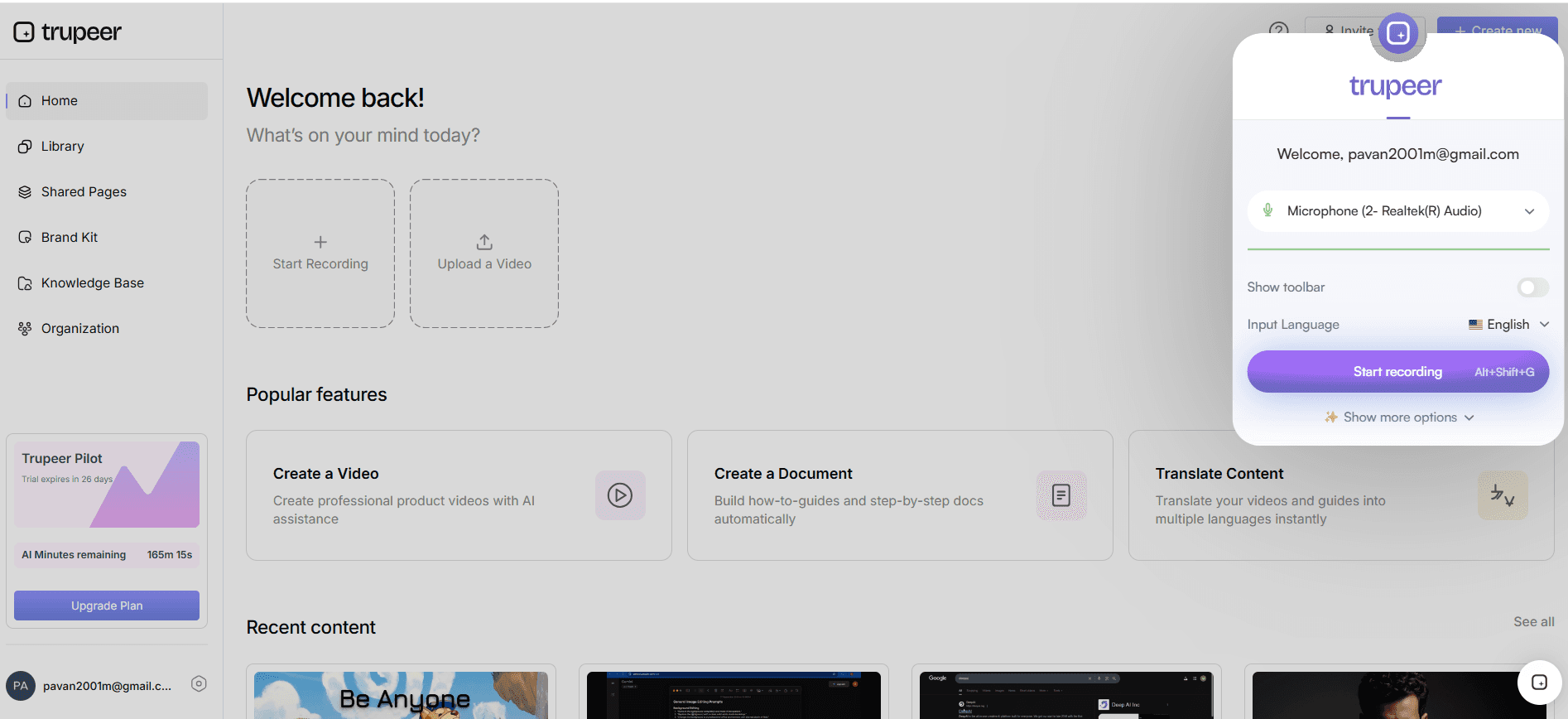
Begin by opening Trupeer's browser-based recorder, which doesn't require any installation, ensuring smooth access. Navigate to the software application you need to validate and initiate the AI screen recording. Use the auto-zoom feature to focus on specific areas as you perform each step in the IQ OQ PQ process. Trupeer automatically detects clicks and interactions, ensuring all critical actions are captured. This recording phase typically takes the length of the process itself, but the real-time capture means there's no post-process wait time. In case you need to pause, the recorder allows smooth resumption to keep your workflow uninterrupted.
Step 2: Generate Automatic SOPs
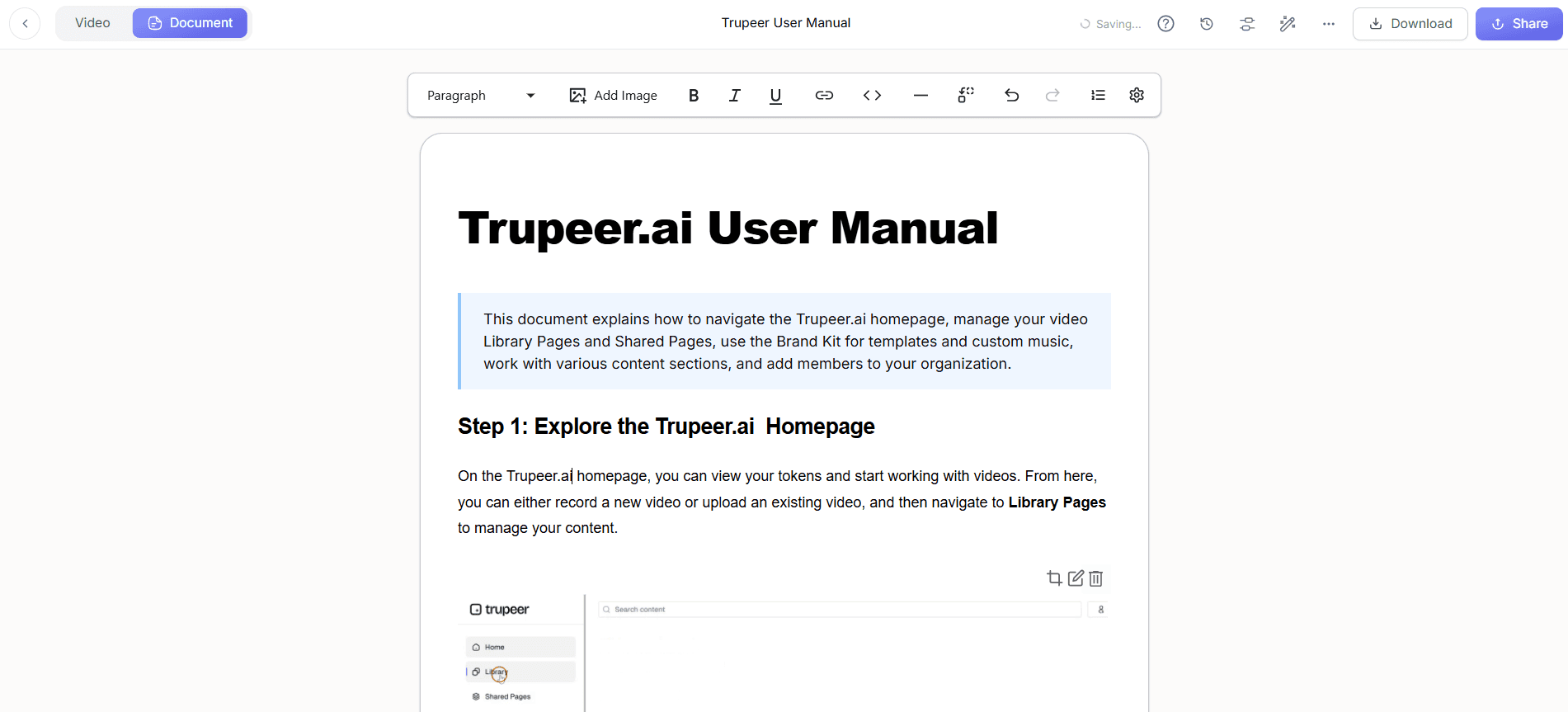
Once the recording is completed, use Trupeer's automatic SOP generation feature. With just a click, Trupeer analyzes the recorded video and creates a draft SOP. This document includes detailed, step-by-step instructions based on the video content. You can review and edit this SOP directly within Trupeer for any necessary adjustments. This step usually takes a few minutes as the AI processes the video data. The quick turnaround allows you to proceed with validation tasks without lengthy delays, ensuring that your documentation remains timely and relevant.
Step 3: Enhance with AI Voiceovers
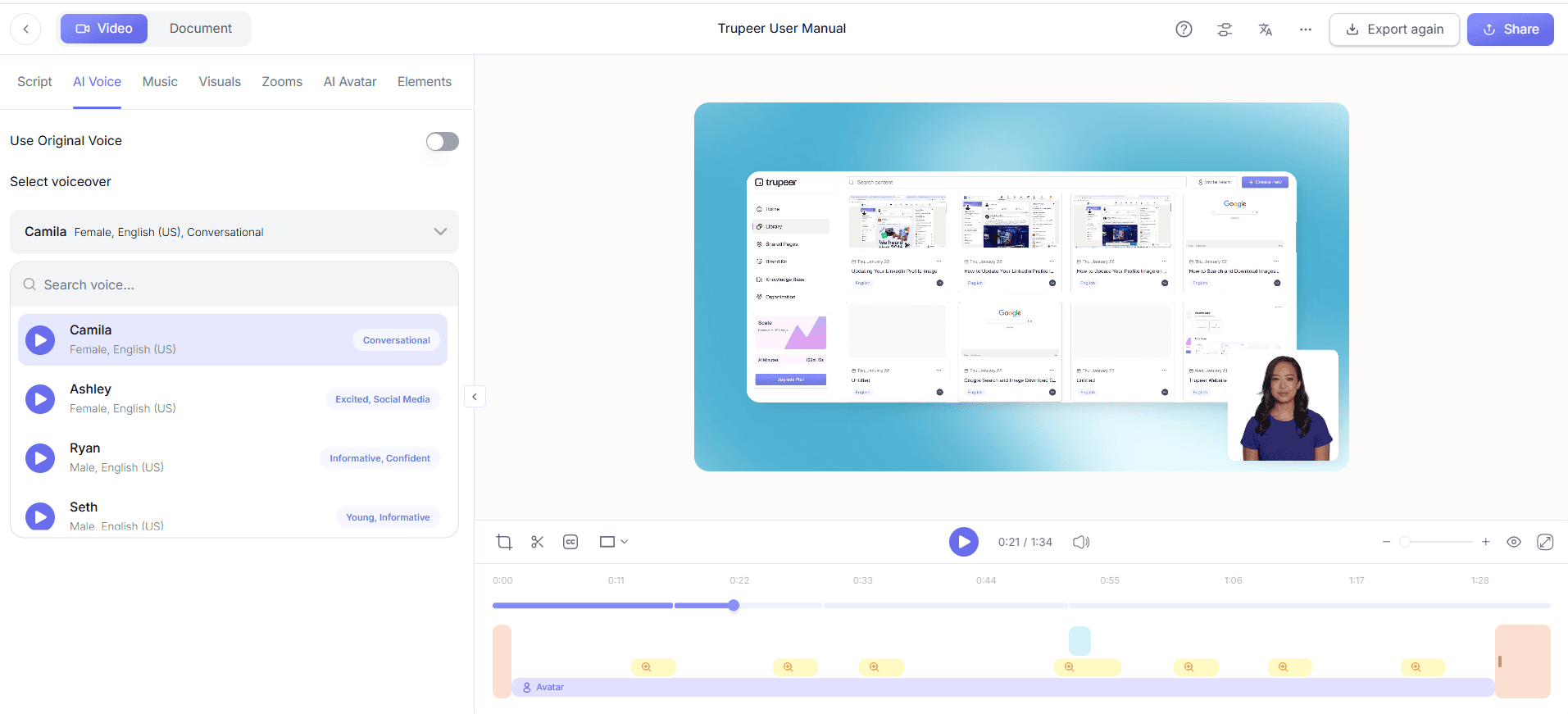
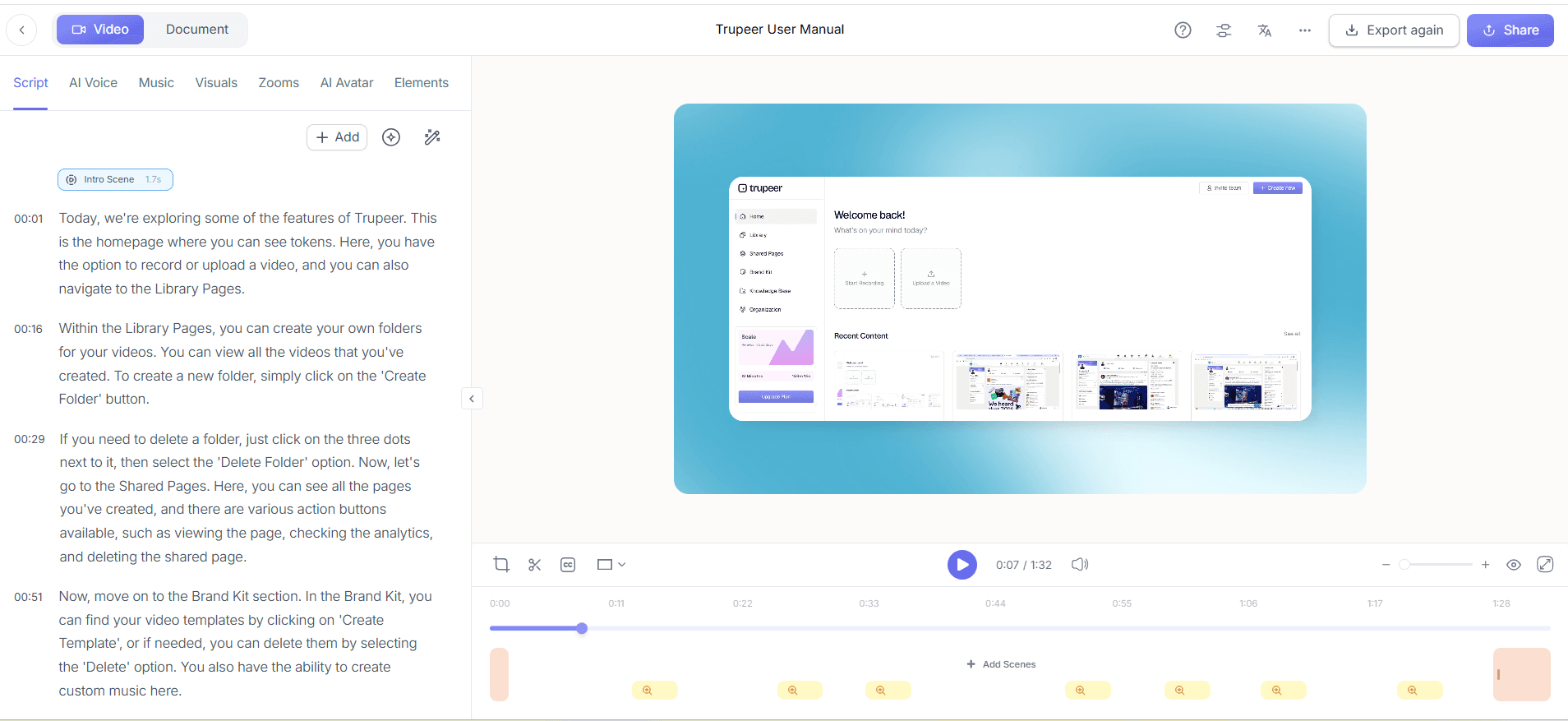
To add clarity and context, use Trupeer's AI voiceover feature. Select from over 65+ natural voices to narrate the process documented in your video. Choose a voice that matches your brand's tone, and adjust the pace and tone as needed. This feature is particularly useful for making the documentation more accessible to team members who prefer audio guidance. Implementing voiceovers typically takes around 10-15 minutes, depending on the length of your recording. The voiceover can be previewed and edited to ensure it matches the visual content effectively. Trupeer also ships a system documentation software that handles this step without extra setup.
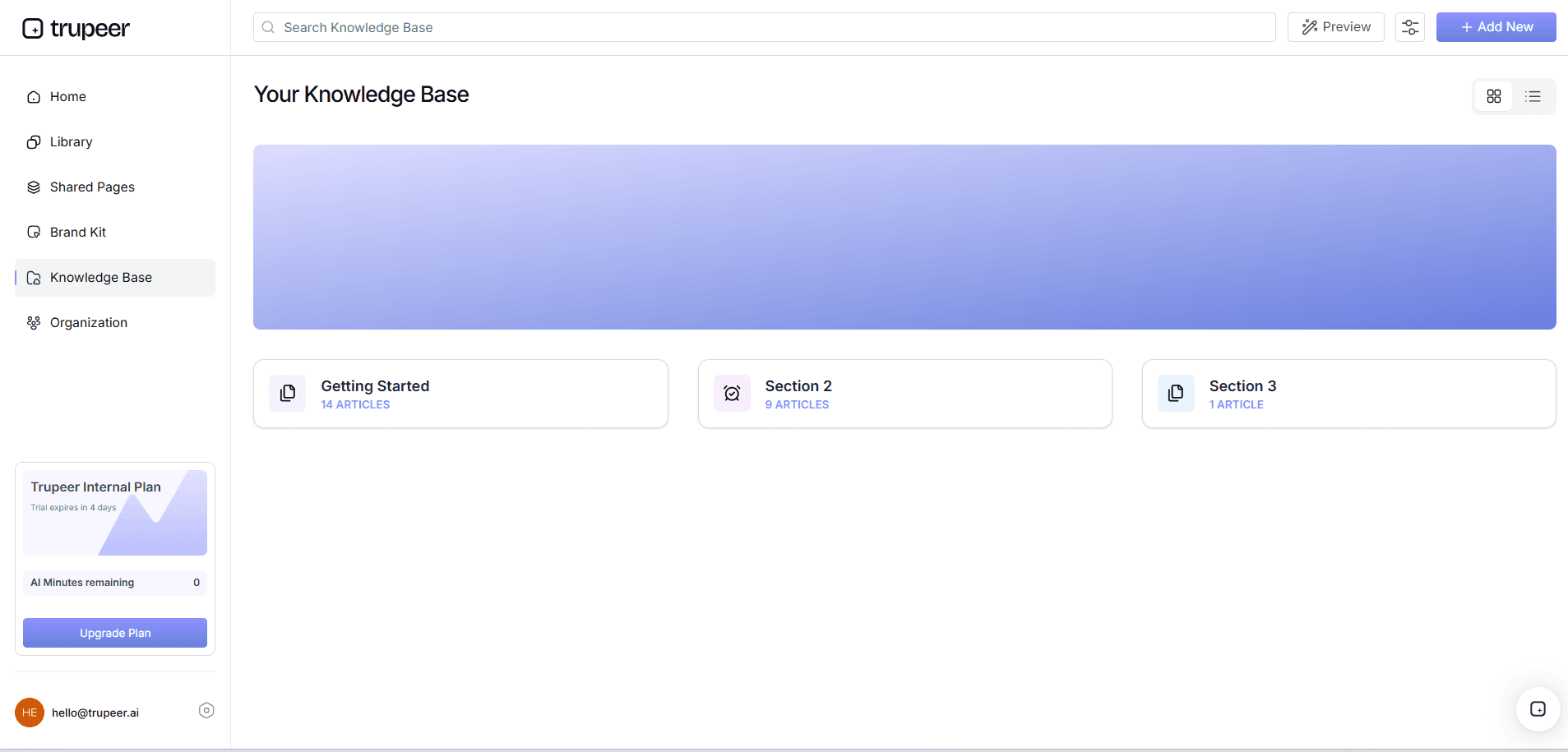
Step 4: Organize in an AI-Searchable Knowledge Base
After enhancing your documentation, store it in Trupeer's AI-searchable knowledge base. This step involves tagging your video with relevant keywords and annotations, making it easy to locate and reference. The knowledge base indexes every recording with timestamp-level deep links, allowing users to jump directly to specific validation steps. This feature is crucial for maintaining an organized repository, especially when managing multiple validation projects. Setting up and organizing entries in the knowledge base can be done in under 20 minutes, depending on the extent of your library.
Step 5: Export and Distribute Documentation
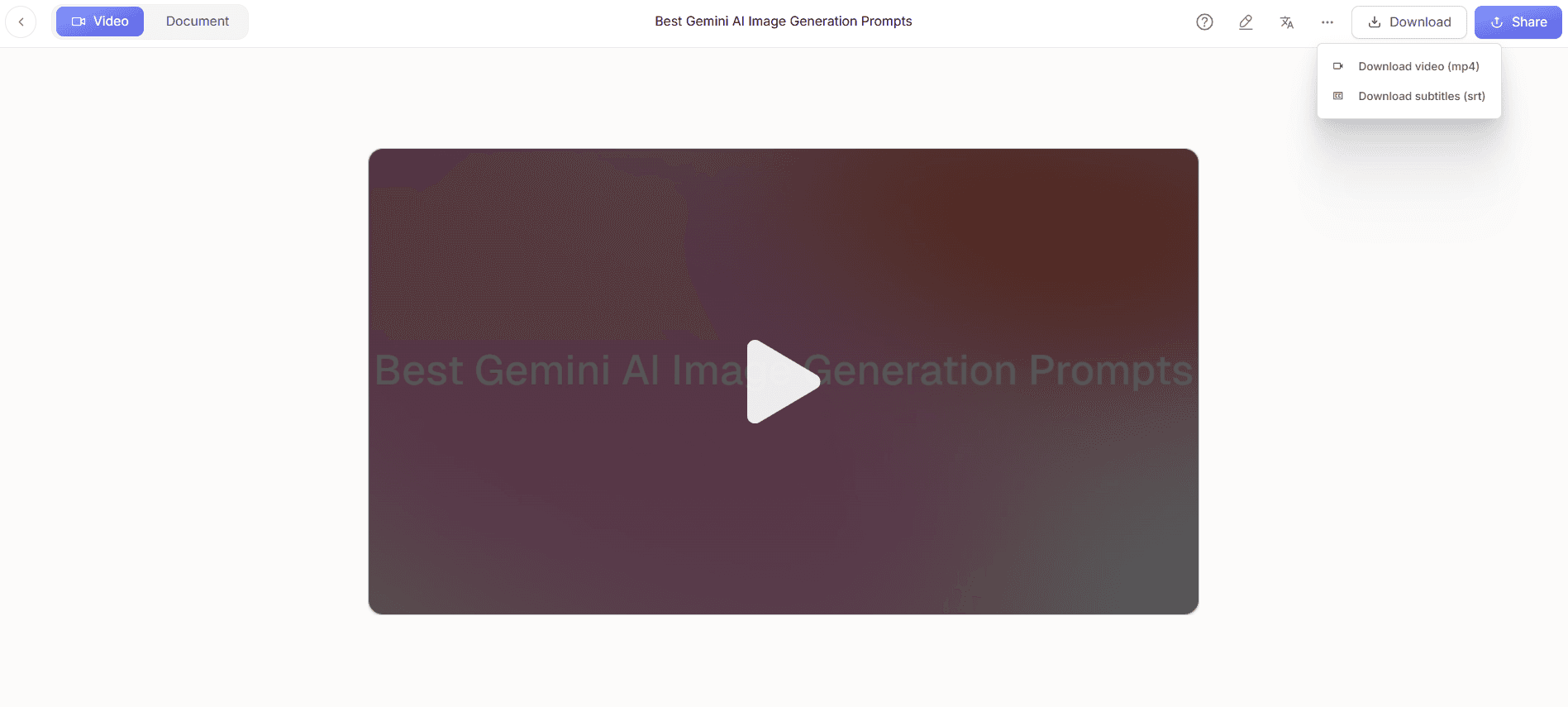
With your documentation ready, export it in your preferred format, HTML, PDF, or MP4, using Trupeer's multi-format export feature. This flexibility ensures compatibility with various documentation systems and makes it easy to share with stakeholders. You can choose to host these documents on a custom domain with SSO for secure access or distribute them via email. This process is swift and can be completed in less than 10 minutes, enabling immediate distribution to team members or regulatory bodies.
Step 6: Review and Collaborate
Finally, use Trupeer's collaborative review and approval workflows. Invite team members to review the documentation using a simple link. Trupeer tracks engagement and allows for real-time feedback and edits. This collaborative feature ensures that your documentation undergoes thorough checks before finalization, enhancing its accuracy and compliance. The review process varies in duration, depending on the number of reviewers, but the structured workflow minimizes back-and-forth communication, speeding up approvals significantly.
What tips help you create IQ OQ PQ software validation documentation?
Creating effective IQ OQ PQ software validation documentation requires strategic planning and execution. Here are several tips to enhance your documentation process using Trupeer:
Plan your recording. Outline each step of the validation process prior to recording to ensure no critical steps are missed.
Use consistent templates. Implement brand kits and templates in Trupeer to maintain a consistent visual style across all documentation.
Engage with clear audio. Select a voice that complements your documentation style, and adjust the tone for clarity and engagement.
Index thoroughly. Use detailed tags and annotations in the knowledge base to enhance searchability and retrieval speed.
Regularly update SOPs. Revisit your SOPs periodically to ensure they reflect the latest software updates and practices.
use review workflows. use collaborative review features to gather diverse insights and improve document accuracy.
Explore alternatives. Consider a Scribe alternative comparison to understand different features that might enhance your documentation strategy.
Teams weighing tools often start with a Loom alternatives comparison before standardizing on a workflow.
Frequently asked questions
How can screen recordings improve software validation documentation?
Screen recordings significantly improve software validation documentation by capturing real-time interactions with the software, ensuring accuracy and thoroughness. This method reduces the possibility of human error, as every step is visually documented. Screen recordings also offer a visual reference for reviewers, making the validation process more transparent and understandable. By using Trupeer, validation teams can automate documentation creation, saving time and ensuring consistency. The combination of video evidence and automated documentation supports compliance and provides a reliable audit trail.
What is the role of AI in enhancing validation documentation?
AI plays a crucial role in enhancing validation documentation by automating the creation and management of documents. Trupeer's AI capabilities generate SOPs from screen recordings, provide automated voiceovers, and maintain an organized knowledge base. AI reduces manual workload, ensures consistency, and minimizes errors, making the documentation process more efficient. By using AI, teams can focus on critical analysis and decision-making rather than tedious documentation tasks. This advanced technology ensures that documentation is both accurate and adaptable to changes in software systems.
Why is SOP generation important in life sciences?
SOP generation is vital in the life sciences sector because it ensures that processes are documented accurately and consistently, which is essential for compliance with regulatory standards. SOPs provide detailed guidance on performing tasks, ensuring that all personnel follow the same procedures. They also serve as a reference for training and audits, supporting operational consistency and quality control. Trupeer's automated SOP generation saves time and enhances accuracy, making it easier for life science teams to maintain compliance with stringent industry regulations.
Can Trupeer handle multilingual documentation needs?
Yes, Trupeer can effectively manage multilingual documentation needs. With AI translation into 40+ languages and AI dubbing for non-English audiences, Trupeer ensures your documentation is accessible globally. This feature supports international teams and compliance with regional regulations by providing accurate translations and culturally relevant content. It also facilitates training and knowledge sharing across different languages, enhancing communication and collaboration in diverse teams. Trupeer's video localization tool offers smooth integration, making multilingual documentation straightforward and efficient.
Does Trupeer support collaborative review processes?
Trupeer supports collaborative review processes through its structured workflows that allow multiple team members to review and edit documentation simultaneously. This feature facilitates real-time feedback and collaboration, ensuring that all inputs are considered before finalizing documents. The platform tracks changes and maintains version histories, making it easy to manage revisions and approvals. By simplifying the review process, Trupeer enhances document accuracy and compliance. Teams can efficiently finalize documents with input from various stakeholders, ensuring the highest quality and adherence to validation standards.