4.8/5
매뉴얼, 튜토리얼, 가이드를 위한 무료 문서 호스팅 플랫폼
화면 녹화로 매뉴얼, 튜토리얼, 가이드를 생성하세요. 각 콘텐츠는 팀의 로고, CTA, 전사(Transcript), 임베드 옵션이 포함된 브랜드 Shared Page URL에서 호스팅됩니다. 내장된 65+ 언어 번역 기능.
문서 무료 호스팅
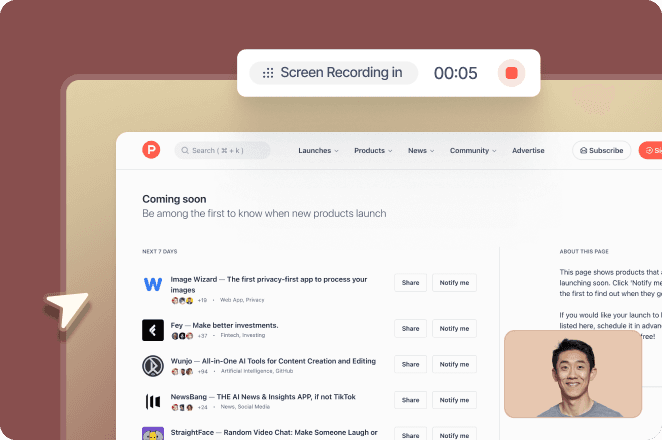
Trupeer AI의 문서 호스팅 플랫폼은 스크린 녹화로부터 매뉴얼, 튜토리얼, 가이드를 생성하고, 로고, CTA, 자막(전사), 임베드 옵션, 가시성 제어를 갖춘 브랜드드 Shared Page로 각 콘텐츠를 호스팅합니다. 팀은 워크플로를 기록하고, AI는 완성도 높은 비디오와 함께 작성 가이드를 생성하며, 각 콘텐츠는 고객 또는 직원이 브라우저에서 열 수 있는 Trupeer 호스팅 URL로 제공됩니다. Read the Docs, Docusaurus, GitBook, Notion, Confluence에서 다중 페이지 문서 포털을 구축하는 팀을 위해 Trupeer는 해당 도구에 임베드되는 콘텐츠를 생성해 공급합니다. 대부분의 문서 프로젝트에서 병목은 콘텐츠를 어디에 호스팅하느냐가 아니라 제작 속도입니다.
스크린 녹화로부터 매뉴얼, 튜토리얼, 가이드를 생성: 비디오와 작성 문서를 함께 제공합니다.
로고, CTA, 자막(전사), 타임드 코멘트, 임베드 옵션이 포함된 브랜드드 Shared Page로 각 콘텐츠를 호스팅합니다.
전 세계 사용자를 위해 호스팅된 콘텐츠를 65+개 언어로 번역합니다.
어떤 외부 지식 베이스, 인트라넷, 헬프 센터, 개발자 포털에도 Shared Page를 임베드하세요.
변경된 단계를 다시 녹화해 업데이트합니다. 호스팅 URL은 그대로 유지되며, 콘텐츠는 제자리에서 업데이트됩니다.
Trupeer AI가 문서를 호스팅하는 방식: Shared Pages
Trupeer가 생성하는 모든 비디오와 문서는 Shared Page로 제공됩니다. 이는 회사 로고, 콜투액션 링크, 비디오 플레이어, 자막(전사), 비디오에 맞춰 타이밍이 지정된 코멘트, 팀 웹사이트 또는 지식 베이스용 임베드 옵션을 갖춘 브랜드드 랜딩 페이지입니다. 가시성 설정으로 누가 무엇을 볼 수 있는지 제어합니다. 헬프 센터 콘텐츠는 공개, 내부 문서는 비공개, 고객 전용 제공물은 게이트 방식입니다. 각 Shared Page는 Trupeer 호스팅 URL에서 제공되며, 이는 팀이 생성하는 콘텐츠의 실제 호스팅 레이어가 됩니다. 또한 가이드 작성 방법도 여기에 포함됩니다. 단계는 진행하면서 캡처되므로, 나중에 따로 작성할 필요가 없습니다.
이것이 실제로 의미하는 바: 지원 매니저가 일반적인 티켓의 해결 과정을 기록하면, Trupeer가 비디오와 작성 가이드를 생성하고 두 콘텐츠는 단 하나의 브랜드드 URL에서 제공되어 고객 이메일에 바로 넣거나 헬프 센터에 임베드할 준비가 됩니다. 동일한 흐름은 온보딩 워크스루를 기록하는 트레이닝 리드에게도 적용됩니다. 신입은 첫날에 바로 열어볼 수 있습니다. 또는 마케팅 팀이 런치 페이지에 임베드하는 기능 설명을 기록하는 제품 매니저에게도 적용됩니다. 호스팅 레이어는 다중 페이지로 구성된 문서 사이트가 아니라 각 콘텐츠를 개별적으로 커버하며, Read the Docs나 Docusaurus 같은 도구와 비교할 때 중요한 구분입니다.
문서 호스팅 플랫폼은 3단계로 작동합니다
전체 흐름은 한 번의 녹화로 진행되며, 호스팅되어 바로 배포 가능한 매뉴얼이 생성됩니다. 별도의 작성 단계가 필요 없고, 비디오 편집기도 필요 없으며, 브랜딩과 가시성을 적용하기 위한 몇 번의 클릭 외에는 호스팅 설정이 필요 없습니다.
1단계: 워크플로를 녹화하세요
브라우저에서 녹화를 시작하고, 실제로 수행되는 대로 매뉴얼 콘텐츠를 캡처하거나 기존 스크린 녹화를 업로드하세요. AI는 녹화된 내용으로 작업합니다. 5분짜리 워크스루를 녹화하는 것이 빈 페이지에서 사용자 매뉴얼을 작성하는 것보다 빠르며, 실제 제품이 실행되는 모습을 보여주기 때문에 결과물이 독자에게 더 잘 전달됩니다.
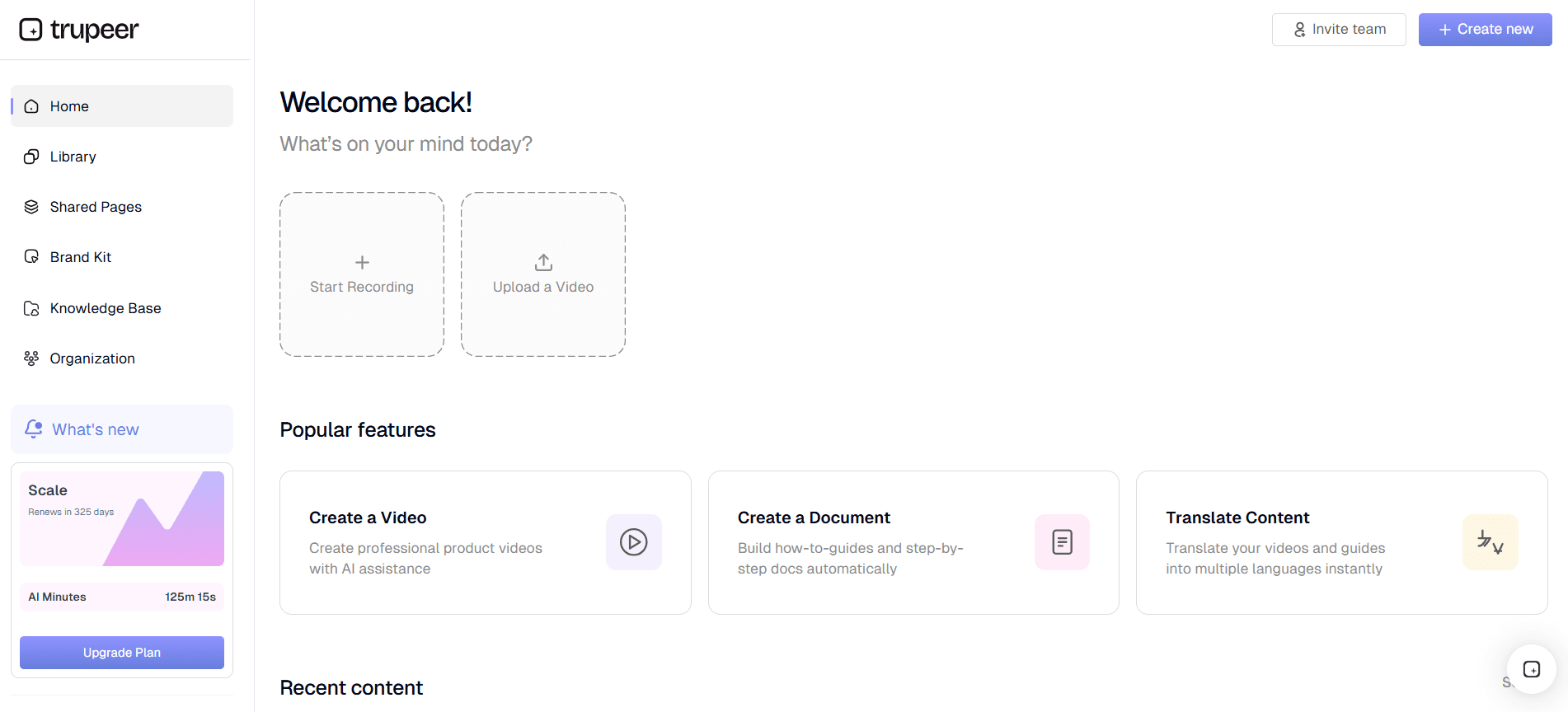
2단계: Trupeer AI가 매뉴얼 또는 가이드를 생성합니다
불필요한 말(필러)이 제거됩니다. 독자가 작업을 따라가기 쉬운 곳에는 줌 및 커서 효과가 추가됩니다. 초안 비디오와 초안 작성 매뉴얼이 편집기에서 함께 표시됩니다. 맞춤 글로서리는 AI가 달리 정확히 철자를 알기 어려운 제품명과 통합명까지 처리합니다.
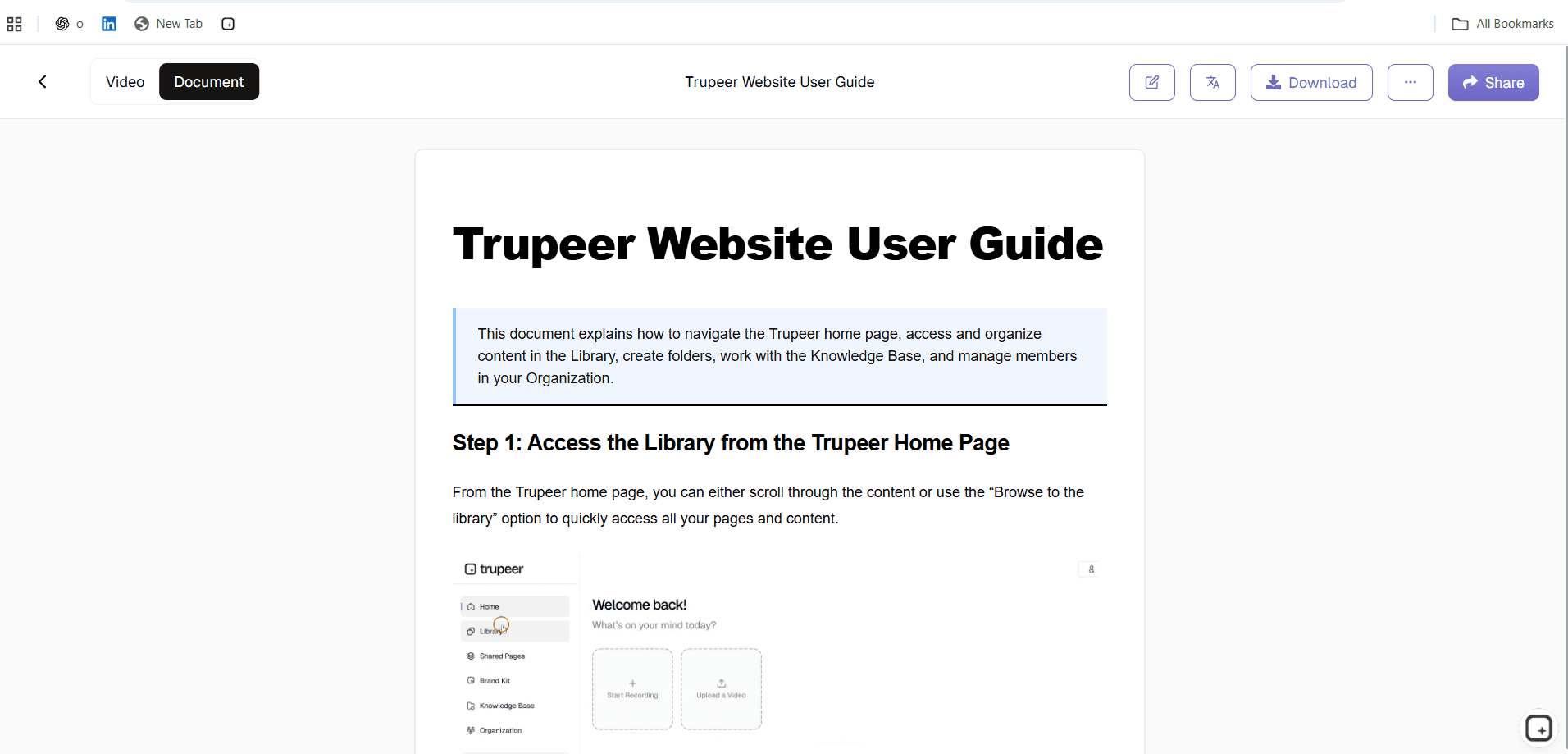
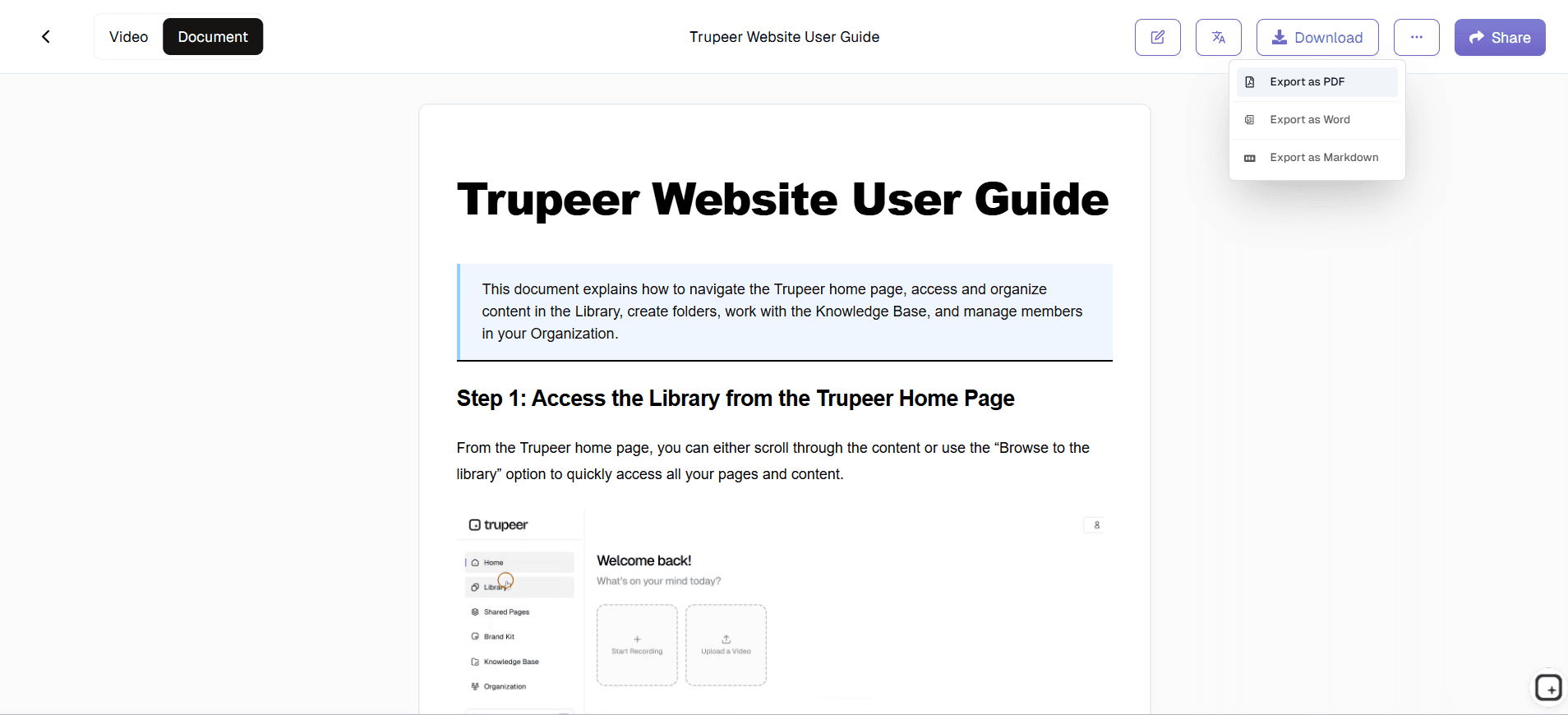
3단계: 브랜딩, 번역, 호스팅
브랜드 키트를 적용해 로고, 색상, 인트로/아웃트로 슬라이드가 팀의 나머지 문서와 일치하도록 하세요. 번역을 통해 스페인어, 포르투갈어, 만다린, 힌디어 또는 65+개 언어로 제공할 수 있습니다. 그런 다음 대상에 맞는 가시성 설정이 포함된 브랜드드 Shared Page URL로 게시하세요. 고객을 위한 매뉴얼은 공개, 내부 문서는 비공개, 팀의 위키에 올라갈 콘텐츠는 임베드 전용으로 설정합니다.
누가 실제로 Trupeer AI를 문서 호스팅 플랫폼으로 여나요
이 도구를 여는 사람은 보통 SaaS 회사에서 문서 오너 또는 콘텐츠 리드입니다. 이 회사에서는 헬프 센터, 지식 베이스, 내부 위키가 누군가의 분기별 OKR 목록에 최소 1년 이상 올라가 있었습니다. 일관되게, 팀은 어떤 매뉴얼과 튜토리얼이 필요하다는 것을 알고 있습니다. 다만 그것들을 제작하고, 호스팅하고, 제품이 바뀔 때마다 업데이트를 유지할 만큼의 여력이 없습니다. Trupeer AI는 제작을 담당하고, 각 콘텐츠를 브랜드드 URL로 호스팅해 배포할 준비를 마칩니다.
이 패턴은 역할 전반에서 동일하게 나타납니다. 제품 매니저는 고객을 위한 헬프 센터에 기능 매뉴얼을 호스팅하기 위해 사용합니다. 고객 성공 팀은 킥오프 이메일에서 고객이 여는 온보딩 튜토리얼을 호스팅하기 위해 사용합니다. 엔지니어링 팀은 시스템과 배포를 위한 내부 런북을 호스팅하기 위해 사용합니다. 지원 매니저는 에이전트가 매크로로 보내는 상위 해결책에 대한 워크스루 가이드를 호스팅하기 위해 사용합니다. 일부 팀은 Shared Page 호스팅을 전체 문서 레이어로 취급하고, 다른 팀은 Read the Docs 사이트나 Notion 포털과 함께 사용하되, Trupeer 호스팅 비디오를 구조화된 페이지에 임베드합니다.
Trupeer AI가 호스팅하는 매뉴얼, 튜토리얼, 가이드 콘텐츠 유형
가장 자주 등장하는 카테고리는 다음과 같습니다. 소프트웨어 사용자 매뉴얼(특정 기능이 어떻게 작동하는지), 튜토리얼 콘텐츠(특정 작업을 수행하는 방법), 방법 가이드(절차 단계를 단계별로 수행하는 방법), 인터랙티브 사용자 매뉴얼(독자가 동작을 시청하면서 단계도 읽을 수 있는 매뉴얼), 그리고 퀵 레퍼런스 카드(60초 이내에 일반적인 작업을 수행하는 방법)입니다. Trupeer AI는 모두 동일한 녹화→문서 흐름으로 처리합니다. 팀이 두 분기 동안 채우려고 했던 사용자 매뉴얼 템플릿은, Trupeer가 녹화에서 콘텐츠를 생성하는 순간 실제 사용자 매뉴얼이 됩니다.
특히 튜토리얼 콘텐츠의 경우, Trupeer는 같은 작업에서 튜토리얼 제작자이자 튜토리얼 비디오 제작자, 그리고 비디오 튜토리얼 제작자로 기능합니다. 비디오 출력물은 튜토리얼 비디오이고, 작성 출력물은 스크린샷과 번호가 매겨진 단계가 포함된 구조화된 튜토리얼 문서입니다. 두 콘텐츠는 동일한 Shared Page URL에서 호스팅되므로 사용자는 시청 또는 읽기를 선택할 수 있습니다. Google 검색으로 다운로드한 방법 가이드 템플릿은 팀에게 틀을 제공합니다. Trupeer는 그 틀을 실제 콘텐츠로 채웁니다. 호스팅된 페이지가 비디오, 작성 단계, 자막(전사), 그리고 팀이 타이밍이 지정된 코멘트를 추가할 수 있는 기능을 함께 제공하기 때문에, 정적인 사용자 매뉴얼 PDF보다 인터랙티브 사용자 매뉴얼 또는 완성된 사용자 매뉴얼 가이드에 더 가깝습니다. 깔끔한 사용자 매뉴얼 예시나 바로 쓸 수 있는 방법 가이드 템플릿을 찾는 팀은, Trupeer가 도입되면 템플릿이 어려운 부분이 아니라는 점을 보통 깨닫습니다. 매뉴얼, 튜토리얼, 가이드에 대한 엔드투엔드 지원이 세 가지 도구가 아니라 한 가지 도구로 제공되기 때문입니다.
Trupeer AI는 Read the Docs, Docusaurus, GitBook 및 기타 문서 호스팅 플랫폼과 함께 어디에 들어맞나요
Read the Docs, Docusaurus, GitBook, MkDocs, BookStack, Document360은 모두 완전한 문서 포털입니다. 이들은 다중 페이지 내비게이션, 버전 관리, 수백 페이지에 걸친 검색, 테마, 그리고 구조화된 정보 아키텍처를 처리합니다. Trupeer AI는 그 역할을 위해 만들어지지 않았습니다. Trupeer AI는 개별 매뉴얼, 튜토리얼, 가이드를 생성하고 각각을 독립형 Shared Page로 호스팅합니다. 수백 페이지의 API 레퍼런스와 아키텍처 문서를 포함한 오픈소스 문서 사이트를 구축하는 팀에는 포털 도구가 정답입니다. 각자 고유 URL을 가진 몇 개의 완성도 높은 브랜드드 매뉴얼과 튜토리얼이 필요한 팀이라면, Trupeer의 가벼운 호스팅만으로도 충분합니다.
팀이 둘 다 필요로 할 때 두 카테고리는 결합됩니다. 포털 도구는 구조화된 내비게이션과 검색을 담당합니다. Trupeer AI는 포털 페이지에 임베드되는 개별 비디오 워크스루와 단계별 가이드를 생성합니다. 작성 콘텐츠가 50페이지인 문서 사이트에도, 3분짜리 비디오 워크스루가 다른 텍스트 벽보다 더 잘 들어갈 수 있는 50개의 지점이 있습니다. Trupeer는 해당 비디오와 작성 동반 콘텐츠를 호스팅하고, 포털 페이지에 바로 들어갈 임베드 코드를 제공합니다. 이미 포털 도구를 보유한 팀은 보통 Trupeer를 포털을 대체하는 것이 아니라 상위(업스트림) 콘텐츠 제작 레이어로 사용합니다.
업데이트와 번역: 최신 상태를 유지하는 호스팅 콘텐츠
호스팅된 문서는 대부분의 팀이 예상하는 것보다 더 빨리 부패합니다. 제품은 매 릴리스마다 바뀌기 때문입니다. UI 업데이트는 워크스루 비디오를 깨뜨리고, 새로운 가격 티어는 웰컴 매뉴얼을 깨뜨리며, 기능 비활성화(디프리케이션)는 심층 튜토리얼을 깨뜨립니다. 대부분의 팀은 호스팅 콘텐츠가 조용히 어긋나도록 두고, 고객이 알아차렸을 때 티켓에서 사과하며 처리합니다. Trupeer AI는 변경된 단계만 다시 녹화해 업데이트합니다. AI는 해당 구간만 다시 처리하며, 비디오와 작성 매뉴얼 모두 동일한 Shared Page URL에서 제자리 업데이트가 이루어집니다. 링크를 가진 누구나 현재 버전을 자동으로 확인할 수 있습니다.
글로벌 사용자의 경우 번역이 언어 격차를 메웁니다. 동일한 호스팅 매뉴얼이 같은 소스 녹화에서, 같은 주에 스페인 마드리드의 사용자에게는 스페인어로, 일본 도쿄의 사용자에게는 일본어로, 독일 베를린의 사용자에게는 독일어로 전달됩니다. 번역은 비디오 보이스오버와 작성 매뉴얼 모두에 적용되며, 브랜드 키트, 글로서리, 화면 텍스트가 그대로 이어집니다. 문서 호스팅 플랫폼을 Trupeer AI SOP builder와 함께 사용하면, 고객을 위한 매뉴얼 아래에 있는 표준 운영 절차까지 함께 커버할 수 있습니다.
팀이 문서 호스팅 플랫폼으로 Trupeer AI를 사용하는 이유
각 매뉴얼마다 고유한 브랜딩 URL이 제공됩니다
Trupeer가 생성하는 모든 콘텐츠는 로고, CTA, 전사(Transcript), 임베드 옵션이 포함된 브랜딩 Shared Page로 호스팅됩니다. 개별 콘텐츠마다 별도의 호스팅 도구가 필요하지 않습니다.
팀이 실제로 유지할 수 있는 제작 속도
5분짜리 워크스루를 녹화하고, 10분 이내에 완성도 높은 매뉴얼을 호스팅하세요. 템플릿으로 사용자 매뉴얼을 하나 작성하는 것보다 더 빠릅니다.
이미 사용 중인 포털에 임베드
팀이 Read the Docs, Docusaurus, GitBook 또는 Notion을 사용한다면, 구조화된 포털에 Shared Page를 임베드하세요. 마이그레이션이 필요 없습니다.
3단계로 매뉴얼, 튜토리얼, 가이드를 호스팅하세요
1단계
작업 흐름을 녹화하거나 기존 영상물을 업로드하세요
2단계
Trupeer AI가 매뉴얼 또는 튜토리얼을 생성합니다
3단계
브랜딩하고, 번역하고, 브랜딩된 Shared Page URL로 호스팅하세요
자주 묻는 질문
문서 호스팅 플랫폼은 무료로 사용할 수 있나요?
네, 핵심 흐름은 무료입니다. 작업 흐름을 녹화하고 영상 및 작성된 매뉴얼을 생성한 뒤, 결제 없이 Shared Page 링크로 호스팅하세요. 유료 티어에는 브랜드 키트, AI 아바타, 맞춤 보이스 클로닝, 팀 워크스페이스, 65+개 언어로의 번역, 더 긴 녹화 한도가 추가됩니다. 자세한 가격은 가격 페이지에서 확인하세요.
Trupeer는 Read the Docs, Docusaurus, GitBook과 어떻게 다르나요?
Read the Docs, Docusaurus, GitBook, MkDocs 및 유사 도구들은 완전한 문서 포털입니다. 수백 페이지 규모의 문서 사이트에 대해 다중 페이지 내비게이션, 버전 관리, 검색, 테마, 정보 아키텍처를 처리합니다. 반면 Trupeer AI는 콘텐츠 제작 도구로, 생성된 각 매뉴얼, 튜토리얼, 가이드를 고유한 브랜딩 URL을 가진 독립형 Shared Page로 호스팅합니다. 여러 페이지로 구성된 구조화 문서 사이트에는 포털 도구가 정답입니다. 호스팅이 포함된 완성도 높은 브랜딩 개별 매뉴얼과 튜토리얼에는 Trupeer만으로 충분합니다. 두 가지는 함께 작동합니다. Trupeer가 콘텐츠를 생성하고, 포털이 이를 임베드합니다.
문서 호스팅 플랫폼은 어떤 입력과 출력을 지원하나요?
입력: 화면 녹화, 웹캠 녹화, 업로드한 영상 파일, 오디오 파일, 텍스트 스크립트. 출력: MP4 형태의 영상과 매뉴얼 또는 가이드(PDF 또는 Word(DOCX)). 각 콘텐츠는 또한 로고, CTA, 비디오 플레이어, 전사(Transcript), 타이밍이 포함된 댓글, 임베드 옵션이 포함된 브랜딩 URL의 Shared Page로 제공됩니다. 65+개 언어로의 번역은 동일 작업에서 영상과 문서 모두에 적용됩니다.
Shared Page를 기존 지식 베이스나 웹사이트에 임베드할 수 있나요?
네. Shared Page는 임베드된 영상 또는 iframe 콘텐츠를 허용하는 어떤 지식 베이스, 인트라넷, 헬프 센터, 개발자 포털, LMS, 또는 웹사이트에서든 작동하는 임베드 옵션을 제공합니다. 팀은 보통 이를 통해 기존 포털의 구조화된 내비게이션은 유지하면서, 영상, 전사(Transcript), 업데이트를 처리하는 Trupeer 호스팅 Shared Page로 개별 콘텐츠 페이지를 위임합니다.
누가 공개 범위를 제어하며, 고객은 호스팅된 페이지를 볼 수 있나요?
각 Shared Page에는 팀이 제어하는 공개 설정이 있습니다. 공개 Shared Page는 URL을 가진 누구나 접근할 수 있어 헬프 센터 문서와 고객을 대상으로 하는 매뉴얼에 유용합니다. 비공개 Shared Page는 인증된 사용자에게만 접근을 제한하며, 내부 문서, SOP, 기밀 고객 제공물에 유용합니다. 필요하다면 동일 콘텐츠를 여러 공개 수준으로 다시 호스팅할 수 있습니다(공개 요약 버전과 비공개 상세 버전).