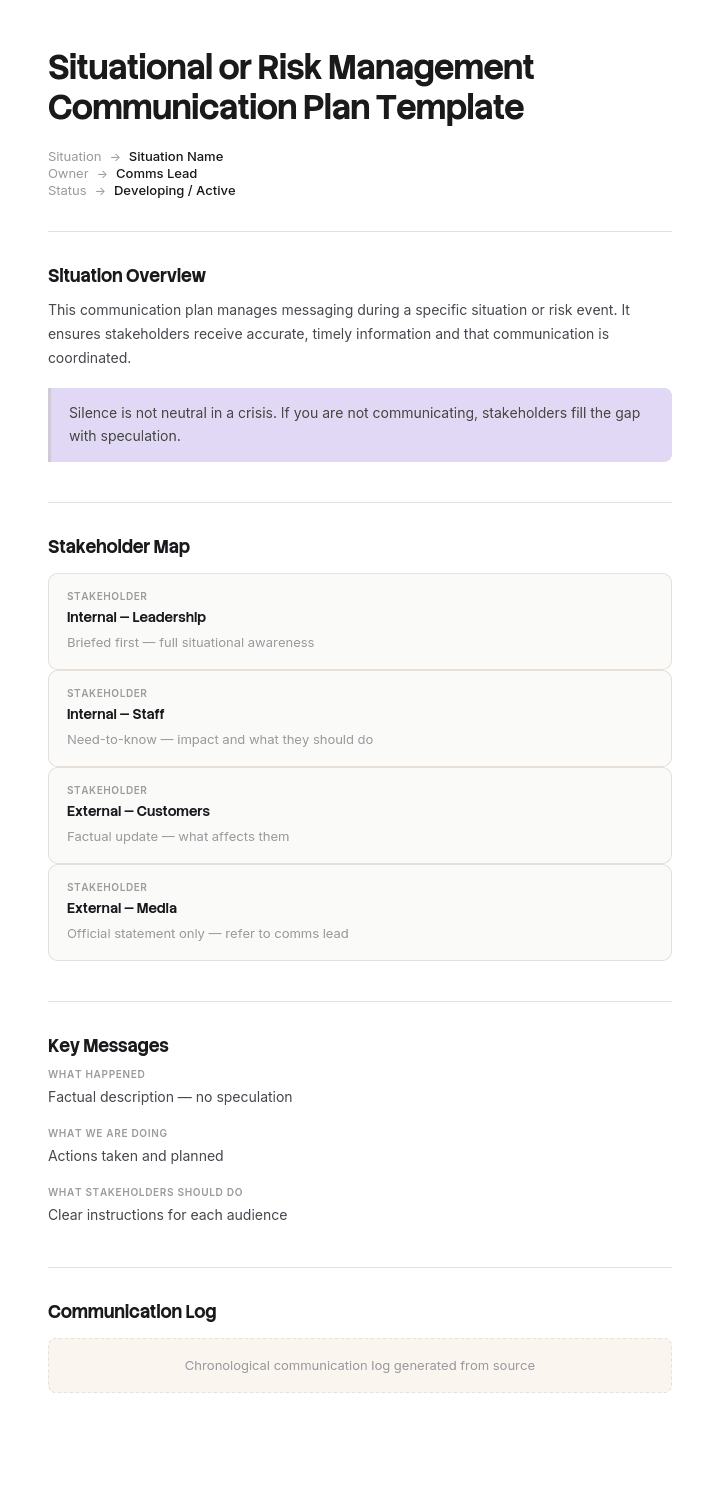
このテンプレートを使用してください
組織がリスクやインシデント発生時にどのようにコミュニケーションするかは、インシデントそのものよりも重要になることがよくあります。Trupeerなら、無料の状況(シチュエーション)またはリスクマネジメントのコミュニケーション計画テンプレートから始めることで、リスクコミュニケーションの計画作成にかかる時間を何時間も節約できます。さらにブランドガイドラインでカスタマイズし、計画を動画のウォークスルーに変換することで、インシデントが起きる前にリーダーを準備できます。
無料の状況(シチュエーション)またはリスクマネジメントのコミュニケーション計画テンプレートとは?
無料の状況(シチュエーション)またはリスクマネジメントのコミュニケーション計画テンプレートは、リスクについて事前にどのようにコミュニケーションするかを決めるための、再利用可能な構造です。起こり得るリスクだけでなく、すでに起きたリスクについても対象にします。
これはリスクマネジメント計画ではありません。リスクマネジメント計画はリスクを特定し、軽減します。これはコミュニケーション面の半分であり、実際に重大なリスクが顕在化したときの運用対応は通常きちんと行われる一方、その周りのコミュニケーションは遅れがちだからこそ存在します。
テンプレートは計画そのものではありません。素早い部分である「章(セクション)」を提供します。計画が機能するかどうかを決めるのは、多くの公開テンプレートが尋ねない、次の1つの質問に答えられているかです。許可を取らずにメッセージを送ってよいのは誰か。
用途に合わせて整えます。無料の状況(シチュエーション)またはリスクマネジメントのコミュニケーション計画テンプレートのWordドキュメントは、文章に加えて表が含まれ、承認される「計画そのもの」に適しています。無料の状況(シチュエーション)またはリスクマネジメントのコミュニケーション計画テンプレートのExcel版は、並べ替えやフィルタが必要な「連絡先リスト」と「オーディエンス・マトリクス」に適しています。どちらを選んでも、実際のインシデントで必要になる部分は印刷でき、オフラインでも利用できる状態にしておくべきです。インシデントは、計画が保存されているシステムに影響を与える癖があるためです。
リスクコミュニケーションには2つの半分がある
ほとんどのテンプレートは、そのうちの1つを扱って終わりです。
定常(スタンディング)リスクコミュニケーション。 まだ起きていないリスクについて人々に伝えること。リスクレジスター(リスク台帳)を取締役会に報告する、サプライヤーが脆いことを顧客に警告する、システムがサポートされていないとチームに伝える。日常的で、予定されていて、主に「後で誰も驚かないようにする」ためのものです。
状況(シチュエーション)コミュニケーション。 リスクが顕在化したときに送るもの。予定外で、時間が重要で、すでに不安を抱えている人たちが読むものです。
両者は見落としやすい形でつながっています。最初の質が、次の難しさを決めます。サプライヤーが脆いと顧客に伝えていた組織は、サプライヤーが失敗したとき、何も言っていなかった組織とはまったく違う会話になります。定常コミュニケーションは「疑いを差し引いてもらえる」恩恵をもたらし、出来事の後からそれを手に入れる方法はありません。
両方をカバーしてください。危機だけに対応する計画は、最悪のタイミングで動き始める計画です。
Trupeerでこのテンプレートをカスタマイズする方法
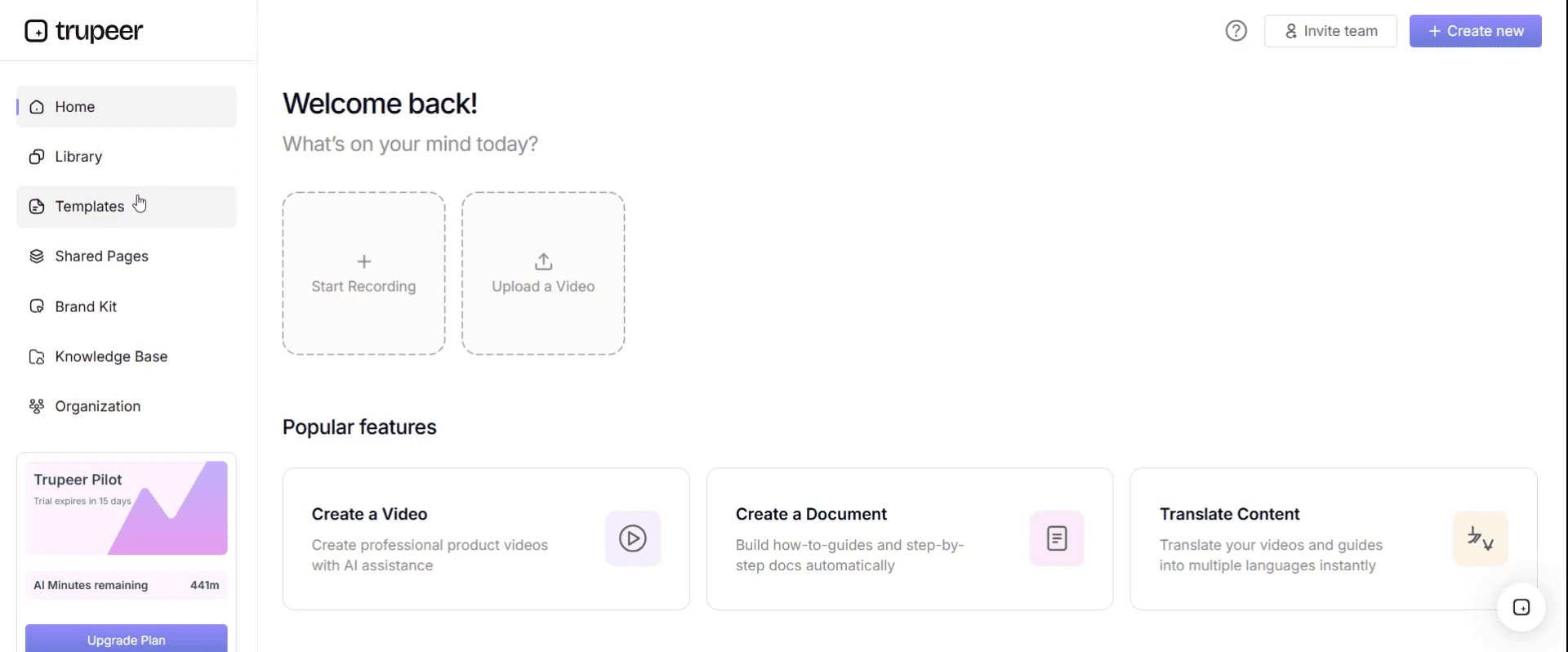
ステップ1:テンプレートセクションを開く
メインナビゲーションから「テンプレート」セクションへ移動します。
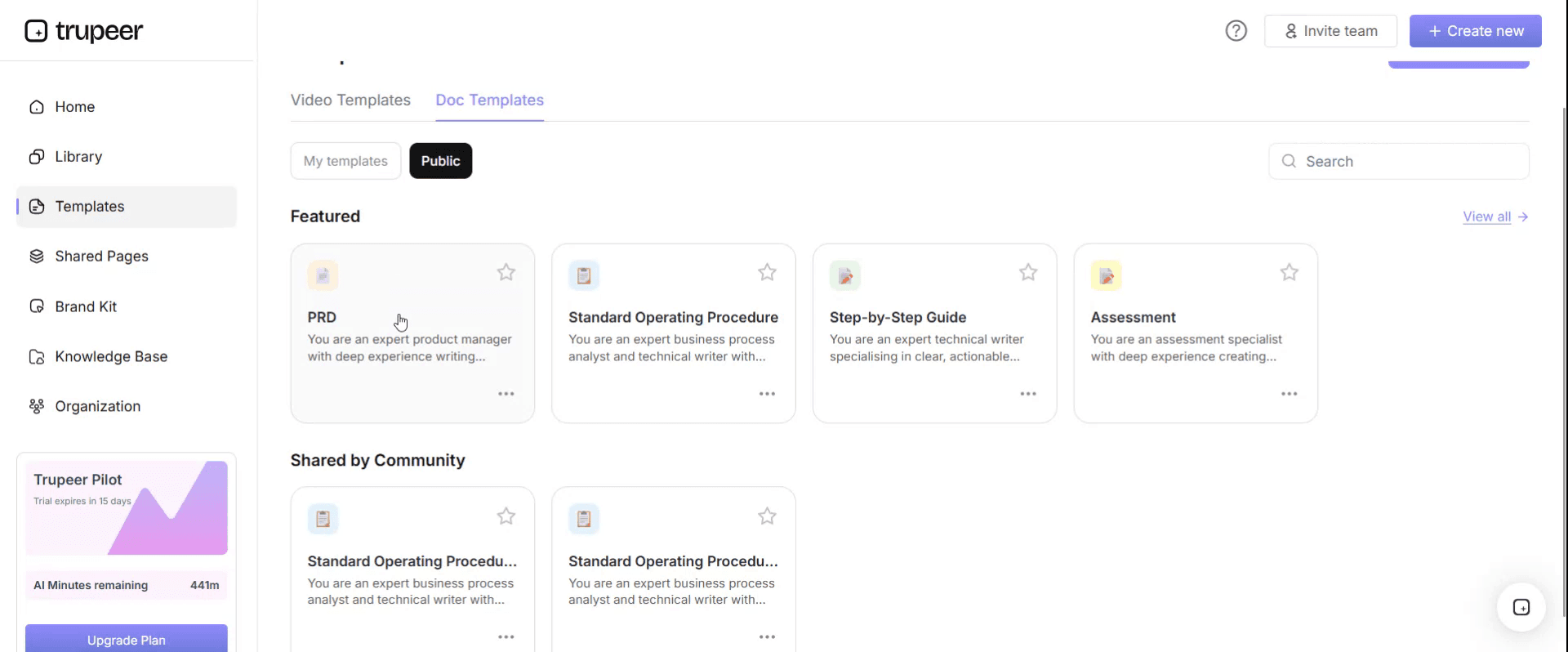
ステップ2:テンプレートを選択して開く
作業したい任意のテンプレートをクリックして開きます。
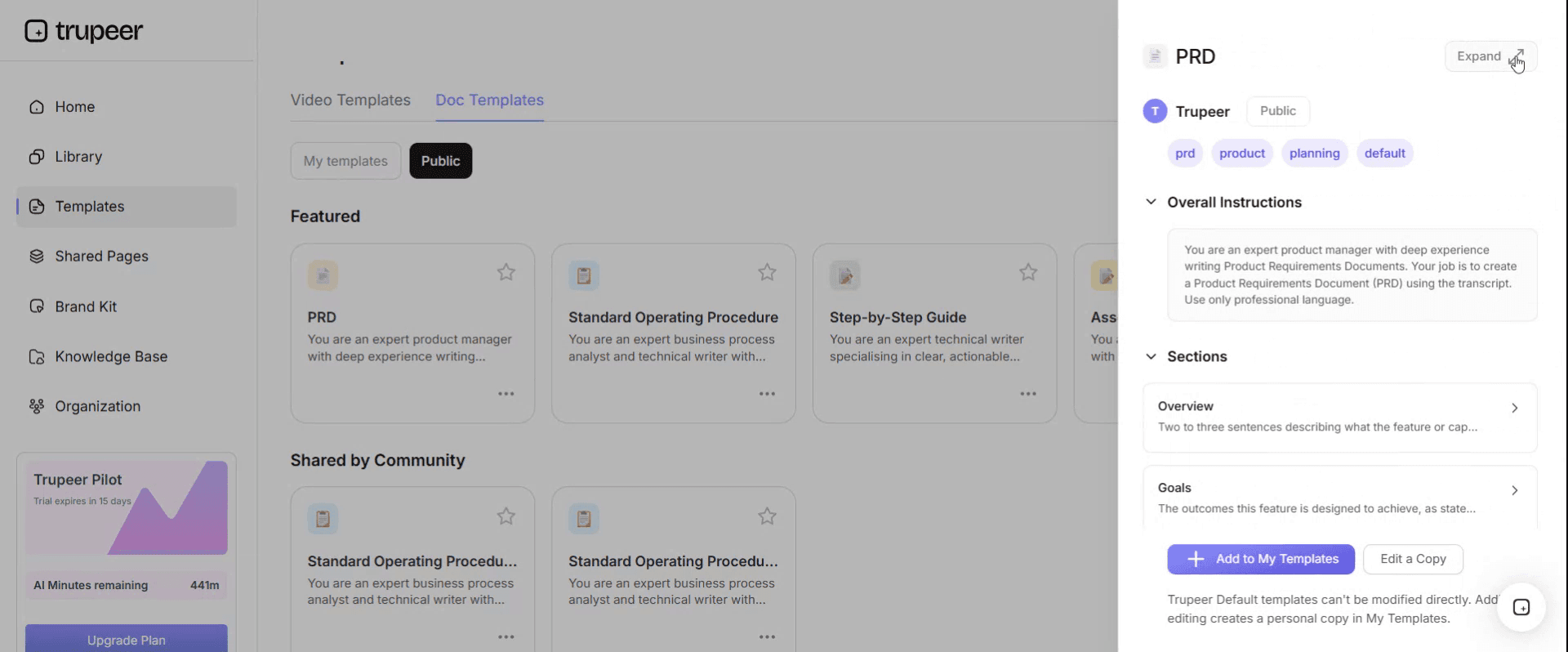
ステップ3:テンプレート表示を展開する
必要に応じて、テンプレート表示を展開し、レイアウトと詳細をはっきり確認します。
ステップ4:テンプレートを編集する
「編集」をクリックして、選択したテンプレートの変更を開始します。
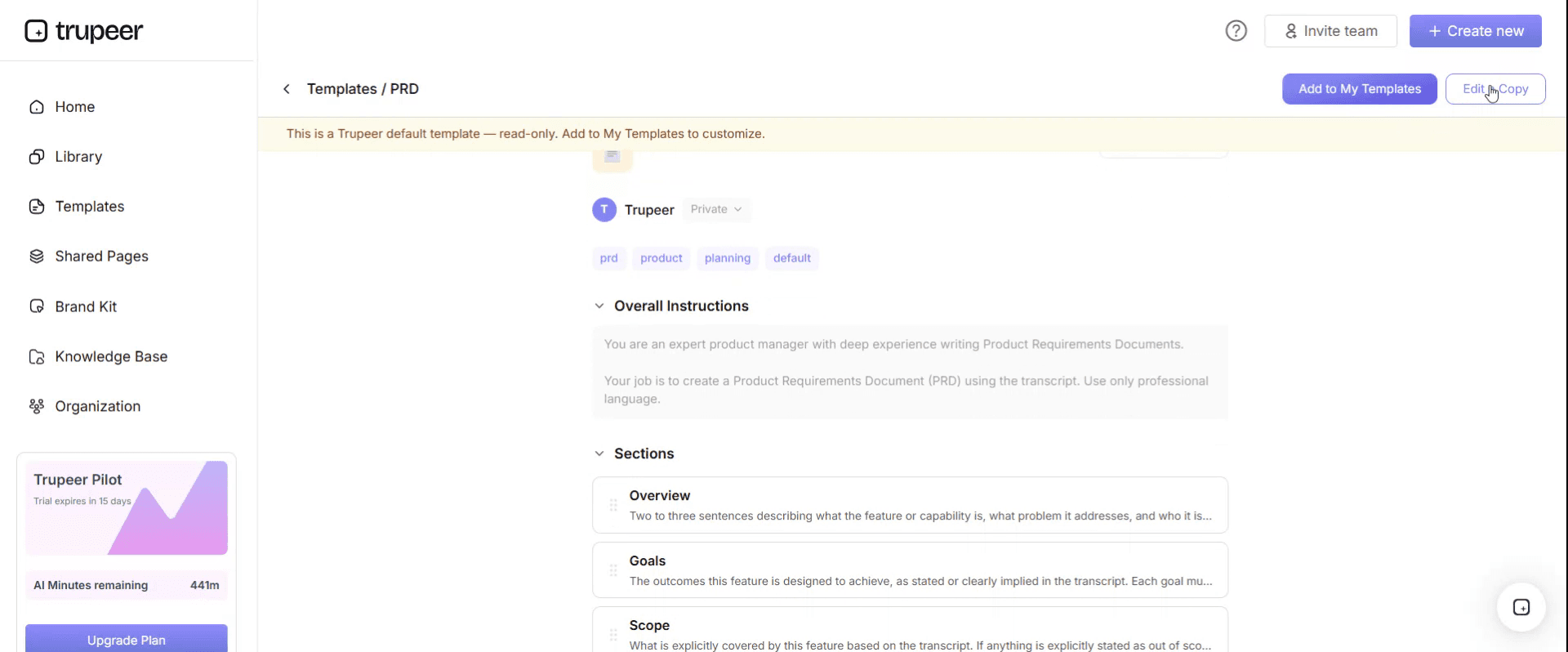
エディター内で、次のことができます:
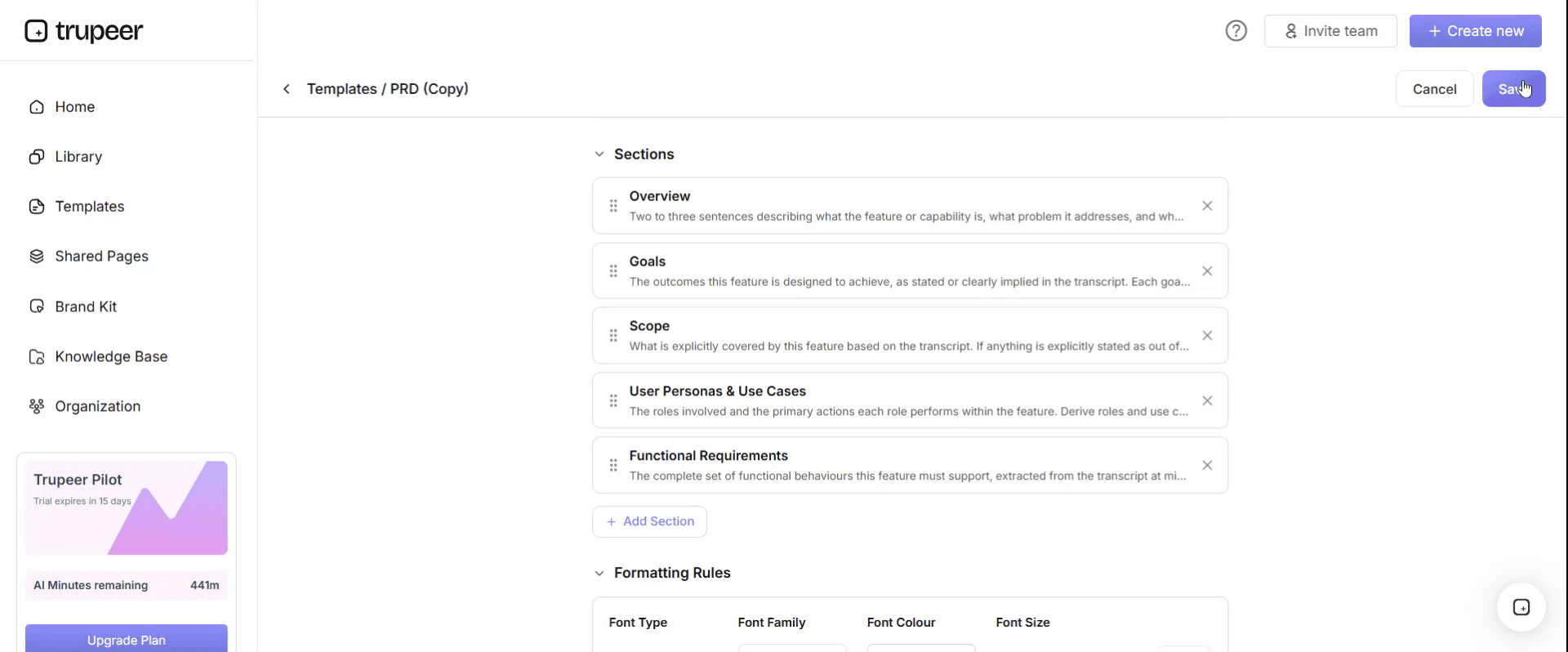
新しいセクションを追加
書式ルールを定義または更新
ロゴを追加し、その位置および関連設定を調整
ステップ5:カスタマイズしたテンプレートを保存する
必要な変更をすべて行ったら、「保存」をクリックして、更新されたテンプレートを自分のものとして保存します。
ステップ6:プレビューしてテンプレートを微調整する
カスタマイズしたテンプレートがどのように表示されるかを確認したい場合は、「プレビュー」を開きます。
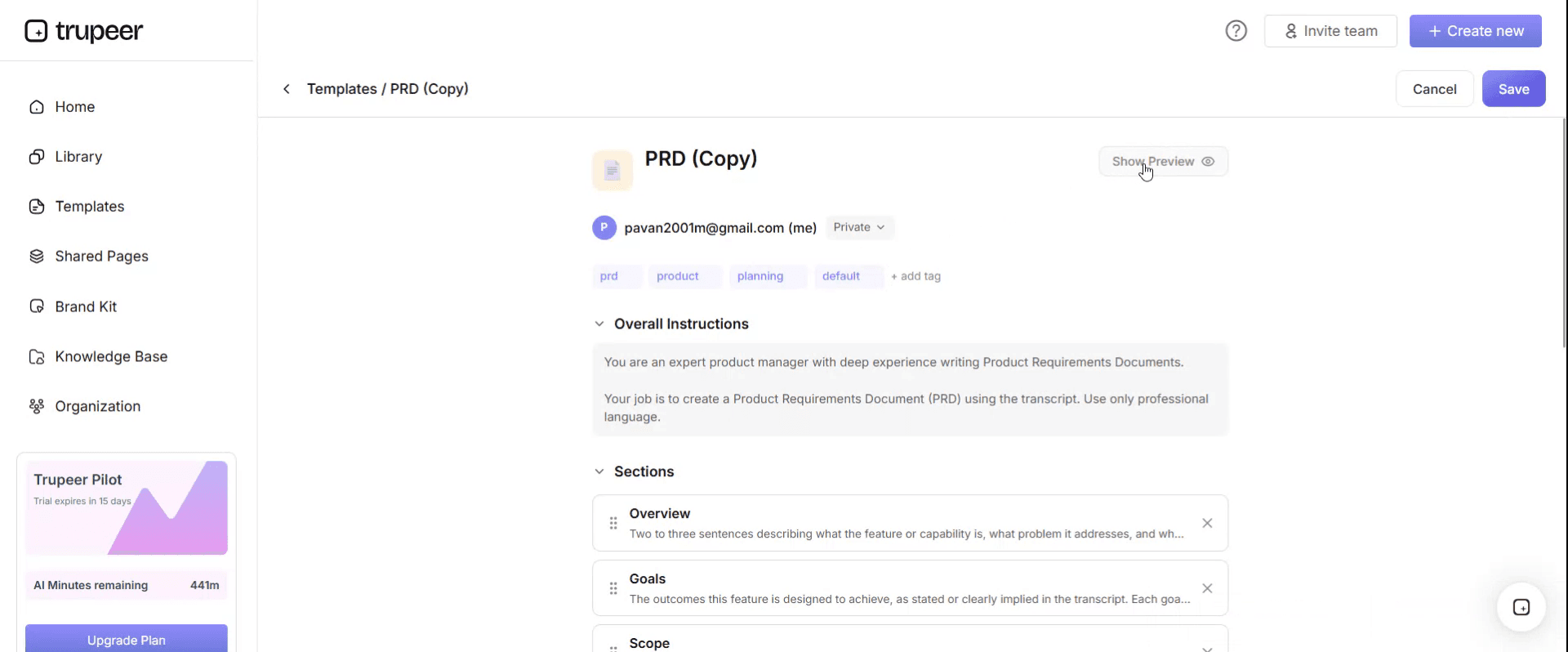
プレビュー画面から、必要に応じて直接調整を続けることができ、テンプレートが希望どおりに表示されることを確認できます。
リスクマネジメントのコミュニケーション計画テンプレートでできること
準備にかかる時間を節約: インシデントのコミュニケーション向けに構成された空白ページをスキップできます。
プレッシャー下でもより迅速に対応: 内蔵のつなぎ文(ホールディングステートメント)とエスカレーション経路により、対応時間を短縮します。
ブランドに沿った表現を維持: Trupeerのブランドキットでロゴ、フォント、カラーを適用できます。
ブランドを守る: 事前に計画されたコミュニケーションは、秒単位で重要になるときに評判を保護します。
あらゆるシナリオで標準化: あらゆる種類のインシデントに同じテンプレートを使用できます。
グローバルチームに届ける: 1クリックでリスクコミュニケーションを65言語以上に翻訳できます。
重要なのは「最初のメッセージまでの時間」だけ
リスクコミュニケーション計画の中の他のすべては、ある1つの数値を減らすために存在します。組織が何かを把握してから、影響を受ける人々があなたからそれを聞くまでの経過時間です。
この数値が、あなたが人々に「知らせている」のか「追いついている」のかを決めます。影響を受ける人々が別の方法で何かを知ってしまった時点で、コミュニケーションの性格は一変します。もはや状況を説明しているのではなく、「沈黙」を説明していることになります。
測定してください。リスクが顕在化するたびに、たとえ小さなものであっても、組織が最初に知った時刻と、最初のメッセージが送信された時刻を記録します。この1組のタイムスタンプだけで、どんな事後レビューよりも計画の実態がわかります。
次に、そのギャップを実際に消費したものを見てください。多くの組織では、それは「何を言うかを決めること」でも「下書きを作ること」でもありません。誰かが承認するのを待っていることです。
誰が話せるかを事前に承認する
これは、多くの公開テンプレートが省いているセクションであり、上記の数値を変えるのはここです。
多くの組織でのデフォルトの取り決めは、外部コミュニケーションには上級者の承認が必要だというものです。これは通常のコミュニケーションに対してはまったく理にかなっています。そのため危機のコミュニケーションは遅れがちです。承認できる人は、深夜に連絡がつきにくい人であり、危機が引き起こした会議にいる可能性が最も高い人だからです。
誰もメッセージを送らないのです。混乱のせいではありません。若手が、承認されていない声明を顧客に送ることはキャリア上のリスクを伴うためで、待つことは個人にとっては安全で、組織にとっては高くつく選択だからです。
表で、事前に直してください。
各重大度レベルごとに、承認を求めずに誰が、誰に対して、何を言ってよいかを明記します。判断に必要なのは「どの状況が当てはまるか」であり、「何を書けばよいか」ではありません。あらかじめ承認済みのつなぎ文(ホールディングステートメント)を用意しておきましょう。そして、承認済みのつなぎ文を送ることは懲戒の問題には決してならない、と明確に書いてください。これは不要に聞こえるかもしれませんが、人を動かすのはこの一文です。
これを安全に保つための原則は2つあります。
事前承認は、説明ではなく「認知(アクノレッジ)」をカバーします。当直マネージャーは、「何かが起きた」「対応している」「次の更新はいつ来るか」を伝えることはできます。しかし、原因について推測したり、責任を認めたり、解決までの時間を約束したりはできません。
そして権限は、誰が上級者かではなく、誰がその場にいるかに置くべきです。当直マネージャーのような当番ポジションは、役職名よりもはるかに有用です。なぜなら、当番は定義上、連絡がつくからです。
リスクマネジメントのコミュニケーション計画テンプレートに必ず含めるべきもの
9つの構成要素です。最初の3つは、多くのテンプレートに欠けているものです。
構成要素 | 役割 |
|---|---|
重大度レベル | 状況を、観察可能な形でどのように分類するか、そして誰が分類するか。 |
事前承認テーブル | 各重大度において、承認なしで誰が何を誰に対して言えるか。 |
時間目標 | 各重大度ごと、各オーディエンスごとの「最初のメッセージまでの最大時間」。 |
オーディエンス・マトリクス | すべてのオーディエンスについて、何を知る必要があるか、どのチャネルで、どの順番で。 |
つなぎ文(ホールディングステートメント) | リスク台帳に載っているリスク分を事前に書いておき、名前と事実を差し込んで送れるようにする。 |
連絡ルート | 各オーディエンスを実際にどう到達させるか。リストの保存場所と、最後にテストした時期。 |
エスカレーションと引き継ぎ | 状況が発展するにつれて誰が引き継ぐのか、そしてインシデントの途中で引き継ぎがどう行われるか。 |
定常(スタンディング)リスクコミュニケーション | 日常的な半分。どのリスクについて誰に、どれくらいの頻度で伝えるか。 |
レビューとリハーサル | 計画がいつテストされるか、そして予定外のレビューを引き起こすトリガー。 |
連絡ルートの行は強調に値します。計画は、文書の中の他のどんな要素よりも「最新でない連絡先リスト」によって失敗することが多いのです。18か月誰もテストしていないリストは、転職している人のリストです。
無料の状況(シチュエーション)またはリスクマネジメントのコミュニケーション計画テンプレート:コピーするための構造
プレースホルダーではなく、実際の例で埋めています。組織は、スクール運営と法人契約を行うコーチ運行事業者です。
ここからコピーしてください。
重大度レベル。 観察可能で、当直マネージャーが相談なしで分類する。
重大度1:顧客向けのサービスが停止する、または4時間以内に停止する。重大度2:サービスが低下する、または単一の契約が影響を受ける。重大度3:顧客への影響は想定されない社内の混乱。
事前承認テーブル。
重大度 | 誰がコミュニケーションできるか | 誰に対して | 何を言うか | 承認が必要か |
|---|---|---|---|---|
1 | 当直マネージャー | 影響を受ける顧客(直接) | 承認済みのつなぎ文1+どのサービスが影響を受けるか、次の更新がいつ来るか | なし。まずではなく、並行して運用ディレクターに連絡する。 |
1 | 運用ディレクター | すべての顧客、スタッフ | 事実が確定した後のより詳しい更新 | なし |
1 | 代表取締役社長のみ | メディア、選挙で選ばれた公職者 | 何でも | 本人の判断 |
2 | 当直マネージャー | 影響を受ける顧客のみ | 承認済みのつなぎ文2 | なし |
3 | ラインマネージャー | 影響を受けるスタッフ | 事実に基づく内容なら何でも | なし |
承認済みのつなぎ文を送ることは、決して懲戒の問題ではありません。最初に評価したよりも状況が深刻でないことが判明した場合も含みます。
時間目標。
重大度1:当直マネージャーに知らされてから30分以内に影響を受ける顧客へ。全スタッフは60分以内。重大度2:影響を受ける顧客は60分以内。重大度3:勤務日の終了まで。
オーディエンス・マトリクス。
オーディエンス | 最初に必要な情報 | チャネル | 順番 |
|---|---|---|---|
影響を受ける顧客 | 今日、サービスが稼働しているかどうか、そして何をすべきか | 指定の連絡先への直接電話、その後書面 | 最初に、常に |
保護者(学校経由) | 学校が伝える内容のみ | 学校が保護者に連絡する(私たちではない) | 学校の直後に |
運転手とスタッフ | どこに報告するか、質問する相手に何を伝えるか | グループメッセージ、その後ブリーフィング | 60分以内 |
保険会社 | 通知 | 電話、その後書面 | 4時間以内 |
メディア | 彼らが求めた場合、または状況が公になっている場合のみ | 代表取締役社長のみ | 指示がない限り、反応型 |
つなぎ文(ホールディングステートメント)。 現在、リスク台帳で琥珀(amber)以上と評価されている6つのリスク分について、今書いておく。それぞれに残すのは、名前、サービス、記入するための時間だけです。
連絡ルート。 顧客連絡先リストは運用システムに保管され、毎週当直マネージャーのフォルダに印刷して送られる。スタッフ連絡先リストはグループメッセージングアプリにあり、印刷したバックアップも用意する。どちらも四半期ごとに、テストメッセージを送って失敗件数を数えることでテストする。
エスカレーションと引き継ぎ。 当直マネージャーが、運用ディレクターに引き継ぐまでコミュニケーションを所有する。これは前提ではなく、明確な発言によって行われる。引き継ぎ記録には、何が送られたか、誰に対してか、そして次に何が約束されたかが記録される。
定常(スタンディング)リスクコミュニケーション。 リスク台帳は四半期ごとに取締役会とレビューする。赤(red)と評価されたリスクは、評価されてから10営業日以内に、私たちがそれについて何をしているかとともに、影響を受ける顧客へ伝える。
レビューとリハーサル。 年1回レビュー。年2回、事前告知なしのシナリオでリハーサルを行う。重大度1が発生した直後、または最初のメッセージまでの時間が目標を超えたインシデントの直後にレビューする。
ここにコピー。
例:8時間40分
約340名のスタッフを抱えるコーチ運行事業者であるThornaby Transportは、主要デポでの洪水が2年間リスク台帳に載っており、琥珀(amber)評価で、軽減計画が添付されていました。
デポは1月のある日曜日の夜に浸水しました。40台の車両が影響を受け、22件のスクール契約は月曜の朝に運行できませんでした。
運用上の対応は良好でした。当直マネージャーは日曜の23時に状況を把握し、車両の復旧を開始。午前4時までに、隣接する運行事業者からの一部代替を手配していました。
学校への最初のメッセージは、月曜の7時40分に送信されました。
その時点で、保護者はバス停にいました。学校は、答えられない電話対応をしていました。地元のニュース媒体はThornabyが自社の顧客に連絡する前にその話を持っており、3日間放送されました。
遅れは、何を言うべきかを知らなかったこととは関係ありません。定常の指示は、外部へのコミュニケーションには代表取締役社長の承認が必要であり、その社長は当日の6時半までは連絡がつかない、というものでした。当直マネージャーは深夜0時半にメッセージを下書きしましたが送信しませんでした。22件の顧客に承認されていない声明を送ることは、午前1時に自分の権限で引き受けるリスクではないと判断したためです。
把握してから伝えるまでに8時間40分が経過しました。そのほとんどは、許可を待っていた時間でした。
次の入札ラウンドで3つの契約が失われました。合計で年間約41万ポンド相当です。そのうち3つのうち2つは、混乱そのものではなくコミュニケーションを理由に挙げていました。
Thornabyが持っていたのは、リスク台帳に載ったリスクと、車両復旧および代替デポをカバーする軽減計画でした。どこにもなかったのは、「バスが来ない」ことを学校に伝えてよいのは誰か、という声明です。
彼らはその後、事前承認テーブルを書きました。琥珀(amber)評価以上の6つのリスクそれぞれについて、名前、サービス、記入するための時間だけを残すつなぎ文を下書きしました。連絡先リストは、最初のテストで22件の学校連絡先のうち9件が最新でないことが判明したため、四半期ごとのテストへ移行しました。
14か月後、燃料供給の障害が月曜のサービスを脅かしました。当直マネージャーは午前4時46分に知らされました。影響を受ける学校への最初のメッセージは、5時12分に送信されました。さらに26分後で、誰も承認のために起こされることはありませんでした。
契約は失われず、代替もありませんでした。混乱の規模は同程度でしたが、コミュニケーションは違いました。
つなぎ文を事前に書く
つなぎ文とは、まだあまり分かっていない段階で送るものです。その目的は、「把握しており、対応している」ことを確立することにあります。
今すぐ書いてください。リスク台帳で琥珀(amber)以上と評価されている各リスクにつき1つずつです。午後1回で済み、下書きに時間がかかる瞬間から、その時間を取り除けます。
4つの要素だけで十分です。何が起きたのかを平易に。読み手にとってそれが何を意味するのか(多くの組織が自分たちの活動を説明することを優先して省きがちな部分)。何をしているのか。次の更新がいつ来るのかを、「近日中に」ではなく具体的な時刻として。
3つは省いてください。原因は、確定するまで除外します。初期の推測は十分に間違っていることが多く、危険になり得るためです。責任の受諾や否認も除外します。これは保険会社と弁護士の領域です。そして、混乱に対する遺憾以上の謝罪表現は、地域や業界によっては法的な重みを持つことがあり、スピードではなく事前に検討すべきです。
次の更新の時刻は、最も仕事をする要素です。10時にまた連絡が来ると分かっている読者は、電話をかけるのをやめ、推測するのをやめ、待ちます。「まもなく連絡する」とだけ伝えられた読者は、そうはしません。
なお、いくつかのインシデントには、データ保護違反、職場での負傷、業界固有の規制報告など、それぞれ独自の期限を伴う法定の通知義務があります。これらの義務は顧客コミュニケーションと並行して進み、顧客への連絡だけでは満たされません。どれが自社に該当するかは必ず助言を受けてください。コミュニケーション計画の中身は、それらを上書きしません。
6つのステップで計画を作る方法
既存のリスク台帳からリスクを取り出す。 コミュニケーション計画はその下流にあります。台帳がなければ、それが最初の仕事です。リスクマネジメント計画テンプレートの無料ダウンロードがあれば、1から作るよりも早く始められます。
重大度を観察可能な形で定義する。 当直マネージャーが、誰にも電話せずに深夜に単独で分類できるようにすること。
事前承認テーブルを書く。 ここは抵抗に遭いやすいステップですが、結果を変えるのはここです。
重大度ごとに時間目標を設定する。 誰も合意していない目標は達成されません。
主要リスクのつなぎ文を書く。 1つの午後で、リスクごとに1つ。
連絡先リストをテストし、その後リハーサルする。 事前告知なしで、都合の悪い時間に。なぜなら、そのときに起きるからです。
ステップ3が計画そのものです。ステップ1、2、4、5はそれのための準備で、ステップ6が「機能するかどうか」を判断するものです。
リスクコミュニケーション計画か、リスクマネジメント計画か?
これらは同じように検索され、別の文書です。どちらが必要かを明確にしておく価値があります。
リスクマネジメント計画は、リスクを特定し、発生可能性と影響を評価し、責任者を割り当て、軽減策とコンティンジェンシー(代替対応)を示します。分析用の文書で、通常はリスク台帳を含みます。リスクマネジメント計画テンプレートのWordファイル、またはリスクマネジメントテンプレートのExcelファイルが提供する構造は、リスクの説明、発生可能性、影響、スコア、責任者、軽減策、ステータスです。
リスクコミュニケーション計画は、誰が誰に対して、いつ何を伝えるかをカバーします。リスクマネジメント計画の下流にあり、そこからリスクのリストを受け取ります。
両方が必要で、その順番も重要です。まずコミュニケーション計画を作ると、どのリスクに備えるべきかを推測することになります。管理計画だけを作った結果がThornabyのケースで、リスクの運用面はすべて考え抜かれていた一方、コミュニケーションはまったく検討されていませんでした。
もし実際に探しているのが「評価のための文書」であって「コミュニケーションの文書」ではないなら、コミュニケーション計画ではなくリスクマネジメント計画を検索してください。サンプルのリスクマネジメント計画PDFは、オーディエンス・マトリクスではなく、リスク台帳とスコアリング・マトリクスを示すからです。
バリエーション
構造は維持されますが、オーディエンスと義務は変わります。
プロジェクトのリスクコミュニケーション。 オーディエンスは社内です。スポンサー、ステアリンググループ、デリバリーチーム。重大度は組織というよりプロジェクトに関するもので、状況(シチュエーション)側より定常(スタンディング)側のほうが重要になります。プロジェクトリスクは通常、顕在化する前に見えるからです。
運用上の混乱およびサービス障害。 Thornabyのケースです。顧客が最優先で、スピードが支配的であり、事前承認が不可欠です。混乱はオフィスの営業時間を守らないためです。
健康・安全・環境に関するインシデント。 法定の通知義務が適用され、短い期限のこともあります。また、影響を受けるスタッフへの社内コミュニケーションには法的な側面があります。このバリエーションは有資格の安全アドバイザーとともに作成し、インシデント報告に関する義務と整合させる必要があります。
データおよびサイバーインシデント。 通知の期限は頻繁に規制され、短いことが多いです。計画には、「通知対象となる違反が発生したかどうか」を判断するのが誰かを明記すべきです。その判断は技術的なものではなく、法的な判断だからです。
財務および規制。 開示ルールによって、何をいつ言えるかが定められている場合があります。特に上場企業ではそうです。この文脈では、外部にコミュニケーションを事前承認する前に助言を求めてください。
サプライチェーンのリスク。 定常(スタンディング)コミュニケーションが最も重みを持ちます。単一の供給元への依存が存在すると事前に伝えられている顧客は、それが失敗したときの反応が非常に異なります。
これらすべてに共通して、このページの内容は法的助言ではありません。また、規制に関わる通知義務に触れる計画は、あなたの管轄地域で有資格のアドバイザーが見直すべきです。
無料のリスクコミュニケーション計画テンプレートでは解決できないこと
リスク台帳がない。 コミュニケーション計画には、備えるべきリスクのリストが必要です。なければ、想像上の出来事に対するつなぎ文を書いていることになります。
リーダーが権限を委任したがらない。 事前承認テーブルが計画そのものです。それを許可しない組織は、より遅い対応を選んだことになります。これは正当な選択であり、デフォルトではなく意識的に決めるべきです。
未テストの連絡先リスト。 Thornabyの最初のテストでは、22件の連絡先のうち9件が最新でないことが分かりました。無料の状況(シチュエーション)またはリスクマネジメントのコミュニケーション計画テンプレートの無料ダウンロードでは、それはあなたの代わりに見つけてくれません。
誰もリハーサルしていない計画。 承認時に一度読まれた文書は、深夜には思い出されません。リハーサルが、文書を「対応」に変えるのです。
方法を見せる。説明するのではなく
この計画のうち、プレッシャー下で失敗するのは機械的な部分です。現在の連絡先リストがどこにあるか。影響を受ける顧客全員に一度に送る方法。承認済みのつなぎ文をどのシステムが保持しているか。時間外のグループにどう連絡するか。
文章による指示はこれらに対して不十分です。時間に追われている人は、文章から画面の手順を組み立て直さなければならず、そのために費やした毎秒が、重要な数値に上乗せされてしまうからです。
Trupeer AIは、そのギャップを埋めます。誰かがそれらの操作を記録しながら一度ずつ実行し、出力は、すでにキャプチャされて配置済みのスクリーンショット付きの書面によるウォークスルーになります。さらに短い動画も添え、あなた自身のブランディングの中で提供します。当直マネージャーは導入時にそれを見ており、必要なときにすぐそばにあります。
記録する。ブランド化する。翻訳する。Trupeerする。
この計画に関して特に2点あります。ウォークスルーは、オフラインでもナレッジベースでも利用できるようにしておいてください。あなたのシステムに影響するインシデントは、まさにあなたが備えているシナリオの1つだからです。また、地域や言語をまたいで運用している場合、同じ録画から各地域・各言語で同じ手順が生成されるため、当番のチームがどこかによって対応時間が変わりません。
この素材は、当直ローテーションに参加するすべての人のトレーニングとしても機能します。つまり、この状況に直面する可能性が最も高く、以前にやったことがある可能性が最も低い人たちです。ステップごとの詳細は、その下にある作業手順に含めます。文書間の一貫性は、ブランドキットを一度設定するだけで担保でき、セットアップはドキュメントテンプレートのセットアップガイドで説明されています。
よくある質問
無料の状況(シチュエーション)またはリスクマネジメントのコミュニケーション計画テンプレートのWord版はありますか?
あります。Wordは計画に適しています。文章に加えて表があり、承認され、回覧されるためです。無料の状況(シチュエーション)またはリスクマネジメントのコミュニケーション計画テンプレートのWordファイルは、最初の2ページで事前承認テーブルと時間目標を作り込んでください。
次に、当直ローテーション用の1ページ抜粋を作成します。そこには重大度の定義、事前承認テーブル、つなぎ文だけを含めます。深夜に20ページの計画を読む人はいません。実際に使われるのは抜粋のほうです。
無料の状況(シチュエーション)またはリスクマネジメントのコミュニケーション計画テンプレートのWordドキュメント版はありますか?
はい。無料の状況(シチュエーション)またはリスクマネジメントのコミュニケーション計画テンプレートのWordドキュメントファイルは、古い拡張子のWordファイルと同じです。
フォーマットよりも重要なのは、コピーがどこに保存されるかです。1つは当直ローテーションと一緒に印刷しておいてください。インシデントがネットワークや建物に影響するのは、この計画が存在するまさにその種の出来事だからです。そして、アクセスできないシステムにだけ保存された計画は計画ではありません。
無料の状況(シチュエーション)またはリスクマネジメントのコミュニケーション計画テンプレートのExcel版はありますか?
あります。Excelは計画というより表に適しています。無料の状況(シチュエーション)またはリスクマネジメントのコミュニケーション計画テンプレートのExcelファイルは、オーディエンス・マトリクスや、並べ替え・フィルタ・定期テストが必要な連絡先リストにうまく機能します。
重大度の定義、事前承認、つなぎ文は1つのドキュメントにまとめてください。これらはプレッシャー下で読まれます。また、スプレッドシートのセル内の文章は、最良のタイミングでも読みづらいものです。
無料の状況(シチュエーション)またはリスクマネジメントのコミュニケーション計画テンプレートの無料ダウンロードはありますか?
無料の状況(シチュエーション)またはリスクマネジメントのコミュニケーション計画テンプレートの無料ダウンロードで提供されるものの多くは、オーディエンス・マトリクスです。これは簡単なほうで、おそらく作業は20分程度です。
検討しているどのテンプレートでも、1つのことを確認してください。承認なしで誰がコミュニケーションできるかを記録する場所はありますか?ほとんどありません。そして、その省略が、多くの計画が最初のメッセージまでの時間を短縮できない理由です。
リスクマネジメント計画テンプレートのWordファイルは同じものですか?
いいえ。リスクマネジメント計画テンプレートのWordファイルは、分析用の文書を提供します。つまり、特定されたリスク、発生可能性と影響でスコア付けされた内容、責任者と軽減策です。何がうまくいかない可能性があるのか、そしてそれに対して私たちは何をしているのかに答えます。
コミュニケーション計画は、誰にいつ伝えるかに答えます。両方が必要で、管理計画が先です。なぜなら、その台帳がコミュニケーション計画が備えるためのリスクのリストを提供するからです。
リスクマネジメント計画テンプレートの無料ダウンロードはどこで入手できますか?
広く利用可能で、公的機関や標準化団体は、商用のテンプレートサイトよりも優れたものを公開しています。彼らのものは、ダウンロードされるためではなく、使われるために作られているからです。
リスクマネジメント計画テンプレートの無料ダウンロードでは、通常、発生可能性と影響のスコアリングを行うリスク台帳とマトリクスが提供されます。しかし、提供されないのはコミュニケーションの内容です。したがって、2つは別の文書として扱い、1つで両方をカバーできると期待しないでください。
リスクマネジメントテンプレートのExcel版はありますか?
はい。Excelは、リスク台帳に関しては本当に適切なツールです。リスクマネジメントテンプレートのExcelファイルでは、スコア付け、エクスポージャー(影響度)による並べ替え、責任者でのフィルタ、そして時間経過に伴う変化の追跡ができます。これらは文書ではうまくできません。
台帳は、この計画への入力です。入手したら、琥珀(amber)以上と評価されたすべてのリスクについて、それぞれつなぎ文を書いてください。これは2つの文書の間をつなぐ架け橋になります。
サンプルのリスクマネジメント計画PDFはどこで見つけられますか?
政府の部署、大学、公的機関がこれらを公開しており、それらのうちの1つから入手できるサンプルのリスクマネジメント計画PDFは、商用テンプレートよりも参考になります。実際のリスクと実際の責任者を扱っているからです。
スコアリング・マトリクスではなく、リスクがどのように記述されているかを読んでください。スコアリングのアプローチはさまざまで、うまく移植できません。うまく書かれたリスクの説明は、誰かがその出来事の発生を認識できるほど具体的である必要があります。その「学ぶ価値がある部分」が、事前に書けるつなぎ文を可能にします。

