Trupeer Blog

Government Digital Transformation: Creating Citizen Service Tutorial Videos

Government Digital Transformation: Creating Citizen Service Tutorial Videos

要約

目次

AIで魅力的な製品動画とドキュメントを作成

無料で始める

Public service delivery is undergoing a transformation as governments recognize the need for digital solutions to connect with citizens effectively. Providing government services through digital platforms demands more than static text; it requires engaging and accessible content that caters to diverse populations. Tutorial videos are a practical tool in this regard, offering visual and auditory explanations that resonate with a broad audience. The stakes are high, as effective communication can significantly improve citizen satisfaction and service uptake. For instance, a survey by Deloitte found that

75% of citizens prefer digital interactions with their government when provided with clear instructional content.

This shift towards digital means addressing various literacy levels, language barriers, and accessibility needs. so, government agencies need to create tutorial videos that are not only informative but also widely understandable and accessible. This blog will guide you through the process of creating impactful tutorial videos for citizen services, ensuring your government agency meets its digital transformation goals. For a deeper look, our guide on training videos covers the adjacent playbook.


Why does creating citizen service tutorial videos matter?

Creating tutorial videos for citizen services is crucial as governments aim to make their services more accessible and user-friendly. Traditional methods of communication, such as text-heavy manuals and in-person consultations, often fall short in reaching diverse populations. These methods can exclude individuals with limited literacy skills or those who are non-native speakers. Video content, on the other hand, transcends these barriers by providing visual and auditory information that is easier to digest. As governments push for digital transformation, the pressure is on to deliver services that meet the expectations of a tech-savvy citizenry.

Also, the use case for training videos use case in government services extends beyond just accessibility. Tutorial videos can significantly enhance the efficiency of service delivery. They reduce the burden on government staff by decreasing the volume of inquiries and support requests. When citizens can resolve their queries independently through well-crafted videos, it frees up government resources to focus on more complex issues. This improves overall productivity and allows for more strategic allocation of resources. The stakes are high, as efficient service delivery is a critical factor in maintaining public trust and satisfaction.

What are the benefits of creating citizen service tutorial videos?

Crafting tutorial videos for citizen services offers numerous benefits that enhance the overall service delivery experience. Here are some key advantages:

  • Increased Accessibility. Tutorial videos cater to individuals with varying literacy and language skills, ensuring that more citizens can understand and access government services. By using a training video production approach, governments can bridge communication gaps effectively.

  • Enhanced Citizen Engagement. Videos are inherently more engaging than text, capturing the attention of citizens and encouraging interaction with government platforms. This leads to greater public participation and compliance with government initiatives.

  • Reduced Support Load. By providing clear and concise video instructions, government agencies can reduce the number of inquiries and support requests. This allows staff to focus on more complex issues, improving overall efficiency.

  • Consistent Messaging. Videos ensure that information is delivered consistently across different channels, reducing the risk of misinformation. Using an AI video platform helps maintain a uniform message that aligns with government policy.

  • Cost Efficiency. Once created, tutorial videos can be distributed widely at a low cost, making them a cost-effective way to reach a large audience. This is especially beneficial for government agencies with limited budgets.

  • Improved Analytics. With video analytics, governments can track engagement metrics and identify areas for improvement. This data-driven approach helps in refining content and strategies for better service delivery.

Which Trupeer features help you create citizen service tutorial videos?

Trupeer offers a range of features that are specifically designed to facilitate the creation of effective tutorial videos for government services. These features ensure that your videos are not only informative but also accessible and engaging to all citizens.

AI Screen Recording with Auto-Zoom and Click Detection

This feature allows you to create dynamic screen recordings that automatically focus on key areas of interest. As you navigate through a service interface, Trupeer's AI technology highlights important sections by zooming in and detecting clicks. This ensures that viewers can easily follow along, especially when demonstrating complex processes. The auto-zoom functionality reduces the need for post-production editing, saving time and resources. Governments can use this feature to create clear and concise tutorial videos that cater to all citizens, regardless of their technical expertise.

AI Voiceover in 65+ Natural Voices

Trupeer's AI voiceover capabilities allow you to add professional narration to your videos in over 50 natural-sounding voices. This feature is particularly useful for government agencies that need to cater to a multilingual audience. With adjustable pace and tone, you can customize the voiceover to match the content and audience preferences. This ensures that the message is conveyed clearly and effectively. The ability to clone voices from a short sample also adds a personal touch, making the content more relatable to citizens.

Automatic SOP Generation from Any Recording

With Trupeer, you can automatically generate Standard Operating Procedures (SOPs) from any video recording. This feature is invaluable for government agencies that need to maintain detailed documentation alongside their video content. The AI documentation platform produces edit-ready SOPs that can be exported in various formats. This ensures that all procedural details are captured accurately and consistently, providing a comprehensive resource for both citizens and staff. The automatic updating capability ensures that the documentation remains current and relevant.

AI Translation into 40+ Languages with Lip-Sync

This feature ensures that your tutorial videos are accessible to non-English speaking citizens. Trupeer's AI translation tool offers smooth translation into over 40 languages, complete with accurate lip-sync to match the original video. This capability is crucial for government agencies aiming to provide inclusive services that cater to diverse linguistic groups. By using the video knowledge base, you can provide citizens with localized content that meets their language needs, enhancing the overall accessibility of government services.

Viewer Engagement Analytics and Heatmaps

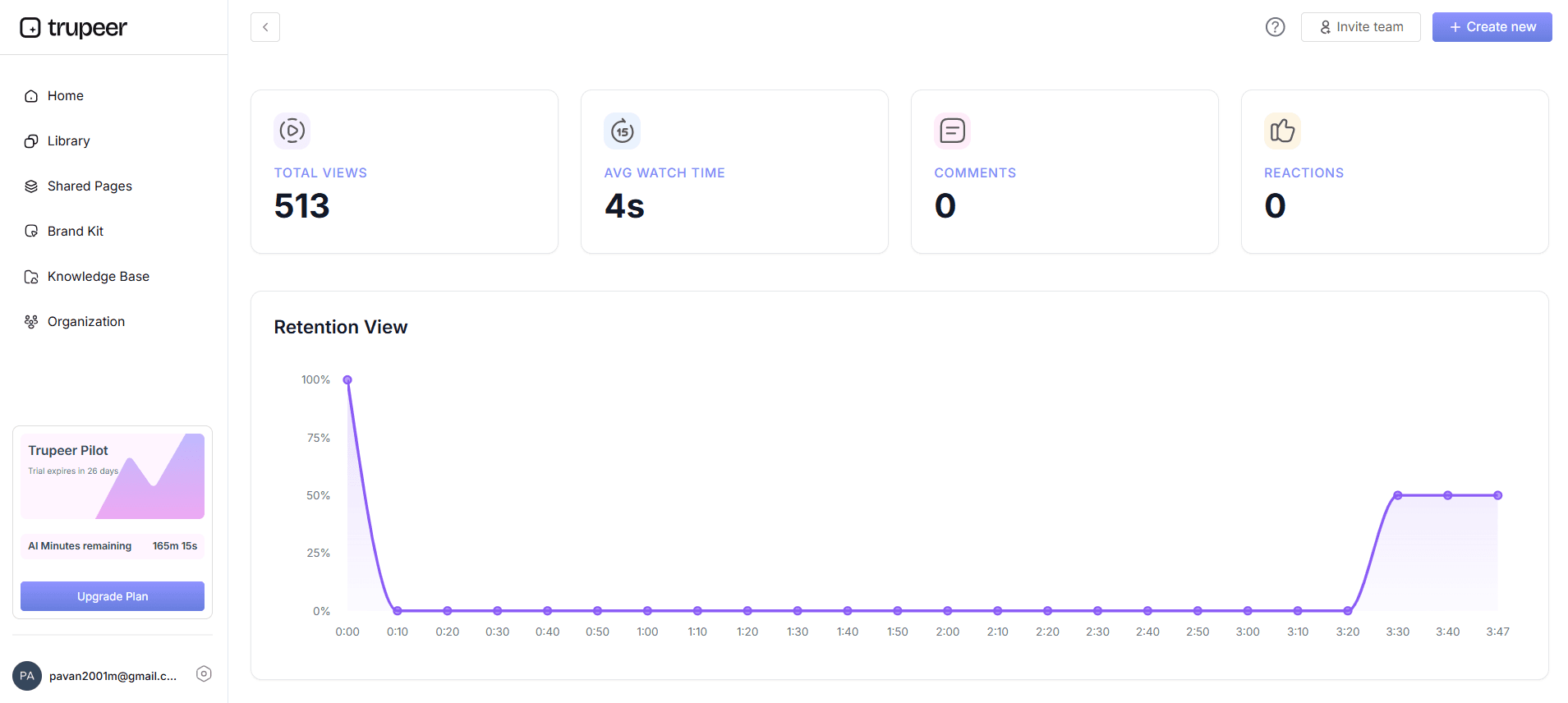
Understanding how citizens interact with tutorial videos is essential for improving content and service delivery. Trupeer provides detailed engagement analytics, including drop-off rates and heatmaps. These insights help government agencies identify which parts of the videos are most effective and where improvements are needed. By analyzing viewer behavior, you can refine your content to better meet the needs of your audience. The AI easy video editing software for training videos allows you to make necessary adjustments based on these analytics, ensuring that your tutorial videos remain engaging and effective. This is exactly where software tutorial videos for cooperatives becomes useful — and it's the kind of content Trupeer can generate directly from a simple screen recording.

How do you create citizen service tutorial videos step by step with Trupeer?

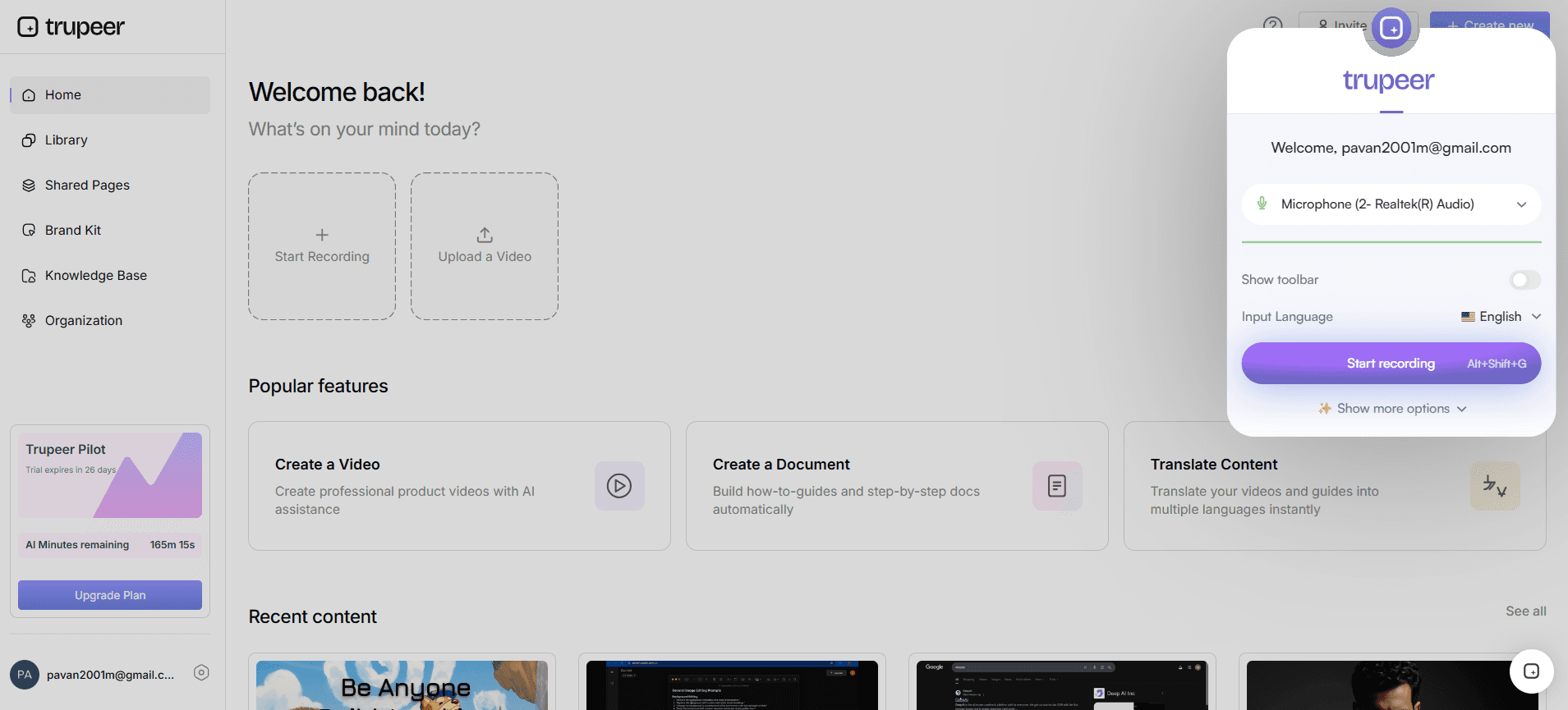
Step 1: Capture Your Screen

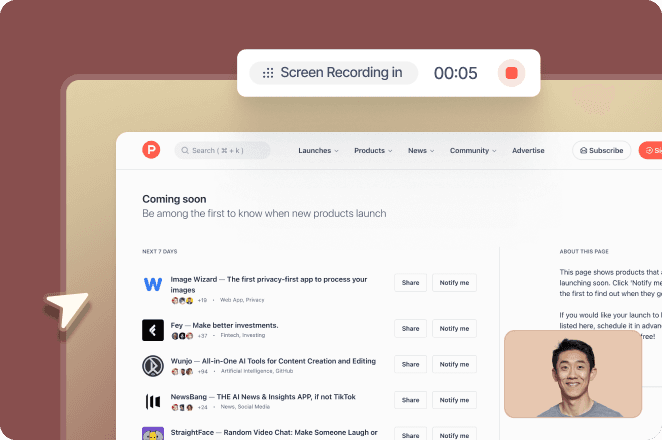
Begin by launching Trupeer’s browser-based recorder, which requires no installation. Navigate to the government service platform you want to demonstrate. Use the AI screen recording feature with auto-zoom and click detection to highlight important actions automatically. As you perform tasks on-screen, such as filling out a form or handling a web portal, Trupeer intelligently zooms in on these areas, ensuring clarity for viewers. This process takes about 10-15 minutes, depending on the complexity of the service. The automatic click detection minimizes the need for manual editing later, simplifying the capture process.

Capture Your Screen

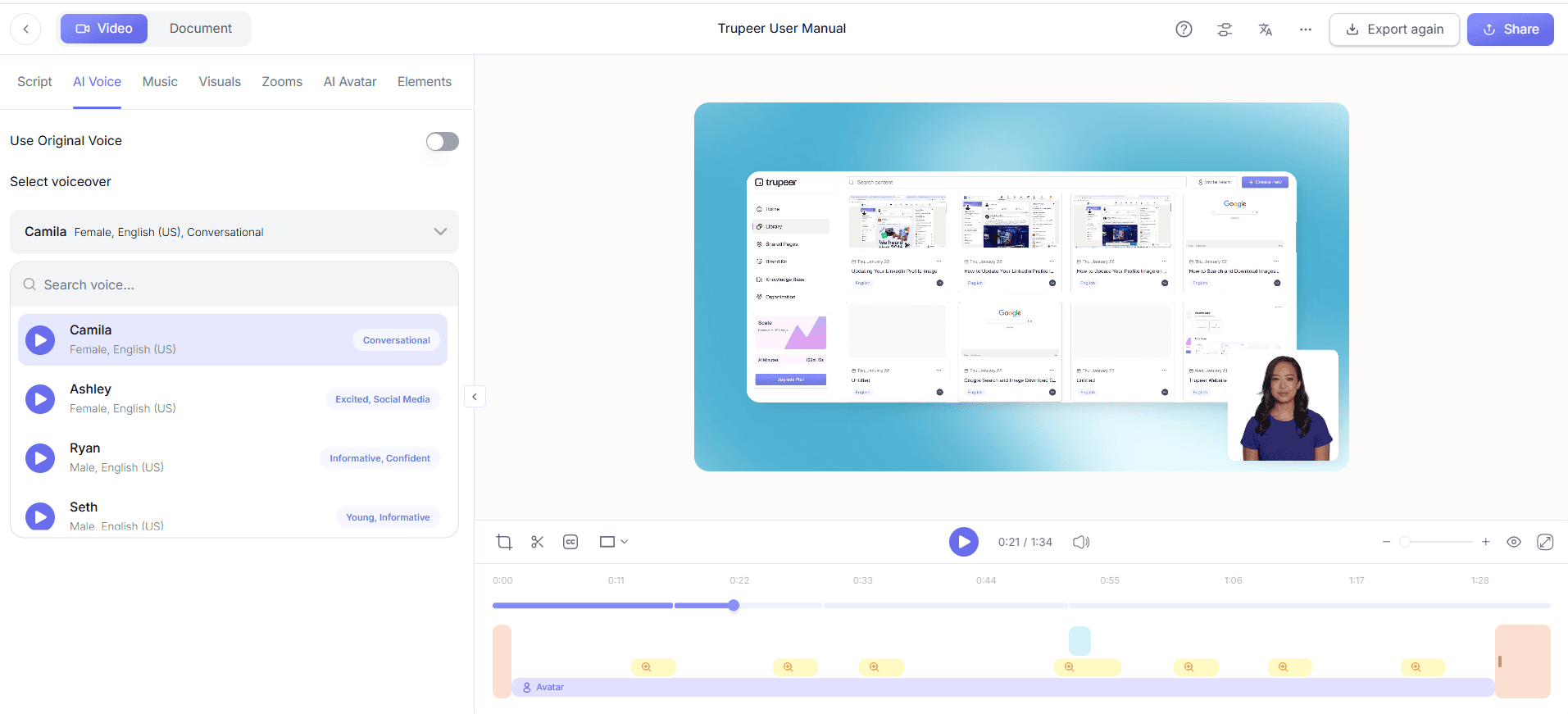
Step 2: Add AI Voiceover

Once your screen recording is complete, it's time to add a voiceover. Trupeer offers AI voiceover in over 65+ natural voices, which you can select based on the desired language and tone. Simply upload your recording and choose a voice that matches your audience's preferences. Adjust the pace and tone to ensure the narration complements the visual content. This process takes roughly 5 minutes. For multilingual audiences, create multiple versions by selecting different languages, using Trupeer’s AI dubbing feature for smooth audio integration.

Add AI Voiceover

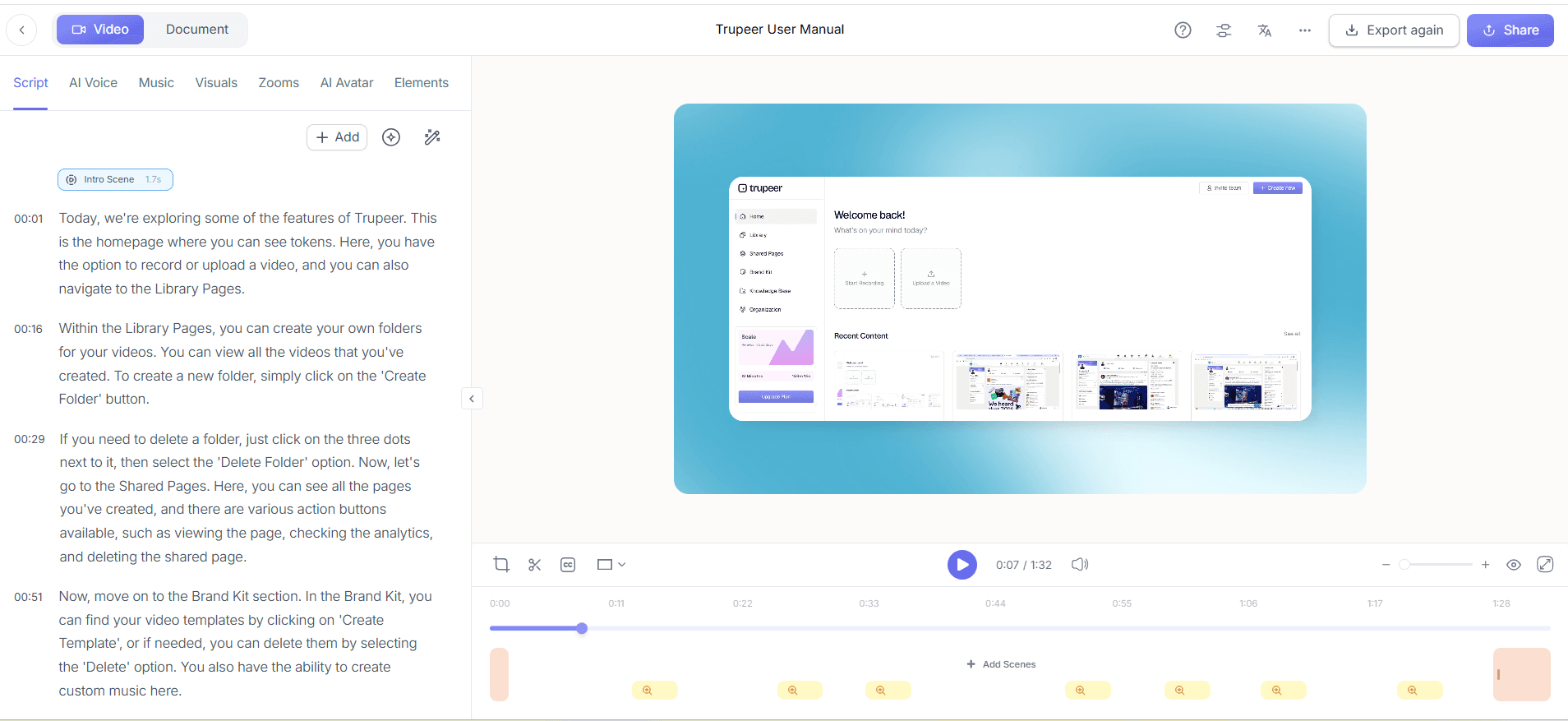
Step 3: Edit and Enhance Your Video

Use Trupeer’s AI editing tools to refine your video. Automatic filler-word removal eliminates unnecessary 'ums' and 'ahs,' ensuring a professional and concise presentation. also, you can incorporate AI avatars to introduce or guide through the video, adding a human touch. Trupeer's editing tool also offers brand kits to maintain a consistent visual style aligned with your government agency’s branding. This editing phase typically takes 10-20 minutes, depending on the extent of customization needed and whether you’re using the beginner friendly video editor for training videos tool to assist.

Edit and Enhance Your Video

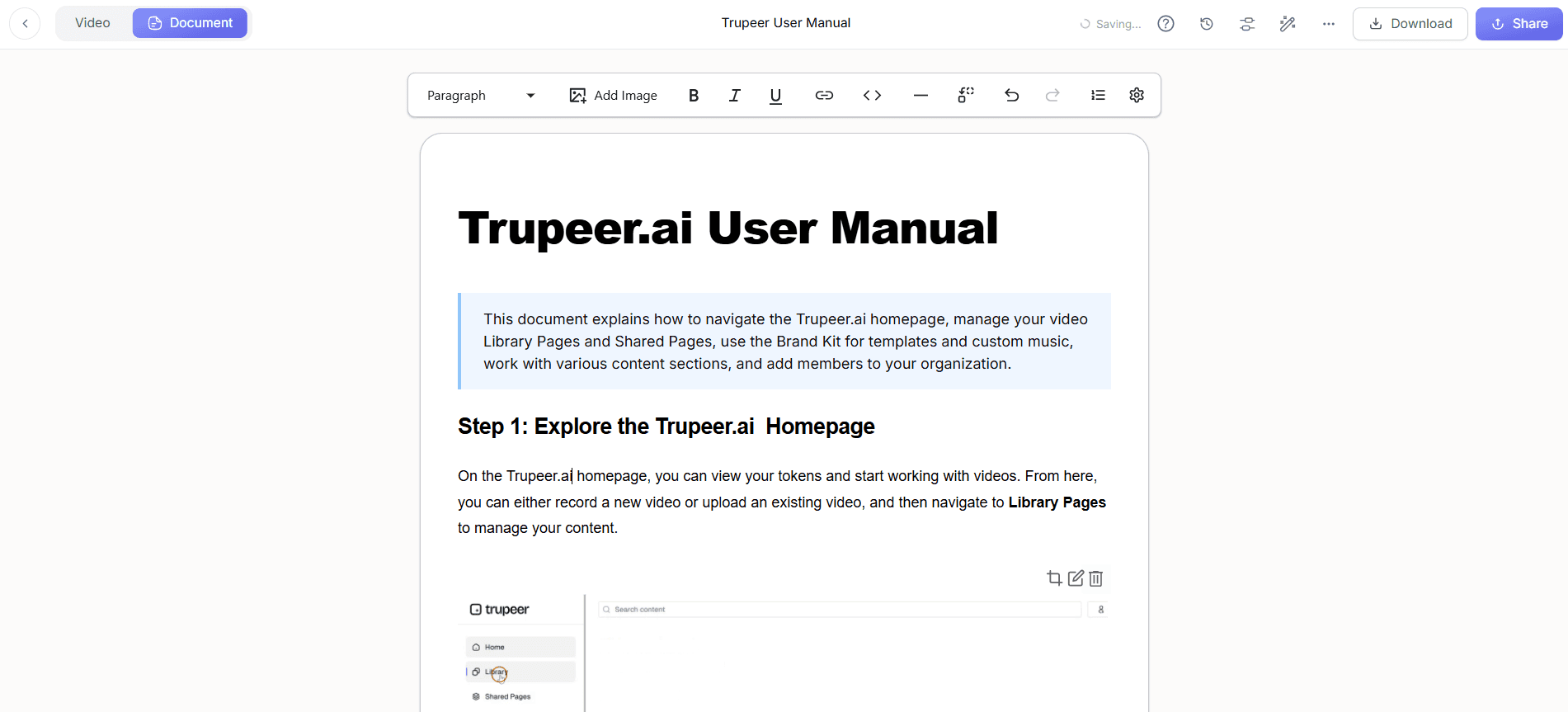
Step 4: Generate SOP and Documentation

Trupeer allows you to automatically generate Standard Operating Procedures (SOPs) from your video. Simply select the option to create a document from your completed video. Trupeer will produce an edit-ready SOP, capturing all the steps demonstrated in the video. This document can be exported as MP4, HTML, PDF, or SCORM, making it versatile for different uses. This step is crucial for maintaining consistency and ensuring that all procedural details are documented accurately. It takes about 5 minutes to generate and review the SOP.

Generate SOP and Documentation

Step 5: Translate and Localize

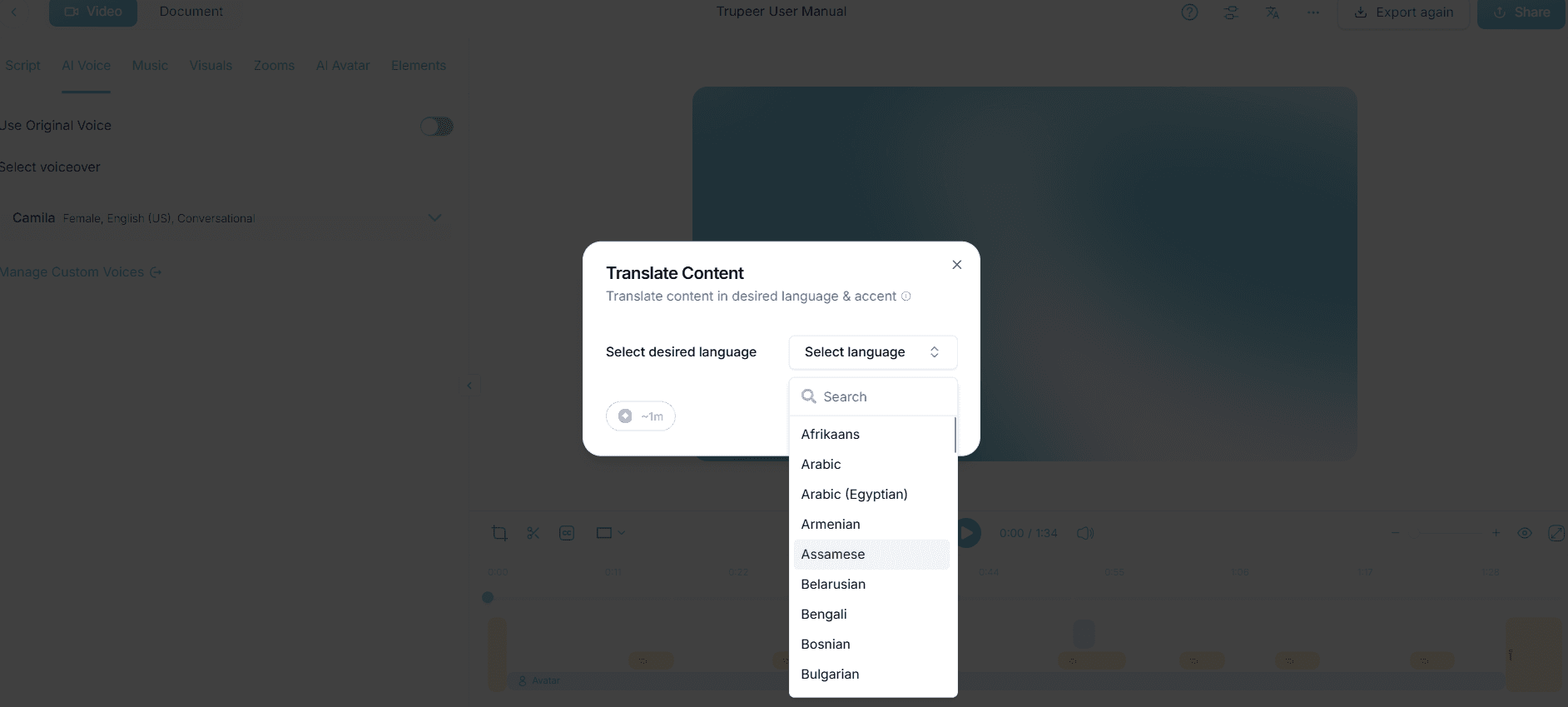
With Trupeer’s AI translation feature, you can translate your video into over 40 languages. This ensures accessibility to a diverse citizen base. Use the translation tool to select the desired languages, and Trupeer will adjust the video with synchronized lip-sync. This is particularly useful for non-English speaking audiences, ensuring they receive the same quality of information. The translation and localization process typically takes about 15 minutes per language, making it an efficient way to broaden your video’s reach.

Translate and Localize

Step 6: Distribute and Analyze Viewer Engagement

After finalizing your video, distribute it through Trupeer’s AI-searchable knowledge base. Host it on a custom-domain with SSO to ensure security and ease of access. You can also embed video widgets directly into government portals for in-app guidance. Once live, use Trupeer’s viewer engagement analytics to track how citizens interact with your videos. Analyze heatmaps and drop-off rates to identify sections where viewers lose interest, allowing you to refine content for better engagement. Reviewing analytics and making adjustments typically takes about 30 minutes weekly.

Distribute and Analyze Viewer Engagement

What tips help you create citizen service tutorial videos?

Creating effective tutorial videos for citizen services involves more than just recording a screen. Here are some practical tips to enhance your video content and ensure it serves its purpose effectively:

  • Understand Your Audience. Tailor your content to meet the needs of your audience. Consider their language, technical skills, and accessibility requirements when designing your video.

  • Keep It Concise. Aim for brevity to maintain engagement. Use the video tutorial tool to edit out unnecessary content and keep the message clear.

  • Use Visual Cues. Incorporate arrows, highlights, and annotations to draw attention to key points. This helps viewers follow along more easily.

  • Test with Real Users. Before finalizing, test your video with a small group of citizens to get feedback on clarity and usability. Adjust based on their responses to improve quality.

  • Regularly Update Content. Government services and processes can change, so ensure your videos are up to date. Schedule regular reviews to keep content current.

  • Provide Supplementary Materials. Offer downloadable PDFs or links to additional resources for those who need more detailed information or prefer text-based content.

  • Promote Interactivity. Encourage questions and feedback through comments or forums. This engagement can provide valuable insights and help improve future videos.

  • When SOPs come into the same conversation, a Scribe alternatives comparison helps clarify the scope.

Frequently asked questions

How can I make my tutorial videos accessible to non-English speakers?

To make tutorial videos accessible to non-English speakers, use AI translation tools like Trupeer’s AI dubbing feature. This tool translates content into over 40 languages and ensures lip-sync accuracy, allowing non-English audiences to understand the video fully. By offering translated versions, you cater to a broader audience, enhancing accessibility and inclusivity. It’s crucial to review these translations for cultural accuracy and relevance, ensuring that the content resonates with diverse linguistic groups effectively. Incorporating subtitles can further improve accessibility.

What tools can help simplify the tutorial video creation process?

Trupeer offers a suite of tools designed to simplify video creation, including AI screen recording with auto-zoom, AI voiceover, and automatic SOP generation. These tools reduce the need for extensive manual editing by automating many processes. For instance, the AI screen recording highlights key areas, while the voiceover tool provides natural-sounding narration. Using such tools, you can create polished videos efficiently, saving time and resources. Comparing Loom alternatives for teams can also help you choose the best fit for your needs.

Why is video analytics important in tutorial video creation?

Video analytics provide insights into how viewers interact with your content, highlighting areas of success and those needing improvement. Trupeer's analytics feature tracks metrics like viewer engagement, drop-off rates, and heatmaps. This data helps identify which parts of the video are most engaging and where viewers lose interest. By analyzing these metrics, you can refine your content to better meet the needs of your audience, ensuring that your tutorial videos are both effective and engaging. Regularly reviewing analytics helps maintain video relevance and impact.

Can Trupeer help with video localization for diverse audiences?

Yes, Trupeer's AI translation and dubbing features facilitate video localization, making it easier to reach diverse audiences. The platform supports translations into over 40 languages, complete with accurate lip-sync, ensuring that the content is accessible and engaging for non-English speakers. This localization capability is crucial for government agencies aiming to provide inclusive services. also, using a video localization tool ensures that cultural nuances are respected and conveyed correctly, enhancing the video's effectiveness across different regions.

Does using AI in video creation compromise content quality?

No, using AI in video creation can actually enhance content quality by providing consistent, professional outputs. Trupeer’s AI tools automate tasks such as voiceovers and translations while maintaining high-quality standards. The automation of repetitive tasks allows creators to focus on content strategy and creative inputs, ensuring that the video is both informative and engaging. AI also ensures that the content is free from human error, such as inconsistent narration or translation mistakes, so improving overall quality and reliability.

動画編集者、翻訳者、脚本家が必要ですか?

Trupeerを無料でお試しください

デモを予約する

動画編集者、翻訳者、脚本家が必要ですか?

Trupeerを無料でお試しください

デモを予約する

動画編集者、翻訳者、脚本家が必要ですか?

Trupeerを無料でお試しください

デモを予約する