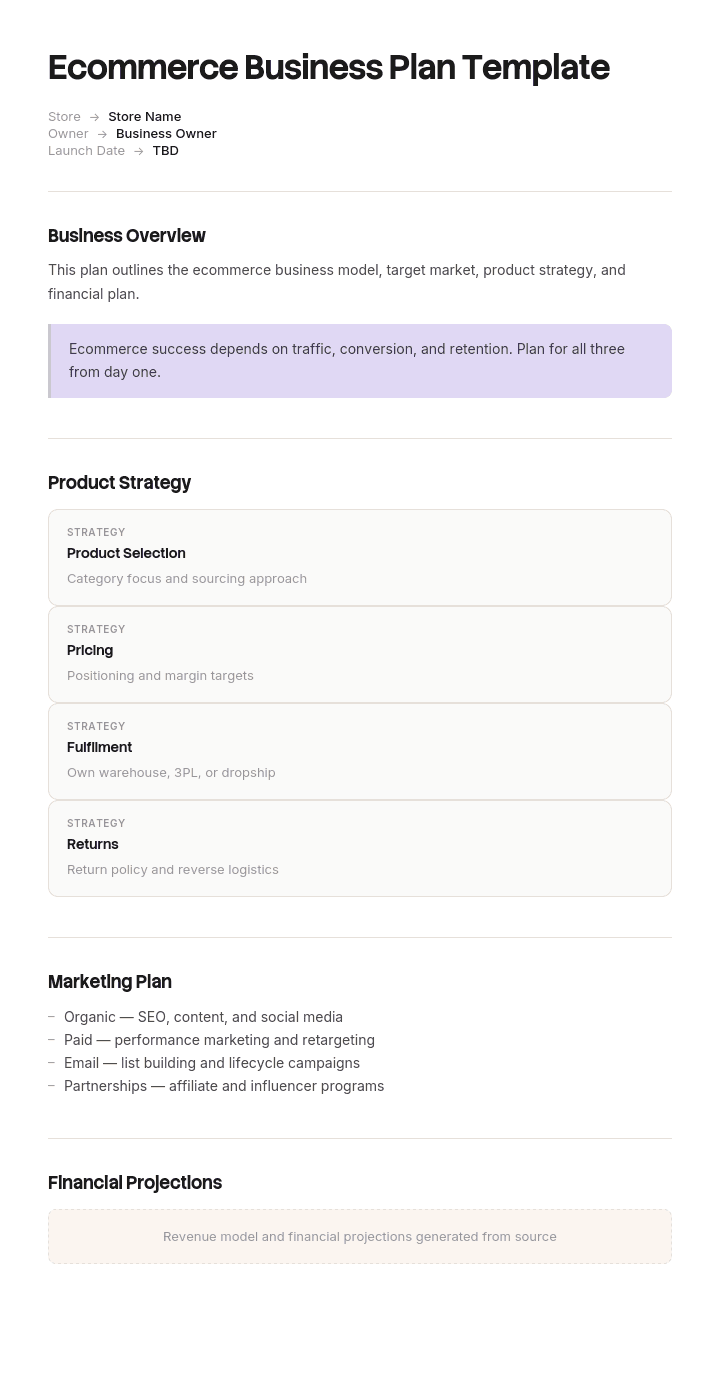
Utilisez ce modèle
Le business plan e-commerce est différent d’un plan d’affaires traditionnel : ce sont le produit, l’exécution (fulfillment), les canaux marketing et l’économie unitaire (unit economics) qui dominent. Avec Trupeer, vous pouvez gagner des heures sur la planification en commençant par un modèle de business plan e-commerce gratuit, en le personnalisant avec votre identité de marque, puis en transformant le plan en une vidéo de pitch parfaite pour les investisseurs et les partenaires.
La plupart des business plans e-commerce décrivent d’abord une boutique, puis y ajoutent des projections de revenus qui augmentent. Ils répondent rarement aux deux questions qui déterminent si l’entreprise survit : chaque commande génère-t-elle de l’argent une fois tous les coûts pris en compte, et pouvez-vous financer l’écart entre le paiement des fournisseurs et le moment où vous êtes payé.
Ce modèle couvre les sections standard du plan, mais le travail se fait dans le tableur.
Télécharger le modèle de business plan e-commerce
Format | Idéal pour |
|---|---|
Word (.docx) | Le plan rédigé pour les prêteurs, investisseurs ou votre propre réflexion |
Excel (.xlsx) | L’économie unitaire, le modèle de trafic, le cycle de trésorerie et les projections sur trois ans |
PowerPoint (.pptx) | La version pitch deck, douze slides |
Le plan final prêt à être diffusé | |
Google Docs et Sheets | Rédaction collaborative avec un cofondateur |
Gratuit, modifiable, sans filigrane. Le fichier Excel est celui qui compte ici. Un plan e-commerce narratif sans modèle d’économie unitaire, c’est une description, pas un plan.
Qu’est-ce qui rend un business plan e-commerce différent
Un plan d’affaires général se demande si le marché existe et si vous pouvez l’atteindre. Un business plan e-commerce doit répondre à quatre questions supplémentaires, et elles sont toutes arithmétiques.
Chaque commande génère-t-elle un bénéfice après le coût du produit, l’expédition, les frais de paiement, l’emballage, l’exécution (fulfillment) et les retours ?
Pouvez-vous acquérir un client pour moins que sa valeur, et combien de temps faut-il pour récupérer cet argent ?
D’où vient le trafic, à quel coût, avec un taux de conversion de combien ?
Combien de trésorerie le cycle de rotation des stocks consomme, et est-ce que cela s’aggrave quand vous grandissez ?
La dernière est celle qui fait mourir les entreprises e-commerce. Une boutique rentable et en croissance peut manquer de trésorerie, et c’est très souvent le cas.
Comment personnaliser ce modèle dans Trupeer
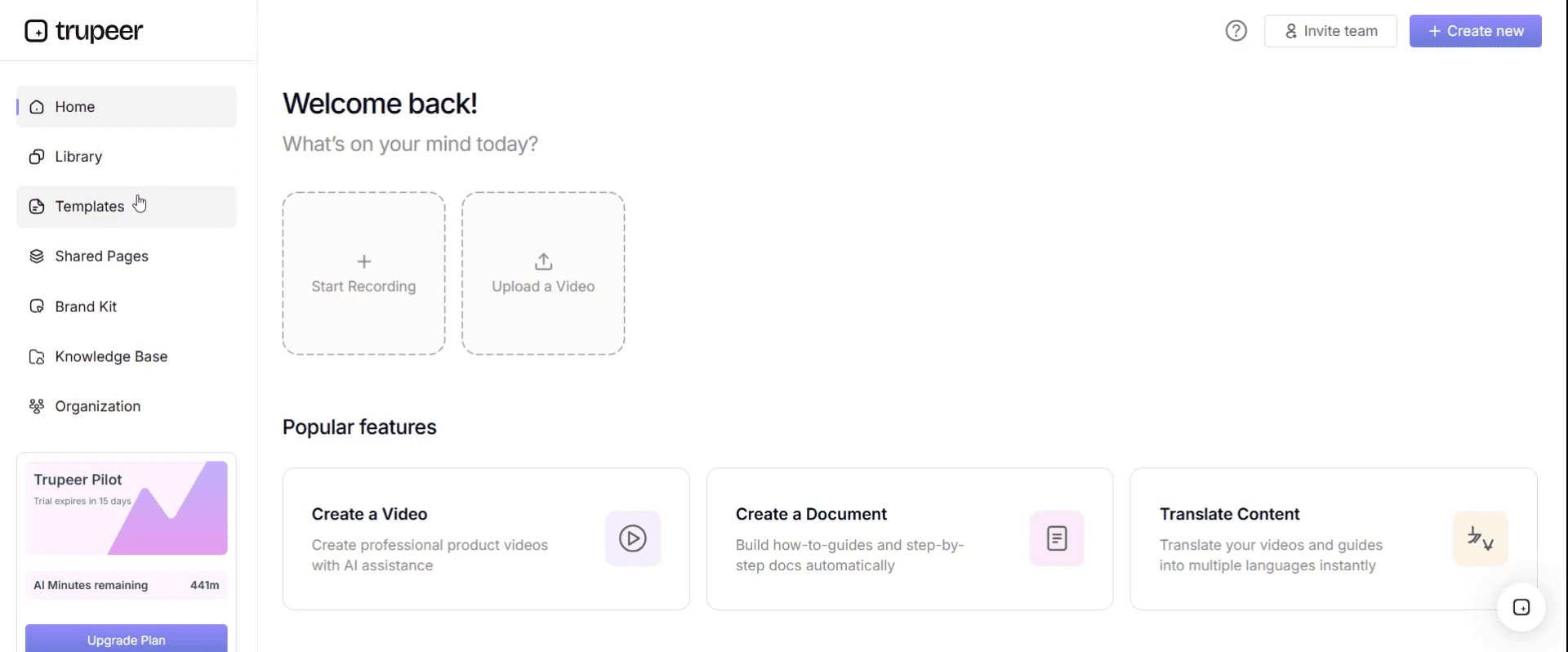
Étape 1 : Ouvrir la section Templates
Allez dans la section Templates depuis la navigation principale.
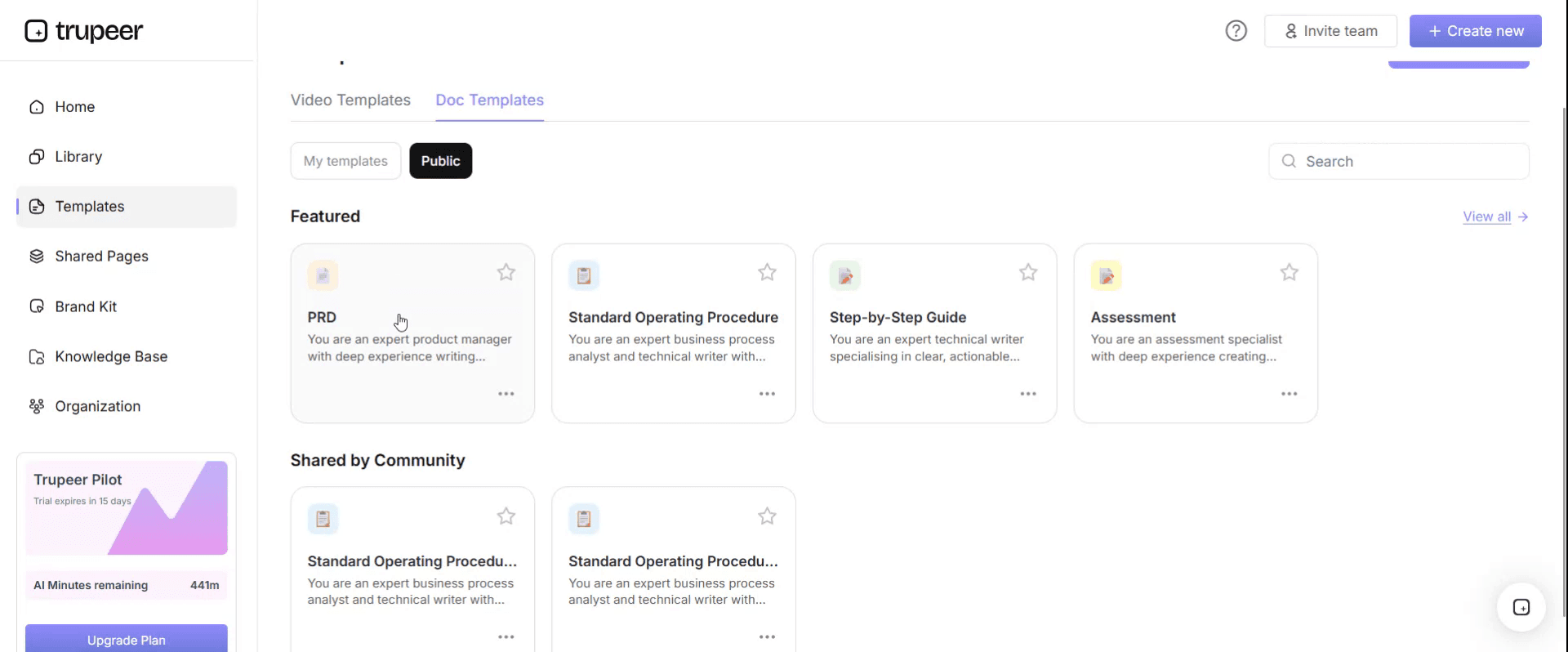
Étape 2 : Sélectionner et ouvrir un modèle
Cliquez sur n’importe quel modèle avec lequel vous souhaitez travailler pour l’ouvrir.
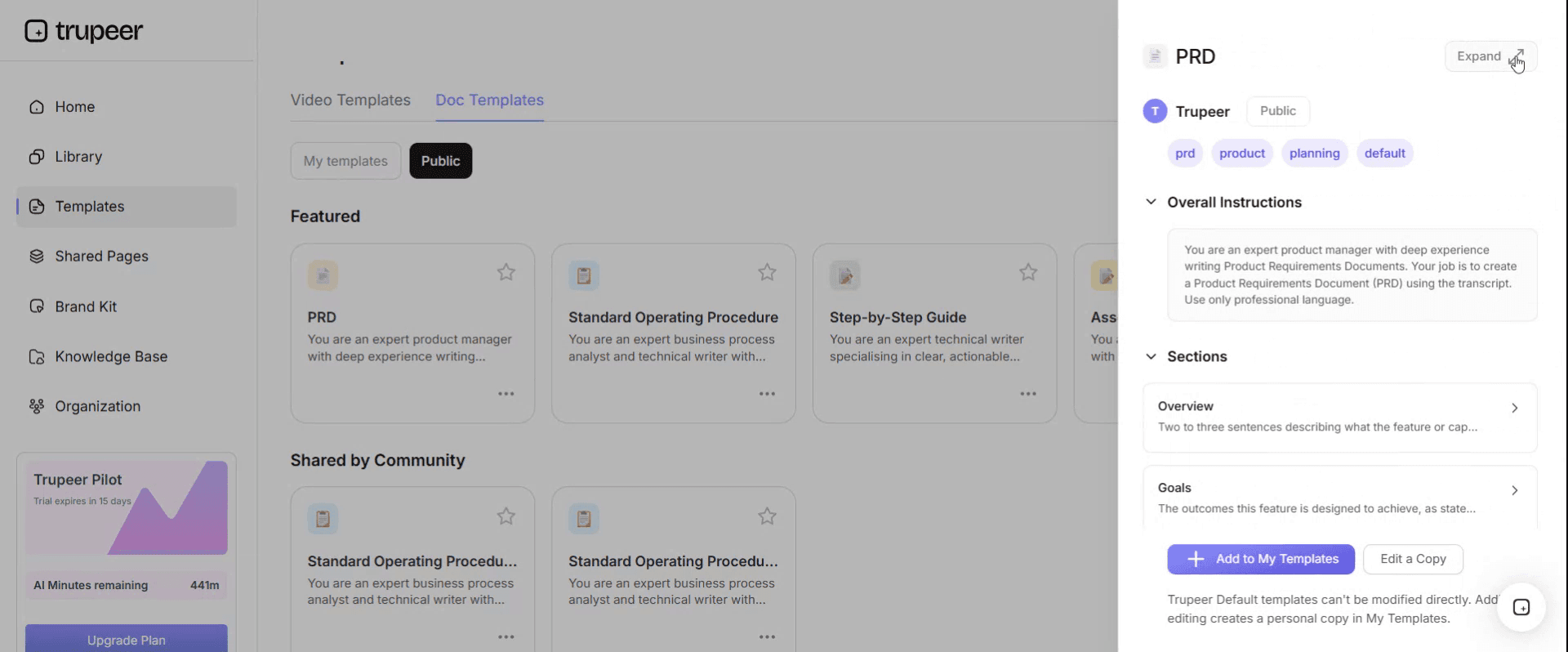
Étape 3 : Développer l’aperçu du modèle
Si nécessaire, développez l’aperçu du modèle pour voir clairement la mise en page complète et les détails.
Étape 4 : Modifier le modèle
Cliquez sur Edit pour commencer à modifier le modèle sélectionné.
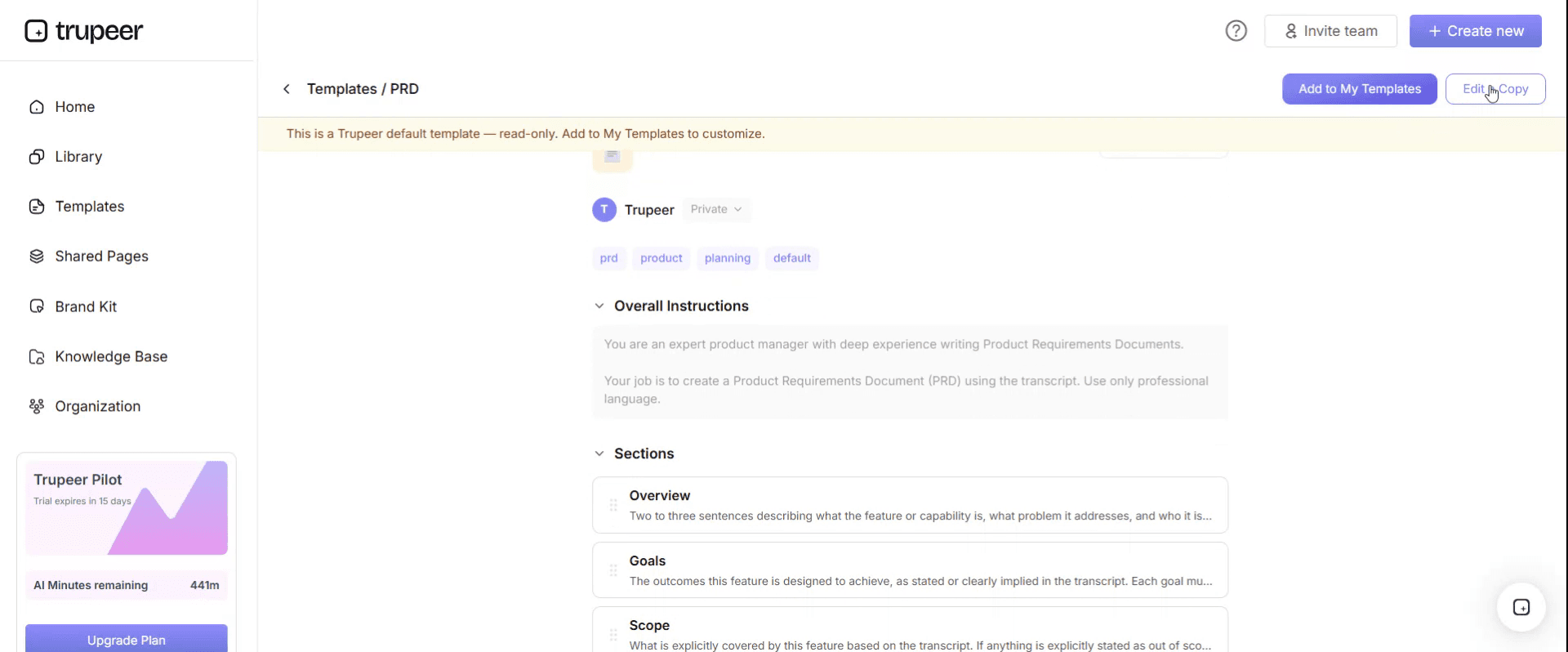
Dans l’éditeur, vous pouvez :
Ajouter de nouvelles sections
Définir ou mettre à jour des règles de mise en forme
Ajouter un logo et ajuster sa position ainsi que les paramètres associés
Étape 5 : Enregistrer votre modèle personnalisé
Après avoir effectué toutes les modifications nécessaires, cliquez sur Save pour enregistrer le modèle mis à jour comme le vôtre.
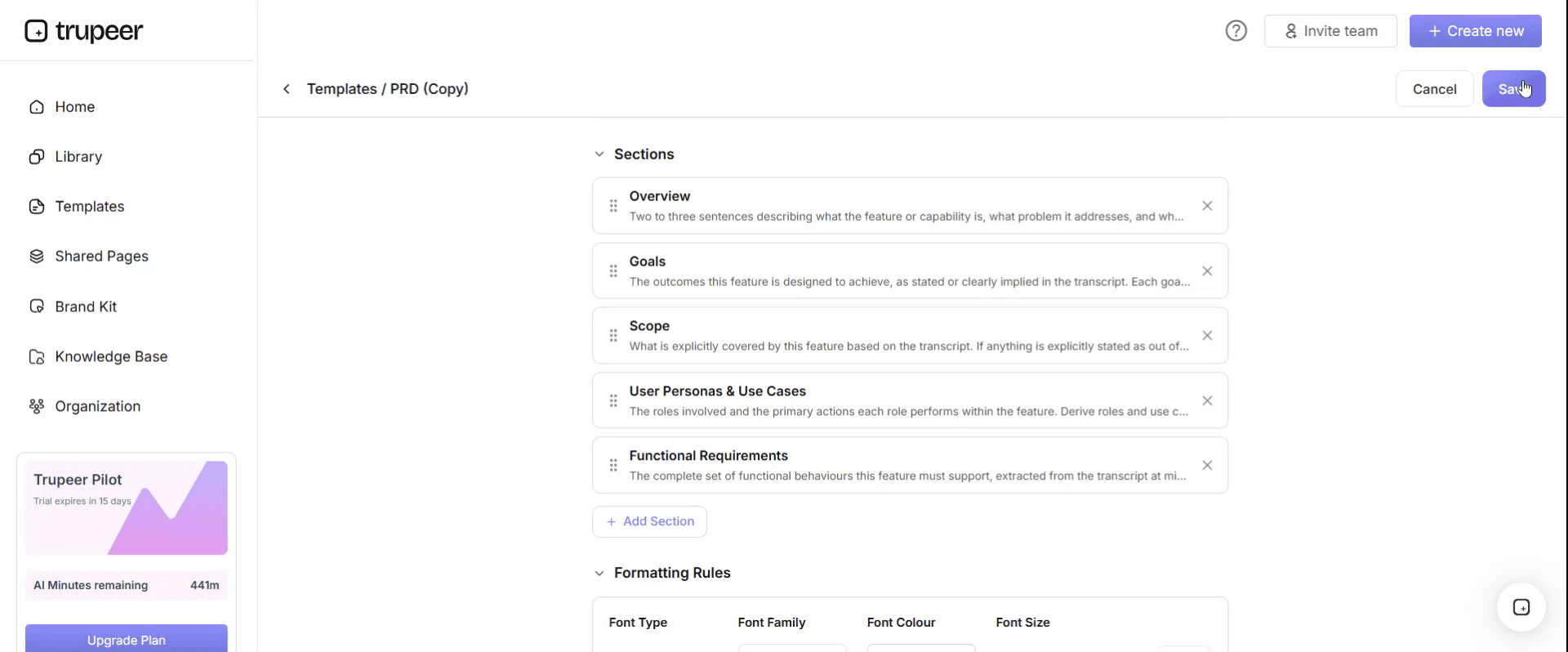
Étape 6 : Prévisualiser et affiner le modèle
Quand vous souhaitez voir à quoi ressemble votre modèle personnalisé, ouvrez la Prévisualisation.
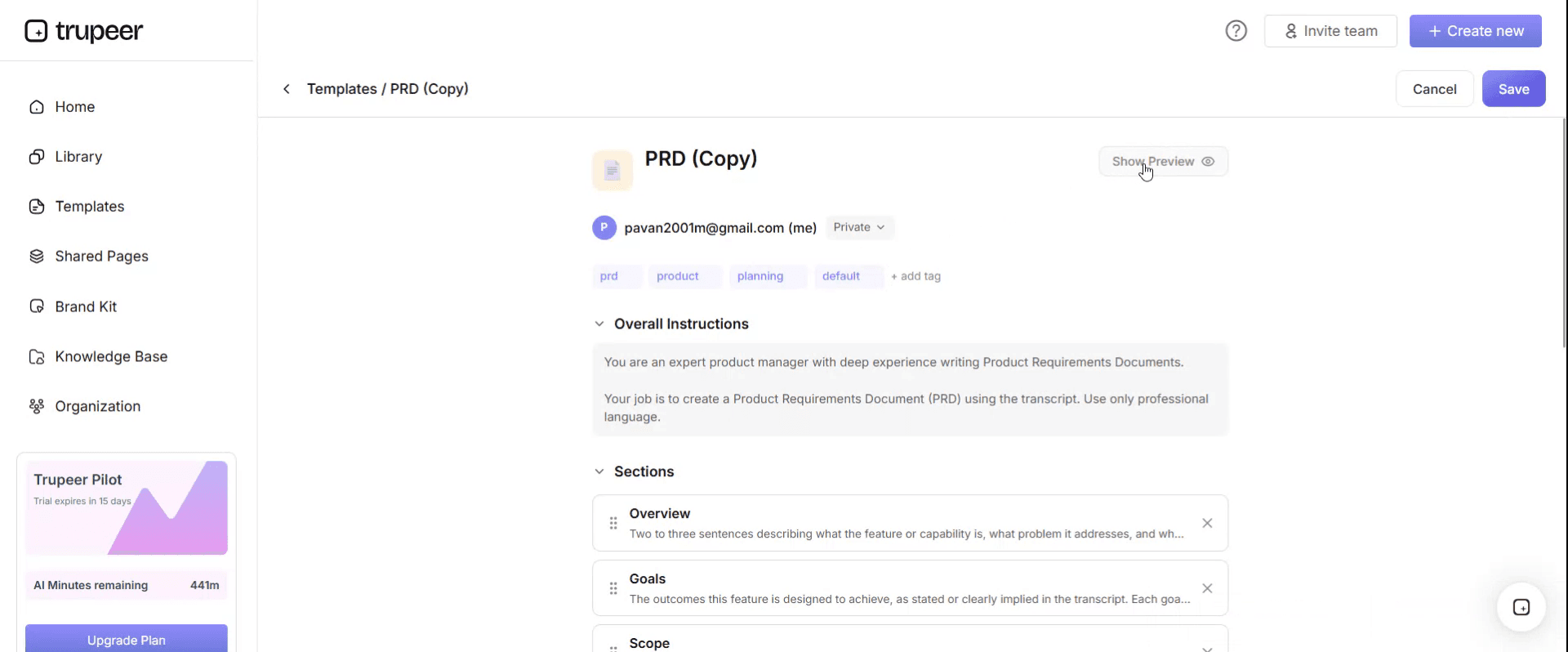
Depuis l’écran de prévisualisation, vous pouvez continuer à effectuer des ajustements directement si nécessaire, afin de garantir que le modèle apparaît exactement comme vous le souhaitez.
Avec un modèle de business plan e-commerce, vous pouvez :
Gagner du temps sur la rédaction : évitez la page blanche grâce à une structure conçue pour les entreprises en ligne.
Couvrir les spécificités e-commerce : des sections pour l’approvisionnement, l’exécution (fulfillment), les canaux et l’économie unitaire.
Rester fidèle à votre marque : appliquez votre logo, vos polices et vos couleurs grâce au brand kit de Trupeer.
Faire un pitch percutant : transformez le plan en vidéo pour les investisseurs.
Itérer rapidement : mettez à jour le plan et régénérez la vidéo à mesure que l’activité évolue.
Toucher des investisseurs à l’international : traduisez le plan en 65+ langues en un clic.
Les quatre chiffres qui font la différence
Nombre | Ce que cela vous indique | Signal de danger (approx.) |
|---|---|---|
Marge sur contribution par commande | Si une commande vaut la peine d’être exécutée | En dessous de 30% du panier moyen (AOV), il ne reste rien pour le marketing et les frais généraux |
Récupération du CAC | Combien de commandes avant de récupérer le coût d’acquisition | Plus de deux commandes sur un produit avec un faible taux de réachat |
Taux de réachat et commandes par client | Si vous avez une entreprise ou une simple série de transactions | En dessous de 20% la première année rend l’acquisition payante très difficile |
Cycle de conversion de trésorerie | Combien de temps votre argent reste immobilisé | Au-delà de 90 jours : la croissance nécessite un financement externe |
Le reste du plan n’est que du contexte autour de ces quatre éléments.
Marge sur contribution par commande
Commencez par là, car cela contraint tout le reste. L’erreur consiste à s’arrêter à la marge brute, qui ignore la majeure partie de ce que coûte réellement une commande.
Exemple, pour une commande moyenne de 65 £ :
Ligne | Montant |
|---|---|
Panier moyen (AOV) | 65,00 £ |
Coût des marchandises, 38% | −24,70 £ |
Coût d’expédition 5,20 £, payé par le client 3,95 £ | −1,25 £ |
Traitement des paiements, 2,4% + 0,20 £ | −1,76 £ |
Emballage | −0,90 £ |
Préparation et expédition, 3PL | −2,10 £ |
Provision pour retours, taux de 12% à 8,50 £ par retour | −1,02 £ |
Contribution avant marketing | 33,27 £ |
Marge sur contribution | 51,2% |
Ce chiffre, 33,27 £, correspond à ce dont vous disposez pour acquérir le client et couvrir les frais généraux. Pas 40,30 £, que donnerait un calcul de marge brute.
Trois lignes sont le plus souvent oubliées. La livraison gratuite n’est pas gratuite : c’est une ligne de marge. Les retours ne sont pas une exception : ce sont un coût par commande pour l’ensemble de l’activité. Et le traitement des paiements sur une commande de 65 £ est plus élevé que ce que la plupart des gens imaginent.
Coût d’acquisition client et récupération
En poursuivant le même exemple. Un budget publicitaire mensuel de 18 000 £ pour acquérir 420 nouveaux clients donne un CAC de 42,86 £.
Comparez-le à la contribution de 33,27 £ sur la première commande. La première commande perd 9,59 £. Ce n’est pas forcément un problème, mais cela signifie que l’entreprise ne fonctionne que si les clients reviennent.
Avec un taux de réachat de 34% la première année, soit en moyenne 1,6 commande par client, la contribution sur la première année est de 53,23 £ par client. Face à un CAC de 42,86 £, cela fait un ratio de 1,24.
C’est faible. Cela signifie que chaque client génère environ 10 £ pour les frais généraux au cours de sa première année, et que l’entreprise a besoin soit d’un taux de réachat plus élevé, soit d’un panier moyen (AOV) plus élevé, soit d’une acquisition moins coûteuse. La plupart des plans montreraient cette entreprise comme rentable, car la marge brute semble saine et les revenus augmentent.
Faites ce calcul avant d’écrire quoi que ce soit d’autre. Si le ratio est inférieur à 2, indiquez-le dans le plan et expliquez ce que vous allez changer, car tout lecteur expérimenté fera l’arithmétique lui-même.
Le modèle de trafic
Les projections de revenus dans le e-commerce doivent être construites à partir du trafic, pas simplement affirmées.
Sessions × taux de conversion × panier moyen (AOV) = revenus.
Cela impose trois hypothèses honnêtes. Combien de sessions pouvez-vous réellement obtenir, d’où, à quel coût. Quel taux de conversion est réaliste pour votre catégorie et votre stade, et une nouvelle boutique ne doit pas supposer la moyenne du secteur. Et si votre hypothèse d’AOV tient quand vous passez à un trafic plus froid, car il baisse généralement.
Construisez-le par canal, car les chiffres “mélangés” masquent le problème :
Canal | Sessions | Taux conv. | Commandes | AOV | Revenus | Coût | CAC |
|---|---|---|---|---|---|---|---|
Recherche payante | 14 000 | 2,1% | 294 | 62 £ | 18 228 £ | 11 200 £ | 38,10 £ |
Social payant | 22 000 | 1,1% | 242 | 58 £ | 14 036 £ | 6 800 £ | 28,10 £ |
Organique | 9 500 | 2,4% | 228 | 71 £ | 16 188 £ | — | — |
6 200 | 4,8% | 298 | 74 £ | 22 052 £ | 450 £ | — | |
Direct | 4 100 | 3,2% | 131 | 68 £ | 8 908 £ | — | — |
En “mélangé”, cela semble correct. Par canal, la recherche payante acquiert des clients à 38 £ contre une contribution de 33 £ sur la première commande, et l’e-mail porte l’activité. Cette distinction change ce que vous faites, et elle n’apparaît que lorsque vous séparez le modèle.
Le cycle de conversion de trésorerie
La section que presque aucun business plan e-commerce n’inclut, et celle qui détermine si vous survivez à votre propre croissance.
Vous payez un acompte fournisseur, vous attendez la production, vous attendez l’expédition, vous stockez, puis vous vendez. Les paiements par carte se régularisent rapidement : l’argent entre au moment de l’achat. Mais vous avez dépensé la trésorerie des mois plus tôt.
Pour la même entreprise d’exemple :
Étape | Jours |
|---|---|
Acompte fournisseur jusqu’à biens prêts | 45 |
Expédition et douanes | 20 |
Nombre moyen de jours de stock avant vente | 75 |
Paiement reçu après la vente | 2 |
Trésorerie immobilisée par cycle | 138 jours |
Avec 420 commandes par mois et 38% de COGS, vous consommez environ 10 400 £ de stock chaque mois. Garder 75 jours de stock signifie environ 26 000 £ immobilisés sur les étagères, plus environ 21 000 £ en production et en transit. Appelez cela 47 000 £ de fonds de roulement rien que pour fonctionner au volume actuel.
Maintenant, augmentez de 30%. Vous avez besoin d’environ 61 000 £. Les 14 000 £ supplémentaires doivent venir de quelque part, et cela arrive avant que les revenus additionnels ne se matérialisent. C’est pourquoi les entreprises e-commerce rentables manquent de trésorerie, et pourquoi le plan doit inclure une ligne de fonds de roulement plutôt qu’un simple compte de résultat.
Trois éléments raccourcissent le cycle : des conditions fournisseurs plutôt que des acomptes, moins de stock immobilisé, et une rotation plus rapide des stocks. Indiquez dans le plan lequel des trois vous privilégiez.
La structure du plan
Sections standard, avec ce qui change pour l’e-commerce.
Section | Contenu spécifique e-commerce |
|---|---|
Résumé exécutif | Commencez par l’économie unitaire, pas par la vision |
Présentation de l’entreprise | Modèle : marque propre, revendeur, dropship, marketplace, abonnement |
Produits | Gamme, nombre de SKU, marge par catégorie, saisonnalité |
Analyse client | Qui achète, fréquence d’achat, composition du panier |
Analyse des concurrents | Concurrents nommés, leurs prix, leur positionnement |
Stratégie marketing | Mix des canaux, CAC par canal, le modèle de trafic |
Opérations | Modèle d’exécution (fulfillment), 3PL ou en interne, gestion des retours, service client |
Technologie | Plateforme, intégrations, prestataires de paiement |
Plan financier | Économie unitaire, modèle de trafic, P&L, flux de trésorerie, fonds de roulement |
Demande de financement | Montant, ce que cela achète, et précisément la part de fonds de roulement |
La section opérations est plus fine dans la plupart des business plans e-commerce que ce qu’elle devrait être. Les erreurs d’exécution (fulfillment) et la gestion des retours sont les deux choses les plus susceptibles de nuire à une jeune boutique, et ce sont des sujets opérationnels plutôt que stratégiques.
Projections financières
Quatre états, dans cet ordre d’importance.
Économie unitaire. Une commande, entièrement chiffrée. Tout le reste en dépend.
Flux de trésorerie. Mensuel pendant au moins dix-huit mois, avec les achats de stocks indiqués au moment où la trésorerie sort, plutôt qu’au moment où les marchandises sont vendues. C’est l’état le plus important et celui qui est le plus souvent mal fait.
Compte de résultat. Trois ans, mensuel pour la première année.
Besoin en fonds de roulement. Combien de trésorerie le cycle de rotation des stocks immobilise à chaque niveau de revenus, présenté à mesure que les revenus augmentent.
Si un lecteur n’a le temps que pour un seul élément, il regardera le flux de trésorerie. Faites-en celui que vous avez le plus travaillé.
Retours
Les retours sont un coût de fonctionnement en e-commerce, pas une anomalie, et les exclure du modèle surestime fortement la marge.
Modélisez trois choses : le taux, qui varie énormément selon la catégorie, de quelques pour cent pour les produits de consommation courante à plus de 30% pour l’habillement. Le coût par retour, qui couvre l’expédition aller-retour, l’inspection, la remise en stock, et la part qui ne peut pas être revendue au prix plein. Et l’impact sur la planification des stocks, puisque les produits retournés reviennent de manière imprévisible.
Ensuite, indiquez votre politique de retours dans le plan, car une politique généreuse est une décision marketing avec un coût de marge direct, et les deux doivent être évalués ensemble.
Exécution (fulfillment) et expédition
Exécution en interne : c’est moins coûteux par commande à faible volume et cela vous donne le contrôle sur l’expérience de déballage. Cela limite la montée en charge quelque part entre cinquante et quelques centaines de commandes par jour, selon la complexité, et c’est une mauvaise utilisation du temps du fondateur plus tôt que la plupart des gens ne l’admettent.
Logistique tierce (3PL) : cela coûte plus cher par commande, mais transforme un coût fixe en coût variable et supprime une contrainte de croissance. Demandez des devis réels plutôt que d’estimer, car la préparation et l’expédition, le stockage, la réception et la gestion des retours sont facturés séparément, et le taux affiché n’est pas le coût réel.
Expédition facturée au client : c’est un levier de conversion et une ligne de marge en même temps. La livraison gratuite au-delà d’un seuil est courante car elle augmente l’AOV, mais modélisez-la plutôt que de la supposer, car le seuil détermine si elle s’autofinance.
Stratégie de canaux et de marketplace
Dites explicitement où vous vendez et pourquoi.
Votre propre boutique vous donne de la marge, les données clients et le contrôle de la marque, mais vous devez acheter chaque visiteur. Les marketplaces vous apportent du trafic et prennent généralement une commission de 8 à 15%, et vous ne possédez généralement pas la relation client. Le social commerce, le wholesale et le retail ont chacun des structures de marge différentes.
La plupart des plans devraient modéliser au moins deux canaux avec des marges sur contribution distinctes, car une commande marketplace et une commande sur votre site sont deux activités différentes sur le plan arithmétique. Une commission de 12% contre une marge sur contribution de 51% en retire presque un quart.
Choix de la plateforme
Gardez cette section courte. La plateforme compte moins que la plupart des fondateurs pour la première fois ne le pensent, et il est plus facile de la changer que ce que vous craignez.
Indiquez ce que vous utilisez, le coût mensuel (y compris les apps), avec quoi cela s’intègre, et toute contrainte que cela impose au modèle. Puis passez à autre chose. Un plan qui consacre deux pages à comparer les plateformes et un paragraphe à l’économie unitaire indique au lecteur où se situe l’attention de l’auteur.
La version pitch deck
Le fichier PowerPoint contient douze slides, pour présenter plutôt que pour envoyer.
Problème et opportunité. Produit et gamme. Le marché. Modèle économique. Traction, y compris les chiffres réels que vous avez. Économie unitaire, qui doit être une slide complète. Trafic et acquisition. Concurrence. Opérations et exécution (fulfillment). Projections financières. Fonds de roulement et demande. Équipe.
La slide d’économie unitaire est celle sur laquelle les investisseurs passeront le plus de temps. Construisez la contribution dessus, ligne par ligne, plutôt qu’avec un seul pourcentage de marge. Montrer l’arithmétique prouve que vous l’avez faite.
Comment rédiger votre business plan e-commerce
Construisez d’abord l’économie unitaire, dans le tableur, avant d’écrire la moindre narration.
Incluez chaque coût par commande. Expédition, frais de paiement, emballage, préparation et expédition, retours.
Calculez le CAC honnêtement, en incluant tous les coûts marketing et tous les salaires attribuables à l’acquisition.
Calculez la récupération en nombre de commandes, pas en mois. Les mois masquent l’hypothèse de taux de réachat.
Construisez les revenus à partir du trafic, par canal, et pas comme un pourcentage de croissance.
Modélisez le cycle de conversion de trésorerie et le fonds de roulement qu’il exige à chaque niveau de revenus.
Puis rédigez la narration, qui doit expliquer les chiffres plutôt que les précéder.
Indiquez explicitement votre hypothèse la plus risquée. Tout lecteur expérimenté la cherche, et la nommer vous-même est plus fort que d’être pris au piège.
Rédigez le résumé exécutif en dernier.
Faites-le relire par quelqu’un qui n’est pas convaincu, idéalement quelqu’un qui a géré une entreprise e-commerce plutôt qu’un conseiller.
Bonnes pratiques
Marge sur contribution, pas marge brute.
Retours modélisés comme un coût par commande.
Modèle de trafic séparé par canal.
CAC calculé par canal, pas “mélangé”.
Récupération mesurée en nombre de commandes.
Flux de trésorerie mensuel, avec des achats de stocks planifiés au bon moment.
Besoin en fonds de roulement présenté à mesure que les revenus augmentent.
Modèle de contribution séparé pour la marketplace et pour votre site.
Hypothèse la plus risquée nommée dans le plan.
Section opérations avec une attention réelle.
Erreurs fréquentes
Marge brute présentée comme si c’était une marge sur contribution.
Livraison gratuite traitée comme gratuite.
Retours totalement omis, ce qui peut surestimer la marge de plusieurs points.
CAC “mélangé” qui masque un canal non rentable.
Revenus projetés comme un pourcentage de croissance plutôt que construits à partir du trafic.
Taux de conversion supposé égal à la moyenne de la catégorie pour une marque que personne ne connaît.
Pas d’état des flux de trésorerie : uniquement le compte de résultat.
Fonds de roulement ignoré : le plan montre une croissance que l’entreprise ne peut pas financer.
Frais de traitement des paiements laissés de côté.
Deux pages sur le choix de la plateforme, un paragraphe sur l’économie unitaire.
Taux de réachat supposé plutôt que justifié.
Achats de stocks indiqués le mois de la vente plutôt que le mois du paiement.
Écrivez les opérations avant d’en avoir besoin
Ouvrez le modèle dans Trupeer AI, appliquez votre brand kit pour que le plan et le pitch deck correspondent, puis modifiez directement n’importe quelle section. La configuration se trouve dans le guide du modèle.
La section opérations d’un business plan e-commerce est l’endroit où se situe la plupart des risques du quotidien, et c’est généralement la partie la plus légère du document. Gestion des commandes, traitement des retours, onboarding des fournisseurs, réponses au service client : ce sont les processus qui cassent en premier quand le volume augmente ou quand vous embauchez votre première personne.
Consignez-les au fur et à mesure, et Trupeer AI génère la procédure rédigée ainsi qu’une vidéo de visite guidée commentée à partir du même passage, de sorte que le plan d’opérations de votre document existe comme quelque chose qu’un nouvel employé ou un 3PL peut réellement suivre. Traduisez-le en 65+ langues si vous utilisez des fournisseurs ou un support à l’étranger, et conservez l’ensemble dans votre base de connaissances.
Consignez-le. Mettez-le à votre marque. Traduisez-le. Trupeer it.
Questions fréquentes
Existe-t-il un modèle de business plan e-commerce gratuit dans Word ?
Oui. Le fichier Word contient le plan rédigé complet avec les dix sections et les notes de guidance que vous supprimez au fur et à mesure que vous écrivez. Téléchargement gratuit, sans inscription, sans filigrane.
Existe-t-il un modèle de business plan e-commerce gratuit dans Excel ?
Oui, et c’est le plus important des deux. Le classeur Excel contient la construction de l’économie unitaire, le modèle de trafic par canal, les projections sur trois ans, le flux de trésorerie mensuel et le calcul du fonds de roulement. Le plan narratif est beaucoup plus facile à rédiger une fois le tableur terminé.
Existe-t-il un modèle de business plan dans Excel ?
Oui. Pour un business général plutôt que l’e-commerce, le business plan template inclut un modèle financier Excel couvrant le compte de résultat, le flux de trésorerie et le seuil de rentabilité, sans l’économie unitaire spécifique à l’e-commerce ni le cycle des stocks.
Existe-t-il un modèle de business plan e-commerce gratuit dans PowerPoint ou PPT ?
Oui, une version pitch deck de douze slides pour présenter aux investisseurs ou partenaires. La slide d’économie unitaire montre la construction de la contribution ligne par ligne plutôt qu’un seul chiffre de marge, c’est ce sur quoi les investisseurs passent le plus de temps.
Existe-t-il un modèle de business plan e-commerce gratuit en PDF ?
Oui, à la fois en tant que modèle vierge et en tant qu’exemple complété, afin que vous puissiez lire un plan final avant d’écrire le vôtre.
Où puis-je trouver un PDF de business plan e-commerce ?
L’exemple complété sur cette page est un plan e-commerce complet au format PDF, incluant l’économie unitaire détaillée, le modèle de trafic et le cycle de trésorerie. Lisez-le pour le niveau de précision plutôt que de copier les chiffres, car ils doivent être vrais pour votre propre activité.
Puis-je télécharger gratuitement un modèle de business plan e-commerce ?
Oui, chaque format est un téléchargement gratuit, sans compte requis et sans attribution.
Qu’est-ce qu’un business plan e-commerce ?
Un document qui précise ce que vous vendez, à qui, comment ils vous trouveront, comment les commandes sont exécutées, et si les chiffres fonctionnent. Il diffère d’un plan d’affaires général principalement par le niveau de détail financier : économie unitaire par commande, coût d’acquisition et récupération, un modèle de revenus basé sur le trafic, et le fonds de roulement que consomme le cycle des stocks.
Que doit inclure un business plan e-commerce ?
Résumé exécutif, présentation de l’entreprise et modèle, produits et gamme, analyse client, analyse des concurrents, stratégie marketing avec un modèle de trafic, opérations couvrant l’exécution (fulfillment) et les retours, technologie et plateforme, plan financier avec économie unitaire et flux de trésorerie, et une demande de financement indiquant le montant du fonds de roulement.
Comment calcule-t-on l’économie unitaire d’un e-commerce ?
À partir du panier moyen (AOV), soustrayez le coût des marchandises, le coût d’expédition net après ce que le client paie, le traitement des paiements, l’emballage, la préparation et l’expédition, ainsi qu’une provision pour retours basée sur votre taux de retour et le coût par retour. Ce qui reste correspond à la contribution avant marketing, et c’est ce chiffre qui sert à couvrir l’acquisition et les frais généraux.
Quelle est une bonne marge sur contribution pour l’e-commerce ?
Cela dépend fortement de la catégorie, mais en dessous de 30% du panier moyen (AOV), il reste très peu pour l’acquisition et les frais généraux, et cela rend le marketing payant difficile. Le test le plus utile est la relation entre la contribution et le CAC plutôt que le pourcentage de marge pris isolément.
Comment calculer le coût d’acquisition client ?
Le total des dépenses d’acquisition divisé par le nombre de nouveaux clients acquis sur la même période, calculé par canal plutôt que “mélangé”. Incluez tous les coûts marketing et tout salaire attribuable à l’acquisition. Comparez ensuite cela à la contribution par commande pour voir combien de commandes il faut pour rembourser, c’est là que l’hypothèse de taux de réachat devient visible.
Pourquoi les entreprises e-commerce rentables manquent-elles de trésorerie ?
Parce que les stocks sont payés des mois avant d’être vendus. Si vous payez les fournisseurs 60 jours avant l’arrivée des marchandises et que vous gardez 75 jours de stock, votre trésorerie est immobilisée pendant environ 135 jours avant que la vente ne la libère. La croissance aggrave cela, car une entreprise plus grande a besoin proportionnellement de plus de stock, et cette trésorerie est requise avant que les revenus supplémentaires n’arrivent.
De combien de fonds de roulement une entreprise e-commerce a-t-elle besoin ?
Assez pour financer votre cycle de conversion de trésorerie à votre niveau de revenus cible, ce qui signifie les stocks en transit plus les stocks disponibles. Modélisez-le dans le tableur à chaque niveau de revenus plutôt que d’estimer, et incluez-le explicitement dans toute demande de financement, car sous-estimer le fonds de roulement est la raison la plus courante pour laquelle les tours de financement e-commerce arrivent à court.
Dois-je inclure les retours dans mes projections financières ?
Oui, comme un coût par commande pour l’ensemble de l’activité, plutôt que comme une exception occasionnelle. Les taux de retour varient de quelques pour cent à plus de 30% selon la catégorie, et les omettre surestime la marge sur contribution de plusieurs points, ce qui se répercute ensuite sur toutes les autres projections.
Puis-je personnaliser ce modèle de business plan e-commerce ?
Oui, à la fois le document et le tableur sont entièrement modifiables. Ajustez les lignes de coûts à votre propre modèle, car les entreprises dropship, marque propre et marketplace ont réellement des économies unitaires différentes. Dans Trupeer AI, vous pouvez aussi appliquer votre brand kit pour que le plan et le deck correspondent.


