4.8/5
Bezplatný nástroj pro dokumentaci v souladu s GxP
Převádějte zaznamenané postupy na jasná, konzistentní SOP a pracovní instrukce, které dodržují osvědčené postupy pro dokumentaci a zůstávají aktuální i mezi audity.
Začněte zdarma
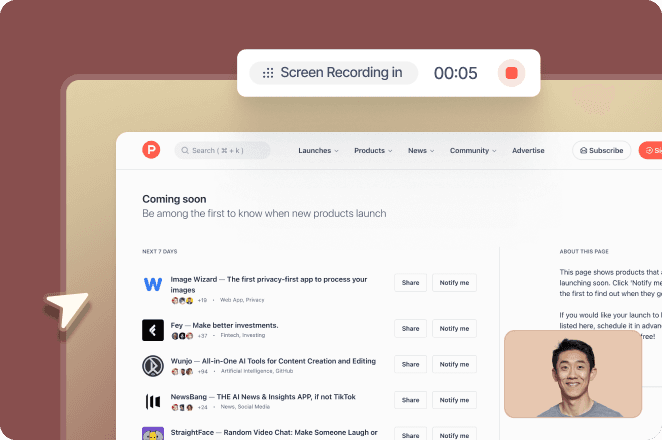
Nástroj pro dokumentaci v souladu s GxP pomáhá týmům ve farmaceutickém průmyslu, biotechnologiích a ve zdravotnických prostředcích vytvářet SOP a pracovní instrukce, na kterých stojí jejich systém kvality, a zároveň je udržovat v souladu s tím, jak se práce skutečně provádí. S Trupeerem zaznamená postup odborník na danou problematiku a platforma převede toto nahrávání do strukturovaného dokumentu s popiskovými snímky obrazovky a seřazenými kroky. Výsledkem je procesní dokumentace, která je srozumitelná, konzistentní a postavená přímo na samotném postupu, nikoli na tom, co si někdo vzpomene o týdny později.
V prostředí GxP se dokumentace řídí zásadami správné dokumentační praxe: musí být jasná, čitelná, konzistentní a úplná a musí odrážet aktuální způsob práce. Nejtěžší je, že se postupy mění, zatímco SOP zůstávají nedotčené, a právě tato mezera je to, co inspektor hledá. Cílem je zajistit, aby dokumentace byla dostatečně rychlá na vytvoření a dostatečně levná na aktualizaci, takže nikdy nezaostane za procesem, který popisuje.
Jak používat nástroj pro dokumentaci v souladu s GxP
Nástroj zapadá do toho, jak už týmy pro kvalitu, výrobu a provoz pracují, s téměř nulovou křivkou učení. Nahrávání obrazovky od Trupeeru zachytí každý postup a AI se postará o strukturování, psaní a formátování ve třech krocích.
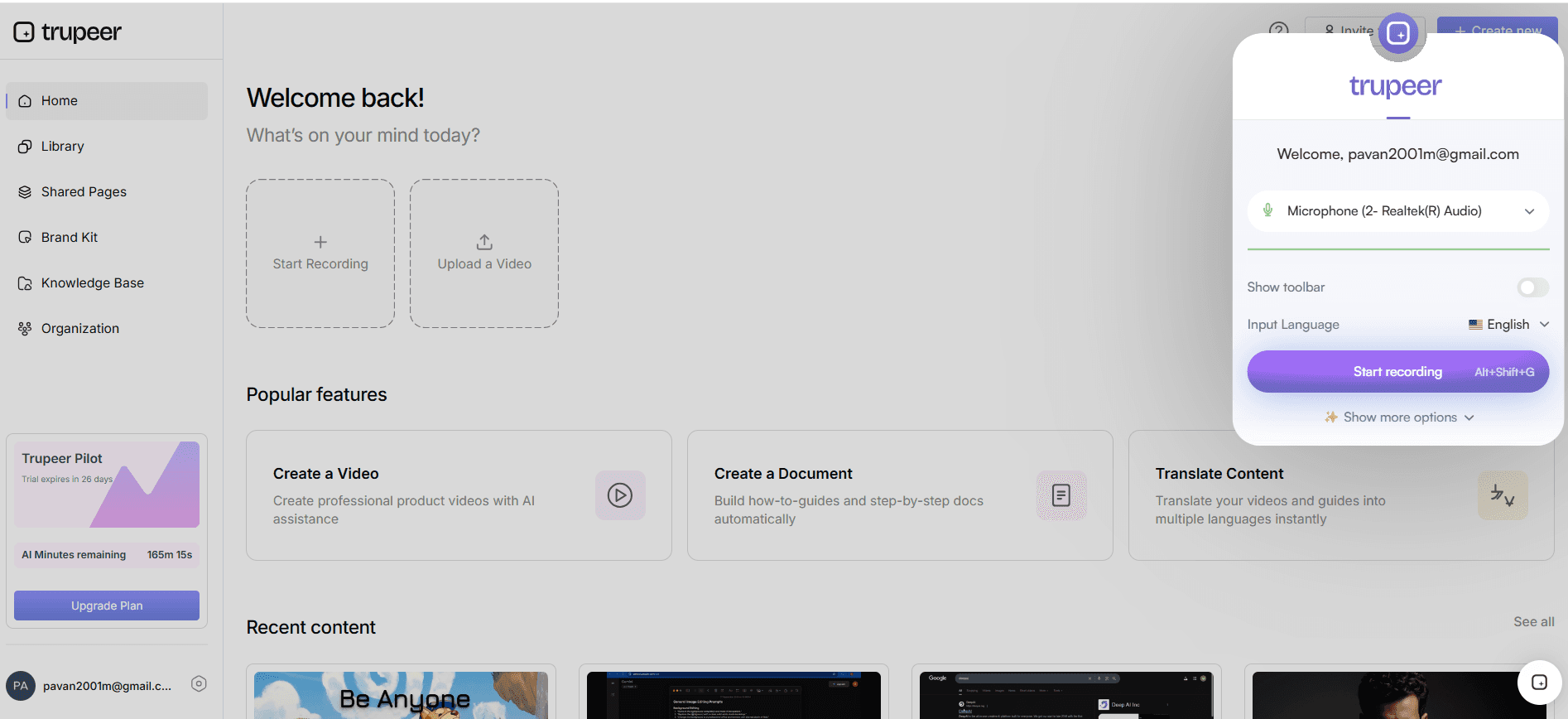
Krok 1: Zaznamenejte postup
Otevřete nahrávání obrazovky a projděte proces přesně tak, jak se provádí, přičemž při tom komentujte klíčové kroky, kontroly a ověření. Už máte zaznamenanou ukázku? Nahrajte ji místo toho. To je jediný ruční krok, který dokumentace potřebuje.
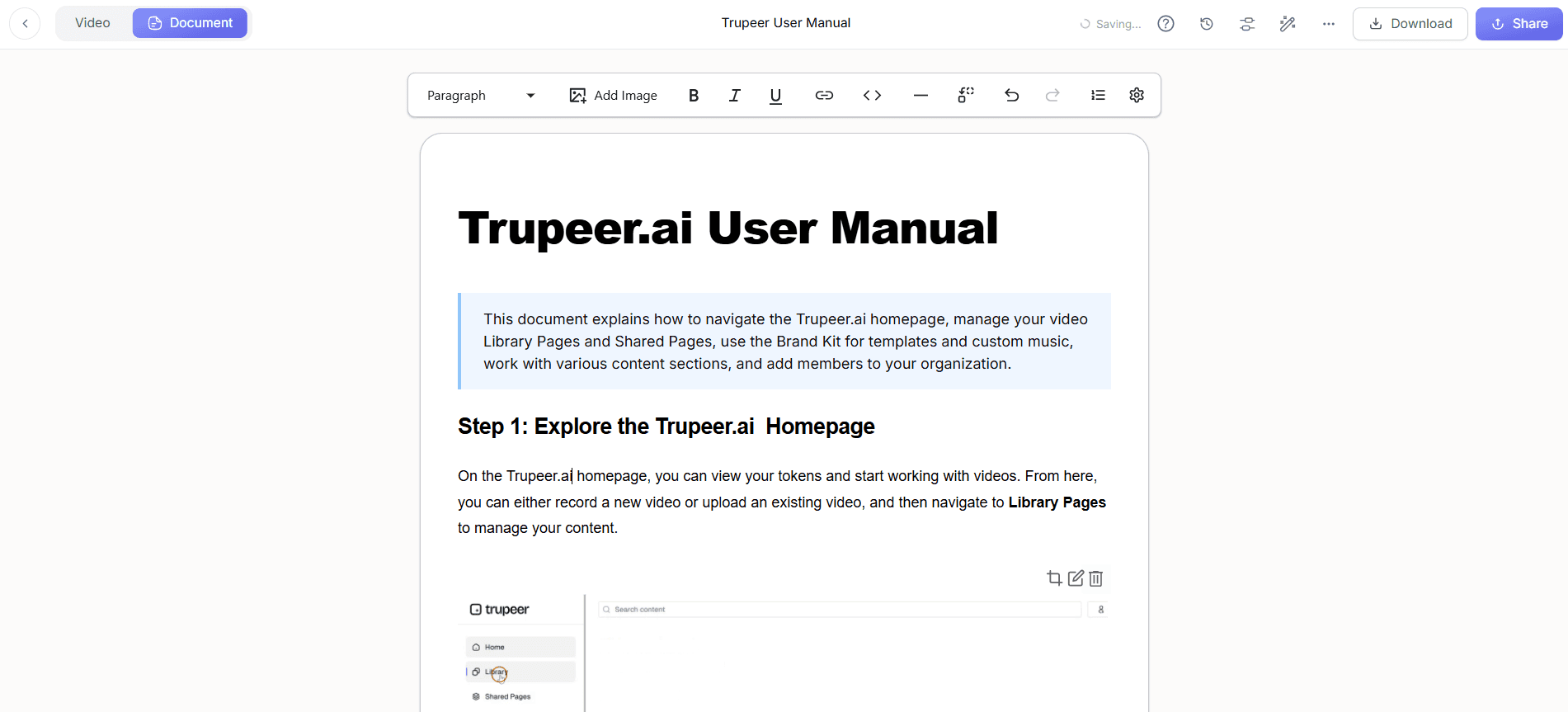
Krok 2: Vygenerujte SOP a kroky
Jakmile je nahrávání dokončeno, nástroj jej zpracuje automaticky. Shrne relaci, zachytí popiskové snímky obrazovky u každé akce a napíše čistou číslovanou sekvenci, čímž vytvoří návrh, který můžete dokončit jako pracovní instrukci krok za krokem nebo jako formální SOP.
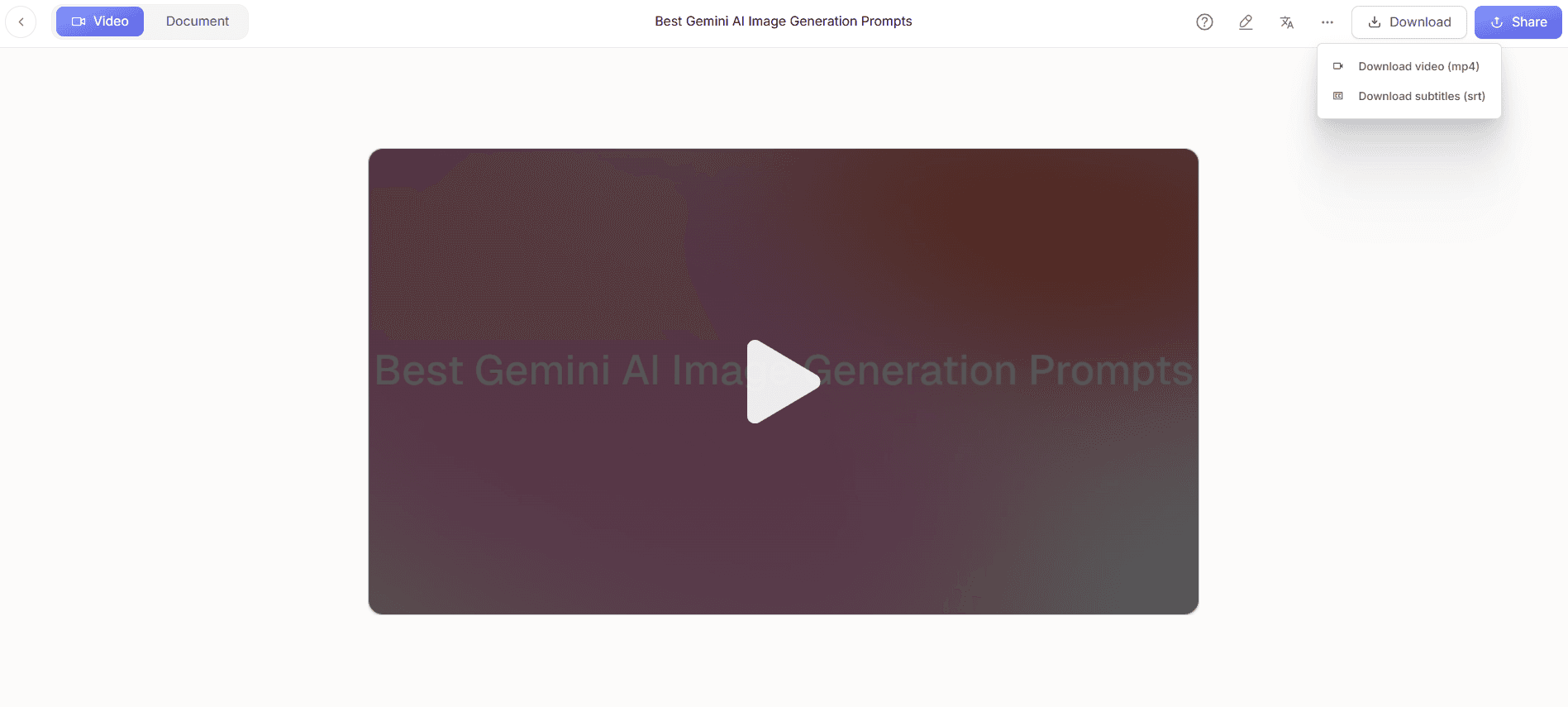
Krok 3: Zkontrolujte, nastavte řízení přístupu a publikujte
Vygenerovaný dokument je plně editovatelný, takže můžete předtím, než projde vaším vlastním schvalovacím procesem, doplnit ověření klíčových kroků, očekávané výsledky a odkazy. Přeložte jej do 65+ jazyků pro lokality v jiných regionech, nastavte, kdo si jej může zobrazit, a publikujte správnému publiku. Protože dokument zůstává propojený s nahráváním, může recenzent potvrdit, že byl krok proveden přesně tak, jak je uveden.
Hlavní funkce nástroje pro dokumentaci v souladu s GxP
Nástroj v jednom řešení kombinuje zachycení, psaní pomocí AI, překlad, řízení přístupu a řízenou knihovnu, takže postupy, na které se spoléhá tým regulovaný GxP, zůstávají jasné, konzistentní a aktuální.
SOP a pracovní instrukce z nahrávání: AI rozloží každé nahrávání na jasné, seřazené kroky s popiskovými snímky přesných obrazovek a poté vám připraví návrhy popisů. Vše zůstává editovatelné, takže můžete předtím, než postup vstoupí do vašeho schvalovacího workflow, doplnit kontroly klíčových kroků a očekávané výsledky.
Navrženo pro správnou dokumentační praxi: Generování kroků přímo z nahrávání vytváří dokumentaci, která je čitelná, konzistentní a úplná a která odpovídá tomu, co se skutečně udělalo. Právě tato shoda mezi dokumentem a postupem je jádrem správné dokumentační praxe.
Přístup a viditelnost podle rolí: Spravujte pracovní prostory organizace pomocí rolí, jako je Workspace Admin a Editor, a nastavte viditelnost dokumentů na úrovni organizace, vybrané domény nebo pouze na pozvánky. Řízené postupy se dostanou pouze k určeným týmům a citlivý materiál zůstane omezený.
Konzistentní školení napříč lokalitami: Přeměňte stejné zachycení na školicí materiály, aby byl každý operátor proškolený podle identického postupu, nikoli podle lokální interpretace. Jeden zdroj napájí jak řízené SOP, tak školící nahrávku.
Vícejazyčnost pro globální provoz: Přeložte postupy a komentář do 65+ jazyků, aby týmy výroby a kvality napříč regiony dodržovaly stejný proces ve svém vlastním jazyce. Jeden hlavní zdroj zůstává zdrojem pravdy místo samostatné kopie pro každou lokalitu.
Udržováno v aktuálním stavu mezi audity: Když se proces změní, znovu zaznamenejte pouze segment, který se změnil, znovu vygenerujte kroky a znovu přeložte, takže se procesní dokumentace udrží v souladu s praxí. Neaktuální SOP jsou častým zjištěním při inspekcích a právě levné aktualizace tomu zabraňují.
Proč používat nástroj pro dokumentaci v souladu s GxP?
Ručně udržované SOP se píší pomalu a rychle se odchylují od reality, a v prostředí GxP je právě tato odchylka to, co se projeví během inspekce. Generování dokumentace z nahrávání ji udržuje přesnou, srozumitelnou a výrazně rychlejší na údržbu.
Dokumentace, která odpovídá praxi: Protože je dokument vygenerovaný z nahrávání skutečného postupu, odráží, jak se práce skutečně provádí, nikoli idealizovanou verzi. Udržování SOP v souladu s praxí je nejjednodušší způsob, jak se vyhnout nejčastější kategorii zjištění.
Rychlejší tvorba SOP a aktualizace: Nahrávání nahrazuje hodiny ručního psaní a pořizování snímků obrazovky, takže postup je většinou připravený už v době, kdy nahrávání skončí. Týmy kvality získají zpět čas, který by jinak ztratily na formátování, a udrží backlog aktualizací SOP pod kontrolou.
Snížení rizika závislosti na klíčové osobě: Kroky, které znají jen ti nejzkušenější operátoři, se stanou zdokumentovanými postupy, takže proces už není závislý na jedné osobě. Pokud změní roli nebo odejdou, znalost zůstane uložená v jasné a použitelné podobě.
Konzistence napříč lokalitami a směnami: Jeden schválený hlavní zdroj udržuje stejné pracovní instrukce před očima každé lokality, každé linky a každé směny, místo regionálních odchylek, které se časem rozcházejí. Konzistence je to, co dělá postup opakovatelným a kontrolu spolehlivou.
Snazší příprava na audit a inspekci: Když jsou SOP aktuální, jasné a dohledatelné k tomu, jak se práce provádí, příprava na inspekci je z velké části otázkou přístupu, nikoli rekonstrukce. Recenzenti vidí čistou návaznost od dokumentu k postupu.
Kdo by měl používat nástroj pro dokumentaci v souladu s GxP?
Nástroj je cenný pro každý tým, který pracuje podle pokynů GxP a musí udržovat své postupy zdokumentované a aktuální—od jedné lokality až po globální výrobní síť.
Farmaceutická a biotechnologická kvalita a výroba: Dokumentujte postupy GMP, obsluhu zařízení a úkoly související s šaržemi, aby operátoři pokaždé postupovali podle stejných kroků. Udržujte knihovnu SOP v souladu s tím, jak se mění procesy a systémy.
Týmy pro zdravotnické prostředky: Zachyťte výrobu, inspekce a postupy kvality konzistentně napříč organizací a znovu použijte stejná nahrávání pro školení operátorů. Udržujte jasné pracovní instrukce, které odpovídají validovanému procesu.
Týmy klinických operací: Jasně zdokumentujte postupy studie a lokality tak, aby týmy napříč různými místy dodržovaly stejné kroky, a aby školení odráželo aktuální proces. Udržujte postupy konzistentní, jak se protokoly vyvíjejí.
Týmy laboratoře a kvality: Přeměňte prohlídky přístrojů a metod na jasné postupy a hostujte je jako vyhledávatelnou znalostní databázi, ke které se laboratoř dostane okamžitě. Každý postup zůstává propojený s nahráváním, ze kterého vznikl.
CRO, CDMO a školicí funkce: Standardizujte, jak se opakující se postupy dokumentují napříč klienty a lokalitami, a zaškolujte personál ze stejné řízené knihovny. Znovu používejte zachycení, aby školení zůstalo aktuální bez toho, abyste pokaždé znovu vytvářeli materiály.
Nejlepší postupy pro nástroj pro dokumentaci v souladu s GxP
Trocha struktury dělá výstup silnějším: pomáhá AI vytvořit čistší první návrh a udržuje knihovnu SOP připravenou na inspekci.
Aplikujte správnou dokumentační praxi: Zaznamenávejte a pište tak, aby byl postup jasný, úplný a jednoznačný, přičemž každý klíčový krok a kontrola jsou zachyceny. Dokumentace, která se snadno čte, se také snadno ověřuje vůči skutečnému procesu.
Zaznamenejte jeden postup na jednu relaci: Udržujte každé nahrávání na jediném postupu od začátku do konce, aby výsledné SOP zůstalo soustředěné a snadno se udržovalo. Zachycení určené pro jeden účel se navíc mnohem snáze aktualizuje, když se změní jeden krok.
Komentujte klíčové kroky: Vysvětlete ověření, akceptační kritéria a co dělat, když něco není v souladu se specifikací, aby dokument zachytil záměr kontroly. Komentář slouží jak pro psané kroky, tak pro hlasový doprovod, takže více kontextu vytvoří silnější návrh.
Nastavte přístup podle role už od začátku: Použijte role pracovního prostoru a nastavení viditelnosti tak, aby se každý postup dostal k správným týmům a omezený materiál zůstal omezený. Správné nastavení přístupu včas zabrání tomu, aby bylo později nutné dodatečně upravovat oprávnění napříč velkou knihovnou.
Zkontrolujte a znovu zaznamenejte podle plánu: Berte každé SOP jako živý dokument s vlastníkem a periodickou revizí a znovu zaznamenejte segment, který se změnil, když se proces posune. Pravidelný rytmus udržuje knihovnu aktuální, místo aby se opravovala jen v den, kdy byla schválena.
Prozkoumejte související nástroje
Hlavní výhody pro týmy v režimu GxP
SOP z nahrávky
Zaznamenejte postup a Trupeer vytvoří strukturovanou SOP s popiskovými snímky obrazovky a seřazenými kroky, takže dokumentace odpovídá tomu, jak se práce skutečně provádí.
Navrženo pro správné postupy dokumentace
Kroky vygenerované z nahrávky jsou jasné, kompletní a konzistentní, takže dokumentace zůstává v souladu s postupem, který popisuje.
Udržováno aktuální mezi audity
Znovu nahrajte pouze změněný segment, aby SOP odpovídaly praxi, a zastavte tak to, že zastaralé postupy přestávají být zjištěními při inspekcích.
Jak dokumentovat postupy GxP pomocí Trupeer
Krok 1
Zaznamenejte postup
Krok 2
AI vygeneruje SOP a kroky
Krok 3
Zkontrolujte, nastavte řízený přístup a publikujte
Často kladené dotazy
Co je nástroj pro dokumentaci v souladu s GxP?
Je to nástroj, který pomáhá týmům v režimu GxP vytvářet a udržovat jasnou a aktuální dokumentaci postupů. S Trupeerem odborník zaznamená, jak se provádí proces, a nástroj vygeneruje strukturovanou SOP se snímky obrazovky a kroky, takže dokumentace odpovídá správným postupům dokumentace a odráží skutečnou praxi.
Zajistí, že bude moje dokumentace v souladu s GxP?
Nástroj vám pomáhá vytvářet a udržovat SOP a pracovní instrukce, které jsou jasné, konzistentní a v souladu s tím, jak se práce provádí, což podporuje správné postupy dokumentace. Plná shoda s GxP závisí na kompletním systému kvality vaší organizace, kontrolách a validaci, takže nástroj je jen jednou částí tohoto obrazu, nikoli jejich náhradou.
Lze omezit přístup k postupům?
Ano. Můžete spravovat pracovní prostory organizace pomocí rolí, jako je Workspace Admin a Editor, a nastavit viditelnost dokumentů na úrovni organizace, vybrané domény nebo pouze na pozvánku, aby řízené postupy byly dostupné pouze zamýšleným týmům.
Jak udržuje SOP aktuální, když se procesy mění?
Když se postup změní, znovu nahrajete pouze dotčený segment, znovu vygenerujete kroky a znovu přeložíte, takže SOP zůstane v souladu s praxí. Protože aktualizace jsou rychlé, dokumentace zůstává aktuální mezi revizemi a neodchyluje se do zastaralého stavu.
Kdo používá nástroj pro dokumentaci v souladu s GxP?
Týmy pro kvalitu a výrobu ve farmaceutických a biotechnologických společnostech, společnosti zabývající se zdravotnickými prostředky, klinické operace, laboratoře a funkce kvality a také CRO nebo CDMO. Každý, kdo pracuje podle pokynů GxP a musí udržovat postupy zdokumentované a aktuální.
Další nástroje