Trupeer Blog
Summarise
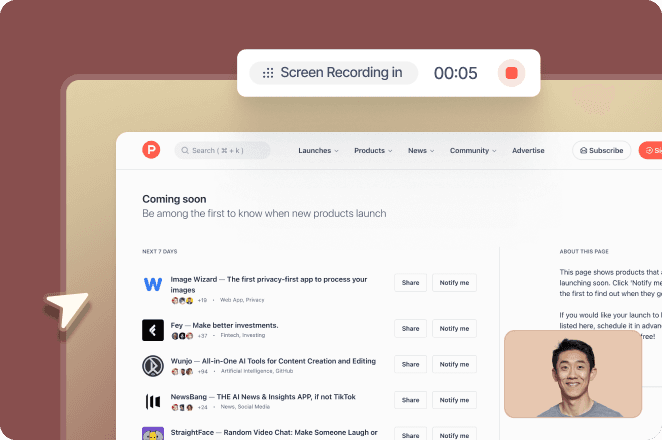
Imagine you're about to kick off a critical project to simplify an enterprise's operations. The first step is to conduct stakeholder interviews to map out existing processes. These interviews are crucial, yet without a structured approach, vital details can slip through the cracks. Missing out on key insights could mean costly missteps later. Consider this:
Teams that implement structured process discovery save up to 30% in project costs by avoiding rework and inefficiencies.
With stakes this high, creating a reliable checklist for every stakeholder interview is essential. This guide is designed for project managers, business analysts, and operations leaders who need a comprehensive framework to ensure nothing is overlooked. By meticulously documenting every aspect of these interviews, you'll pave the way for smooth process mapping and downstream SOP development. Explore how using effective process mapping tools can enhance this critical stage.
Why does process discovery checklist matter?
Process discovery is the cornerstone of successful business operations. Without it, organizations can find themselves operating inefficiently, with overlapping roles and redundant tasks. When you don't have a clear understanding of the existing processes, you're essentially handling without a map. This uncertainty can lead to inconsistent outputs, increased costs, and frustrated employees who find themselves caught in unproductive cycles. A well-documented process discovery checklist serves as your roadmap, ensuring every stakeholder provides the necessary insights for accurate process mapping. It's the same idea behind the process document template capture the process once and reuse it instead of redoing the work.
Stakeholders, ranging from department heads to frontline employees, each hold pieces of the puzzle. Their insights reveal the intricacies of daily operations that might not be evident from a high-level view. By systematically interviewing these individuals and capturing their knowledge, you unearth inefficiencies and opportunities for improvement. A solid checklist ensures you ask the right questions and record the details that will inform process optimization. This meticulous approach not only enhances the accuracy of your operations workflow but also builds a culture of continuous improvement. For organizations looking to scale or refine their processes, a structured checklist is indispensable for achieving these goals.
Using a process discovery checklist aligns your operations with strategic objectives. It guarantees that all stakeholders are on the same page and that there's a unified understanding of current practices. This alignment is critical for implementing changes that are both sustainable and effective. By investing time in thorough process discovery, businesses set themselves up for long-term success, minimizing the risk of costly errors and maximizing operational efficiency. Discovering the best practices through an operations use case can further enhance this alignment.
What are the benefits of using a process discovery checklist?
A process discovery checklist is more than just a tool for organization, it's a catalyst for operational excellence. Here are some of the key benefits:
Enhanced Clarity. A detailed checklist clarifies every step of the process, ensuring no detail is overlooked. This results in a comprehensive understanding that informs effective process mapping.
Improved Communication. By standardizing the questions and data points collected, a checklist facilitates clear communication between stakeholders and process analysts, reducing misunderstandings.
Consistent Documentation. With a standardized approach, documentation remains consistent across interviews, making it easier to compare and analyze different processes and identify areas for improvement.
Risk Mitigation. Thorough documentation helps identify potential risks early in the process. By addressing these risks proactively, you can prevent costly errors and project delays.
Efficient Training. Documented processes serve as training materials for new employees. This supports instructional design initiatives, ensuring new team members are onboarded effectively and quickly.
Scalability. A solid foundation of documented processes supports scalable operations, enabling organizations to grow without the usual growing pains by using an AI video platform for consistent training and process dissemination.
Which Trupeer features help you document every stakeholder interview?
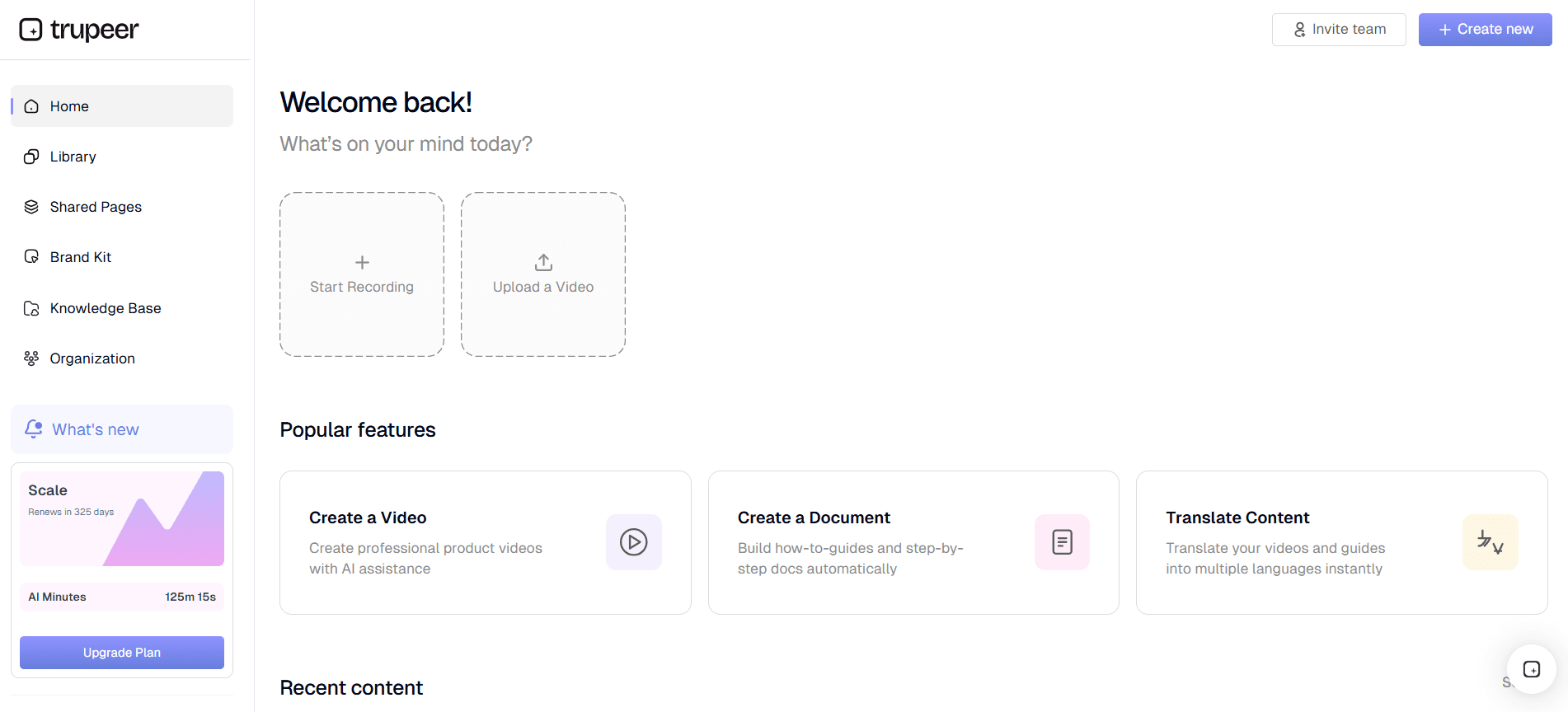
Trupeer offers a suite of features designed to simplify the process discovery phase. These tools ensure that every stakeholder interview is documented with precision and ease, enhancing the accuracy and utility of the information gathered.
AI screen recording with auto-zoom and click detection
This feature allows you to capture stakeholder interviews in real time, automatically focusing on areas of interest. The auto-zoom and click detection capabilities ensure that every detail of the interaction is recorded, providing a clear, actionable record. This is particularly useful for capturing complex processes where visual context is crucial. The recordings can be reviewed and analyzed, ensuring that no critical insights are missed. This feature significantly reduces the time spent on note-taking, allowing you to focus on engaging with stakeholders and asking probing questions.
Silent screen recording with automatic AI narration
Sometimes, stakeholders may prefer not to be recorded with sound. Trupeer's silent screen recording option, coupled with AI narration, provides a solution. It captures the visual flow of the interview while automatically generating a narrated version. This narrated version can be reviewed later, ensuring that you still have an audio context to accompany the visual data. This flexibility is invaluable in situations where audio recording might be intrusive or impractical. It's an effective way to maintain detailed documentation without compromising on privacy or comfort.
Automatic SOP generation from any recording
Trupeer automates the creation of Standard Operating Procedures (SOPs) directly from your interviews. With auto-generated documentation, you can convert recorded insights into structured SOPs ready for implementation. This feature saves countless hours in manual documentation, ensuring accuracy and consistency. The generated SOPs are edit-ready, allowing you to make necessary adjustments before finalizing. This simplified approach accelerates the documentation process, enabling faster deployment of optimized processes.
AI-searchable knowledge base with timestamp deep-links
All recorded interviews and the resulting documentation are stored in an AI-searchable knowledge base. This feature allows you to quickly locate specific segments of an interview using timestamp deep-links. Whether you're revisiting a particular stakeholder's insights or cross-referencing information, this tool ensures you have immediate access to the data you need. It's a powerful way to keep all your process discovery data organized and easily accessible, supporting ongoing analysis and decision-making.
Multi-format export: MP4, HTML, PDF, SCORM
Trupeer offers flexible export options, allowing you to share your documented interviews and SOPs in various formats, including MP4, HTML, PDF, and SCORM. This flexibility ensures that the information is accessible to all stakeholders, regardless of their preferred format. Whether you're presenting findings to executives or sharing training materials with new hires, the ability to export in multiple formats ensures the information is both versatile and impactful. The process generator tool further enhances this capability by supporting diverse distribution needs.
How do you document every stakeholder interview step by step with Trupeer?
Step 1: Initiate AI Screen Recording
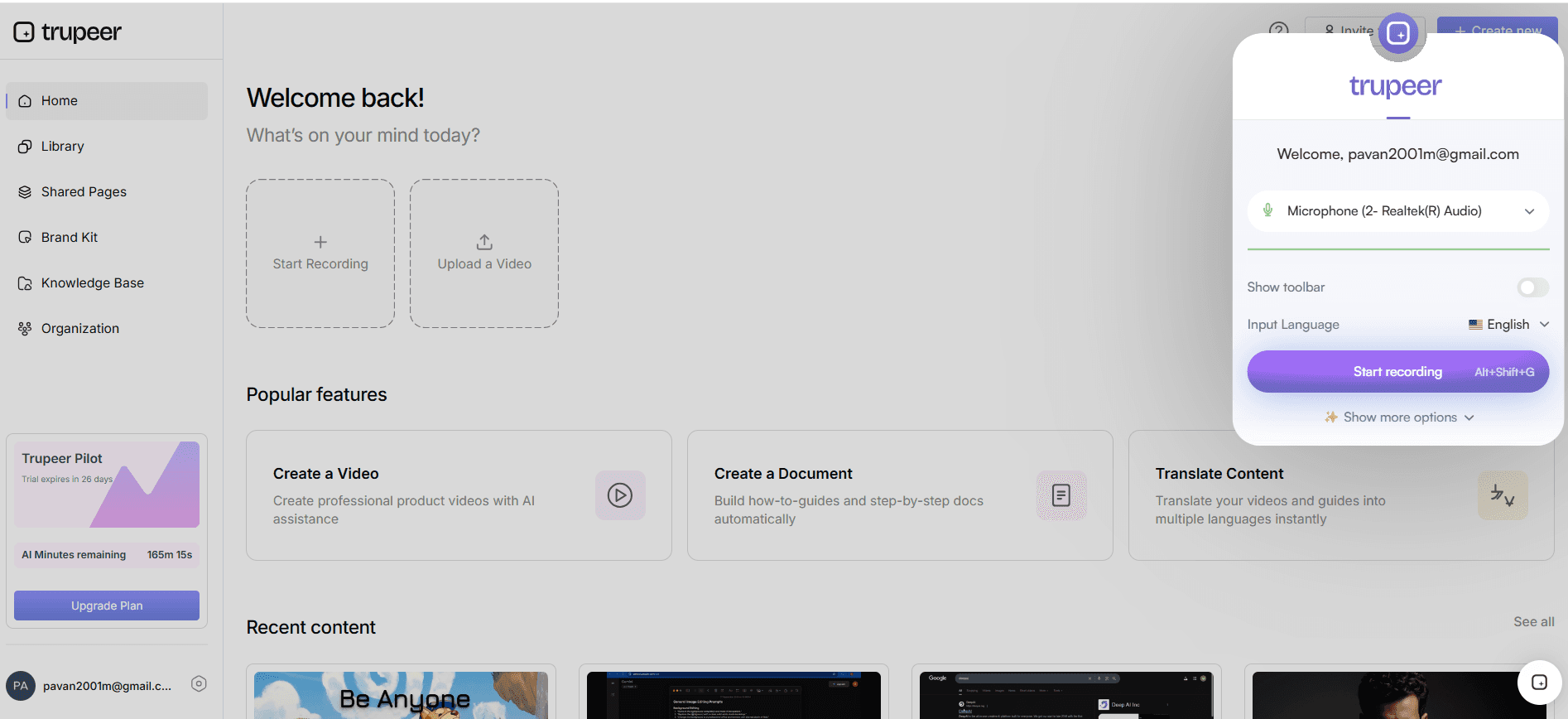
Begin by opening Trupeer's browser-based recorder, which requires no installation, or use the desktop app if preferred. Choose the AI screen recording feature with auto-zoom and click detection to capture the interview. This ensures that every interaction is highlighted automatically, focusing on crucial areas without manual intervention. Start the recording before the interview begins to capture the full context. The auto-zoom feature will dynamically adjust to emphasize key parts of the screen, ensuring that important details aren't missed. This setup is ideal for interviews involving complex workflows where visual elements are critical.
Step 2: Use Silent Screen Recording with AI Narration
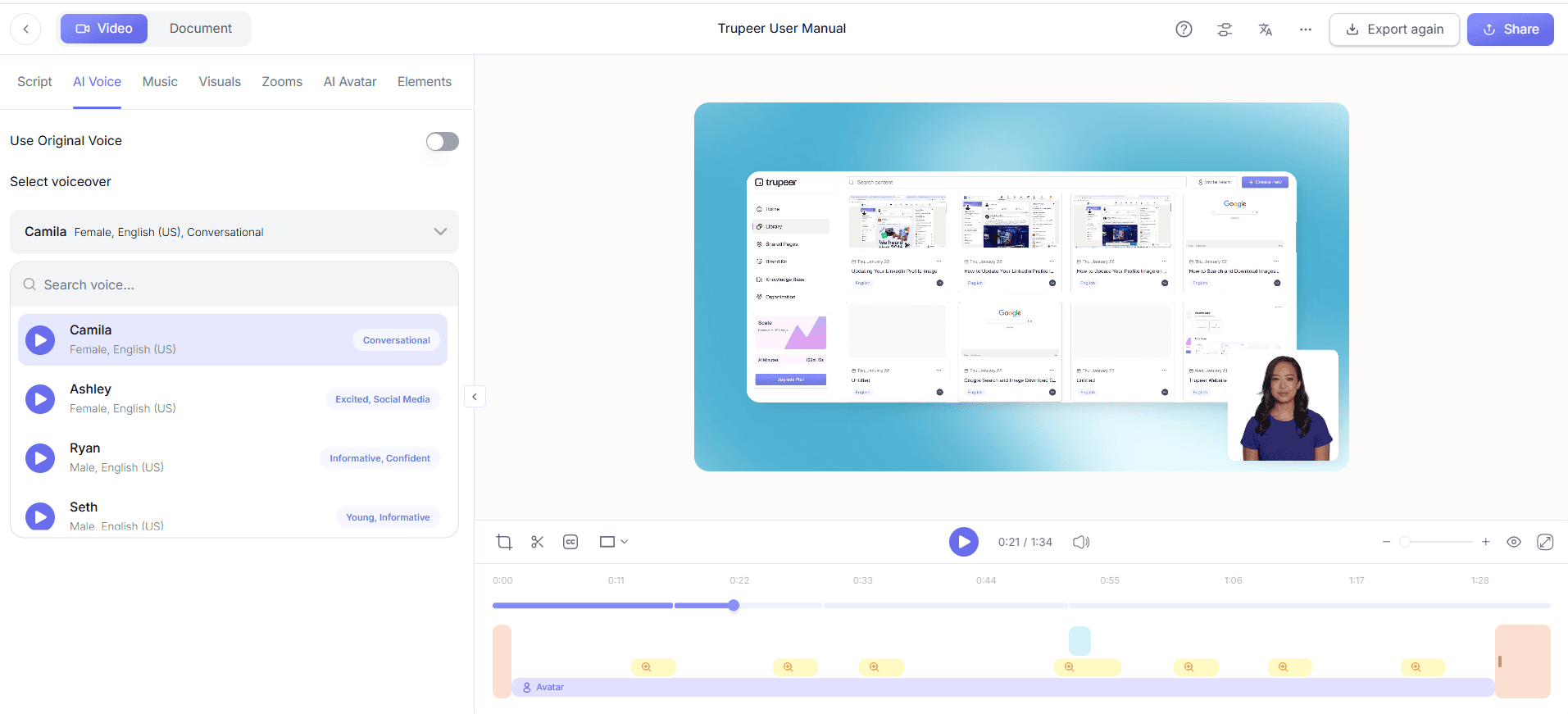
If audio recording isn't feasible, select the silent screen recording option with automatic AI narration. This feature captures the screen activity while generating an AI-narrated audio track based on visual cues. This is particularly useful in environments where sound recording is prohibited or disruptive. The AI narration provides context for the visuals, making it easier to review later. After the interview, you can edit the generated narration to refine the content before sharing it with your team. This ensures that you maintain a comprehensive record without compromising on privacy or professionalism.
Step 3: Generate SOPs Automatically
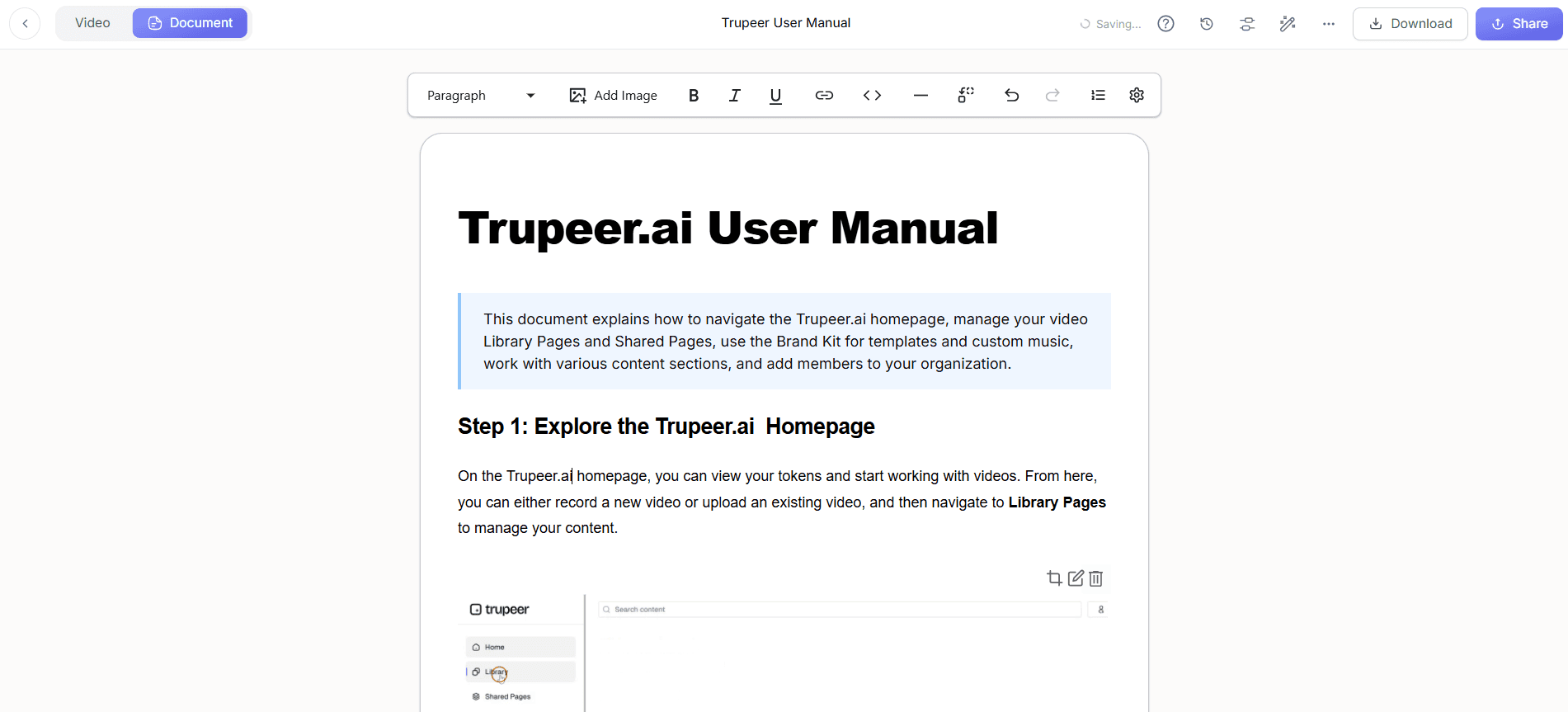
Once the recording is complete, use Trupeer's automatic SOP generation capability. This feature transforms the recorded video into a structured Standard Operating Procedure. Navigate to the documentation section and select the recording you wish to convert. Trupeer will analyze the video, identify key segments, and generate an editable SOP draft. This process typically takes just a few minutes, allowing you to quickly review and make any necessary adjustments. The resulting document is exportable in various formats, such as PDF or HTML, ensuring it meets your distribution needs. Trupeer also ships a hr document generator that handles this step without extra setup.
Step 4: Integrate with AI-Searchable Knowledge Base
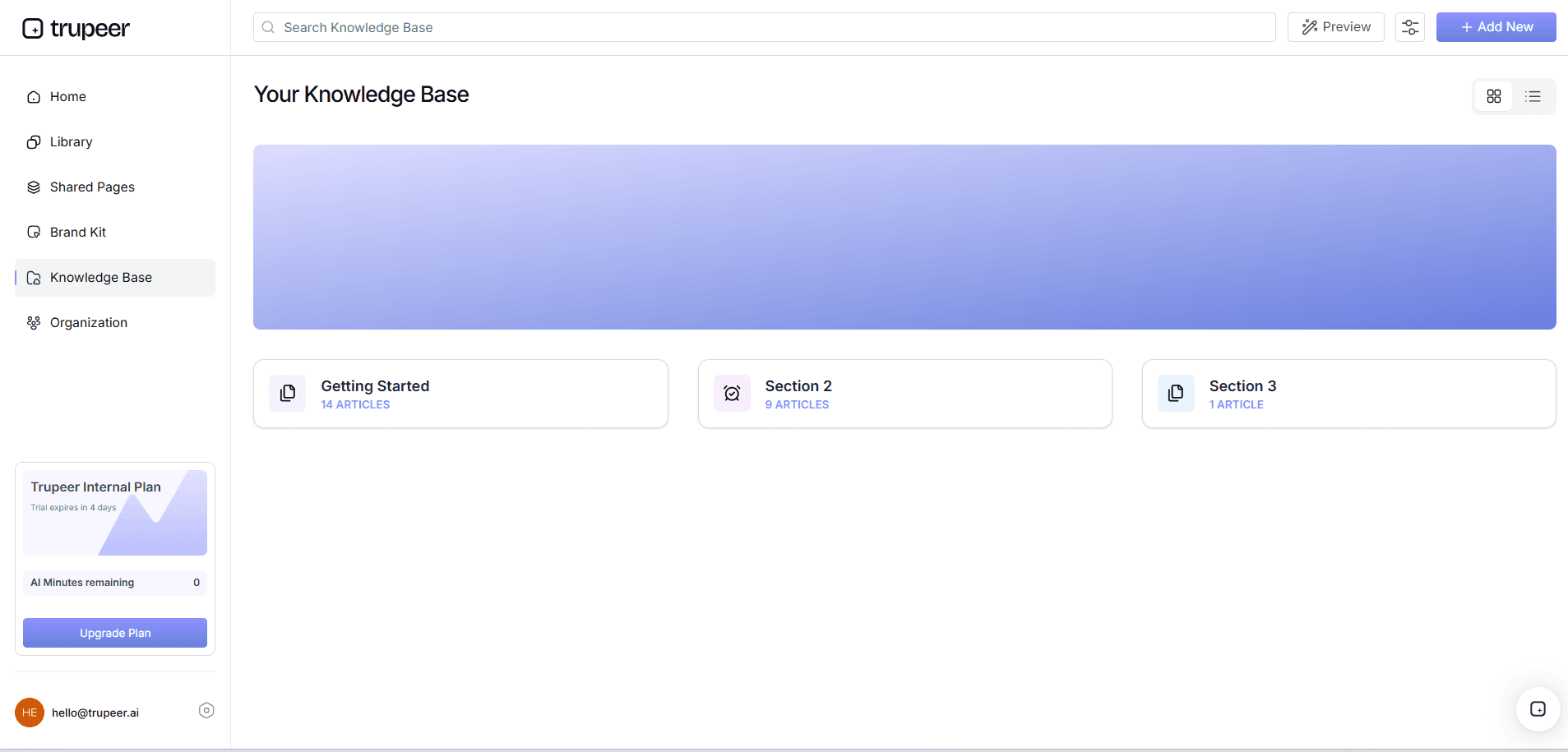
Store the recorded interviews and generated SOPs in Trupeer's AI-searchable knowledge base. This feature allows you to index each asset with timestamp deep-links, making future retrieval smooth. Upload the files to your knowledge base and verify that the indexing process is complete. You can search by keyword or timestamp to quickly locate specific insights or sections of an interview. This simplified access is invaluable for ongoing process analysis and refinement, enabling you to build a comprehensive repository of process knowledge over time.
Step 5: Export in Multiple Formats
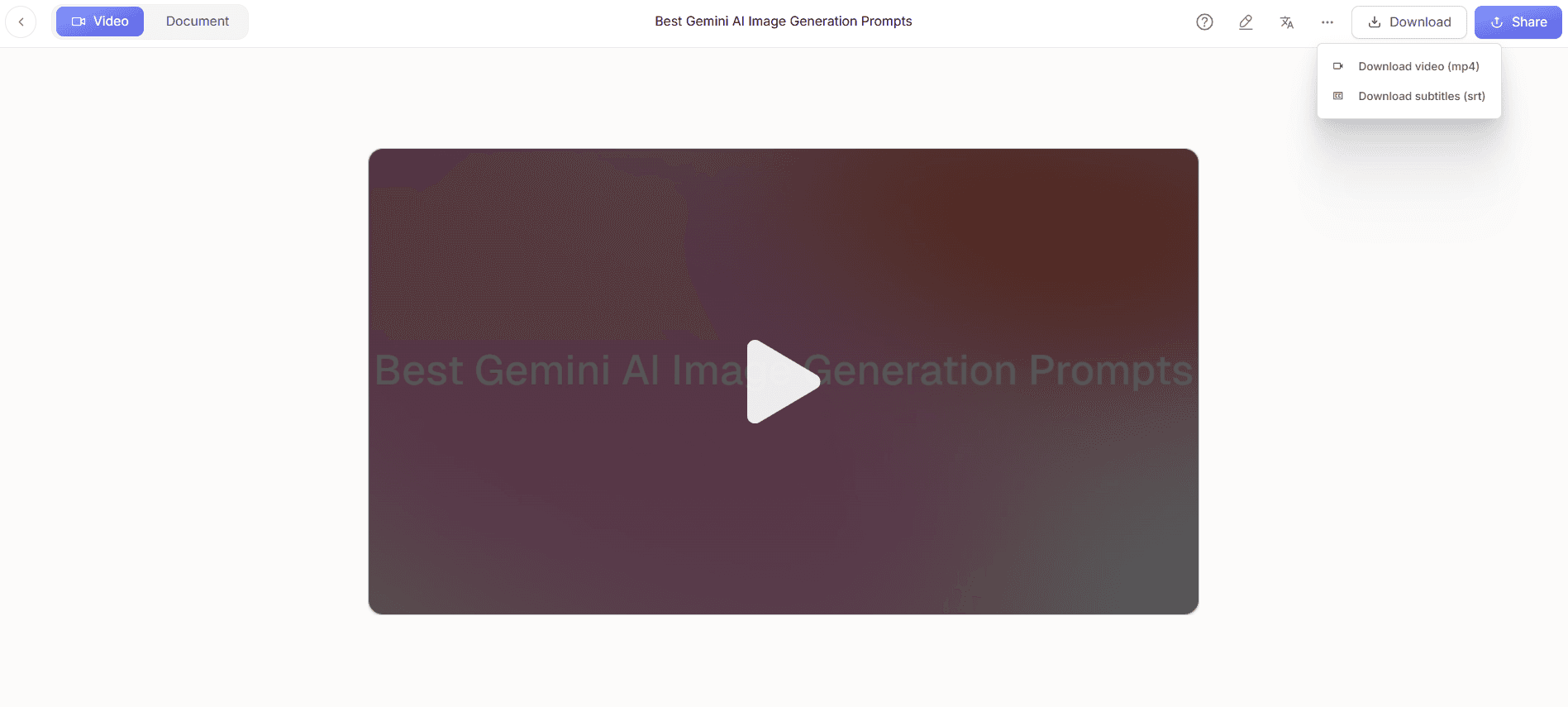
Trupeer's multi-format export options let you share interviews and SOPs in formats like MP4, HTML, PDF, and SCORM. This flexibility ensures accessibility for different stakeholders, whether they're reviewing on a desktop or mobile device. After finalizing your document, choose the export option that best suits your audience's needs. For instance, export as MP4 for presentations, or as HTML for easy web access. This capability supports diverse distribution strategies, ensuring that every stakeholder receives the information in the most usable format for their specific requirements.
Step 6: Compare with Alternatives
To optimize your process discovery approach, consider comparing Trupeer with other platforms. Review resources like the Loom alternative comparison to understand how Trupeer's unique features can enhance your workflow. This step is crucial for teams evaluating different tools to ensure they select the solution that best aligns with their process documentation needs. By exploring alternatives, you can identify the strengths and limitations of each tool, making an informed decision that supports your organization's strategic goals.
What tips help you document every stakeholder interview?
Documenting stakeholder interviews effectively requires more than just capturing data; it involves strategy and finesse. Here are some practical tips to ensure your process discovery efforts are both comprehensive and efficient:
Prepare Thoroughly. Before the interview, review any existing documentation and define clear objectives. This preparation will guide your questioning and ensure you cover all necessary topics.
Use Structured Templates. Develop structured templates for note-taking to ensure consistency across interviews. A Scribe alternative comparison can provide insights into effective template design.
Engage Actively. Encourage stakeholders to share insights by asking open-ended questions. Active listening will help you capture subtle details that might not surface through direct questioning alone.
Be Flexible. While having a plan is essential, remain open to exploring unexpected topics that arise during the interview. These can often lead to valuable insights.
Validate Findings. After the interview, summarize key points back to the stakeholder to confirm accuracy. This step ensures that your understanding aligns with their perspective.
use AI Tools. Use an AI document generator tool to automate routine tasks and enhance the efficiency of your documentation process.
Review and Refine. Regularly review your documentation practices and refine them based on feedback and changing needs. This continual improvement supports long-term success.
Frequently asked questions
How do you ensure stakeholder interviews are effective?
To ensure stakeholder interviews are effective, start by setting clear objectives and preparing a structured agenda. Engage stakeholders with open-ended questions to elicit comprehensive responses. Use tools like Trupeer to capture the interview in detail, ensuring that all critical information is documented. After the interview, summarize the key points and confirm them with the stakeholder to ensure accuracy. This approach not only enhances the quality of the information gathered but also builds trust with stakeholders by demonstrating that their input is valued and accurately represented.
What is the role of AI in process discovery?
AI plays a significant role in process discovery by automating data capture, analysis, and documentation. Tools like Trupeer use AI to record interviews, generate SOPs, and create searchable knowledge bases, simplifying the process and increasing accuracy. AI can identify patterns and highlight areas for improvement that might be overlooked in manual processes. By using AI, organizations can reduce the time and effort required for process discovery, allowing teams to focus on strategic decision-making and implementation. The integration of AI into process discovery enhances both efficiency and effectiveness.
Can Trupeer translate interviews into other languages?
Yes, Trupeer offers AI video translation capabilities that allow interviews to be translated into over 40 languages. This feature supports global teams by making process documentation accessible to non-English speaking stakeholders. The translation process includes lip-sync and dubbing to maintain the integrity of the original message while ensuring clarity in the target language. By enabling multilingual documentation, Trupeer helps organizations operate smoothly across different regions, building collaboration and understanding within diverse teams.
Why is it important to document stakeholder interviews?
Documenting stakeholder interviews is crucial for capturing the detailed, subtle information necessary for accurate process mapping and improvement. These documents serve as a reference that informs decision-making and ensures alignment among team members. Comprehensive documentation helps identify gaps and inefficiencies in current processes, providing a foundation for developing effective solutions. also, well-documented interviews facilitate training and onboarding, ensuring that new team members understand established procedures and company expectations. This practice is essential for maintaining consistency and quality in operations.
Does Trupeer support collaborative review of interview documentation?
Yes, Trupeer supports collaborative review and approval workflows that allow multiple stakeholders to review and provide feedback on interview documentation. This feature facilitates transparency and ensures that all relevant perspectives are considered before finalizing documents. By enabling collaborative review, Trupeer enhances the quality and accuracy of process documentation. Stakeholders can comment on specific sections, suggest changes, and approve final versions, all within the platform. This capability simplifies the review process, reduces the risk of miscommunication, and accelerates the implementation of documented processes.