Trupeer Blog
Summarise
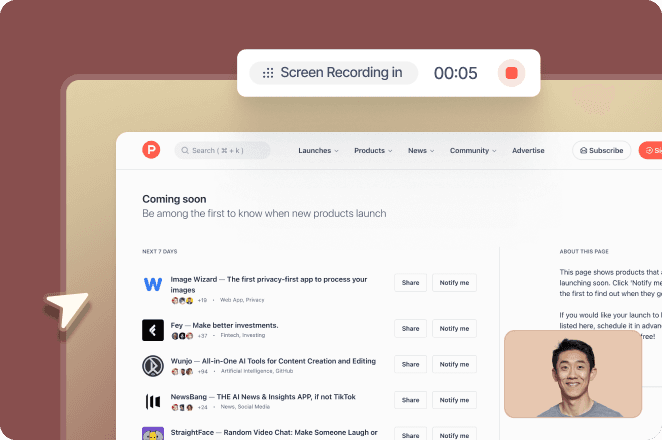
Imagine your product team just completed a live demo showcasing the latest features of your software. The demonstration went well, but now comes the time-consuming task of creating detailed release notes. Manually transcribing the demo, capturing every feature update, and formatting the notes takes hours, if not days. This delay can impact your ability to deliver timely updates to users. However, there's a more efficient way to handle this. By automating the conversion of your feature demo into release notes, you can keep pace with your engineering team and ensure your users receive updates promptly. As noted,
over 70% of tech companies report delays in release notes due to manual processes.
With AI-driven tools, you can simplify this process, transforming your demo into comprehensive release notes automatically. This approach is especially beneficial for SaaS companies striving to maintain agility in their operations. For a deeper look, our guide on repurpose demo videos covers the adjacent playbook.
Why does turning a feature demo into release notes matter?
Release notes are crucial for communicating changes, improvements, and bug fixes to your users. They're not just a list of updates; they're a vital tool for enhancing user understanding and adoption of new features. When release notes are delayed, users may miss out on critical updates or misunderstand the capabilities of new features, leading to frustration and increased support tickets. For SaaS companies, especially in competitive markets, maintaining an efficient workflow from demo to release notes is essential for user satisfaction and retention. Teams weighing tools often start with a Loom alternatives comparison before standardizing on a workflow.
Also, release notes are often a part of the operations workflow that can significantly impact internal processes. The manual creation of release notes is labor-intensive, prone to errors, and often falls behind engineering timelines. Automating this process not only reduces the workload on your team but also ensures accuracy and consistency in the documentation. An effective operations workflow that includes automated release notes helps align product teams and customer-facing departments, ensuring everyone is on the same page regarding software updates.
What are the benefits of turning a feature demo into release notes automatically?
Automating the conversion of feature demos into release notes offers several compelling benefits.
Increased Efficiency. By automating the process, you save hours that would otherwise be spent on manual transcription and formatting, allowing your team to focus on higher-priority tasks.
Consistency in Documentation. Automated tools ensure that every release note follows the same format and includes all necessary information, reducing the risk of omissions.
Faster Time to Market. With quicker turnaround times for release notes, your users receive updates faster, enhancing their experience and keeping them engaged with your platform. This aligns with sales demo best practices that prioritize timely communication.
Improved Accuracy. Automated systems minimize human error, ensuring that all feature updates are accurately captured and communicated to your users.
Resource Optimization. Free up your product and marketing teams to focus on strategic activities rather than being bogged down by repetitive tasks.
Broader Reach. use an AI-powered video tool to generate multilingual release notes, expanding your product's accessibility to a global audience.
Which Trupeer features help you turn a feature demo into release notes automatically?
Trupeer offers several capabilities specifically designed to simplify the conversion of feature demos into comprehensive release notes.
AI screen recording with auto-zoom and click detection
Trupeer's AI screen recording feature captures every click and interaction during your demo. The auto-zoom functionality highlights important interactions automatically, ensuring that nothing critical is missed. This precise capture is the first step in converting your demo into detailed release notes, as it provides a comprehensive view of the feature updates in action. This capability ensures that your recordings are polished and professional, setting a strong foundation for accurate documentation. The system's click detection also helps in segmenting the demo into logical sections, which can then be annotated for release notes.
Automatic SOP generation from any recording
Once the demo is recorded, Trupeer's automatic SOP generation feature kicks in. This tool analyzes the recording and generates a structured SOP, highlighting each feature and its functionality. It's an AI documentation platform that transforms your demo into a detailed, edit-ready document. This feature is particularly useful for creating release notes because it organizes information logically, making it easy to extract key points and updates. The generated SOP can be exported in various formats, ensuring compatibility with your existing documentation systems.
Auto chapters and segment detection
The auto chapters feature in Trupeer breaks down your demo into logical segments. Each chapter corresponds to a different feature or section of your demo, making it easy to pinpoint and describe individual updates in your release notes. This feature not only saves time but also increases the accuracy and readability of your notes. By automatically detecting segments, it eliminates the need for manual timestamping and note-taking, ensuring that your release notes are as detailed and structured as possible.
AI voiceover in 65+ natural voices
For teams looking to enhance their demos with narration, Trupeer offers AI voiceover capabilities. These voiceovers can be adjusted for pace and tone, ensuring they match your brand's voice. This feature is particularly useful for creating engaging demos that can be repurposed into voice-annotated release notes. With the ability to clone voices from a short sample, you ensure consistency across all your documentation outputs. The voiceover tool adds a professional touch to your demos, making the content more accessible and easier to understand for users.
AI-searchable knowledge base
Trupeer provides an AI-searchable knowledge base that indexes every recording with timestamp-level links. This feature is invaluable for release notes because it allows users to search for specific features or updates quickly. By integrating your demos into a searchable database, you provide users with direct access to relevant sections, enhancing their ability to learn about new features efficiently. This functionality also aids in internal training and support, ensuring that team members can easily find and reference the latest updates.
How do you turn a feature demo into release notes automatically with Trupeer?
How do you turn a feature demo into release notes automatically with Trupeer?
Step 1: Record the Demo
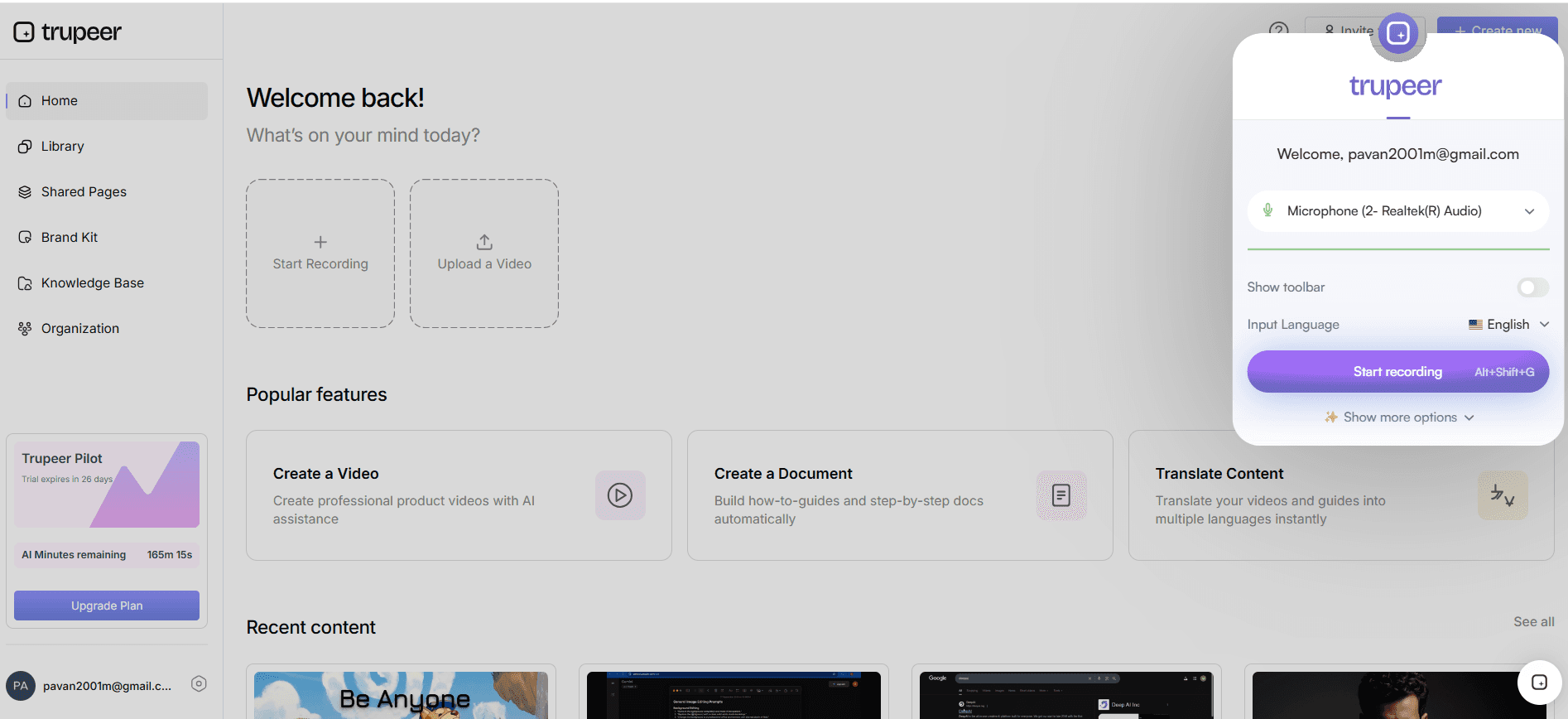
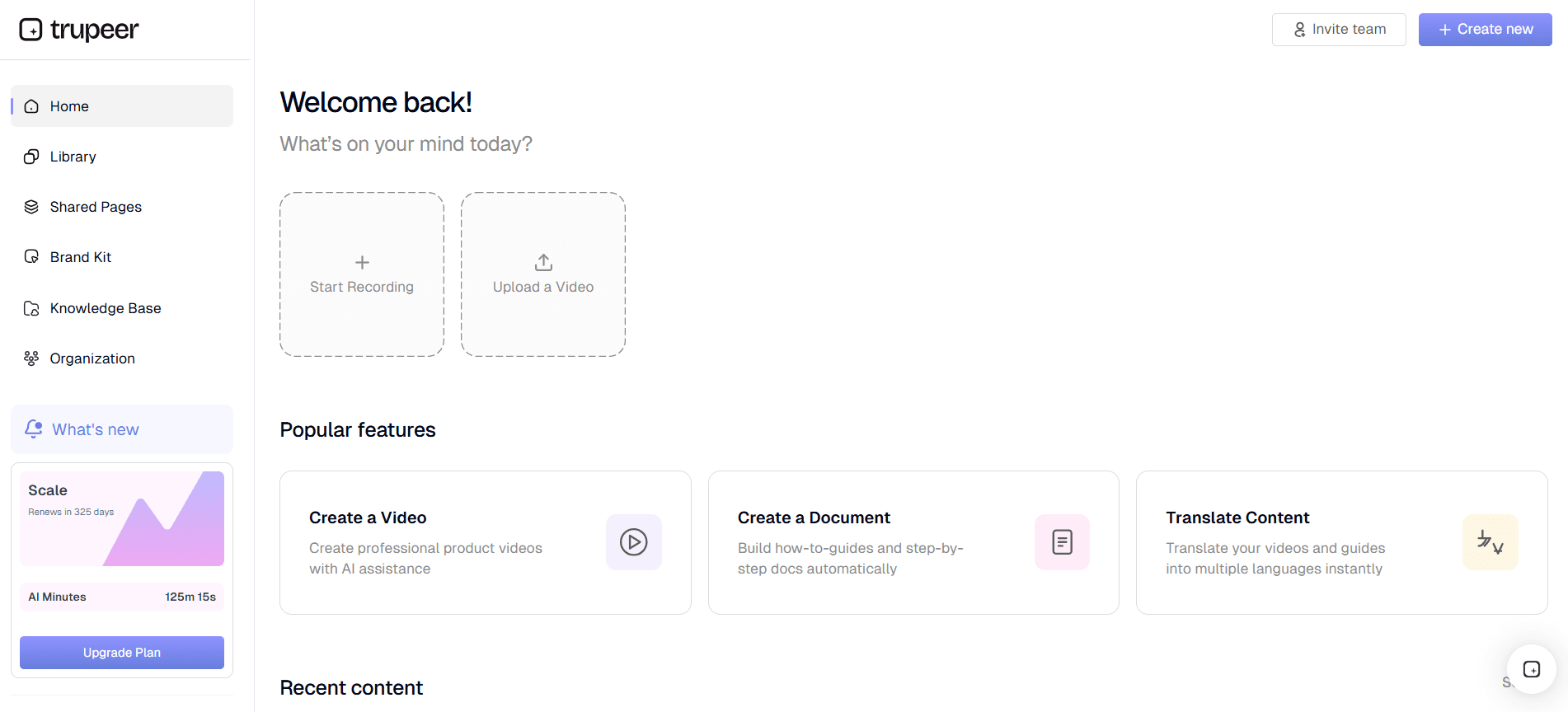
Start by using Trupeer's AI screen recording with auto-zoom and click detection. This feature requires no installation, as it's browser-based, making it accessible from anywhere. Click on the "Start Recording" button and perform your demo as usual. Trupeer automatically zooms into areas of interaction and detects clicks, capturing every detail of the demo. This process takes as long as your demo runs, typically 10 to 30 minutes depending on complexity. The recorded session is immediately available for further processing, providing a rich visual and interactive record of your feature demonstration.
Step 2: Generate Automatic SOP
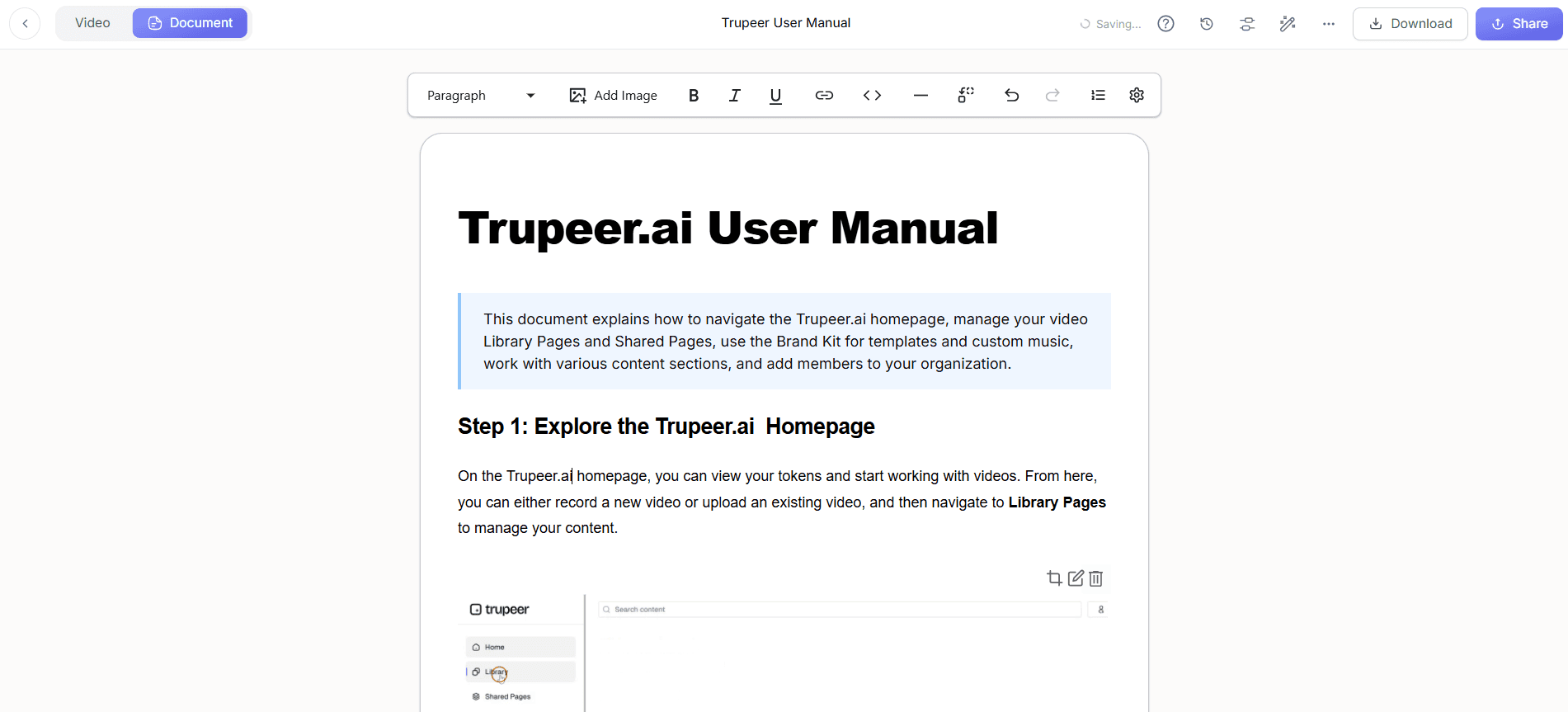
Once your demo is recorded, use Trupeer's automatic SOP generation tool. Click on "Generate SOP" from your dashboard, and Trupeer will analyze the recording, creating a detailed SOP document. This step takes just a few minutes. The resulting document is edit-ready, capturing all significant interactions and sequences from your demo. It highlights each feature demonstrated, making it easy to identify and extract information for your release notes. This step ensures that every feature is accurately documented without manual transcription, saving time and reducing errors.
Step 3: Segment the Demo
With the recording and SOP in place, it's time to use the auto chapters and segment detection feature. Navigate to your recorded demo and select "Auto Segment." Trupeer automatically divides the recording into logical chapters, each representing different features or sections of your demo. This segmentation helps in organizing the release notes, ensuring that each update is clearly defined and easy to navigate. The process takes a few minutes and provides a structured overview, facilitating the extraction of specific updates for your documentation.
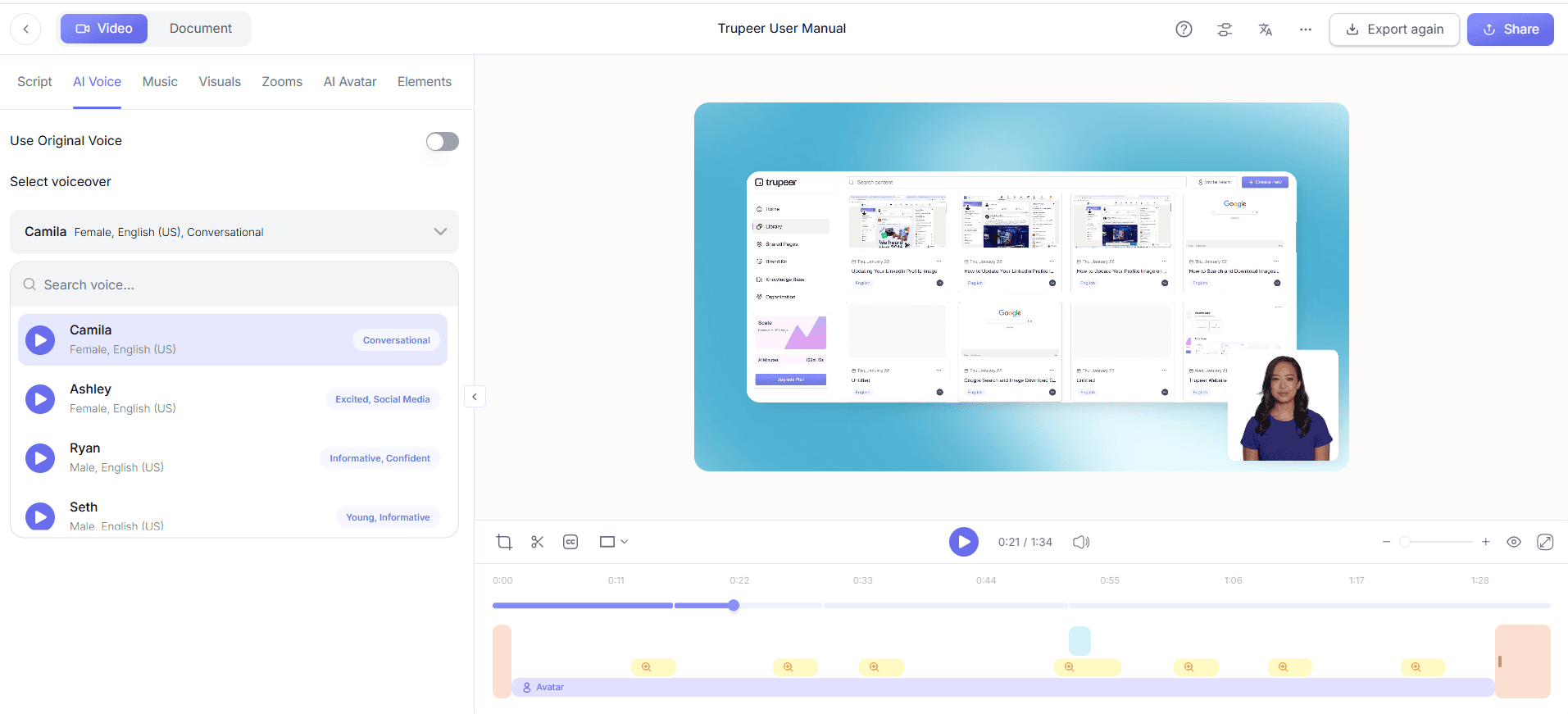
Step 4: Add AI Voiceover
If your demo lacks narration, Trupeer's AI voiceover in 65+ natural voices can enhance it. Click on "Add Voiceover" and select the desired voice style and tone. You can even clone a voice from a short sample to maintain consistency with your brand. This feature allows you to add professional narration, which can be crucial for understanding complex features. The voiceover is generated in real-time, synchronizing perfectly with the demo segments, and can be adjusted for pace to match the viewer's comprehension level.
Step 5: Export and Edit Release Notes
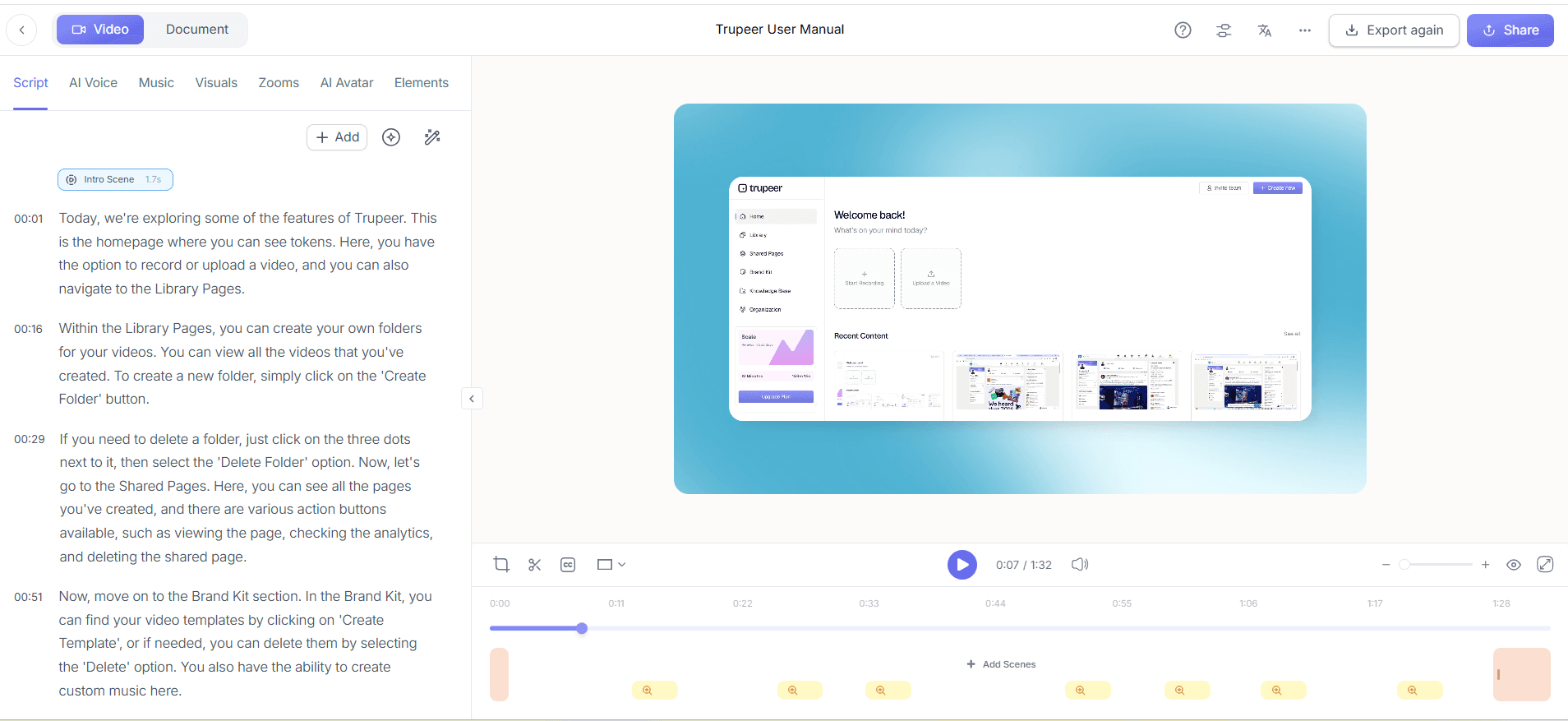
After organizing and enhancing your demo, export the documentation in your preferred format. Trupeer supports multi-format export, including PDF, HTML, and SCORM. Click "Export" and choose your format. The export process is swift, taking only a few seconds. The exportable document can be edited to fit your brand's style guide, ensuring your release notes are both informative and visually appealing. This step allows for any final tweaks before the notes are distributed to users or internal teams.
Step 6: Distribute Using Knowledge Base
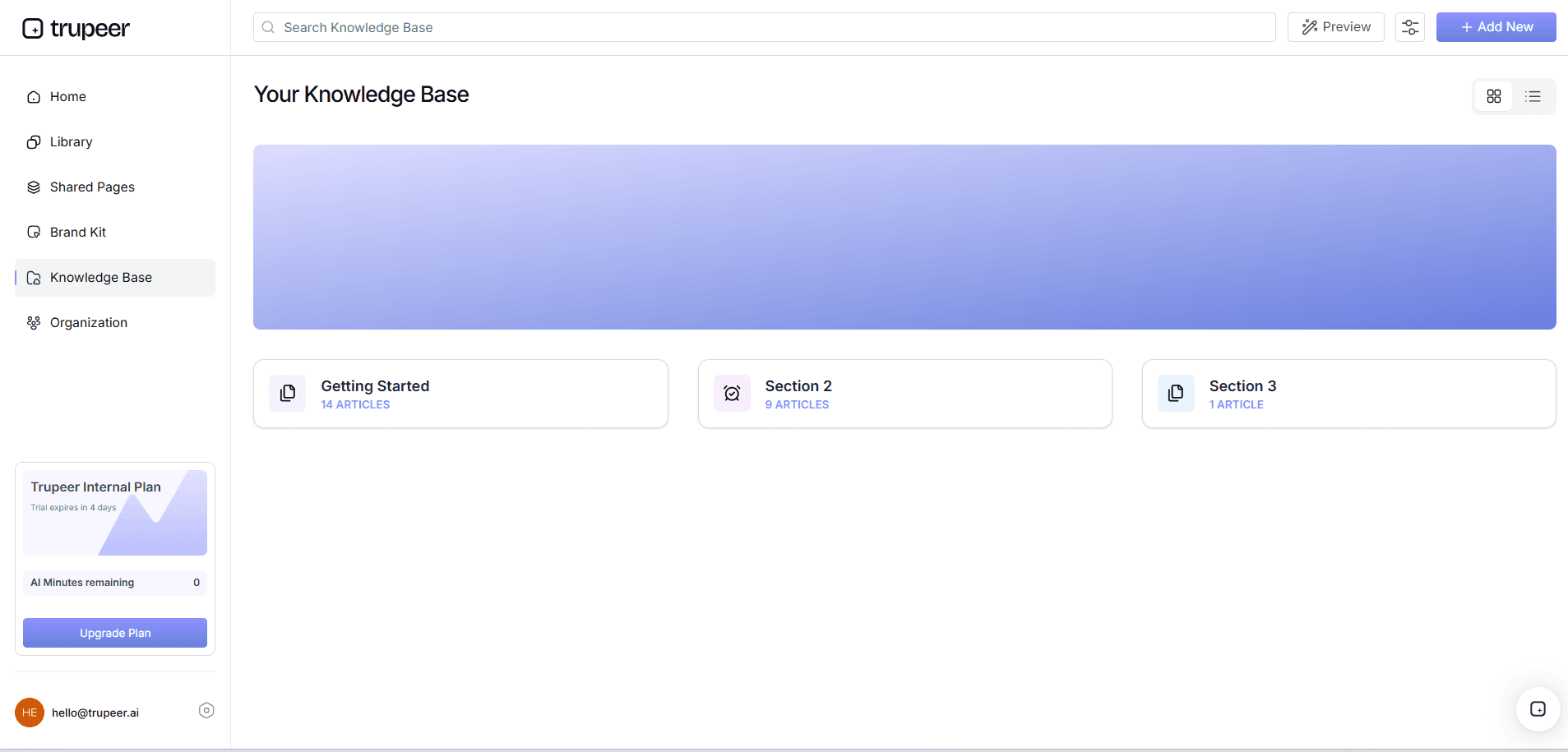
Finally, upload your release notes to Trupeer's AI-searchable knowledge base. This feature allows users to access notes with timestamp deep-links, making it easy for them to find specific updates. Navigate to "Knowledge Base" and select "Upload Document." Once uploaded, users can search for keywords and jump directly to related sections of the demo. This integration ensures that your release notes are not only comprehensive but also highly accessible, enhancing user engagement and understanding of new features.
What tips help you turn a feature demo into release notes automatically?
Automating the conversion of feature demos into release notes can be a big shift for your workflow, but it requires careful planning and execution. Here are some tips to maximize efficiency and accuracy:
Standardize Your Demo Format. Ensure all demos follow a consistent format to facilitate easier automatic segmentation and documentation.
Use Quality Audio and Visuals. High-quality recordings improve AI transcription accuracy. ai/tools/product-demo-video-maker">product demo video maker for best results.
use AI Voice Cloning. Maintain a consistent brand voice across all demos by using AI voice cloning for narration.
Edit SOPs for Clarity. While automation handles the heavy lifting, reviewing and editing SOPs ensures clarity and reduces potential user confusion.
Integrate with Existing Tools. smoothly integrate Trupeer with your current knowledge base or CRM for simplified operations and distribution.
Test the Process. Conduct trial runs to identify any potential bottlenecks or issues before full-scale implementation.
Regularly Update Templates. Keep your templates and SOPs updated to reflect any changes in feature demonstration styles or product updates.
Frequently asked questions
How does Trupeer handle different demo lengths?
Trupeer is designed to efficiently process demos of varying lengths. For shorter demos, the automatic segmentation and SOP generation are completed quickly, often within minutes. Longer demos may take slightly more time, but Trupeer's solid processing capabilities ensure that all interactions are captured accurately regardless of length. The AI system scales to handle extended recordings by efficiently managing resources and ensuring that each segment is processed with precision. This adaptability ensures that no matter the length of your demo, the conversion into release notes is smooth and comprehensive.
What if there are errors in the automated release notes?
While Trupeer's AI technology is highly accurate, occasional errors can occur, especially with complex jargon or unclear audio. That's why the generated SOPs and release notes are edit-ready, allowing for manual review and correction. Users are encouraged to review the output for accuracy and clarity, making any necessary adjustments before distribution. This review process ensures that the final release notes are both accurate and reflective of the actual demo content, maintaining the integrity and reliability of your product documentation.
Can Trupeer's voiceover feature be customized?
Yes, Trupeer's AI voiceover feature offers extensive customization options. Users can select from over 65+ natural voices and adjust the pace, tone, and style to fit their brand's requirements. also, voice cloning allows you to create a custom voice profile, ensuring consistency across all narrated demos. This customization enhances the professionalism and engagement of your demos, making them more accessible and enjoyable for users. The ability to tailor the voiceover to specific needs is particularly useful for international audiences or specialized industries.
Why should I use Trupeer over other video tools?
Trupeer offers a comprehensive suite of features tailored for automating demo-to-release notes conversion, which many other tools don't provide. Its strengths lie in AI-driven automation, precision in capturing demos, and smooth integration with existing documentation systems. While some tools may offer basic recording capabilities, Trupeer's focus on automated documentation and knowledge bases sets it apart, providing a more integrated and efficient solution for managing product updates. Its capabilities make it a strong competitor in the Scribe alternative comparison for SOPs.
Does Trupeer support multiple languages for release notes?
Yes, Trupeer supports multiple languages through its AI translation capabilities. This feature enables you to create release notes in over 40 languages, making your product updates accessible to a global audience. The translation process includes lip-sync and dubbing options, ensuring that even non-English speaking users can fully engage with your demos. This multilingual support is part of Trupeer's commitment to providing a comprehensive video localization tool that enhances global reach and user experience.