4.8/5
Free UAT Documentation Automation
Turn a recorded user acceptance test into step-by-step evidence, defect notes, and sign-off-ready documentation, automatically.
Get started for free
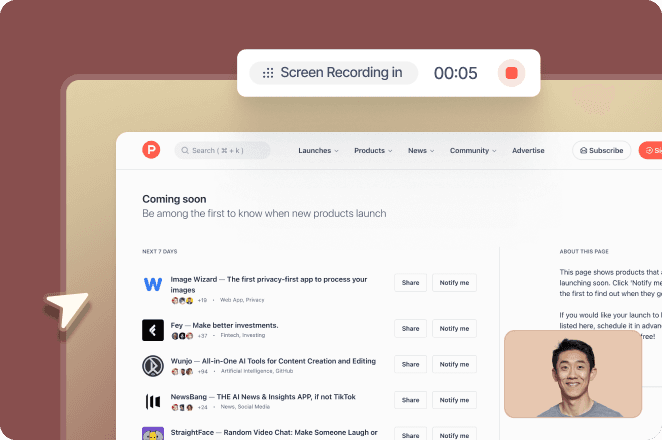
UAT documentation automation replaces the slowest part of user acceptance testing, writing up what was tested and what happened, with a screen recording the platform turns into evidence for you. With Trupeer, a tester runs the scenario while recording, and the tool produces a structured document with captioned screenshots and ordered steps that show exactly what was checked. The test record writes itself instead of being reconstructed from memory after the session.
UAT sits on the critical path to every go-live, and it is usually the phase where documentation falls apart. Business users running the tests are not technical writers, screenshots get pasted into a spreadsheet hours later, and by sign-off nobody is sure whether the evidence matches what was actually tested. Capturing the run as it happens keeps the test documentation accurate and ready when stakeholders need to sign off.
How to Use UAT Documentation Automation
The tool fits how QA and business teams already run user acceptance testing, with almost no learning curve. Trupeer's screen recorder captures the test run, and the AI handles the structuring, writing, and formatting across three steps.
Step 1: Record the Test Run
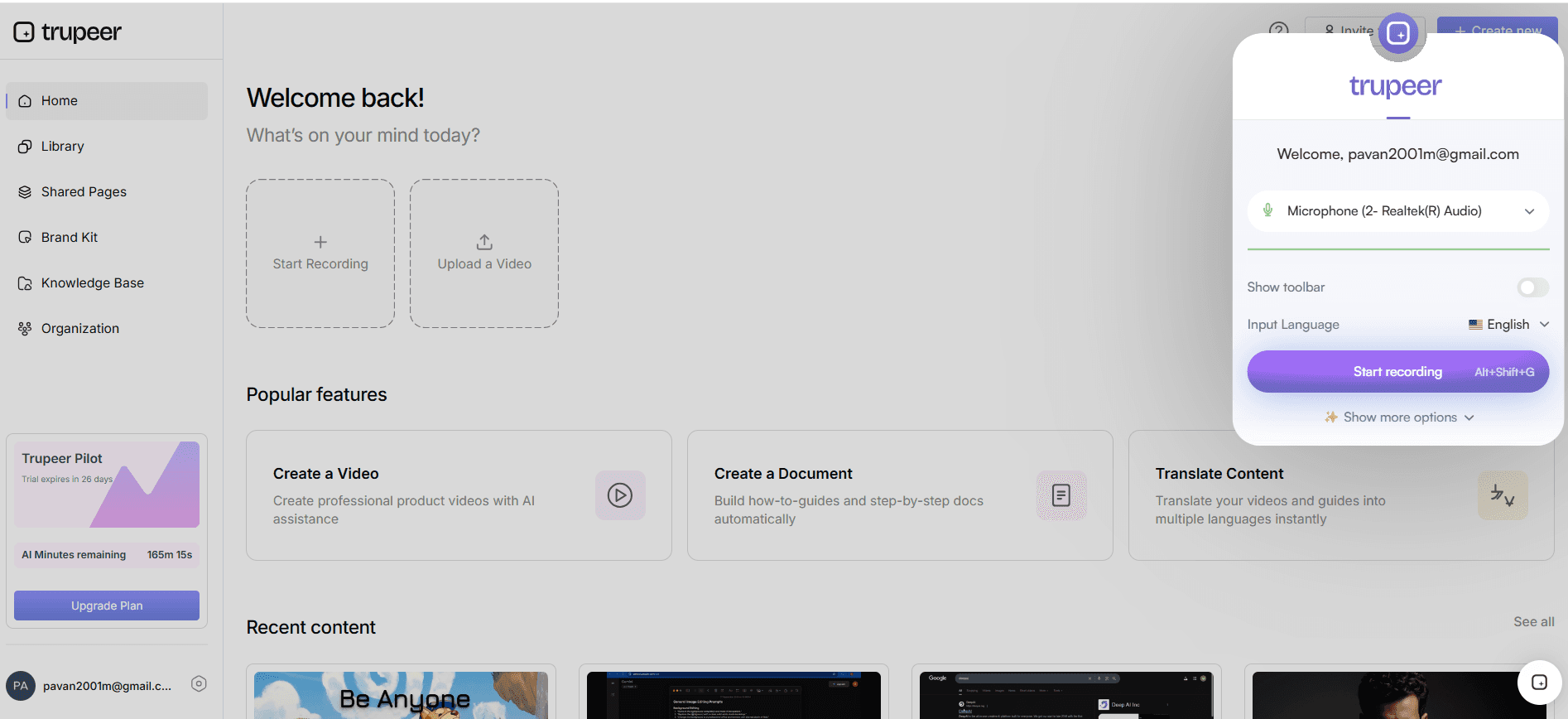
Open the screen recorder and execute the test case exactly as you would during UAT, narrating the expected result and what you are checking at each step. Already have a recorded session? Upload it instead. This is the only manual step the documentation needs.
Step 2: Generate the Test Documentation
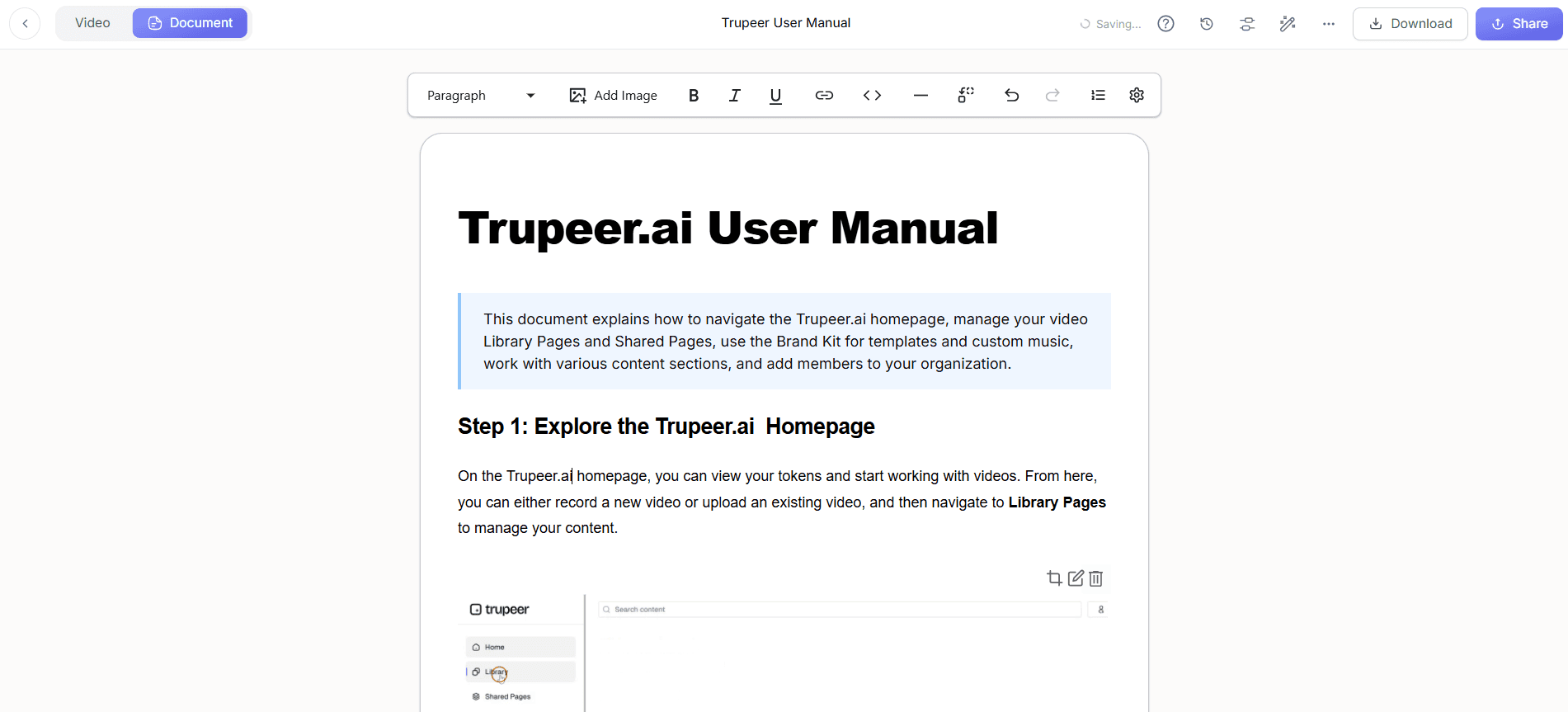
Once the recording is complete, the tool processes it automatically. It summarises the session, captures captioned screenshots at each action, and writes a clean numbered sequence, producing test evidence you can publish as a step-by-step guide or a formal test script or SOP.
Step 3: Annotate, Translate, and Share for Sign-Off
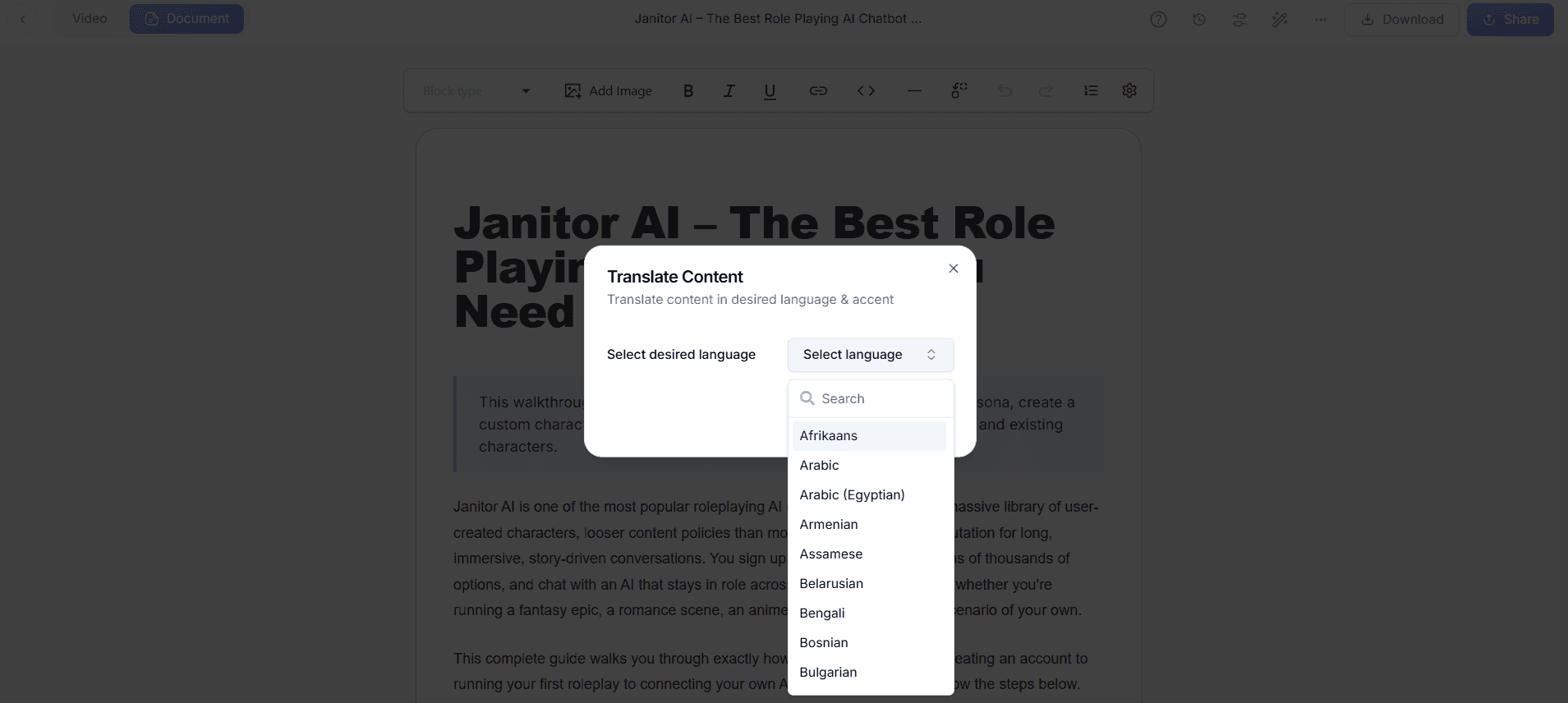
The generated document is fully editable, so you can add the expected versus actual result, flag a defect, and reorder steps. Translate it into 65+ languages for distributed test teams, then share a single link for stakeholder review. Because the document stays linked to the recording, a developer or approver can jump to the exact moment a step ran.
Key Features of UAT Documentation Automation
The tool turns a single test recording into structured evidence, defect context, and reusable test documentation, so user acceptance testing stops generating a documentation backlog of its own.
Step-by-Step Evidence From One Recording: The AI breaks each test run into clear, ordered steps with captioned screenshots of the exact screens, so the evidence shows what was tested rather than describing it. Every step stays editable, so testers can add the expected result or a pass/fail note before the document ships.
Defect Capture With Timed Comments: Reviewers leave timed comments tied to the exact moment a defect appears in the recording, so a developer sees precisely where a test case failed. This replaces the usual back-and-forth of pasted screenshots and vague descriptions in an email thread.
Reusable Across Test Cycles: Recordings can be duplicated and repurposed, so a test case documented in one cycle becomes the baseline for regression and the next release. Teams build a reusable test library instead of re-documenting the same scenarios every round.
Translation Into 65+ Languages: Translate the test documentation and narration so offshore QA teams and international business users work from the same evidence in their own language. One master stays the source rather than a separate copy per region drifting out of sync.
Sign-Off-Ready Output: Trupeer generates a polished, branded video alongside the written document with your brand kit applied, and you can share the video, the document, or both with visibility control. Stakeholders review clean evidence rather than a rough screen capture when they approve a release.
Lives Where QA Works: Embed test evidence into a wiki such as Confluence next to the tickets it relates to, or host the full set in a searchable knowledge base. The documentation sits where testers and developers already work instead of in a disconnected spreadsheet.
Why Use UAT Documentation Automation?
Manually written UAT documentation is slow to produce and easy to get wrong, and weak evidence is exactly what holds up a sign-off or fails an audit. Automating it removes that drag while making the test record more accurate and consistent.
Cut Documentation Time in UAT: Recording replaces the manual cycle of screenshotting, annotating, and writing up each test, so testers spend their time testing. The evidence is mostly written by the time the session ends, which keeps user acceptance testing on schedule.
Produce Consistent, Auditable Evidence: Every test traces back to a recording with steps and screenshots, so the evidence is uniform across testers rather than depending on who documented it. When a client or auditor asks how a feature was validated, you can show exactly what happened.
Communicate Defects Faster: Timed comments and linked video let a developer see the precise step where a test case failed, instead of trying to reproduce a defect from a written description. That shortens the loop between finding an issue and fixing it.
Repeat Across Releases: Documented test cases become the baseline for regression and future cycles, so each release reuses evidence rather than starting from scratch. The test library compounds in value the more you ship.
Bridge Business and Technical Teams: Business users running UAT produce clear, structured evidence developers can act on, without needing to write like QA engineers. The recording does the explaining, so the gap between what a user saw and what a developer needs closes.
Who Should Use UAT Documentation Automation?
The tool is valuable for anyone who runs, coordinates, or signs off on user acceptance testing, from a single feature release to a large ERP or CRM rollout.
QA and Test Leads: Standardize how test evidence is captured across the team so every UAT cycle produces consistent, reviewable documentation. Spend less time chasing testers for screenshots and more time on coverage and defects.
Business Analysts and UAT Coordinators: Turn test runs into clear documentation and sign-off packs without manually assembling evidence from each tester. Keep the whole cycle’s record organized in one place for stakeholders.
Business Users and SMEs Running Tests: Document a test simply by recording it, so subject experts who are not technical writers still produce usable evidence. Their narration becomes the explanation, so nothing is lost between testing and reporting.
Implementation and Rollout Teams: Capture UAT for ERP, CRM, and SaaS go-lives, such as a Salesforce or workflow rollout, where many scenarios must be validated before launch. Reuse the same captures for end-user training after go-live.
Compliance and Audit Teams: Maintain a controlled, traceable record of how each requirement was tested and approved. Because every test links to its recording with version history, audit evidence is ready rather than reconstructed.
Best Practices for UAT Documentation Automation
A little structure makes the output stronger, helping the AI produce cleaner evidence and cutting review time before sign-off.
Record One Test Case Per Session: Keep each recording to a single scenario so the resulting evidence stays focused and maps cleanly to one test case. Shorter, single-purpose recordings are also far easier to rerun and update for regression.
Narrate Expected Versus Actual: State what you expect to happen before each step and call out the actual result, so the documentation captures the verdict and not just the clicks. This narration feeds both the AI voiceover and the written steps.
Capture the Full Defect Path: When a test fails, keep recording through the error so the evidence shows how to reproduce it end to end. A developer can then follow the exact path rather than guessing from a single screenshot.
Organize by Release and Cycle: Set up folders per release or test cycle so evidence is easy to find at sign-off and reusable for the next round. A clear structure turns a pile of recordings into a maintainable test library.
Refresh Evidence Each Cycle: When the application changes, re-record only the affected test cases and regenerate the steps, so the documentation keeps matching the live build. Treat the test library as a living asset rather than a one-off deliverable.
Explore Related Tools
Key benefits for UAT teams
Evidence from one recording
Record the test run once and Trupeer produces structured evidence with captioned screenshots and ordered steps, so the test record writes itself.
Defects with timed comments
Reviewers comment on the exact moment a defect appears in the recording, so developers see precisely where a test case failed.
Reusable across cycles
Duplicate and reuse recordings so a documented test case becomes the baseline for regression and the next release.
How to automate UAT documentation with Trupeer
الخطوة 1
Record the test run
الخطوة 2
AI generates the test documentation
الخطوة 3
Annotate, translate, and share for sign-off
الأسئلة الشائعة
What is UAT documentation automation?
It is the practice of generating user acceptance testing documentation automatically from a screen recording instead of writing it by hand. With Trupeer, a tester records the run and the tool produces structured evidence with captioned screenshots and ordered steps, ready as a test script or SOP.
How does it capture test evidence?
As the tester records the scenario, Trupeer summarises the session, captures screenshots at each action, and lays out the steps as a step-by-step guide. The document stays linked to the video, so reviewers can jump to the exact moment any step ran.
Can it help log and communicate defects?
Yes. Reviewers leave timed comments tied to the precise moment a defect appears in the recording, so a developer can see where a test case failed and how to reproduce it, rather than working from a written description alone.
Can the documentation be reused for regression and future releases?
Yes. Recordings can be duplicated and organized in folders, and documents can be translated into 65+ languages, so a test case documented once becomes the baseline for regression and the next cycle instead of being rewritten each time.
Who uses UAT documentation automation?
QA and test leads, business analysts and UAT coordinators, business users running tests, implementation and rollout teams, and compliance or audit teams. Anyone who runs or signs off on user acceptance testing and needs clear, traceable evidence.