Trupeer Blog

In a rapidly evolving enterprise landscape, choosing the right tools for training and knowledge management is critical. Companies often face the dilemma of selecting between a Learning Management System (LMS) and a Knowledge Base (KB) for their organizational needs. Both have unique advantages, but each comes with its own set of costs and complexities. For instance, a global survey found that businesses could spend upwards of
$30,000 annually on LMS solutions
, while a knowledge base might require a different financial commitment. This decision impacts not only your budget but also how effectively your teams can access and disseminate information. Whether you're a startup or a well-established corporation, understanding the full cost implications of these systems is crucial. This guide is crafted to help you navigate these choices and optimize your investment, with insights drawn from the best knowledge base examples.
Why does LMS vs Knowledge Base Total Cost of Ownership matter?
Understanding the total cost of ownership (TCO) for an LMS versus a Knowledge Base is vital for businesses aiming to make informed decisions about their digital infrastructure. The stakes are high, as these tools directly affect organizational efficiency, employee productivity, and customer satisfaction. A comprehensive evaluation of TCO helps in identifying not just the direct costs, but also the hidden expenses associated with implementation, maintenance, and scaling. For many companies, the choice between an LMS and a KB is not just about budget constraints; it's about aligning the tool with the company’s strategic goals. For example, in a customer success workflow, the right knowledge management tool can significantly enhance service delivery and response times.
Different stakeholders in an organization will have varied perspectives on this decision. IT departments might focus on the technical aspects and integration capabilities, while HR and training teams are concerned with user engagement and learning outcomes. Meanwhile, executives are often interested in the overall impact on business performance and ROI. Balancing these interests requires a deep dive into how each option supports company objectives. The ultimate goal is to ensure that the selected solution not only fits the current needs but is also adaptable to future growth. This strategic alignment can lead to significant competitive advantages by building a more informed and agile workforce.
What are the benefits of understanding LMS vs Knowledge Base TCO?
Recognizing the benefits of understanding the total cost of ownership for LMS and KB platforms can change how you approach digital transformation in your organization.
Cost Predictability. By assessing TCO, companies can anticipate and budget for both upfront and long-term expenses, avoiding unexpected financial burdens.
Resource Allocation. With clear insights into costs, organizations can allocate resources more effectively, ensuring that both financial and human resources are used well.
Strategic Planning. Understanding TCO enables better strategic planning, aligning technology investments with business goals and improving the decision-making process.
Operational Efficiency. Selecting the right tool based on TCO can simplify processes and reduce redundancy, enhancing operational efficiency across departments.
Improved ROI. A thorough analysis of TCO contributes to maximizing return on investment by ensuring that the chosen system delivers value proportional to its cost.
Reduced Friction. An informed choice based on TCO can lead to smoother implementation and fewer disruptions, as seen in a well-chosen knowledge base one case study.
Teams ship this workflow end-to-end using Trupeer's AI video platform, which turns raw recordings into polished output without an editor.
Which Trupeer features help you manage LMS vs Knowledge Base TCO?
Trupeer offers a suite of capabilities that can significantly impact how organizations manage the total cost of ownership for both LMS and Knowledge Base systems. Each feature is designed to enhance efficiency, reduce costs, and improve user experience.
AI Screen Recording with Auto-Zoom and Click Detection
This feature allows users to capture detailed screen recordings effortlessly, highlighting key interactions automatically. This reduces the need for manual editing and accelerates the content creation process, lowering labor costs. By focusing on user actions, recordings are more engaging and informative, which is crucial for both training and knowledge sharing.
Automatic SOP Generation from Any Recording
Trupeer's capability to generate SOPs directly from video recordings simplifies documentation processes. This not only saves time but also ensures consistency and accuracy in procedural documents. The AI documentation platform supports export in multiple formats, making it easy to integrate with existing systems and reducing the need for additional documentation tools.
AI-Searchable Knowledge Base
Trupeer enhances your knowledge management with an AI-searchable knowledge base that indexes recordings with timestamp deep-links. This feature allows users to find information quickly and efficiently, improving productivity and reducing the time spent searching for knowledge. It also supports custom-domain hosting, ensuring smooth integration into your company's digital ecosystem.
AI Translation into 40+ Languages with Lip-Sync
Breaking language barriers is easier with Trupeer’s translation capabilities. This feature allows your content to reach a global audience without the high costs of traditional translation services. The AI-driven translation and lip-sync ensure that your educational content is accessible and engaging for non-English audiences, providing a competitive edge in diverse markets.
Viewer Engagement Analytics, Drop-Off, and Heatmaps
Understanding how users interact with your content is crucial for improving its effectiveness. Trupeer provides detailed analytics on viewer engagement, offering insights into how content is consumed. This data helps refine training materials, ensuring they meet user needs and expectations, ultimately enhancing the return on your investment in knowledge management systems. The knowledge base generator tool also supports these analytics, providing a comprehensive view.
How do you evaluate LMS vs Knowledge Base TCO step by step with Trupeer?
Step 1: Capture the Initial Requirements
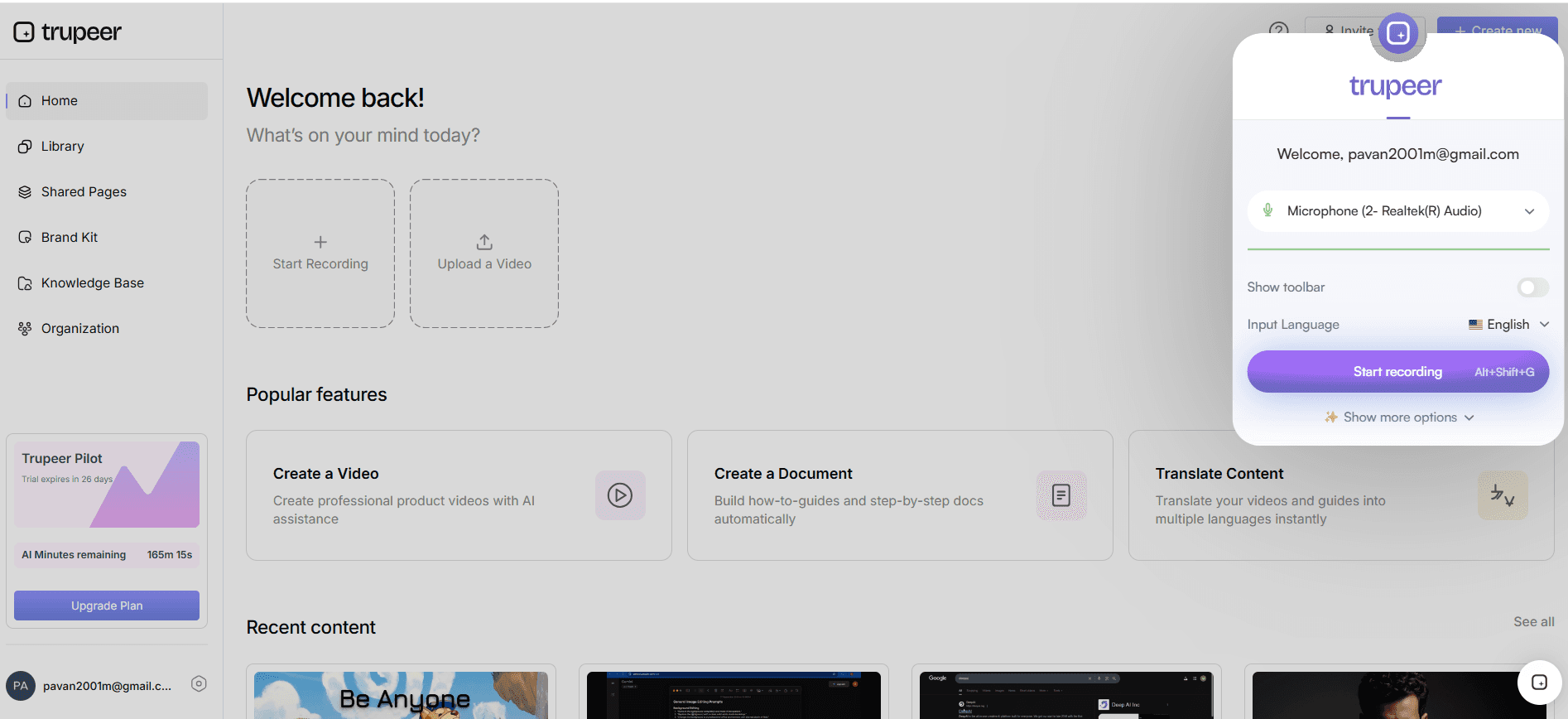
Begin by using Trupeer’s browser-based recorder to document your team's current requirements for an LMS or Knowledge Base. Simply open the recorder, select your desired settings, and start capturing. As you click through your current system or discuss requirements with stakeholders, Trupeer’s AI will automatically highlight key interactions with auto-zoom and click detection. This creates a visual record that’s easy to review and share with decision-makers, providing a clear understanding of what your organization needs in a new system.
Step 2: Analyze Current Costs
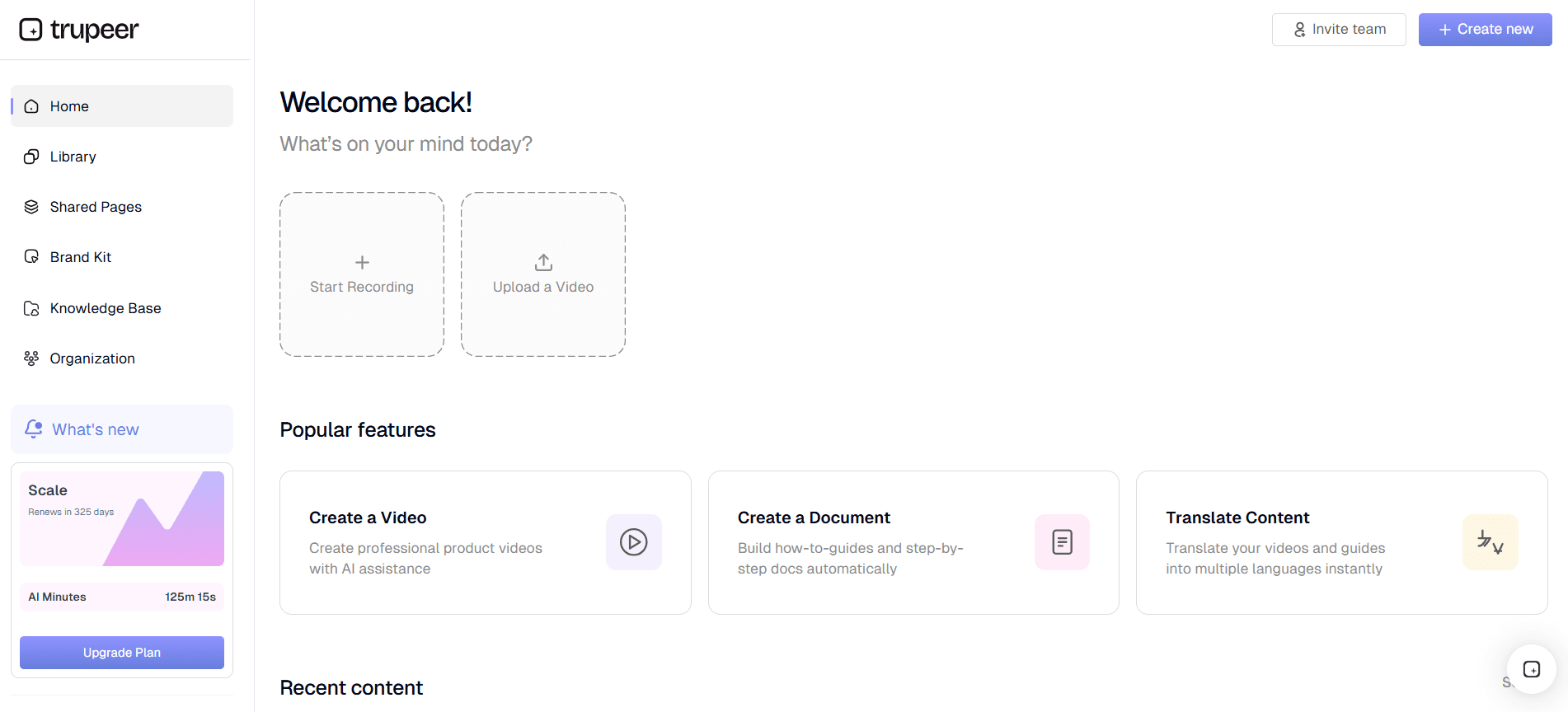
Document your existing cost structure by recording a walkthrough of your current LMS or KB setup. Use Trupeer's AI screen recording to capture this information, ensuring that every click and navigation step is visible. The automatic AI narration feature can provide context during playback. This recording can then be shared with your finance team for a comprehensive analysis of current expenditures, helping you identify potential areas for cost reduction or reallocation when considering new systems.
Step 3: Generate SOPs for Current Processes
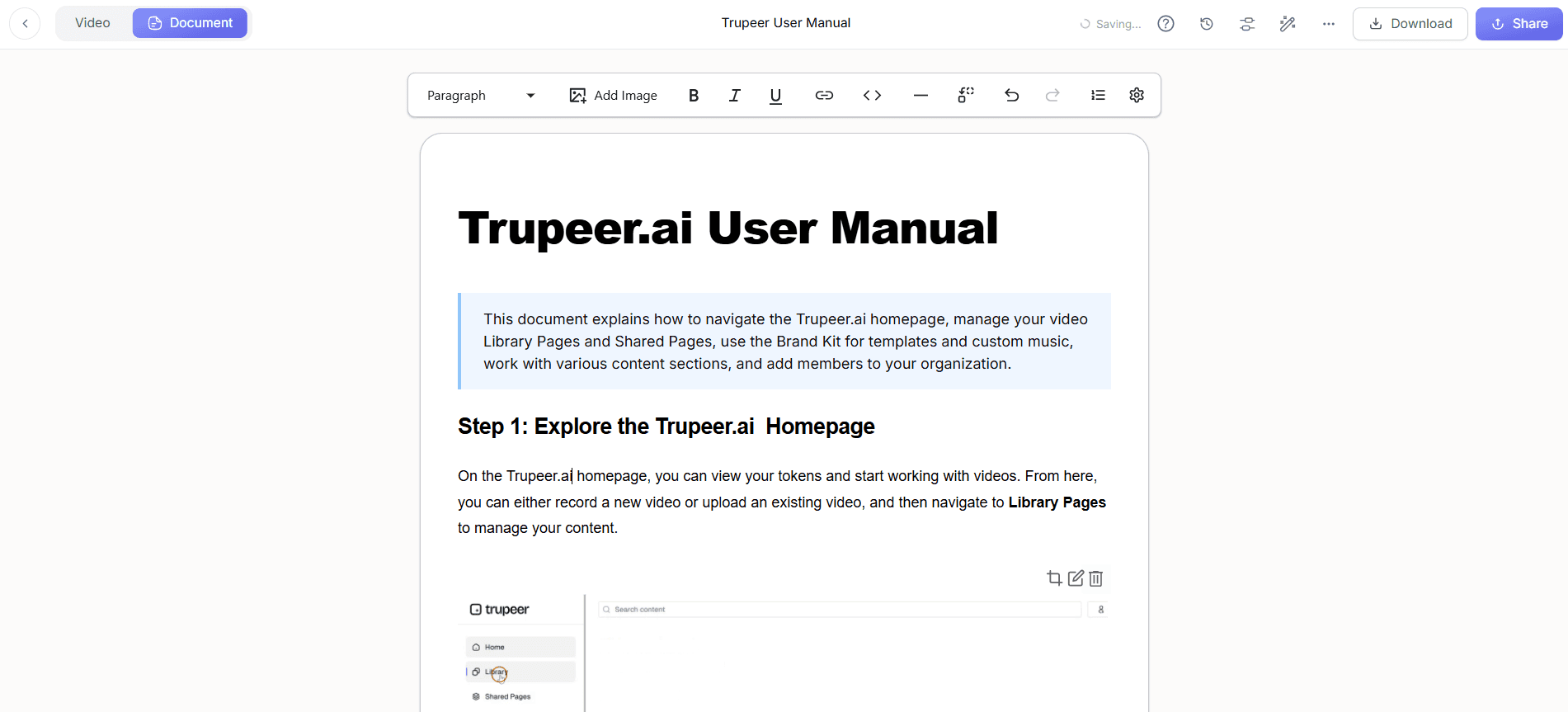
Use Trupeer’s automatic SOP generation capability to create standardized documentation from your recordings. After capturing your current processes, use Trupeer to automatically generate detailed SOPs. These documents are exportable in various formats, such as PDF or HTML, which makes them easy to distribute across teams. This step ensures that all stakeholders have a consistent understanding of existing workflows, which is crucial when evaluating the impact of transitioning to a new LMS or KB solution.
Step 4: Translate Content for Global Teams
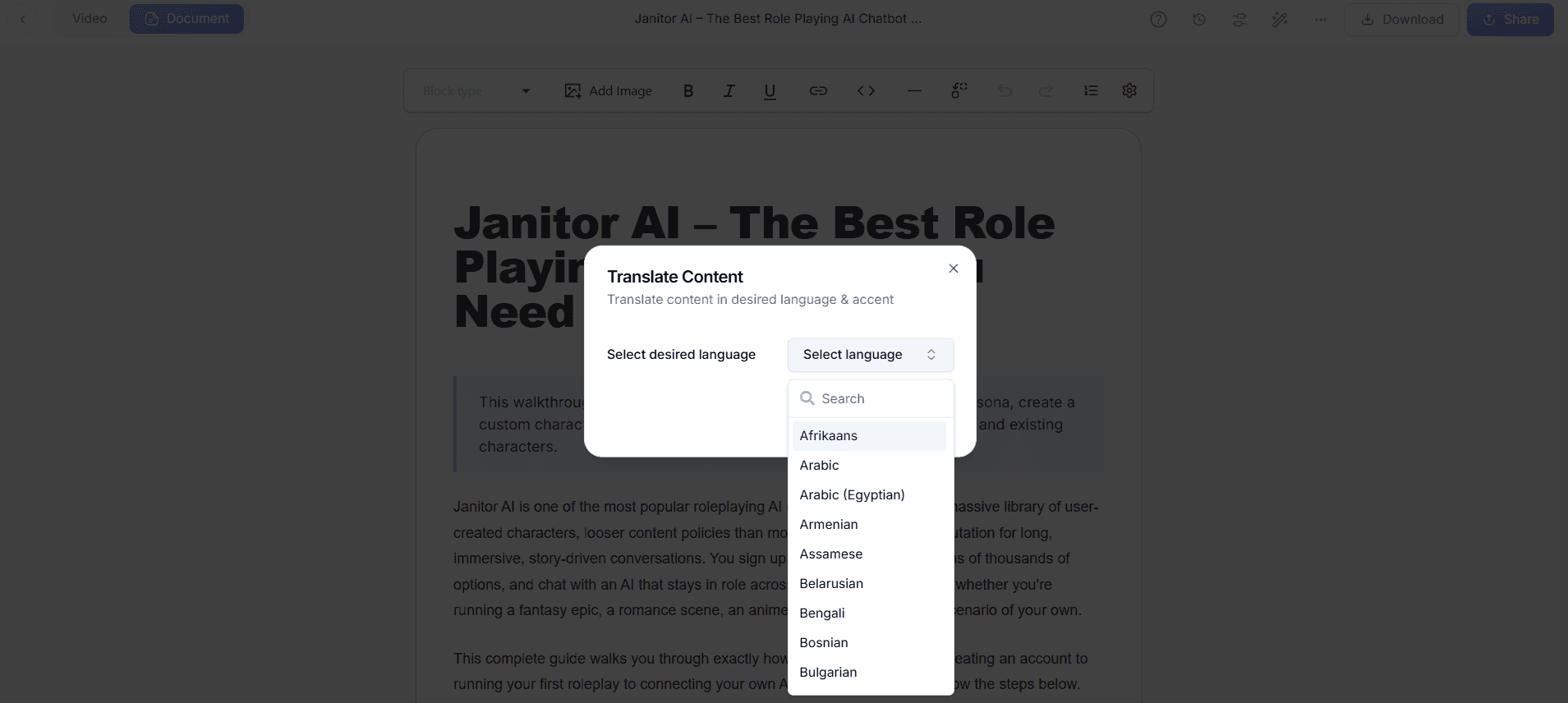
For organizations with international teams, translating content is vital. Use Trupeer’s AI translation feature to convert your recordings and SOPs into over 40 languages. This process ensures that all team members, regardless of their location, have access to the same information. The AI-driven lip-sync capabilities make translated videos engaging and accurate, building better understanding and collaboration across borders. This feature is particularly beneficial when assessing the global applicability of your LMS or KB.
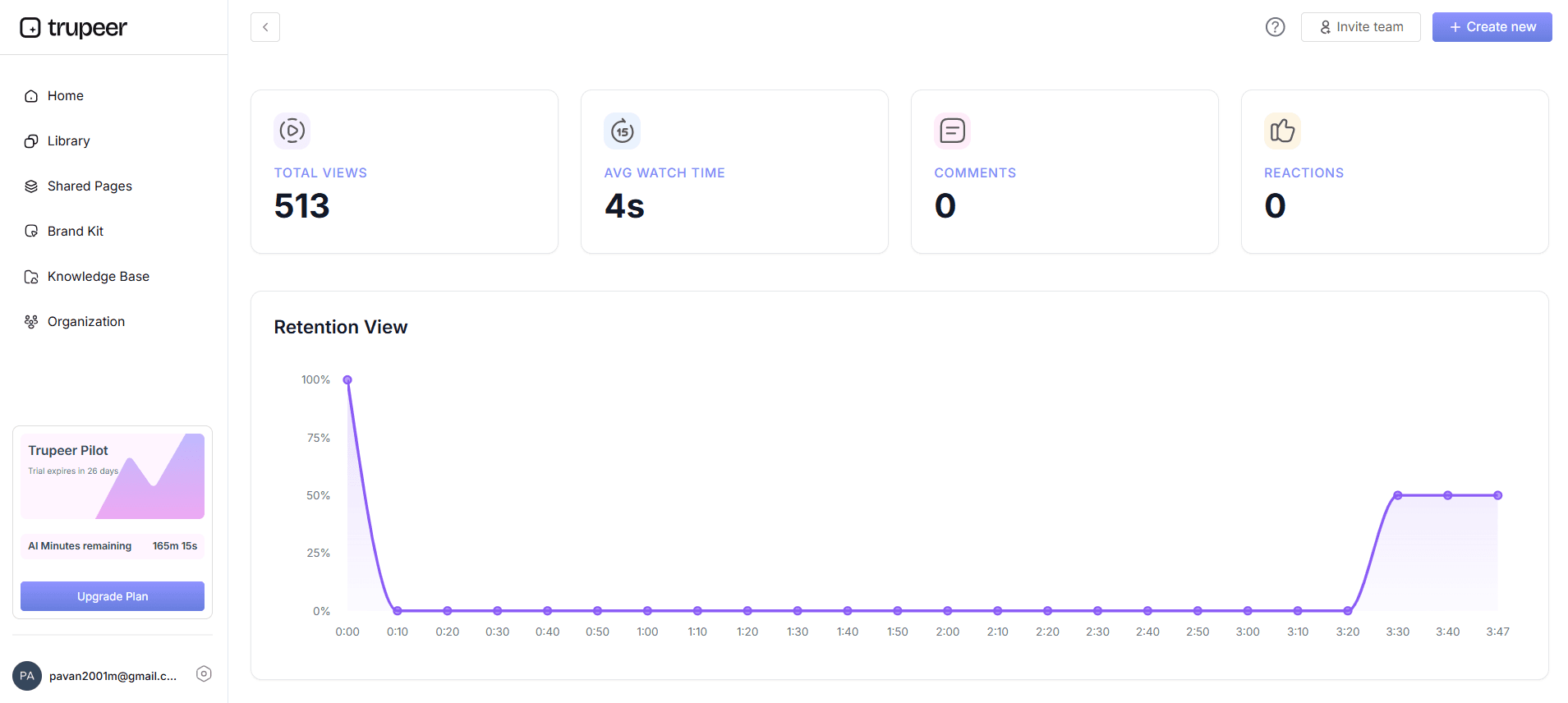
Step 5: Evaluate User Engagement
Use Trupeer’s viewer engagement analytics to understand how effectively your current LMS or Knowledge Base serves your organization. By analyzing viewer drop-off rates and heatmaps, you can identify which parts of your content are most engaging and where improvements are needed. This data is critical in assessing whether a shift to a new system would enhance user interaction and efficiency. Sharing these insights with your team can drive informed discussions about potential system upgrades or replacements.
Step 6: Compare Alternatives
Finally, compare different LMS and Knowledge Base options using Trupeer’s insights. Review your engagement analytics and SOPs to see how well they align with the capabilities offered by each system. You can also reference Loom alternative comparison materials to understand the strengths and weaknesses of various platforms. This comprehensive comparison ensures that you choose a system that meets both your current needs and future ambitions, optimizing your total cost of ownership.
What tips help you assess LMS vs Knowledge Base TCO?
When evaluating the total cost of ownership for LMS and Knowledge Base solutions, strategic planning and detailed assessment can lead to more informed decisions. Here are some practical tips to aid your evaluation process:
Conduct a Needs Assessment. Thoroughly analyze your organization's requirements to ensure the chosen system addresses specific needs and reduces unnecessary spending.
Involve Key Stakeholders. Engage department heads and end-users early in the decision-making process, using their insights to align the system with organizational goals.
Consider Scalability. Choose a solution that can grow with your organization, minimizing future costs associated with system upgrades or replacements.
Evaluate Integration Capabilities. Ensure the system can smoothly integrate with existing tools to facilitate smooth workflows and reduce transition costs.
Analyze Hidden Costs. Look beyond the initial purchase price to consider training, support, and potential downtime expenses.
use Free Trials. Take advantage of trial periods offered by vendors to test system functionality and fit within your organizational context.
Benchmark Against Competitors. Use resources like the Scribe alternative comparison to understand how different systems stack up against each other.
Trupeer also ships a internal knowledge base wiki software that handles this step without extra setup.
Frequently asked questions
How do you calculate the total cost of ownership for an LMS vs a Knowledge Base?
To calculate the total cost of ownership (TCO) for an LMS or Knowledge Base, you need to consider both direct and indirect costs. Direct costs include licensing fees, hardware, and software expenses. Indirect costs encompass training, maintenance, support, and any downtime that might occur during implementation. also, evaluate the costs associated with scaling the system as your organization grows. This comprehensive analysis helps ensure that you are fully aware of all financial implications, allowing for more strategic budget planning.
What factors should be considered when choosing between an LMS and a Knowledge Base?
When choosing between an LMS and a Knowledge Base, consider the specific needs of your organization. An LMS is ideal for structured learning environments where tracking progress and certifications are crucial. A Knowledge Base, on the other hand, excels in providing quick access to information and resources. Evaluate your team's learning preferences, the complexity of training materials, and the need for content updates. also, consider integration capabilities with existing systems to simplify workflows and enhance productivity.
Can Trupeer help reduce the total cost of ownership for these systems?
Yes, Trupeer can significantly reduce the total cost of ownership for both LMS and Knowledge Base systems. Its AI-driven features automate content creation and management processes, which minimizes manual labor and associated costs. By providing tools for efficient screen recording, automatic SOP generation, and AI translation, Trupeer simplifies operations and enhances resource allocation. also, its analytics capabilities allow you to optimize content, improving user engagement and maximizing the return on your technology investments.
Does implementing a Knowledge Base require significant IT resources?
Implementing a Knowledge Base does not necessarily require significant IT resources, especially with platforms like Trupeer that offer user-friendly, browser-based solutions. Trupeer's tools allow for straightforward setup and management, reducing the need for extensive technical expertise. However, initial setup and integration with existing systems might require some IT involvement. Once integrated, ongoing management can often be handled by non-technical staff, thanks to automated features that simplify content updates and user access.
Is there a way to make LMS and Knowledge Base content accessible globally?
Absolutely. Trupeer's AI video translation capabilities allow you to make your LMS and Knowledge Base content accessible to a global audience. By translating your materials into over 40 languages with accurate lip-sync, you ensure that all team members can engage with the content effectively, regardless of their native language. This feature not only broadens your content's reach but also enhances inclusivity within your organization, building a more collaborative and connected global team.
Related Blogs