Trupeer Blog
Обобщение
Every organization has a few people who just know how things work. They know why an approval is routed a certain way, which vendor always needs a manual check and what to do when the month-end report doesn't balance. They're the subject matter experts (SMEs), and most of what they know isn't written down anywhere.
That's manageable until those people leave. During a transition, an outsourcing deal, a GCC setup, a merger or a system rollout, SME attrition tends to rise at exactly the moment their knowledge is needed most. When they go, the knowledge goes with them, and the new team learns the hard way.
This guide explains why SME attrition hits hardest during transitions, how to spot where your knowledge is most at risk, and a practical method to capture SME knowledge before attrition hits.
What Is Knowledge Retention?
Knowledge retention is the practice of capturing, storing and sharing the knowledge people hold, so the organization keeps it when those people move on. It covers two kinds of knowledge:
Explicit knowledge: information that's already written down or easy to write down, such as policies, system steps and reports.
Tacit knowledge: know-how built through experience, such as judgement calls, exceptions, workarounds and the reasons behind each step. This is the knowledge SMEs carry, and the hardest to retain.
A knowledge retention strategy aims to turn as much tacit knowledge as possible into something others can find, learn from and use.
Why SME Attrition Spikes During Transitions
SMEs leave organizations all the time, through retirement, promotion or new jobs. But transitions concentrate the risk:
Uncertainty pushes people to look elsewhere. When work is moving to a new provider, location or system, SMEs may worry about their future and start job hunting.
Roles are changing or ending. In outsourcing and GCC transitions, some SME roles are being moved, redesigned or eliminated.
Incumbent providers redeploy staff. In vendor-to-vendor transitions, the outgoing provider often moves its best people to other accounts before the exit date.
Rebadged and retained staff move on. Even employees who transfer or stay may leave in the months after the change.
Experts are overloaded. SMEs are asked to keep running the work, teach the new team and write documentation at the same time, which accelerates burnout.
The result is a familiar pattern: knowledge transfer is scheduled for the second half of the transition, and by then the people who were meant to deliver it have already gone.
The Real Cost of Losing SME Knowledge
When an SME leaves before their knowledge is captured, the costs show up in many places:
Errors and rework as the new team hits exceptions nobody documented.
Missed service levels during go-live and hypercare.
Longer ramp-up for new hires, who have to learn by trial and error.
Dependency on the few people left, creating new single points of failure.
Audit and compliance risk when controls and their rationale aren't recorded.
Repeated work, as teams rediscover answers the SME already had.
How to Find Where Your Knowledge Is at Risk
You can't capture everything at once, so start with a quick knowledge risk assessment. For each process or area, score three things:
Criticality: how much damage would it cause if this knowledge were lost? Consider volume, revenue, compliance and customer impact.
Concentration: how many people know it well? Knowledge held by one or two people is the highest risk.
Flight risk: how likely is it that those people leave during the transition? Consider role changes, retirement, contract end dates and signals from managers.
Processes that score high on all three go to the top of the capture plan. Knowledge that's critical and held by one person should be captured first, regardless of how secure that person seems.
What SME Knowledge to Capture
When you sit down with an SME, the standard process steps are only part of what matters. Make sure you capture:
The real steps in the real system, not the version in the old manual.
Exceptions and edge cases, and how to recognize them.
Decision rules and judgement calls, including the thresholds the SME uses without thinking.
The reasons behind each step, so the next person can adapt when something changes.
Workarounds and known system issues.
Key contacts and relationships: who to ask for what, internally and externally.
History: why the process works the way it does, and what's been tried before.
Periodic tasks, such as month-end, quarter-end and year-end activities that are easy to forget.
How to Capture SME Knowledge Before Attrition Hits
The most effective approach is recording-first: capture SMEs doing the work, then generate documentation from the recordings. It takes far less of the SME's time than writing, and it captures what they actually do, not just what they remember to say.
Step 1: Prioritize With the Risk Assessment
Use the criticality, concentration and flight-risk scores to build a capture plan. Start with the top processes and the SMEs most likely to leave.
Step 2: Start Capture at the Beginning of the Transition
Don't wait for the formal KT phase. Begin recording SMEs as soon as the transition is announced, or earlier, as part of normal operations. Knowledge captured early is knowledge you won't lose to a resignation later.
Step 3: Record SMEs Doing the Real Work
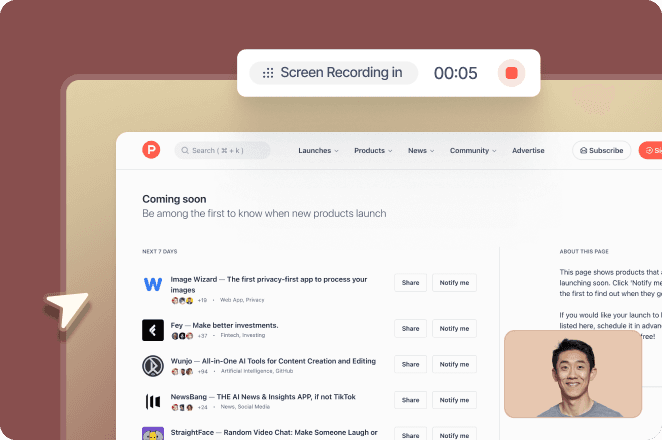
Ask SMEs to perform each task in the live system while explaining what they're doing and why. Use MS Teams or Zoom sessions, or let SMEs record short walkthroughs on their own schedule with a tool like Trupeer's AI screen recorder. Short, focused recordings of one task each are easier to turn into documentation than long sessions.
Step 4: Use Prompts to Draw Out Tacit Knowledge
Tacit knowledge rarely comes out unprompted. During or after each recording, ask:
What usually goes wrong here, and what do you do?
When do you make an exception to this rule?
What would a new person most likely get wrong?
Who do you contact when this doesn't work?
What do you check before you move to the next step?
Step 5: Turn Recordings Into SOPs and Videos Quickly
Upload each recording as soon as it's done. Trupeer turns it into a step-by-step SOP with screenshots and written instructions, plus a narrated video, in your template and brand kit. The faster drafts come back, the more likely the SME is still around to review them.
Step 6: Have the SME Review, and a Successor Test
Ask the SME to check each draft for accuracy and missing exceptions. Then ask a successor or peer to try the process using only the SOP. Anything they can't do from the documentation is a gap to fill while the SME is still available.
Step 7: Publish to a Searchable Knowledge Base
Store every SOP and video in one searchable knowledge base, organized by process. If teams work in different languages, use translation to produce versions for each location from the same source.
Step 8: Keep It Current After the SME Leaves
Assign an owner to each SOP. When a process changes, re-record the changed step and update the documentation, so the knowledge base stays accurate long after the original SME has moved on.
When an SME Resigns: A Notice-Period Capture Plan
Sometimes the warning comes late. When a key SME hands in their notice, act straight away:
List what only they know with their manager, using the risk assessment as a guide.
Block time in their calendar for recording sessions, early in the notice period, not the last week.
Record the highest-risk processes first, including exceptions and periodic tasks.
Name a successor and have them attend or review every recording.
Turn recordings into SOPs within days, so the SME can review them before they leave.
Capture contacts and open issues, including anything in progress that someone needs to pick up.
Retaining the People, Not Just the Knowledge
Capturing knowledge works best alongside efforts to keep SMEs engaged through the transition:
Be clear about their future, including roles, timelines and support.
Recognize their expertise by making them visible owners of the documentation they help create.
Protect their time, so documentation isn't piled on top of a full workload.
Consider retention arrangements for critical SMEs through the transition, in line with your HR policies.
How Trupeer Helps With SME Knowledge Retention
Trupeer is built to capture SME knowledge quickly, with as little of the expert's time as possible:
Low-effort capture: SMEs record walkthroughs in minutes with the AI screen recorder, or you upload existing KT and meeting recordings.
Instant documentation: every recording becomes a step-by-step SOP and a narrated video, so SMEs review instead of write.
Consistent format: templates and brand kits make documentation look the same, whichever SME recorded it.
One searchable library: publish everything to a knowledge base organized by process, so successors can find answers without the SME.
Multiple languages: translation produces SOPs, voiceovers and captions for every location from one source.
Easy updates: re-record only the step that changed, so the knowledge stays current.
Genpact used this recording-first approach to turn MS Teams process sessions and SME walkthroughs into 500+ SOPs and training videos in five languages in 3 months, for a program that would otherwise have taken 12. Read the Genpact customer story.
SME Knowledge Retention Checklist
Critical processes are scored for criticality, concentration and flight risk.
High-risk SMEs have a capture plan with dates.
Recording started at the beginning of the transition, not at the end.
Each critical task has a recorded walkthrough, including exceptions and reasons.
Every recording has been turned into an SOP and video.
SMEs have reviewed their drafts, and successors have tested them.
Everything is published in one searchable knowledge base.
Each SOP has an owner responsible for keeping it current.
For related guides, see our tribal knowledge transfer strategy, vendor-to-vendor transition knowledge transfer, rebadging in outsourcing transitions and process documentation for outsourcing.
Conclusion
SME attrition is one of the biggest risks in any transition, and it rarely gives much warning. The organizations that hold on to their knowledge are the ones that start capturing it early, focus first on what's critical and held by the fewest people, and make capture easy enough that busy experts actually do it.
Record SMEs doing the real work, turn the recordings into SOPs and videos, and keep them in one knowledge base. Start free with Trupeer and capture your SMEs' knowledge before attrition hits.
Frequently Asked Questions
What is knowledge retention?
Knowledge retention is the practice of capturing, storing and sharing what people know, so the organization keeps that knowledge when they leave. It covers both explicit knowledge, such as documented steps, and tacit knowledge, such as judgement calls and exceptions.
Why does SME attrition increase during transitions?
Transitions create uncertainty about roles and futures, some roles are moved or eliminated, outgoing providers redeploy staff, and SMEs are overloaded with running the work and teaching others at the same time.
How do you identify knowledge at risk?
Score each process on criticality, concentration and flight risk. Knowledge that's critical, held by one or two people and likely to leave soon should be captured first.
What is the best way to capture tacit knowledge from SMEs?
Record SMEs doing the real work in the live system while explaining each step, and use prompts about exceptions, judgement calls and common mistakes. Then turn the recordings into SOPs and videos for review.
How do you capture knowledge when an SME resigns?
List what only they know, block recording time early in their notice period, capture the highest-risk processes first, involve a successor, and turn recordings into SOPs quickly so the SME can review them before leaving.
How much SME time does knowledge capture take?
With a recording-first approach, much less than writing documentation. SMEs record walkthroughs of their real work and review AI-generated drafts, instead of writing SOPs from scratch.
What should be included in a knowledge retention plan?
A knowledge risk assessment, a prioritized capture plan, recording sessions with prompts for tacit knowledge, SOP and video creation, SME review and successor testing, a searchable knowledge base, and owners for keeping documentation current.
Can AI help with knowledge retention?
Yes. AI documentation tools like Trupeer turn recordings of SMEs into step-by-step SOPs and narrated videos, which reduces the time experts spend documenting and makes knowledge easier to search and update.
Свързани блогове