Trupeer Blog
Zusammenfassen
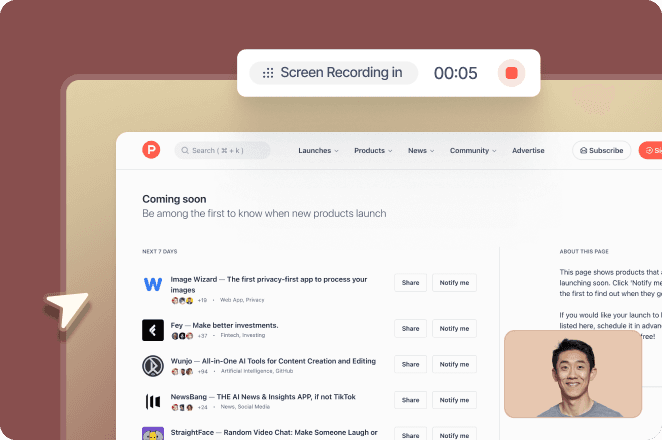
Stell dir vor, du bereitest dich auf ein großes Software-Rollout vor. Dein Team hat monatelang in die Entwicklung investiert, und jetzt ist es an der Zeit, das System mit echten Nutzern zu validieren. User Acceptance Testing (UAT) ist dein letzter Meilenstein – detaillierte Dokumentation kann über den Erfolg deines Deployments entscheiden. Unzureichende Dokumentation führt später häufig zu Verwirrung und Ineffizienz. Ein umfassender KI-Dokumentationsgenerator kann aus einem chaotischen Prozess einen vereinfachten Workflow machen. Wusstest du, dass Unternehmen mit schlechter UAT-Dokumentation eine um 30% höhere Rate an Problemen nach dem Deployment haben? Diese Zahl zeigt, wie entscheidend es ist, während der Systemtests jede notwendige Einzelheit festzuhalten.
Für Unternehmen ist eine gründliche UAT-Dokumentation nicht nur für den unmittelbaren Erfolg der Software wichtig, sondern auch für die langfristige Nachhaltigkeit von Nutzer-Schulungen und Support. Indem du jeden Testfall, jedes Ergebnis und jedes Feedback skizzierst, schaffst du einen Referenzpunkt, der zukünftige System-Updates und Troubleshooting verbessert. Egal, ob du Projektmanager, Business Analyst oder QA-Spezialist bist – diese Checkliste ist für dich. Sie hilft sicherzustellen, dass in dieser entscheidenden Phase nichts durchrutscht. Wenn die UAT-Dokumentation richtig gehandhabt wird, bildet sie eine solide Grundlage für Schulungs- und Support-Teams und reduziert die Zeit sowie die Ressourcen, die benötigt werden, um neue Nutzer schnell einsatzbereit zu machen.
Warum ist UAT-Dokumentation wichtig?
UAT-Dokumentation ist ein entscheidendes Puzzleteil für jedes erfolgreiche Software-Deployment. Ohne sie haben Teams keinen klaren Nachweis darüber, was getestet wurde, welche Probleme gefunden wurden und wie sie gelöst wurden. Dieses Fehlen kann zu wiederholten Fehlern und Ineffizienzen führen. Wenn Stakeholder keinen Zugriff auf detaillierte Aufzeichnungen haben, wird es schwieriger, Trends oder wiederkehrende Probleme zu erkennen. Außerdem wird es herausfordernd, konsistente Materialien für Nutzer-Support und Schulungen bereitzustellen. Wenn zum Beispiel ein bestimmter Bug während des UAT dokumentiert und behoben wurde, die Dokumentation jedoch unvollständig ist, kann das gleiche Problem in einem zukünftigen Update wieder auftauchen. Das kostet nicht nur Zeit, sondern wirkt sich auch auf die Zufriedenheit der Nutzer und ihr Vertrauen in das System aus.
Ein weiterer Grund, warum UAT-Dokumentation unerlässlich ist, ist ihre Rolle bei der Ermöglichung einer effektiven Kommunikation zwischen funktionsübergreifenden Teams – einschließlich Entwicklern, QA-Testern und Business Analysten. Jede Gruppe muss verstehen, welche Entscheidungen während des Tests getroffen wurden und welche Änderungen umgesetzt wurden. Klare Dokumentation stellt sicher, dass alle auf dem gleichen Stand sind, und reduziert so das Risiko von Missverständnissen. Diese Klarheit erleichtert den Übergang von der Entwicklung in die Produktion, minimiert Ausfallzeiten und steigert die Produktivität. Kurz gesagt: UAT-Dokumentation dient als historischer Nachweis, der zukünftige Entscheidungen leitet und kontinuierliche Verbesserungsbemühungen in der gesamten Organisation unterstützt. Sie verbessert außerdem den Workflow für Schulungsvideos, sodass es leichter wird, didaktische Inhalte zu entwickeln, die zu den Bedürfnissen und Erwartungen der Nutzer passen.
Welche Vorteile bietet eine gründliche UAT-Dokumentation?
Eine gründliche UAT-Dokumentation bietet zahlreiche Vorteile, die Prozesse vereinfachen und den Gesamterfolg des Projekts steigern.
Verbesserte Fehlerverfolgung. Mit einer detaillierten Aufzeichnung von Testfällen und Ergebnissen können Teams wiederkehrende Probleme schnell identifizieren und beheben – für schnellere Lösungen und weniger Ausfallzeiten.
Verbesserte Kommunikation. Klare Dokumentation überbrückt Lücken zwischen Teams und stellt sicher, dass alle darüber im Bild sind, was getestet wurde und was noch verbessert werden muss. Diese Abstimmung stärkt Zusammenarbeit und Effizienz.
Vereinfachtes Training. Umfassende Dokumentation schafft eine solide Grundlage für die Erstellung von Schulungsmaterialien, die die Funktionen des Systems präzise abbilden – und ermöglicht so reibungslosere Onboarding-Prozesse für neue Nutzer.
Bessere Entscheidungsfindung. Mit Zugriff auf eine vollständige Audit-Trail-Aufzeichnung der Testaktivitäten können Stakeholder fundierte Entscheidungen über zukünftige System-Updates und Verbesserungen treffen – basierend auf Erkenntnissen aus früheren Erfahrungen.
Geringere Support-Kosten. Detaillierte Dokumentation hilft Support-Teams, Probleme effizienter zu diagnostizieren und zu lösen – und reduziert so Zeit und Ressourcen, die zur Unterstützung von Nutzern benötigt werden.
Compliance und Audit-Readiness. Wenn du eine gründliche Dokumentation pflegst, ist deine Organisation für Audits und Compliance-Prüfungen gerüstet – denn sie liefert einen klaren Nachweis über Testprozesse und Ergebnisse.
Für einen tieferen Einblick deckt unser Leitfaden zu bestem Dokumentations-Software das angrenzende Vorgehensspiel ab.
Teams liefern diesen Workflow Ende-zu-Ende mit Trupeer's AI Video-Plattform aus, die aus Rohaufnahmen ein professionelles Ergebnis macht – ohne Editor.
Welche Trupeer-Funktionen helfen dir, UAT-Dokumentation zu erfassen?
Trupeer bietet eine Reihe von Funktionen, die den Prozess der Erfassung von UAT-Dokumentation vereinfachen – damit es für Teams leichter und effizienter wird, ihre Testaktivitäten zu dokumentieren.
KI-Screen-Recording mit Auto-Zoom und Klick-Erkennung
Diese Funktion ermöglicht es Nutzern, detaillierte Aufzeichnungen ihrer UAT-Sitzungen zu erstellen, ohne wichtige Interaktionen zu verpassen. Die Auto-Zoom-Funktion stellt sicher, dass jede wichtige Aktion klar erfasst wird, während die Klick-Erkennung Nutzerinteraktionen für eine einfache Referenz hervorhebt. Das ist besonders nützlich, um automatisch generierte Dokumentation zu erstellen, die das Nutzerverhalten während der Tests präzise widerspiegelt – spart Zeit und minimiert Fehler in manuellen Dokumentationsprozessen.
Stilles Screen-Recording mit automatischem KI-Voiceover
Stille Screen-Aufzeichnungen erlauben Testern, ihre Sitzungen ohne störende Hintergrundgeräusche festzuhalten, während das automatische KI-Voiceover eine klare verbale Beschreibung der durchgeführten Aktionen liefert. Zusammen erzeugen sie eine vollständige Erzählung des Testprozesses – und erleichtern so das Überprüfen und Teilen mit Stakeholdern. Die Funktion unterstützt außerdem die Erstellung ansprechender Schulungsmaterialien, indem sie jeder aufgezeichneten Sitzung Kontext und Erklärung hinzufügt.
Automatische SOP-Erstellung aus jeder Aufzeichnung
Trupeer kann Standard Operating Procedures (SOPs) aus Aufzeichnungen generieren – damit keine kritischen Schritte un-dokumentiert bleiben. Diese SOPs sind editierbereit und können in mehreren Formaten exportiert werden, z. B. MP4, HTML und PDF. Diese Funktion vereinfacht nicht nur den Dokumentationsprozess, sondern sorgt auch für Konsistenz und Genauigkeit in Schulungsmaterialien sowie Support-Dokumentation.
KI-Übersetzung in 40+ Sprachen mit Lip-Sync
Für globale Teams unterstützt die KI-Übersetzungsfunktion von Trupeer über 40 Sprachen und enthält Lip-Sync für Videoinhalte. So können Organisationen lokalisierte Dokumentation und Schulungsmaterialien erstellen, die unterschiedliche Nutzergruppen ansprechen. Indem Unternehmen Inhalte in mehreren Sprachen bereitstellen, können sie Nutzerbindung und Verständnis verbessern – und die Hürden für Akzeptanz und Support reduzieren.
KI-durchsuchbare Wissensdatenbank mit Timestamp-Deep-Links
Diese Funktion indexiert jede Aufzeichnung mit Deep-Links auf Timestamp-Ebene, sodass Nutzer bestimmte Abschnitte oder Interaktionen schnell finden können. Diese Fähigkeit verbessert die Effizienz von Suche in der Video-Wissensdatenbank und erleichtert es Teams, relevante Dokumentation während der Tests und Support-Aktivitäten zu finden und darauf zu verweisen. Indem der Zugriff auf Informationen vereinfacht wird, können Organisationen die Zeit reduzieren, die sie mit der Suche nach spezifischen Details verbringen – was zu schnelleren Entscheidungen und Problemlösungen führt.
Wie erfasst du UAT-Dokumentation Schritt für Schritt mit Trupeer?
Schritt 1: Mit der Aufzeichnung beginnen
Starte, indem du den browserbasierten Recorder von Trupeer öffnest. Für dieses Tool ist keine Installation erforderlich – das spart Zeit und vereinfacht die Einrichtung. Sobald der Recorder geöffnet ist, wähle den Bildschirmbereich aus, den du erfassen möchtest. Klicke auf die Schaltfläche „Start Recording“, um die Sitzung zu starten. Die KI-Screen-Aufzeichnung von Trupeer mit Auto-Zoom und Klick-Erkennung passt den Fokus automatisch an kritische Aktionen an – damit jede wichtige Interaktion dokumentiert wird. Dieser Schritt ist entscheidend, um eine umfassende Aufzeichnung des Testprozesses zu erstellen und Details festzuhalten, die in manuellen Dokumentationsprozessen möglicherweise übersehen werden. Sitzungen dauern typischerweise so lange wie der UAT-Test selbst, aber das Tool verwaltet die Daten effizient, sodass nichts verloren geht.
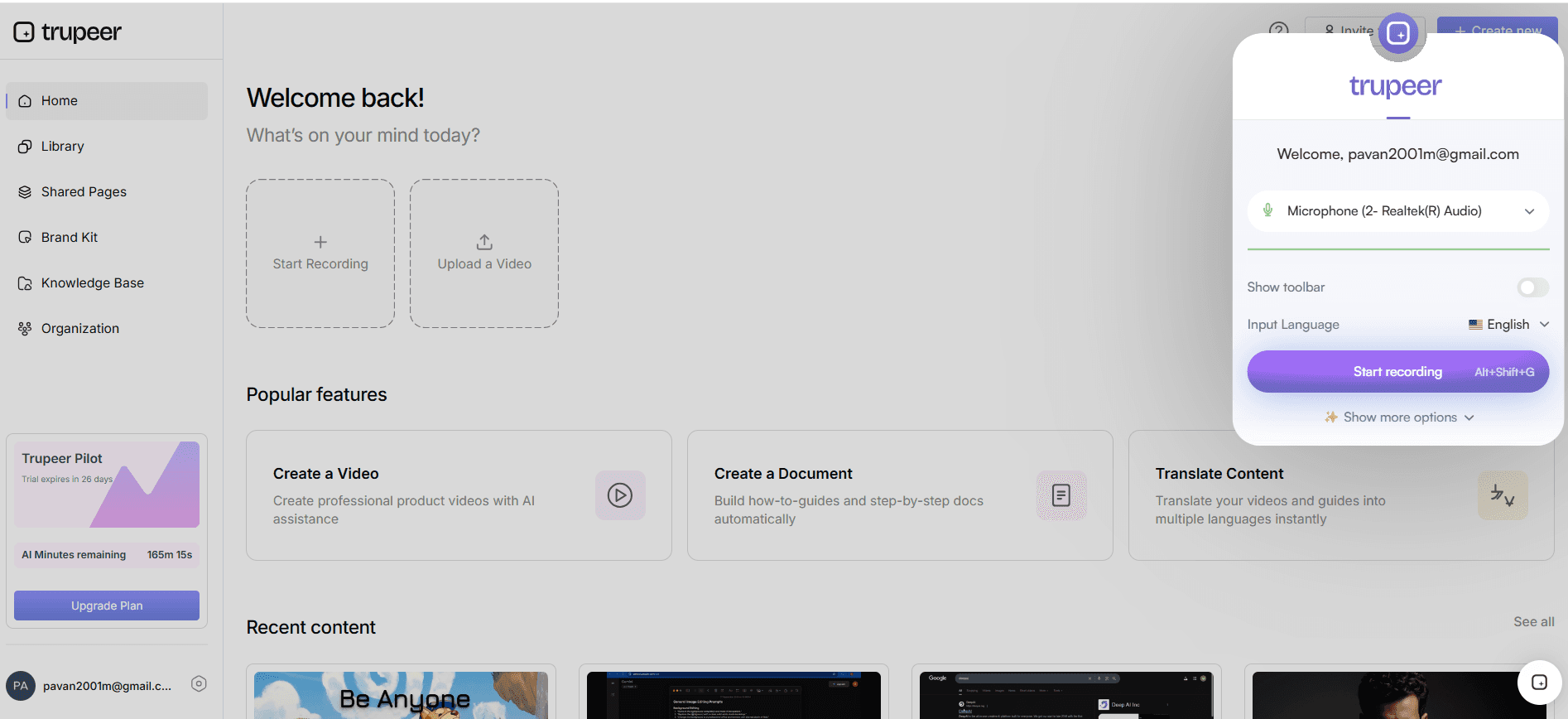
Schritt 2: KI-Voiceover hinzufügen
Aktiviere während der Aufzeichnung die stille Screen-Aufzeichnung von Trupeer mit automatischem KI-Voiceover. Diese Funktion liefert eine klare verbale Beschreibung der Aktionen, die ausgeführt werden – ohne störende Hintergrundgeräusche. Um sie zu aktivieren, schalte die Option für KI-Voiceover im Bedienfeld ein. Die KI erstellt Live-Kommentare und bietet Kontext sowie Erklärungen für jede Interaktion. Dieser Schritt ist besonders hilfreich für Teams, die komplexe Testfälle prüfen müssen, da er eine zusätzliche Ebene des Verständnisses zur visuellen Dokumentation hinzufügt. Die gesprochenen Aufzeichnungen sind sofort für Schulungszwecke nutzbar und erhöhen die Klarheit sowie die Benutzerfreundlichkeit des erfassten Inhalts.
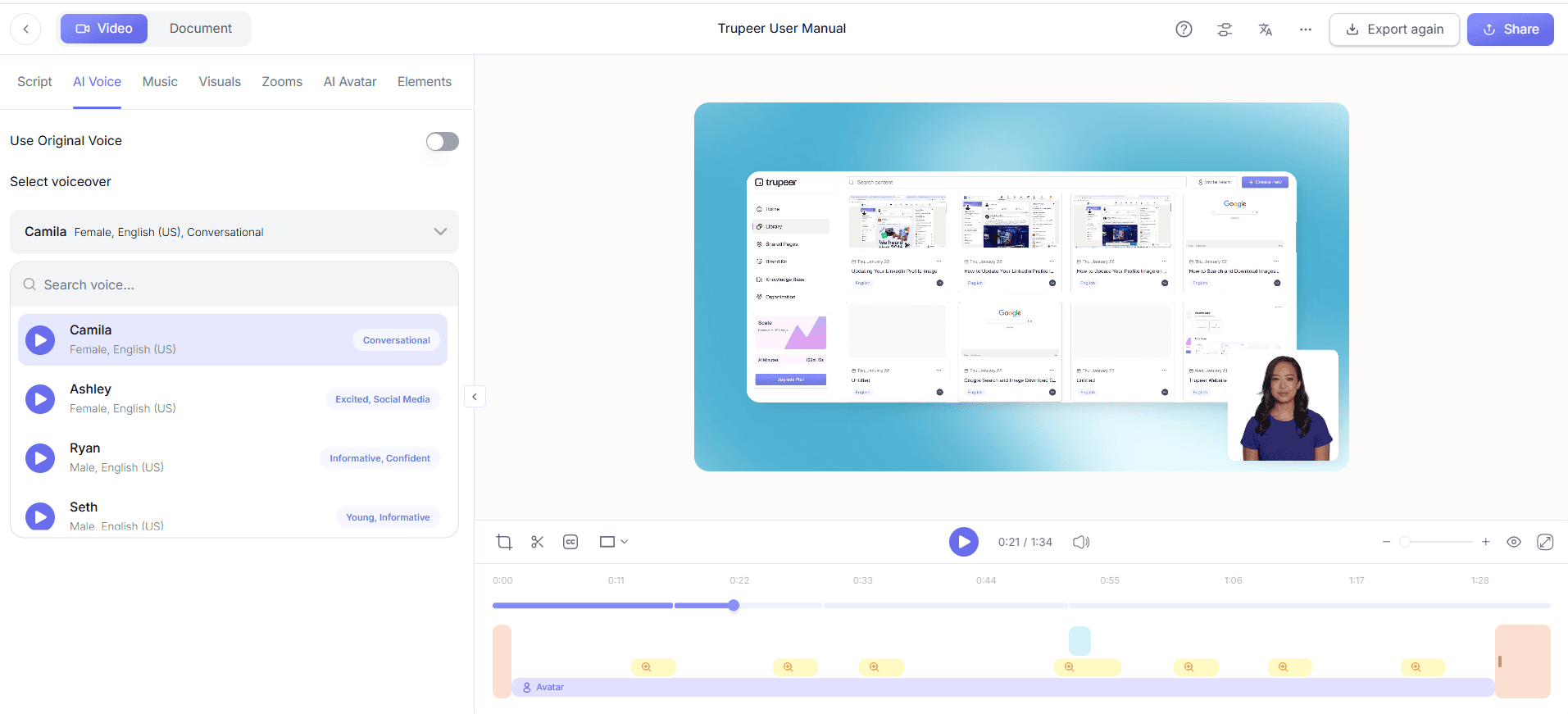
Schritt 3: SOPs generieren
Verwende nach Abschluss der Aufzeichnung die Funktion zur automatischen SOP-Erstellung von Trupeer. Klicke auf die Schaltfläche „Generate SOP“, und das system erstellt eine detaillierte Standard Operating Procedure aus der aufgezeichneten Sitzung. Diese SOP kann in Formaten wie PDF oder HTML exportiert werden, sodass sie sich leicht über Teams hinweg verteilen lässt. Die automatisch generierten SOPs sind bereit zum Überprüfen und Bearbeiten – damit alle kritischen Schritte korrekt dokumentiert sind. Diese Funktion spart erheblich Zeit im Vergleich zur manuellen SOP-Erstellung, insbesondere bei langen oder komplexen Testsequenzen. Außerdem sorgt sie für Konsistenz in der Dokumentation und standardisiert das Format für eine einfachere spätere Referenz.
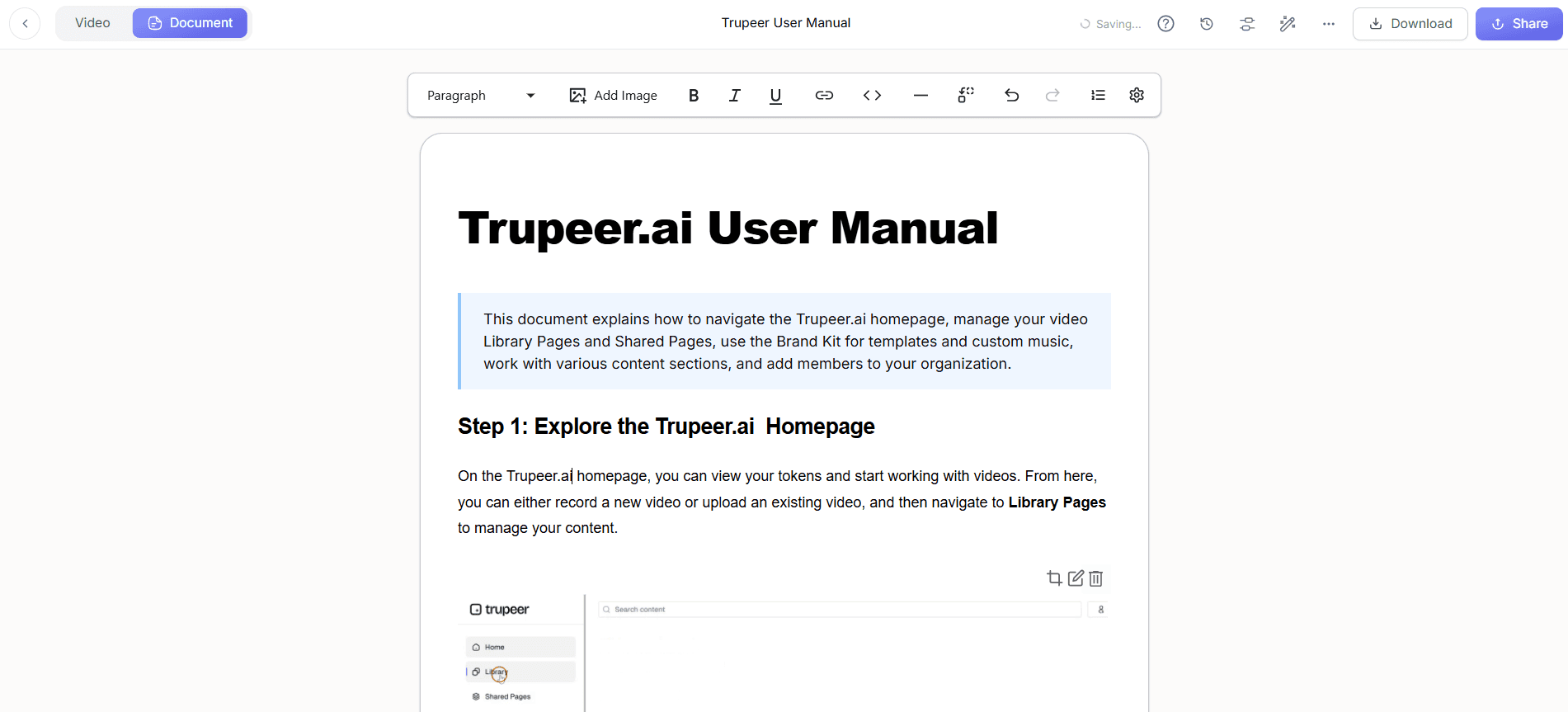
Schritt 4: Übersetzen und lokalisieren
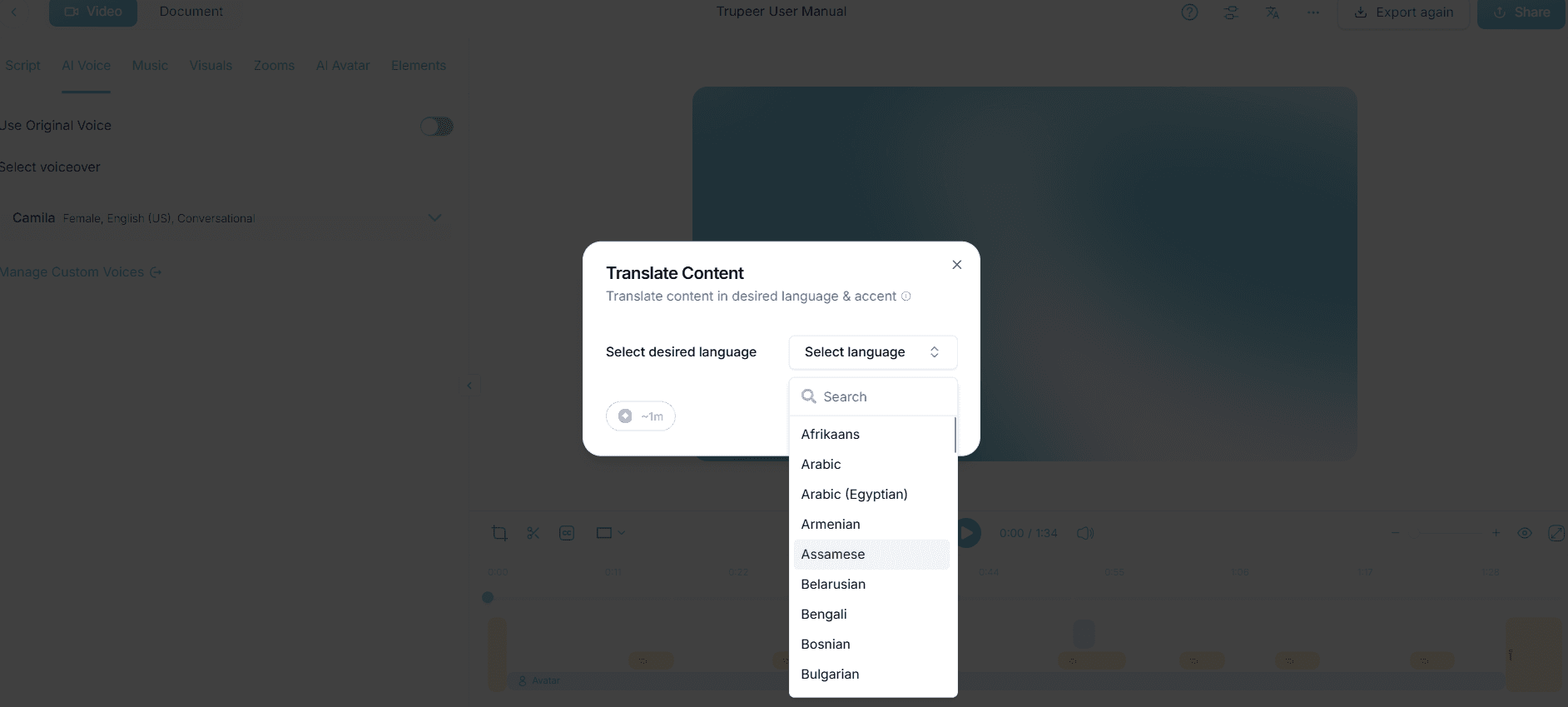
Für Teams, die in unterschiedlichen Regionen arbeiten, übersetze die Dokumentation mit Trupeer: KI-Übersetzung in 40+ Sprachen mit Lip-Sync. Wähle die Option „Translate“, entscheide dich für die gewünschte Sprache, und lass das System den Rest übernehmen. Der Übersetzungsprozess ist schnell und dauert typischerweise nur wenige Minuten – abhängig von der Länge des Inhalts. Diese Funktion ist entscheidend, um lokalisierte Schulungsmaterialien zu erstellen und sicherzustellen, dass alle Teammitglieder – unabhängig von der Sprache – Zugriff auf dieselbe hochwertige Dokumentation haben. Indem du Inhalte in der Muttersprache jedes Nutzers bereitstellst, verbesserst du das Verständnis und reduzierst die Wahrscheinlichkeit von Missverständnissen.
Schritt 5: Eine Wissensdatenbank aufbauen
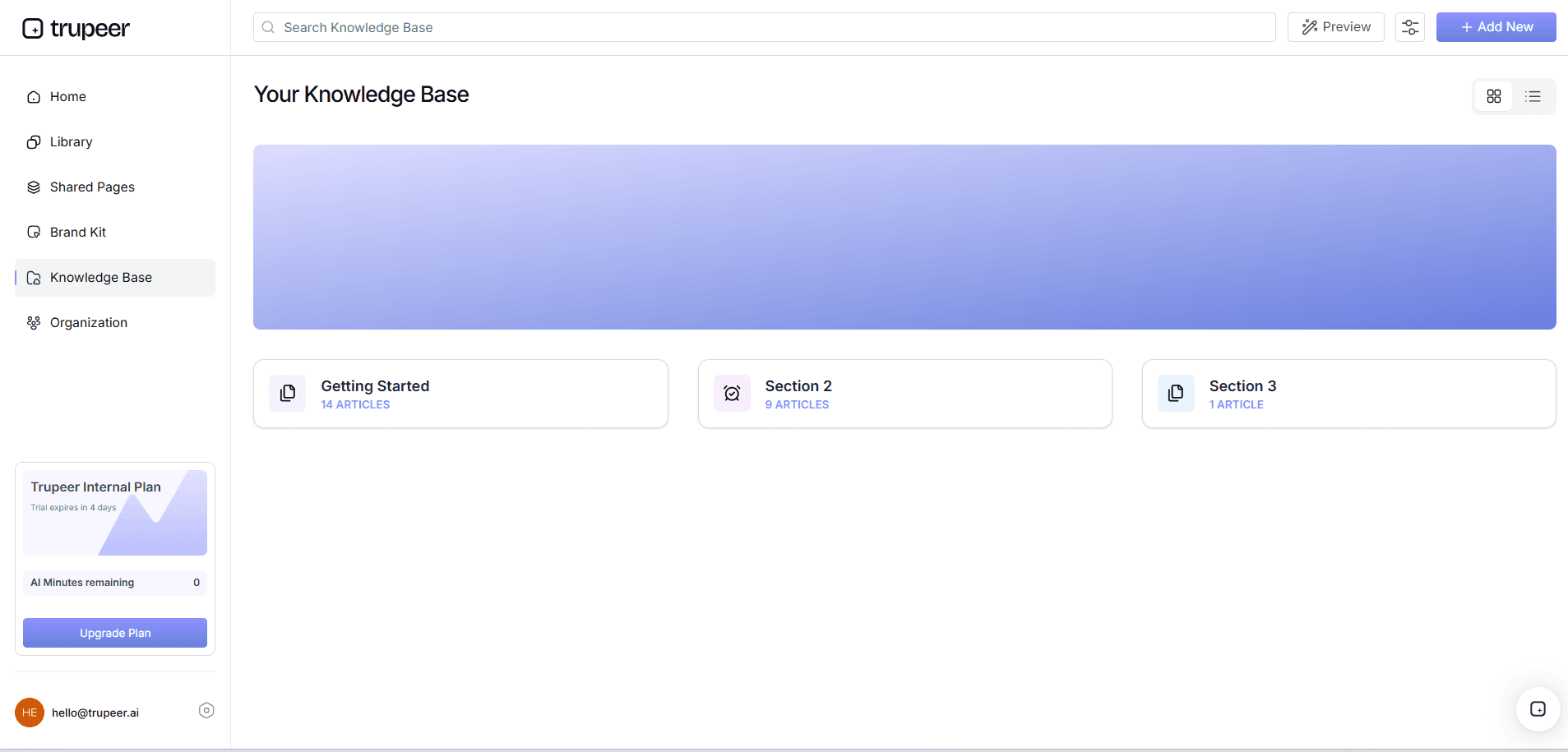
Sobald deine Dokumentation bereit ist, integriere sie in die KI-durchsuchbare Wissensdatenbank von Trupeer. Dieses Tool indexiert jede Aufzeichnung mit Deep-Links auf Timestamp-Ebene, sodass du später bestimmte Abschnitte oder Interaktionen schnell finden kannst. Um eine Aufzeichnung hinzuzufügen, klicke auf „Upload“ und wähle die passenden Dateien aus. Die Wissensdatenbank organisiert Inhalte auf eine benutzerfreundliche Weise, sodass schnelle Suchen und Abrufe möglich sind. Dieser Schritt ist entscheidend, um eine zugängliche Bibliothek an Dokumentation zu pflegen, fortlaufende Schulungen zu unterstützen und eine schnellere Problemlösung zu ermöglichen. Der indexierte Inhalt hilft außerdem bei Compliance und Audit-Readiness, indem er eine klare Spur dokumentierter Testverfahren bereitstellt.
Schritt 6: Zuschauer-Engagement analysieren
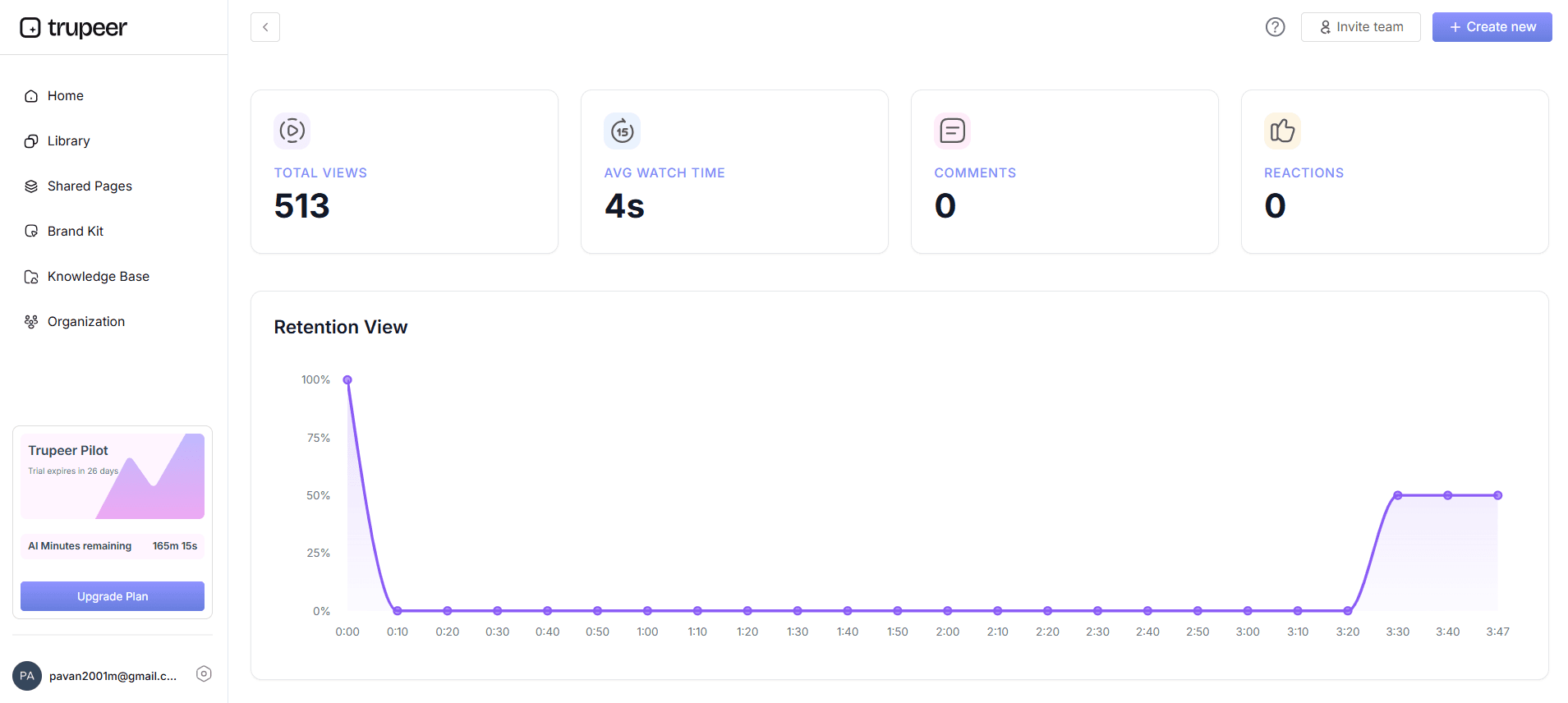
Zum Schluss prüfe die Wirkung der Dokumentation mithilfe der Analytics zum Zuschauer-Engagement von Trupeer. Greife auf diese Funktion über das Dashboard zu, wo du Kennzahlen wie Drop-off-Raten und Heatmaps einsehen kannst. Diese Erkenntnisse zeigen, wie Nutzer mit der Dokumentation interagieren, und machen Bereiche sichtbar, die möglicherweise zusätzliche Klarstellung oder Verbesserungen benötigen. Die Analysen bieten einen datenbasierten Ansatz, um deine UAT-Dokumentation weiterzuentwickeln – damit sie die Bedürfnisse der Nutzer erfüllt und sich im Laufe der Zeit verbessert. Wenn du verstehst, wie Dokumentation genutzt wird, kannst du Inhalte besser auf häufige Probleme zuschneiden und so die Zufriedenheit sowie Produktivität der Nutzer insgesamt steigern. Teams, die Tools abwägen, starten oft mit einem Loom-Alternativen-Vergleich, bevor sie sich auf einen Workflow standardisieren.
Welche Tipps helfen dir, UAT-Dokumentation zu erfassen?
Eine effektive Erfassung von UAT-Dokumentation erfordert Strategie und Weitblick. Hier sind praktische Tipps, um deinen Dokumentationsprozess zu verbessern und eine umfassende Abdeckung sicherzustellen.
Nutze konsistente Formate. Die Standardisierung deines Dokumentationsformats hilft, Klarheit und Konsistenz zu bewahren. ai/competitors/scribe-vs-trupeer">Scribe-Alternative-Vergleich, um Tools zu finden, die am besten zu deinen Dokumentationsanforderungen passen.
Binde Stakeholder frühzeitig ein. Beziehe wichtige Stakeholder während der UAT-Phase ein, damit die Dokumentation alle notwendigen Perspektiven und Anforderungen erfasst.
Priorisiere kritische Szenarien. Konzentriere dich zuerst auf die Dokumentation von Szenarien mit hoher Wirkung. So stellst du sicher, dass die wichtigsten Prozesse erfasst werden und später darauf zurückgegriffen werden kann.
Nutze KI-Tools. Nutze KI-basierte Tools, um den Dokumentationsprozess zu automatisieren und zu verbessern. Das kann den manuellen Aufwand deutlich reduzieren und die Genauigkeit erhöhen.
Überprüfe und aktualisiere regelmäßig. Plane regelmäßige Reviews deiner Dokumentation ein, um sie aktuell und relevant zu halten. Updates sollten alle Änderungen in Prozess oder Software widerspiegeln.
Feedback fördern. Bitte Nutzer um Feedback, um Lücken oder Bereiche für Verbesserungen zu identifizieren. So kannst du die Dokumentation weiterentwickeln, um die Bedürfnisse der Nutzer noch besser zu erfüllen.
Halte ein zentrales Repository vor. Speichere alle Dokumentationen an einem zentralen Ort, z. B. in einer Dokumentations-App, um einen einfachen Zugriff und Abruf sicherzustellen.
Häufig gestellte Fragen
Wie startest du mit der UAT-Dokumentation?
Beginne mit der UAT-Dokumentation, indem du den Umfang und die Ziele deines Tests klar definierst. Dazu gehört, die wichtigsten Funktionen und Features festzulegen, die getestet werden sollen, sowie die Zielgruppen der Nutzer zu identifizieren. Als Nächstes richtest du eine strukturierte Vorlage für die Dokumentation ein, die Abschnitte für Testfälle, erwartete Ergebnisse, tatsächliche Ergebnisse und alle Abweichungen enthalten sollte. Nutze Tools wie die KI-Screen-Aufzeichnung von Trupeer, um Interaktionen während des Tests zu erfassen. Stelle sicher, dass alle Dokumentationen von wichtigen Stakeholdern überprüft und validiert werden, um Genauigkeit und Vollständigkeit zu bestätigen. Dieser strukturierte Ansatz erleichtert einen umfassenden und organisierten Dokumentationsprozess.
Was sollte in der UAT-Dokumentation enthalten sein?
Die UAT-Dokumentation sollte detaillierte Testfälle enthalten, die die spezifischen Bedingungen und Aktionen beschreiben, die erforderlich sind, um eine Funktion zu testen. Sie muss außerdem erwartete Ergebnisse, tatsächliche Ergebnisse und alle Abweichungen enthalten, die aufgetreten sind. außerdem dokumentiere Feedback von Testern sowie alle Probleme oder Bugs, die identifiziert wurden. Füge Screenshots oder Videoaufzeichnungen des Testprozesses als visuelle Referenz hinzu. Abschließend solltest du mit einer Zusammenfassung der Ergebnisse und Empfehlungen zur Verbesserung enden. Dieser umfassende Ansatz stellt sicher, dass alle Aspekte des Testprozesses abgedeckt sind und liefert eine wertvolle Grundlage für zukünftige Entwicklungs- und Schulungsaktivitäten.
Warum ist UAT-Dokumentation für Audits wichtig?
UAT-Dokumentation ist für Audits entscheidend, weil sie einen klaren Nachweis über Testaktivitäten und Ergebnisse liefert und damit die gebotene Sorgfalt sowie die Compliance mit Branchenstandards belegt. Auditoren suchen häufig nach Belegen dafür, dass ein gründlicher Testprozess durchgeführt wurde – einschließlich der Identifikation und Lösung von Problemen. Detaillierte Dokumentation zeigt, dass die Organisation Schritte unternommen hat, um sicherzustellen, dass die Software ihren vorgesehenen Zweck erfüllt, und dass alle Risiken gemindert wurden. Diese Transparenz hilft nicht nur dabei, Audits zu bestehen, sondern schafft auch Vertrauen bei Stakeholdern, indem sie ein Bekenntnis zu Qualität und Verantwortlichkeit in der Softwareentwicklung zeigt.
Kann UAT-Dokumentation automatisiert werden?
Ja, UAT-Dokumentation kann mit fortschrittlichen Tools wie Trupeer automatisiert werden. Diese Tools bieten Funktionen wie automatische Screen-Aufzeichnung, KI-Voiceover und SOP-Generierung, die den Dokumentationsprozess vereinfachen. Automatisierung hilft dabei, detaillierte Aufzeichnungen von Nutzerinteraktionen zu erfassen und umfassende Reports zu erstellen – ohne manuelles Eingreifen. Das spart nicht nur Zeit, sondern erhöht auch die Genauigkeit und Konsistenz der Dokumentation. Allerdings ist trotz Automatisierung weiterhin menschliche Aufsicht erforderlich, um sicherzustellen, dass die Dokumentation mit den Unternehmenszielen und den Bedürfnissen der Nutzer übereinstimmt. Genau hier wird UAT-Dokumentationsautomatisierung nützlich – und es ist genau die Art von Content, die Trupeer direkt aus einer einfachen Screen-Aufzeichnung generieren kann.
Unterstützt Trupeer Videoübersetzung für UAT-Dokumentation?
Ja, Trupeer unterstützt KI-Videoübersetzung für UAT-Dokumentation. Diese Funktion ermöglicht es Teams, ihre Dokumentation in über 40 Sprachen zu übersetzen – inklusive Lip-Sync für Videoinhalte. Dadurch helfen sie Organisationen, lokalisierte Schulungsmaterialien zu erstellen, die für ein globales Publikum zugänglich sind. Diese Fähigkeit ist besonders vorteilhaft für multinationale Organisationen, die unterschiedliche Nutzergruppen bedienen müssen. Der Übersetzungsprozess ist effizient und stellt sicher, dass alle Stakeholder die Dokumentation verstehen und sich damit auseinandersetzen können – unabhängig von ihrer Muttersprache.
Wie sollten Teams Prozesse erfassen, während sie passieren?
Erfasse den Prozess, während du ihn durchführst, und lass KI den schriftlichen Nachweis erstellen – damit die Dokumente die Realität widerspiegeln statt nur die Erinnerung. Mit Trupeer's KI-Dokumentationstool wird aus einer einzigen Aufzeichnung ein dokumentierter Leitfaden, den du mit einem Klick aktualisieren kannst.
Verwandte Blogbeiträge