2026年3月27日

Best AI Documentation Tools for 2026: Complete Comparison Guide

Best AI Documentation Tools for 2026: Complete Comparison Guide

Best AI Documentation Tools for 2026: Complete Comparison Guide

Best AI Documentation Tools for 2026: Complete Comparison Guide

Compare the best AI documentation tools for 2026. Create guides, SOPs, and knowledge bases faster with automation and smart formatting using tools like Trupeer.

Compare the best AI documentation tools for 2026. Create guides, SOPs, and knowledge bases faster with automation and smart formatting using tools like Trupeer.

内容目录

Trupeer AI enables you to create instant AI product Videos & Docs from Rough Screen Recordings

即时 AI 产品视频和文档,从粗略的屏幕录制中生成

Get started for free

免费开始

Summarise with

Claude

ChatGPT

Gemini

Grok

Perplexity

Buyer's Overview

Documentation teams often find themselves mired in the minutiae of formatting and structure, spending over 60% of their time on these tasks instead of focusing on the actual content.

According to a recent study, 68% of technical writers reported spending the majority of their work hours on repetitive formatting tasks.

Source: Technical Writing Survey by ContentOps, 2025

This guide is designed to help teams identify which AI documentation tools can best alleviate these burdens, allowing them to focus on clarity and precision. Whether you're part of a SaaS company, a technical writing team, or managing customer self-service platforms, this comparison will provide insights into the tools that can transform your documentation processes in 2026.

Best AI Documentation Tools: Head-to-Head Comparison

Feature

Trupeer

Scribe

Tango

Document360

Notion AI

Confluence AI

GitBook AI

Archbee

Core Features

Free Tier

Yes

No

Yes

Limited

Yes

No

Limited

Yes

AI Capabilities

AI Writing

Yes

Limited

Yes

No

Yes

Yes

Yes

Limited

Auto Step Capture

Yes

Yes

Yes

No

No

Limited

Yes

No

Professional Features

Screenshot Annotation

Yes

Yes

Limited

Yes

No

Yes

Yes

Limited

AI Voiceover

Yes

No

Limited

No

No

Yes

No

Limited

Integrations

API Integration

Yes

Yes

Yes

Limited

Yes

Yes

Yes

Limited

  1. Trupeer

    Trupee

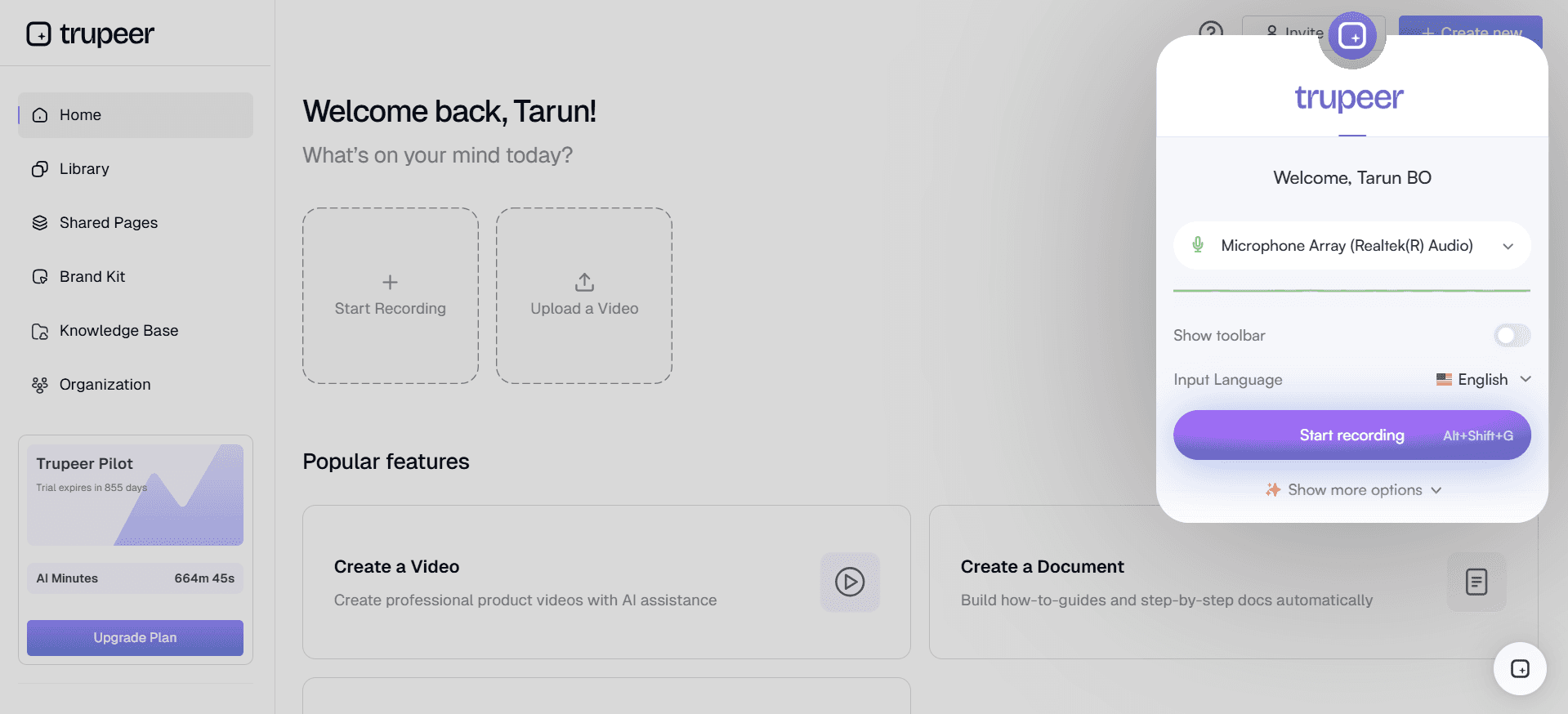
Trupeer is a versatile AI documentation tool designed for teams looking to optimize their documentation workflows. Known for its user-friendly interface, Trupeer is particularly beneficial for SaaS companies and technical writing teams. Its unique strength lies in its ability to automate repetitive tasks, allowing writers to focus on content accuracy and clarity. While it excels in AI writing and auto step capture, some users may find its advanced features require a learning curve.

Key Features

  • AI Writing Assistant

  • Automated Step Capture

  • Screenshot Annotation Tools

  • AI Voiceover for Video Content

  • Multi-language Support

  • API Integration

  • Smart Templates

  • One-click Export Options

"Trupeer revolutionized our documentation process. Our team is now more focused on content quality rather than formatting issues."

Pros

Cons

Simplifies complex documentation tasks with AI.

Advanced features can be overwhelming initially.

Strong multi-language capabilities for global teams.

Limited video editing capabilities.

Comprehensive step capture and annotation tools.

Requires integration setup for full functionality.

Pricing

Offers a free tier with basic features. Paid plans start at $49 per user/month.

  1. Scribe

    Scribe

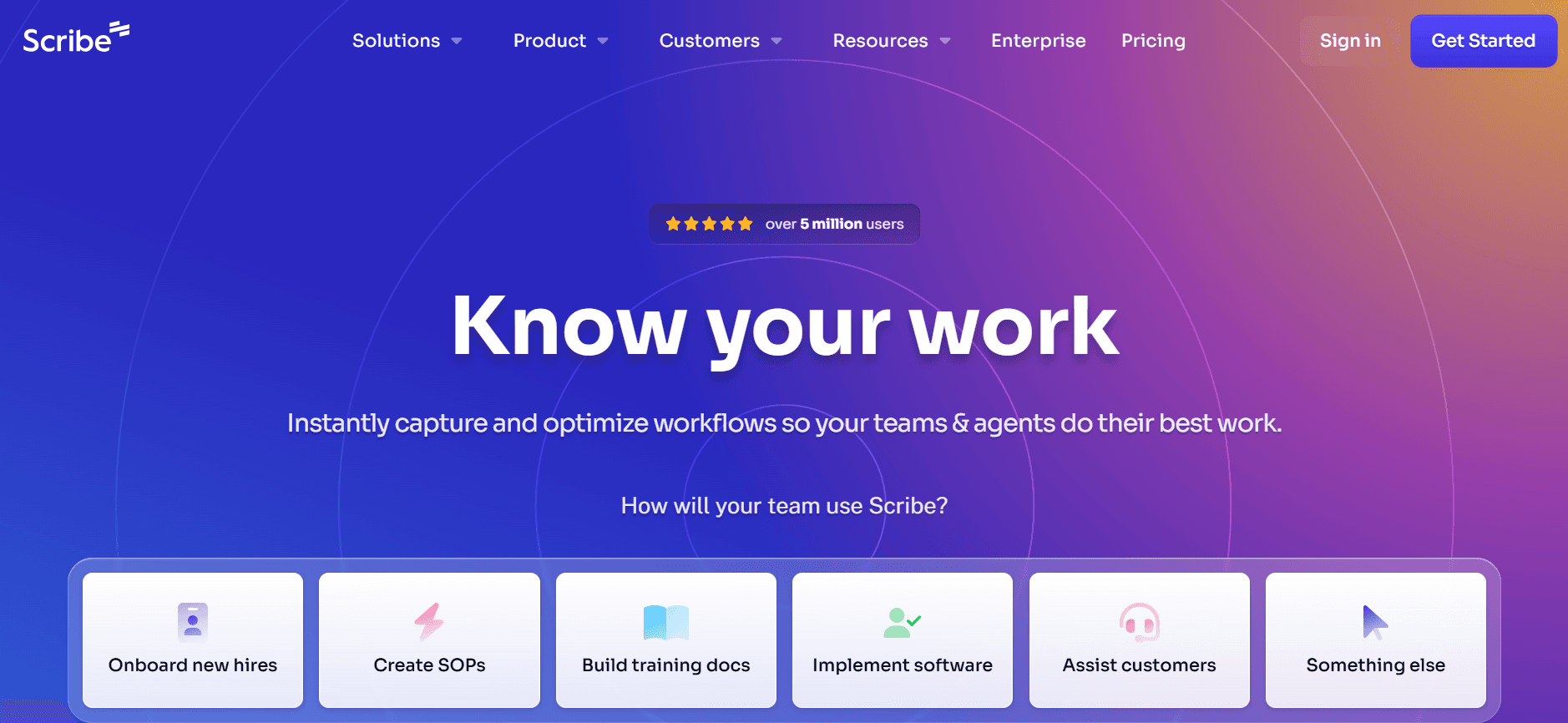
Scribe is an efficient tool tailored for teams that need a straightforward solution for creating and managing documentation. It's particularly well-suited for smaller teams or startups. Scribe's simplicity is its standout feature, making it accessible even for users with minimal technical expertise. However, its limited AI capabilities might not meet the needs of larger, more complex projects.

Key Features

  • Simple User Interface

  • Basic AI Writing Functions

  • Step-by-Step Guides

  • Collaboration Tools

  • Basic API Integration

  • Cloud Storage Options

  • Document Sharing Features

  • Basic Analytics

Pros

Cons

Very user-friendly for beginners.

Limited AI writing capabilities.

Affordable for small teams or individuals.

Lacks advanced annotation tools.

Easy integration with cloud services.

No voiceover or video generation features.

Pricing

No free tier. Paid plans start at $9 per user/month.

  1. Tango

    Tango

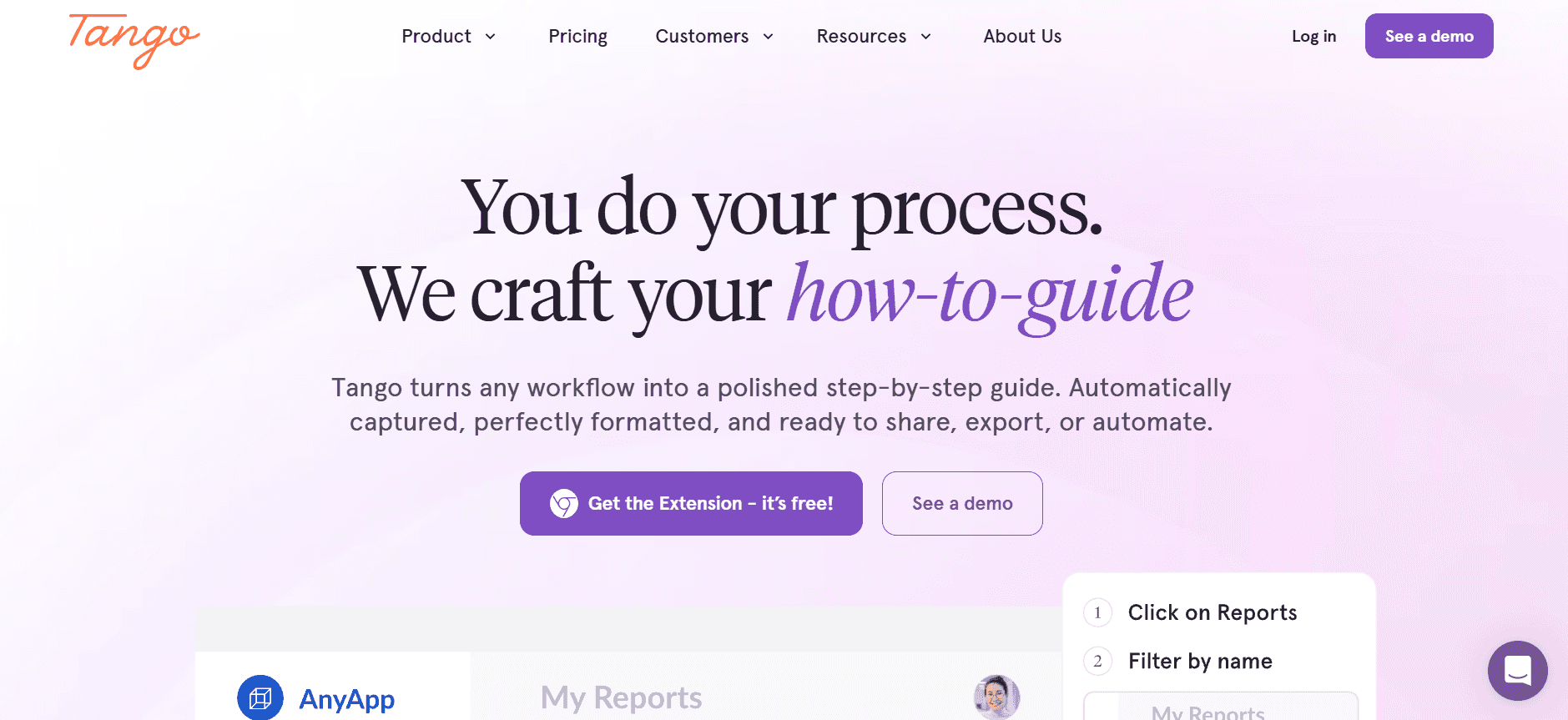
Tango focuses on providing an intuitive interface for creating interactive guides and tutorials. Ideal for teams that need to produce step-by-step instructions efficiently, Tango's strength lies in its automation features. However, its limitations in AI voiceover and advanced editing may require users to look elsewhere for those needs.

Key Features

  • Interactive Guide Creation

  • Automated Step Capture

  • Basic Screenshot Annotation

  • Collaborative Editing

  • Cloud-based Platform

  • Basic Multi-language Support

  • Template Customization

  • Basic Analytics and Reporting

Pros

Cons

Excellent for creating interactive guides.

Limited AI voiceover capabilities.

Strong focus on automation and ease of use.

Basic annotation features may not suffice for all users.

Simple to integrate with existing tools.

Lacks advanced video editing options.

Pricing

Offers a free tier with limited features. Paid plans start at $12 per user/month.

  1. Document360

    Document360

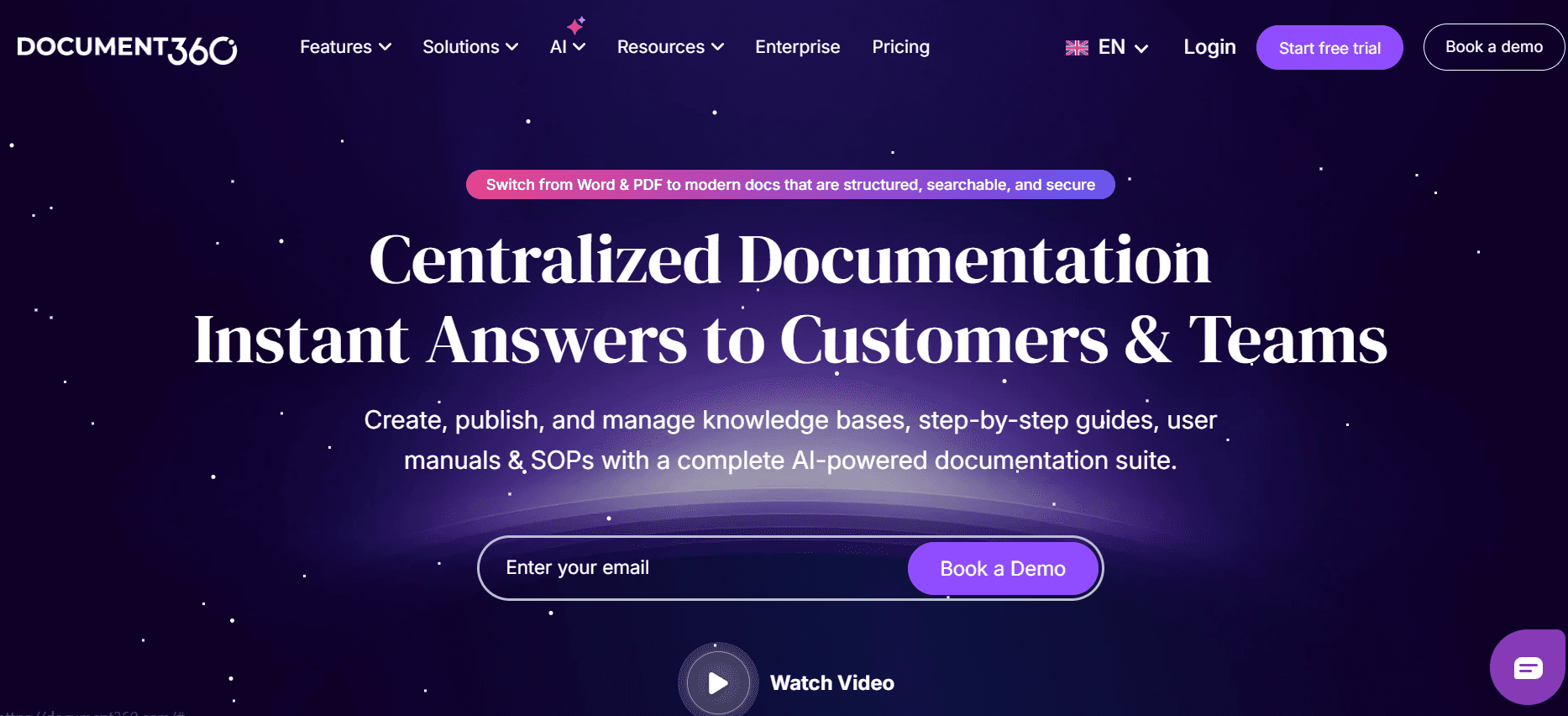
Document360 is a knowledge base software designed for creating comprehensive documentation with ease. It caters to larger teams that require robust content management and collaboration features. While it offers excellent organizational tools, its lack of AI-driven capabilities might be a drawback for teams seeking automation.

Key Features

  • Rich Text Editor

  • Category Management

  • Version Control

  • Custom Branding

  • Advanced Search Features

  • Collaborative Workspace

  • Analytics and Insights

  • Multi-language Support

Pros

Cons

Excellent for organizing large volumes of content.

Lacks AI-driven automation features.

Strong version control and category management.

No step capture or advanced annotation capabilities.

Customizable and scalable for large teams.

Higher cost compared to other tools.

Pricing

Offers a limited free tier. Paid plans start at $99 per project/month.

  1. Notion AI

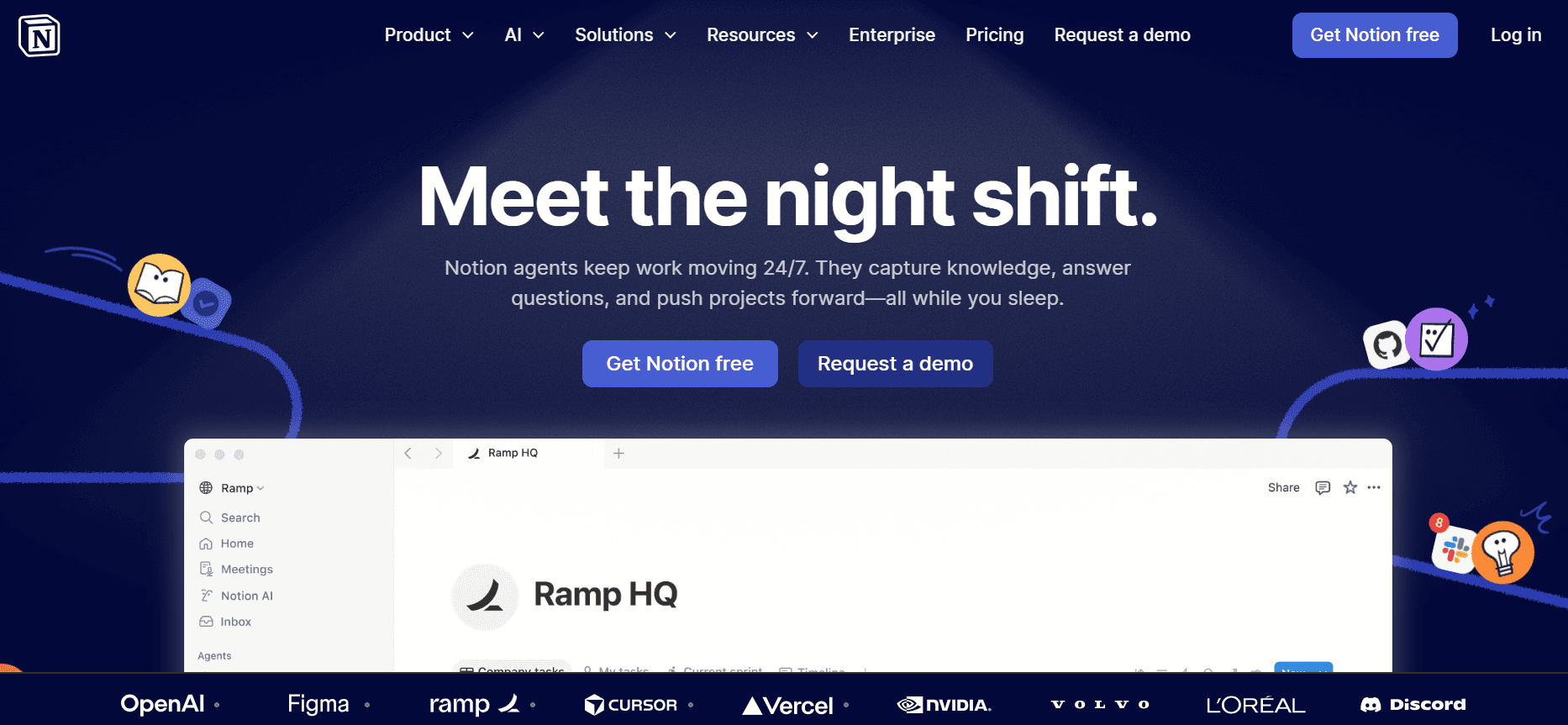
    Notion AI

Notion AI enhances the popular Notion platform with artificial intelligence capabilities, making it a flexible tool for teams that require a dynamic workspace for documentation and project management. Notion AI's adaptability is its primary advantage, but its AI capabilities are still evolving compared to specialized tools.

Key Features

  • AI Writing Assistant

  • Database Management

  • Collaboration Tools

  • Task Management Integration

  • Template Library

  • Cross-Platform Access

  • Third-Party Integrations

  • Customizable Workflows

Pros

Cons

Extremely versatile for various documentation needs.

AI features are not as advanced as competitors.

Strong integration with other productivity tools.

No built-in step capture or annotation.

Highly customizable workspace.

Can be overwhelming for new users.

Pricing

Free tier available. Paid plans start at $8 per user/month.

  1. Confluence AI

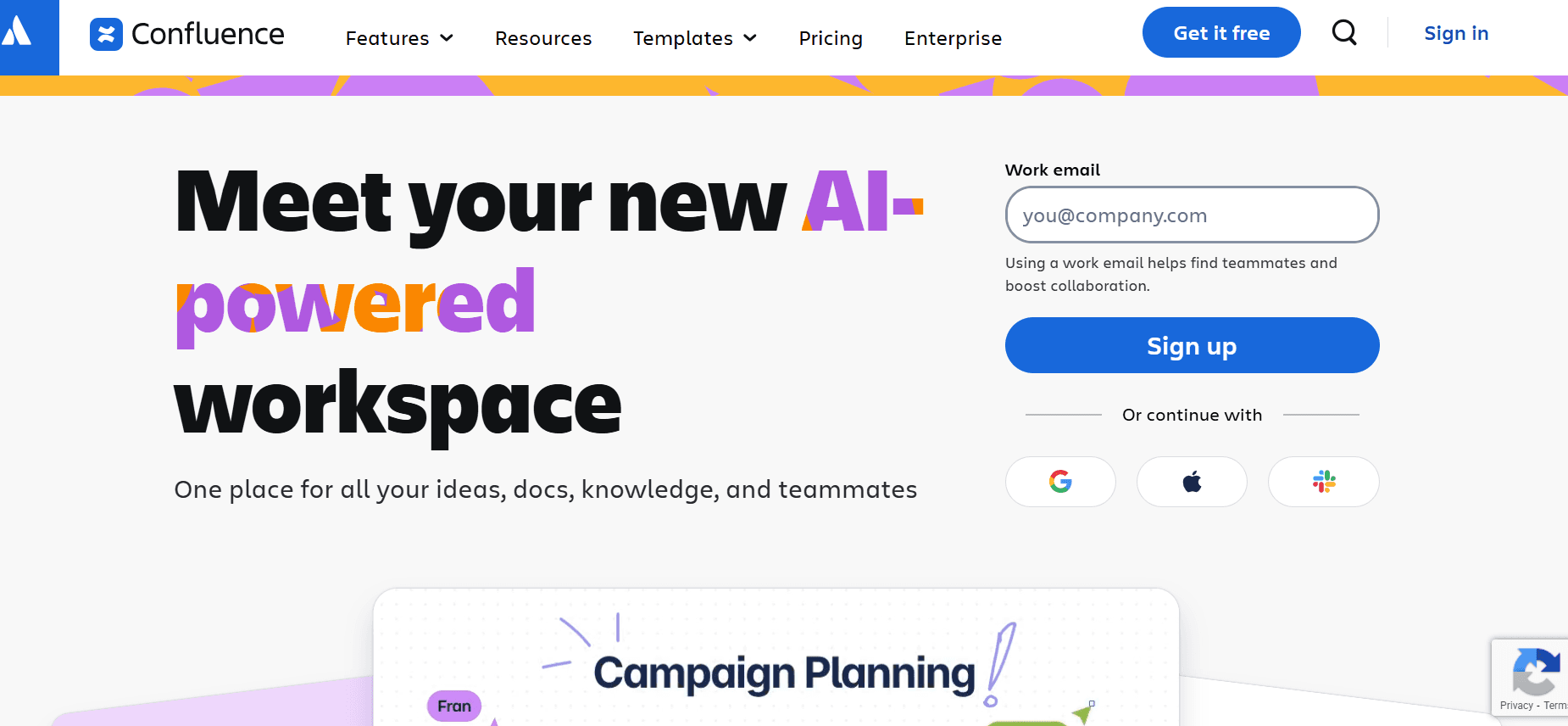
    Confluence AI

Confluence AI, an extension of Atlassian's Confluence, is designed for teams that need a seamless integration with their existing Atlassian tools. It provides enhanced collaboration and documentation capabilities, making it suitable for technical teams. However, its AI features are limited, and it might not cater to all automation needs.

Key Features

  • Page Versioning

  • Team Collaboration

  • Integration with Atlassian Tools

  • Basic AI Writing Features

  • Customizable Templates

  • Permissions Management

  • Analytics and Reporting

  • Multi-language Support

Pros

Cons

Seamless integration with existing Atlassian products.

AI capabilities are still developing.

Strong collaboration features for teams.

Limited step capture and annotation tools.

Robust versioning and permissions management.

Higher cost for full feature access.

Pricing

No free tier. Paid plans start at $10 per user/month.

  1. GitBook AI

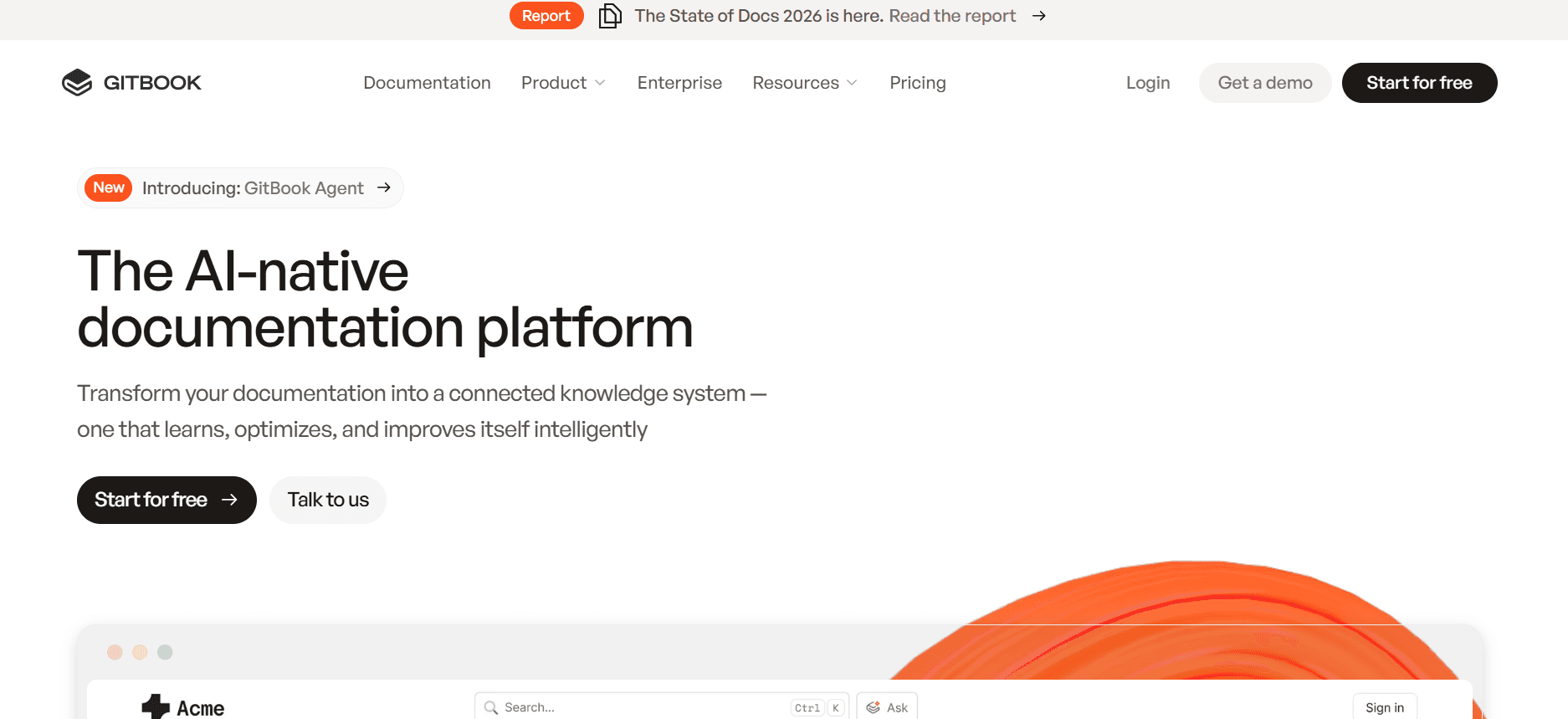
    GitBook AI

GitBook AI offers a platform that combines documentation with a collaborative editing environment, ideal for development teams focusing on code and technical documentation. Its strength is in its clean, structured document creation process, although it lacks some advanced AI features found in competitors.

Key Features

  • Markdown Support

  • Collaborative Editing

  • Version Control

  • API Documentation

  • Custom Domain Support

  • Integration with GitHub

  • Basic AI Writing Assistance

  • Customizable Templates

Pros

Cons

Ideal for technical and API documentation.

Limited AI capabilities compared to others.

Seamless integration with GitHub.

No voiceover or video generation.

Supports Markdown for easy formatting.

Basic annotation features.

Pricing

Free tier available. Paid plans start at $5 per user/month.

  1. Archbee

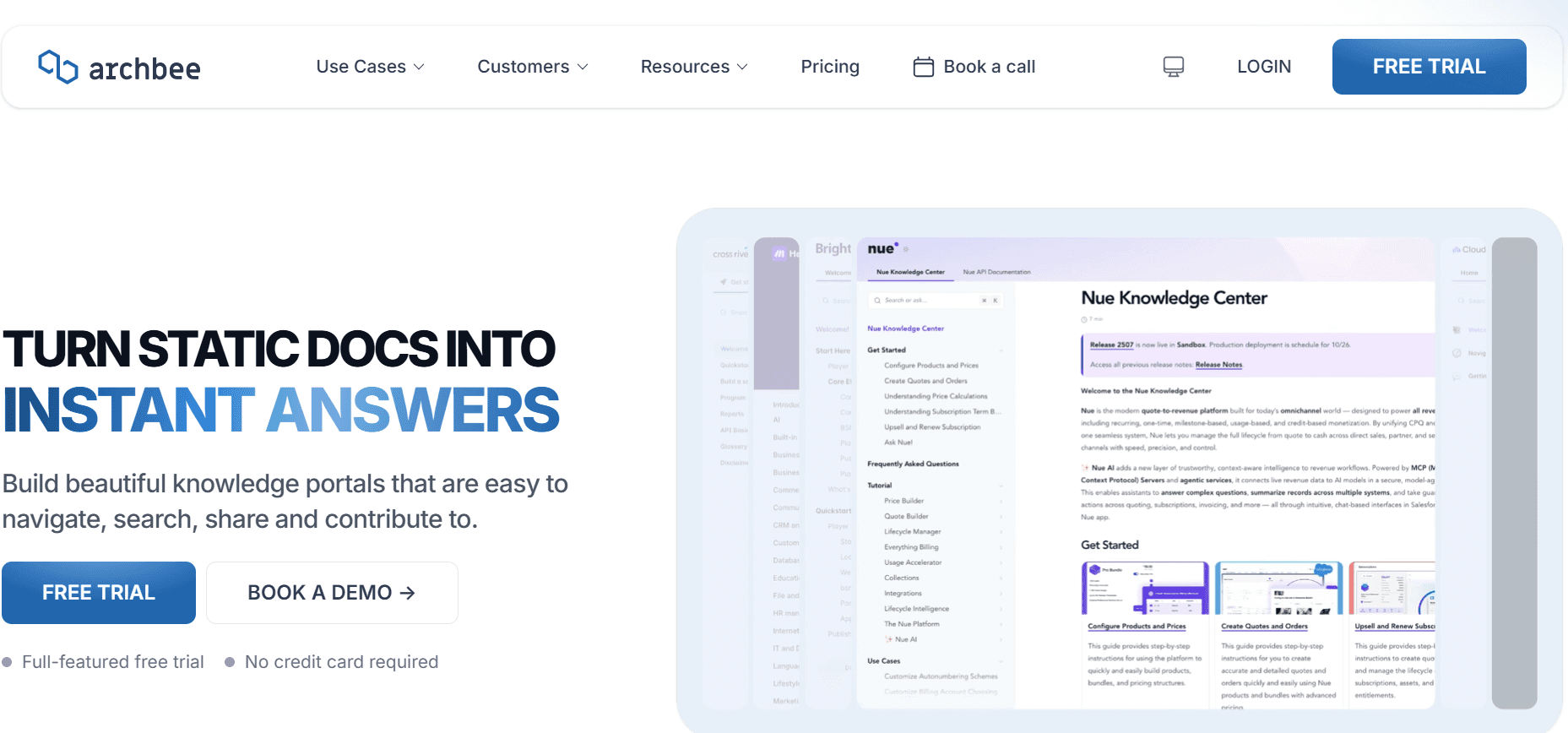
    Archbee

Archbee is designed for fast-growing startups and technical teams that require a centralized platform for documentation, wikis, and knowledge sharing. Its collaborative features are robust, but its AI functionalities are not as advanced as some of its competitors, which may limit automation.

Key Features

  • Real-time Collaboration

  • Knowledge Sharing

  • Integrated Wikis

  • Customizable Templates

  • API Integration

  • Markdown Support

  • Version Control

  • Basic AI Writing Features

Pros

Cons

Excellent for team collaboration and knowledge sharing.

AI capabilities are still limited.

Strong version control and markdown support.

No advanced video or voiceover features.

Customizable and easy to set up.

Higher cost for premium features.

Pricing

Limited free tier. Paid plans start at $15 per user/month.

AI Documentation Challenges: What Teams Struggle With

1. Creating First Drafts Takes Too Long

  • Even experienced writers can spend hours on initial drafts without AI assistance.

  • Manual drafting requires extensive research and planning before writing can begin.

  • Rewriting for tone and consistency adds to the time burden.

  • AI tools can streamline this by providing quick content suggestions and outlines.

2. Keeping Documentation Current with Every Product Sprint

  • Frequent product updates necessitate constant documentation revisions.

  • Traditional processes involve manual editing and coordination across teams.

  • Delayed updates can lead to outdated or inaccurate information being published.

  • AI can automate updates by integrating with product management tools for real-time changes.

3. Inconsistent Formatting Across Different Team Members

  • Different writing styles and formatting preferences can result in inconsistent documents.

  • Manual corrections and standardization are time-consuming and prone to human error.

  • AI tools can enforce templates and styles to ensure uniformity.

  • Embedding style guides within the tool can help maintain consistency.

4. No Automatic Screenshot or Step-Capture Capabilities

  • Manual screenshot capture is tedious and interrupts workflow.

  • Step-by-step guides require precise and clear visuals, often requiring multiple tools.

  • AI tools with integrated capture capabilities can save significant time and effort.

  • Automated step capture ensures accuracy and reduces manual errors.

5. Translation and Localization Create Bottlenecks for Global Teams

  • Traditional translation processes are slow and costly.

  • Maintaining consistency across languages is challenging without integrated tools.

  • AI-driven multilingual support can simplify and expedite this process.

  • Ensures that updates are simultaneously reflected across all language versions.

Challenge

Traditional Process

Business Impact

Time Cost

Creating First Drafts

Manual writing and revisions

Delays in content release

10-20 hours per document

Keeping Documentation Current

Manual updates post-sprint

Outdated information risks

5-15 hours per sprint

Inconsistent Formatting

Manual style enforcement

Professional impression suffers

3-5 hours per document

Screenshot/Step Capture

Manual screenshots and edits

Higher error rates

5-10 hours per guide

Translation and Localization

Outsourced translation services

Delayed market entry

Weeks per project

Must-Have Features in AI Documentation Tools

  1. AI Writing and Auto-Completion

AI writing tools have revolutionized the process of creating documentation by providing instant content suggestions and auto-complete features. This aids writers in generating more coherent and structured content with minimal effort. For example, Trupeer offers an AI Writing Assistant that suggests relevant content based on the document's context, reducing the time spent on initial drafts.

  1. Automated Step Capture from Screen Activity

Automated step capture tools allow users to seamlessly record processes and create detailed guides with minimal manual intervention. This feature is particularly useful for technical documentation, where precise steps are crucial. Tools like Scribe excel in this area, offering automated capture that can be edited and annotated directly within the platform.

  1. Smart Screenshot Annotation

Screenshot annotation is essential for creating compelling visual aids within documentation. Tools that offer smart annotation capabilities, such as Tango, enable users to quickly highlight and comment on screenshots, enhancing clarity and understanding. This not only saves time but also ensures that visual elements are as informative as possible.

  1. AI Voiceover Generation for Video Docs

AI voiceover capabilities allow for the creation of engaging video documentation without the need for professional voice actors. This feature is invaluable for teams that produce multimedia content. Confluence AI integrates basic AI voiceover features, making it easier to add voice narration to instructional videos.

  1. One-Click Export in Multiple Formats

Being able to export documentation in various formats is crucial for meeting diverse stakeholder needs. Whether it's PDF, HTML, or Markdown, one-click export features simplify the distribution process. Trupeer's one-click export ensures that content can be easily shared and accessed in the preferred format, enhancing accessibility and usability for all users.

  1. Multi-Language Support

For teams operating in global contexts, multi-language support is a necessity. This feature ensures that documentation can be translated and localized efficiently, maintaining consistency across different language versions. Document360 provides robust multi-language support, allowing for simultaneous updates and consistency across all published materials.

How to Choose AI Documentation Tools Based on Your Use Case

  1. Product Documentation Teams at SaaS Companies

For SaaS companies, maintaining comprehensive and up-to-date product documentation is crucial. Teams need tools that can handle frequent updates and large volumes of content effectively. The ideal tool should offer robust version control and easy integration with product management systems.

  • Frequent product updates require rapid documentation adjustments.

  • Consistency and accuracy are critical across all product lines.

  • Collaboration between technical writers and developers is essential.

  • Automated update integration with development tools.

  • Version control to manage multiple document iterations.

  • Real-time collaboration features.

Tool

Version Control

Integration with Dev Tools

Collaboration

Trupeer

Yes

Yes

Yes

Document360

Yes

Limited

Yes

GitBook AI

Yes

Yes

Limited

  1. Technical Writers and Content Operations

Technical writers often juggle multiple documents and need tools that enhance writing efficiency while ensuring accuracy. A tool that offers strong AI writing capabilities and content management features can significantly reduce the workload.

  • Managing multiple documents with different audiences.

  • Ensuring content accuracy and consistency.

  • Keeping up with documentation best practices.

  • AI writing assistance for drafting and editing.

  • Content management and organization features.

  • Templates to standardize documents.

Tool

AI Writing

Content Management

Templates

Notion AI

Yes

Yes

Yes

Scribe

Limited

Limited

Yes

Archbee

Limited

Yes

Yes

  1. Engineering and API Documentation

Engineering teams need documentation tools that support code snippets, API documentation, and integration with development workflows. An ideal tool should provide features specifically designed for technical content.

  • Documenting complex technical processes and APIs.

  • Ensuring compatibility with coding standards and tools.

  • Facilitating collaboration between developers and writers.

  • Support for code snippets and formatting.

  • Integration with version control systems like Git.

  • Real-time collaboration capabilities.

Tool

Code Snippets

Version Control Integration

Collaboration

GitBook AI

Yes

Yes

Yes

Confluence AI

Limited

Yes

Yes

Archbee

Yes

Limited

Yes

  1. HR and Compliance Documentation

HR teams require tools that can handle policy documentation and compliance guidelines efficiently. The chosen tool should offer robust security features and easy access controls to protect sensitive information.

  • Handling sensitive and confidential employee information.

  • Ensuring compliance with legal and regulatory standards.

  • Managing access permissions for different team members.

  • Strong access control and security features.

  • Templates for policy and compliance documents.

  • Audit trails for tracking changes and updates.

Tool

Security Features

Access Control

Templates

Confluence AI

Yes

Yes

Yes

Document360

Yes

Limited

Yes

Trupeer

Yes

Yes

Limited

  1. Customer Self-Service Help Centers

Customer support teams benefit from documentation tools that facilitate easy content updates and provide intuitive user experiences. The goal is to empower customers to find answers independently.

  • Ensuring content is easily accessible and searchable.

  • Regular updates to reflect new product features or changes.

  • Providing a user-friendly experience for customers.

  • Search and indexing features to improve content discoverability.

  • Easy-to-update content management systems.

  • User-friendly interface and navigation.

Tool

Search Features

Content Management

User Interface

Document360

Yes

Yes

Yes

Scribe

Limited

Yes

Yes

Tango

Limited

Limited

Yes

Best Practices for Using AI Documentation Tools

  1. Before Implementation

  • Identify your team's specific needs and challenges to choose the right tool.

  • Ensure your team is trained on the basic features of the chosen tool.

  • Set clear goals and outcomes you want to achieve with the AI tool.

  • Evaluate the tool's integration capabilities with your existing systems.

  1. During Implementation

  • Monitor the AI tool's performance and gather feedback from users.

  • Customize templates and workflows to align with your team’s processes.

  • Regularly update the tool to leverage new features and improvements.

  • Encourage collaboration among team members using the tool's features.

  1. After Implementation

  • Review documentation regularly to ensure accuracy and relevance.

  • Use analytics to understand how documentation is being used and identify improvement areas.

  • Solicit continuous feedback to refine processes and tool usage.

  • Consider expanding the tool's usage to other departments if successful.

Frequently Asked Questions

  1. What is an AI documentation tool?
    An AI documentation tool leverages artificial intelligence to assist in creating, managing, and updating documentation. These tools automate tasks like writing, editing, and formatting to enhance productivity.

  2. Who should use AI documentation tools?
    AI documentation tools are ideal for technical writers, product managers, customer support teams, HR departments, and anyone who regularly creates or manages documentation.

  3. How do AI writing features work?
    AI writing features use machine learning algorithms to analyze text input and provide suggestions for content creation. They help in drafting, auto-completing sentences, and maintaining consistency in tone and style.

  4. Can these tools integrate with other software?
    Most AI documentation tools offer integration with popular software like project management tools, version control systems, and cloud storage solutions to streamline workflows.

  5. Are there free AI documentation tools available?
    Yes, some tools offer free tiers with limited features. However, premium features, such as advanced integrations and AI capabilities, typically require a paid subscription.

  6. How is pricing generally structured?
    Pricing for AI documentation tools is usually subscription-based, with options for per-user or per-project billing. Discounts may be available for annual plans or larger teams.

  7. How long does it take to implement an AI documentation tool?
    The implementation timeline varies based on the tool's complexity and the team's readiness. Small teams may implement in a few days, while larger organizations might need several weeks for full integration.

  8. What support is available during implementation?
    Many tools offer onboarding support, including tutorials, customer service, and dedicated account managers to assist with the setup and initial training.

Final Thoughts

Choosing the right AI documentation tool can drastically improve your team's productivity and the quality of your documentation. By understanding your specific use cases and challenges, you can select a tool that fits your needs and enhances your workflows.

Trupeer offers a comprehensive suite of features designed to streamline your documentation processes. Explore what Trupeer can do for your team by visiting Trupeer.ai and start transforming your documentation efforts today.

开始免费使用我们的AI视频+文档生成器制作视频

开始免费使用我们的AI视频+文档生成器制作视频

Experience the new & faster way of creating product videos.

Instant AI Product Videos and Docs from Rough Screen Recordings.

Get started for free

免费开始

Experience the new & faster way of creating product videos.

Instant AI Product Videos and Docs from Rough Screen Recordings.

Get started for free

免费开始

Experience the new & faster way of creating product videos.

Instant AI Product Videos and Docs from Rough Screen Recordings.

Get started for free

免费开始