Trupeer Blog
تلخيص
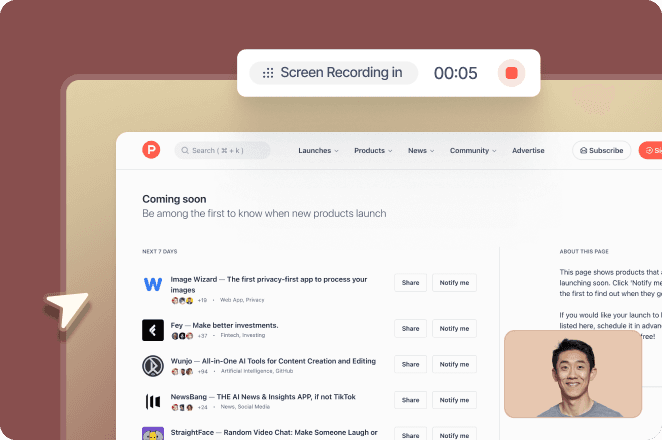
تخيّل أنك سجّلت ندوة ويب مدتها ساعتان مليئتان برؤى قيّمة. يحتاج فريقك إلى الرجوع إلى أجزاء محددة من هذا التسجيل، لكن التمحيص في مقاطع لا تنتهي يستهلك وقتًا ثمينًا. ما تحتاجه هو طريقة لتحديد بالضبط مكان حدوث كل لحظة محورية. بحث الطابع الزمني للفيديو ليس مجرد ميزة إضافية، بل ضرورة. يساعدك أنت وفريقك على الوصول إلى المعلومات الدقيقة التي تحتاجونها، في الوقت الذي تحتاجونها فيه. ووفقًا لأبحاث،
أكثر من 60% من المتخصصين يضيّعون حتى خمس ساعات أسبوعيًا في البحث عن معلومات داخل محتوى فيديو غير مفهرس.
هذا وقت ثمين يمكن استثماره في مهام أكثر إنتاجية. إتقان البحث بالـ timestamp يمكن أن يغيّر طريقة تعامل شركتك مع محتوى الفيديو، معزّزًا الكفاءة ودقة المعلومات. غالبًا ما تبدأ الفرق التي تقارن بين الأدوات من مقارنة بدائل Loom قبل توحيد سير العمل.
لماذا يهم بحث الطابع الزمني للفيديو؟
في بيئات الأعمال، أصبح محتوى الفيديو أكثر انتشارًا من أي وقت مضى. من جلسات التدريب إلى شهادات العملاء، يعمل الفيديو كوسيلة تواصل حاسمة. لكن بدون فهرسة مناسبة، تتحول مقاطع الفيديو إلى صناديق سوداء من المحتوى. وهذا يطرح مشكلة أعمال كبيرة: استرجاع معلومات محددة من تسجيلات طويلة ليس فقط أمرًا مُحبطًا، بل أيضًا غير فعّال على نحو كبير. على سبيل المثال، غالبًا ما تعتمد فرق نجاح العملاء على محتوى فيديو تفصيلي لتخصيص تفاعلاتها واستراتيجياتها. وبدون بحث بالـ timestamp، يضيعون وقتًا في التمرير عبر ساعات من اللقطات، مما يعيق قدرتهم على الرد بسرعة ودقة.
كما أن بحث الطابع الزمني للفيديو ضروري للحفاظ على الاتساق والدقة بين الفرق. عندما تتمكن من العثور بسرعة على المقطع الدقيق الذي يحتوي على المعلومات المطلوبة، فهذا يضمن أن الجميع على اطلاع بنفس التفاصيل، مما يقلل من مخاطر سوء التواصل. وفي الصناعات التي تكون فيها الدقة أمرًا حاسمًا، مثل الرعاية الصحية أو الخدمات القانونية، فإن القدرة على تحديد اللحظات الدقيقة داخل الفيديو قد تكون عامل تغيير حقيقي. من خلال تطبيق استراتيجية فعّالة لبحث الطابع الزمني للفيديو، يمكن للشركات تعزيز سير عمل نجاح العملاء، وتبسيط العمليات، وفي النهاية تحقيق نتائج أعمال أفضل.
ما فوائد بحث الطابع الزمني للفيديو؟
يوفر بحث الطابع الزمني للفيديو مجموعة من الفوائد التي تعزز الإنتاجية وسهولة الوصول إلى المعلومات.
كفاءة الوقت. مع بحث الطابع الزمني، تلغي عملية البحث اليدوي المستهلكة للوقت عن أجزاء محددة من الفيديو. وهذا يتيح للفرق التركيز على التحليل والتطبيق بدلًا من الاسترجاع.
تحسين الدقة. يضمن بحث الطابع الزمني وصولك إلى المعلومات الدقيقة التي تحتاجها، مما يقلل احتمالات الأخطاء وسوء الفهم. وهذا أمر بالغ الأهمية في القطاعات التي تكون فيها الدقة في غاية الأهمية.
تعزيز التعاون. يمكن للفرق مشاركة مقاطع الفيديو الدقيقة بسهولة، وبناء تواصل وتعاون أفضل. وهذا مفيد بشكل خاص في التواصل عبر الفيديو لفرق المبيعات.
زيادة التفاعل. عندما يتمكن المشاهدون من الانتقال إلى الأقسام ذات الصلة بسرعة، تتحسن مستويات التفاعل والاحتفاظ بشكل ملحوظ. وهذا يجعل محتواك أكثر تأثيرًا وأسهل في التذكر.
تحسين استخدام الموارد. من خلال تزويد الفرق بوصول سريع إلى محتوى الفيديو، فإنك تُحسن استغلال الموارد، ما يتيح تخصيص الوقت والجهد بشكل أفضل في مجالات أخرى.
رؤى مبنية على البيانات. يساعد بحث الطابع الزمني في تحليل سلوك المشاهدين عبر خرائط الحرارة وتحليلات التفاعل، لتقديم رؤى يمكن استخدامها لتحسين استراتيجيات المحتوى على منصة فيديو مدعومة بالذكاء الاصطناعي.
ما ميزات Trupeer التي تساعدك في البحث عن طوابع الفيديو الزمنية؟
تقدم Trupeer مجموعة من الميزات المصممة خصيصًا لتعزيز بحث الطابع الزمني للفيديو، مما يجعل من السهل تحديد واستخدام المقاطع المحورية في الفيديو بفعالية.
قاعدة معرفة قابلة للبحث بالذكاء الاصطناعي
تُعد قاعدة المعرفة القابلة للبحث بالذكاء الاصطناعي من Trupeer أداة قوية تفهرس كل تسجيل بروابط عميقة بمستوى الطابع الزمني. تتيح هذه الميزة للمستخدمين التنقل بسرعة إلى أجزاء محددة من الفيديو باستخدام الذكاء الاصطناعي لفهم المحتوى وتصنيفه. ومن خلال تطبيق ذلك، يمكن للفرق تقليل الوقت الذي يقضونه في البحث يدويًا وزيادة الإنتاجية. وهي مفيدة بشكل خاص للمؤسسات الكبيرة حيث تكون مكتبات الفيديو واسعة، مما يضمن أن المعلومات المهمة تكون دائمًا في متناول يدك.
الفصول التلقائية واكتشاف المقاطع
باستخدام الفصول التلقائية واكتشاف المقاطع في Trupeer، يتم تقسيم مقاطع الفيديو تلقائيًا إلى أقسام قابلة للإدارة. تستخدم هذه الميزة خوارزميات ذكاء اصطناعي متقدمة لاكتشاف تغيّرات في المواضيع أو المتحدثين، لتكوين جدول محتويات ديناميكي لكل تسجيل. يمكن للمستخدمين الانتقال مباشرة إلى المقاطع الأكثر أهمية، مما يعزز كفاءة استرجاع المعلومات. وهذا مناسب جدًا لجلسات التدريب أو الندوات التي يتم فيها تغطية عدة مواضيع.
تحليلات تفاعل المشاهدين
توفر ميزة تحليلات تفاعل المشاهدين رؤى حول كيفية تفاعل المشاهدين مع محتوى الفيديو الخاص بك. من خلال تحليل البيانات المتعلقة بالمقاطع الأكثر مشاهدة أو التي تم تخطيها، يمكنك تحديد مناطق الاهتمام والملاءمة. ويمكن لهذه الرؤى أن توجه إنشاء المحتوى في المستقبل وتساعد على تحسين استراتيجيات منصة توثيق الذكاء الاصطناعي الخاصة بك. إنها أداة لا تقدر بثمن لصنّاع المحتوى الذين يسعون إلى تحسين عروض الفيديو لديهم.
سير عمل مراجعة واعتماد تعاوني
تسهّل هذه الميزة عملية مراجعة سلسة، حيث تتيح لأصحاب المصلحة المتعددين إضافة تعليقات واعتماد محتوى الفيديو بشكل تعاوني. يمكن مشاركة روابط الطابع الزمني داخل الفريق، مما يضمن أن الجميع يراجع نفس الأقسام. وهذا يقلل من زمن حلقة الملاحظات ويعزز جودة المنتج النهائي. وهي مفيدة بشكل خاص في البيئات التي يخضع فيها محتوى الفيديو لتدقيق صارم قبل النشر.
إنشاء SOP تلقائيًا من أي تسجيل
يمكن لـ Trupeer إنشاء إجراءات تشغيل قياسية (SOPs) تلقائيًا من أي تسجيل، مع إعداد مستند جاهز للتعديل مرتبط بطوابع الفيديو الزمنية. توفر هذه الميزة الوقت وتضمن أن تكون الـ SOPs شاملة ومتوافقة مع المحتوى الفعلي للفيديو. وهي مفيدة بشكل خاص لعمليات التدريب والتأهيل حيث تكون الاتساق والدقة أمرين حاسمين. يضمن التكامل مع أداة video trimmer إدراج المحتوى الأكثر صلة فقط، مما يبسط عملية التوثيق.
كيف تنفّذ بحث الطابع الزمني للفيديو خطوة بخطوة باستخدام Trupeer؟
الخطوة 1: سجّل فيديوك
ابدأ باستخدام تسجيل شاشة Trupeer بالذكاء الاصطناعي مع التكبير التلقائي واكتشاف النقر. تلتقط هذه الميزة فيديو عالي الجودة مباشرة من شاشتك دون الحاجة إلى تثبيت أي برنامج. ما عليك سوى فتح المسجل عبر المتصفح، والنقر على "Start Recording"، واترك للذكاء الاصطناعي باقي العمل. يبرز التكبير التلقائي واكتشاف النقر الإجراءات الرئيسية، مما يضمن ظهور التفاصيل الأساسية بوضوح. بمجرد الانتهاء، يتم حفظ فيديوك تلقائيًا في مكتبة Trupeer الخاصة بك، وجاهزًا للتحرير ووضع الطابع الزمني. تستغرق هذه الخطوة عادةً نفس مدة التسجيل، بالإضافة إلى دقيقة أو دقيقتين للمعالجة.
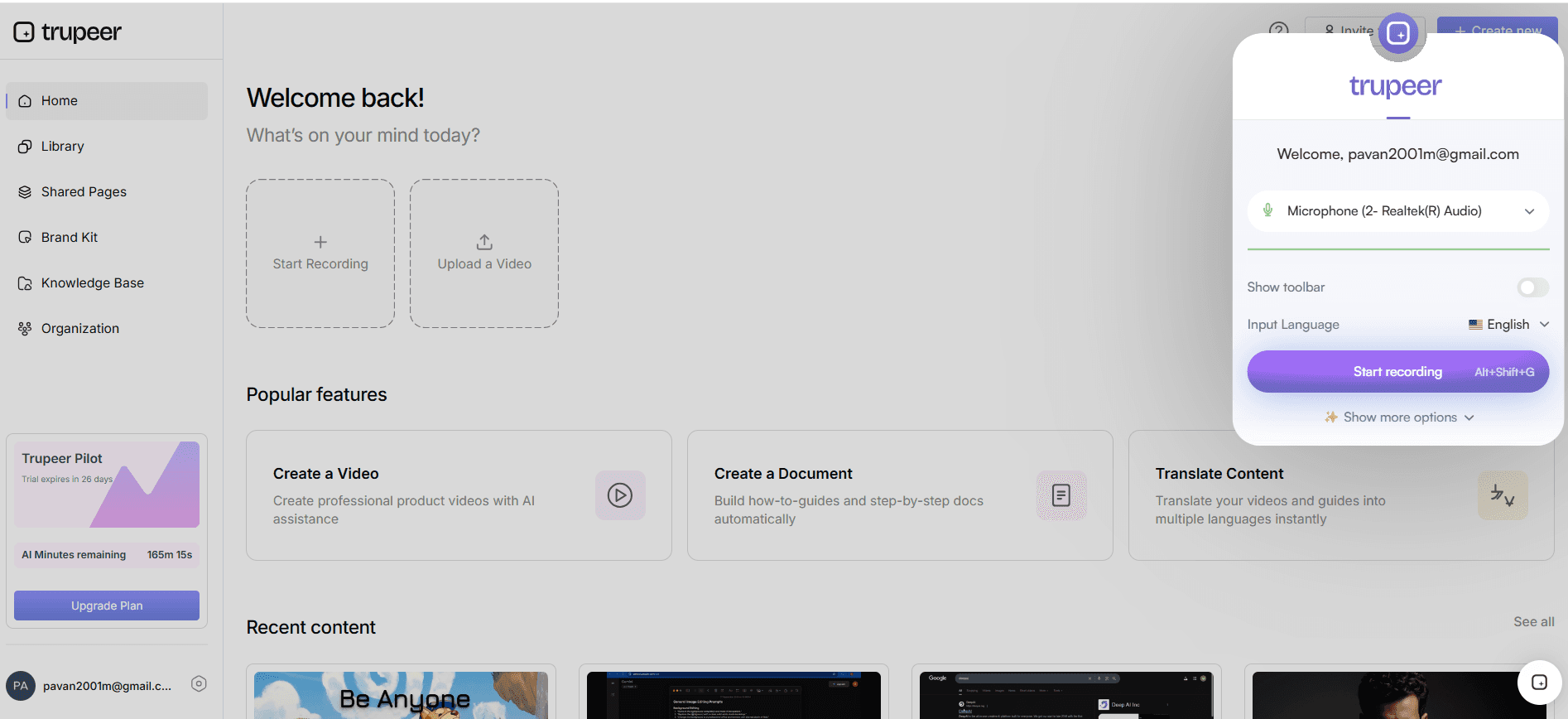
الخطوة 2: تحسين جودة الفيديو
بعد التسجيل، حسّن فيديوك باستخدام ميزة التعليق الصوتي بالذكاء الاصطناعي. اختر من أكثر من 65+ صوتًا طبيعيًا لسرد محتواك. وهذا مفيد بشكل خاص إذا كانت جودة الصوت الأصلية ضعيفة أو إذا كنت بحاجة إلى إنتاج محتوى بلغات متعددة. اضبط سرعة ونبرة التعليق الصوتي لتتماشى مع أسلوب فيديوك. على سبيل المثال، قد تناسب السرعة الهادئة برنامجًا تعليميًا، بينما قد تكون النبرة الرسمية أكثر ملاءمة للعروض التقديمية للشركات. تستغرق هذه العملية عادةً من خمس إلى عشر دقائق، اعتمادًا على طول الفيديو.
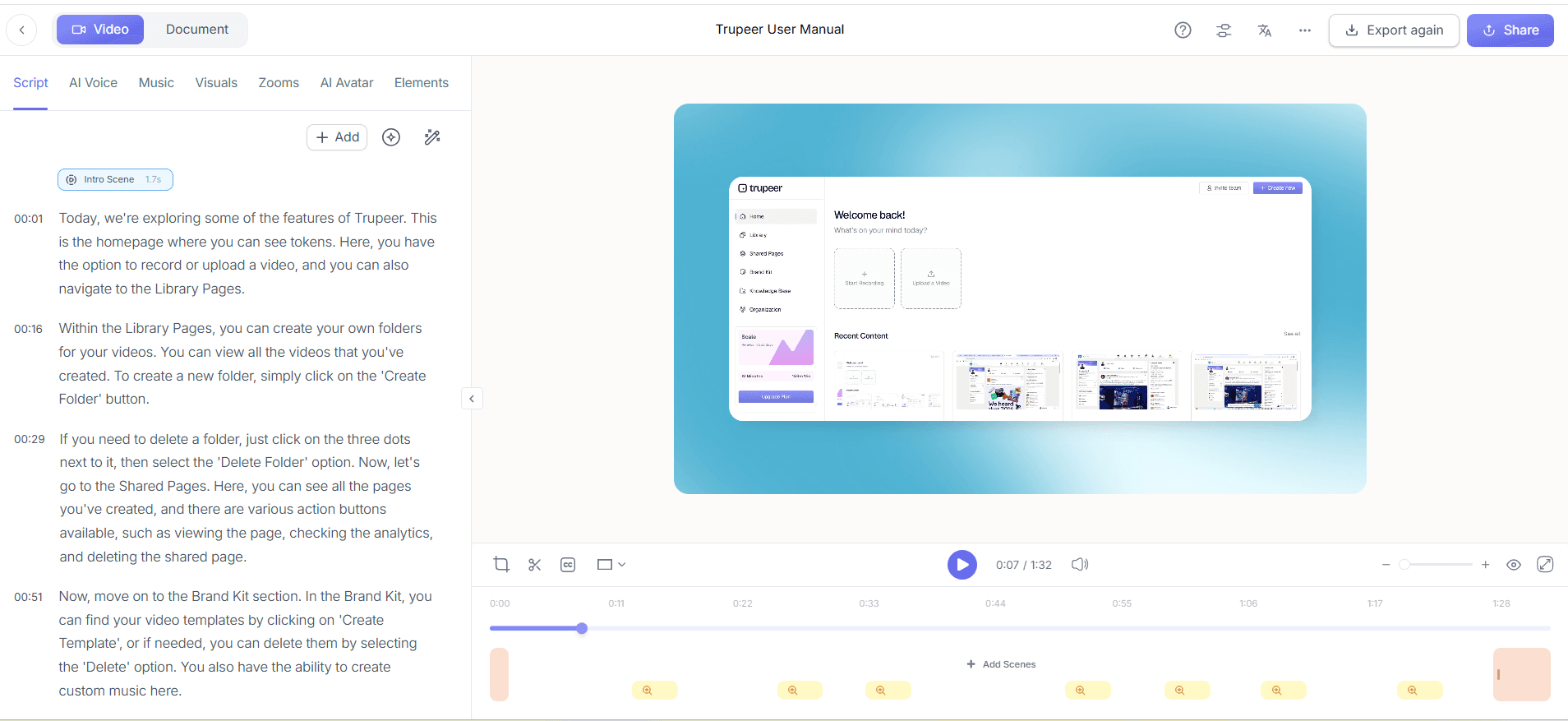
الخطوة 3: إنشاء فصول الفيديو تلقائيًا
باستخدام الفصول التلقائية واكتشاف المقاطع في Trupeer، يتم تقسيم فيديوك تلقائيًا إلى أقسام منطقية. يمكنك الوصول إلى هذه الميزة بالنقر على زر "Generate Chapters"، واترك للذكاء الاصطناعي تحديد الانتقالات الرئيسية أو تغيّرات المواضيع. لا يجعل هذا فيديوك أكثر قابلية للتصفح فحسب، بل يجهزه أيضًا لدمج الطابع الزمني. عادةً ما يكتمل هذا الإجراء في أقل من خمس دقائق، ليقدم مخططًا واضحًا يمكن للمستخدمين النقر خلاله للانتقال إلى أقسام محددة. تعد هذه الميزة لا تقدر بثمن للندوات أو جلسات التدريب التي يختلف فيها المحتوى بشكل كبير طوال الوقت.
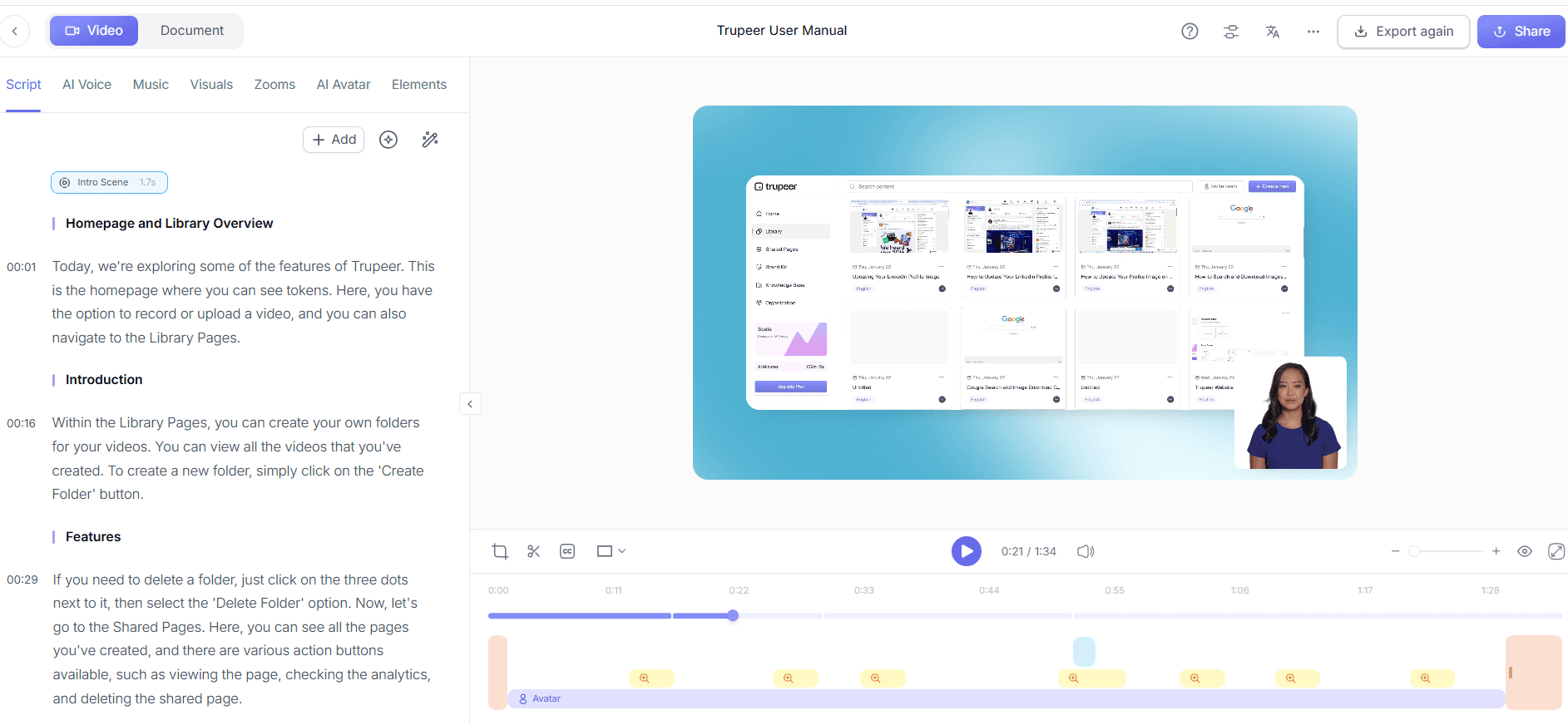
الخطوة 4: إنشاء روابط عميقة للطابع الزمني
بعد ذلك، استخدم قاعدة المعرفة القابلة للبحث بالذكاء الاصطناعي في Trupeer لإنشاء روابط عميقة للطابع الزمني. انتقل إلى فيديوك داخل قاعدة المعرفة، واستخدم وظيفة "Add Timestamp" لتحديد اللحظات الحاسمة. يمكن ربط كل طابع زمني مباشرة، مما يتيح للمستخدمين الانتقال فورًا إلى المحتوى الذي يحتاجونه. هذه الخطوة ضرورية لجعل محتوى الفيديو قابلًا للبحث وسهل الوصول. تأكد من تسمية كل طابع زمني بدقة لتسهيل التعرف عليه. عادةً ما يستغرق إعداد الطوابع الزمنية حوالي عشر دقائق، اعتمادًا على تعقيد الفيديو. للحصول على نظرة أعمق، يغطي دليلنا حول ai video editing خطة العمل المرافقة.
الخطوة 5: شارك وتعاون
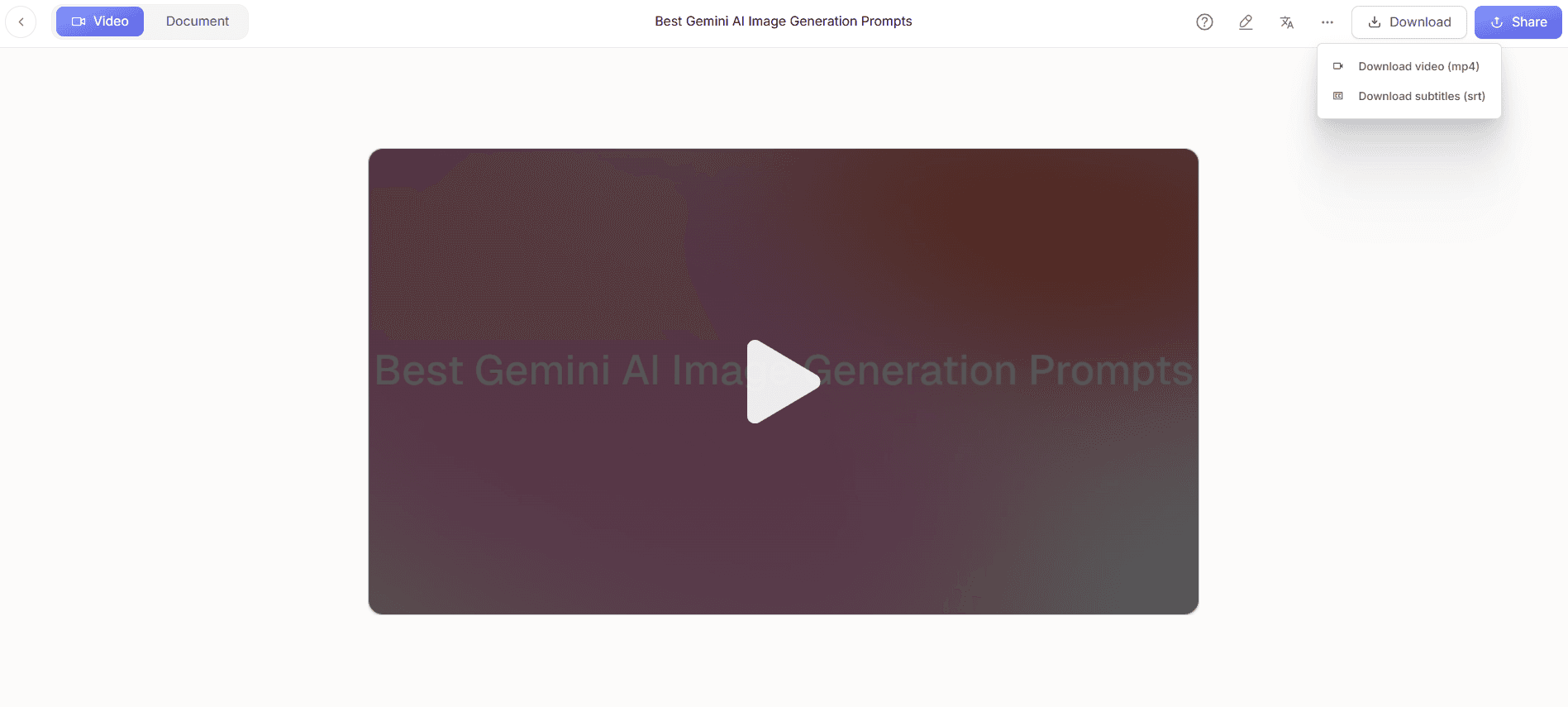
بمجرد وضع الطابع الزمني على فيديوك، شاركه مع فريقك للمراجعة التعاونية. استخدم سير عمل مراجعة واعتماد تعاوني في Trupeer بالنقر على "Share"، ثم تحديد أعضاء الفريق الذين يحتاجون إلى الوصول. يمكنهم مشاهدة الفيديو مع الطوابع الزمنية وترك تعليقات مباشرة على أقسام محددة. وهذا يضمن أن تكون الملاحظات دقيقة وقابلة للتنفيذ. تختلف مدة عملية المراجعة حسب توفر الفريق، لكن نظام Trupeer يسهل سير عمل مبسطًا، مما يقلل من التأخيرات.
الخطوة 6: تحليل تفاعل المشاهدين
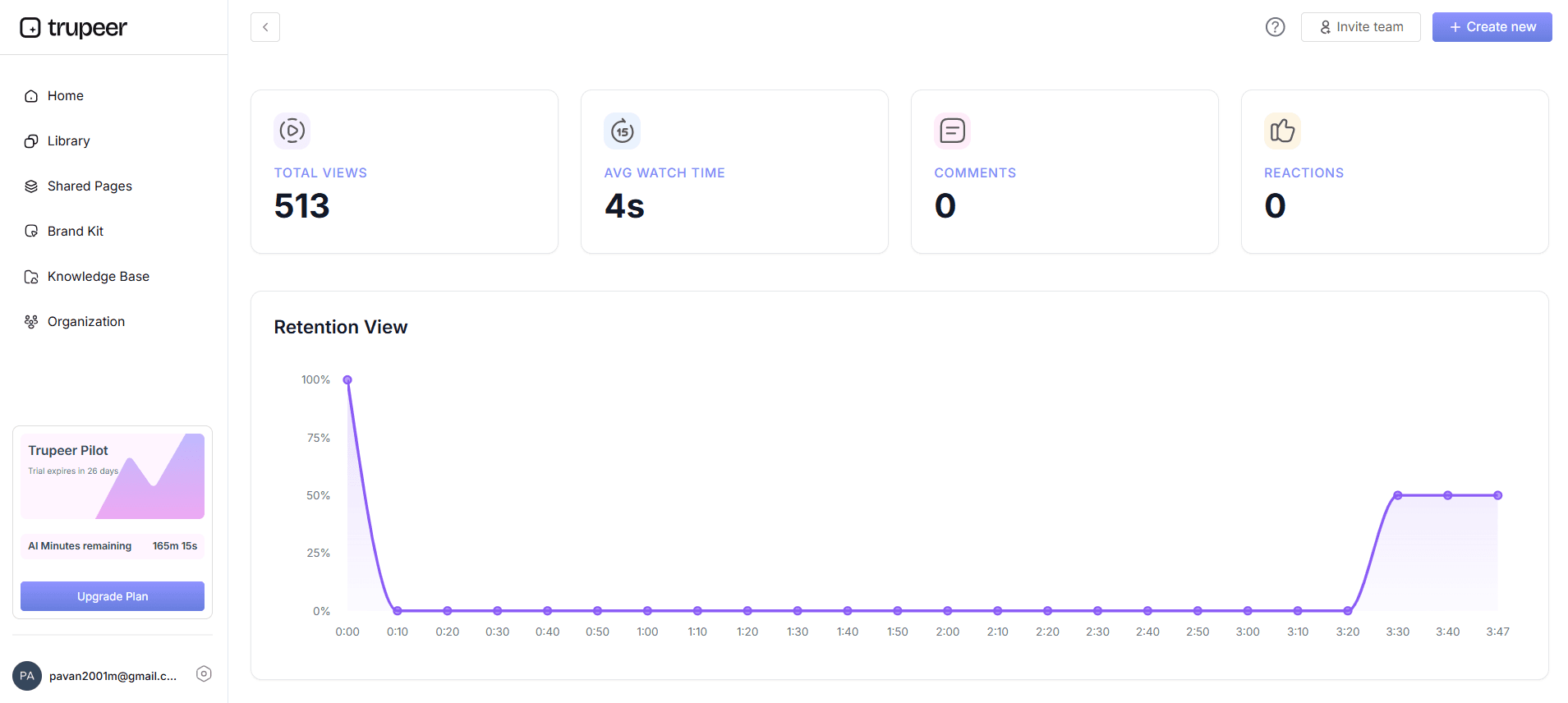
وأخيرًا، قيّم كيفية استهلاك فيديوك باستخدام تحليلات تفاعل المشاهدين. من لوحة تحكم Trupeer، يمكنك الوصول إلى تحليلات تفصيلية تُظهر أي الأقسام تتم مشاهدتها أكثر أو يتم تخطيها. تساعدك هذه البيانات على فهم المحتوى الذي يتفاعل معه جمهورك وأين قد تكون هناك حاجة إلى تحسينات. عدّل محتواك المستقبلي بناءً على هذه الرؤى لزيادة التفاعل والفعالية. عادةً ما تستغرق مراجعة التحليلات حوالي خمس دقائق، لكنها توفر معلومات قيّمة للتخطيط الاستراتيجي.
ما النصائح التي تساعدك في تنفيذ بحث الطابع الزمني للفيديو؟
يتضمن تحسين بحث video بالـ timestamp اتباع نهج استراتيجي وأفضل الممارسات لضمان الكفاءة والدقة. إليك بعض النصائح المفيدة:
استخدم تسميات متسقة. قم بتسمية كل طابع زمني بوضوح باستخدام عناوين وصفية. وهذا يجعل من السهل على المستخدمين تحديد المحتوى الذي يحتاجونه والتنقل إليه بسرعة.
امنح الأولوية للحظات المحورية. حدّد أهم المقاطع في فيديوك قبل إضافة الطوابع الزمنية. يساعد ذلك على تركيز الجهود على المعلومات الأكثر أهمية.
وحّد طريقتك. طوّر أسلوبًا ثابتًا لإنشاء الطوابع الزمنية عبر جميع مقاطع الفيديو. وهذا يضمن الاتساق والموثوقية في مكتبة الفيديو الخاصة بك.
استخدم الملاحظات. استخدم الرؤى من تحليلات تفاعل المشاهدين لتحسين استراتيجية الطابع الزمني لديك. ركّز على تعزيز الأقسام التي تُظهر تفاعلًا مرتفعًا أو حيث تحدث حالات التوقف/التخطي.
ادمج مع أدوات أخرى. عزّز سير عملك عبر دمج Trupeer مع المنصات الحالية. يمكن أن يؤدي ذلك إلى تبسيط العمليات وتحسين الكفاءة العامة.
راجع بانتظام. راجع الطوابع الزمنية وحدّثها بشكل دوري للتأكد من أنها تظل ذات صلة ودقيقة مع تطور المحتوى أو احتياجات المستخدمين.
قارن البدائل. قم بتقييم بدائل Scribe لـ SOPs من حين لآخر للتأكد من أن Trupeer ما زالت الخيار الأنسب لاحتياجاتك.
الأسئلة الشائعة
كيف يمكنني ضمان الدقة عند وضع طوابع الفيديو الزمنية؟
تبدأ الدقة في وضع طوابع الفيديو الزمنية بمراجعة تفصيلية لمحتوى الفيديو الخاص بك. حدّد اللحظات المحورية قبل بدء عملية وضع الطابع الزمني. استخدم الفصول التلقائية واكتشاف المقاطع في Trupeer للمساعدة في تحديد الانتقالات بدقة. تساعد هذه الميزة على ضمان وسم كل قسم مهم بدقة. كما يُفضّل إشراك الزملاء في عملية المراجعة لاكتشاف أي إغفال محتمل. ومن خلال الحفاظ على نظام تسميات ثابت، تعزز موثوقية طوابعك الزمنية. يضمن تحديث طوابعك الزمنية بانتظام أن تعكس أي تغييرات في مدى صلة المحتوى أو بنيته.
ما الذي يجعل قاعدة المعرفة القابلة للبحث بالذكاء الاصطناعي في Trupeer فريدة؟
تتميز قاعدة المعرفة القابلة للبحث بالذكاء الاصطناعي في Trupeer بقدرتها على فهرسة مقاطع الفيديو على مستوى الطابع الزمني. يتيح ذلك للمستخدمين البحث عن محتوى محدد داخل مكتبة الفيديو بسرعة. يعني تكامل تقنية الذكاء الاصطناعي أن النظام يمكنه فهم محتوى الفيديو وتصنيفه بكفاءة أكبر من الطرق اليدوية. وتكون هذه الميزة مفيدة بشكل خاص للمؤسسات الأكبر التي لديها محتوى فيديو واسع، لأنها تقلل بشكل كبير الوقت المستغرق في البحث عن معلومات محددة. ومن خلال توفير روابط عميقة إلى طوابع زمنية محددة، تضمن Trupeer أن يصل المستخدمون إلى المحتوى الدقيق الذي يحتاجونه.
هل يمكنني تعديل الطوابع الزمنية بعد إنشائها؟
نعم، يمكنك تعديل الطوابع الزمنية بعد إنشائها في Trupeer. ما عليك سوى الوصول إلى الفيديو عبر قاعدة المعرفة، وتحديد الطابع الزمني الموجود، ثم اختيار خيار التعديل. تعد هذه الميزة ضرورية للحفاظ على دقة الطوابع الزمنية وملاءمتها، خصوصًا مع تطور المحتوى أو عند اكتساب رؤى جديدة من تحليلات تفاعل المشاهدين. إن القدرة على تعديل الطوابع الزمنية تضمن بقاء محتوى الفيديو متاحًا ومفيدًا مع مرور الوقت. تساعد هذه المرونة على إبقاء مكتبة الفيديو ديناميكية ومتجاوبة مع احتياجات المستخدمين.
هل يمكنني دمج Trupeer مع أدوات أخرى لتحسين الوظائف؟
بالطبع، تم تصميم Trupeer لتتكامل بسلاسة مع مجموعة متنوعة من الأدوات لتعزيز وظائفها. على سبيل المثال، تتيح قدرات التكامل لها العمل جنبًا إلى جنب مع أنظمة إدارة المحتوى والمنصات الحالية للفيديو. يمكن أن يؤدي هذا التكامل إلى تبسيط سير العمل وتحسين الكفاءة عبر تقليل الحاجة إلى التبديل بين تطبيقات مختلفة. كما أن توافق Trupeer مع أدوات التحليلات يوفر رؤى أعمق حول تفاعل الفيديو، مما يمكّن من اتخاذ قرارات أكثر استنارة. ai/tools/auto-video-editor">أدوات محرر فيديو تلقائي لمزيد من التحسين.
ما اللغات التي تدعمها Trupeer للترجمة بالذكاء الاصطناعي؟
تدعم Trupeer الترجمة بالذكاء الاصطناعي إلى أكثر من 40 لغة، مما يجعلها أداة متعددة الاستخدامات للجمهور العالمي. تتضمن هذه الميزة مزامنة الشفاه لضمان أن تحافظ مقاطع الفيديو المترجمة على مظهر وإحساس طبيعيين. وتعد هذه الداعمة الواسعة للغات مفيدة بشكل خاص للشركات التي تعمل في مناطق متعددة، مما يتيح لها الوصول بفعالية إلى جماهير لا تتحدث الإنجليزية. إن القدرة على توطين محتوى الفيديو يمكن أن توسع بشكل كبير نطاق التواصل والتفاعل. ai/translation">أداة توطين الفيديو.
المدونات ذات الصلة