Trupeer Blog
Резюмировать
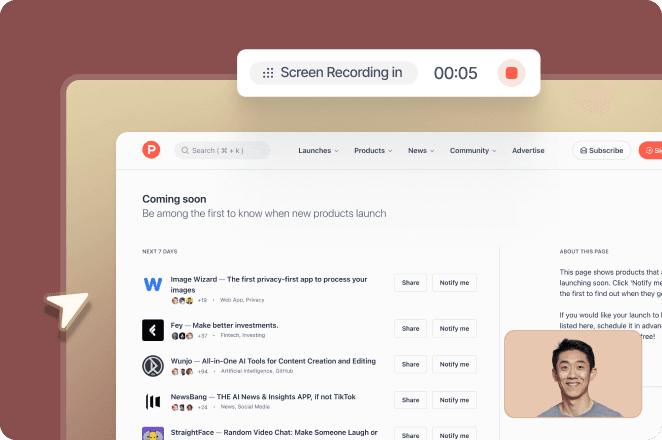
You've got the screen recorder open, a product expert waiting to review, and a document full of sentences that sound fine until you try matching them to clicks. Then the interface changes, the captions don't match the edit, and nobody knows which draft was approved.
I'd fix the video script format before polishing another line. A useful script tells the narrator what to say, the editor what to show, and the next owner what needs checking when the product changes.
Table of Contents
What Belongs in Every Reusable Video Script?
A reusable script needs paired narration and visual action, plus a header that identifies the audience, objective, owner, and approved product release. I'd start with this structure rather than a blank document.
Core elements of a video script template
Element | What it holds | Example |
|---|---|---|
Working title | Names the video and its topic | Create a Q3 Pipeline Report in Trupeer |
Audience and objective | Who watches and what they should do afterwards | New account executives log a deal in under two minutes |
Logline | One or two sentences on the premise | A rep builds a pipeline report from a single screen recording |
Estimated duration | Target runtime, checked against word count | 3 min, about 400 words |
Scene or chapter ID | Lets editors and reviewers find a beat | Scene 2.1 |
Narration | Only the words the speaker says aloud | Open the Pipeline tab and filter by owner. |
Visual action | What the viewer sees at that moment | Cursor moves to Filter and the dropdown opens |
On-screen text | Exact labels, figures and captions shown | Filter by owner |
Transition notes | How the cut or zoom moves to the next beat | Smooth zoom to the filter dropdown |
Header metadata | Owner, version, product release, review date | Owner: Priya; version: approved draft; release: current production; reviewed: approval date |
Treat the example timings as draft targets, not measured outcomes. The important distinction is between what's spoken and what production must execute.
The BBC's medium and format guidance distinguishes formats by production medium rather than prescribing a universal template. For a software demonstration, I'd make the screen state explicit: an open dropdown is different from a cursor approaching a closed dropdown.
What makes the template reusable?
The title and objective establish scope. The logline gives reviewers a quick premise, while scene IDs let them leave actionable comments instead of referring vaguely to the middle bit.
Keep ownership and release details in the header, not inside narration. Say the same workflow becomes a demo, an SOP, and a knowledge-base article: the production directions change, but the task and approval context remain identifiable.
Copy this header into every new script. Consistent fields make approved material easier to search, assign, and reuse.
Should You Use a Two-Column or Scene-Based Layout?
Use a two-column AV script for screen-dependent instruction. Use scene blocks when the story matters more than precise interface synchronization. My default for software walkthroughs is two columns.
The Agency for Healthcare Research and Quality shooting-script guide places imagery and directions on the visual side and audible material on the audio side. It also excludes editorial symbols such as bullets, parentheses, and dashes from the narrator's spoken copy.

Layout | Where it works | Trade-off |
|---|---|---|
Two-column | UI demonstrations, procedural training, screen recordings | Clear row-by-row matching, but dense on phones and awkward to restructure after capture |
Scene-based | Customer stories, story-led explainers, cutaway-heavy videos | Easy to reorder, but editors need more help matching narration to exact screen moments |
A scene-based script groups a heading, visual description, and narration into a block. I'd choose it for a hypothetical 90-second customer story with an interview, workplace footage, and a closing outcome.
For an account-based sales demo, the balance changes. If the presenter explains a filter while the editor must show its selected state, placing those instructions together prevents ambiguity. The voice artist can read a clean audio column, and the reviewer can assess the claim beside its evidence.
Scene blocks aren't less professional. They organize a different production problem: narrative sequence rather than click-level coordination.
Layout test: If a line of narration depends on something on screen, it belongs in a two-column script.
How Long Should a Script Run for Each Video Length?
Budget narration before drafting, then verify the runtime with a timed read and the actual screen actions. Word count estimates speech, not the whole finished video.
Narration word budgets by video length
Target length | Narration words | Typical use |
|---|---|---|
1 minute | 125-150 words | Feature teaser or single task |
2 minutes | 250-300 words | Short how-to |
3 minutes | 375-450 words | Product update |
5 minutes | 625-750 words | Sales demo or training module |
10 minutes | 1,250-1,500 words | Full onboarding session |
These budgets use the approximately 125-150 spoken words per minute baseline summarized by Mindstamp's scriptwriting guide, which also describes the screenplay convention of roughly one formatted page per minute. The table's intermediate budgets are calculated from that narration range.
What doesn't word count include?
I'd reserve time separately for meaningful pauses, interface responses, music, transitions, and silent demonstrations. A dense paragraph may read quickly, while a short instruction can require a long wait for an import to finish.
For a hypothetical product update, suppose you have 450 words and a separate 40-second clicking sequence. You might initially reserve about three and a half minutes, but that's a rough planning slot, not a runtime calculation you can trust. If the clicking is entirely silent and additional to the narration, allow more time; if speech overlaps it, the total can be shorter.
Read the narration at the intended delivery speed while someone performs the actions. Mark where the speaker waits and where the editor can overlap speech with footage, then trim or expand individual rows.
For tighter scope decisions, the short training-video script formula provides a useful companion.
Word count is a recording, voiceover, and translation budget, not a promise about final runtime.
How Do You Write a Video Script Step by Step?
Write the task sequence first, establish the screen states, and then draft the spoken explanation. I'd rather revise a shot list than discover during editing that the narration describes footage nobody captured.

How do you build the first draft?
Name the audience and objective. Write an observable outcome: a new account executive connects a calendar and confirms availability. Understand calendar settings is too vague to guide production.
Build the shot list in task order. Include the starting page, required permissions, actions, and success state. Don't begin halfway through a workflow just because that's where the interesting feature appears.
Attach the screen state to each action. Specify which panel is open and what the viewer can see before the next click. This gives the editor usable visual instructions before you add voiceover.
Draft narration in spoken language. Prefer direct verbs and short clauses. Explain choices and consequences instead of describing every cursor movement.
Separate changeable display text. Put exact labels, figures, and prices in their own field so reviewers can inspect them without searching paragraphs.
Mark non-spoken audio and accessibility requirements. Keep production cues distinct from the words intended for recording. Flag information that would disappear if someone couldn't see the screen.
How do you make it recordable?
Perform a timed read. Read with the screen actions, not against a static document. A sentence that sounds smooth alone may crowd the moment when the viewer needs to inspect a menu.
Cut redundant rows. Remove narration that merely repeats an obvious visual, unless the spoken description supports accessibility or explains a consequential choice.
Complete the approval header. Record the owner, script version, and review date before sharing. Otherwise, a polished but superseded draft can remain in circulation.
Say a hypothetical four-step calendar walkthrough has about 180 spoken words and a 90-second target. A rehearsal reveals a 15-second overrun because the permission screen needs explanation. I'd shorten the opening rather than rush the permission decision.
A timed read should expose production problems, not just prove that the narrator can speak quickly.
A training script template gives this process a repeatable home. Pick the format you'll use most, draft a real task this week, and test it before the final take.
For a capture-first workflow, our Trupeer walkthroughs use bite-sized chapters, on-brand visuals, and editable scripts. When recording stops, the AI removes filler words and fixes grammar, adds professional voiceover from 100+ voices, automated zooms on click actions, and branded intros and outros, while producing written documentation with annotated screenshots.
I'd use that cleaned script as a draft, not an approval. Check the task sequence, paste the transcript into the production template, and verify timing and accuracy yourself.
Which Formatting Conventions Keep Scripts Readable?
Make it impossible to confuse spoken copy with production instructions. I'd prioritize readable handoffs over cinematic-looking formatting.
A narrator, editor, and product reviewer each need different information. Give them clear labels instead of expecting everyone to interpret italics, punctuation, or shorthand the same way.
Which rules should you standardize?
Identify the speaker. Put PRIYA or Priya before dialogue, outside the copy passed to the voice generator.
Bracket production cues. Use square brackets for instructions such as [cursor pauses on Save], and keep them outside the spoken-text field.
Copy interface labels exactly. Preserve casing and write numbers as the product displays them. Don't change Export CSV into Export file.
Keep one idea per narration row. Give the editor a clean cut point without requiring a rewrite of the surrounding explanation.
Maintain pronunciation notes. Add product names, acronyms, and unusual terms to a header glossary, especially for AI voiceover or custom voice clones.
Separate editorial comments. Use a dedicated Not spoken column or clearly marked notes, not comments embedded in dialogue.
A small example makes the separation concrete:
Narration | Visual action | Not spoken |
|---|---|---|
Click the blue button labeled Export. | Cursor selects Export; export panel opens | [pause two seconds] |
I'd use the label as the primary instruction and color as a supporting identifier. The editor should also know whether the pause happens before the click or after the panel appears.
The conventions matter more than the software. A document, spreadsheet, or shared template can all work if the same notation means the same thing throughout.
What Do Sample Scripts Look Like for Each Video Type?
A finished script should reflect the job the video must do, not just its channel. I'd use these as starting settings, not industry runtime requirements.
Sample script settings by video type
Video type | Typical length | Layout and emphasis | Must-have elements |
|---|---|---|---|
Sales demo | 3-5 min | Two-column, customer problem first | Personalized opening line, proof point, call to action |
Product update | 1-2 min | Scene-based, what changed | Version number, release date, before and after screen |
Training module | 5-10 min | Two-column with chapter markers | Learning objective, knowledge-check question |
Software how-to | 1-3 min | Two-column, one task per video | Numbered UI actions, error state and fix |
Customer testimonial or sponsored review | 2-4 min | Scene-based with cutaways | Spoken and on-screen disclosure where applicable, recording consent |
The lengths above are suggested editorial planning ranges, not measured norms. Choose the shortest scope that still lets the viewer understand and act.

How does a sample scene work?
For a project-creation tutorial, the narration could say: Start by clicking New Project in the top bar. Beside it, the visual direction specifies the cursor moving to New Project and the modal opening; the on-screen text reads Name your project.
I'd give the naming decision its own beat if the choice affects later reporting. A training module also needs a learning objective at the top and a knowledge-check question at the end, such as which permission lets a teammate edit the project.
Visual sequencing changes with the subject. For an automotive example, CarShots' guide to turning listing photos into walkaround videos is useful context for planning image-led scenes rather than software clicks. The script still needs a deliberate relationship between the narration and each visual.
What changes for testimonials and sponsored reviews?
The FTC's influencer disclosure guidance says video disclosures should appear inside the video, not solely in its description. For a paid review, I'd script a clear spoken disclosure and show it on screen, rather than leaving the editor to invent it.
Don't script praise into a customer's mouth. Prepare prompts, identify approved factual claims, and preserve the speaker's actual meaning during the edit.
For more format choices, compare examples of videos that work. Keep the template flexible enough to change when the communication task changes.
How Do You Script Captions and Accessibility Cues?
A transcript alone isn't a complete accessibility plan. I'd script the information viewers need to understand, including meaningful sounds and visual outcomes that dialogue doesn't explain.
W3C's WCAG 2.2 requires captions for prerecorded audio in synchronized media, except when the media is clearly labeled as an alternative for text. Its guidance includes speaker identification and important non-speech audio, not merely spoken words.
What belongs in the accessibility fields?
Use the bracket convention for cues such as [notification chime] or [screen reader announces confirmation] when they convey meaning. Identify the speaker when attribution isn't otherwise clear, and record the event beside its associated screen state.
A bare Jordan: Click Save leaves the outcome unspecified. A planned sequence could read Jordan: Click Save, then wait for the green banner, followed by [confirmation chime] when the action succeeds. I'd improve the narration further by naming the banner's message, so color isn't the only evidence of success.
Use explicit labels. Replace color-only directions with Click Save, the green button in the top right.
Describe essential visual outcomes. Narrate a status change or provide audio description when a blind viewer would otherwise miss it.
Plan caption placement. Keep captions from covering the button, error message, or result being taught.
Separate language assets. Maintain the source-language transcript independently from translated caption files, since translation changes length and timing.
For interview-based training, Mojolin's transcription picks for hiring teams can help teams evaluate transcript workflows. Transcription remains a starting point; someone still needs to check attribution, important sounds, and synchronization.
The choice between subtitles and dubbing for enterprise training also affects the production handoff.
Review captions against the final edited audio, not the approved draft.
Accessibility verification belongs after the final edit as well as inside the first script. Cuts, pickups, and changed wording can invalidate an otherwise careful caption plan.
How Do You Keep a Script Accurate as the Product Changes?
A script becomes unreliable when nobody can identify which lines depend on a particular interface or policy. I'd manage those dependencies explicitly rather than treating publication as the end of the job.
Descript's product-demo guidance recommends keeping volatile details such as prices, counts, and dates replaceable and retaining the master recording and transcript. That's a useful foundation for maintaining the production assets.
Which dependencies should you record?
Per-line field | What to capture |
|---|---|
Product version | Release used for verification |
UI location | Page, panel, and relevant control |
Owner | Person responsible for approval |
Last verified date | Most recent accuracy check |
Volatility level | Low, medium, or high |
Asset ID | Matching recording, overlay, or scene |
Keep durable explanations in narration and changeable evidence in editable visual layers. A shorter script isn't automatically easier to maintain: a hypothetical 60-second clip packed with exact click references can need more repairs than a three-minute explanation built around stable concepts.
Define update triggers before publishing:
Renamed control: Check narration, labels, captions, and screenshots.
Changed price: Replace the displayed claim and obtain approval.
New permission rule: Re-test the workflow and re-record affected instructions.
I'd review product demos after every release and high-volatility training quarterly, with immediate checks when a trigger occurs. These are operating recommendations, not universal standards.
If a button's label changes but the narration describes confirming the selection, an editable label layer may be enough. If the action itself changes, don't disguise obsolete instructions with an overlay.
Use a deliberate workflow to update training videos without re-recording, while reserving fresh capture for significantly changed behavior.
What Else Do Readers Ask About Video Scripts?
What's the difference between a video script and a storyboard?
A script specifies what's said, shown, and heard; a storyboard sketches the visual sequence. I'd write the task and message first, then storyboard shots where framing or transitions need approval.
Does a quick screen recording need a script?
Yes, but it can be a compact outline rather than polished dialogue. I'd note the starting state, required actions, success result, and closing instruction before recording, especially when someone else will edit it.
How many words belong in a one-minute script?
I'd use the narration budget table as the starting allowance, then leave room for demonstrations and pauses. Don't solve an overlong task by accelerating the voiceover until the viewer can't follow it.
Can one script feed the video, transcript, and captions?
Yes, as a shared source, but they shouldn't remain identical files. I'd derive the transcript and captions from the finished recording, then check caption timing and meaningful audio separately; the Trupeer blog has more production-workflow guidance.
How should I format a script for AI voiceover?
I'd supply clean spoken text, with speaker assignments, pronunciation guidance, and production notes kept separate. Generate a short test of difficult names and interface terms before committing the whole narration, then listen while watching the intended footage.
Trupeer Inc. turns screen recordings into polished videos and written documentation, giving you a practical starting point for a reusable production script. Visit Trupeer Inc., record a real workflow, and use the template to check its narration, visuals, accessibility cues, and ownership before publishing.
How Josys built a 150+ video catalog without adding headcount
Josys, a SaaS management platform for IT teams, operates mainly in Japan, where fewer than 10% of its audience is fluent in English. Layering a Japanese voiceover on an English interface didn’t work, because what viewers heard no longer matched what they saw. The team needed a full Japanese video catalog without adding headcount.
With Trupeer AI, the team re-records screen captures in the Japanese interface and uses Trupeer AI’s translated scripts as the basis for each voiceover. Translation quality was strong from the start, so a marketing team member in Japan now owns the catalog end to end.
Josys now has 150+ videos on Trupeer AI, including a complete Japanese catalog run by a single person, and is extending Trupeer AI into its documentation workflow.
“The translated scripts come back clean enough that one person on our Japan team now owns the whole catalog. When I flag something, Trupeer ships. The templates have been extremely reliable.”
— Tim Silva, Product Design Manager, Josys