Trupeer Blog
Summarise
A transição de um Sistema de Gestão de Aprendizagem (LMS) para outro pode ser um pesadelo logístico, especialmente quando o seu conteúdo existente está encapsulado no formato SCORM. O SCORM, ou Sharable Content Object Reference Model, é um conjunto de normas que garante que o conteúdo de aprendizagem é compatível com vários softwares de e-learning. No entanto, ao mudar para um novo LMS, enfrenta decisões críticas: deve manter os seus pacotes SCORM intactos, reconstruí-los ou descontinuá-los por completo? Este não é apenas um desafio técnico, mas também estratégico, envolvendo várias partes interessadas e afetando a experiência de aprendizagem de potencialmente milhares de utilizadores.
Os riscos são elevados porque o conteúdo SCORM representa um investimento significativo em design instrucional e tempo de desenvolvimento. De acordo com relatórios do setor, mais de 70% das organizações mudaram de LMS pelo menos uma vez nos últimos cinco anos, deixando muitas vezes o conteúdo SCORM abandonado ou subutilizado. Este conteúdo é crucial para a formação, conformidade e desenvolvimento dos colaboradores. Um tratamento inadequado durante a migração do LMS pode levar à perda de dados, problemas de compatibilidade e até riscos de conformidade. Por exemplo, imagine uma empresa de saúde que precisa manter registos de formação de conformidade por razões legais. Perder ou tratar mal o conteúdo SCORM pode resultar em penalizações dispendiosas.
, descobrirá o enquadramento para lidar eficazmente com o conteúdo SCORM durante a migração, garantindo que toma decisões informadas que se alinham com os objetivos da sua organização e as necessidades dos utilizadores.
Porque é que lidar com conteúdo SCORM durante a migração do LMS é importante?
Lidar corretamente com conteúdo SCORM durante uma migração de LMS é vital para manter a integridade e a eficácia dos seus programas de formação. Os pacotes SCORM são frequentemente a base das iniciativas de e-learning, contendo não só conteúdo instrucional, mas também avaliações e elementos interativos que envolvem os formandos. Se estes não forem geridos corretamente durante a migração, corre o risco de perder dados valiosos ou de tornar os cursos inutilizáveis, o que pode perturbar os planos de aprendizagem e desenvolvimento. Muitas equipas combinam isto com uma plataforma de documentação que gera guias escritos a partir da mesma gravação, para que a apresentação e o passo a passo permaneçam sincronizados.
Além disso, o conteúdo SCORM é frequentemente integrado com vários sistemas de conformidade e relatórios. Em setores como finanças e saúde, isto significa que um tratamento incorreto do conteúdo SCORM pode levar a incumprimentos de conformidade ou falhas em auditorias. As organizações têm de manter registos rigorosos da formação e das avaliações para cumprir os requisitos regulamentares. Não migrar o conteúdo SCORM com precisão pode resultar em registos de formação incompletos, o que pode ter repercussões legais e financeiras.
Gerir bem o conteúdo SCORM também está ligado ao seu fluxo de trabalho geral de sucesso do cliente. Quando a sua plataforma de aprendizagem é fluida e fiável, melhora a satisfação e o envolvimento dos utilizadores. Isto é particularmente importante em programas educativos virados para o cliente, onde a retenção e a satisfação do cliente estão diretamente ligadas à experiência de formação. Uma transição suave garante continuidade e fiabilidade, componentes-chave da confiança e do sucesso do cliente.
Quais são os benefícios de migrar corretamente o conteúdo SCORM?
Migrar com sucesso o conteúdo SCORM pode trazer inúmeras vantagens para a sua organização, garantindo tanto a continuidade como o aperfeiçoamento dos seus programas de aprendizagem.
Preservação do conteúdo. Migrar conteúdo SCORM garante que os seus cursos existentes continuam a funcionar sem necessidade de desenvolvimento adicional, poupando tempo e recursos.
Melhoria da experiência do utilizador. Uma migração fluida permite que os formandos acedam ao conteúdo sem interrupções, mantendo o envolvimento e a satisfação. Usar uma solução baseada em IA pode melhorar esta experiência ao simplificar o acesso à informação.
Garantia de conformidade. Uma migração adequada assegura que o conteúdo relacionado com conformidade permanece intacto e acessível, evitando potenciais penalizações legais por falta de registos de formação.
Eficiência de custos. Ao manter o conteúdo SCORM existente, as organizações evitam o custo de desenvolver novos cursos de raiz. usar uma plataforma de geração de vídeo pode reduzir ainda mais os custos ao automatizar partes do processo de criação de conteúdo.
Relatórios melhorados. Quando o conteúdo SCORM é migrado com precisão, continua a permitir o uso de funcionalidades de relatórios que acompanham o progresso e os resultados dos formandos, essenciais para avaliar a eficácia da formação.
Escalabilidade. Uma migração bem-sucedida pode tornar o seu conteúdo mais acessível e escalável entre equipas globais, permitindo uma implementação mais ampla sem custos adicionais de desenvolvimento.
Que funcionalidades do Trupeer ajudam a lidar com o conteúdo SCORM durante a migração?
O Trupeer oferece várias funcionalidades que podem facilitar a transição do conteúdo SCORM durante uma migração de LMS, melhorando tanto o processo como a qualidade do resultado.
Exportação multiformato: MP4, HTML, PDF, SCORM
A capacidade de exportação multiformato do Trupeer é particularmente útil para a migração SCORM. Permite converter o conteúdo existente para vários formatos, incluindo SCORM, garantindo compatibilidade com o novo LMS. Esta funcionalidade simplifica o processo de migração ao reduzir a necessidade de conversões extensas de ficheiros ou ajustes manuais. Com apenas alguns cliques, pode preservar o seu conteúdo educativo no formato que melhor se adequa ao seu novo sistema, simplificando todo o processo.
Geração automática de SOP a partir de qualquer gravação
Durante a migração do LMS, ter processos bem documentados é crucial. A capacidade do Trupeer de gerar automaticamente Procedimentos Operacionais Padrão (SOPs) a partir de gravações oferece uma forma simples de documentar e transferir fluxos de trabalho importantes. Esta funcionalidade garante que todo o conteúdo processual é preservado e facilmente acessível no novo ambiente LMS. Ao exportar SOPs em vários formatos, pode manter a consistência e a acessibilidade, reduzindo o risco de perder informação crítica durante a migração.
Base de conhecimento pesquisável por IA
O Trupeer melhora a acessibilidade do conteúdo SCORM ao integrá-lo numa base de conhecimento pesquisável por IA. Esta funcionalidade permite que os utilizadores encontrem informação de forma rápida e eficiente, graças a ligações profundas com marcação temporal que os direcionam para partes específicas de uma gravação. Ao incorporar conteúdo SCORM numa base de dados pesquisável, garante que os materiais de aprendizagem valiosos não só são preservados como também fáceis de navegar, melhorando a experiência global de aprendizagem.
Tradução por IA para mais de 40 idiomas com sincronização labial
À medida que as organizações se expandem globalmente, aumenta a necessidade de conteúdo multilingue. A funcionalidade de tradução por IA do Trupeer facilita a localização do conteúdo SCORM para mais de 40 idiomas, com capacidades de sincronização labial. Isto garante que os seus materiais educativos sejam acessíveis a um público diversificado sem comprometer a qualidade ou o envolvimento. Ao manter a integridade do conteúdo SCORM através de uma tradução precisa, as organizações podem alargar o seu alcance e eficácia.
Remoção automática de palavras de preenchimento
A funcionalidade de remoção automática de palavras de preenchimento do Trupeer limpa o conteúdo gravado, eliminando pausas desnecessárias e muletas verbais. Isto é particularmente útil ao migrar conteúdo SCORM que inclui elementos de áudio ou vídeo. Ao melhorar a clareza e o profissionalismo do seu conteúdo, o Trupeer garante que os seus materiais educativos são mais envolventes e eficazes, mesmo após a migração. Esta funcionalidade ajuda a manter a qualidade dos seus cursos SCORM, tornando-os mais apelativos e fáceis de consumir para os formandos.
Ao utilizar a suite abrangente de ferramentas do Trupeer, pode lidar eficientemente com o conteúdo SCORM durante a migração do LMS, garantindo que os seus programas de aprendizagem continuam a gerar valor sem interrupções ou degradação. Estas capacidades não só preservam o conteúdo, como também melhoram a sua acessibilidade e eficácia num novo ambiente.
Como lidar com a migração de conteúdo SCORM passo a passo com o Trupeer?
Passo 1: Exportar o seu conteúdo SCORM
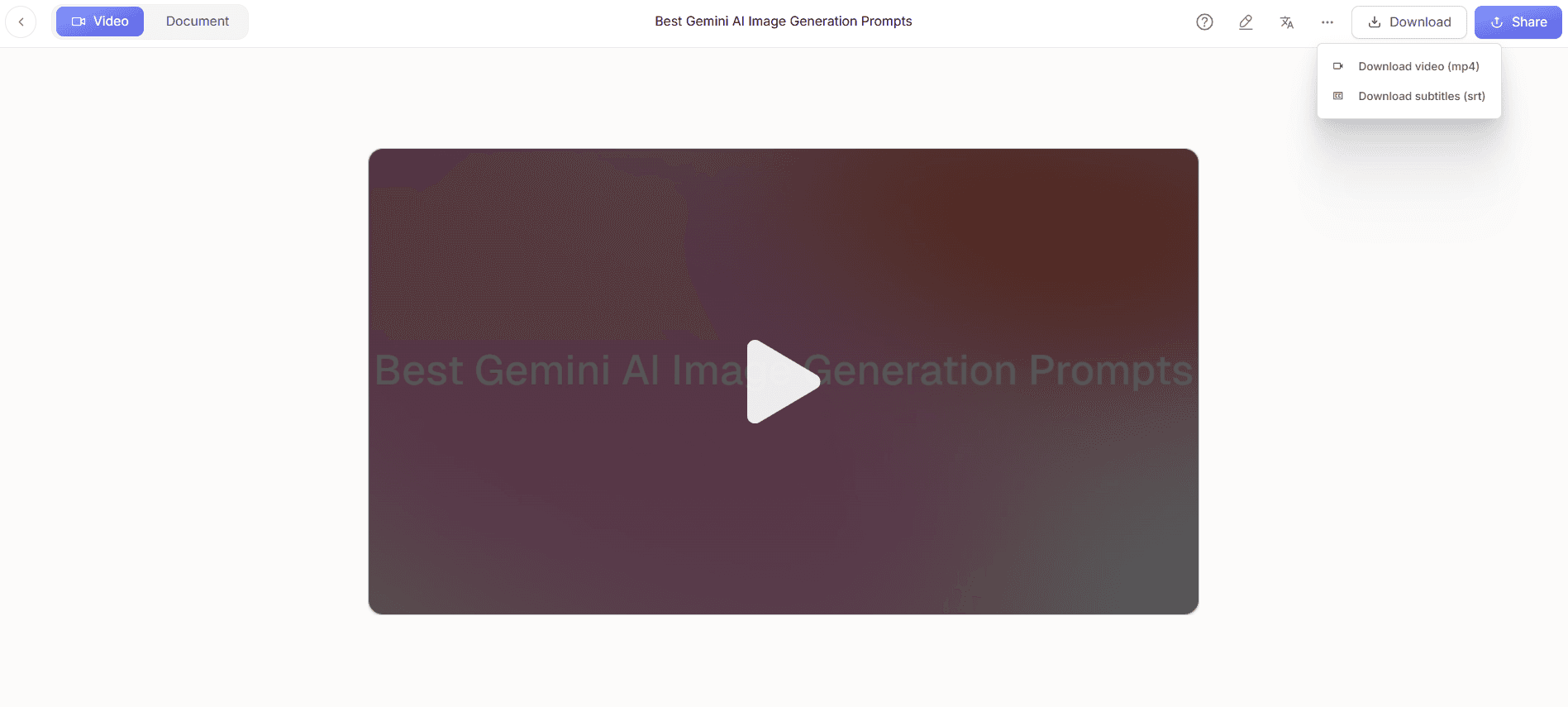
Comece por exportar o seu conteúdo SCORM existente a partir do LMS atual. Utilize a funcionalidade de exportação multiformato do Trupeer para facilitar este processo. Navegue até à biblioteca de conteúdo no seu LMS, selecione os pacotes SCORM que pretende exportar e escolha o formato SCORM nas opções de exportação do Trupeer. Isto garante compatibilidade com o seu novo LMS. O processo de exportação é normalmente rápido, demorando apenas alguns minutos por pacote, consoante o tamanho do conteúdo. Certifique-se de que verifica se todos os elementos, incluindo questionários e componentes interativos, estão incluídos nos ficheiros exportados.
Passo 2: Gerar SOP a partir de gravações
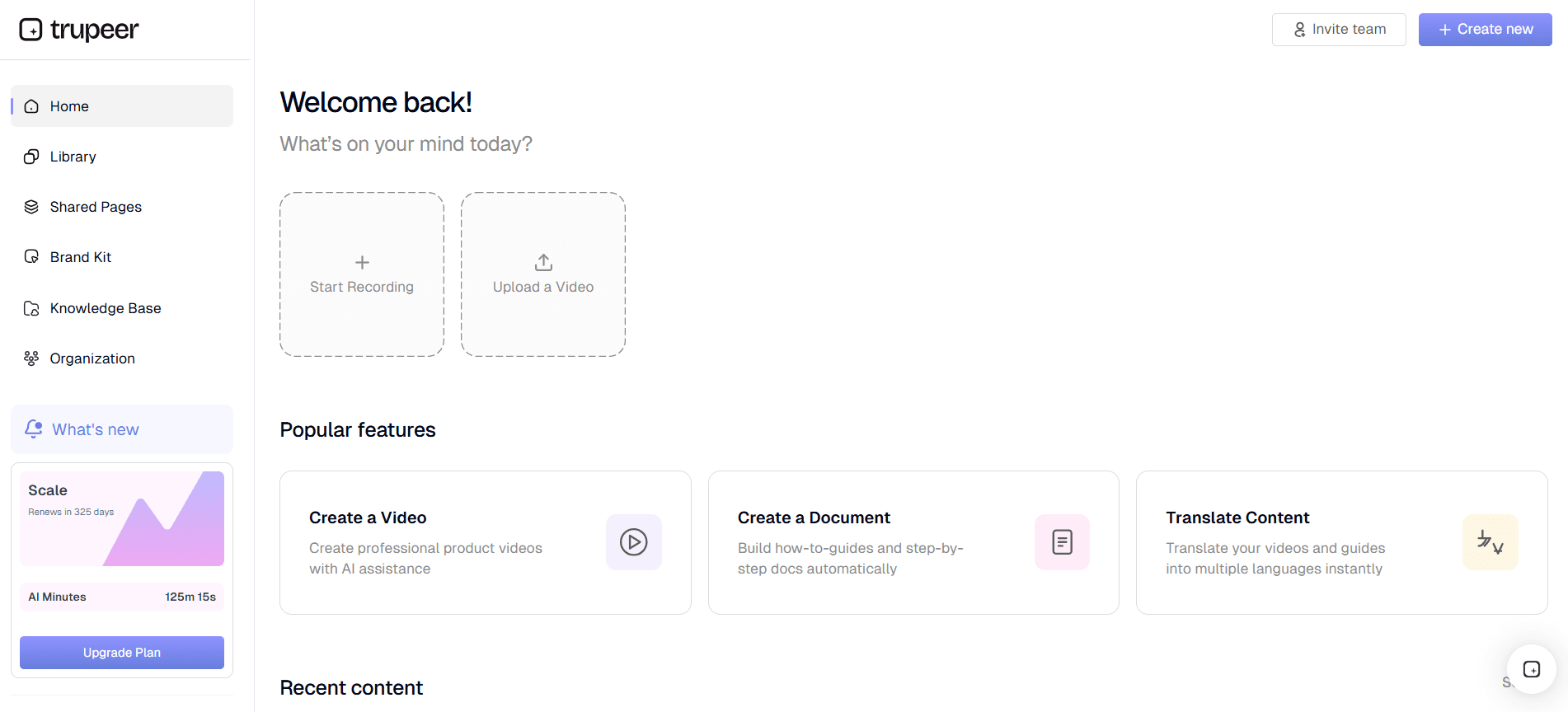
Assim que o conteúdo SCORM for exportado, utilize o Trupeer para criar Procedimentos Operacionais Padrão (SOPs) a partir das suas gravações instrucionais. Isto envolve selecionar os ficheiros de vídeo associados aos seus cursos SCORM e usar a funcionalidade de geração automática de SOP do Trupeer. Este passo garante que todo o conteúdo processual é documentado e acessível para referência futura. Normalmente, o Trupeer demora alguns minutos a processar cada vídeo e a gerar um SOP, que depois pode exportar em formatos como PDF ou HTML para fácil acesso e revisão.
Passo 3: Traduzir o conteúdo para alcance global
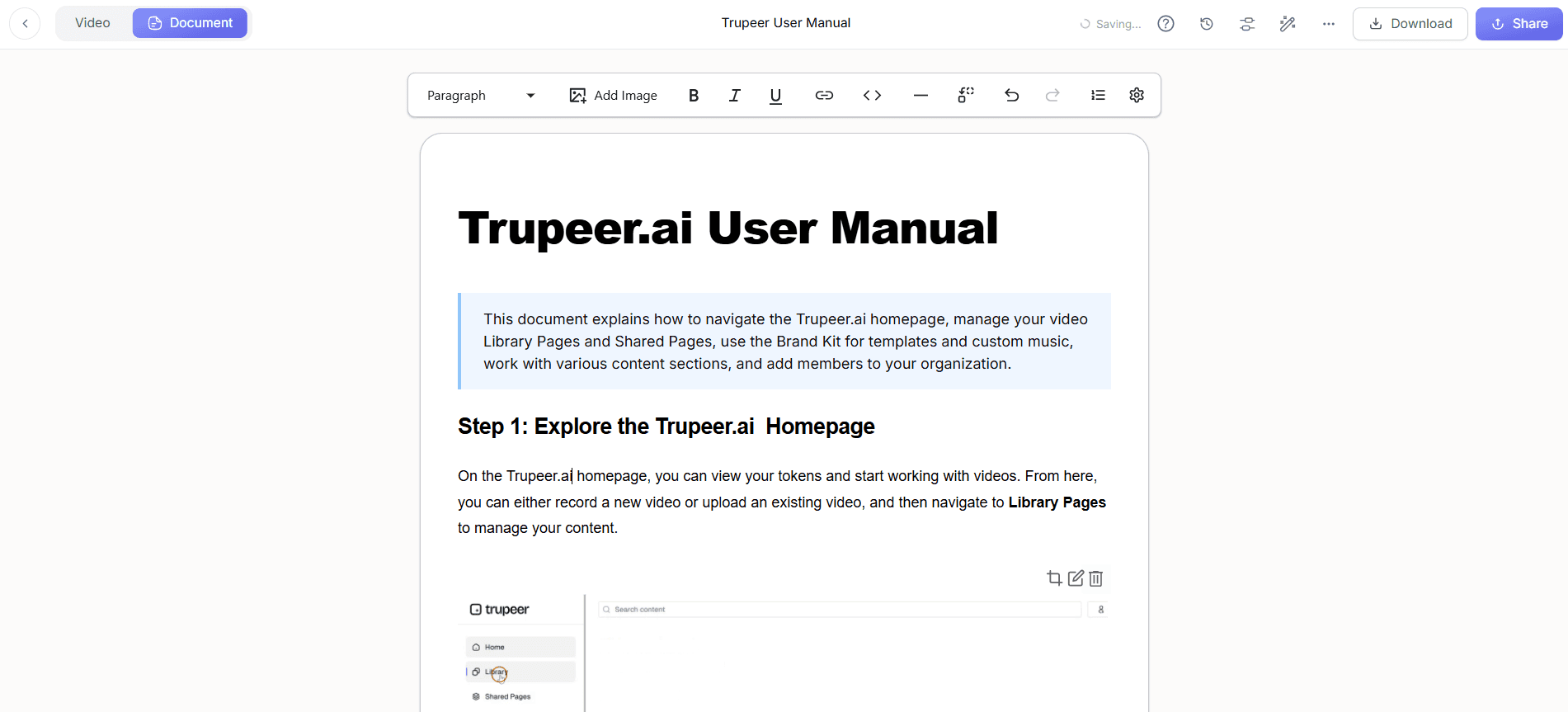
Para organizações que operam globalmente, traduzir conteúdo SCORM é crucial. Utilize a funcionalidade de tradução por IA do Trupeer para traduzir os seus pacotes SCORM para os idiomas necessários. Com suporte para mais de 40 idiomas e capacidades de sincronização labial, o Trupeer garante que o seu conteúdo mantém a integridade e o envolvimento em diferentes regiões. Selecione a opção de tradução no painel do Trupeer, escolha os idiomas de destino e inicie o processo. Normalmente, isto demora um pouco mais do que outras funcionalidades, dependendo do comprimento do conteúdo, mas garante traduções precisas e de elevada qualidade. As equipas que avaliam ferramentas costumam começar por uma comparação de alternativas ao Loom antes de padronizar um fluxo de trabalho.
Passo 4: Limpar o áudio com a remoção de palavras de preenchimento
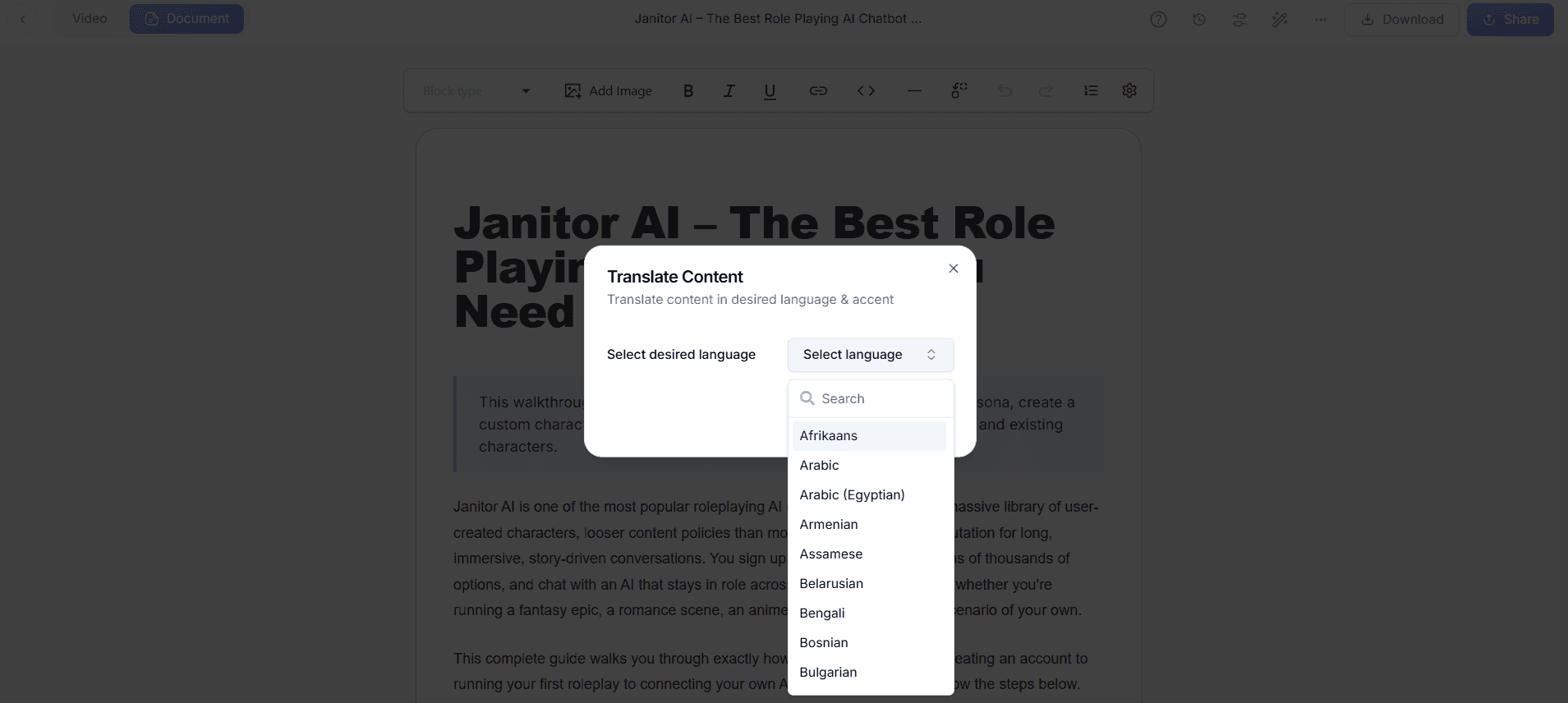
Melhore a clareza do seu conteúdo SCORM utilizando a funcionalidade de remoção automática de palavras de preenchimento do Trupeer. Esta ferramenta identifica e remove pausas desnecessárias e muletas verbais das faixas de áudio dentro dos seus pacotes SCORM. Vá à secção de edição no Trupeer, carregue os seus ficheiros de áudio e aplique a ferramenta de remoção de palavras de preenchimento. O processo é simples e rápido, normalmente demorando alguns minutos por ficheiro de áudio. O resultado é um áudio mais limpo e mais profissional, que melhora a experiência de aprendizagem.
Passo 5: Integrar o conteúdo numa base de conhecimento
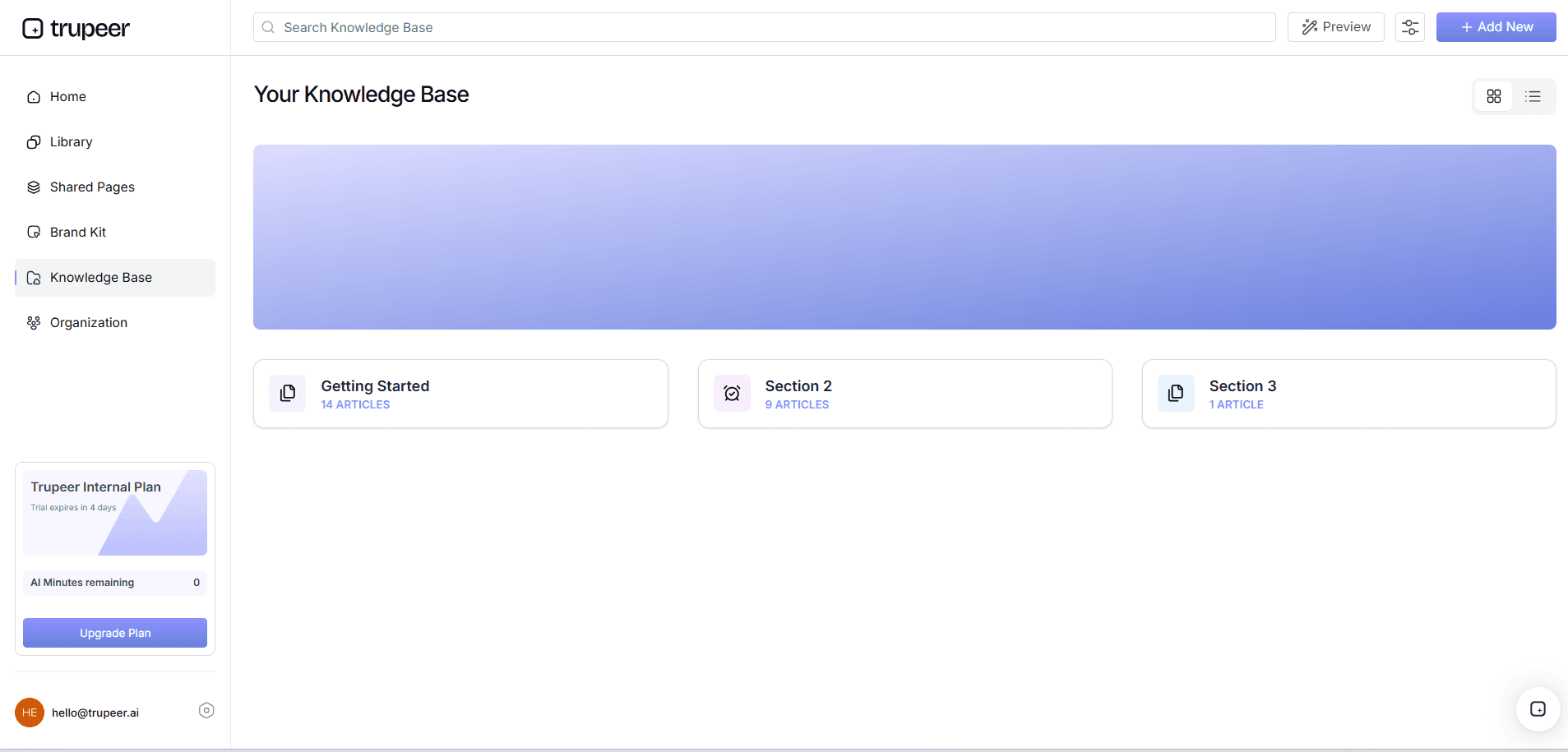
Para garantir fácil acesso e capacidade de pesquisa, integre o seu conteúdo SCORM numa base de conhecimento pesquisável por IA. A funcionalidade de base de conhecimento em vídeo do Trupeer permite carregar conteúdo com ligações profundas com marcação temporal, facilitando aos utilizadores a procura de informação específica. Basta carregar os seus pacotes SCORM para a plataforma do Trupeer, e a IA indexará automaticamente o conteúdo. Este processo não só preserva o seu conteúdo, como também melhora a acessibilidade e a usabilidade em toda a sua organização.
Passo 6: Implementar o conteúdo no novo LMS
Por fim, importe os seus pacotes SCORM para o novo LMS. Utilizando os ficheiros exportados que criou anteriormente, navegue até à secção de importação do novo LMS e siga as instruções específicas para conteúdo SCORM. O Trupeer garante que os ficheiros são compatíveis, reduzindo a probabilidade de erros durante a importação. Este passo pode demorar algum tempo, consoante o tamanho da sua biblioteca de conteúdo, mas garante que os seus materiais educativos estão prontos a ser utilizados no novo sistema. Verifique duas vezes se todos os elementos interativos e avaliações funcionam corretamente após a migração.
Que dicas ajudam a lidar com a migração de conteúdo SCORM?
Migrar conteúdo SCORM requer planeamento estratégico e execução cuidadosa. Aqui estão algumas dicas para o ajudar a gerir o processo de forma eficiente, garantindo tanto a integridade do conteúdo como experiências de aprendizagem melhoradas.
Priorize o conteúdo. Identifique primeiro o conteúdo SCORM essencial a migrar, focando-se nos cursos de maior impacto que se alinham com os objetivos da organização.
Realize um teste-piloto. Teste um pequeno lote de conteúdo SCORM no novo LMS para identificar potenciais problemas antes da migração em grande escala, tal como destacado nas comparações de alternativas ao Scribe.
Padronize os formatos. Utilize as opções de exportação do Trupeer para converter todo o conteúdo para um formato uniforme, garantindo uma integração fácil no novo sistema.
Comunique as alterações. Informe os utilizadores sobre o processo de migração, os prazos e quaisquer alterações no acesso ao conteúdo para gerir as expectativas de forma eficaz.
usar Análises. usar plataformas de vídeo interativo com análises para acompanhar o envolvimento dos utilizadores e recolher feedback após a migração.
Faça cópias de segurança de tudo. Crie sempre cópias de segurança do seu conteúdo SCORM e dos dados relacionados antes de iniciar a migração para evitar perda de dados.
Revise e otimize. Após a migração, reveja o desempenho do conteúdo e otimize os cursos com base no feedback dos utilizadores e nos dados analíticos para uma melhoria contínua.
Perguntas frequentes
Como posso garantir que o conteúdo SCORM continua compatível com um novo LMS?
Garantir que o conteúdo SCORM continua compatível envolve planeamento e testes cuidadosos. Primeiro, verifique se o seu novo LMS suporta as normas SCORM, especificamente a versão que está a utilizar. Antes da migração, realize um teste-piloto com um pequeno conjunto de pacotes SCORM para identificar problemas de compatibilidade. Utilize a funcionalidade de exportação multiformato do Trupeer para ajustar os formatos, se necessário. Certifique-se de testar todos os elementos interativos, avaliações e componentes multimédia para garantir que funcionam corretamente após a migração. Atualizações e testes regulares podem evitar problemas de compatibilidade no futuro.
Qual é a melhor forma de lidar com grandes volumes de conteúdo SCORM?
Lidar eficazmente com grandes volumes de conteúdo SCORM requer organização e automação. Comece por categorizar o conteúdo com base na prioridade e no impacto. Utilize as funcionalidades de exportação e importação em lote do Trupeer para simplificar o processo, minimizando o esforço manual. Também é benéfico integrar o conteúdo numa base de conhecimento pesquisável, o que melhora a acessibilidade e a gestão. Reveja regularmente e arquive conteúdo desatualizado ou menos relevante para manter a sua biblioteca gerível e focada. Automatizar partes do processo pode reduzir significativamente o tempo e os recursos necessários.
O conteúdo SCORM pode ser traduzido para vários idiomas?
Sim, o conteúdo SCORM pode ser traduzido para vários idiomas usando a funcionalidade de tradução por IA do Trupeer. Esta ferramenta suporta mais de 40 idiomas e inclui capacidades de sincronização labial para manter a integridade do conteúdo em diferentes regiões. Comece por selecionar os pacotes SCORM que pretende traduzir, escolha os idiomas de destino e inicie o processo de tradução através do painel do Trupeer. Esta funcionalidade assegura traduções precisas e de elevada qualidade, alargando o alcance e a eficácia dos seus materiais educativos a nível global.
Porque devo usar o Trupeer para a migração de conteúdo SCORM?
O Trupeer oferece uma suite abrangente de ferramentas concebidas para a migração de conteúdo SCORM, tornando-o uma escolha fiável para as organizações. As suas funcionalidades, como exportação multiformato, tradução por IA e uma base de conhecimento pesquisável por IA, simplificam o processo de migração ao mesmo tempo que melhoram a acessibilidade e a qualidade do conteúdo. O Trupeer também suporta a geração automática de SOP e a remoção de palavras de preenchimento, garantindo que o conteúdo processual e de áudio é preservado e melhorado. Estas capacidades reduzem a complexidade da migração, assegurando uma transição suave para o seu novo LMS.
O Trupeer suporta a localização de vídeo com conteúdo SCORM?
Sim, o Trupeer suporta a localização de vídeo para conteúdo SCORM através da sua ferramenta de localização de vídeo. Esta funcionalidade permite traduzir conteúdo de vídeo para mais de 40 idiomas com capacidades de sincronização labial, garantindo conteúdo de alta qualidade e envolvente para públicos diversificados. Para localizar os seus vídeos SCORM, selecione a funcionalidade de tradução na plataforma do Trupeer, escolha os idiomas pretendidos e inicie o processo. Isto garante que os seus materiais educativos são acessíveis e eficazes para formandos em todo o mundo, aumentando o impacto e o alcance dos seus programas de formação.
Artigos relacionados