Trupeer Blog
Samenvatten
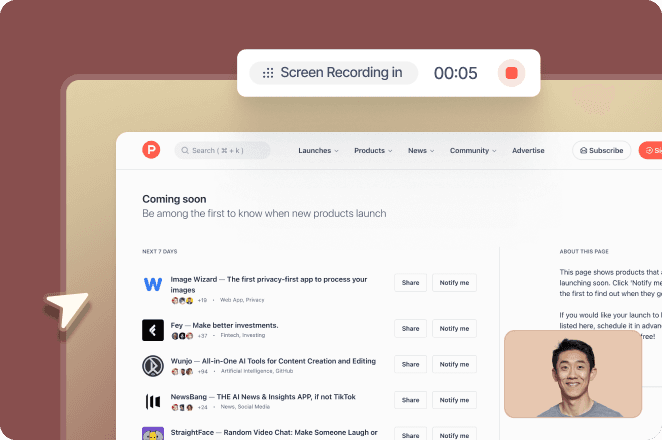
Stel je voor dat je customer service manager bent bij een middelgroot bedrijf. Je team zit onder de supporttickets van gebruikers die moeite hebben om je software te begrijpen. Deze niet-technische gebruikers hebben vaak duidelijke, eenvoudig te volgen instructies nodig. Je overweegt twee opties om de gebruikerservaring te verbeteren: in-app tooltips of videogidsen. Maar welke is echt effectiever voor jouw doelgroep? Volgens een enquête,
72% van de gebruikers geeft de voorkeur aan videomateriaal bij het leren over een product.
Dit gegeven wijst op het mogelijke voordeel van videogidsen. Tooltips bieden echter directe, contextuele hulp binnen de app. Door het juiste in-app helpformat te kiezen, kun je het aantal supportaanvragen aanzienlijk verminderen en de tevredenheid verhogen. we bespreken wanneer elk format het beste werkt en hoe je ze combineert voor maximale impact op je gebruikersbestand. Voor meer inzichten over het kiezen van het beste format voor onboarding, bekijk de best video platforms onboarding new.
Waarom is het kiezen van het juiste in-app helpformat belangrijk?
Voor bedrijven is het bieden van effectieve gebruikersondersteuning niet alleen een leuke extra; het is een noodzaak. Niet-technische gebruikers lopen vaak tegen uitdagingen aan die kunnen leiden tot frustratie en uiteindelijk tot churn als dit niet goed wordt aangepakt. Het juiste in-app helpformat kan direct invloed hebben op hoe eenvoudig gebruikers je software kunnen gebruiken, waardoor de afhankelijkheid van supportteams afneemt. Dit is vooral cruciaal voor SaaS-producten, waar de gebruikerservaring een belangrijk onderscheidend kenmerk is.
Denk aan de inzet: een studie wees uit dat 86% van de klanten bereid is meer te betalen voor een betere gebruikerservaring. Dat betekent dat als je in-app helpformat de bruikbaarheid verbetert, dit kan leiden tot een hogere klantretentie en mogelijk tot meer omzet. Bedrijven die prioriteit geven aan een gebruikersgerichte aanpak in hun customer-education workflow zien vaak een aanzienlijke daling van supportkosten en een toename in gebruikersbetrokkenheid. Door de specifieke behoeften van niet-technische gebruikers te begrijpen, kunnen bedrijven hun helpformats afstemmen om tevredenheid en efficiëntie te verbeteren. Daardoor is de keuze tussen tooltips en videogidsen meer dan alleen een technische beslissing.
Naarmate bedrijven zich ontwikkelen, veranderen ook hun gebruikersgroepen. Veel stakeholders, waaronder product managers, UX-designers en customer success teams, moeten samenwerken om ervoor te zorgen dat gebruikers op het juiste moment toegang hebben tot de juiste vorm van hulp. Deze samenwerking kan leiden tot een meer samenhangende aanpak van klantenservice, zodat gebruikers begeleiding krijgen die niet alleen hun directe problemen oplost, maar hen ook helpt om de software effectiever te gebruiken. Voor meer inzichten in het ontwikkelen van een klantgerichte helpaanpak, ontdek onze customer education use case.
Wat zijn de voordelen van het kiezen van het juiste in-app helpformat?
Het juiste in-app helpformat kan gebruikersbetrokkenheid en tevredenheid transformeren. Dit zijn enkele specifieke voordelen:
Meer gebruikersbetrokkenheid. Videogidsen kunnen aandacht effectiever vasthouden dan tekst, wat leidt tot een dieper begrip van het product. Eén AI video platform kan complexe concepten makkelijker maken om te begrijpen, waardoor verwarring afneemt.
Lagere supportkosten. Effectieve tooltips kunnen supporttickets voorkomen door veelvoorkomende problemen direct op te lossen. Deze daling in supportaanvragen verlaagt operationele kosten en geeft je team ruimte voor complexere vragen.
Betere leerretentie. Gebruikers onthouden informatie vaak beter wanneer die visueel en auditief wordt gepresenteerd. Videogidsen zijn hiervan een uitstekend voorbeeld, omdat ze demonstraties kunnen bevatten die het leren versterken.
Meer zelfstandigheid voor gebruikers. Door directe, contextuele hulp via tooltips kunnen gebruikers problemen zelfstandig oplossen. Dit vergroot het vertrouwen en vermindert de afhankelijkheid van supportmedewerkers.
Schaalbare trainingsoplossingen. Video's kunnen eenvoudig worden bijgewerkt en breed worden verspreid, zodat training consistent blijft binnen verschillende teams. Een ai video editing-tool kan deze updates soepel faciliteren.
Gepersonaliseerde gebruikerservaring. Zowel tooltips als videogidsen kunnen worden afgestemd op gebruikersrollen of specifieke taken, waardoor je een gepersonaliseerde ervaring biedt die inspeelt op individuele behoeften en de tevredenheid verhoogt.
Welke Trupeer-functies helpen je het juiste in-app helpformat te kiezen?
Trupeer biedt een reeks functies die zijn ontworpen om je in-app helpstrategie te optimaliseren. Zo werken sommige van deze mogelijkheden voor tooltips en videogidsen:
AI-schermopname met automatisch inzoomen en klikdetectie
Deze functie vereenvoudigt het proces van het maken van instructievideo's doordat automatisch wordt ingezoomd op de relevante delen van het scherm. Terwijl gebruikers door een demonstratie klikken, legt Trupeer deze acties helder vast, waardoor het voor kijkers makkelijker wordt om de inhoud te begrijpen. Met de functie voor automatisch inzoomen worden alle belangrijke details benadrukt zonder handmatige tussenkomst. Dit is met name handig voor het maken van videogidsen die complexe workflows duidelijk moeten overbrengen.
Stille schermopname met automatische AI-narratie
Voor gebruikers die narratie willen of nodig hebben, maakt Trupeer's mogelijkheid voor stille schermopname het mogelijk om na de opname AI-gegenereerde voice-overs toe te voegen. Zo blijft de videoinhoud gefocust en professioneel, zonder achtergrondgeluid. De AI-narratie kan worden aangepast op tempo en toon, zodat je een gepersonaliseerde ervaring krijgt die aansluit op het leertempo en de voorkeuren van de gebruiker. Deze functie is ideaal voor het maken van consistente en boeiende videogidsen, vooral in omgevingen waar stilte cruciaal is.
Automatische SOP-generatie vanuit elke opname
Trupeer kan automatisch Standard Operating Procedures (SOP's) genereren uit video-opnames, wat het documentatieproces vereenvoudigt. Zodra een videogids is gemaakt, kan deze worden omgezet in een gedetailleerde SOP, klaar om te exporteren en te verspreiden. Deze functie zorgt ervoor dat je instructiemateriaal veelzijdig is en in meerdere formaten beschikbaar is, afgestemd op verschillende voorkeuren van gebruikers. Trupeer's auto-generated documentation helpt om consistentie en nauwkeurigheid in gebruikersgidsen te behouden.
AI-zoekbare kennisbank met deep-links op tijdstempel
Door Trupeer's AI-zoekbare kennisbank toe te voegen, kunnen gebruikers eenvoudig specifieke informatie vinden binnen videogidsen. Deze functie indexeert elke opname met deep-links op tijdstempel-niveau, zodat gebruikers direct kunnen springen naar de secties die het meest relevant zijn voor hun behoeften. Dit verbetert niet alleen de gebruikerservaring, maar vermindert ook de tijd die wordt besteed aan het zoeken naar informatie. Daardoor is het een krachtige tool voor zowel videogidsen als tooltips.
Browsergebaseerde recorder (geen installatie) en desktopapp
Trupeer's browsergebaseerde recorder en desktopapp bieden flexibiliteit bij het maken van zowel tooltips als videogidsen. De browsergebaseerde optie elimineert de noodzaak om software te installeren, waardoor het toegankelijk is voor gebruikers met beperkte technische vaardigheden. Deze toegankelijkheid zorgt ervoor dat content creators snel en eenvoudig hoogwaardige instructiematerialen kunnen produceren, of ze nu werken aan korte tooltips of uitgebreide videogidsen. Voor een diepere duik in hoe Trupeer's tools training verbeteren, bekijk onze AI training video software with guide.
Hoe kies je stap voor stap het juiste in-app helpformat met Trupeer?
Stap 1: Neem je scherm op
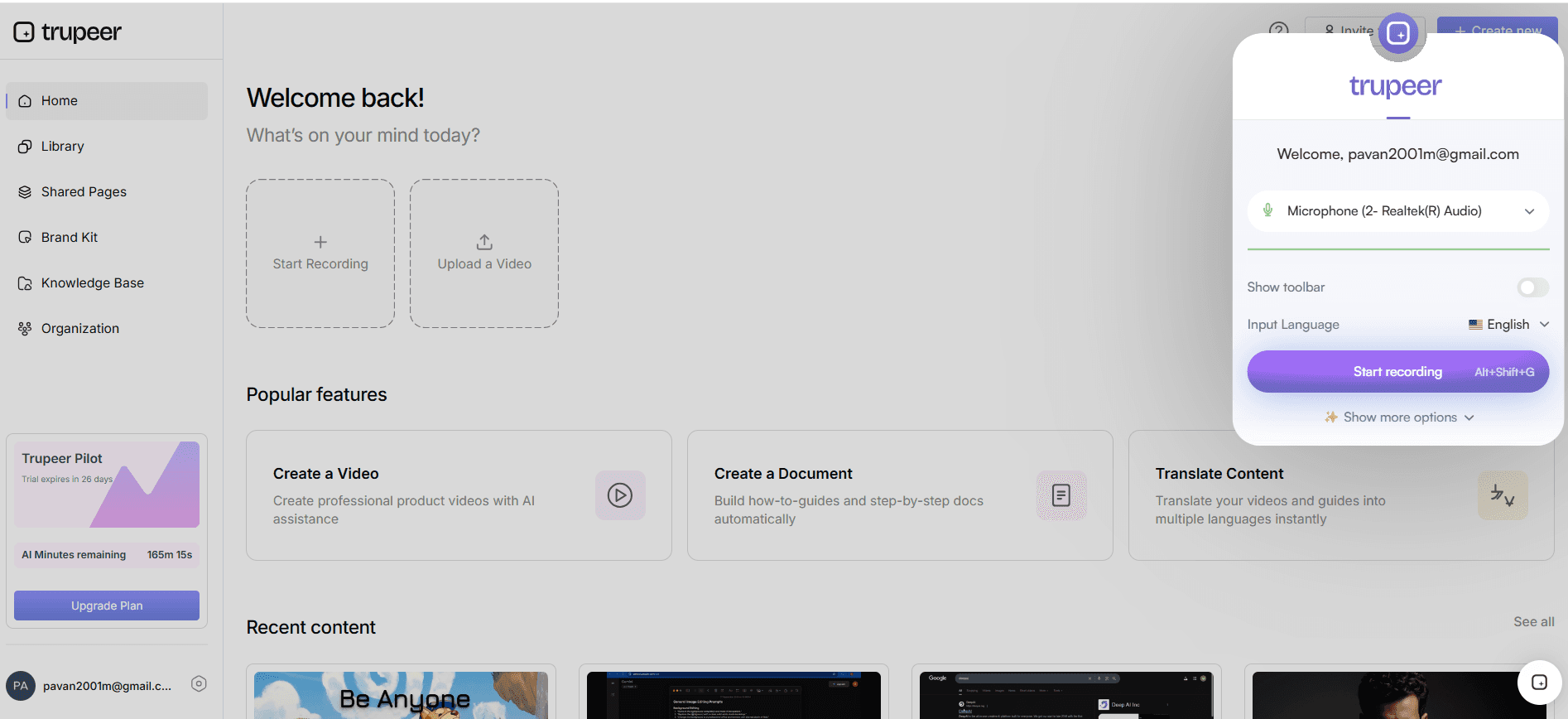
Begin door Trupeer's browsergebaseerde recorder of desktopapp te starten, afhankelijk van je voorkeur. Kies de functie "AI screen recording with auto-zoom and click detection". Deze legt automatisch belangrijke interacties vast met zoom- en klikaccenten, zodat je video-gids boeiend en informatief is. Klik op "Start Recording" en ga verder met het demonstreren van de software use case die je wilt behandelen. Het automatisch inzoomen richt zich op kritieke delen van het scherm, waardoor je minder hoeft na te bewerken. Deze stap duurt doorgaans zolang je demonstratie duurt, vaak tussen 5 en 15 minuten, afhankelijk van de complexiteit.
Stap 2: Voeg AI-narratie toe
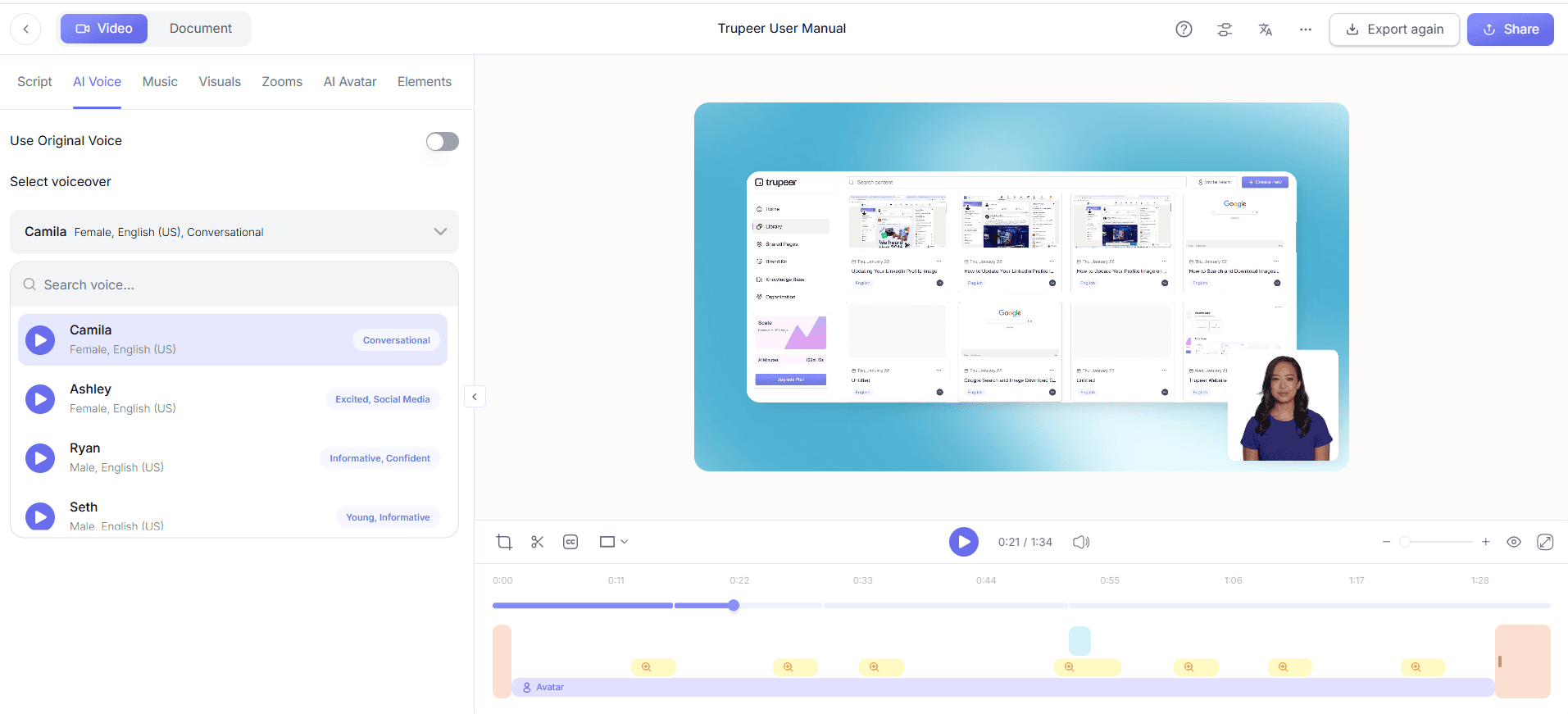
Zodra je de schermopname hebt afgerond, gebruik je Trupeer's functie "Silent screen recording with automatic AI narration". Selecteer de opname en klik op "Add Narration." Je kunt kiezen uit 65+ natuurlijke stemmen en het tempo en de toon aanpassen aan de behoeften van je doelgroep. Deze functie is perfect voor niet-technische gebruikers die baat hebben bij duidelijke, verbale instructies. Het proces van AI-narratie is snel en duurt meestal slechts een paar minuten. Zorg dat je de video voorbekijkt om te controleren of de narratie aansluit op de visuele content.
Stap 3: Genereer een SOP
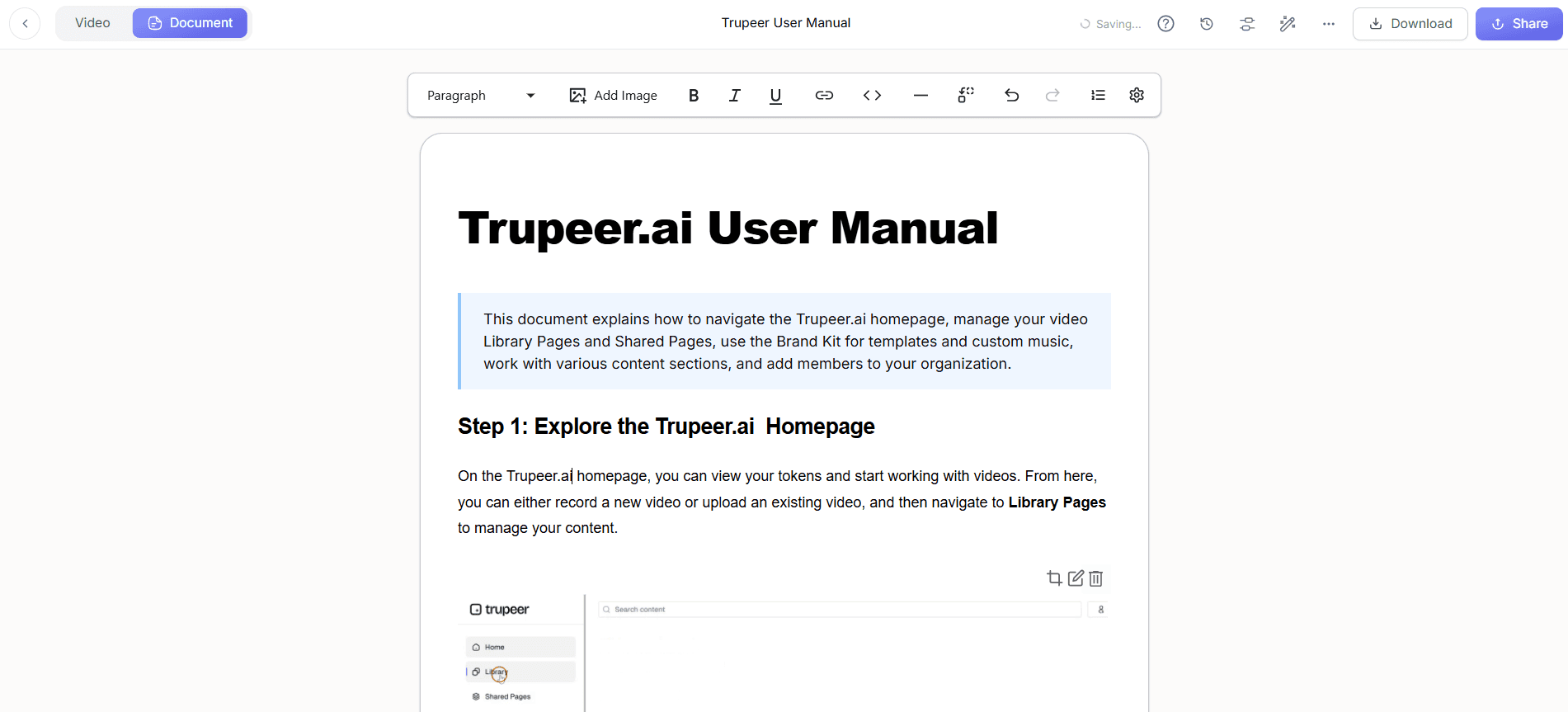
Zet je videogids om in een uitgebreide Standard Operating Procedure met Trupeer's "Automatic SOP generation from any recording." Klik op "Generate SOP" op je voltooide video. Trupeer maakt automatisch een document met stappenplan dat de videogids aanvult. Je kunt dit exporteren in formaten zoals PDF of HTML. Dit proces stelt je in staat om gebruikers zowel visuele als tekstuele bronnen te bieden, wat hun leerervaring verbetert. De SOP-generatie is snel, meestal binnen vijf minuten, en maakt eenvoudige bewerkingen mogelijk als dat nodig is. Teams die tools afwegen, starten vaak met een Loom alternatives comparison voordat ze standaardiseren op een workflow.
Stap 4: Vertaal voor wereldwijde doelgroepen
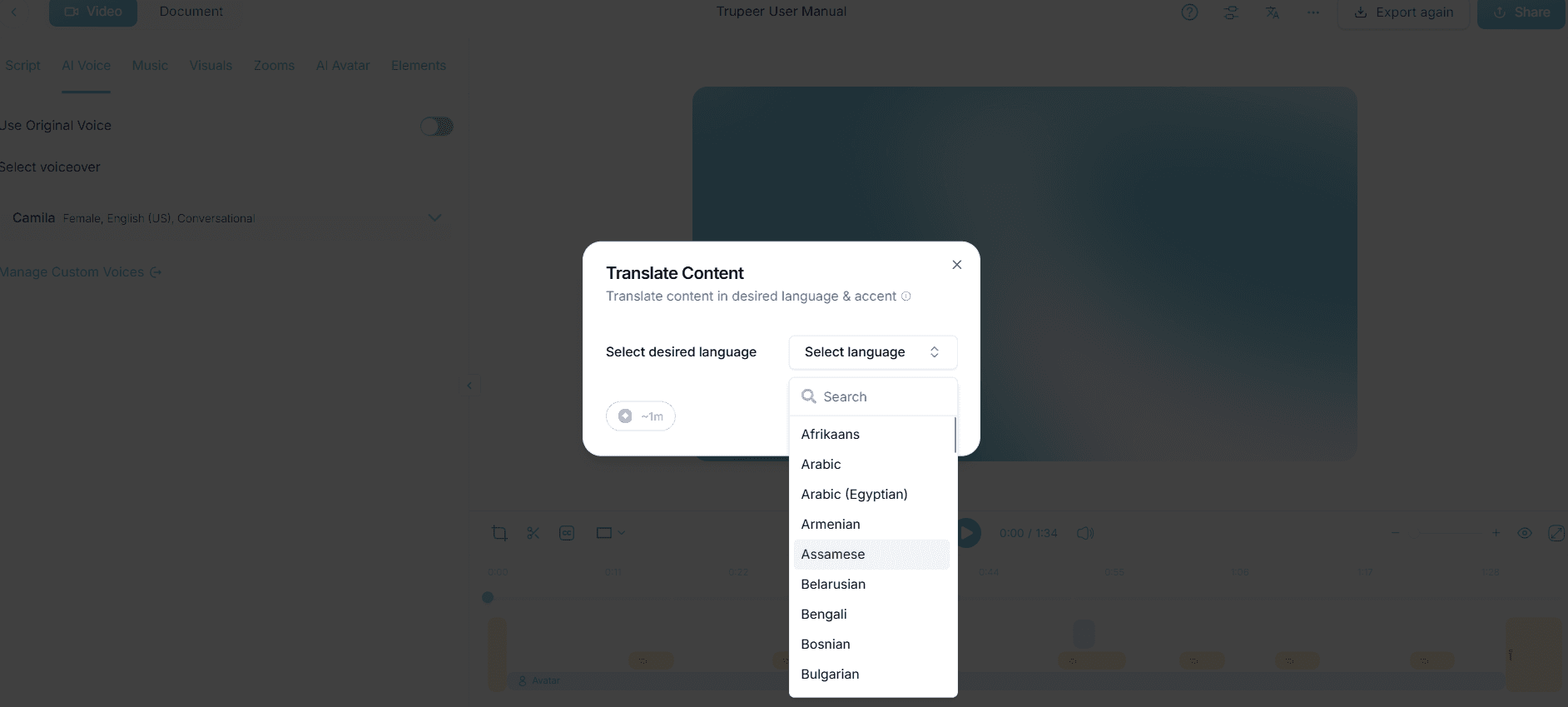
Zorg dat je content een breder publiek bereikt met Trupeer's "AI translation into 40+ languages with lip-sync." Selecteer je video en klik op "Translate." Kies de gewenste talen voor de vertaling. Trupeer vertaalt niet alleen de tekst, maar synchroniseert ook de lipbewegingen in de video, zodat niet-moedertaalsprekers een professionele en soepele kijkervaring krijgen. Deze functie is vooral waardevol voor wereldwijde bedrijven die diverse gebruikersgroepen willen ondersteunen. Vertaling en lip-sync zijn meestal binnen 10-15 minuten per taal afgerond.
Stap 5: Inbed de video voor in-app begeleiding
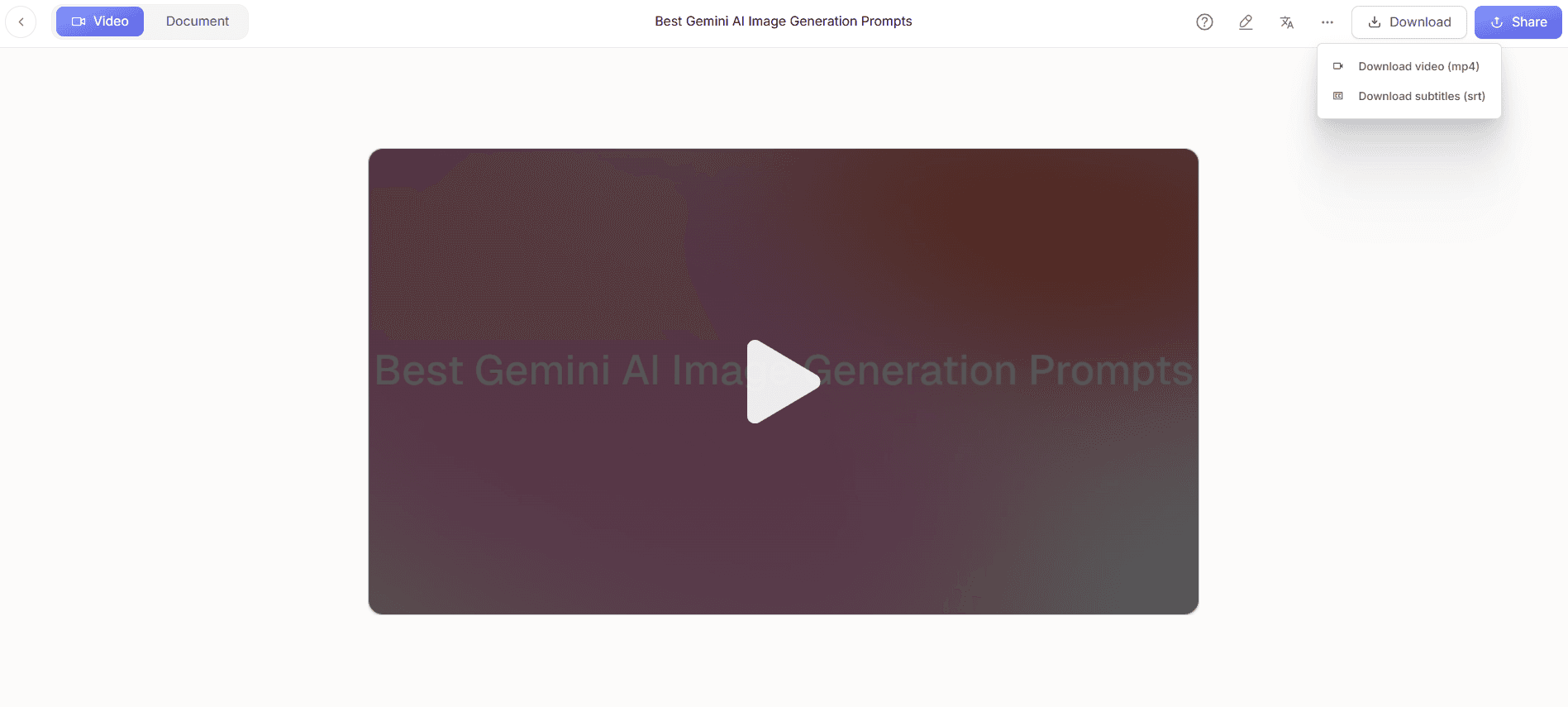
Vergroot de toegankelijkheid van je videogids door Trupeer's "Embeddable video widgets for in-app guidance" te gebruiken. Zodra je video is afgerond, klik je op "Embed" en kopieer je de gegenereerde code. Vervolgens kun je deze code direct integreren in je softwareapplicatie, zodat gebruikers precies daar toegang hebben tot hulp waar ze die nodig hebben. Deze aanpak minimaliseert verstoring van de workflow van de gebruiker en zorgt voor directe ondersteuning. Het inbedden van video's kost doorgaans een paar minuten, afhankelijk van de complexiteit van de infrastructuur van je app.
Stap 6: Analyseer betrokkenheid met analytics
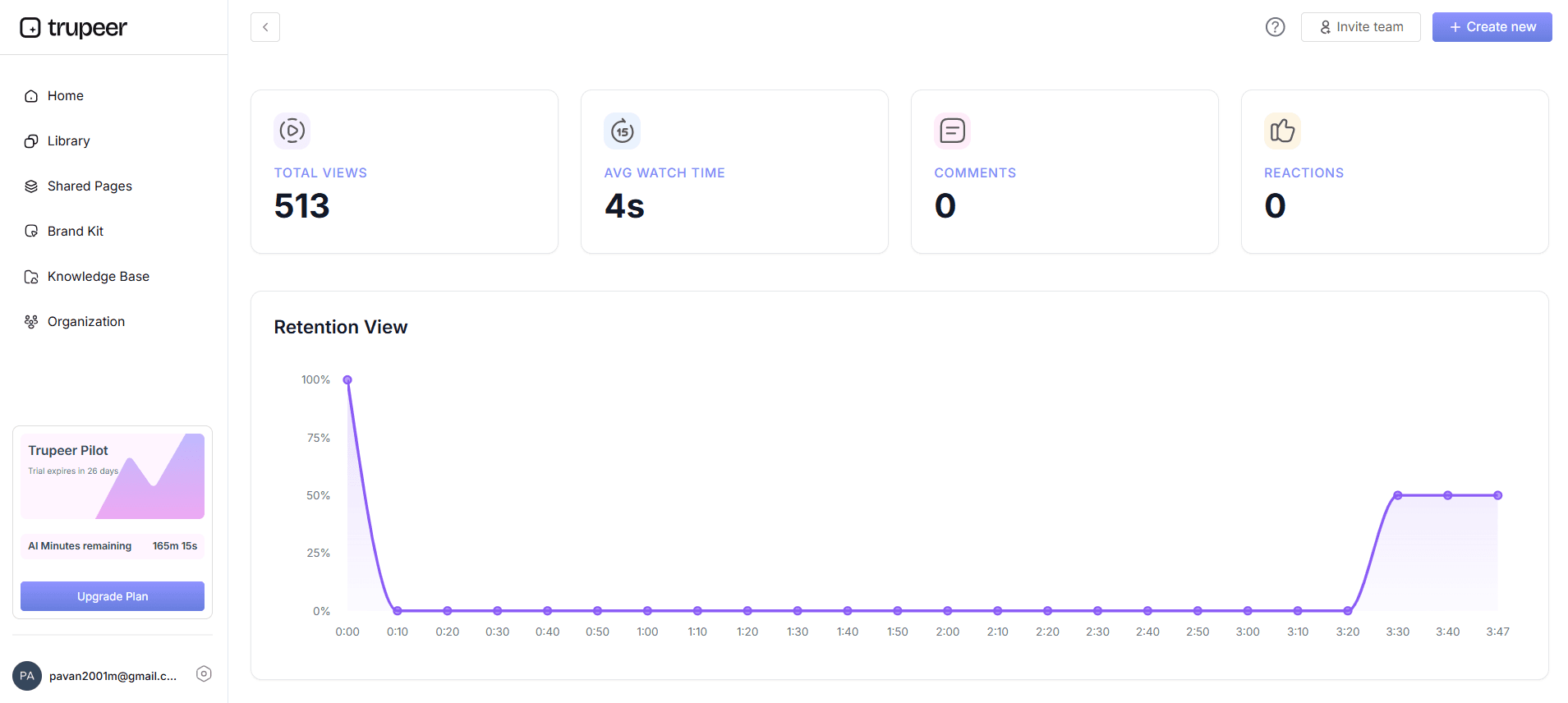
Nadat je je videogids hebt uitgerold, volg je de gebruikersinteractie met Trupeer's "Viewer engagement analytics, drop-off, and heatmaps." Open het analytics-dashboard om gedetailleerde rapporten te bekijken over hoe gebruikers met je content omgaan. Deze data helpt te identificeren welke delen van de video het meest boeiend zijn of waar gebruikers afhaken. Dergelijke inzichten zijn cruciaal om content te verfijnen zodat die beter aansluit op de behoeften van gebruikers. Analytics worden in real-time bijgewerkt, zodat je snel weloverwogen beslissingen kunt nemen. Deze stap loopt door, omdat continue analyse toekomstige verbeteringen van content kan sturen.
Welke tips helpen je het juiste in-app helpformat te kiezen?
Het effectief implementeren van in-app helpformats vereist strategische planning. Dit zijn tips om het meeste uit tooltips en videogidsen te halen:
Ken je doelgroep. Begrijp het technische niveau van je gebruikers om de complexiteit van je gidsen af te stemmen. Niet-technische gebruikers hebben meer aan videomateriaal.
Test verschillende formats. Experimenteer met zowel tooltips als videogidsen om te zien wat je doelgroep prefereert. Feedback van gebruikers kan je beslissing sturen.
Houd het beknopt. Gebruikers waarderen kortheid. Of je nu tooltips of videogidsen gebruikt, focus op duidelijkheid en beknoptheid om betrokkenheid vast te houden.
Gebruik analytics. Gebruik viewer analytics om je content te verfijnen. Identificeer welke secties gebruikers overslaan of opnieuw bekijken om toekomstige gidsen te verbeteren.
Werk regelmatig bij. Zorg dat je gidsen en tooltips de nieuwste productupdates weerspiegelen. Verouderde content kan gebruikers in verwarring brengen.
Bied opties in meerdere formaten. Stem af op verschillende leervoorkeuren door zowel video- als tekstinstructies aan te bieden. Deze aanpak bereikt een breder publiek.
Gebruik een video tutorial tool. gebruik tools die functies bieden zoals automatisch inzoomen en AI-narratie voor gidsen van professionele kwaliteit.
Wanneer SOP's in hetzelfde gesprek aan bod komen, helpt een Scribe alternatives comparison om de scope te verduidelijken.
Veelgestelde vragen
Hoe profiteren niet-technische gebruikers van tooltips?
Tooltips bieden directe, on-screen begeleiding direct binnen de software-interface. Ze zijn ontworpen om kort en contextueel relevant te zijn, zodat gebruikers specifieke functies begrijpen zonder de applicatie te verlaten. Voor niet-technische gebruikers betekent dit dat ze precies op het moment en op de plek waar ze hulp nodig hebben, ondersteuning krijgen. Dat vermindert verwarring en verbetert hun algehele ervaring. Tooltips kunnen ook worden gebruikt om gebruikers stap voor stap door complexe processen te leiden, waardoor de behoefte aan externe support afneemt en de zelfstandigheid van gebruikers toeneemt.
Wat maakt videogidsen effectief voor training van gebruikers?
Videogidsen zijn effectief omdat ze visuele en auditieve elementen combineren, wat aansluit op verschillende leerstijlen. Ze kunnen processen in real-time demonstreren, waardoor complexe taken beter te begrijpen zijn. Voor niet-technische gebruikers kunnen videogidsen intimiderende taken opdelen in beheersbare stappen, wat de leerretentie aanzienlijk kan verbeteren. ook kunnen video's worden gepauzeerd, opnieuw afgespeeld en gedeeld, wat flexibiliteit biedt die statische tekst niet heeft. Gebruikers vinden videomateriaal vaak boeiender, wat hun vertrouwen vergroot bij het gebruik van het product.
Kan Trupeer video-localisatie voor wereldwijde doelgroepen aan?
Ja, Trupeer is uitgerust om video-localisatie af te handelen met zijn functie "AI translation into 40+ languages with lip-sync". Hiermee kun je videomateriaal vertalen naar meerdere talen, terwijl de lipbewegingen in de video blijven matchen met de gesproken woorden. Dit is cruciaal om professionaliteit en helderheid in je instructievideo's te behouden. Door content in hun eigen taal aan te bieden, kunnen bedrijven een breder publiek bereiken en de tevredenheid van gebruikers in verschillende regio's verbeteren. ai/translation">AI video translation platform versterkt deze mogelijkheid verder.
Is het beter om een videogids of een tooltip te gebruiken voor software-onboarding?
De keuze tussen een videogids en een tooltip hangt af van de complexiteit van de software en het technische niveau van de gebruiker. Videogidsen zijn uitstekend voor uitgebreide onboarding en bieden gedetailleerde walkthroughs van de functies van de software. Ze zijn vooral nuttig wanneer gebruikers complexe workflows moeten begrijpen. Tooltips zijn daarentegen beter voor het geven van snelle, contextuele hulp terwijl gebruikers door de applicatie navigeren. Voor de beste resultaten,
Waarom zou ik Trupeer gebruiken voor in-app helpformats?
Trupeer biedt een uitgebreide set functies die specifiek is ontworpen om gebruikerseducatie en betrokkenheid te verbeteren. Met mogelijkheden zoals AI-schermopname, automatische AI-narratie en SOP-generatie wordt het maken van zowel tooltips als videogidsen eenvoudiger. Trupeer's analysetools geven inzicht in gebruikersbetrokkenheid, zodat je content kunt verfijnen voor betere resultaten. ook zorgt de ondersteuning voor video-localisatie ervoor dat wereldwijde doelgroepen content in hun eigen taal kunnen bekijken, waardoor Trupeer een veelzijdige keuze is voor bedrijven die hun in-app helpformats willen verbeteren.
Gerelateerde blogs