Trupeer Blog
Imagine launching a new software feature only to find out that users are struggling to understand its functionality. Despite detailed documentation, the support tickets are piling up, and user satisfaction is dropping. Now consider adding in-app videos to your user interface. These videos have the potential to dramatically reduce confusion and errors, offering visual guidance right when it's needed. But how can you measure their effectiveness? A study showed that 68% of users find visual instructions much easier to follow than written ones.
For product managers and UX designers, understanding if these videos actually improve user experience is crucial. You need a clear way to measure the impact of in-app videos on reducing user confusion and errors. This means tracking specific metrics like the reduction in support tickets, analyzing user feedback, and observing changes in user behavior. With the right tools and strategies, you can transform your software's user experience. Our guide will walk through the steps on how to measure the impact of in-app videos, using Trupeer's features as a key platform. For those exploring options, the best video software for user onboarding can offer a starting point.
Why does measuring in-app video effectiveness matter?
Product teams often aim to improve user experience while reducing the number of support interactions. When users face challenges understanding a feature, it can lead to frustration and decreased satisfaction. This is where in-app videos come in, offering an opportunity to bridge the knowledge gap. But simply adding videos isn't enough. You need to know if they're achieving the desired outcome. By effectively measuring their impact, teams can justify the investment in video content and optimize resources for maximum user benefit.
For businesses, customer satisfaction is directly linked to revenue growth. A smooth user experience encourages repeat business and can lead to positive word-of-mouth referrals. Tracking the effectiveness of in-app videos allows companies to demonstrate how these tools can enhance the user journey. In cases where a customer education workflow is critical, understanding the video's role is essential. Without this understanding, teams risk deploying resources on ineffective solutions, potentially missing out on opportunities to increase user engagement and drive product adoption.
What are the benefits of measuring in-app video effectiveness?
Understanding the impact of in-app videos is crucial for optimizing user experience and operational efficiency. Here are the key benefits:
Improved user satisfaction. Accurate measurement helps ensure videos are truly helping users, leading to higher satisfaction ratings. This can translate to an increase in positive feedback and user retention.
Reduced support costs. By effectively reducing user confusion, videos can decrease the volume of support tickets. This leads to cost savings in customer support operations.
Enhanced user guides. Integrating video insights with your user guides can enhance their effectiveness, providing a more comprehensive support system.
Data-driven decisions. Quantitative data from video analytics enables product teams to make informed decisions about content updates and feature enhancements.
Increased engagement. Engaging video content can lead to higher user interaction rates compared to text-only guides, supported by platforms like the AI-powered video tool.
Efficient content strategy. Understanding which videos are most effective allows for better content planning and prioritization, maximizing the return on investment for video production.
Which Trupeer features help you measure in-app video effectiveness?
Trupeer offers a suite of features designed to help you effectively measure the impact of in-app videos on user experience. Here are some of its key capabilities:
Viewer engagement analytics, drop-off, and heatmaps
Trupeer's analytics tools provide detailed insights into how users interact with your in-app videos. You can track viewer engagement rates, see where viewers drop off, and identify the most-watched segments. This data helps you understand which parts of your videos are effective and which need improvement. Heatmaps offer a visual representation of user interaction, highlighting areas of high engagement. By analyzing these metrics, you can refine your video content strategy to better meet user needs.
AI-searchable knowledge base
With Trupeer's AI-searchable knowledge base, every video is indexed and searchable at a granular level. Users can jump directly to relevant video segments, reducing the time spent searching for information. This feature enhances user efficiency and provides valuable data on what users are searching for, helping you identify common pain points and areas for video content improvement.
Collaborative review and approval workflows
The collaborative features of Trupeer allow multiple stakeholders to review and approve video content before it's published. This ensures that videos are accurate and meet the desired quality standards. Feedback can be gathered and implemented efficiently, simplifying the video production process. This collaboration not only improves the quality of the videos but also aligns them with user needs and organizational goals.
Automatic SOP generation from any recording
Trupeer's AI documentation platform can automatically generate standard operating procedures (SOPs) from video recordings. This feature ensures that all instructional content is consistent and up-to-date, reducing the chances of user confusion. Auto-generated documentation can be easily edited and exported in multiple formats, providing flexibility in how information is shared with users.
Easy video editing software for training videos
Trupeer's easy video editing software for training videos simplifies the process of creating and updating video content. This tool allows you to quickly edit videos, remove filler words, and adjust pacing, ensuring that your videos are concise and engaging. The editing capabilities enable you to respond rapidly to feedback, making it easier to keep your video content relevant and effective.
How do you measure whether in-app videos reduce user confusion and errors step by step with Trupeer?
Step 1: Capture Screen with AI Recording
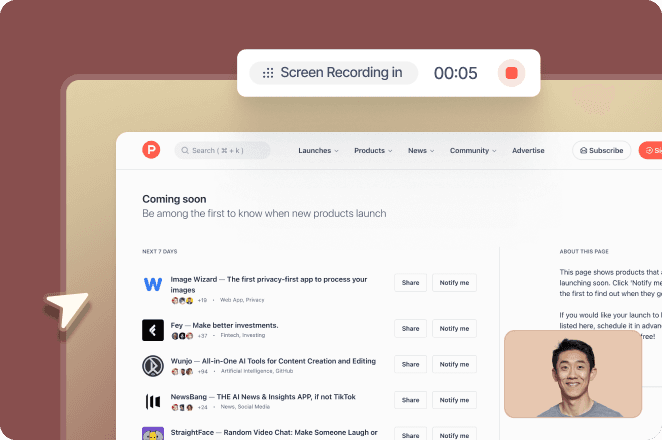
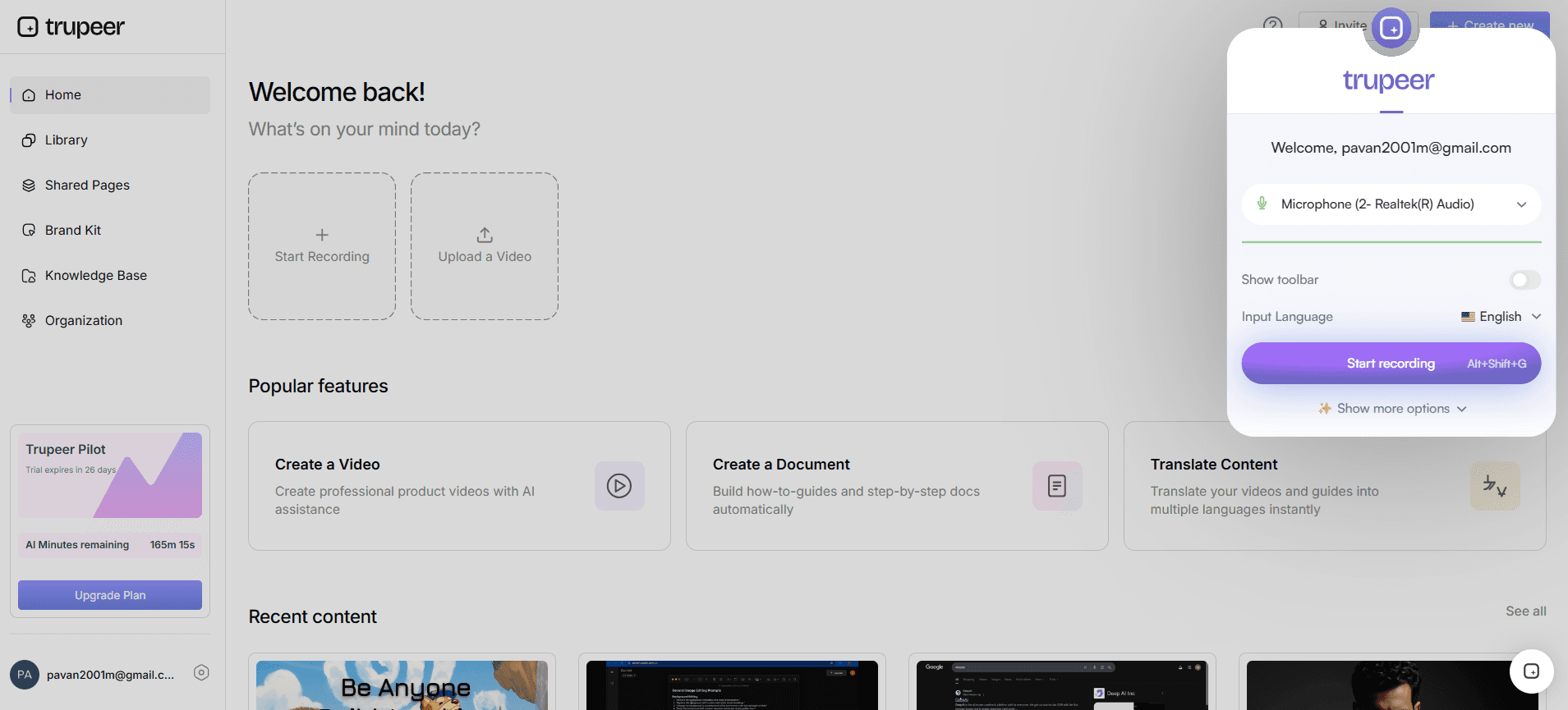
Begin by using Trupeer’s AI screen recording feature to create your instructional video. This tool provides auto-zoom and click detection, ensuring every critical action is captured in detail. Launch the browser-based recorder or the desktop app, and start recording your screen as you navigate through your software. The AI will automatically zoom in on areas of interest and highlight mouse clicks, which helps users follow along effortlessly. This process takes as long as your demonstration, but the AI enhancements save time on post-production edits.
Step 2: Enhance with AI Voiceover
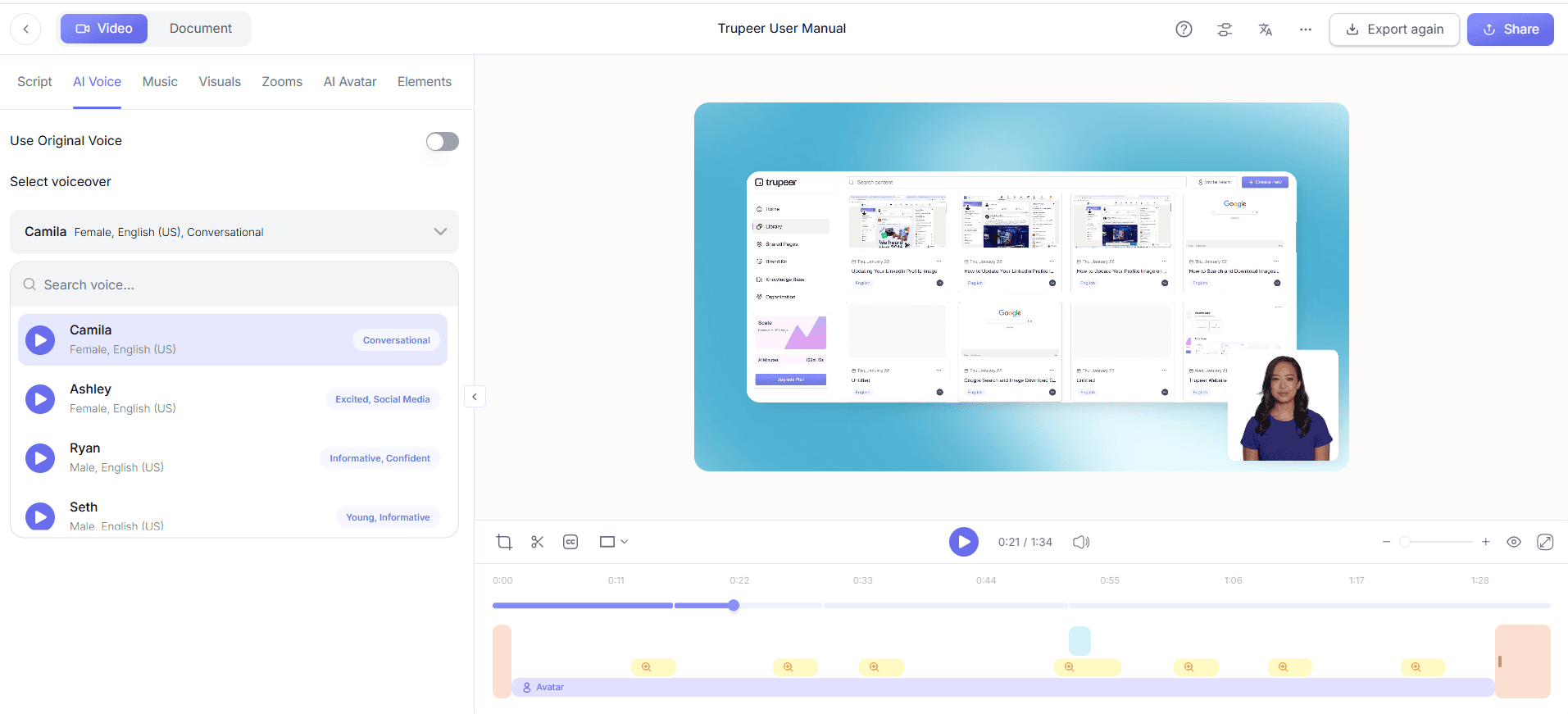
Once your recording is complete, enhance it using Trupeer’s AI voiceover feature. Choose from over 65+ natural voices, adjusting pace and tone to match your brand’s voice. This step is crucial for making the video accessible and engaging. Click on the voiceover option in the editing menu and select your preferred voice and settings. The AI generates the narration in a few minutes, smoothly integrating it with your video. This ensures a professional touch without the need for recording studio quality audio separately.
Step 3: Edit Video for Clarity
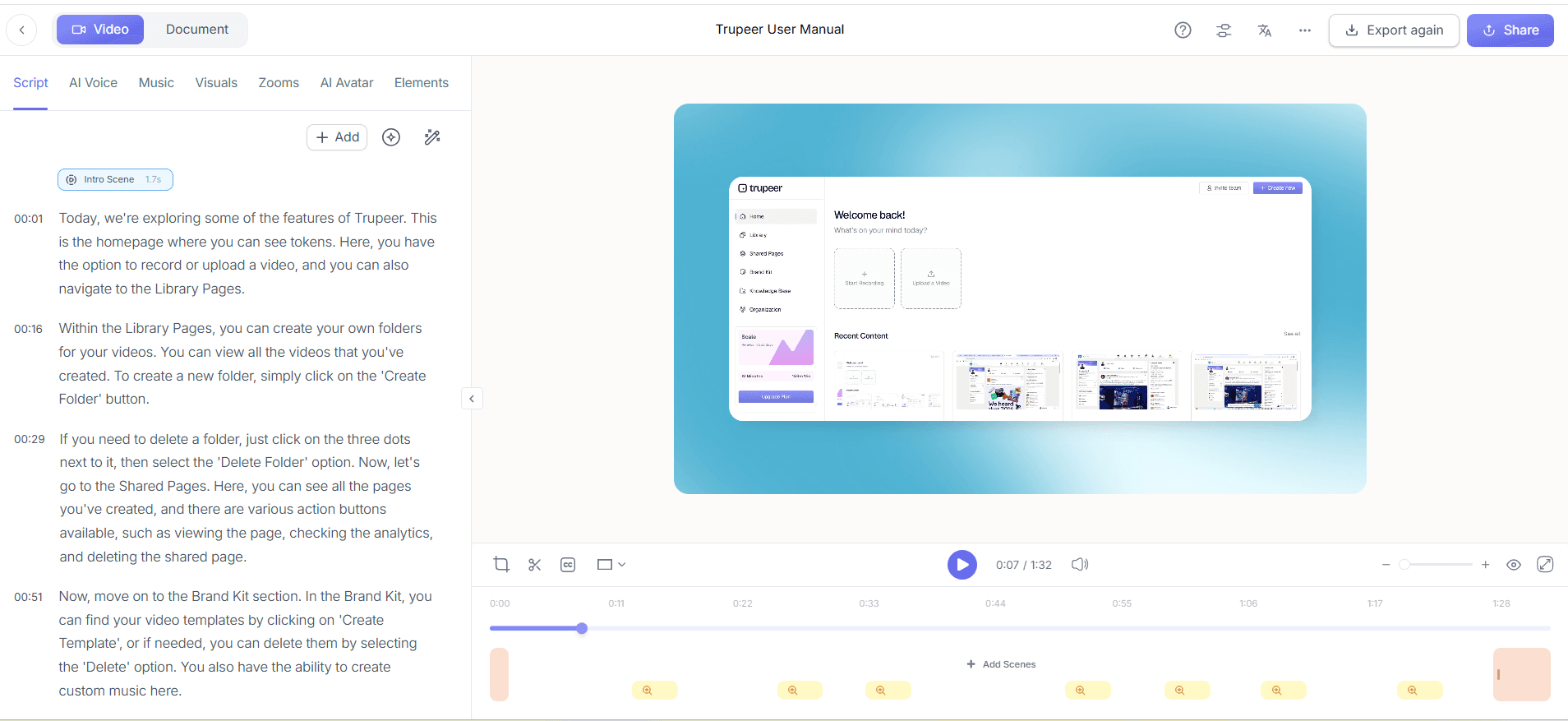
Trupeer's beginner-friendly video editor allows you to refine your video by removing filler words and unnecessary pauses. Access the editing tools, select 'Automatic Filler-Word Removal,' and let the AI simplify your audio track. You can also manually trim sections that may cause confusion. This editing process is quick, usually completed within 30 minutes, depending on the video length. By ensuring clarity, you make it easier for users to follow along and reduce potential errors.
Step 4: Add AI Avatars for Engagement
Boost engagement by adding AI avatars or talking-head videos, which can make your content more relatable. Use Trupeer’s integration with HeyGen to select from a library of stock avatars or upload a custom one. In the ‘Enhancements’ tab, click ‘Add Avatar’ and choose your avatar settings. This feature can make your video more dynamic, holding user attention and clarifying instructions. Expect this process to take around 15 minutes, adding personality to your instructional content without extensive editing skills.
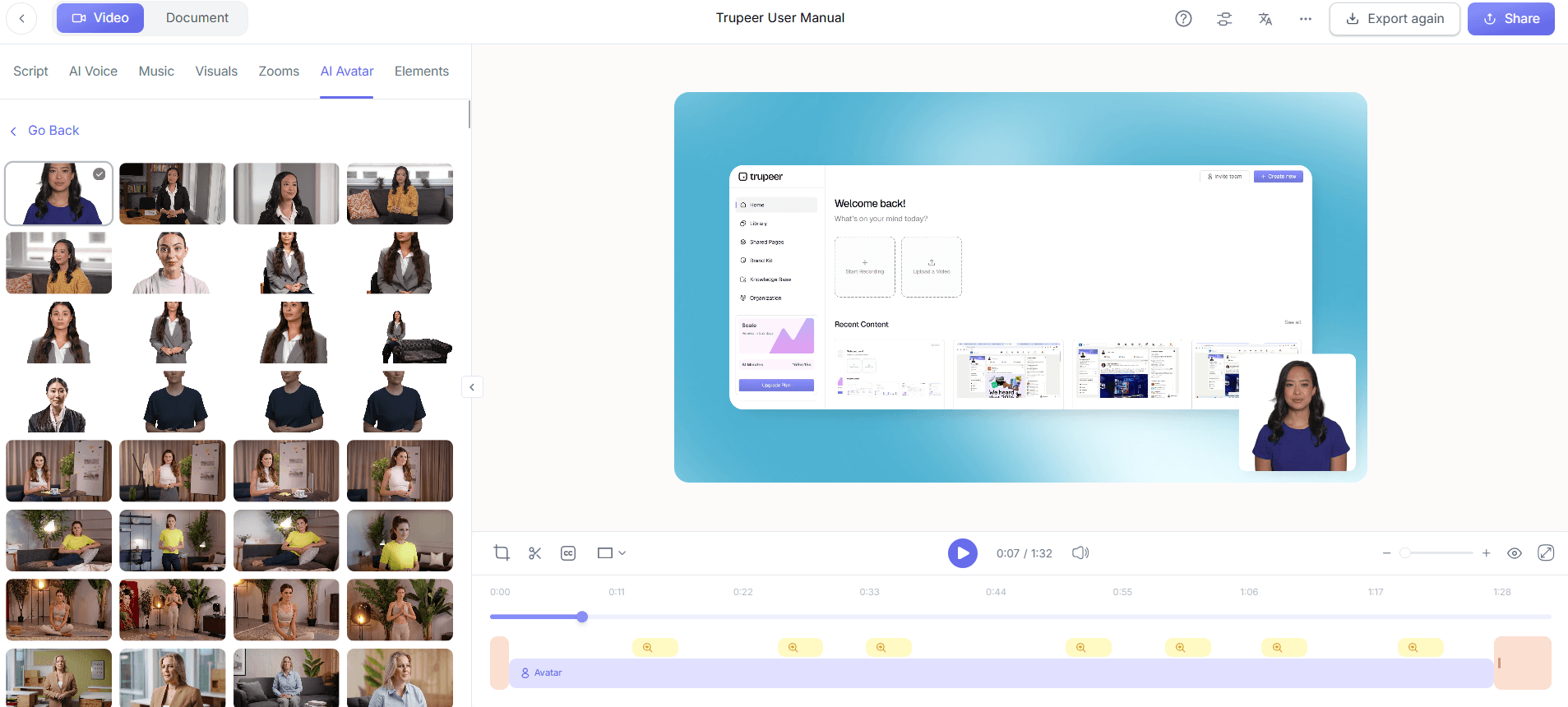
Step 5: Create Auto Chapters and Segments
Facilitate easier navigation by using Trupeer’s auto chapters and segment detection. This feature automatically divides your video into logical sections, which can be accessed by clicking the ‘Auto Chapters’ button in the editor. It helps users jump directly to the parts they're interested in, reducing the time spent searching for specific information. This segmentation is processed in under five minutes, significantly enhancing the viewing experience and making the content more digestible. Teams weighing tools often start with a Loom alternatives comparison before standardizing on a workflow.
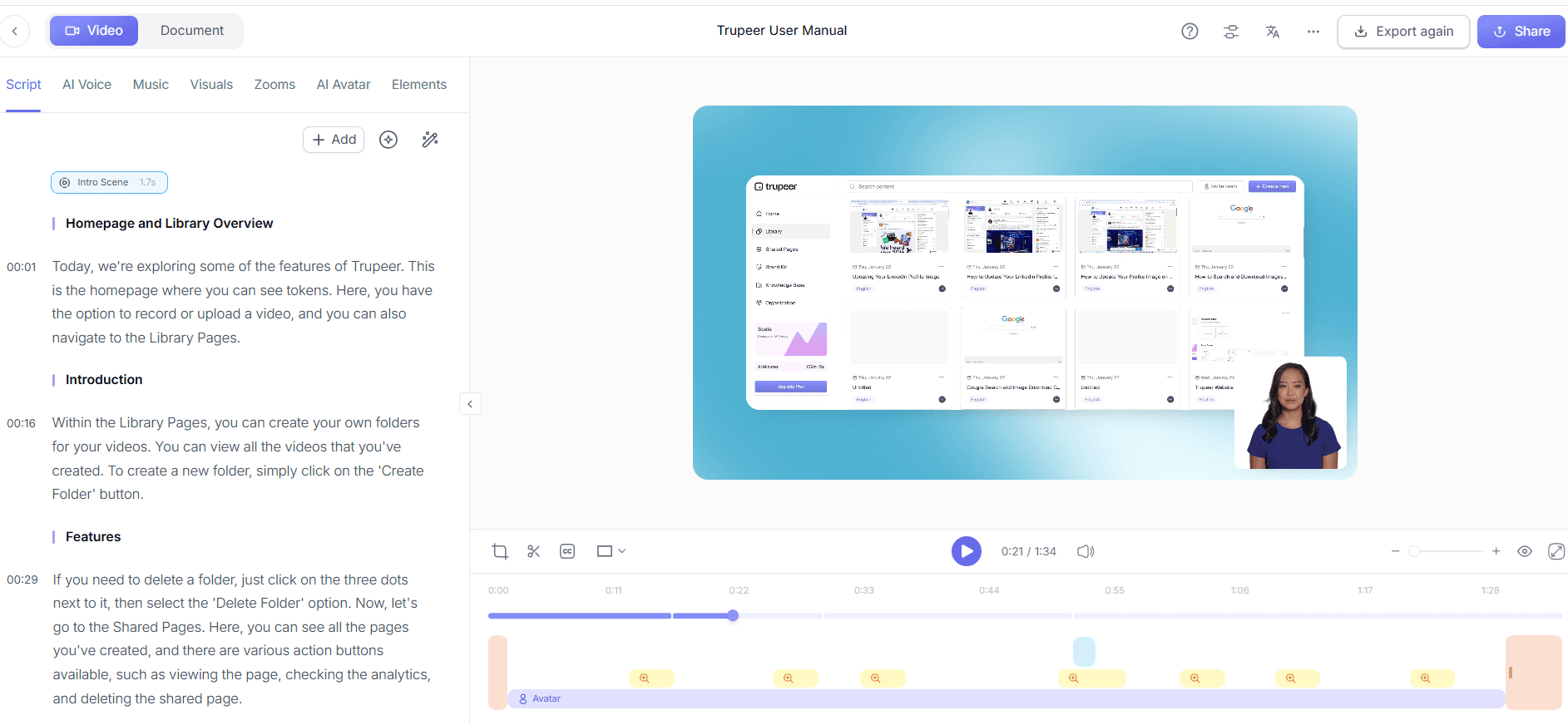
Step 6: Distribute and Host on a Custom Domain
Finally, distribute your video using Trupeer’s custom-domain hosting with SSO capabilities. Embed video widgets directly into your application for in-app guidance. Go to the ‘Distribution’ tab, select ‘Custom Domain,’ and configure your settings. This ensures that your video content is not only accessible but also secure. You can also share via client-facing portals, simplifying the delivery to your audience. This step can be completed in about ten minutes, allowing you to reach your users efficiently.
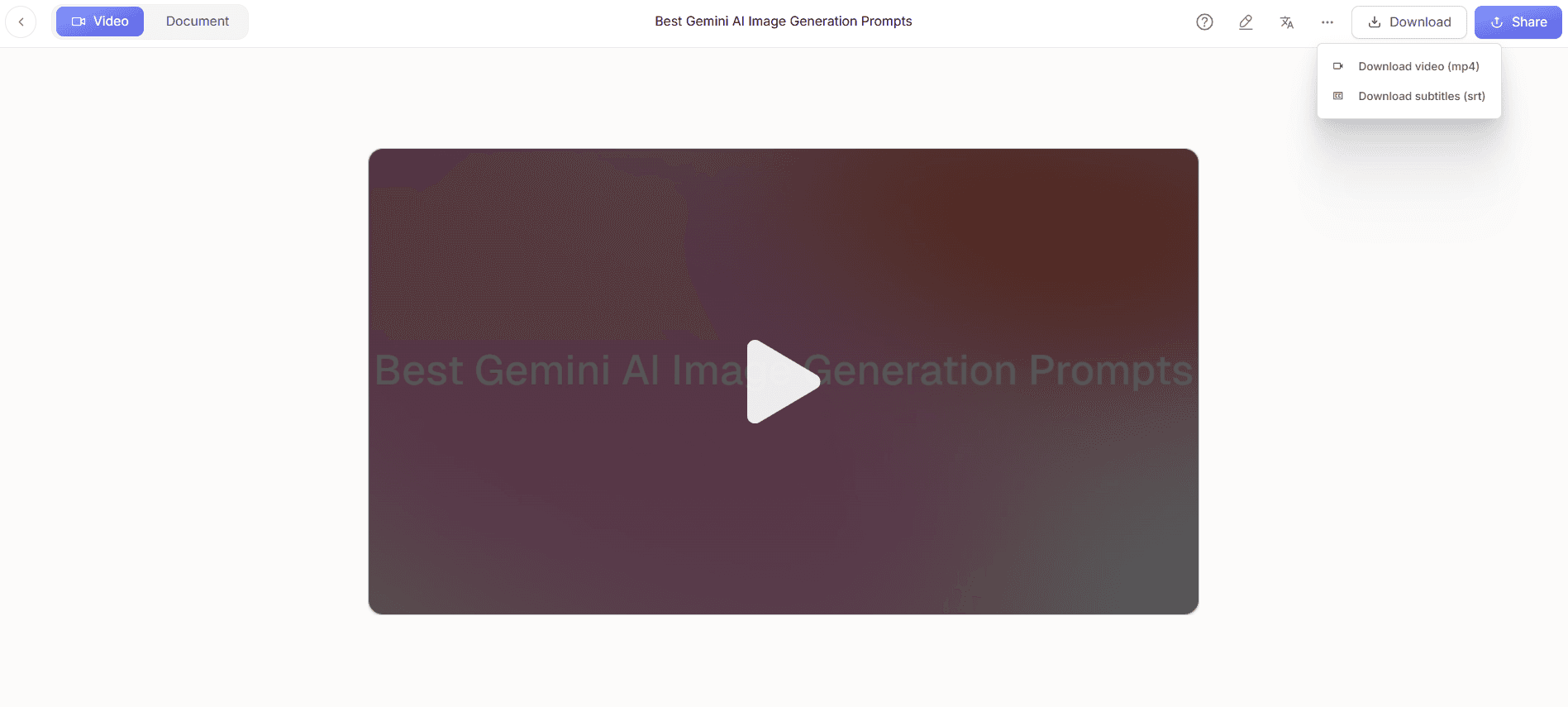
What tips help you measure whether in-app videos reduce user confusion and errors?
Effectively measuring the impact of in-app videos requires strategic planning and execution. Here are some practical tips to enhance your measurement efforts:
Set clear objectives. Define what success looks like in terms of reduced support tickets or improved user feedback. This helps focus your measurement efforts on specific outcomes.
Use a video trimmer. Ensure your videos are concise by using a video trimmer tool. Shorter videos are often more engaging and less confusing for users.
Iterate based on feedback. Regularly gather user feedback and adjust your video content accordingly. This ensures the videos remain relevant and effective.
Monitor engagement metrics. Keep an eye on engagement analytics such as watch times and drop-off rates to assess video effectiveness.
use Scribe alternative comparison. Explore Scribe vs Trupeer comparison to evaluate different tools for SOP management alongside video content.
Standardize video style. Consistency in your video format helps users understand and follow content more easily, reducing potential confusion.
use AI translations.
Frequently asked questions
How can I measure the effectiveness of in-app videos?
To measure effectiveness, use engagement analytics such as viewer retention, drop-off rates, and heatmaps. These metrics provide insights into how users interact with your videos. You can also track changes in support ticket volume and user feedback scores before and after implementing the videos. This quantitative and qualitative data helps you assess whether the videos are meeting user needs and reducing errors.
What tools can help reduce user confusion with videos?
Trupeer offers several tools to create and optimize instructional videos. Features like AI screen recording, voiceover capabilities, and auto chapters can enhance video clarity and engagement. Using a video localization tool extends the content's reach, making it accessible to non-English speaking users. These tools collectively contribute to reducing user confusion by providing clear, concise, and relevant guidance.
Why do in-app videos lead to fewer user errors?
In-app videos provide visual, step-by-step guidance directly within the user interface, which helps users understand and follow procedures more accurately. Videos can demonstrate complex processes in a way that text alone cannot, reducing misinterpretations and mistakes. also, the dynamic nature of videos holds user attention better, ensuring they absorb the information effectively, leading to fewer errors.
Is it cost-effective to use in-app videos for user guidance?
Yes, using in-app videos can be cost-effective by lowering the volume of support inquiries and enhancing user satisfaction. The initial investment in video creation is often offset by the reduction in support costs and the improved user experience. Tools like Trupeer simplify the production process, making it easier to create high-quality videos without needing extensive resources, thus optimizing your investment.
Can I customize in-app videos for different user segments?
Absolutely, using Trupeer's AI capabilities, you can tailor videos to different user segments. Features like AI voice cloning and translation allow for personalized content that resonates with diverse audiences. This customization ensures that videos are relevant to specific user needs, increasing their effectiveness and user engagement across various demographics.
Articles de blog associés