Vendor & BPO Transitions Without Knowledge Loss
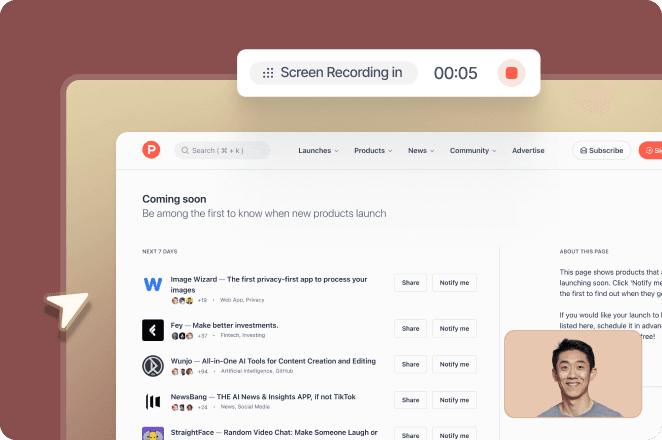
Whether you are consolidating vendors, moving work to a BPO, bringing it back in-house or setting up a GCC, Trupeer captures how every process really runs before the outgoing team leaves, and turns it into SOPs, training and a knowledge base the new team owns.
A Big 4 firm consolidated 14 vendors into 1 and saved 1,200 person days · Genpact: 140,000 employees trained in 3 months instead of 12 · SOC 2 Type II · ISO 27001
Where outsourcing transitions lose knowledge
Every outsourcing transition has the same weak point: the knowledge of how the work is done sits with the people who are leaving. Contracts, SLAs and FTE models get the attention. The knowledge transfer gets a few weeks of shadowing and a shared drive of old documents.
That is where transitions go wrong:
The incumbent has little reason to help. In a vendor transition, the outgoing provider is losing the contract. Knowledge transfer happens on their goodwill and their timetable.
Shadowing doesn't scale. Two to six weeks of people watching people, with notes written from memory, misses exceptions and anything that only happens at month-end or quarter-end.
Every vendor did it differently. When several vendors run the same process, there is no single way of working to hand over, only variants.
The new team ramps slowly. Without reliable SOPs and training, time to proficiency stretches and hypercare drags on.
The knowledge leaves again next time. Documentation lives with the vendor, so the client starts from zero at the next transition.
How Trupeer solves each problem
The problem | How Trupeer solves it |
|---|---|
The incumbent controls the knowledge | Outgoing experts record the work as they do it; every recording becomes an SOP and video the client owns |
Shadowing misses exceptions | Recordings capture every step and screen; SMEs add exceptions as steps right where they happen |
Every vendor works differently | Capture each vendor's version, compare the documented variants and agree one standard process |
The new team ramps slowly | Training videos and guides in the new team's language, ready before reverse shadowing starts |
Knowledge leaves at every transition | A searchable, version-controlled knowledge base that stays with the client, ready for the next transition |
How Trupeer runs a transition without knowledge loss
Built for every kind of transition
Vendor consolidation: moving work from many providers to one or a few.
Vendor-to-vendor: replacing an incumbent BPO or IT services provider. See vendor-to-vendor transition.
Outsourcing and offshoring: moving work to a BPO or offshore centre. See onshore to offshore knowledge transfer.
Insourcing and GCC setup: bringing work back in-house or into a global capability centre.
Mergers and reorganisations: combining teams and moving to one way of working, also known as business process harmonization.
Four steps, one owned knowledge base
Capture. Outgoing experts record the work as they do it, or upload Teams and Zoom recordings of KT sessions. Trupeer turns each recording into a step-by-step SOP with screenshots, a narrated training video and a process map.
Standardise. When several teams or vendors run the same process, compare the documented versions and agree one standard. Keep the local variants you need and retire the rest.
Train. Give the incoming team role-based videos and guides in their working language, from 120+ languages, before reverse shadowing begins.
Own. Publish everything to a searchable knowledge base the client controls, with workspaces, permissions and approvals that decide who can edit, approve and view each process. The knowledge stays when the vendor leaves.
What clients see: up to 60% faster programme delivery, 1.5× productivity at go-live and 95% first-pass SOP accuracy, according to Trupeer's customer results.
Security: SOC 2 Type II, ISO 27001 and GDPR, SSO and SCIM, and automatic PII redaction for recordings that show sensitive data. See trust center.
The knowledge transfer timeline
Most transitions follow the same five phases. Phase lengths depend on scope and how often each process runs: a monthly close needs a KT window long enough to see at least one full cycle. What changes with Trupeer is that knowledge is captured in every phase, not written up at the end.
Phase | What happens | Where Trupeer fits |
|---|---|---|
1. Due diligence and scoping | Process inventory, FTE model and KT plan | Record sample tasks to size scope and spot risks |
2. Shadowing | New team watches the incumbent, often 2 to 6 weeks | Each session becomes an SOP, video and process map |
3. Reverse shadowing | New team does the work; incumbent corrects | SMEs fix gaps in the SOP, not in side notes |
4. Parallel run | Both teams run live work; quality is compared | New team works from SOPs and asks Ask AI first |
5. Cutover and hypercare | New team takes over, with extra support | Each fix is recorded once and becomes a guide |
The output of every phase is a knowledge base the client owns, ready for the next transition.
Planning a transition now? Start with our knowledge transfer plan template to set scope, owners, methods and sign-off for each process, and read our knowledge transfer guide for methods and measures of success.
Case study: a 14-to-1 vendor transition
The client: a Big 4 firm.
The challenge: the firm was consolidating work spread across 14 vendors into a single provider. Fourteen vendors meant fourteen ways of running the same processes, fourteen outgoing teams holding the knowledge, and one incoming team that had to run all of it.
How Trupeer helped: outgoing teams recorded how they ran each process, and Trupeer turned the recordings into SOPs, training videos and process maps. The firm compared the vendors' versions, agreed one standard way of working, and gave the incoming provider documentation and training before it took over.
The result: 1,200 person days saved on the transition.
Before | After | |
|---|---|---|
Vendors | 14 | 1 |
Ways of working | One per vendor | One standard process |
Where the knowledge lived | With each outgoing team | In a knowledge base the firm owns |
Effort | Manual KT and documentation | 1,200 person days saved |
Also delivered with Trupeer
Genpact: trained 140,000 employees in 40 countries for a global Workday rollout, delivering a 12-month programme in 3 months. Read the Genpact story.
Fortune 500 asset manager: made an outsourced finance and accounting process auditable and agent-ready, saving more than $2 million a year.
Plan your next transition with Trupeer
Tell us about the transition you have coming, and we'll show you how one of your processes looks as an SOP, a training video and a process map. Book a demo, or start with the knowledge transfer plan template.
Related reading
Häufig gestellte Fragen
What is an outsourcing transition?
An outsourcing transition is the move of business processes from one team to another: from an in-house team to a vendor or BPO, between vendors, or back in-house. It covers scoping, knowledge transfer, parallel running, cutover and hypercare.
What is a vendor transition?
A vendor transition replaces one service provider with another, or consolidates several providers into fewer. The hardest part is usually knowledge transfer, because the outgoing provider holds the know-how and is losing the contract.
How long does a BPO transition take?
It depends on scope and how often each process runs. Shadowing alone often takes two to six weeks, and processes that run monthly or quarterly need a KT window long enough to see at least one full cycle. Capturing knowledge as recordings and SOPs shortens the time the new team needs to become proficient.
Who owns the documentation after the transition?
With Trupeer, the client does. SOPs, videos and process maps sit in a knowledge base the client controls, with permissions that decide who can edit, approve and view each process, so the knowledge stays when a vendor leaves.
Can Trupeer help harmonise processes across vendors?
Yes. Capture how each vendor or team runs the same process, compare the documented versions and agree one standard, keeping only the local variants you need.
Does the incumbent need to install anything?
Outgoing experts can record in Trupeer as they work or upload existing Teams and Zoom recordings of KT sessions, which Trupeer turns into SOPs and videos.